Shiso
Our verdict
Shiso occupies a Barra da Tijuca address on Avenida Lúcio Costa, positioning it outside Rio's traditional fine-dining corridor yet within reach of the city's growing west-zone restaurant conversation. The name signals Japanese influence in a city that hosts one of the largest Japanese diaspora communities outside Japan, placing it inside a specific and underexplored niche in Rio's broader dining scene.

Pearl is the En Primeur Club membership app — saves, bookings, and concierge access live there. Same editors, same standards.
- Address
- Av. Lúcio Costa, 9600 - Barra da Tijuca, Rio de Janeiro - RJ, 22795-007, Brazil
- Phone
- +552137979523
- Hours
- Mon–Thu 7–11 PMFri–Sat 7 PM–12 AMSun 7–11 PM
- Website
- hyatt.com
- Directions
- Get directions
- Booking
- Book on OpenTable
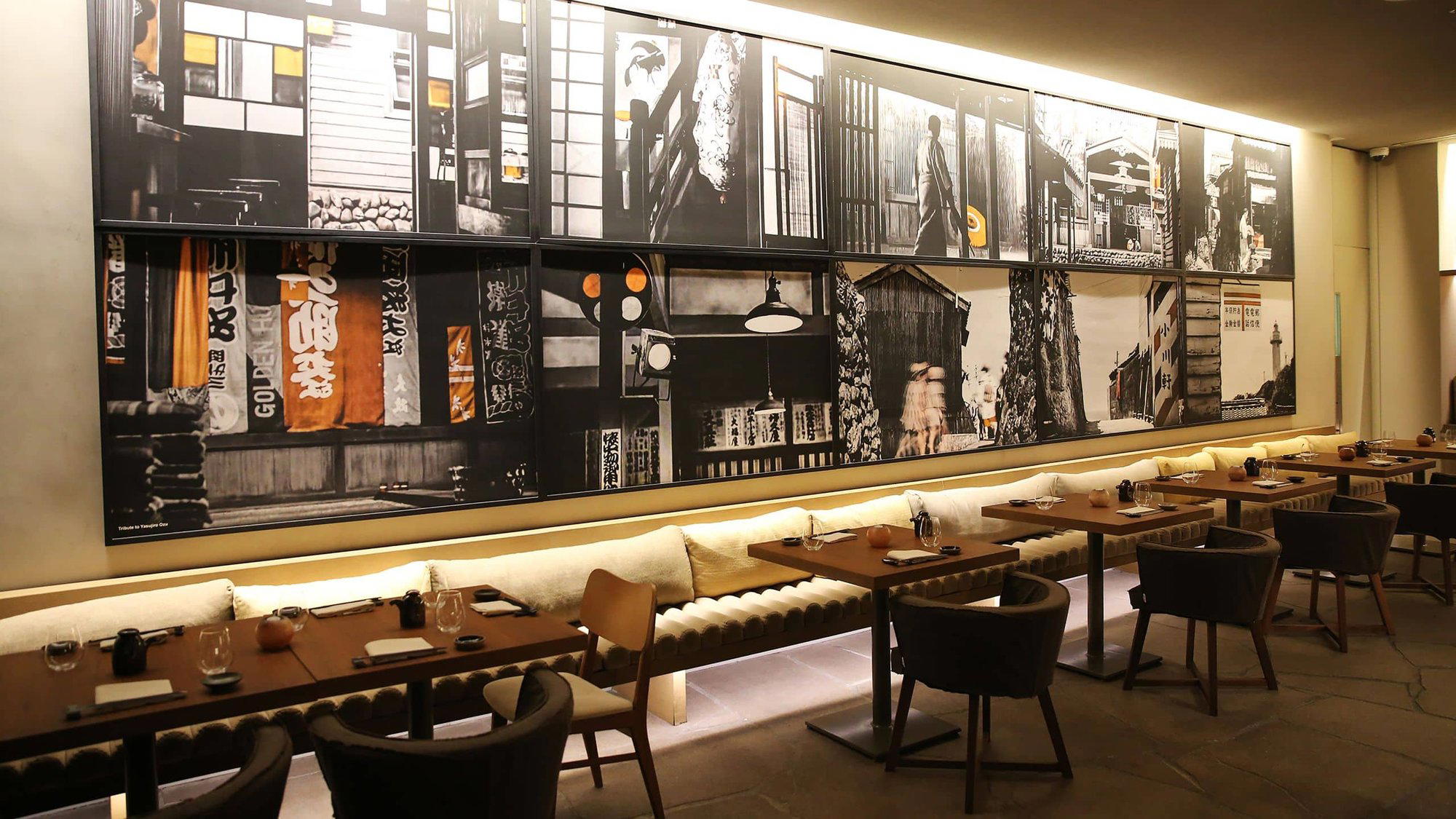
Where Barra da Tijuca Places Its Bets on Japanese Influence
Rio de Janeiro's fine-dining geography has long concentrated in Leblon, Ipanema, and the Lagoa corridor, where Lasai and Oteque anchor the city's most critically recognized tier. Barra da Tijuca operates differently: wider avenues, a car-dependent layout, and a demographic that skews toward the city's upper-middle residential class rather than the tourist and expat circuits that sustain Zona Sul flagships. A restaurant choosing Avenida Lúcio Costa as its address is making a deliberate statement about who it wants to reach and how far diners should be willing to travel for it.
Shiso sits inside that west-zone calculation. The name references the Japanese herb — aromatic, precise, used in both raw and cooked preparations across Japanese cuisine — and the choice is not arbitrary in a Brazilian context. São Paulo has historically absorbed the country's largest Nikkei community, producing a Japanese-Brazilian culinary tradition that runs from neighborhood temakeria counters to the Michelin-recognized precision of places like D.O.M. in São Paulo, which has consistently engaged with indigenous Brazilian ingredients alongside global technique. Rio's own Japanese-influenced dining has developed more quietly, without the institutional density of São Paulo's Liberdade district, but the demand is there, and restaurants that read that demand correctly tend to build loyal, return-heavy clientele.
The Wine Angle in a Japanese-Inflected Setting
One of the more interesting editorial questions raised by Japanese-influenced restaurants in Brazil concerns the wine program. Japanese cuisine, particularly if the kitchen leans toward omakase formats, raw preparations, or dashi-forward cooking, creates a specific challenge for cellar curation. The acidity and umami depth of soy-based sauces, the salinity of properly seasoned fish, and the fat of fattier cuts like toro or wagyu each respond differently to wine than the grilled-meat and reduction-sauce traditions that built most European wine pairing logic.
Across the global tier of Japanese-influenced restaurants, from counters in Tokyo to the kind of Korean-American precision cooking at Atomix in New York City, the sommelier conversation has moved toward higher-acid, lower-tannin selections: Burgundian Chardonnay, Austrian Grüner Veltliner, aged Champagne, and increasingly, sake as a first-class pairing option rather than an afterthought. In Brazil, that conversation intersects with a local wine culture that skews toward bold South American reds and where the wine list at most restaurants reflects the preferences of a clientele raised on Malbec and Tannat.
A wine program that genuinely serves Japanese-influenced food in Rio therefore requires a specific curatorial commitment: the willingness to stock bottles that may move more slowly, educate rather than simply please, and position sake or lower-intervention whites as pairing anchors rather than novelties. Whether Shiso's list reflects that level of intentionality is a question that warrants direct inquiry at the time of booking, since no detailed wine data is publicly catalogued for this address. What the broader scene suggests is that the restaurants in this niche that build the most loyal clientele are those where the drinks program is treated as a structural complement to the food rather than a revenue afterthought.
Barra da Tijuca's Position in Rio's Restaurant Conversation
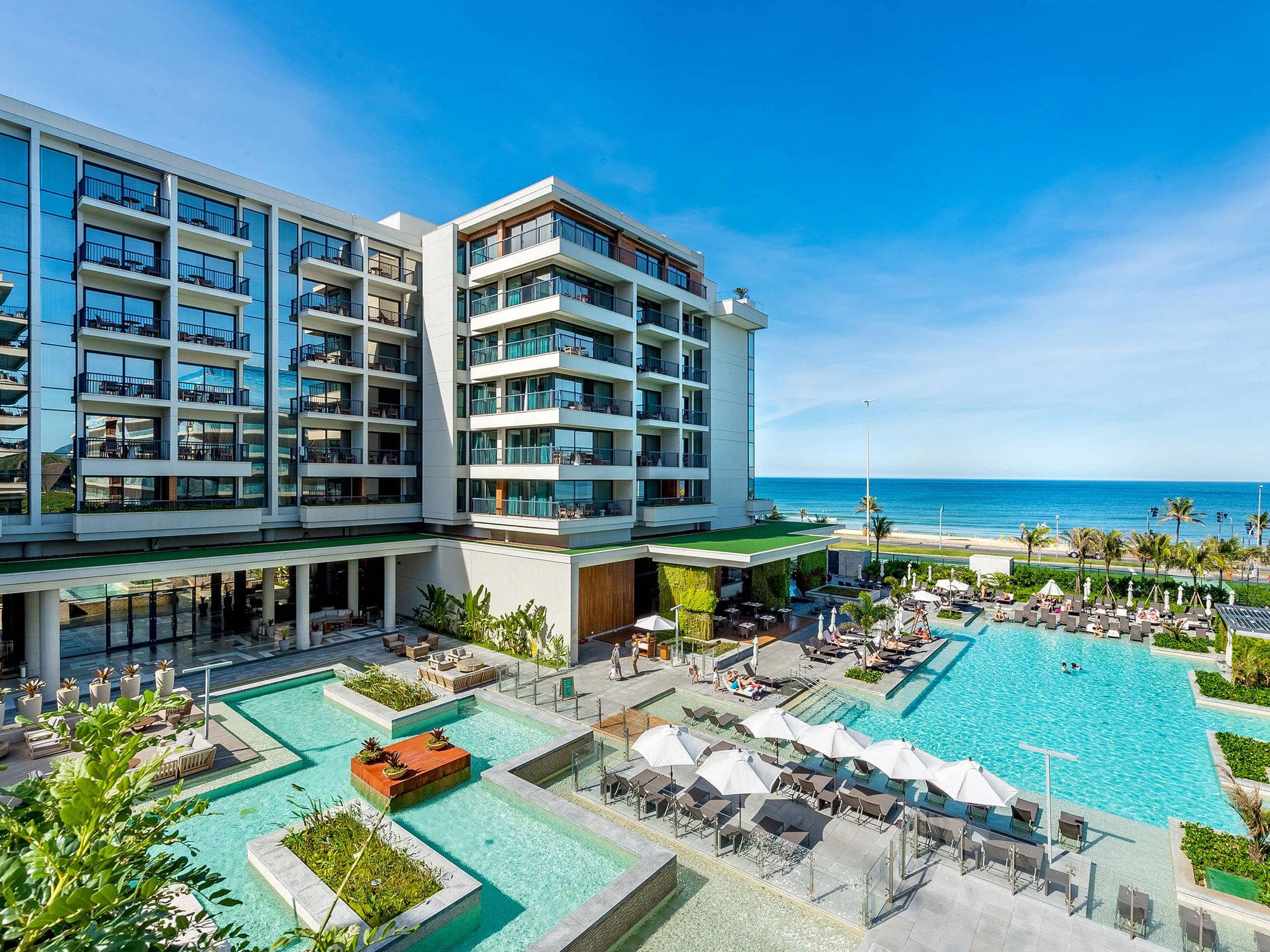
The west-zone dining scene in Rio does not yet carry the critical mass that would make Barra da Tijuca a destination in the way that Leblon functions as one. But that gap is narrowing, and restaurants that establish themselves in the neighborhood before the critical tide arrives tend to accumulate a local authority that later arrivals cannot easily replicate. The Avenida Lúcio Costa address specifically runs along the Barra seafront, which positions Shiso within a corridor of residential towers, shopping infrastructure, and the kind of mid-to-high income density that supports a consistent dinner trade without depending on weekend tourism.
For comparison, Rio's most critically acknowledged dining addresses, Oteque with its tasting menu format, Oro with its Italian-Brazilian register, and Casa 201 holding a French position in the fine-dining tier, are all concentrated in the Zona Sul. Shiso operates outside that gravitational pull, which means it either succeeds on the strength of the neighborhood's own demand or it builds a reputation strong enough to pull diners across the city. In Rio's current restaurant conversation, both outcomes are achievable, but they require different things from a restaurant's format, pricing, and communication.
Planning a Visit
Avenida Lúcio Costa in Barra da Tijuca is most easily reached by car or rideshare from Zona Sul, a journey that runs roughly 30 to 45 minutes depending on traffic and the time of day. Public transit options exist but are considerably less direct. Given the neighborhood's residential character, reservations are advisable, particularly on weekends when Barra's own dining population is most active. No phone number or booking platform is currently indexed for Shiso, which means the most reliable approach is to check the venue directly via search at the time of travel, as contact details and hours can shift without aggregator updates reflecting the change. Visitors coming from the broader Rio circuit should consult our full Rio de Janeiro restaurants guide for the complete picture of where Shiso sits relative to the city's other addresses across price tiers and cuisine categories, including comparisons with Cipriani and other established Zona Sul names.
For those building a broader Brazil itinerary beyond Rio, the country's restaurant scene extends well past the two major cities into regional addresses worth tracking: Bistro Fitz Carraldo in Manaus, Cantina Pozzobon in Santa Maria, Arte e Café Imperial in Angra dos Reis, and Casa da Picanha Penedo in Itatiaia each represent the kind of regional specificity that a single-city itinerary tends to miss. Further afield, Aero Burguer e Grill in Santa Cruz do Sul, Casa da Dika in Bragança, Casa da Flor in Dourados, Famosa Pizza in Ribeirão Preto, and Fornazzo Pizzaria in Passo Fundo add texture to a country whose dining geography is far more distributed than the São Paulo-Rio axis suggests. For precision fine dining at a globally benchmarked level, Le Bernardin in New York City remains the reference point for how seafood-focused tasting menus can be constructed at the top of the market.
Frequently asked questions
Where exactly is Shiso?
Shiso is located at Av. Lúcio Costa, 9600 - Barra da Tijuca, Rio de Janeiro - RJ, 22795-007, Brazil, Rio De Janeiro.
Is Shiso a good option for Japanese dining in Rio de Janeiro's Barra da Tijuca specifically, or is it worth travelling from Zona Sul?
For visitors or residents already in Barra da Tijuca, Shiso at Av. Lúcio Costa, 9600 fills a gap: the west zone has far fewer Japanese-influenced options than the Leblon-Ipanema corridor where most of Rio's cited Japanese kitchens operate. Travelling from Zona Sul adds 30 to 45 minutes by car depending on traffic on the coastal expressway.
What's the must-try dish at Shiso?
Specific menu details for Shiso are not published in advance, which is consistent with how Japanese-influenced kitchens in Brazil typically operate — letting the market and season drive the plate. check the venue's official channels on arrival at Av. Lúcio Costa, 9600 in Barra da Tijuca to ask what the kitchen is running that day. Staff recommendations at restaurants of this style tend to be the most reliable guide.
How far ahead should I plan for Shiso?
Reaching out at least one to two weeks ahead for weekend visits to Av. Lúcio Costa, 9600 is a reasonable baseline. Weekday availability is generally more flexible in Barra da Tijuca's dining scene.
What's Shiso best at?
Shiso positions itself within the Japanese-influenced dining category in Rio de Janeiro, a style that in Brazil tends to emphasize clean technique and ingredient precision over volume. Its location on Av. Lúcio Costa in Barra da Tijuca places it outside the Leblon and Ipanema corridors where most of Rio's benchmark Japanese restaurants concentrate, giving it a distinct geographic identity. The kitchen's specific strengths are best assessed on-site.
Is Shiso allergy-friendly?
Japanese-influenced menus frequently involve soy, sesame, and shellfish as foundational ingredients, so guests with serious allergies should check the venue's official channels before visiting Av. Lúcio Costa, 9600 in Barra da Tijuca. Calling ahead or arriving early to speak with staff is the most reliable approach for venues where formal policy documentation is not published.
Is eating at Shiso worth the cost?
Pricing details for Shiso are published details are limited, which makes a direct cost-to-value comparison difficult without a visit. In Rio de Janeiro's broader restaurant market, Japanese-influenced dining in Barra da Tijuca tends to price below comparable venues in Ipanema or Leblon simply due to lower real estate and operational overhead in the west zone. Whether that translates to a strong value proposition depends on the current menu execution, which has not been formally reviewed or awarded in documented sources. Check the venue's official channels for the latest details.
Quick Comparison
Comparable venues nearby, for context on price, style, and recognition.
| Venue | Cuisine | Price | Awards | Notes |
|---|---|---|---|---|
| ShisoThis venue — the venue you are viewing | Modern Japanese Fusion | $30–50 | Not listed | Not listed |
| Bráz | Pizza Paulistana | $20–30 | Not listed | Jardim Botânico |
| . Org Bistrô | Modern Organic Vegetarian Bistro | Not listed | Not listed | Itanhangá |
| Capricciosa | Contemporary Neapolitan Pizzeria & Italian Trattoria | $20–30 | 50 Top Pizza Latin America #20 | Ipanema |
| Gurumê | Contemporary Japanese Fusion | $30–50 | Not listed | Leblon |
| Julieta | Modern Brazilian | Not listed | Not listed | Flamengo |
Continue exploring
More in Rio de Janeiro
Restaurants in Rio de Janeiro
Browse all →
Bars in Rio de Janeiro
Browse all →
Details
- Modern
- Elegant
- Sophisticated
- Date Night
- Special Occasion
- Business Dinner
- Open Kitchen
- Sake Program
- Craft Cocktails
- Local Sourcing
- A La Carte
- Tasting Menu
- Sake Program
- Vegetarian Friendly
- Gluten Free Options
Current opening hours
- Monday
- 7–11 PM
- Tuesday
- 7–11 PM
- Wednesday
- 7–11 PM
- Thursday
- 7–11 PM
- Friday
- 7 PM–12 AM
- Saturday
- 7 PM–12 AM
- Sunday
- 7–11 PM
Hours can change for holidays and private events. Last verified .
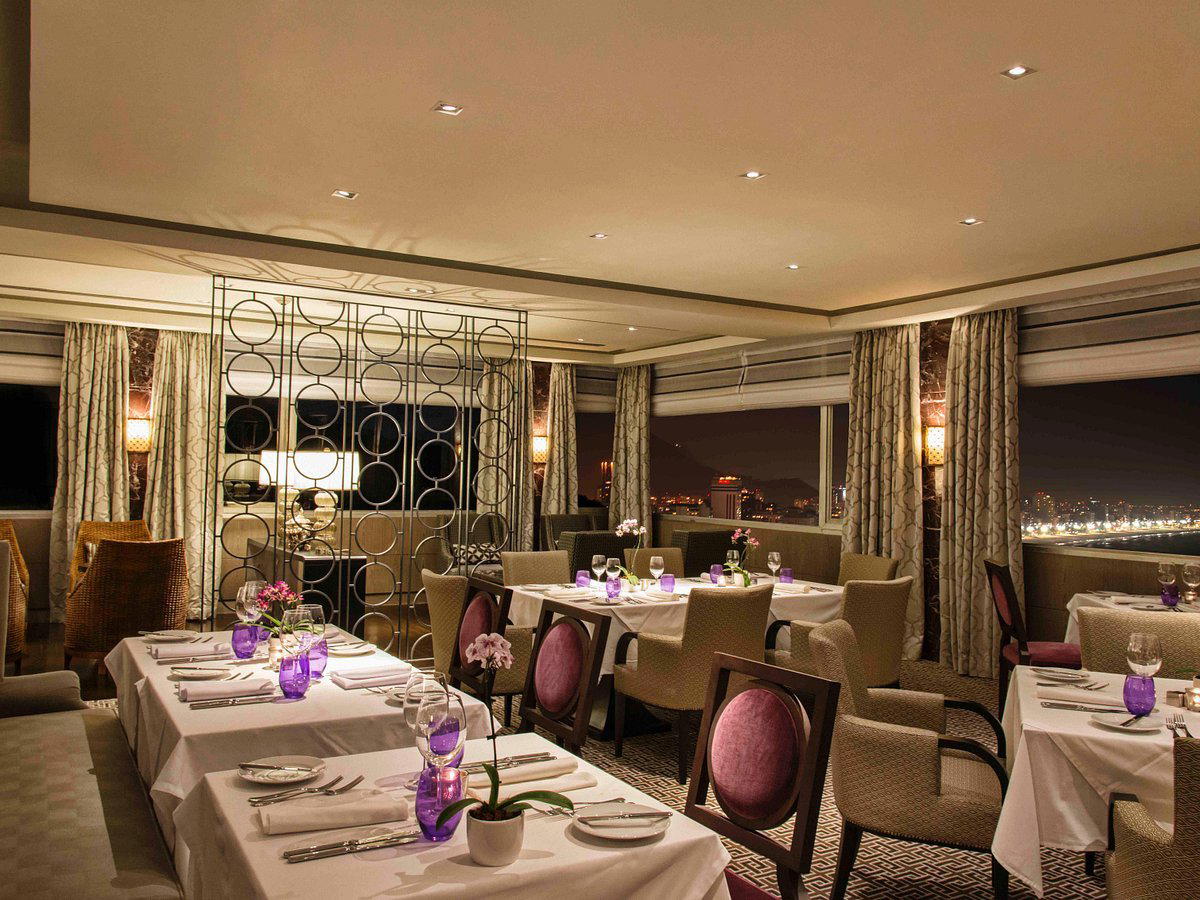
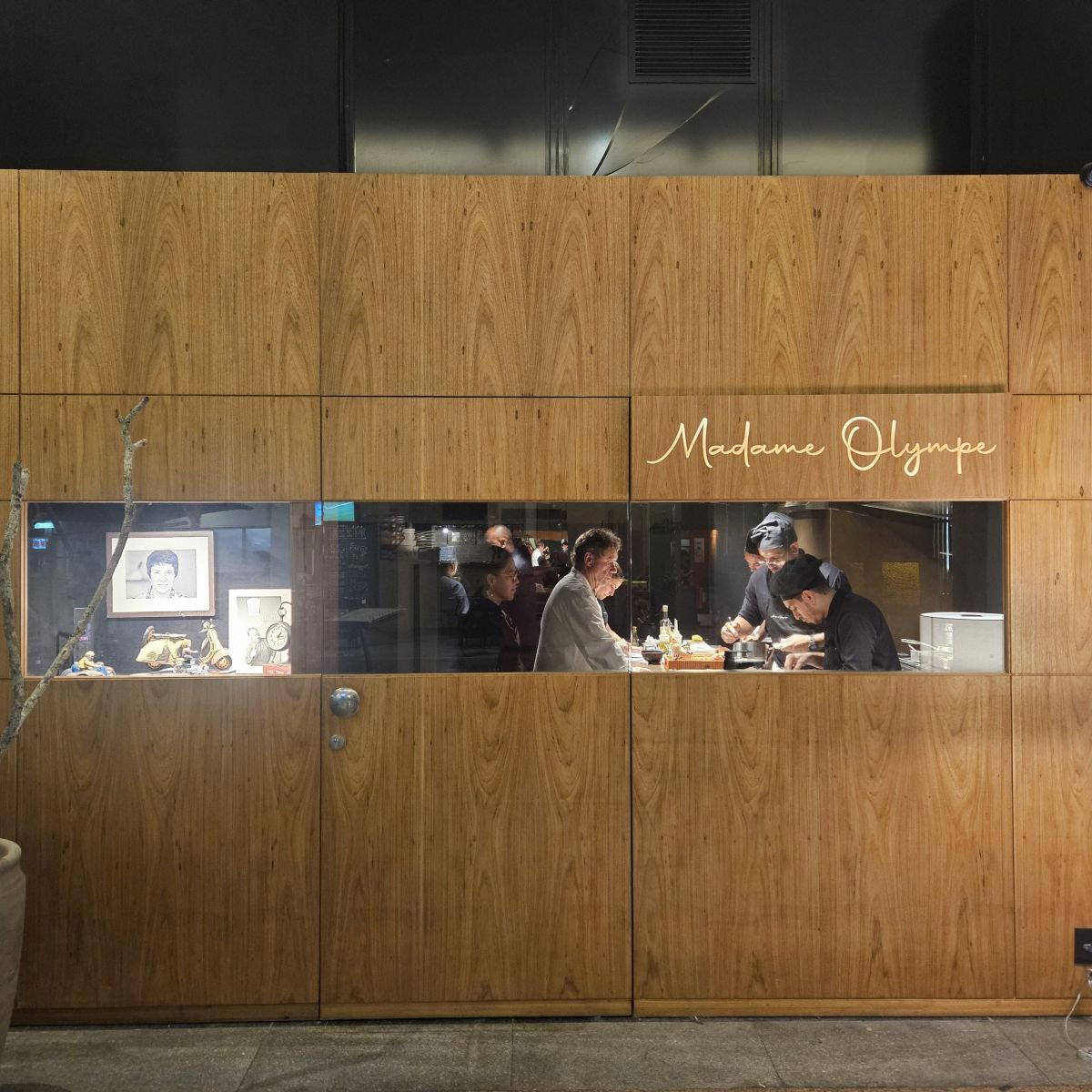
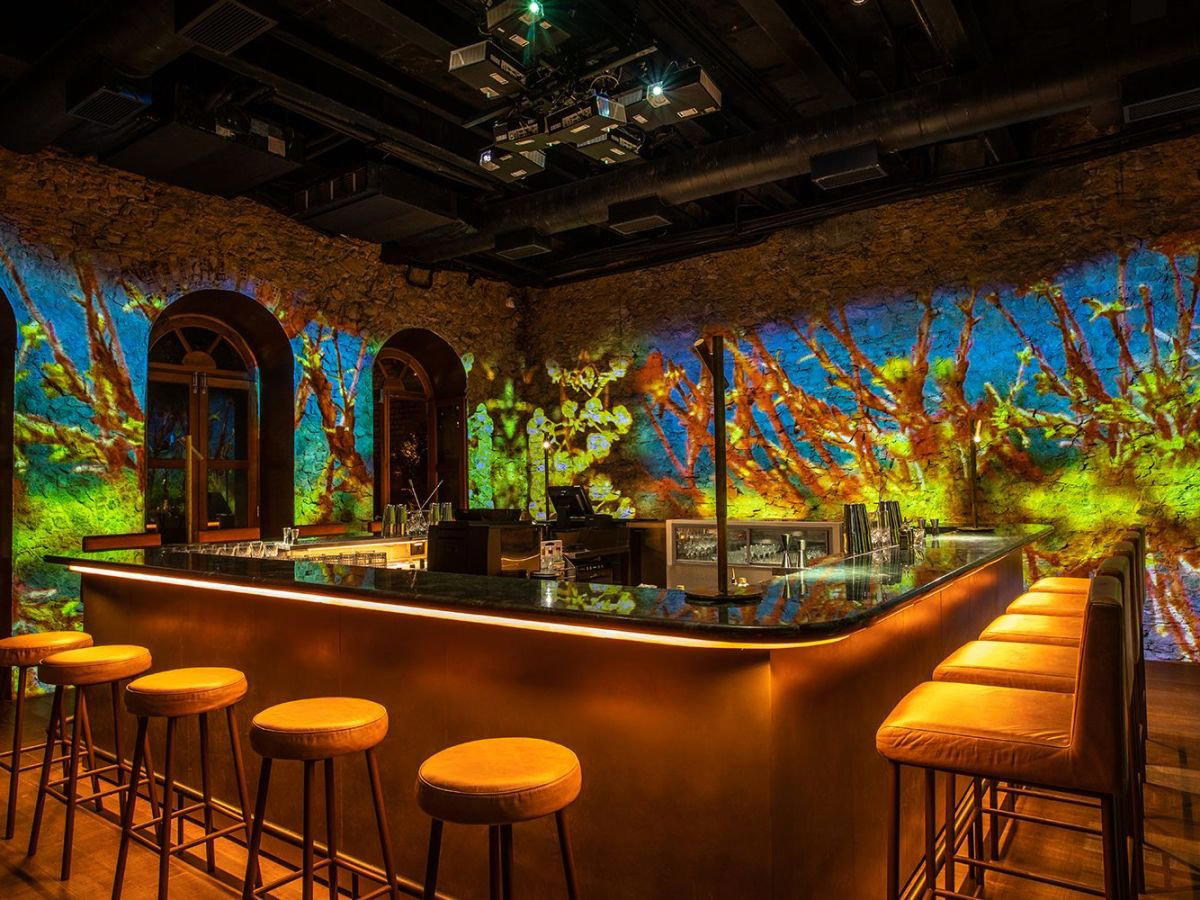
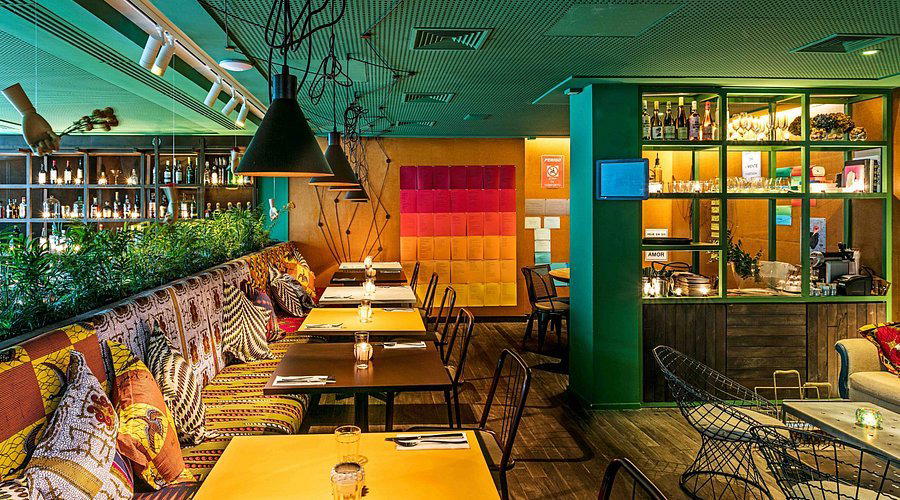
Spacious and modern setting with open kitchen allowing views of chefs at work, contemporary design blending oriental and carioca influences.