Shirley Brasserie
Our verdict
Shirley Brasserie brings modern French brasserie cooking to the Hollywood Roosevelt, with escargots, boeuf bourgignon, and branzino for a leisurely dinner or brunch.

Pearl is the En Primeur Club membership app, where members save venues, book tables and use the concierge.
The menu
What to order
- Escargots
- Boeuf bourgignon
- Branzino
Hollywood Boulevard, After the Tourists Clear Out
The stretch of Hollywood Boulevard around 7000 is not where most Angelenos choose to spend an evening. The sidewalk runs thick with tour groups and souvenir shops, and the general assumption is that any restaurant at this address is either a tourist trap or a hotel annex operating on captive clientele. Shirley Brasserie exists in that context, which makes the loyalty it has built among a returning local crowd the more telling signal about what is actually happening inside. In cities where dining neighborhoods are rigidly defined, the regulars who cross zip codes to return to a single room tend to know something that the address does not advertise.
The Brasserie Format in an American Context
The brasserie as a format carries specific expectations: a room that functions across dayparts, a menu broad enough for the solo diner at the bar and the group celebrating something, and a kitchen that prioritizes consistency over provocation. In Los Angeles, that format competes against a dining culture that has spent the past decade rewarding the opposite: tight tasting menus, chef-driven concept restaurants, and hyper-specific cuisine categories. Kato, with its New Taiwanese precision, and Hayato, operating from a rigorous Japanese kaiseki framework, represent the city's appetite for focused, singular formats. The brasserie sits at the other end of that spectrum, and the ones that survive in this market tend to do so because they become genuinely useful to the people around them rather than destinations in the conventional sense.
What the brasserie model requires, and what the most durable examples in European cities demonstrate, is a kind of invisible discipline: the kitchen has to be good enough that regulars never encounter a reason to reconsider. Le Bernardin in New York City operates at the far upper end of that consistency argument, holding its standard across decades. The brasserie format asks for the same reliability at a different price point and with a broader menu scope.
What Keeps the Regulars Coming Back
The loyal-clientele test is useful for any room that is not a tasting-menu destination: it asks whether the space functions as a genuine part of someone's recurring life rather than a one-time occasion. Brasseries that develop this kind of following in American cities typically do so through a combination of room comfort, staff recognition, and a menu that rewards familiarity. The regular knows which section of the menu changes and which section does not. They know what to order for a quick solo dinner versus what to order when the table has time. They have likely developed a relationship with the floor staff that shortens the decision process on arrival.
This dynamic plays differently in Hollywood than it might in, say, a neighborhood with a stable residential base. The area around 7000 Hollywood Blvd attracts a transient audience, which means a restaurant that has built local regulars has done so against the grain of its immediate foot traffic. That is a meaningful signal about the room itself: it is evidently operating on terms that override location skepticism.
For context, other Los Angeles operations that have built similarly loyal followings across different format categories include Osteria Mozza on Melrose, where the counter and dining room have functioned as regular fixtures for a specific West Side crowd for years, and Providence in Hancock Park, which has held its position as a reliable anchor for special-occasion dining over a sustained period. The mechanism differs, but the underlying logic is the same: the room earns repeat visits rather than simply attracting first-time ones.
Los Angeles Fine Dining: Where the Brasserie Fits
Los Angeles has a well-documented gap between its high-end tasting-menu tier and its casual neighborhood restaurant tier. The brasserie, when it works, fills the middle register: a room where the cooking is serious but the format is not demanding, where you can eat well without committing to three hours and a fixed menu. That middle register has been harder to sustain in Los Angeles than in cities like San Francisco, where Lazy Bear operates at the format-driven end, or New York, where the brasserie tradition has deeper roots. The city's dining culture has historically polarized between casual and occasion-specific, with less critical mass in the zone between.
At the upper end of the national fine-dining conversation, references like Alinea in Chicago, The French Laundry in Napa, and Blue Hill at Stone Barns in Tarrytown define what a fully committed tasting-menu program looks like. Somni has staked a claim at that tier within Los Angeles itself. Shirley Brasserie is not competing in that bracket. Its competitive set is different, defined by approachability, consistency, and the kind of cooking that improves with familiarity rather than astonishing on a single visit.
For those traveling from elsewhere with a broader frame of reference, comparable brasserie-adjacent operations at different price and ambition levels include Addison in San Diego, Bacchanalia in Atlanta, and Emeril's in New Orleans. Each demonstrates how a room can build a durable identity that outlasts trend cycles, which is ultimately what the brasserie format requires to justify itself.
Planning a Visit
Shirley Brasserie is at 7000 Hollywood Blvd, Hollywood, CA 90028. Given its location within what is effectively a high-traffic tourist corridor, the practical advice is to arrive with a specific time in mind rather than walking in at peak evening hours expecting immediate availability. The boulevard is navigable by Metro (the Hollywood/Highland station is close by), which is worth considering given parking constraints in the area. For those comparing options across the broader Los Angeles dining scene, our full Los Angeles restaurants guide covers the range from neighborhood anchors to destination tasting rooms.
Quick reference: 7000 Hollywood Blvd, Hollywood, CA 90028. Metro access via Hollywood/Highland station.
Frequently asked questions
Is Shirley Brasserie suitable for children?
What should I expect atmosphere-wise at Shirley Brasserie?
What should I order at Shirley Brasserie?
Do they take walk-ins at Shirley Brasserie?
Is Shirley Brasserie connected to the Hollywood Roosevelt Hotel?
Quick Comparison
Comparable venues nearby, for context on price, style, and recognition.
| Venue | Cuisine | Price | Notes |
|---|---|---|---|
| Shirley BrasserieThis venue (the venue you are viewing) | Modern French Brasserie | $30–50 | Not listed |
| Violet L.A. | Cali-French Bistro | $50–100 | Westwood |
| Figaro Bistrot | Classic French Bistro | $30–50 | Los Feliz |
| Bon Vivant Market Cafe | Eclectic French and Californian | $20–30 | Atwater Village |
| Cafe Stella | Classic French Bistro | Not listed | Sunset Junction |
| Kendall's Brasserie | Modern French Brasserie | $50–100 | Civic Center |
Continue exploring
More in Los Angeles
Restaurants in Los Angeles
All restaurants in Los Angeles →
Bars in Los Angeles
All bars in Los Angeles →
Hotels in Los Angeles
All hotels in Los Angeles →
Wineries in Los Angeles
All wineries in Los Angeles →

Details
- Elegant
- Sophisticated
- Cozy
- Modern
- Classic
- Date Night
- Special Occasion
- Business Dinner
- Open Kitchen
- Hotel Restaurant
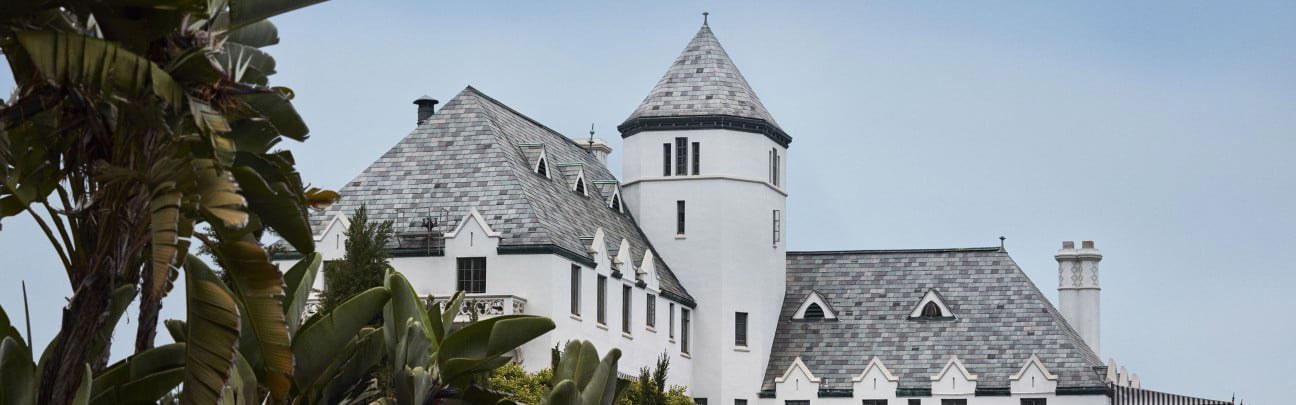
- Historic Building
- Farm To Table
- A La Carte
Current opening hours
- Monday
- 5–9 PM
- Tuesday
- 5–9 PM
- Wednesday
- 5–9 PM
- Thursday
- 5–10 PM
- Friday
- 5–10 PM
- Saturday
- 10 AM–3 PM, 5–10 PM
- Sunday
- 10 AM–3 PM, 5–9 PM
Hours can change for holidays and private events. Hours as of .
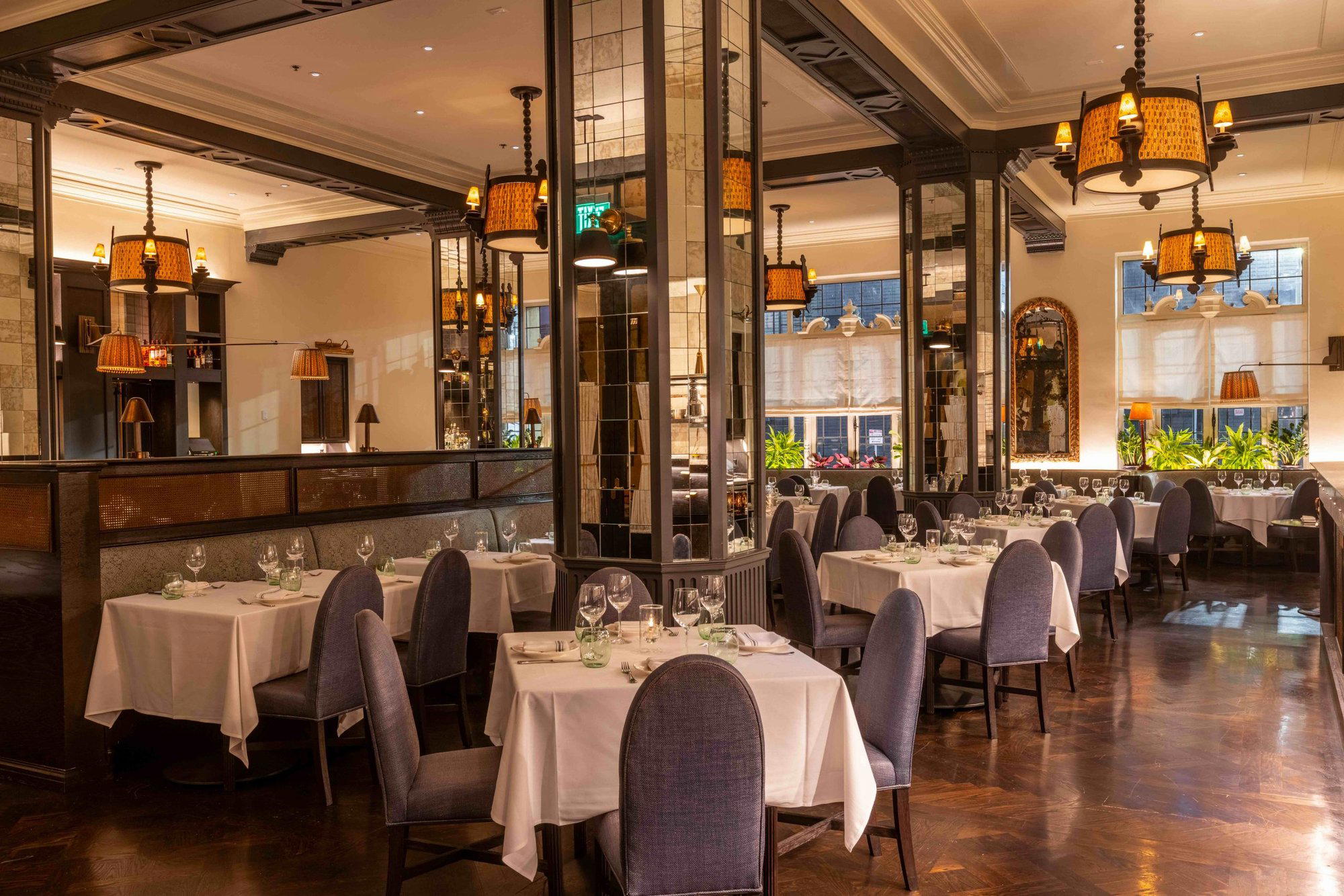
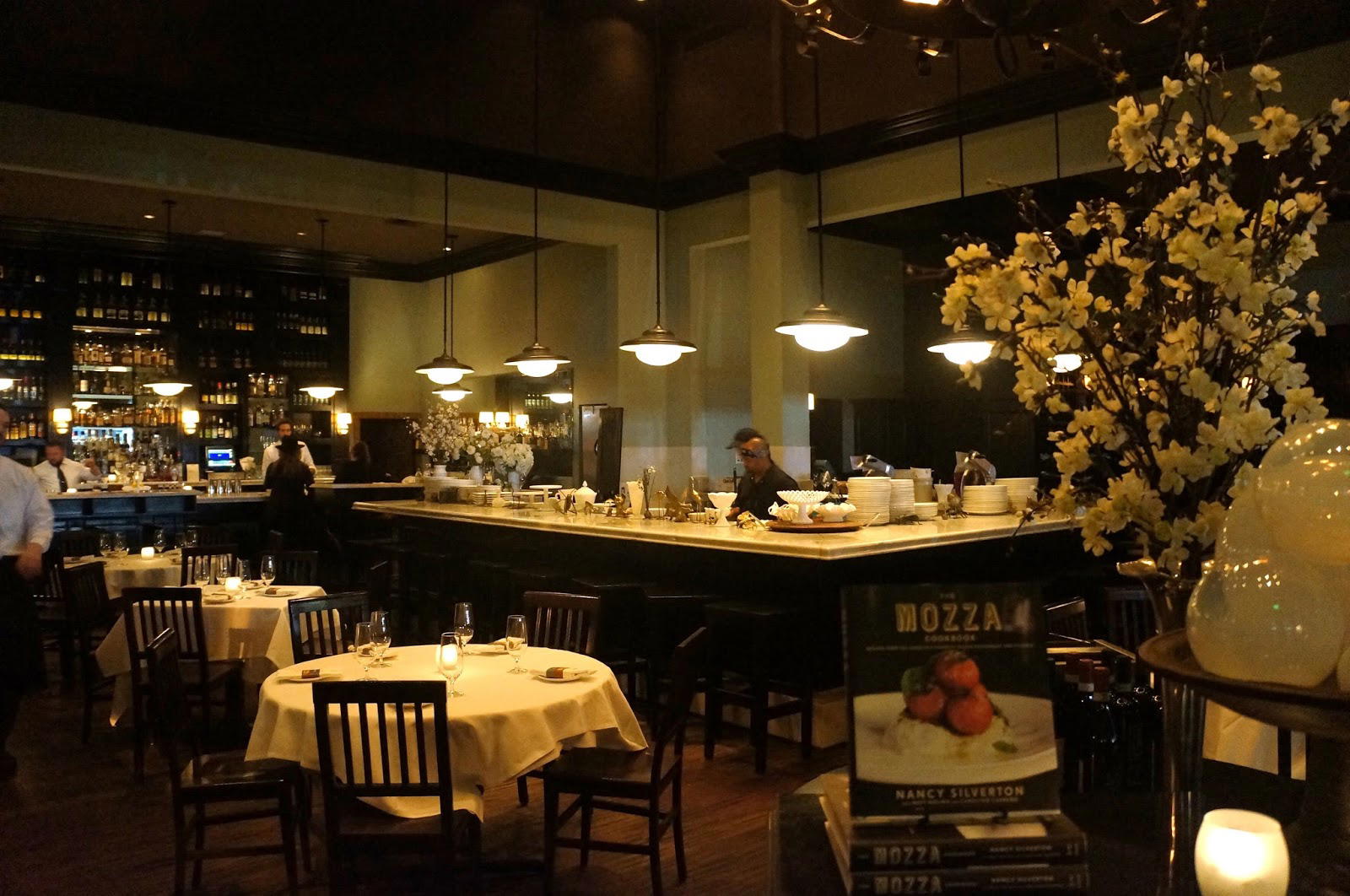
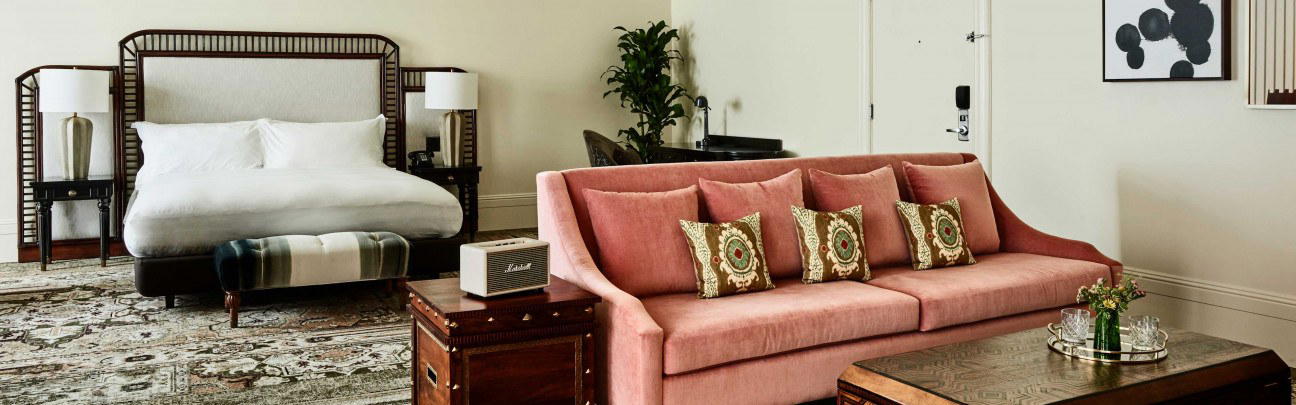
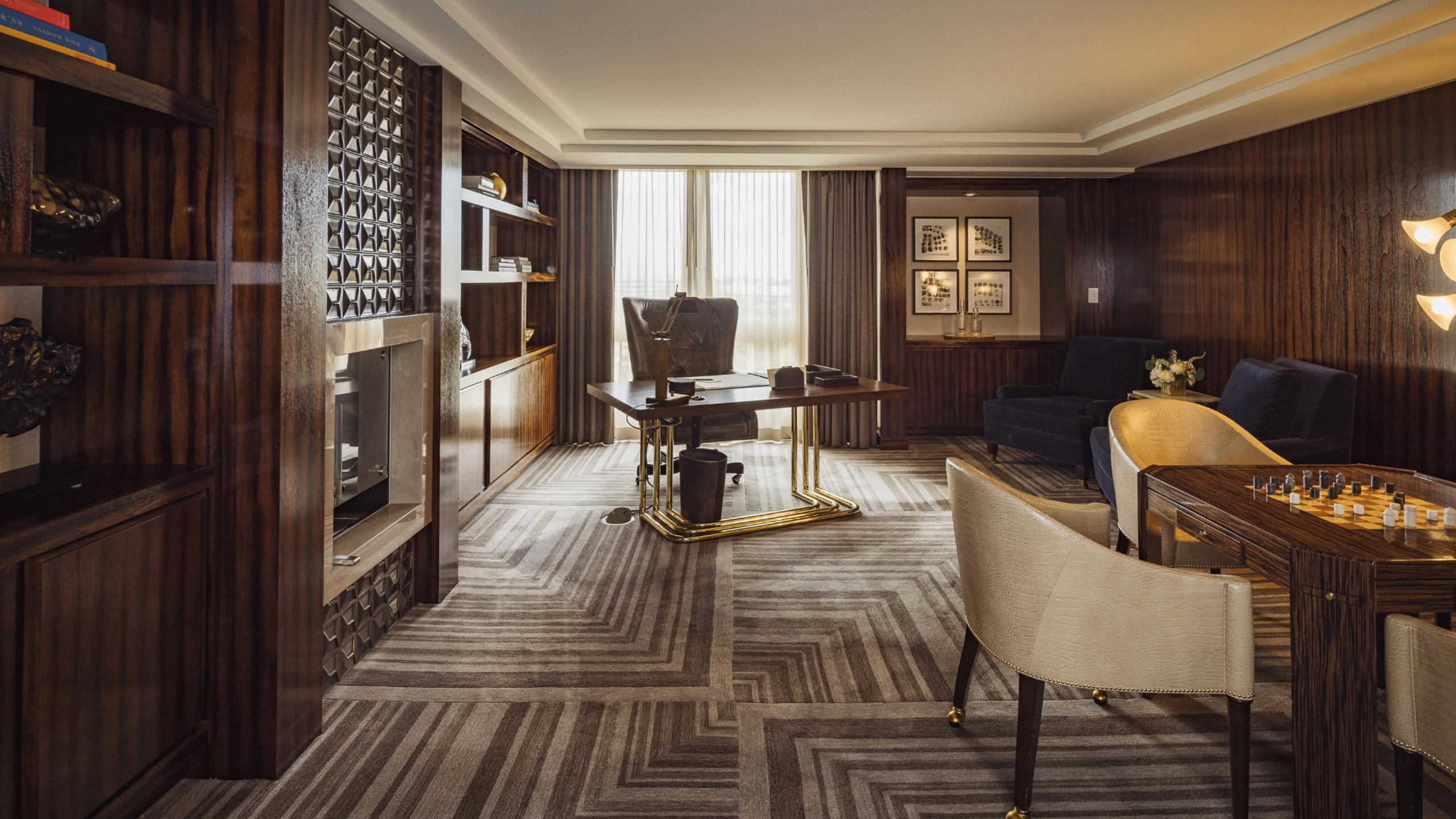
Gorgeous decor with warm, inviting atmosphere, open kitchen, and subdued lighting creating an elegant yet lively setting.