Shimanouchi Ichiyo occupies a quiet address in Osaka's Chuo Ward, a neighbourhood where the density of serious dining rooms per city block rivals anywhere in Japan. The restaurant sits within the Shimanouchi district, a stretch of Minami that has long supported a tier of intimate, counter-led dining that trades on precision over spectacle. Visitors planning ahead should expect the booking conventions typical of Osaka's more considered mid-to-upper dining tier.
Pearl is the En Primeur Club membership app — saves, bookings, and concierge access live there. Same editors, same standards.
- Address
- Japan, 〒542-0082 Osaka, Chuo Ward, Shimanouchi, 2 Chome−11−20 吉富ビル 1F
- Phone
- +81662125678
- Website
- shimanouchi-ichiyou.jp
- Directions
- Get directions
 Saves & bookings on Pearl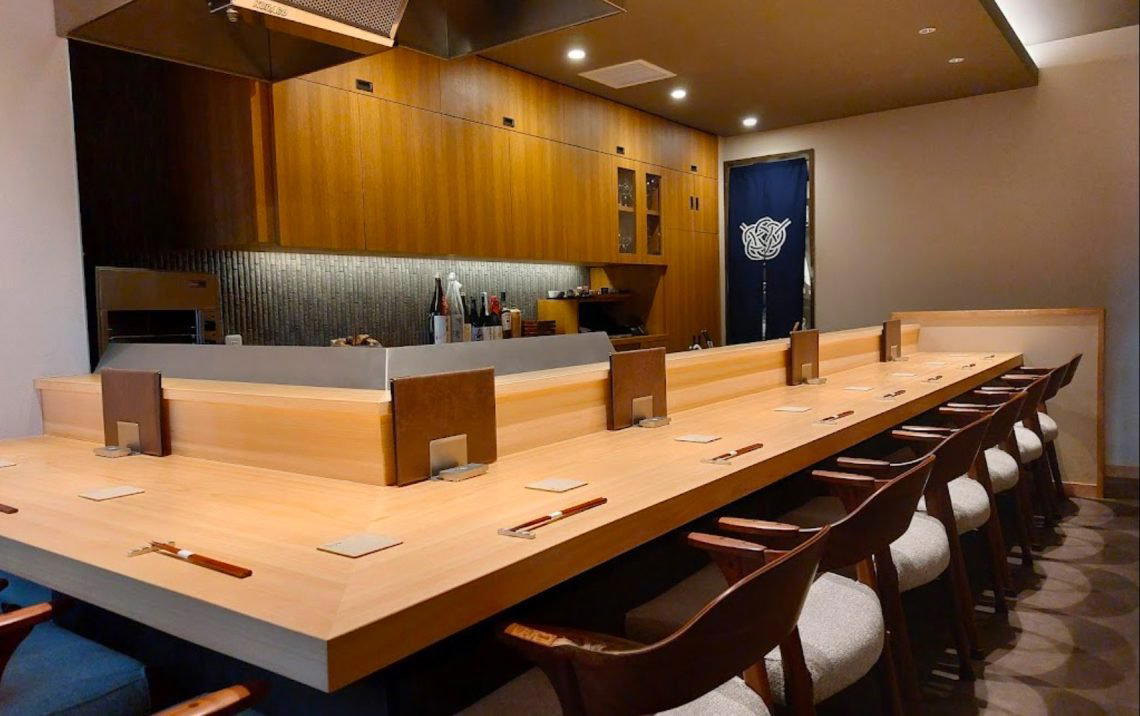
Shimanouchi and the Quiet Grammar of Osaka Dining
There is a particular kind of street in Osaka's Chuo Ward that looks, from the outside, like it has little to offer: a narrow lane, low signage, the occasional lit paper lantern visible through a ground-floor window. Shimanouchi is one of those streets, and it is precisely the kind of address where the city's more serious dining rooms tend to gather. The area sits within Minami, Osaka's southern commercial and entertainment district, but it operates at a different register from the louder thoroughfares of Dotonbori a few minutes' walk away. Here, the ambient noise drops, the buildings scale down, and the restaurants that remain tend to reward the people who were looking for them specifically.
Shimanouchi Ichiyo is located at 2-11-20 Shimanouchi, Chuo Ward, Osaka, an address that places it firmly within this quieter dining corridor. The building is a low-rise commercial block, the kind that houses specialists rather than generalists, and the surrounding block reflects the character of a neighbourhood that has accumulated culinary credibility over decades rather than through any single wave of development.
The Sensory Register of a Chuo Ward Interior
Osaka's counter-dining culture has its own sensory logic. At the format's most considered end, the room itself communicates before a dish arrives: natural wood surfaces that have absorbed years of use, the controlled temperature of a kitchen that is working but not shouting, the particular quality of light, often warm, often low, that signals a room designed for attention rather than spectacle. These are not decorative choices. They are functional, calibrated to focus the diner toward the food and the exchange across the counter.
Shimanouchi Ichiyo is a restaurant in Osaka, serving Creative Kappo Seafood at about $100 per person. The format, common across Osaka's premium dining tier, tends to compress space to sharpen focus: fewer seats, fewer distractions, a progression of dishes that arrives at a pace set by the kitchen rather than the customer. That pacing is itself a sensory experience. Osaka kaiseki and its adjacent categories, the city's long tradition of kappo, the more recent convergence of French technique with Japanese produce, all rely on this rhythmic structure. The interval between courses is not downtime; it is part of the meal.
Visitors arriving in Shimanouchi from the busier parts of Minami will register the shift immediately. The street-level approach, the reduced foot traffic, the absence of illuminated menu boards, these details function as a kind of decompression, a signal that the dining experience ahead is calibrated to a different tempo. Comparable transitions happen at the approach to Ajikitcho Bunbuan and Calendrier, both of which occupy Chuo Ward addresses where the neighbourhood itself frames the meal before the door opens.
Where Shimanouchi Ichiyo Sits in Osaka's Dining Tier
Osaka's dining scene has split, over the past decade, into broadly recognisable tiers. At the recognised upper bracket, rooms like HAJIME in Osaka operate with international award recognition and corresponding demand on reservations. A significant and more numerous tier sits just below: restaurants with serious kitchen lineage, a loyal local clientele, and a format, often eight to sixteen covers, that keeps quality high without requiring the infrastructure of a fully awarded operation. The restaurant's Chuo Ward address and neighbourhood peer group place it in conversation with this second tier, where the relevant comparison points are other Shimanouchi and Minami-district specialists rather than the city's headline names.
This is also the tier where Osaka most consistently rewards the traveller who has done the work. Places in this bracket tend to be less visible in international travel media than the Michelin-listed rooms, but they often provide one accurate read of how the city actually eats, with emphasis on seasonal produce, kitchen-dictated progression, and a relationship between diner and cook that the larger formats can struggle to maintain. Ajihei Sonezaki and Aka to Shiro represent adjacent points in the same general tier, each with distinct format emphases but a shared commitment to the counter-dining logic that defines this part of Osaka's food culture.
For comparison beyond Osaka, the mid-to-upper counter dining format appears with similar structural discipline at Harutaka in Tokyo, Gion Sasaki in Kyoto, and further afield at akordu in Nara, all rooms where the physical setting and service tempo are as carefully considered as the food. Outside Japan, the structural analogy shifts considerably: Le Bernardin in New York City and Atomix in New York City both reflect the influence of precision-paced tasting formats, though within entirely different culinary traditions. Goh in Fukuoka offers the closest regional parallel to Shimanouchi's mid-tier discipline, with a similar emphasis on produce-led counter cooking in a city with comparable food-culture depth.
Planning a Visit: What the Neighbourhood Requires
The restaurant recommends reservations and follows a smart casual dress code. Reservations at this tier of Chuo Ward dining are standard practice rather than optional, the compact formats that define the neighbourhood's better rooms leave no margin for walk-in flexibility.
The precision-led counter format extends north to å¤ä»å±±ä¹ in Sapporo and into less-trafficked destinations like ä¸æ¬æ å·å¶ in Nanao and æ¹é庵 in Takashima, where the same formal discipline applies in considerably quieter settings. åºç¾½å± in Nishikawa Machi and Birdland in Sakai round out a regional picture in which Osaka functions as a central reference point rather than an isolated scene.
Just the Basics
Comparable venues nearby, for context on price, style, and recognition.
| Venue | Cuisine | Price | Notes |
|---|---|---|---|
| Shimanouchi IchiyoThis venue — the venue you are viewing | Chūō, Creative Kappo Seafood | $$$ | Not listed |
| Hachi | Not listed | $$$ | Tennōji, Binchōtan-Grilled Japanese Fine Dining |
| Konishi | Kita, Kappo | $$$ | Not listed |
| Shōwaji | Not listed | $$$ | Chūō, Japanese Wagyu Yakiniku & Shabu-Shabu |
| Teppan Toyoshimake | Chūō, Teppanyaki Steakhouse | $$$ | Not listed |
| かしわや泰 美酒佳鶏 | Fukushima, Yakitori | $$$ | Not listed |
Continue exploring
More in Osaka
Restaurants in Osaka
Browse all →




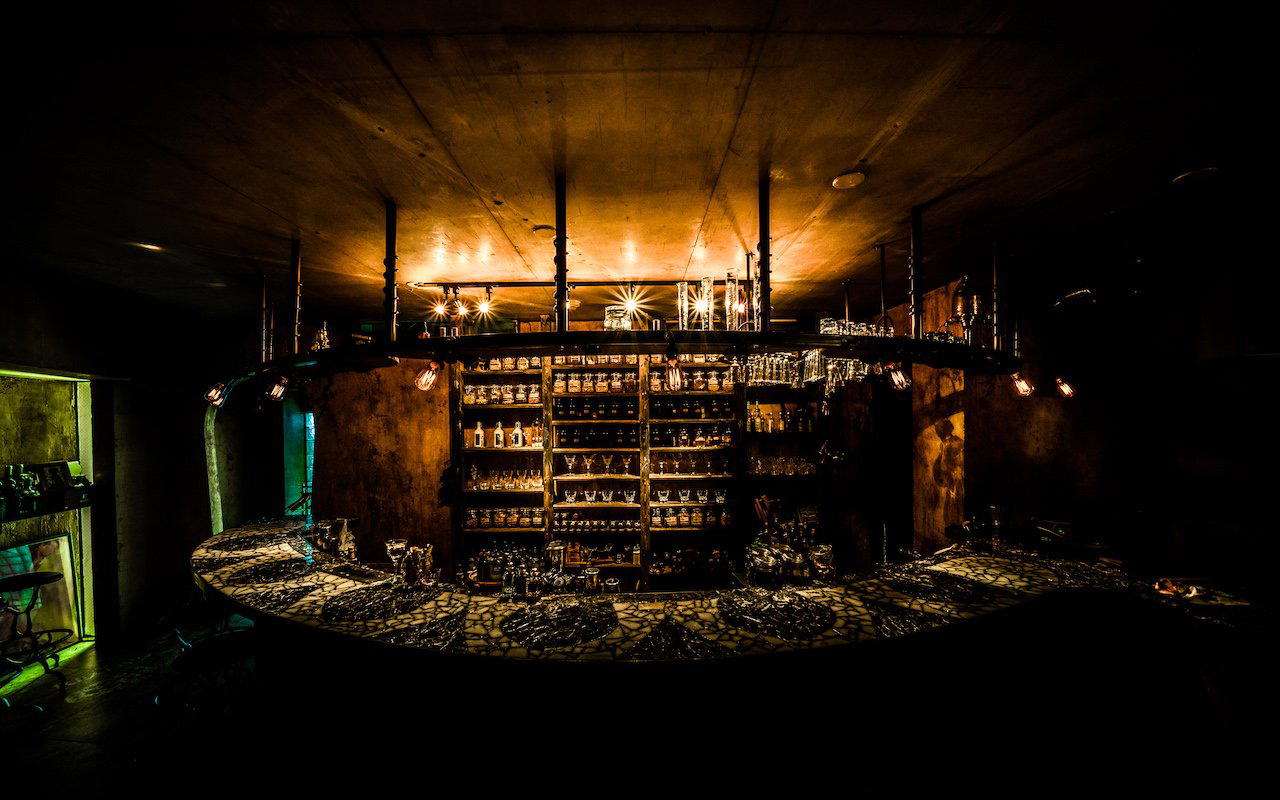
Bars in Osaka
Browse all →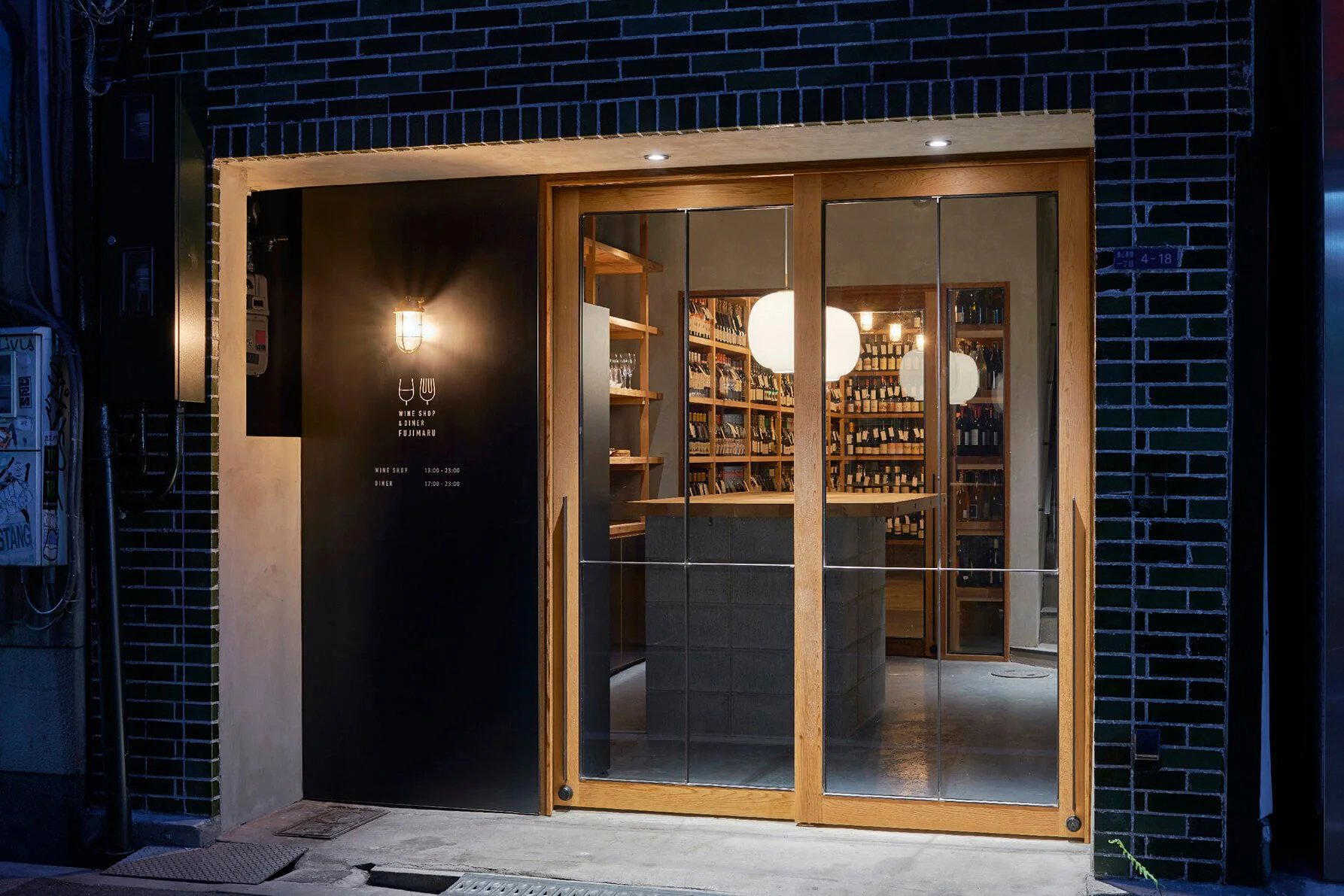


Hotels in Osaka
Browse all →




Wineries in Osaka
Browse all →
At a Glance
- Elegant
- Intimate
- Sophisticated
- Date Night
- Special Occasion
- Sake Program
- Sustainable Seafood
Current opening hours
- Monday
- 5–11 PM
- Tuesday
- 5–11 PM
- Wednesday
- 5–11 PM
- Thursday
- 5–11 PM
- Friday
- 5–11 PM
- Saturday
- 5–11 PM
- Sunday
- Closed
Hours can change for holidays and private events. Last verified .
Mix of traditional Japanese and stylish bar-like interior in a cramped, intimate space.