Among Shinjuku's fruit-forward dining institutions, Takano Fruits Parlor occupies the fifth floor of the Takano building on Shinjuku-dori, where Japan's premium fruit culture moves from produce retail into plated form. The parlor format, a distinctly Japanese category sitting between patisserie and restaurant, translates the country's obsession with gift-grade fruit into a structured, seasonal menu experience that has few direct Western equivalents.
Pearl is the En Primeur Club membership app — saves, bookings, and concierge access live there. Same editors, same standards.
- Address
- Japan, 〒160-0022 Tokyo, Shinjuku City, Shinjuku, 3 Chome−26−11 5F
- Phone
- +81 3 5368 5147
- Website
- takano.jp
- Directions
- Get directions
 Saves & bookings on Pearl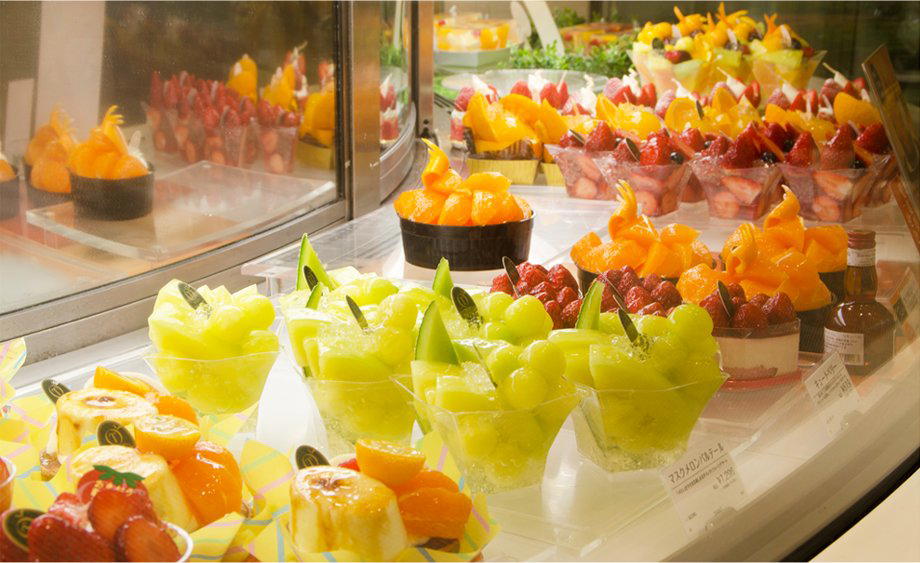
Where Premium Fruit Becomes a Dining Category
Japan treats fruit differently from almost every other food culture. At the high end, a single Yubari melon changes hands for thousands of yen at auction; gift-boxed Shine Muscat grapes are wrapped with the ceremony of a lacquerware set. That cultural attitude does not stop at the produce counter. It extends into a dining format that Japan developed and largely keeps to itself: the fruits parlor. Shinjuku Takano Fruits Parlor, on the fifth floor of the Takano building at 3 Chome-26-11 in Shinjuku, sits at the more established end of this category, directly above one of Tokyo's most prominent specialist fruit retailers.
The parlor format is worth understanding on its own terms before you engage with any individual venue inside it. It is not a dessert bar, not a patisserie, and not a Western-style fruit-forward restaurant. The menu structure typically moves through composed fruit plates, parfaits built around a single seasonal specimen, fresh-pressed juices, and light savory options designed to frame rather than compete with the fruit. What the menu reveals, architecturally, is a kitchen whose entire hierarchy is inverted relative to a French or Japanese kaiseki kitchen: here, the fruit is the protein. Everything around it, cream, sponge, jelly, sauce, exists to contextualize a specific melon, strawberry variety, or citrus at peak ripeness.
The Menu as a Seasonal Calendar
The seasonal logic of a fruits parlor menu is more rigorous than many diners expect. Because Takano's ground-floor retail operation sources premium fruit continuously throughout the year, the parlor above it operates on a rotation that follows Japanese fruit seasons with unusual fidelity. Winter brings mikan and high-acid citrus preparations; spring shifts toward strawberry varieties like Tochiotome and Amaou; summer is the window for Yubari and Crown melons alongside white peaches from Yamanashi; autumn introduces Shine Muscat and pear compositions.
This structure means the menu you encounter in March will look materially different from the one served in August. For visitors planning around a specific ingredient, timing matters more than almost any other variable. Japan's fruit seasons are compressed and precise in a way that European stone-fruit seasons, for instance, are not. A white peach window in Tokyo might span six to eight weeks. Arriving outside it means working with a different menu entirely, which is not a lesser experience, just a different one.
Across Tokyo's broader dining scene, the same seasonal discipline shows up in different formats. RyuGin in Roppongi runs one of the city's most technically demanding kaiseki menus, where seasonal produce shifts the entire tasting structure every few weeks. L'Effervescence in Nishi-Azabu applies French technique to Japanese seasonal ingredients across a format that runs significantly longer and at a higher price point. What Takano's parlor shares with these kitchens is the underlying premise: the calendar drives the menu, not the other way around.
Shinjuku as Context
The Shinjuku address places Takano Fruits Parlor inside one of Tokyo's densest commercial corridors, a neighborhood that functions simultaneously as a transit hub, a department-store district, and a high-volume dining destination. The fifth-floor location provides separation from the street-level intensity without requiring a journey to a quieter neighborhood. It is the kind of address that rewards a deliberate visit rather than a spontaneous detour.
Tokyo's high-end dining is distributed broadly across the city, with significant concentrations in Ginza, Roppongi, and Minami-Aoyama. Harutaka operates its ten-seat sushi counter in Ginza, well inside that premium cluster. Sézanne and Crony anchor different segments of the city's French-influenced dining. Takano operates in a different register from all of these, both in price category and in format, which means its Shinjuku location is less about proximity to a fine-dining cluster and more about proximity to its own supply chain and its customer base of department-store shoppers and neighborhood regulars.
For visitors using Shinjuku as a base, the parlor integrates logically into a mid-morning or afternoon schedule. The format does not require a full evening or a long reservation window in the way that omakase or kaiseki dining does. It is a different kind of commitment: specific about ingredient and season, lighter on ceremony, and structured around a pace that suits a two-hour visit rather than a four-hour one.
How Takano Fits the Wider Japan Dining Picture
Japan rewards the kind of category-level curiosity that takes the fruits parlor seriously as a dining format rather than treating it as a dessert stop. The country has produced a number of dining categories that have no clean Western equivalent, the kaiseki ryokan meal, the standing sushi bar, the depachika basement food hall, and the fruits parlor belongs on that list. Gion Sasaki in Kyoto and HAJIME in Osaka each represent the formal end of Japanese dining in their respective cities. The fruits parlor represents something structurally different: a format where the sourcing relationship, the retail operation downstairs selecting and grading fruit, is the foundation of the kitchen above.
Across Japan's regions, ingredient-led dining shows up in varied forms. Goh in Fukuoka works with Kyushu's produce and seafood inside a modern Japanese framework. akordu in Nara draws on the region's agricultural depth for a European-influenced menu. affetto akita in Akita and aki nagao in Sapporo each anchor their menus in their prefecture's defining seasonal produce. What connects all of them, and what connects them to Takano's model, is the premise that sourcing is not a support function but the primary editorial decision a kitchen makes.
Outside Japan, the closest structural analogues to the fruits parlor format are not dessert restaurants but rather the kind of single-product tasting menus that have emerged at places like Lazy Bear in San Francisco or the produce-obsessed tasting formats at Le Bernardin in New York City, kitchens where the organizing principle of the menu is a coherent point of view about a single category of ingredient, not a sequence of techniques. The difference is that Takano's parlor format is lighter, less ceremonial, and considerably more accessible as an entry point to thinking about food at this level of ingredient specificity.
Planning Your Visit
Shinjuku Takano Fruits Parlor occupies the fifth floor of the Takano building at 3 Chome-26-11 Shinjuku, Shinjuku City, Tokyo. The building is easily reached from Shinjuku Station's east exit, one of the busiest transit junctions in the world, which makes access direct by any measure. Shinjuku Takano Fruits Parlor is open daily from 11 AM to 8 PM, and reservations are recommended. Peak seasonal periods, particularly melon season in summer and strawberry season in late winter and early spring, draw higher traffic, and arriving early in the day typically secures a better selection of the freshest preparations.
Compact Comparison
Comparable venues nearby, for context on price, style, and recognition.
| Venue | Cuisine | Price | Notes |
|---|---|---|---|
| Shinjuku Takano Fruits ParlorThis venue — the venue you are viewing | Shinjuku, Japanese Fruit Parlor | $$$ | Not listed |
| 焼肉トラジ新宿西口店 | Not listed | $$$ | Shinjuku, Premium Yakiniku (Japanese Grilled Beef) |
| Akasaka Gosen | Minato, Kaiseki with Soft-Shelled Turtle | $$$ | Not listed |
| Daikanyama Yakiniku Kaneko | Not listed | $$$ | Shibuya, Yakiniku (Japanese BBQ) |
| Soba Mitate | Not listed | $$$ | Minato, Soba kappo counter with seasonal course menu |
| Dashin Soan | Setagaya, Traditional Soba & Kaiseki | $$$ | Not listed |








At a Glance
- Elegant
- Cozy
- Sophisticated
- Casual Hangout
- Family
- Celebration
- Standalone
- Sake Program
Current opening hours
- Monday
- 11 AM–8 PM
- Tuesday
- 11 AM–8 PM
- Wednesday
- 11 AM–8 PM
- Thursday
- 11 AM–8 PM
- Friday
- 11 AM–8 PM
- Saturday
- 11 AM–8 PM
- Sunday
- 11 AM–8 PM
Hours can change for holidays and private events. Last verified .
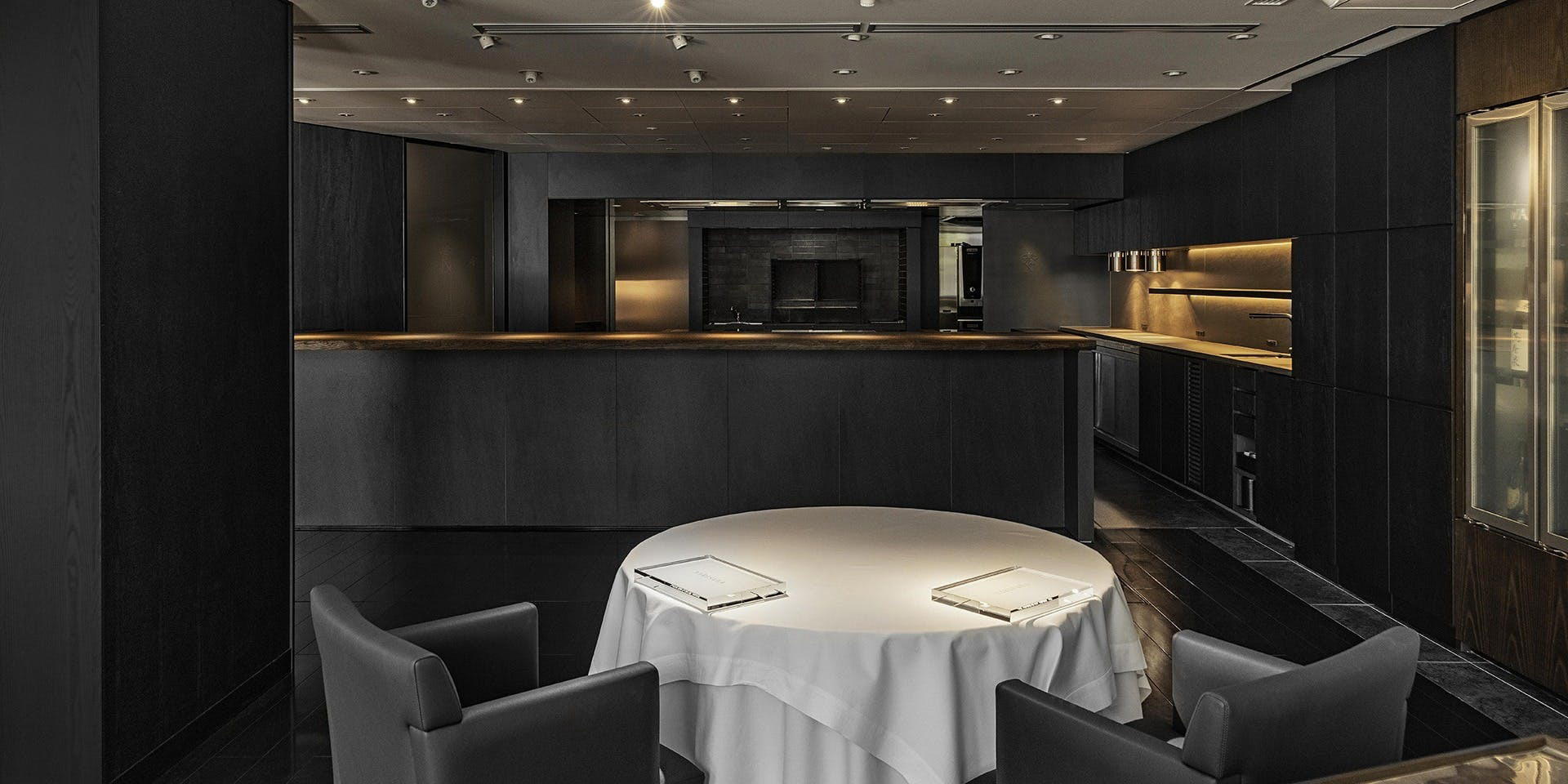
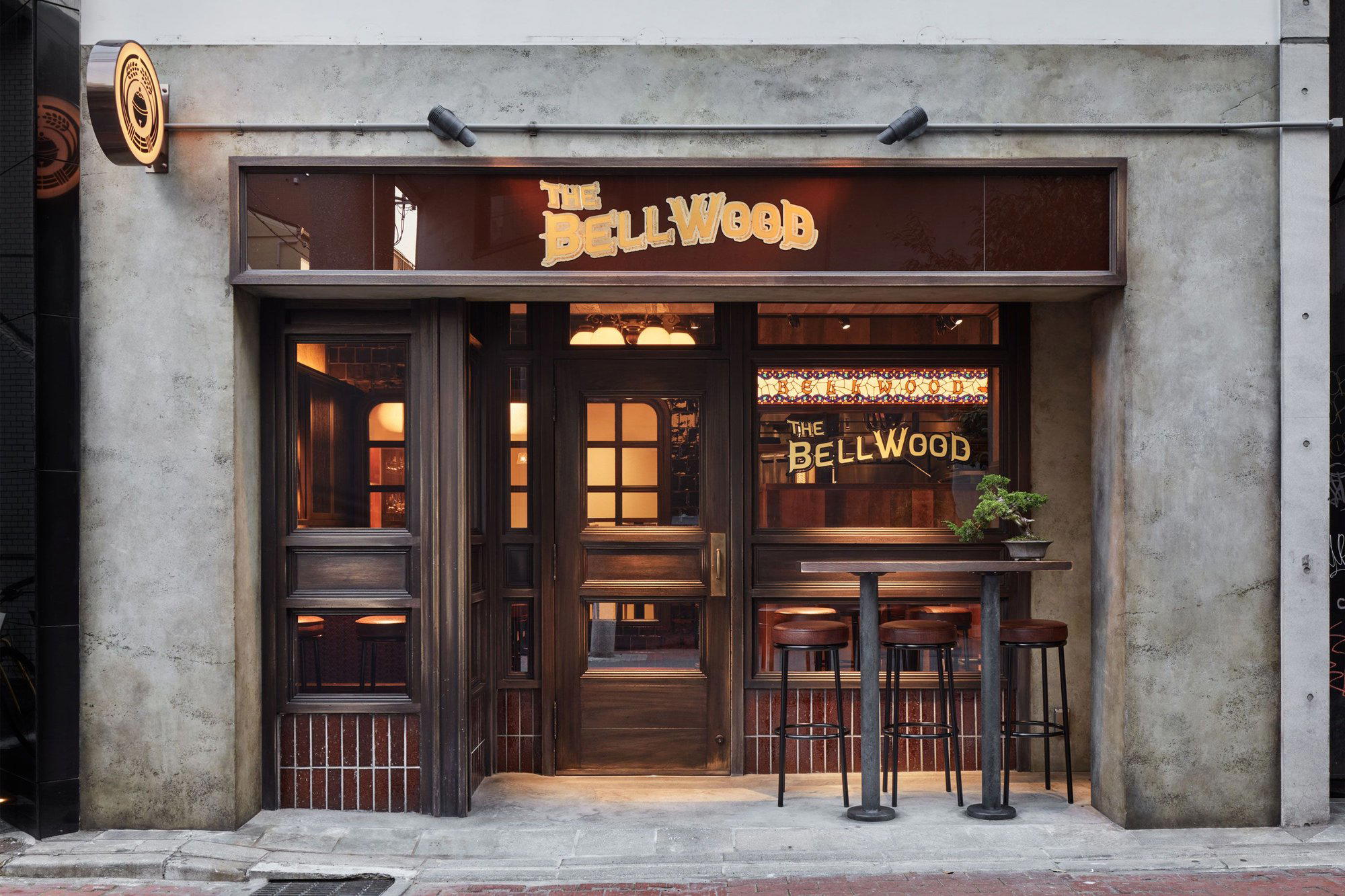
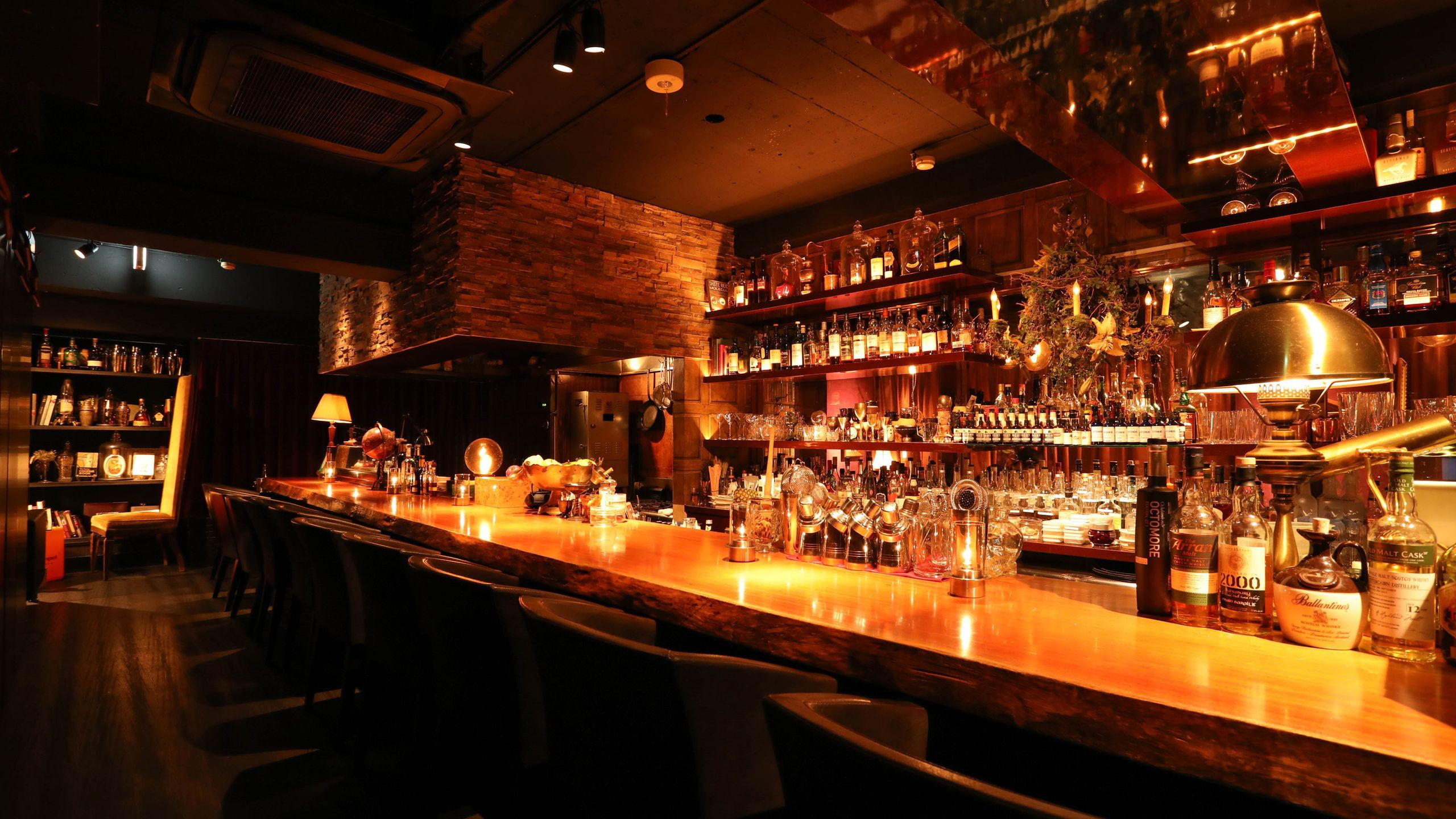
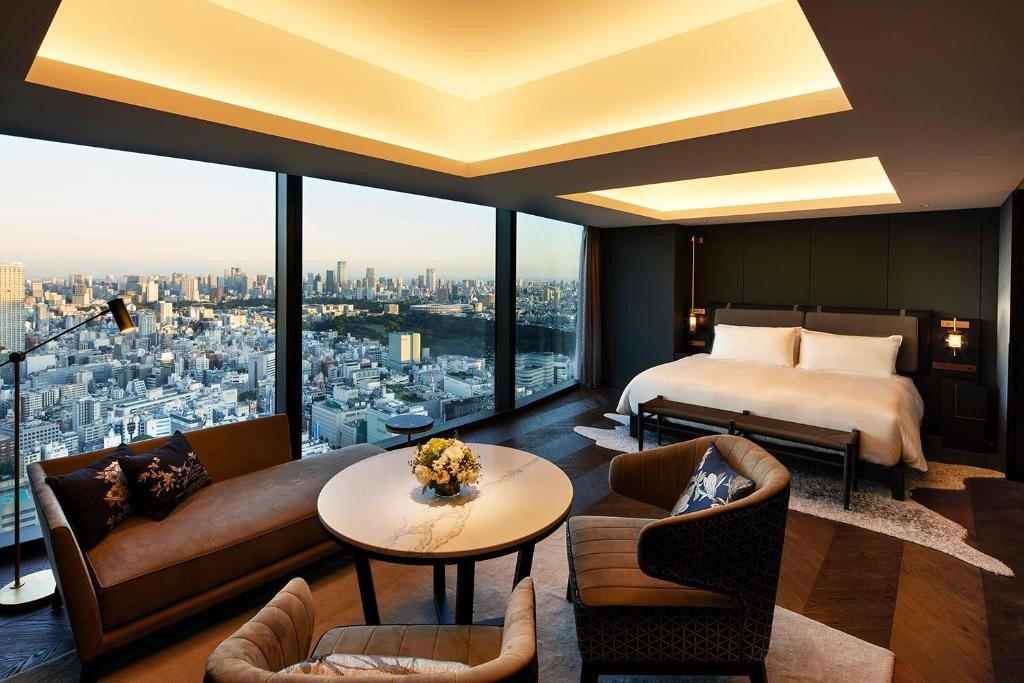
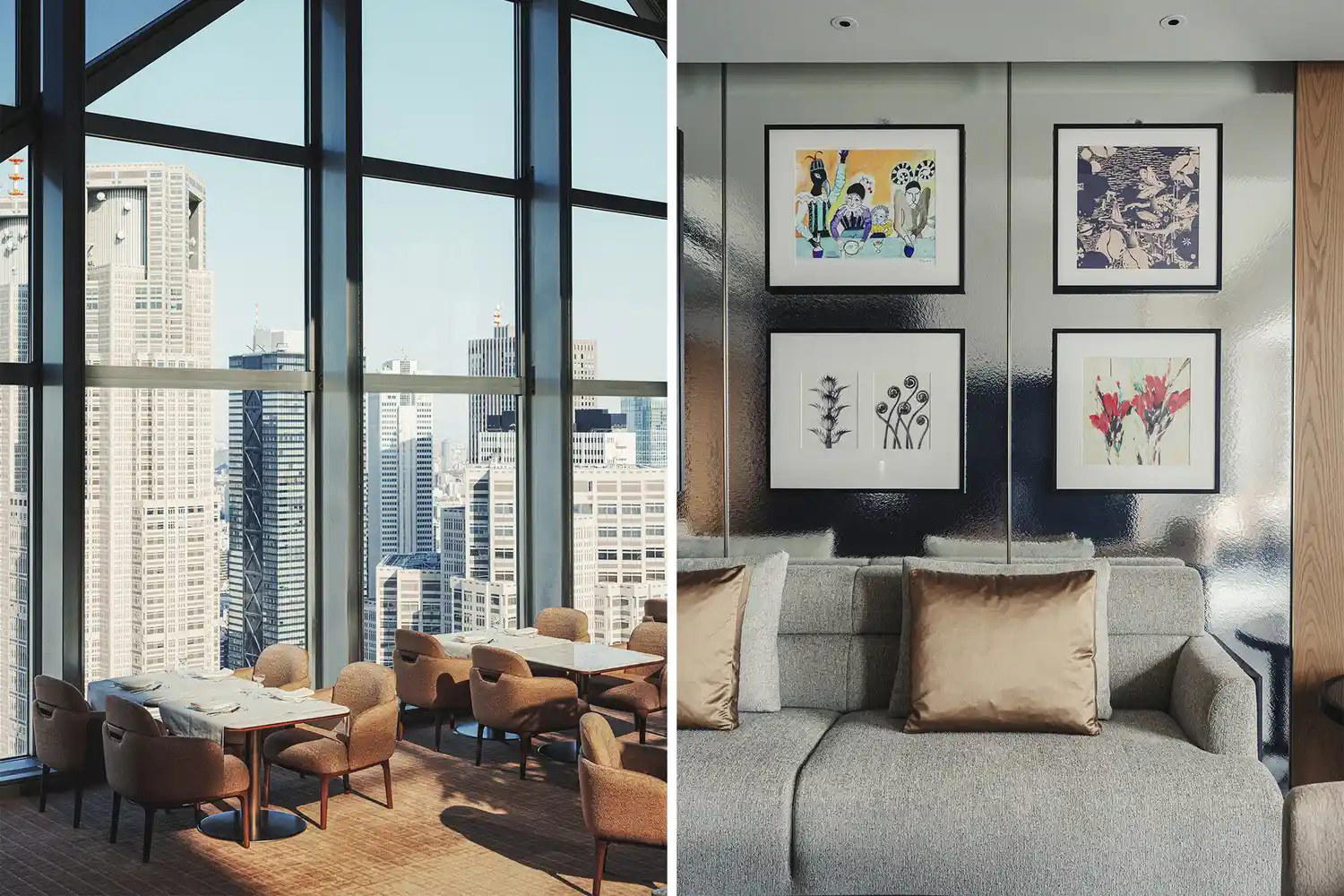
Refined and elegant atmosphere with interiors designed to impact the senses, featuring generous seasonal fruit displays and dessert presentations.