Shin Takumi Omakase
On a residential stretch of Greenwich Avenue in the West Village, Shin Takumi Omakase brings the counter-format discipline of Japan's premium omakase tradition to one of New York's most competitive dining tiers. The address places it among a small cohort of serious Japanese tasting rooms that operate far from the Midtown tourist circuit, where sequence, sourcing, and restraint carry more weight than spectacle.
Pearl is the En Primeur Club membership app — saves, bookings, and concierge access live there. Same editors, same standards.
- Address
- 44 Greenwich Ave, New York, NY 10011
- Phone
- (646) 707-0009
- Website
- shintakuminyc.com
- Directions
- Get directions
 Saves & bookings on Pearl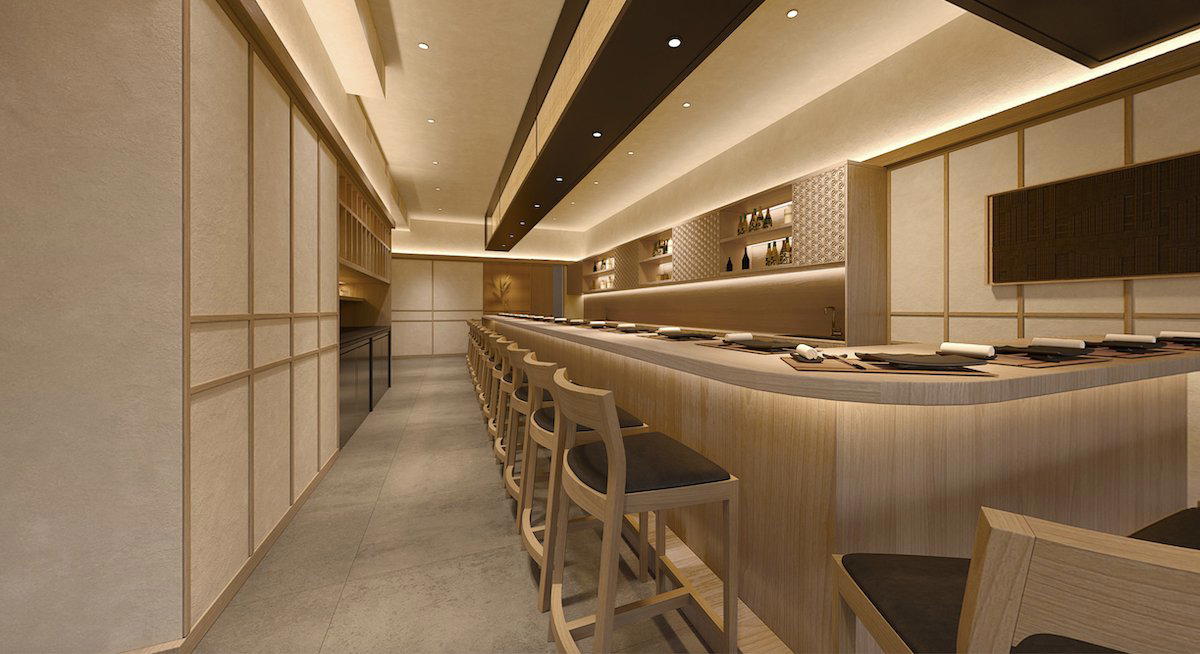
A Counter in the West Village, A Format Built on Sequence
Greenwich Avenue in the West Village sits at a peculiar remove from Manhattan's most-trafficked dining corridors. The street runs at a diagonal, cutting through the grid in a way that feels slightly disorienting, and the buildings along it mix residential brownstones with low-key storefronts. It is an address for a premium omakase counter. That tension is precisely the point. New York's most serious Japanese tasting rooms have been drifting away from Midtown and the East Side for years, following a logic common to Tokyo's own dining geography: the neighborhood matters less than the room, and the room matters less than what happens at the counter.
Shin Takumi Omakase at 44 Greenwich Ave operates within that framework. The omakase format itself carries a specific set of expectations that any counter working at this level must either meet or consciously subvert. There is no à la carte optionality, no compromise on sequence, no negotiation with the structure of the meal. The chef determines the arc of the evening, and the diner's role is to receive it. That compact is what separates serious omakase rooms from the broader category of Japanese tasting menus, and it is the lens through which any visit to a counter like this one should be read.
Menu Architecture: What the Sequence Reveals
In Japan's premium sushi and kaiseki traditions, the menu is never simply a list of dishes. It is an argument. The opening courses establish a register, typically lighter and more delicate, building appetite and attention before the protein-forward middle section and the considered close. A well-constructed omakase sequence does more than showcase ingredients; it demonstrates a point of view about pacing, contrast, and what the diner should feel at the end of two hours that they did not feel at the beginning.
New York's upper tier of omakase counters has consolidated around this structural logic over the past decade, with Masa setting the price and format ceiling against which every subsequent counter is implicitly measured. What distinguishes counters in the second tier is not the absence of ambition but the specificity of their focus. Some tighten around Edomae technique; others build a hybrid sequence that incorporates Japanese precision with North American sourcing. Either approach demands that the menu architecture be legible, that each course reads as a deliberate decision rather than an assemblage of premium ingredients.
The omakase model also carries a particular discipline around what is not on the menu. There are no fillers, no courses that exist primarily to justify length. Every seat at every serious counter operates on the understanding that the diner is paying for judgment as much as ingredients. That judgment is most visible in the transitions, in what follows a piece of aged fish, in when the kitchen introduces warmth, acidity, or fat. A counter that handles those transitions well earns the confidence of its guests faster than any single dish can.
Where Shin Takumi Sits in the New York Omakase Tier
New York's Japanese dining scene now occupies several distinct brackets. At one end, Masa operates as a category of one, with a price point and formality that positions it outside practical comparison for most diners. Below that, a cluster of counters competes on the credentials of their sourcing, the clarity of their technique, and the quality of the room. Shin Takumi Omakase operates in that competitive space, in a city where the bar for what constitutes a serious counter has risen sharply since the mid-2010s.
That elevation of the category has been driven partly by the arrival of Japan-trained chefs bringing specific lineage, partly by the increasing sophistication of the New York diner who travels to Tokyo and returns with calibrated expectations. Counters across the city now face a more informed audience, one that has eaten at Sukiyabashi Jiro or Sushi Saito, or at minimum has read enough to distinguish Edomae tradition from its derivatives. For a West Village address to compete in that environment, the work at the counter must be its own argument.
For comparison, the broader fine dining tier in the city includes French-seafood institutions like Le Bernardin and tasting-menu rooms such as Per Se, alongside newer Korean-inflected tasting counters like Atomix and Jungsik New York. Each occupies a different quadrant of the premium tasting-menu category, and each attracts a slightly different diner. The omakase counter, at its most focused, appeals to guests who want the structure of a single authorial voice running from first course to last, without the institutional weight of a larger formal room.
Beyond New York, the counter-format and chef-driven tasting menu tradition extends across the country's most serious dining destinations. The French Laundry in Napa, Lazy Bear in San Francisco, Smyth in Chicago, and Blue Hill at Stone Barns in Tarrytown each represent variations on the same underlying premise: that a fixed sequence, shaped by a single kitchen's conviction, can deliver something a flexible menu cannot. Providence in Los Angeles, Addison in San Diego, Single Thread Farm in Healdsburg, and The Inn at Little Washington extend that tradition further, as do international peers like Frasca Food & Wine in Boulder, Emeril's in New Orleans, Quattro Passi in Marina del Cantone, and Uliassi in Senigallia. The omakase counter is simply the Japanese iteration of that contract.
Planning a Visit
44 Greenwich Avenue is a West Village address that sits between Christopher Street and 10th Street, reachable by subway on the 1, 2, or 3 lines at Christopher Street-Sheridan Square, or by the A, C, E at 14th Street with a short walk south. For Shin Takumi Omakase, advance booking is essential. Our full New York City restaurants guide covers the broader range of serious dining across the city's neighborhoods.
Reputation First
Comparable venues nearby, for context on price, style, and recognition.
| Venue | Cuisine | Price | Notes |
|---|---|---|---|
| Shin Takumi OmakaseThis venue — the venue you are viewing | Affordable Japanese Omakase | $$ | Not listed |
| Wagamama | Modern Pan-Asian with Japanese Inspiration | $$ | Midtown South-Flatiron-Union Square |
| Dai Hachi | Traditional Japanese Sushi | $$ | Long Island City-Hunters Point |
| Ivan Ramen Slurp Shop | Authentic Japanese Ramen | $$ | Hell's Kitchen |
| Sushi Tokyo | Kosher Japanese Sushi | $$ | Gravesend (East)-Homecrest |
| Chikarashi | Modern Japanese Poke Bowls | $$ | SoHo-Little Italy-Hudson Square |
Continue exploring
More in New York City
Restaurants in New York City
Browse all →
Bars in New York City
Browse all →
Hotels in New York City
Browse all →





At a Glance
- Intimate
- Modern
- Elegant
- Date Night
- Solo
- Special Occasion
- Chefs Counter
- Sake Program
Current opening hours
- Monday
- Closed
- Tuesday
- 5–10 PM
- Wednesday
- 5–10 PM
- Thursday
- 5–10 PM
- Friday
- 5–11 PM
- Saturday
- 5–11 PM
- Sunday
- 5–10 PM
Hours can change for holidays and private events. Last verified .
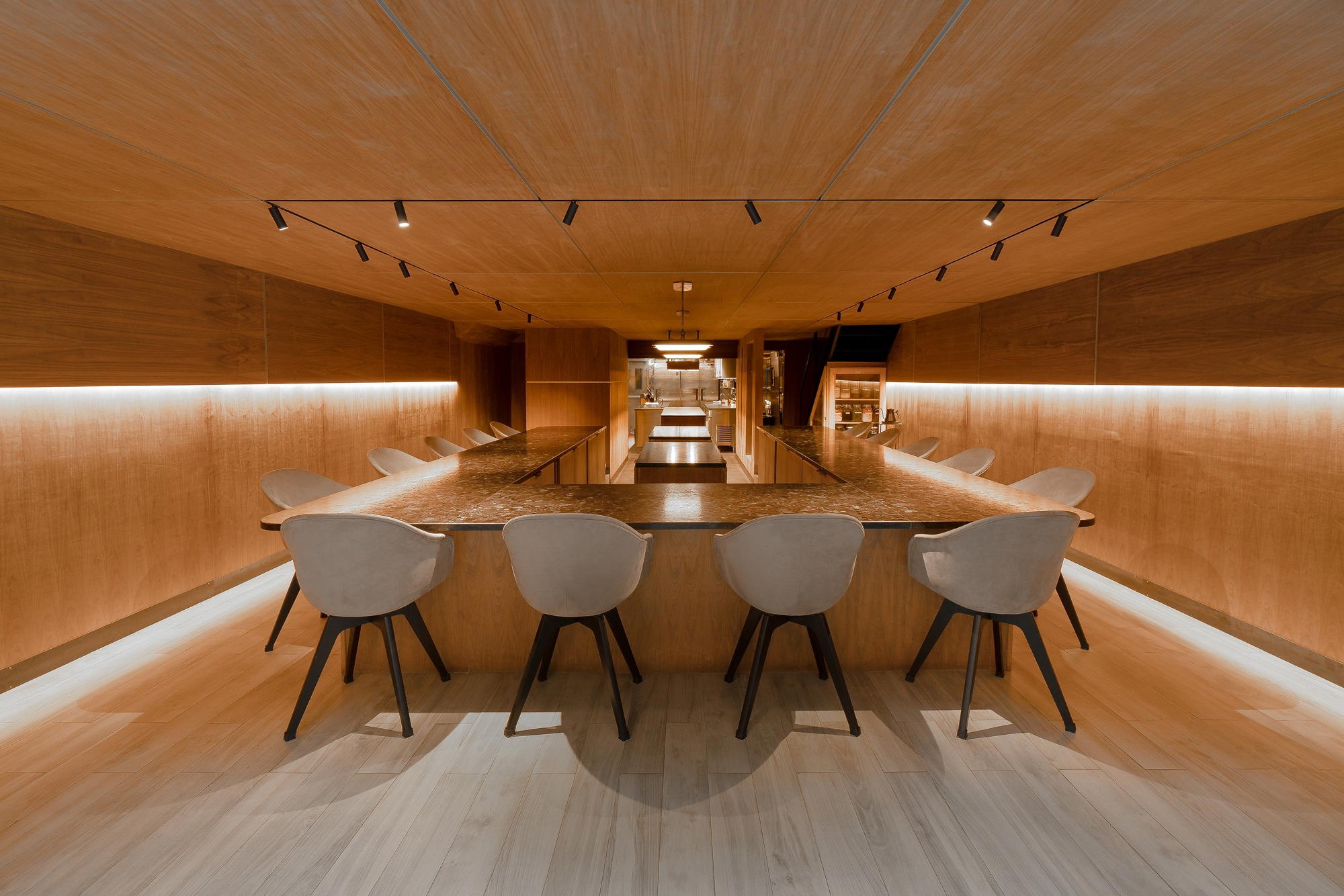
,minimalist sushi counter with focused, intimate atmosphere during the one-hour service.