Shokudo Miami
Shokudo Miami serves Asian fusion with Japanese, Thai and Korean influences at 4740 NE 2nd Ave, with a beer program and terrace for lunch, dinner, or late night.
Pearl is the En Primeur Club membership app — saves, bookings, and concierge access live there. Same editors, same standards.
- Address
- 4740 NE 2nd Ave, Miami, FL 33137
- Phone
- +13057587782
- Website
- shokudomiami.com
- Directions
- Get directions
 Saves & bookings on Pearl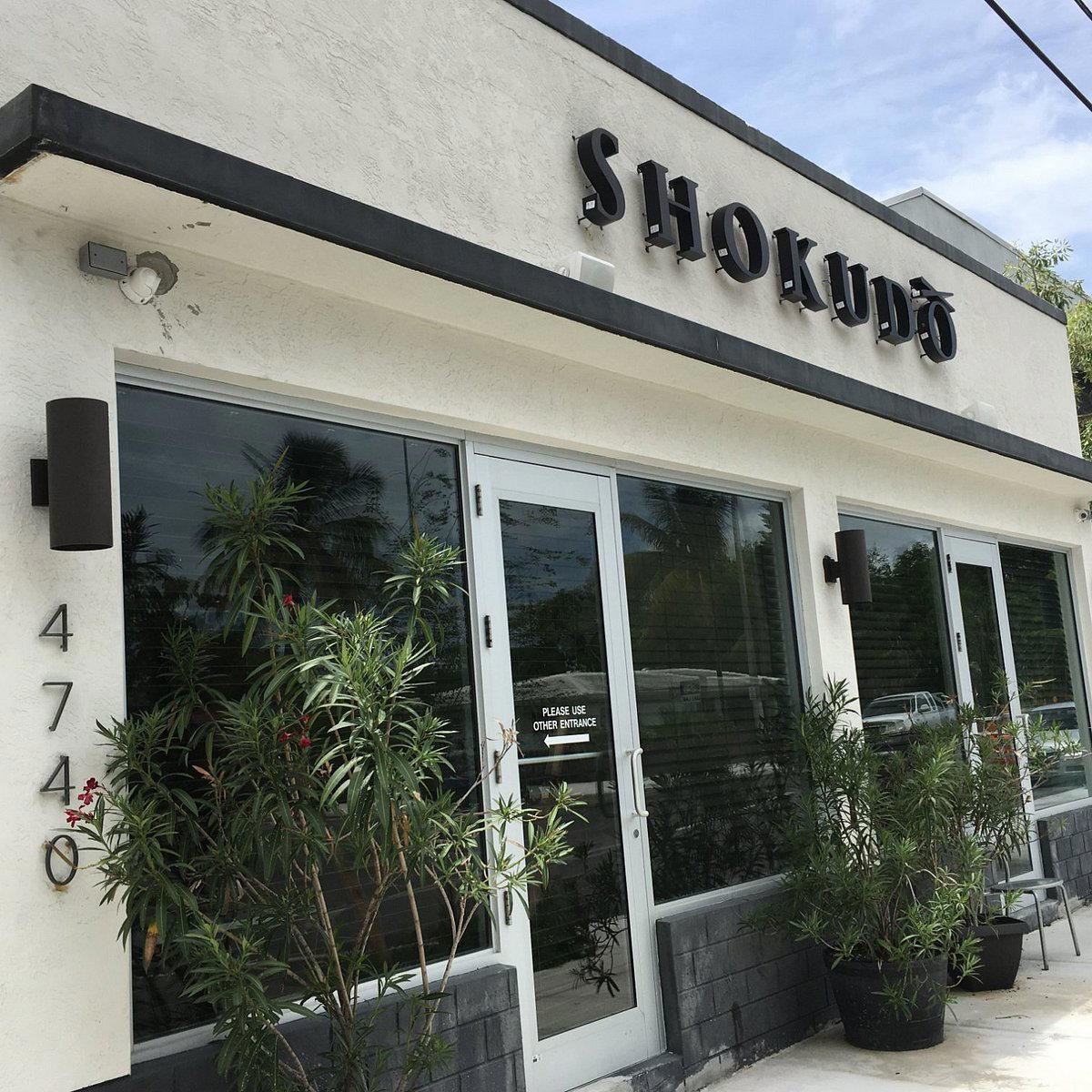
Little Haiti's Quiet Shift Toward Japanese Dining
The stretch of NE 2nd Avenue running through Little Haiti has been one of Miami's more quietly evolving corridors over the past decade. Where the neighborhood once offered almost exclusively Caribbean kitchens and Haitian bakeries, a wave of independent operators has moved in, drawn by lower rents and a local clientele willing to try formats that South Beach or Brickell would have monetized into something shinier. Shokudo Miami, at 4740 NE 2nd Ave, belongs to this newer generation: a Japanese-leaning address in a part of the city where that positioning remains unusual enough to carry its own editorial weight.
In most American cities, "shokudo" as a format references the casual Japanese canteen tradition, a step below izakaya in formality and closer to the rice-and-set-meal rhythm that defines everyday eating in Japan. That tradition has been slow to find genuine footing in Miami, where the appetite for Japanese cuisine has historically skewed toward high-ticket omakase or heavily Americanized sushi rolls. The shokudo model, if executed with discipline, addresses a gap in a city that has plenty of both extremes but not much in between.
Where Shokudo Miami Sits in Miami's Japanese Dining Picture
Miami's Japanese restaurant market has bifurcated sharply. At one end, omakase counters have multiplied in Wynwood, Brickell, and Miami Beach, with price points that mirror what you might encounter at a mid-tier counter in Manhattan's East Village. At the other, fast-casual poke and sushi burrito concepts have occupied the accessible tier. A venue operating in the middle, one that holds to Japanese canteen sensibility without chasing the premium omakase format, occupies ground that few Miami operators have claimed consistently.
For context on how Miami's serious dining operates across different national cuisines, ITAMAE has shown how Peruvian-Japanese traditions can hold a focused, counter-driven identity without inflating into full-scale production. Cote Miami has demonstrated that Korean formats can sustain a premium positioning at $$$, while remaining rooted in a specific cultural dining tradition rather than drifting toward fusion. These are the relevant peer references when thinking about how ethnic cuisine categories operate in Miami at their more serious registers.
The neighborhood context matters here too. Little Haiti sits north of Wynwood, and while Wynwood has become Miami's most documented food corridor, the blocks above it on NE 2nd Ave have attracted a smaller, less curated set of operators. That lower profile means venues in this corridor tend to develop a local following before attracting the wider city audience, which can work as an advantage for a format that benefits from repeat visits rather than one-time tourist traffic.
The Cultural Weight Behind the Format
Japanese canteen culture carries specific expectations that don't always survive transplantation. It is the antithesis of the theatrical omakase experience that has come to dominate how Western audiences understand high-quality Japanese food. Miami's dining culture, which trends toward spectacle and occasion dining, is not the easiest environment for this kind of quiet authority to register.
Yet there is evidence across American cities that disciplined, lower-key Japanese formats can build durable audiences when the food is genuinely grounded in technique. Across the broader American dining scene, venues referenced by critics at publications including the New York Times and Eater have pointed to a broader consumer shift: diners in cities with maturing food cultures are increasingly willing to seek out format-specific, less theatricized experiences. Miami's food culture, historically younger and more spectacle-oriented than New York or San Francisco, has been closing that gap through venues like Boia De, which built a loyal following in a small, unflashy space on a residential stretch of NE 2nd Ave, and Ariete in Coconut Grove, which operates at $$$$ while remaining rooted in neighborhood rather than destination logic.
Nationally, the most influential American dining rooms have largely moved away from the biographical chef-as-auteur model toward a focus on sourcing discipline and format coherence. Institutions like Blue Hill at Stone Barns in Tarrytown, Single Thread Farm in Healdsburg, and The French Laundry in Napa have each demonstrated how a consistent format philosophy, repeated with precision, is more durable than menu theatrics. A shokudo in Miami that holds to that discipline would place itself in a meaningful position within the city's evolving restaurant culture, regardless of neighborhood profile.
How This Address Fits Into Miami's Broader Dining Map
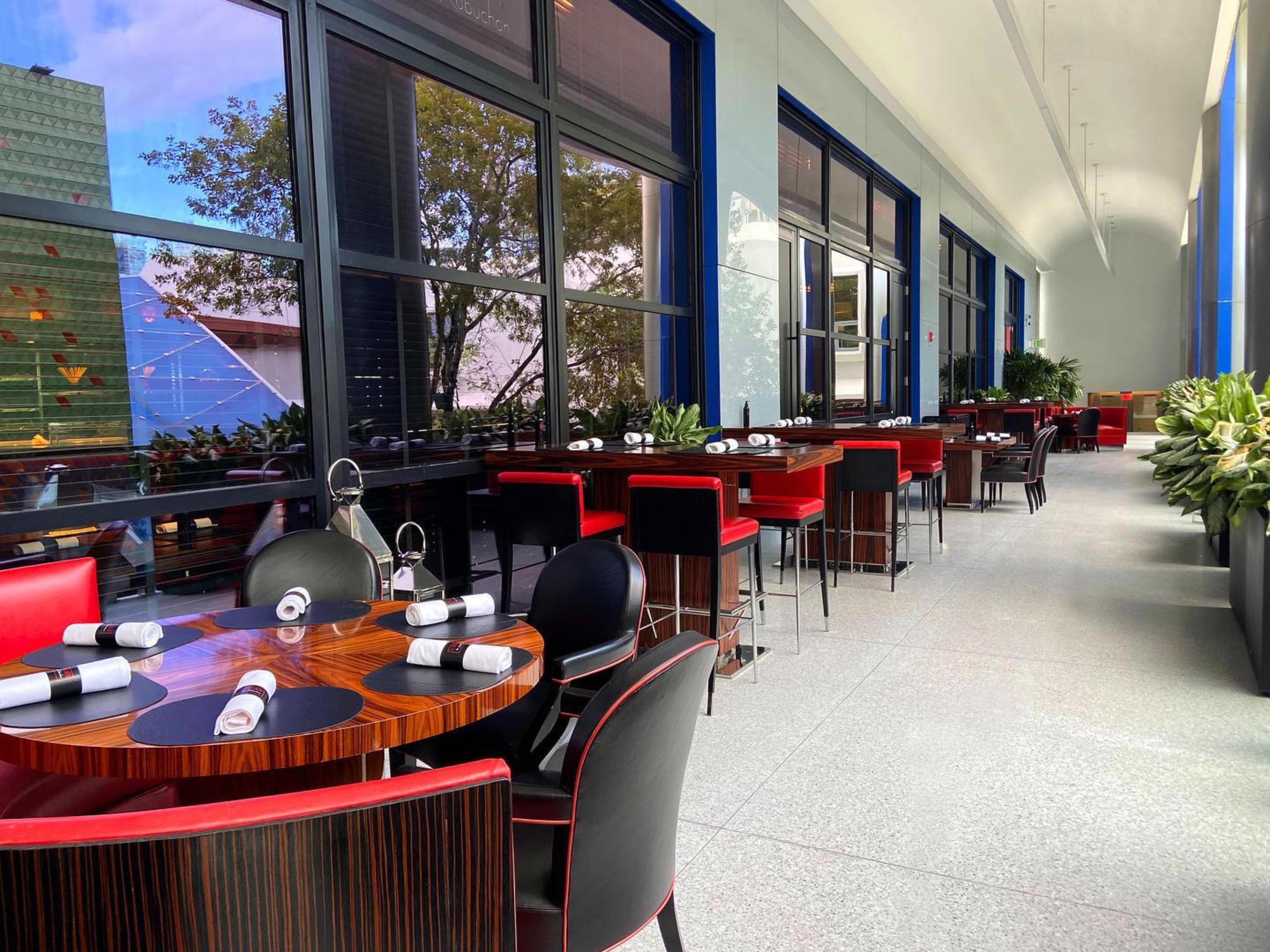
Readers familiar with Miami's geography will know that 4740 NE 2nd Ave sits in a section of the city that is neither tourist-facing nor deeply embedded in the luxury hotel dining circuit that anchors venues like L'Atelier de Joël Robuchon Miami. That independence from the hotel ecosystem is notable: it means the venue competes on food and format alone, without the built-in traffic that comes from a hotel address.
For a comprehensive picture of how this venue fits alongside Miami's wider range of serious restaurants, the full Miami restaurants guide provides the necessary context. The city's dining map has expanded considerably northward over the past five years, and venues on this corridor now draw from both Little Haiti residents and the wider Wynwood-adjacent audience that has grown comfortable moving a few blocks further north for the right address. Comparable scenes in other cities suggest this kind of corridor migration tends to accelerate once two or three anchor operators establish credibility.
For readers calibrating Miami against other American dining cities, the reference points are instructive: Lazy Bear in San Francisco, Alinea in Chicago, and Providence in Los Angeles each represent how a city's serious dining identity solidifies around venues that hold a consistent format over time. Miami is still building that layer of institutional operators, and venues on NE 2nd Ave are part of that construction.
Know Before You Go
- Address: 4740 NE 2nd Ave, Miami, FL 33137
- Neighborhood: Little Haiti, north of Wynwood
- Hours: Not confirmed at time of publication; verify before travel
- Price range: Not confirmed at time of publication
- Nearest context: Boia De and several Wynwood-adjacent independents operate within a short drive on the same NE 2nd Ave corridor
- Crunchy Roll
- Pad Thai with Shrimp
- Ramen
- Sushi
- Kalbi Short Ribs
- Soft Shell Crab Buns
- Sizzling Sisig Buns
How Shokudo Miami compares with similar nearby venues.
| Venue | Cuisine | Price |
|---|---|---|
| Walrus Rodeo | American | $$$ |
| Boia De | Italian, Contemporary | $$$ |
| Mandolin Aegean Bistro | New American, Mediterranean Cuisine | $$ |
Continue exploring
More in Miami
Restaurants in Miami
Browse all →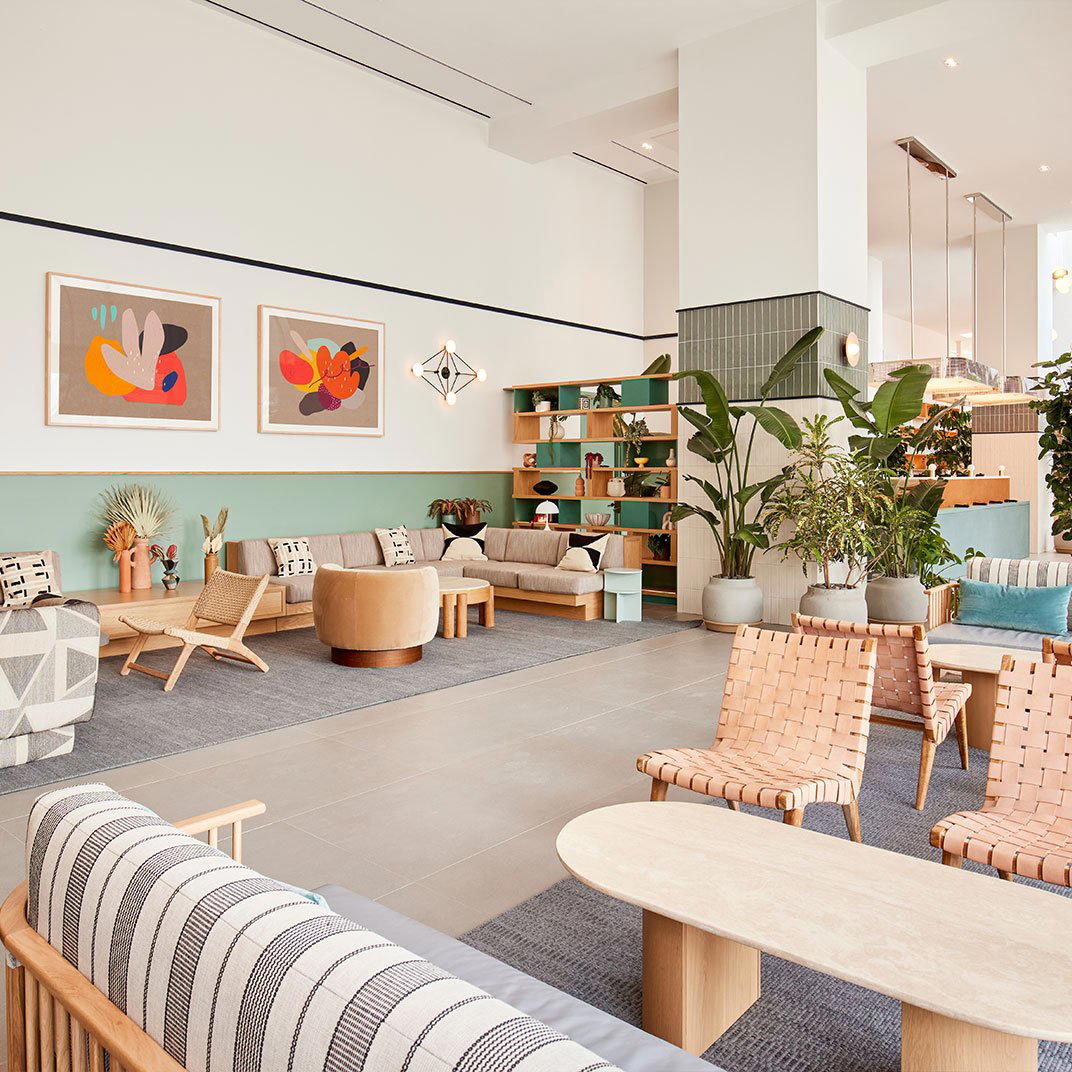
At a Glance
- Modern
- Lively
- Trendy
- Group Dining
- Casual Hangout
- After Work
- Open Kitchen
- Terrace
- Beer Program
Current opening hours
- Monday
- 5–10 PM
- Tuesday
- 5–10 PM
- Wednesday
- 5–10 PM
- Thursday
- 5–10 PM
- Friday
- 5–10 PM
- Saturday
- 5–10 PM
- Sunday
- 5–10 PM
Hours can change for holidays and private events. Last verified .
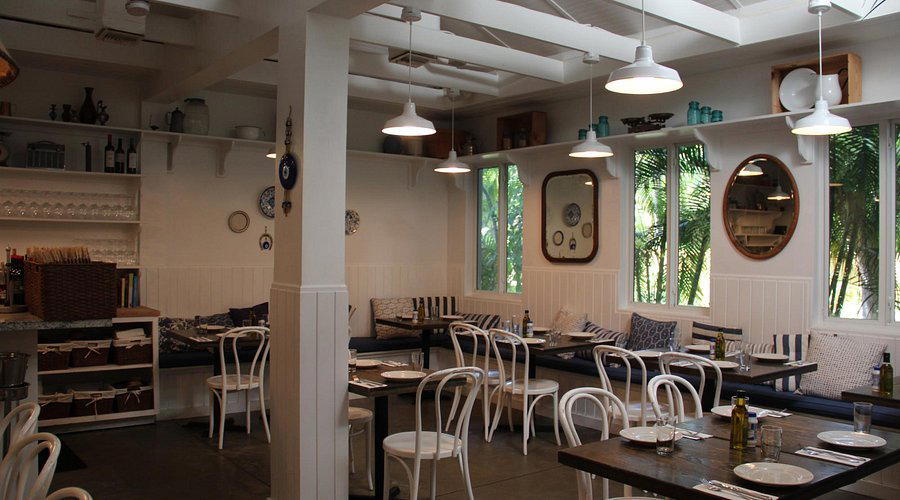
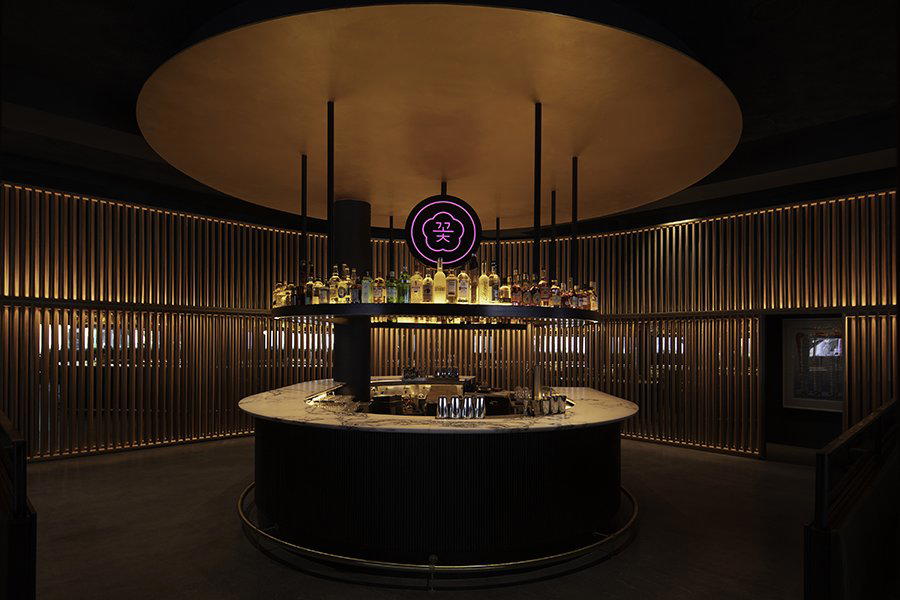
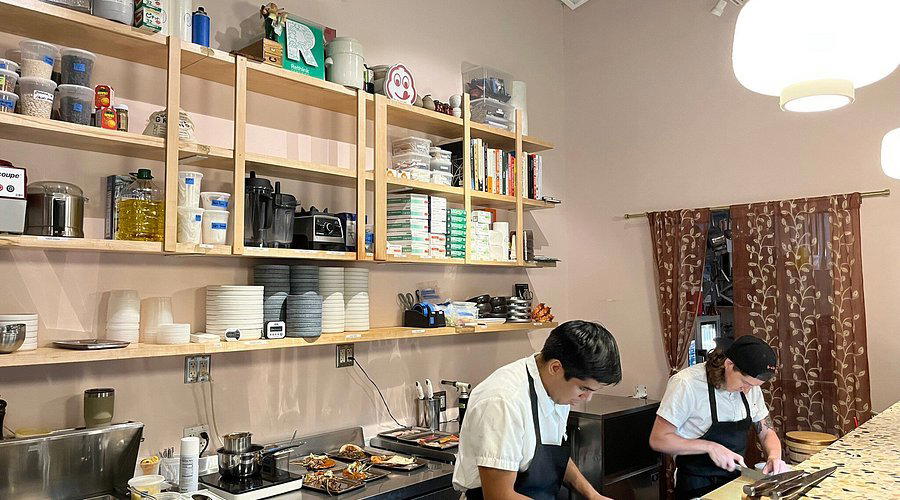
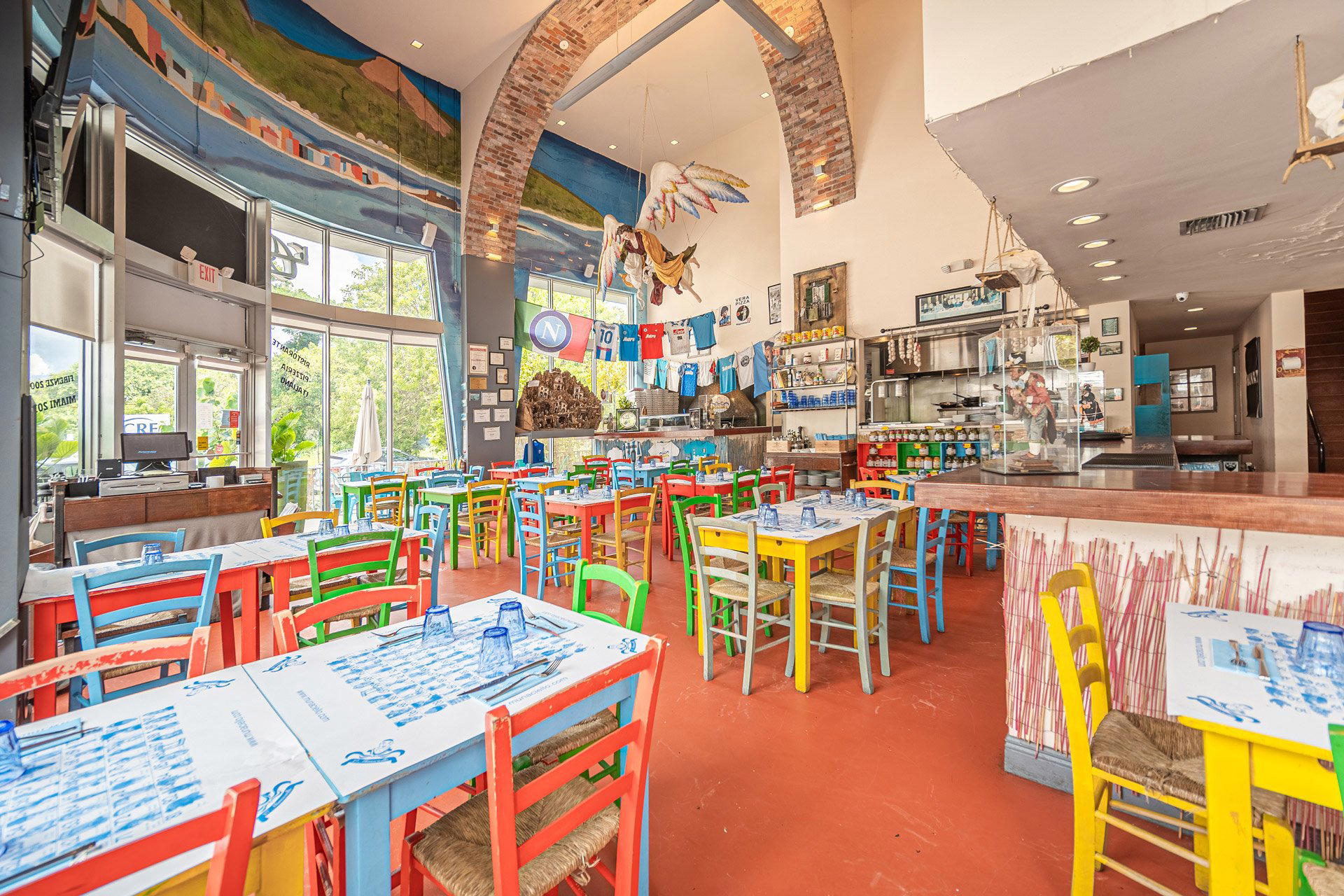
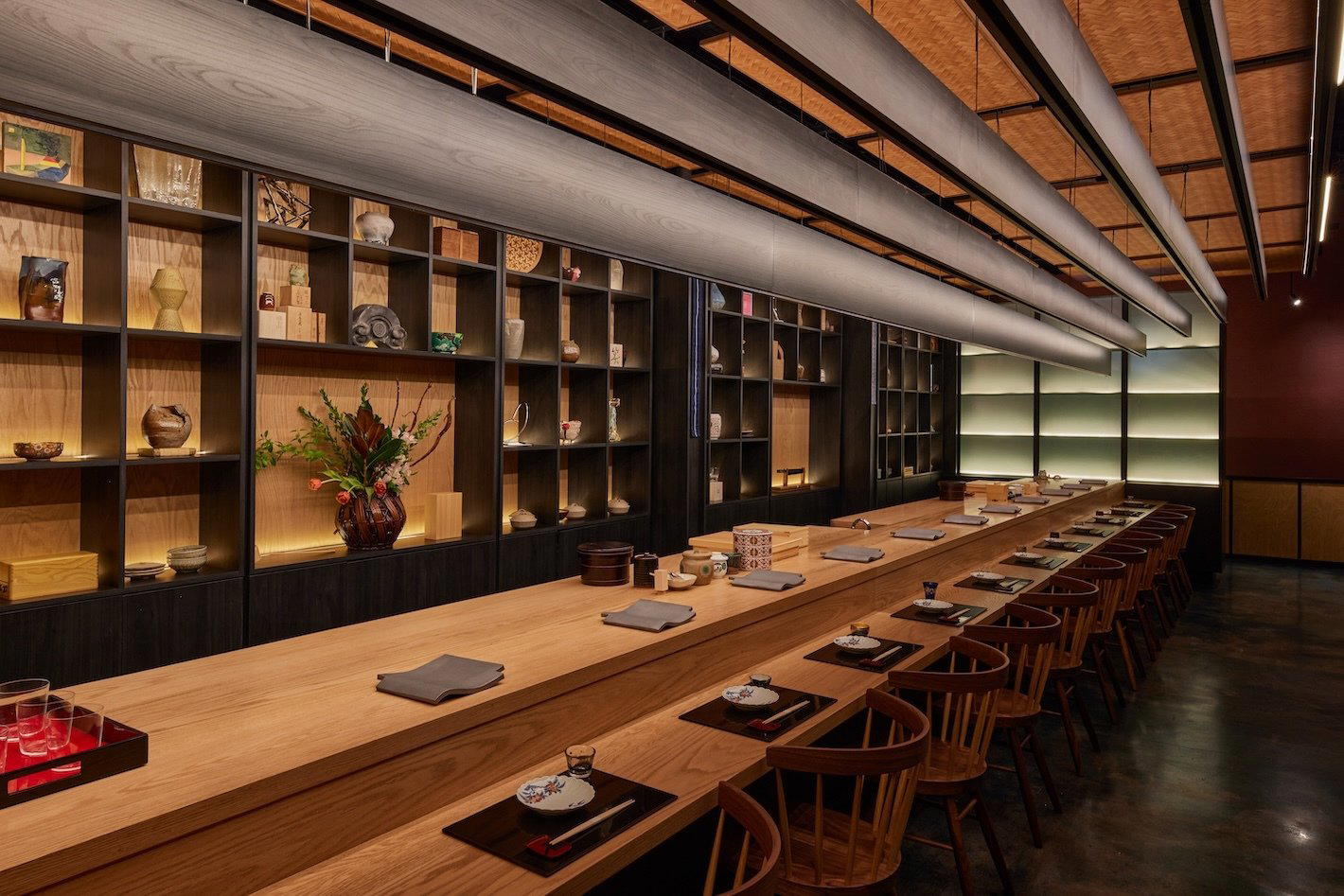
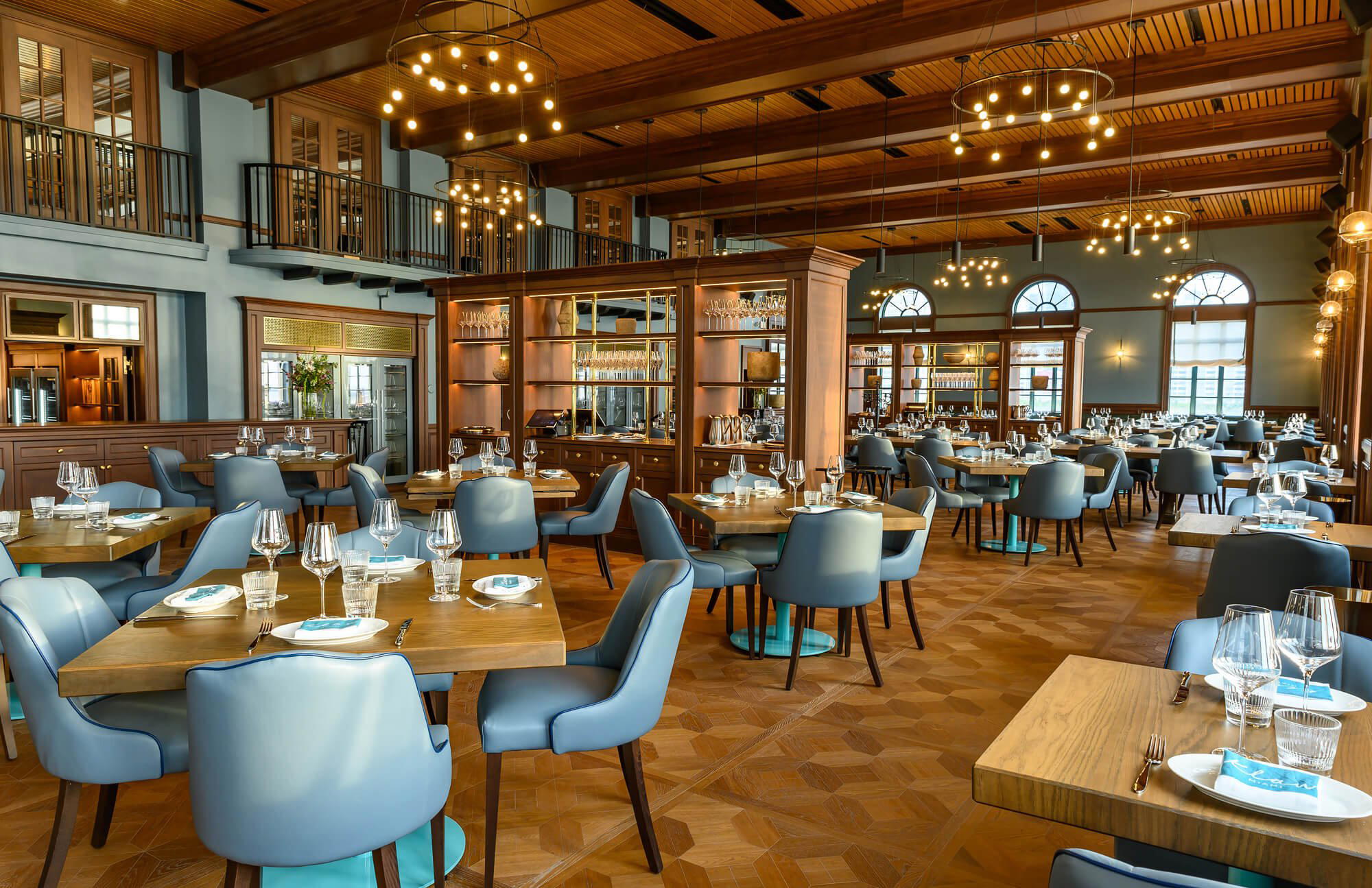
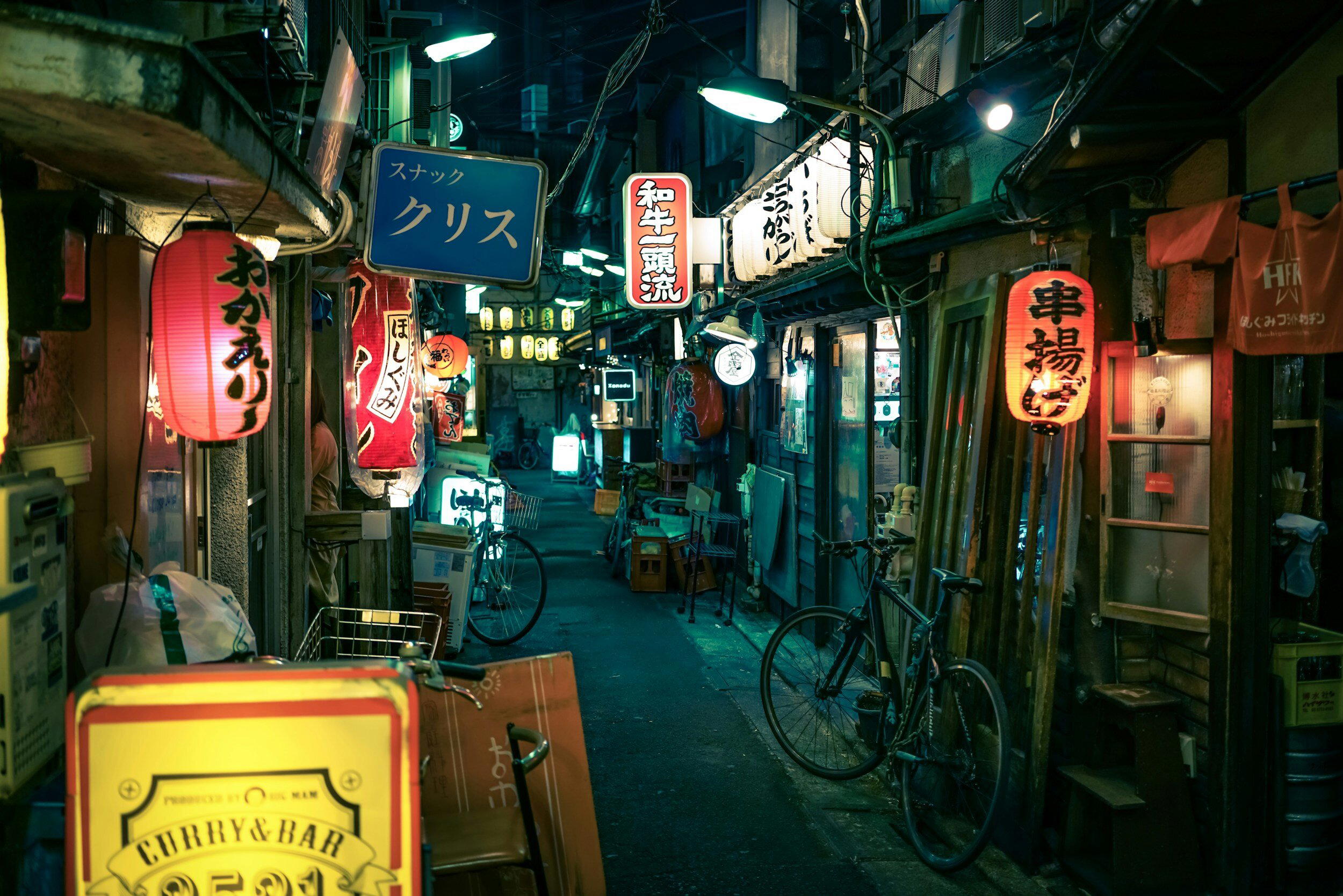
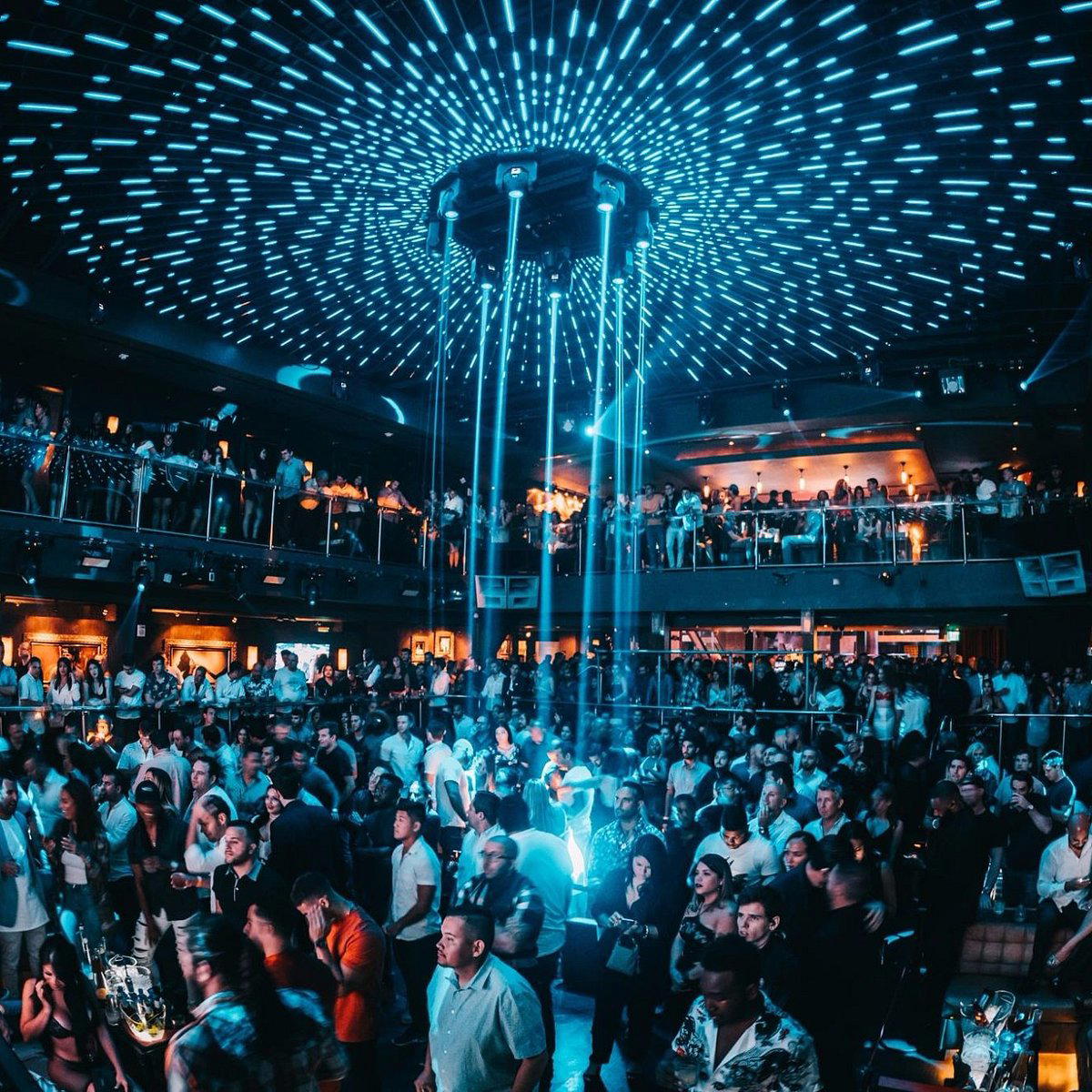
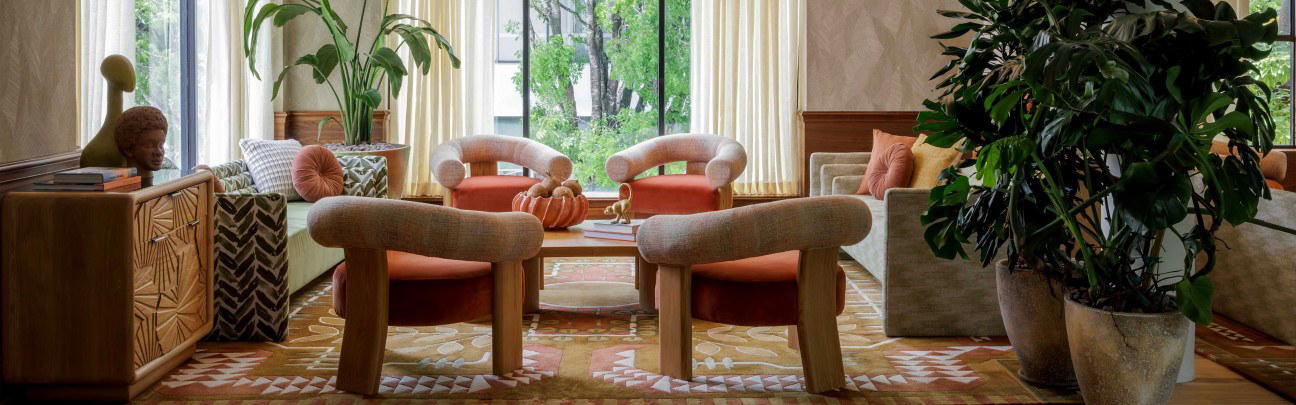
Contemporary and laid-back with bright modern interior design, open kitchen concept, and serene covered outdoor patio; can get loud on weekend nights.
Know Before You Go
- Getting there
- 4740 NE 2nd Ave, Miami, FL 33137