Shokudo Kuishimbo occupies a quiet address in Vienna's 6th district, where the city's appetite for Japanese dining sits at an interesting remove from its grand Ringstrasse restaurants. The name itself signals intent: shokudo denotes an informal Japanese dining hall, while kuishimbo translates loosely as a devoted eater. That combination of casual format and serious appetite defines the register here.
Pearl is the En Primeur Club membership app — saves, bookings, and concierge access live there. Same editors, same standards.
- Address
- Esterházygasse 12, 1060 Wien, Austria
- Phone
- +436765530727
- Website
- shokudokuishimbo.com
- Directions
- Get directions
 Saves & bookings on Pearl
Japanese Dining in Vienna: A Category Worth Understanding
Vienna's relationship with Japanese cuisine has developed steadily over the past two decades, moving from novelty import to a category with genuine depth. Shokudo Kuishimbo is an authentic Japanese izakaya at Esterházygasse 12 in Vienna, with casual service and an average price of about $25 per person. The city now supports everything from high-end omakase counters in the first district to neighbourhood ramen shops and izakaya-style rooms in the outer Bezirke. Shokudo Kuishimbo, on Esterházygasse 12 in the 6th district, operates in the informal register of that spectrum. The name is instructive: shokudo refers to a canteen or casual dining hall in Japanese, a format built around everyday eating rather than occasion dining. Pair that with kuishimbo, a term of mild affection for someone who eats with enthusiasm and dedication, and the positioning becomes clear before you walk through the door.
That framing matters in Vienna, where the dominant dining culture runs toward ceremony. The city's prestige restaurants, among them Steirereck im Stadtpark and Konstantin Filippou, operate with the full apparatus of formal service, long tasting menus, and significant price points. Mraz & Sohn and Amador occupy a similarly considered tier. A venue that borrows the shokudo format is making a deliberate choice to sit outside that hierarchy, prioritising repetition and daily utility over the architecture of a special occasion.
The 6th District as Context
Mariahilf, Vienna's 6th district, occupies a particular position in the city's geography. It runs from the western edge of the Naschmarkt up toward Mariahilfer Strasse, Austria's main commercial artery, and its side streets contain a density of independent restaurants, bars, and cafes that gives the neighbourhood a working character distinct from the tourist-facing 1st district or the design-led 7th. Esterházygasse itself is a short residential street, the kind of address that rewards knowing where you are going rather than stumbling in.
That neighbourhood texture shapes what a venue like Shokudo Kuishimbo is for. In Tokyo, a shokudo exists to serve the surrounding community at lunch and dinner, providing reliable, affordable food with minimal fuss. Transplanted to a Viennese side street, the format picks up some of that same logic: it serves a local radius, and the room is likely to reflect the neighbourhood's mixed character of students, residents, and the occasional visitor who has done their research.
What the Atmosphere Signals
The sensory register of an authentic shokudo runs counter to what most European diners associate with Japanese food. There is no darkened minimalism, no hushed counter service, no reverential pause before each course. The sounds are practical: orders called across a counter, the hiss of something hitting a hot surface, the ambient noise of tables that turn with efficiency rather than lingering. The smell arrives before the food does, built from dashi, soy, and whatever the kitchen is running that day. Natural light, if the room permits it, tends to dominate over atmospheric dimming. Tables are close. The experience is immediate rather than constructed.
That atmosphere carries information. It tells you that the food is the point, not the staging around it. It aligns the restaurant with a tradition of Japanese cooking that prizes daily repetition and ingredient fluency over spectacle. The same philosophy, scaled up dramatically and combined with French technique, sits behind the reputation of restaurants like Le Bernardin in New York, where product quality carries the room rather than performance. Closer in spirit, the Korean tasting format at Atomix in New York shows how deeply rooted Asian dining traditions can translate to Western cities when the format is handled with conviction. At the shokudo end of the spectrum, the conviction is quieter but no less present.
Japanese Informality in an Austrian Context
Austria's own casual dining tradition has its own version of this logic. The Beisl, Vienna's version of the neighbourhood inn, operates on a similar premise: unpretentious room, reliable cooking, service without ceremony. Some of the country's most interesting food happens outside the capital, at venues like Döllerer in Golling an der Salzach, Obauer in Werfen, or Landhaus Bacher in Mautern an der Donau, where the format is rooted in place and repetition rather than destination theatre. Venues like Griggeler Stuba in Lech, Ikarus in Salzburg, and Kräuterreich by Vitus Winkler in Sankt Veit im Pongau anchor Austrian fine dining to regional identity. What the restaurant proposes is a parallel but distinct tradition: Japanese everyday cooking transplanted to a Viennese street, operating on its own internal logic rather than trying to meet the expectations of either culture's formal register.
That is a more considered position than it might first appear. Vienna has had Japanese restaurants for decades, but the ones that survive long enough to develop a local following tend to find an identity that serves the neighbourhood rather than the tourist circuit. The shokudo format is a reasonable vehicle for that ambition. Other Vienna venues finding their own mid-tier footing include Doubek, which shows how the city's dining middle ground is more varied than the headline names suggest. Beyond the capital, places like Ois in Neufelden, Schwarzer Adler in Hall in Tirol, and Restaurant 141 by Joachim Jaud in Mieming show how Austrian regional dining sustains itself through local identity and consistency rather than awards cycles.
Know Before You Go
Address: Esterházygasse 12, 1060 Wien, Austria
District: Mariahilf, Vienna's 6th district
Price range: About $25 per person
Hours: Tue to Sat 5-10 PM; Mon and Sun closed
Booking: Recommended
Accolades, Compared
Comparable venues nearby, for context on price, style, and recognition.
| Venue | Cuisine | Price | Notes |
|---|---|---|---|
| Shokudo KuishimboThis venue — the venue you are viewing | Authentic Japanese Izakaya | $$ | Not listed |
| Nikkai | Japanese Fusion | $$ | Inner City |
| Daihachi | Traditional Japanese Sushi Bar | $$ | Inner City |
| Jin's Zieglergasse | Japanese Noodles & Dumplings | $$ | Mariahilf |
| Ebi Mini | Japanese Sushi & Ramen | $$ | Hofburg |
| Little Koya | Japanese Sushi & Noodles | $$ | Inner City |
Continue exploring
More in Vienna
Restaurants in Vienna
Browse all →![[aend] restaurant in Vienna](https://cdn.enprimeurclub.com/storage/v1/object/public/images/locations/recsVyRkMfzCxPmp0/hero2.jpg?width=3840&quality=75)
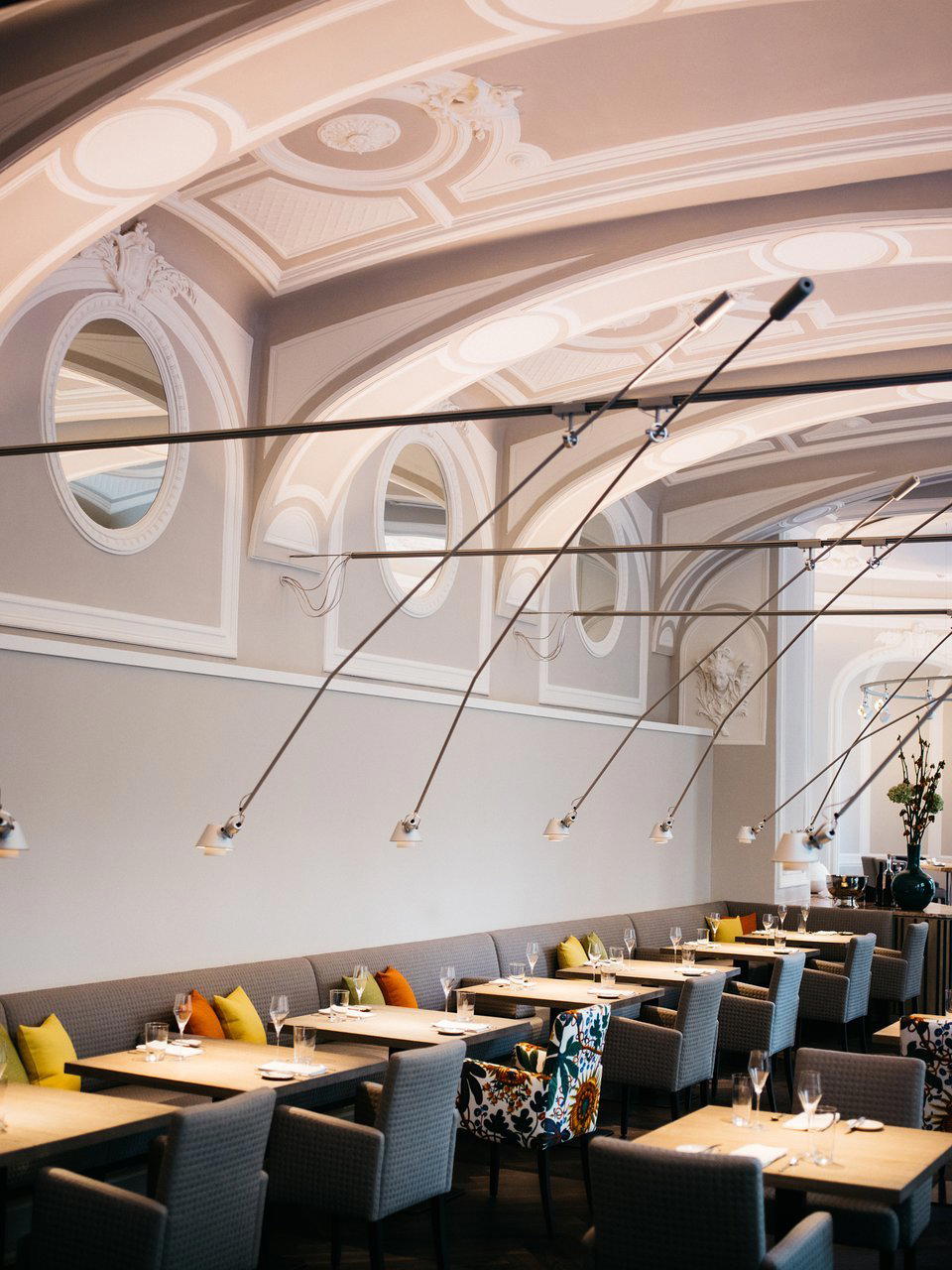
Bars in Vienna
Browse all →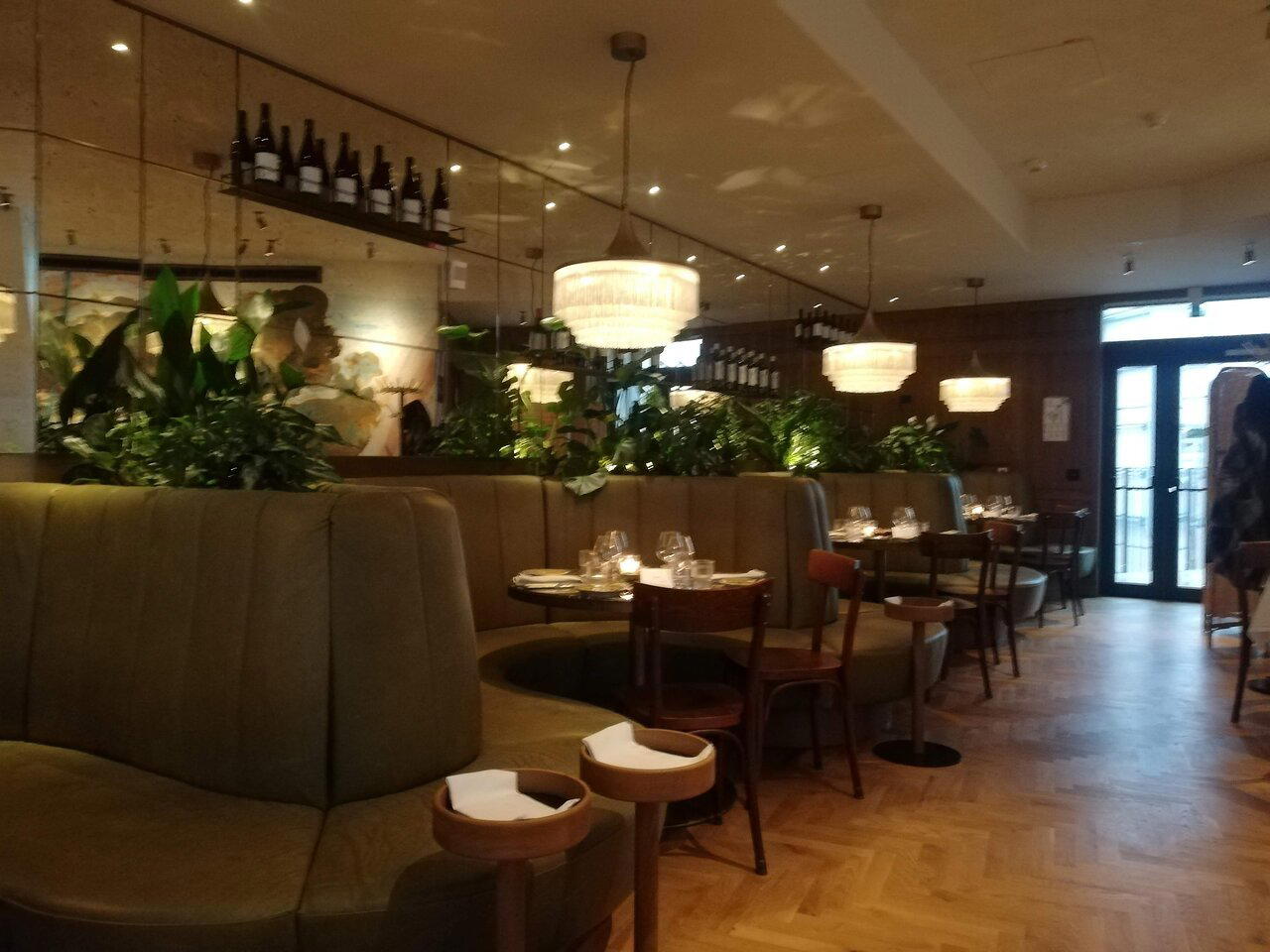
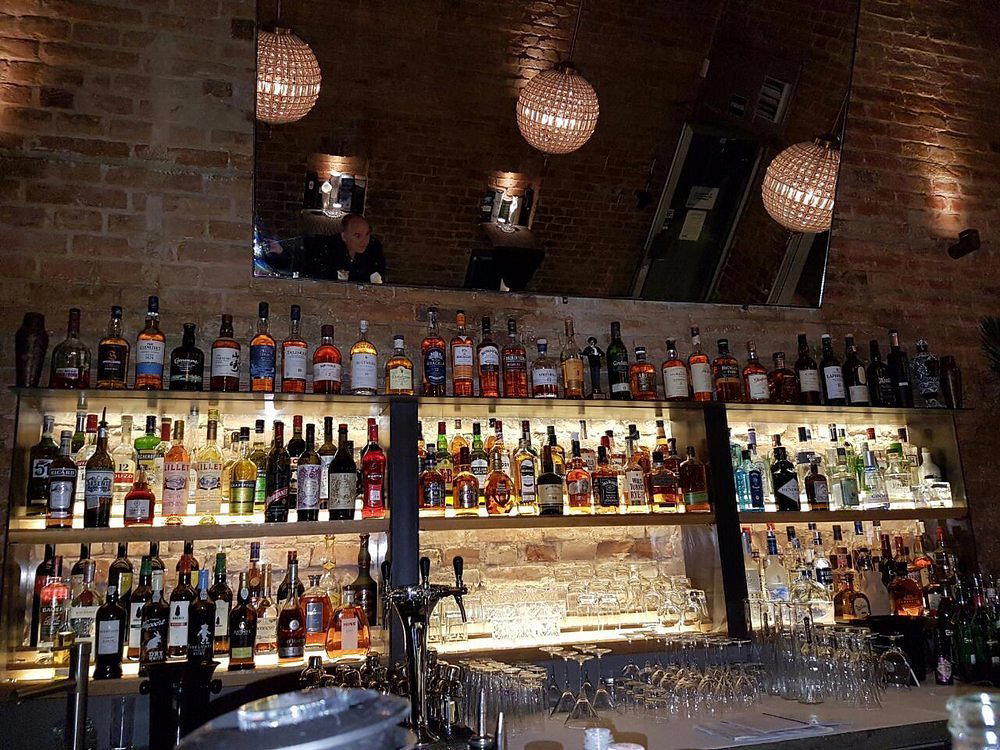

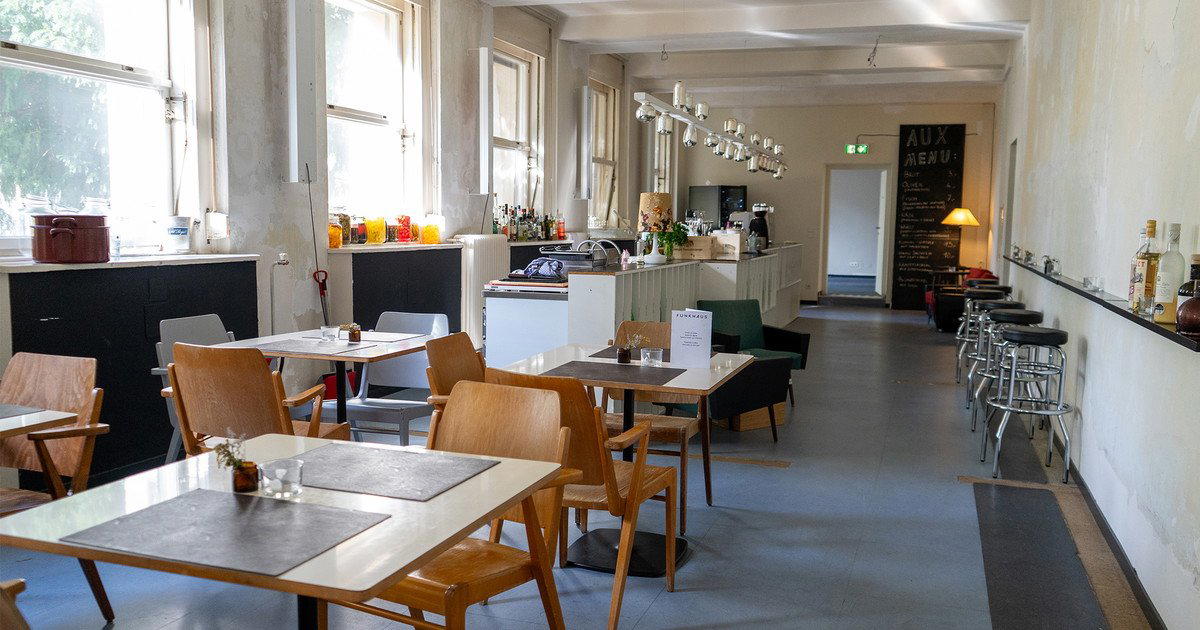
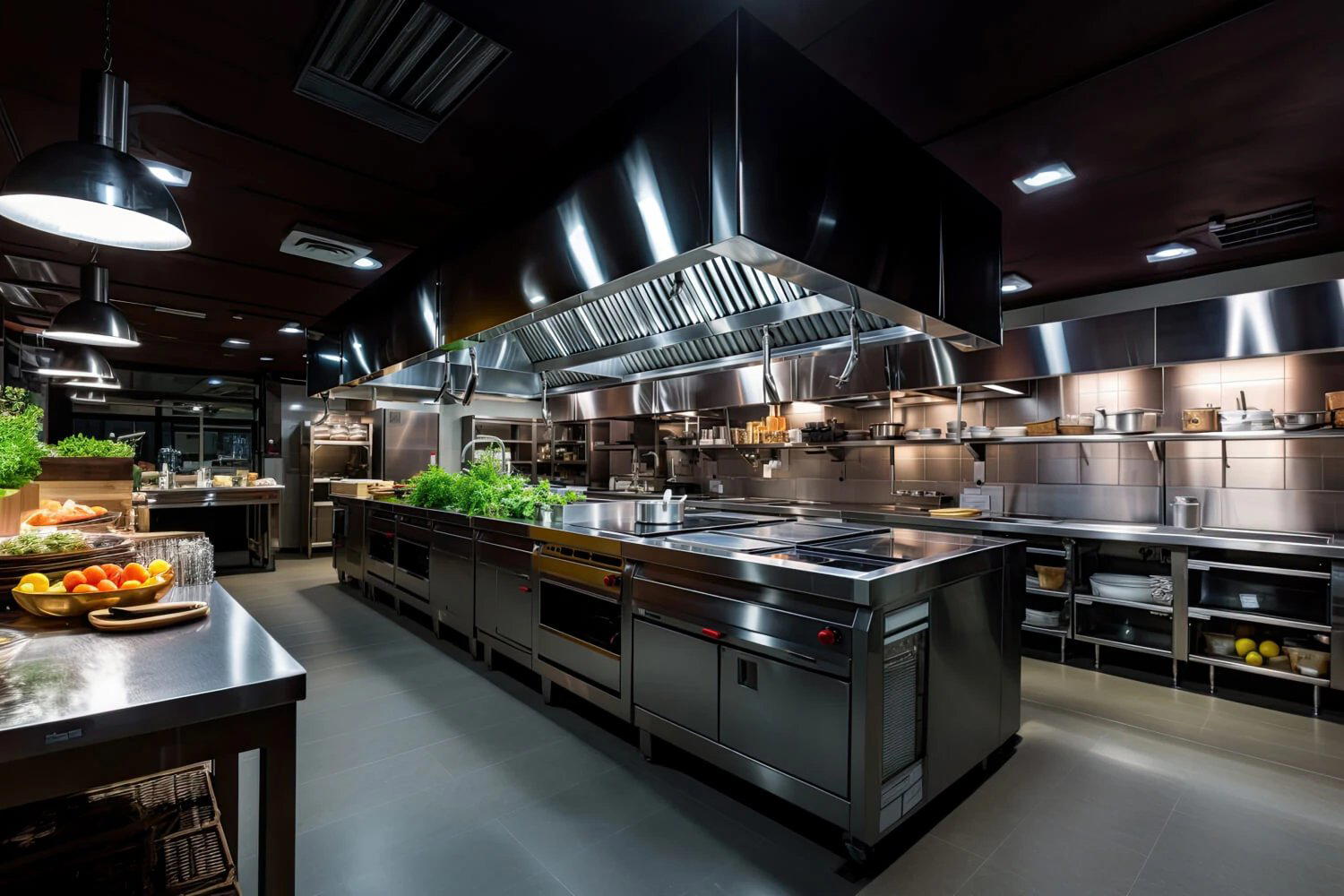
Hotels in Vienna
Browse all →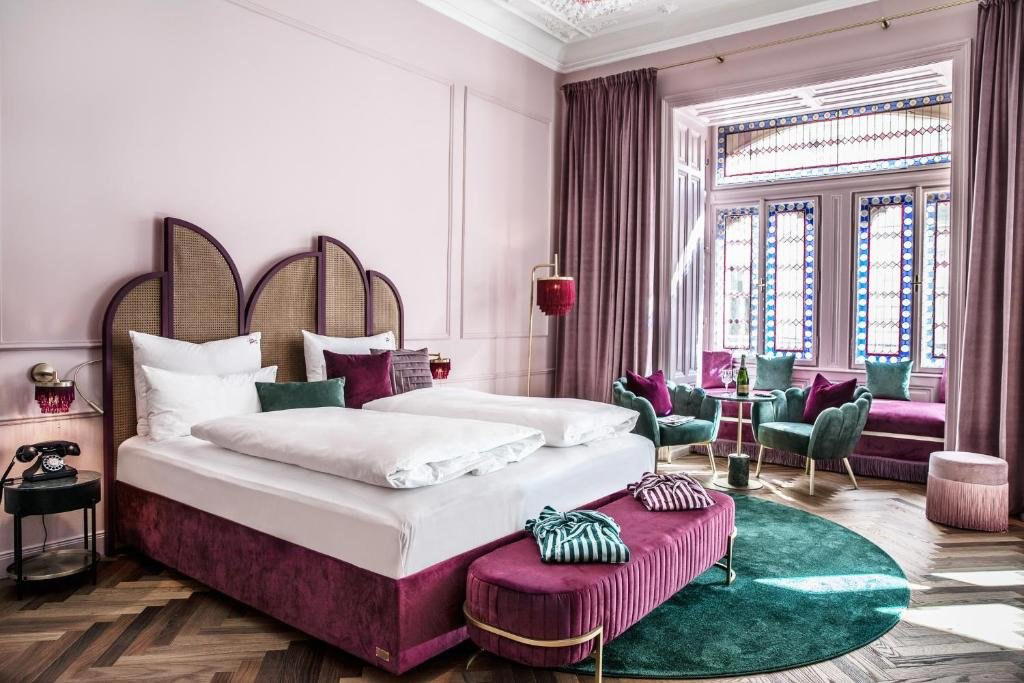
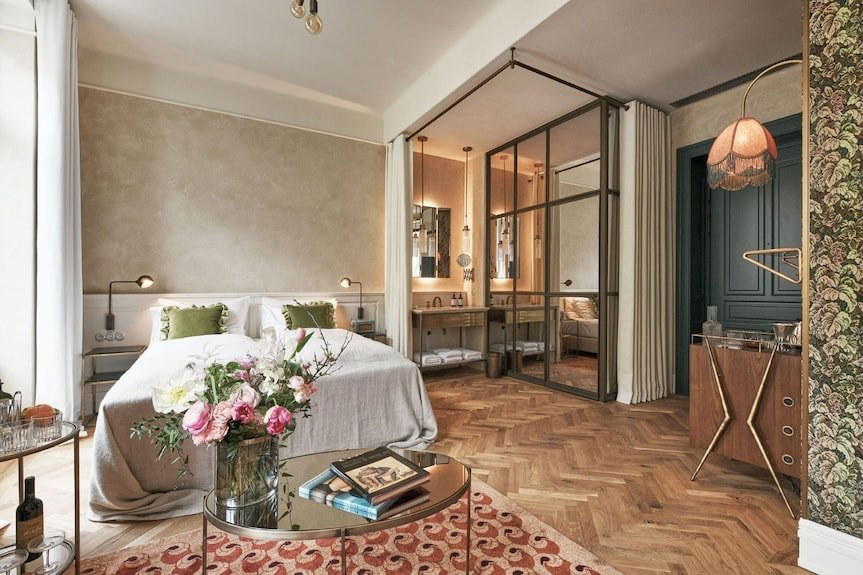
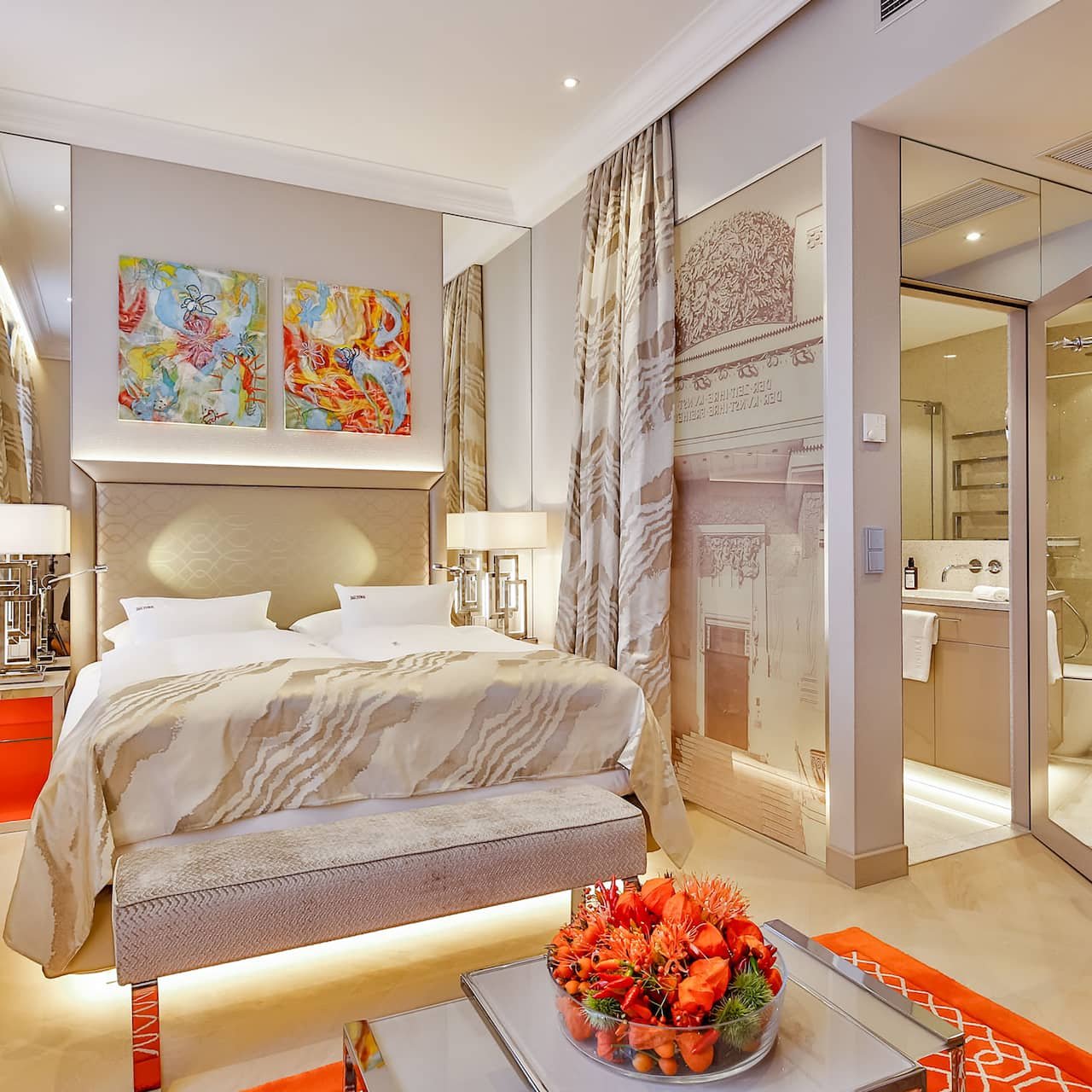
At a Glance
- Modern
- Trendy
- Casual
- Casual Hangout
- Group Dining
- After Work
- Open Kitchen
- Standalone
- Sake Program
- Beer Program
Current opening hours
- Monday
- Closed
- Tuesday
- 5–10 PM
- Wednesday
- 5–10 PM
- Thursday
- 5–10 PM
- Friday
- 5–10 PM
- Saturday
- 5–10 PM
- Sunday
- Closed
Hours can change for holidays and private events. Last verified .
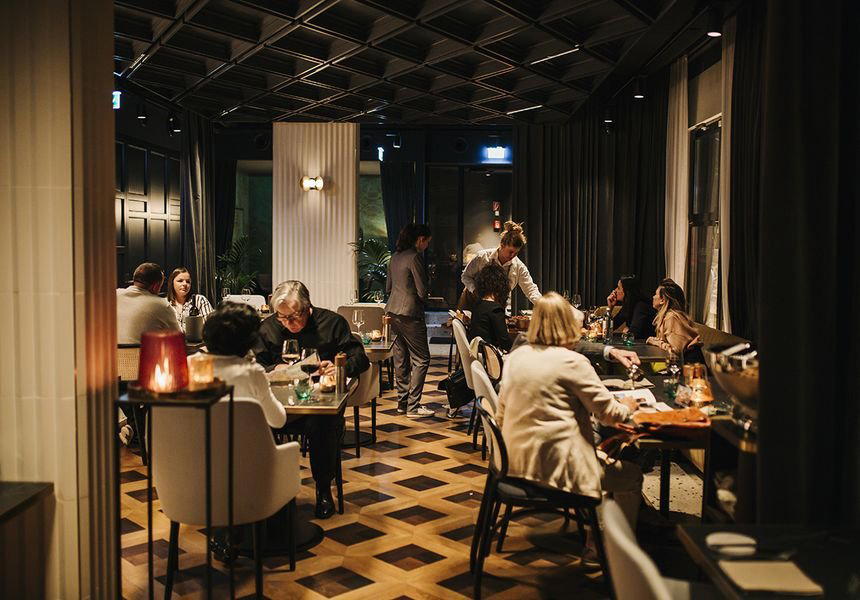
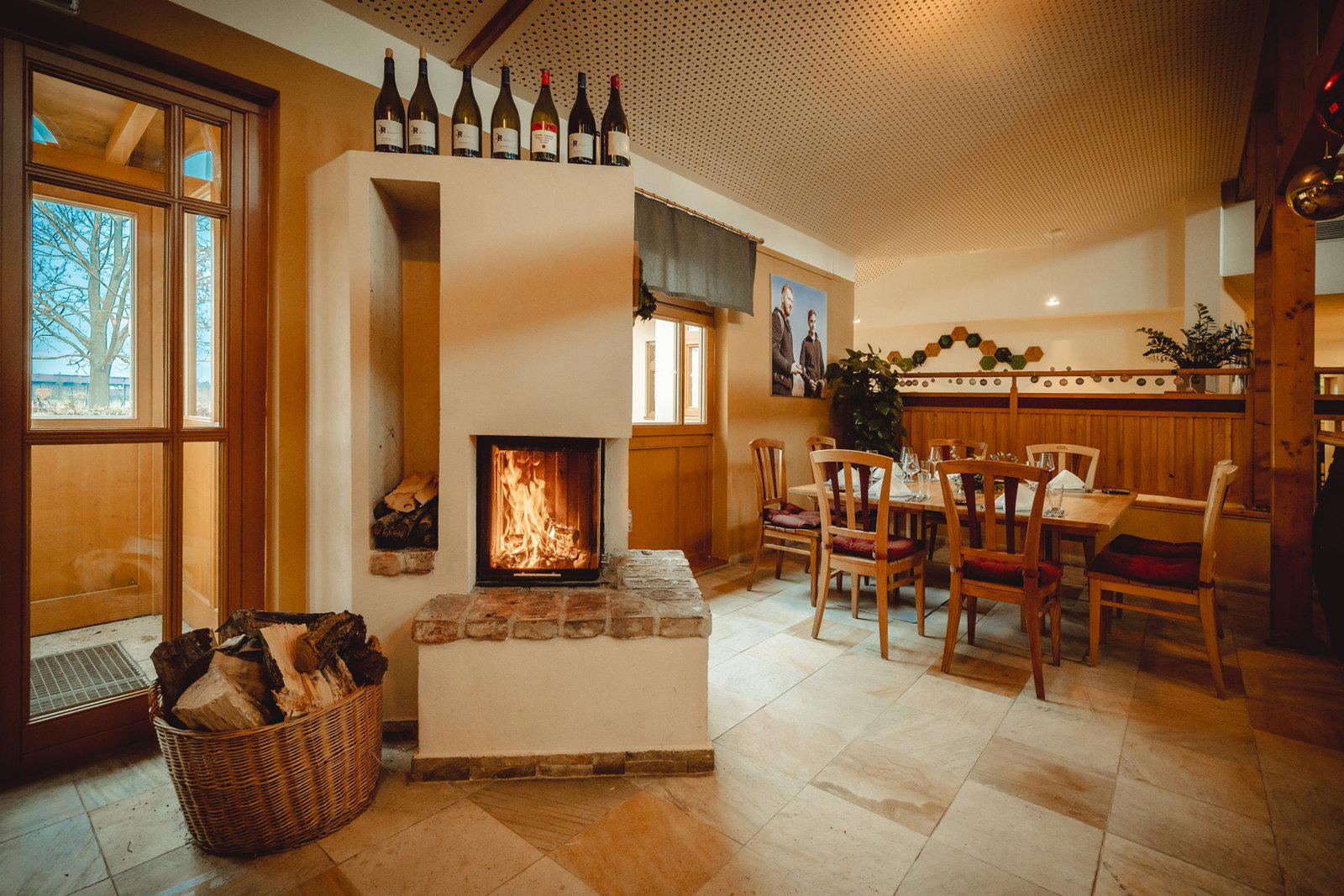
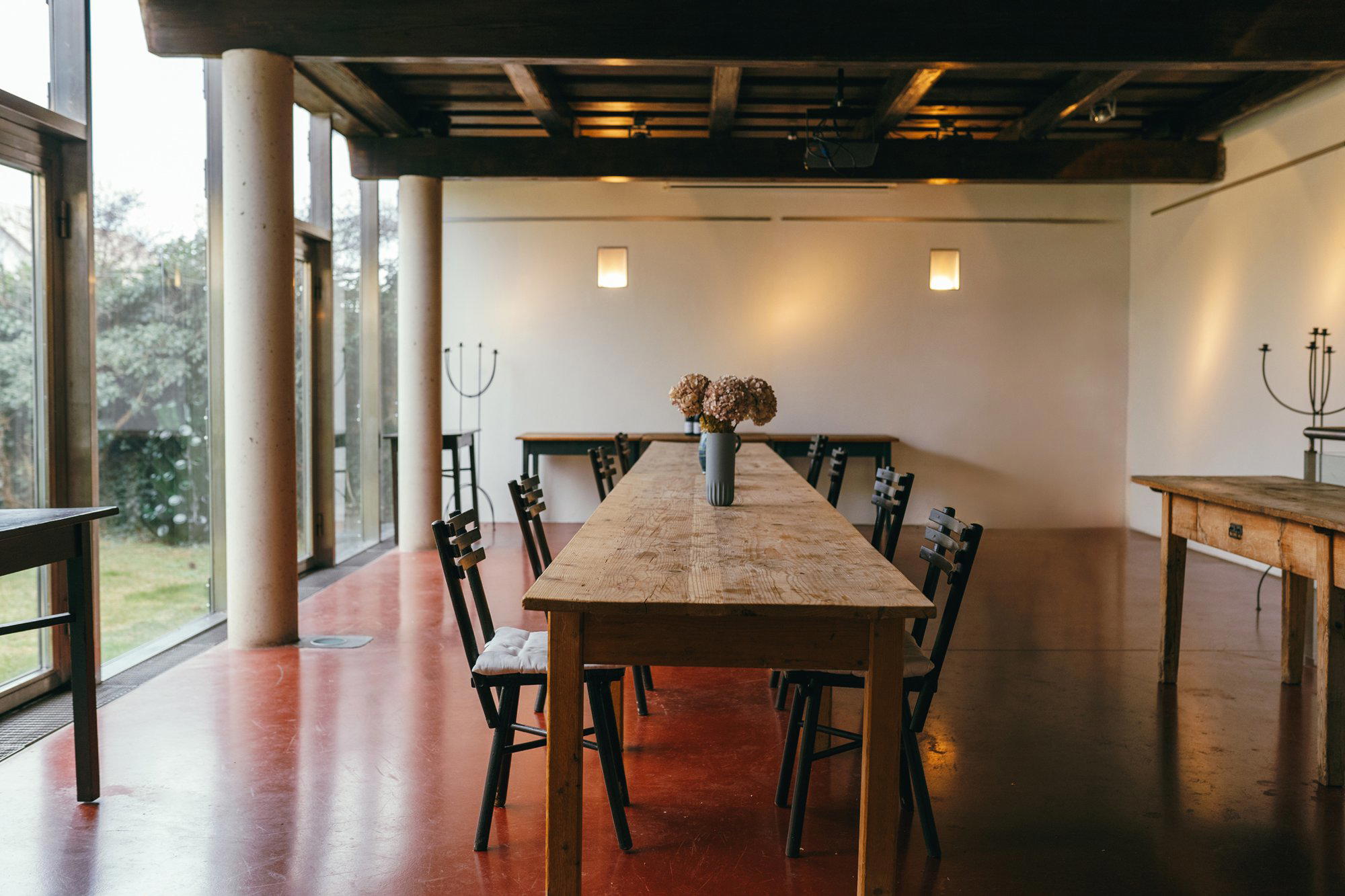
Stylish, modern, and hip Japanese atmosphere with urban design; a significant upgrade from the original tiny noodle bar location with proper seating and a contemporary feel.