Shokudo occupies a quiet address on Schaluin in Aarschot, a small Flemish town that sits well outside Belgium's main restaurant circuits. The name signals a Japanese register, shokudo translates roughly as dining hall or canteen in Japanese, placing it at an interesting angle to the predominantly French-Belgian fine-dining tradition that defines most serious eating in this country. Practical details including hours and booking method are best confirmed directly with the venue.
Pearl is the En Primeur Club membership app — saves, bookings, and concierge access live there. Same editors, same standards.
- Address
- Schaluin 33, 3200 Aarschot, Belgium
- Phone
- +3216355200
- Website
- shokudo.be
- Directions
- Get directions
 Saves & bookings on Pearl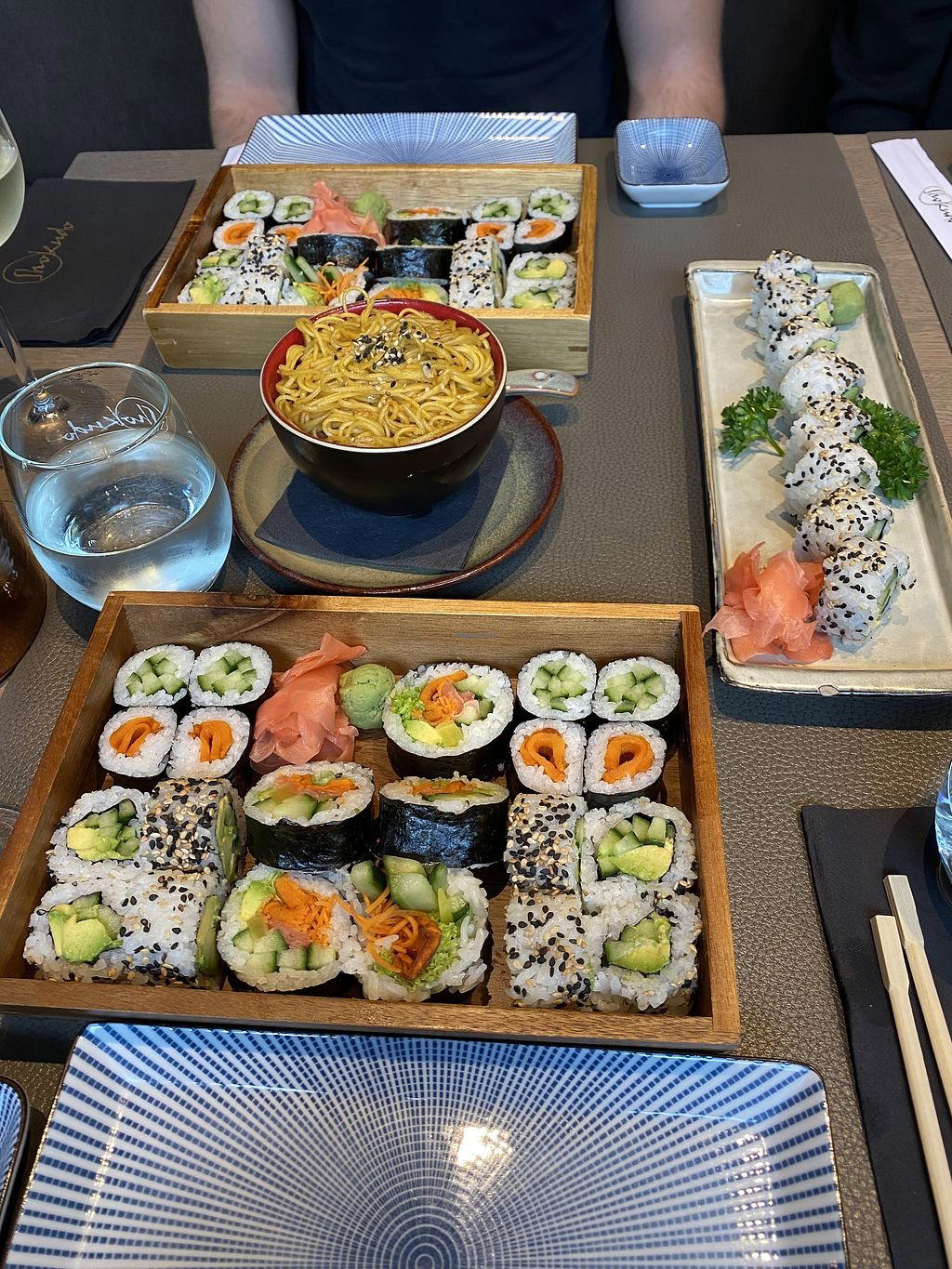
A Japanese Register in Flemish Brabant
Belgium's serious restaurant culture has long been anchored in the French tradition: white-tablecloth service, classical technique, Flemish produce filtered through Gallic structure. That framework produced houses like Boury in Roeselare and Zilte in Antwerp, and it remains the dominant grammar of high-end eating across the country. Which is exactly why a venue named Shokudo, operating out of a small address in Aarschot, a Flemish Brabant market town of around 30,000 people, occupies an interesting position. The name itself is the starting point for any contextual reading: in Japanese, shokudo (食堂) denotes a casual dining hall or canteen, a category of everyday restaurant that sits well below the omakase counter in the Japanese dining hierarchy but carries its own cultural weight as a place of honest, regular eating.
That framing matters because it sets an expectation about register. In Japan, the shokudo tradition is built around accessibility and repetition: fixed-price set meals, familiar preparations, a clientele that returns weekly rather than for special occasions. Shokudo is a Japanese restaurant in Aarschot serving premium Japanese sushi, with a smart casual dress code and essential reservations.
The Town and What It Means for Dining
Aarschot sits along the Demer river roughly midway between Leuven and Hasselt, and it functions primarily as a commuter and market town rather than a dining destination. The restaurant scene here is compact and local-facing: most serious diners in the region drive toward Leuven, Brussels, or Antwerp when they want to access the upper tier of Belgian cooking. Venues like Atelier Delvaux and Mistinguett represent the kind of neighbourhood-serving ambition that defines Aarschot's restaurant offer: capable, locally embedded.
That context shapes how a Japanese-named venue reads in this setting. In a larger Belgian city, Antwerp, Ghent, Brussels, a shokudo-style concept would enter a crowded field of Asian-influenced restaurants and compete on execution against established benchmarks. In Aarschot, it occupies a different kind of space: a format that has few direct local competitors, serving a community where Japanese food of any kind represents a distinct departure from the default. That can work in a venue's favour, creating loyal regulars drawn by novelty that becomes habit, or it can mean operating without a meaningful comparable set against which to calibrate quality.
Japan's Dining Canteen Tradition and Its Belgian Translations
The shokudo concept in Japan evolved from the post-war period as a practical solution to urban eating: affordable, fast, filling, served in unpretentious surroundings. The format spread through schools, hospitals, and workplaces before becoming a neighbourhood institution in its own right. Standard shokudo fare runs to rice-based set meals, noodle dishes, katsu preparations, and miso soup, the kind of food that functions as daily fuel rather than occasion dining. It stands in deliberate contrast to the precision and ceremony of sushi counters or kaiseki rooms, which sit at the other end of Japan's remarkably stratified restaurant culture.
Belgium has engaged with Japanese food in a more limited way than, say, France or the Netherlands, though that is changing as cities like Brussels and Antwerp develop more serious Japanese restaurant scenes. The country's most referenced Asian-influenced fine-dining expressions tend toward French-Asian fusion in the mode of L'air du temps in Liernu, where classical French technique absorbs Japanese or broader Asian influence rather than the reverse. A venue that approaches the question from the Japanese side, using a Japanese dining category as its conceptual anchor, is comparatively rare in this country, which gives even a modest neighbourhood execution a kind of structural interest it might not have in a more saturated market.
For reference points outside Belgium, venues like Atomix in New York City show how Korean fine dining has built serious critical credibility in the West. The shokudo sits at the accessible end of that range, which is precisely its appeal.
Calibrating Expectations for Schaluin 33
The address, Schaluin 33 in Aarschot, is a residential-scale street. This is not a venue that signals itself through grand frontage or prominent positioning in the town centre. Belgium has a long tradition of serious eating in unlikely-looking premises: the country's most decorated tables, from Hof van Cleve in Kruishoutem to Le Chalet de la Forêt in Uccle, demonstrate that the country's dining culture does not privilege conspicuous address. Small-town venues with genuine ambition tend to build their reputations locally and quietly, through word of mouth and repeat custom rather than through the review and award cycles that operate primarily in major cities.
Shokudo is open Tuesday to Sunday, 12 to 2 PM and 5:30 to 10 PM, and is closed Monday. The venue's address at Schaluin 33 provides a starting point for locating contact information through local directories. For the broader Belgian fine-dining context, tables like Bozar Restaurant in Brussels, Castor in Beveren, and Bartholomeus in Heist offer reference points for what the country's recognised restaurant tier looks like at different price points and in different regional contexts.
Cost Snapshot
Comparable venues nearby, for context on price, style, and recognition.
| Venue | Cuisine | Price | Notes |
|---|---|---|---|
| ShokudoThis venue — the venue you are viewing | Aarschot, Premium Japanese Sushi | $$$ | Not listed |
| Atelier Delvaux | centrum, Belgian Chocolatier | $ | Not listed |
| Mistinguett | city center, French-Belgian Bistro | $$$ | Not listed |
| D. Majin | Not listed | $$ | Seraing, Japanese Manga Fusion with American Influences |
| Kato | Not listed | $$ | Marnixplein area, Traditional Japanese Omakase |
| Spiga D'oro | Not listed | $$$ | Boortmeerbeek, Authentic Italian Slow Food |
At a Glance
- Modern
- Elegant
- Lively
- Date Night
- Group Dining
- Family
- Special Occasion
- Open Kitchen
- Standalone
- Sake Program
- Craft Cocktails
- Sustainable Seafood
Current opening hours
- Monday
- Closed
- Tuesday
- 12–2 PM, 5:30–10 PM
- Wednesday
- 12–2 PM, 5:30–10 PM
- Thursday
- 12–2 PM, 5:30–10 PM
- Friday
- 12–2 PM, 5:30–10 PM
- Saturday
- 12–2 PM, 5:30–10 PM
- Sunday
- 12–2 PM, 5:30–10 PM
Hours can change for holidays and private events. Last verified .
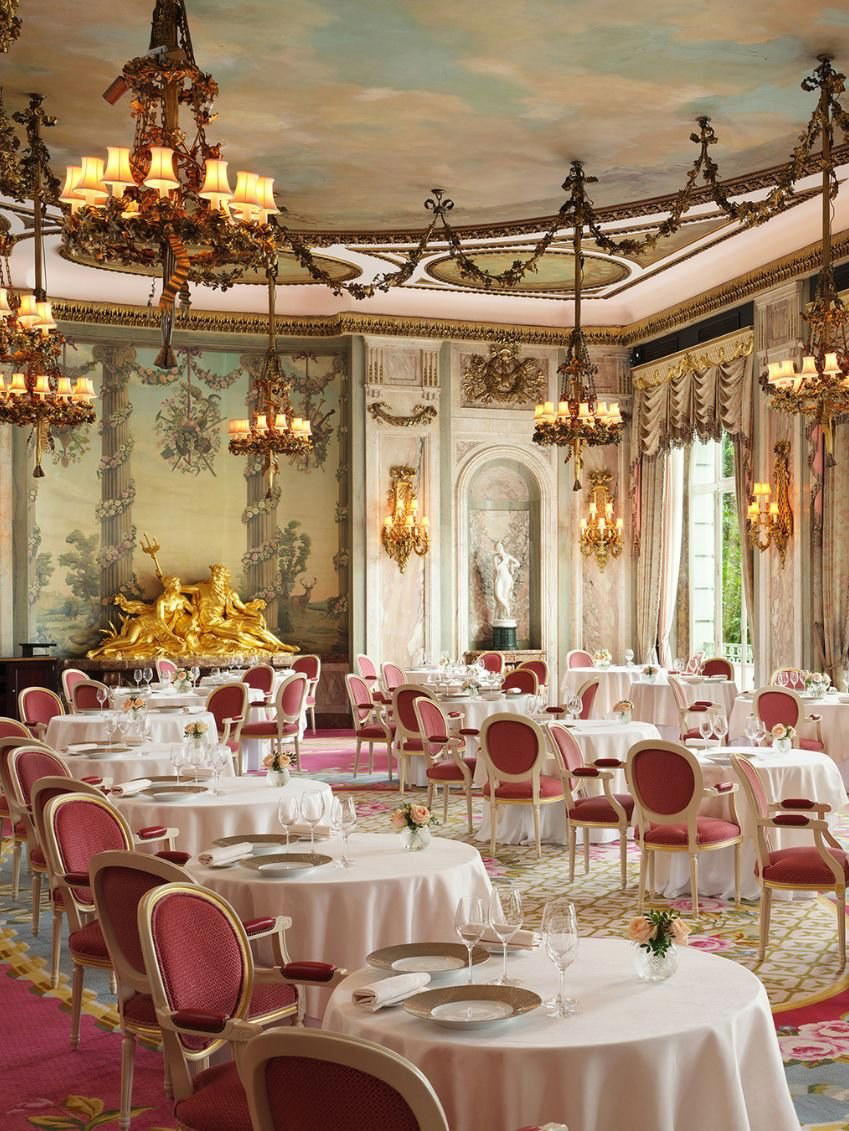
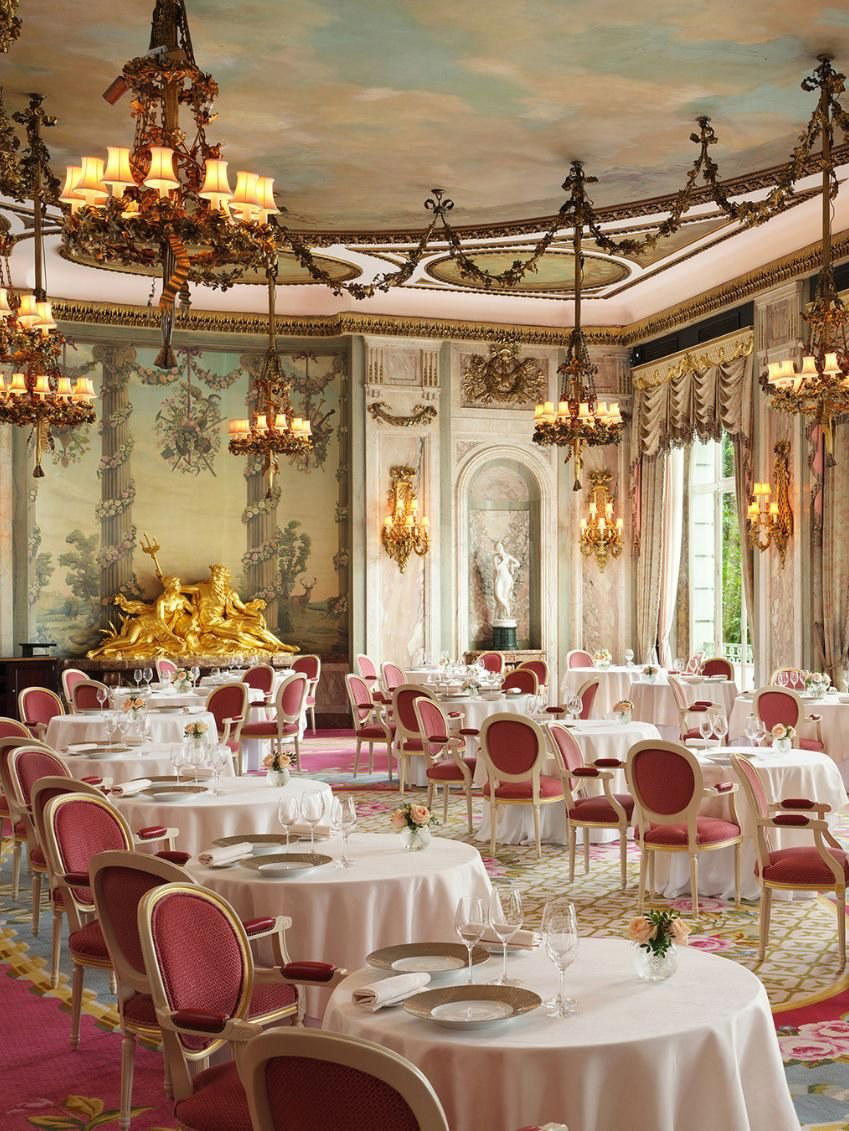
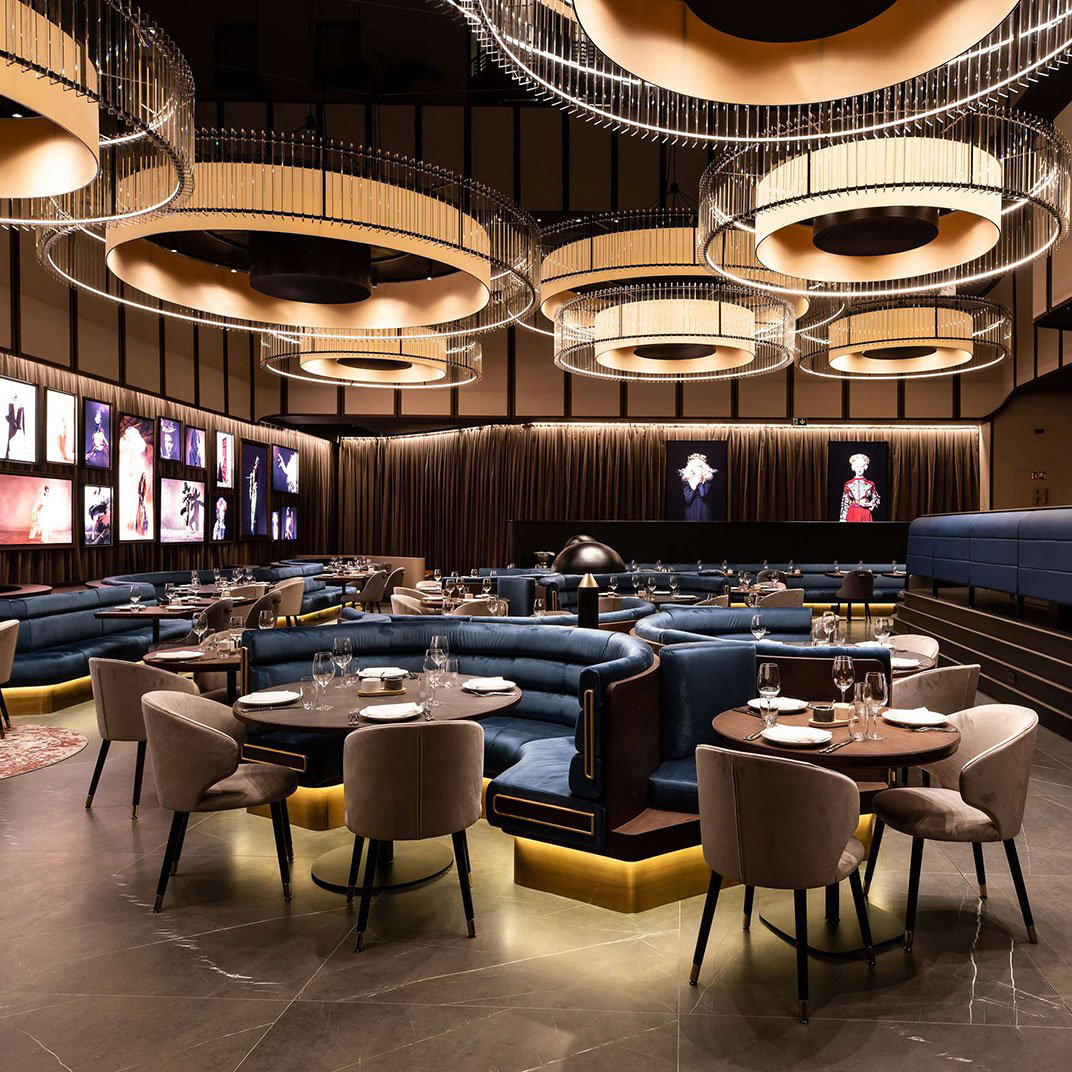
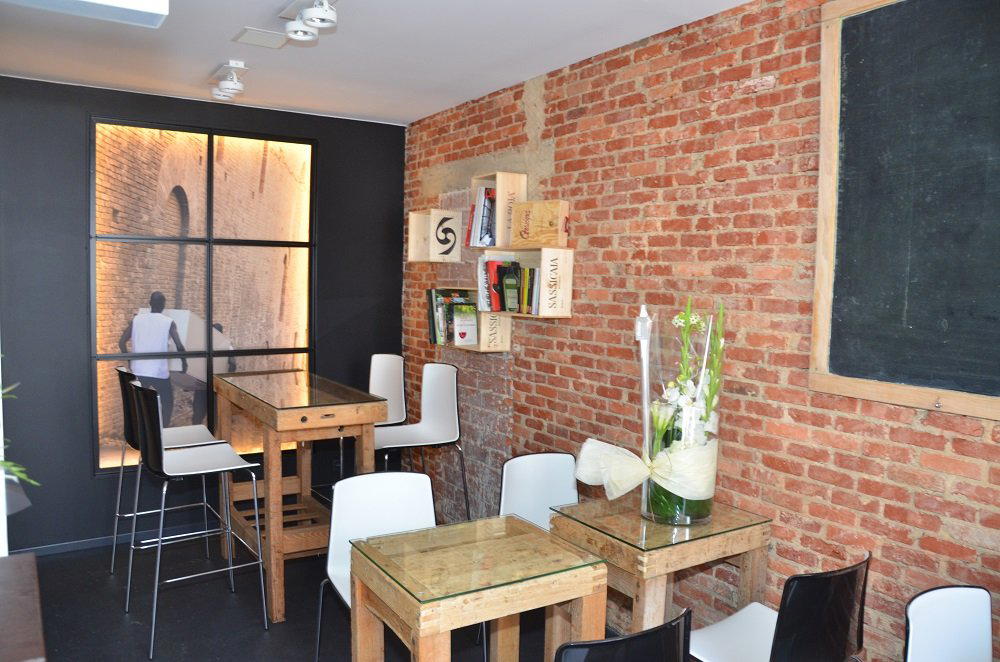
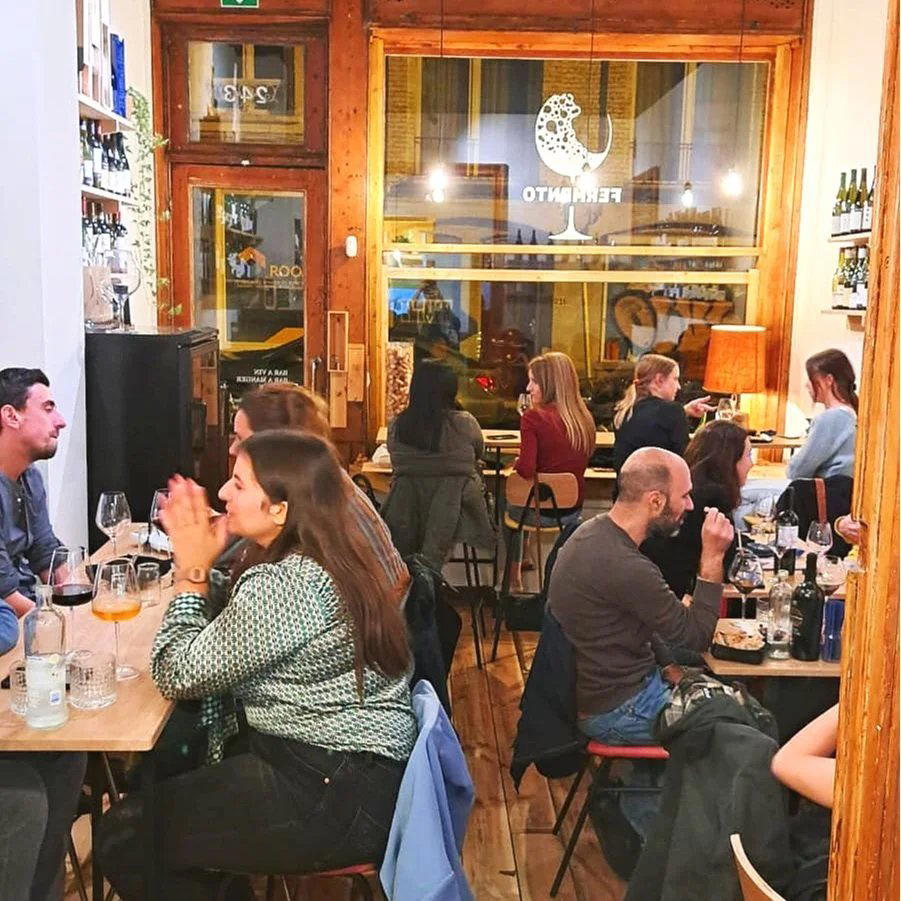
Modern, airy dining space with beautiful mood lighting and contemporary fixtures; tables are closely spaced creating an intimate yet lively atmosphere.