Shin-Sen-Gumi Shabu-Shabu
Shin-Sen-Gumi Shabu-Shabu on Artesia Boulevard has been a fixture of Gardena's Japanese dining scene for years, drawing regulars for its communal hot-pot format and the particular ritual of thinly sliced beef meeting simmering broth at the table. The restaurant sits in the South Bay corridor that functions as one of Los Angeles County's most concentrated zones of authentic Japanese cooking, and it holds its own in that company.
Pearl is the En Primeur Club membership app — saves, bookings, and concierge access live there. Same editors, same standards.
- Address
- 1695 Artesia Blvd, Gardena, CA 90248
- Phone
- +13106492904
- Website
- shinsengumigroup.com
- Directions
- Get directions
 Saves & bookings on Pearl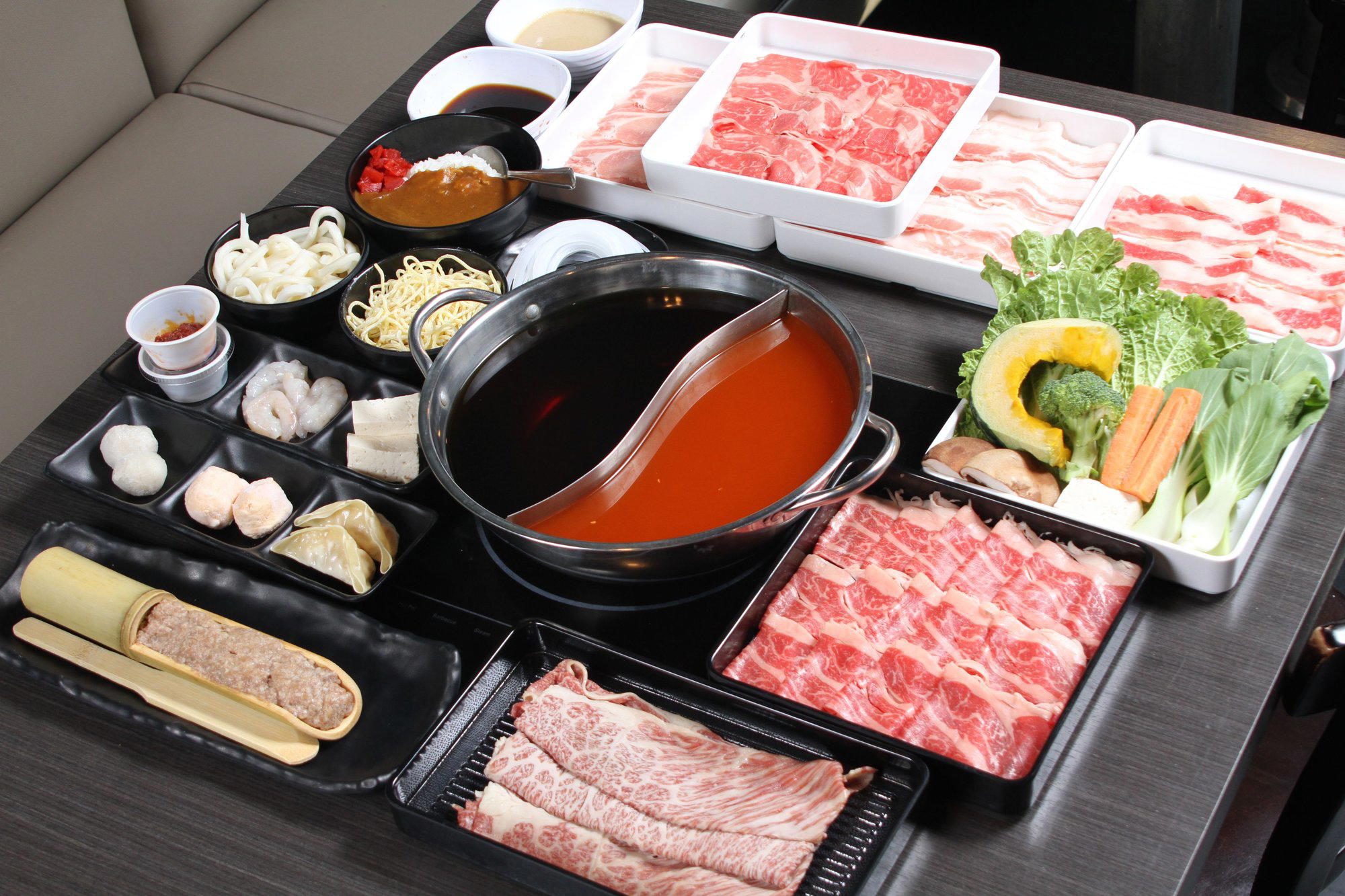
The Ritual of the Pot: Shabu-Shabu in Southern California's Japanese Quarter
There is a particular sound that defines a shabu-shabu room: the low simmer of dashi or kombu broth in iron or clay pots, the gentle percussion of chopsticks, conversations kept close to the table. Arriving at Shin-Sen-Gumi Shabu-Shabu on Artesia Boulevard in Gardena, that atmosphere is present from the moment you step inside. Shin-Sen-Gumi Shabu-Shabu is an all-you-can-eat shabu-shabu hot pot restaurant in Gardena, priced at about $38 per person. The South Bay stretch of Los Angeles County that runs through Gardena, Torrance, and into adjacent neighborhoods is not a casual dining district, it is one of the densest concentrations of Japanese restaurant culture outside Japan itself, and shabu-shabu here operates within a serious, practiced tradition rather than as a novelty format.
Shabu-shabu as a category sits at the more ceremonial end of Japanese communal dining. Unlike ramen or izakaya drinking formats, the hot-pot table demands a slower pace. Thin-cut beef or pork, vegetables, and tofu arrive raw; the diner does the final cooking, swishing each piece briefly through broth before pulling it through dipping sauces, typically ponzu or sesame. The process is deliberate, which means the experience is shaped as much by the quality of the ingredients and the temperature discipline of the broth as by any single dish. In communities where this format is understood generationally, the baseline expectation is correspondingly higher than in contexts where it appears as a trend.
Artesia Boulevard and the South Bay Dining Corridor
The address at 1695 Artesia Blvd places Shin-Sen-Gumi Shabu-Shabu within a corridor that has functioned as a genuine Japanese-American cultural hub since the post-war period. Gardena's restaurant scene is not built around visibility to passing foot traffic; it is built around regulars, community anchors, and a dining population that measures authenticity by standard rather than by novelty. That context matters for how you should read Shin-Sen-Gumi's positioning. Nearby, Otafuku Noodle House holds its corner of Japanese noodle tradition, while Izakaya Akatsuki and Jidaiya handle the izakaya side of the spectrum. Happa Restaurant completes a comparable set in which the Japanese dining tradition is taken as a baseline, not as a selling point.
Within that peer group, shabu-shabu occupies a specific lane: it is a format that rewards familiarity, where repeat visitors develop preferences for broth style, meat grade, and the ratio of vegetables to protein in a given pot. Shin-Sen-Gumi, as a brand, has operated multiple concepts in the South Bay area over the years, with its shabu-shabu location functioning as a distinct arm from operations like Shin-Sen-Gumi 2GO, which handles a different format and pace. That separation of concepts signals a deliberate approach to format integrity, the shabu-shabu room is not trying to be everything at once.
What the Format Delivers: Sensory Priorities at the Table
The sensory experience of shabu-shabu is built in layers. The broth arrives first, and its fragrance sets the temperature of the meal before a single piece of meat hits the pot. Kombu-based dashi has a clean, mineral quality that functions almost as a palate primer; richer broths carry more umami forward from the start. The visual element follows: raw ingredients arranged on platters before cooking are part of the presentation logic of this format, where the color of beef marbling, the translucency of sliced pork, and the arrangement of enoki and shiitake against tofu carry aesthetic weight before any cooking begins.
The cooking itself is participatory. Swishing thin beef through near-boiling broth for a few seconds produces a texture that no kitchen preparation replicates, the outside firms while the interior holds its color. The accumulated broth deepens as the meal progresses, absorbing rendered fat and vegetable sugars, so the experience shifts across its own timeline. Diners who understand this often hold back richer cuts until the broth has developed, a sequencing logic that mirrors the course structure of more formal dining formats without imposing it.
For context on the broader West Coast Japanese dining spectrum, the South Bay corridor sits several tiers below reservation-intensive counters like those covered in our profiles of Providence in Los Angeles, but it operates with a comparable seriousness of purpose within its own format. The reference point is not the tasting-menu tier occupied by The French Laundry in Napa or the avant-garde registers of Alinea in Chicago; it is the sustained, format-faithful execution that keeps a neighborhood restaurant relevant across years and generations.
Planning a Visit: What to Know Before You Go
Gardena's Japanese restaurant cluster is easiest to reach by car; the South Bay does not have the transit density of central Los Angeles, and Artesia Boulevard is a surface-street corridor without nearby rail access. Visits tend to be unhurried, the shabu-shabu format does not lend itself to quick turnovers, and the dining room rhythm reflects that. The broader Shin-Sen-Gumi network in the South Bay has cultivated a loyal return clientele, which means weekend evenings can move toward capacity without formal reservation systems absorbing the demand. Arriving earlier in the evening or on a weekday typically offers a more comfortable entry.
Peers in This Market
Comparable venues nearby, for context on price, style, and recognition.
| Venue | Cuisine | Price | Notes |
|---|---|---|---|
| Shin-Sen-Gumi Shabu-ShabuThis venue — the venue you are viewing | All-You-Can-Eat Shabu-Shabu Hot Pot | $$ | Not listed |
| Jidaiya | Yokohama-Style Ramen | $ | Gardena |
| Shin-Sen-Gumi Hakata Ramen | Hakata Ramen | $$ | Gardena |
| Izakaya Akatsuki | Japanese Izakaya | $$ | Gardena |
| Happa Restaurant | Japanese Izakaya with Hawaii Influences | $ | Gardena |
| Shin-Sen-Gumi 2GO | Hakata Ramen & Yakitori | $$ | Harbor Gateway |
Continue exploring
More in Gardena
Restaurants in Gardena
Browse all →
Bars in Gardena
Browse all →
Hotels in Gardena
Browse all →

Wineries in Gardena
Browse all →
At a Glance
- Lively
- Energetic
- Group Dining
- Casual Hangout
- Family
- Open Kitchen
Current opening hours
- Monday
- 5–9:30 PM
- Tuesday
- 5–9:30 PM
- Wednesday
- 5–9:30 PM
- Thursday
- 5–9:30 PM
- Friday
- 11:30 AM–9:30 PM
- Saturday
- 11:30 AM–9:30 PM
- Sunday
- 11:30 AM–9:30 PM
Hours can change for holidays and private events. Last verified .
Casual, lively atmosphere with friendly and attentive staff; small eating space with a noisy, energetic vibe that enhances the communal dining experience.