Shintaro
Shintaro occupies a quietly considered address in the Hollywood Hills corridor at 1900 Highland Ave, where Los Angeles's appetite for precision Japanese dining continues to deepen. The room sits within a city that now sustains multiple serious omakase and kaiseki operations, and Shintaro positions itself inside that conversation. Diners seeking structured, team-led service in the Japanese tradition will find the format here worth tracking.
Pearl is the En Primeur Club membership app — saves, bookings, and concierge access live there. Same editors, same standards.
- Address
- 1900 Highland Ave #5, Los Angeles, CA 90068
- Phone
- +13238826524
- Website
- shintarosushi.com
- Directions
- Get directions
 Saves & bookings on Pearl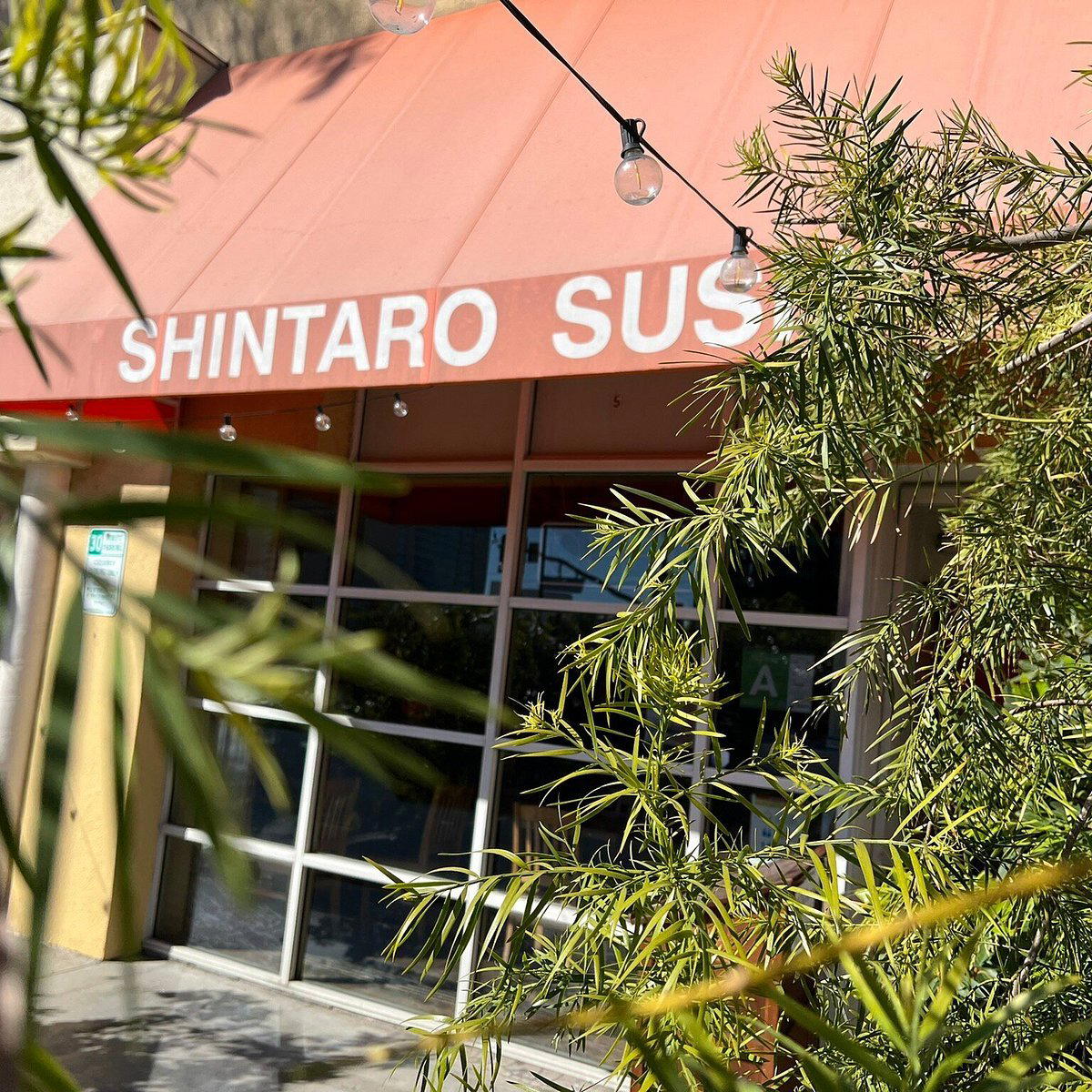
Where Hollywood Meets Highland: The Neighborhood Setting
The stretch of Highland Avenue that climbs toward the Hollywood Hills carries a particular character in Los Angeles dining. It is neither the concentrated restaurant density of Koreatown nor the self-consciously designed corridors of West Hollywood, but rather a quieter residential-commercial edge where certain operators have chosen to place serious projects away from obvious foot traffic. Shintaro is a restaurant in Los Angeles serving Traditional Japanese Sushi. Shintaro, at 1900 Highland Ave, sits within that logic. In a city where the premium Japanese dining tier has grown substantially over the past decade, address choices at this level often signal something deliberate: the venue is not relying on street presence to generate interest.
Los Angeles now sustains a meaningful cluster of high-commitment Japanese operations. Hayato in the Arts District has established kaiseki as a format capable of drawing multi-month wait lists. The broader category, which also includes well-regarded omakase counters across West LA and Beverly Hills, has moved the city into a different conversation than the one it was having five years ago. Shintaro enters that environment.
The Team Dynamic Behind the Room
In the current tier of Los Angeles fine dining, the gap between a kitchen that performs and a dining room that genuinely functions as a coordinated whole has become one of the clearer differentiators. Restaurants that review well consistently, from Kato in West LA to Somni, have demonstrated that the front-of-house and beverage programs are not secondary to the kitchen but structurally equal to it. The dining experience holds together when all three elements, chef, sommelier, and floor team, operate with shared vocabulary and pacing discipline.
This is particularly true in Japanese-influenced formats, where service cadence is inseparable from the food's meaning. A piece of nigiri or a composed course lands differently depending on how it is introduced, when it arrives, and how the room temperature of the conversation has been managed by the floor. The sommelier's role in these contexts is not simply pairing wine with courses but reading the table and adjusting the pace of pours to match the kitchen's rhythm. At operations like Providence, which has sustained serious beverage programming alongside its kitchen for years, that alignment is visible in how the room moves. Shintaro's positioning in this tier places similar expectations on its team.
The collaboration dynamic matters especially in Los Angeles, where the dining public has grown more fluent in distinguishing between a service team executing a script and one actually engaging with the meal. Venues that read as transactional, regardless of kitchen quality, tend to lose ground in this market. Those that use floor staff as interpreters of the food, giving context, offering comparisons, and adjusting the experience to the specific table, retain a different kind of loyalty.
Japanese Dining in Los Angeles: The Wider Picture
Japan-influenced fine dining across the United States has undergone a significant structural shift in the past decade. What was once a narrow category anchored by sushi counters has expanded into kaiseki, izakaya at a serious level, and hybrid formats that draw on Japanese technique while operating through a distinctly American lens. In cities like New York, Atomix has demonstrated what Korean-Japanese technique alignment can achieve at the highest level. In California, the conversation is similarly expanded.
Los Angeles specifically has the advantage of a large Japanese-American community and decades of ingredient infrastructure, which means the sourcing base available to serious Japanese kitchens here is genuinely competitive with what's accessible on the East Coast. That infrastructure supports a different kind of ambition than cities where the ingredient pipeline requires more compromise. The question for any new or emerging operation is not whether quality sourcing is possible but whether the kitchen has the discipline to use it with restraint rather than abundance.
The comparison set for a venue at Shintaro's address would likely include Hayato at the kaiseki end. Nationally, the frame of reference extends to operations like Single Thread Farm in Healdsburg, where Japanese aesthetic principles are applied to a farm-driven American context, and to the broader northern California tradition anchored by The French Laundry in Napa, which established what rigorous tasting-menu discipline looks like at the American level.
The premium tier more broadly, represented by venues like Le Bernardin in New York City, Alinea in Chicago, Addison in San Diego, and Blue Hill at Stone Barns in Tarrytown, has established expectations around team integration that any serious newcomer is measured against. In that context, the team dynamic is not an optional feature but the operating standard.
Context Beyond California
Pattern of team-led, precision-format dining has expanded across the country, and Los Angeles now participates in a national circuit where serious diners travel specifically to access operations like these. Venues such as Lazy Bear in San Francisco, The Inn at Little Washington, Bacchanalia in Atlanta, and Emeril's in New Orleans each represent regional anchors in that circuit. International reference points like 8 1/2 Otto e Mezzo Bombana in Hong Kong extend that conversation globally.
For the LA diner specifically, the question of where Shintaro fits within the Los Angeles restaurant landscape will become clearer as the venue's program matures. Operations at this level are typically assessed over multiple services, not a single visit, and word-of-mouth from the dining community around reservations, pacing, and beverage depth tends to establish position more reliably than any single review.
Planning Your Visit
Shintaro is located at 1900 Highland Ave, Suite 5, Los Angeles, CA 90068, in the Hollywood Hills corridor. Prospective diners should expect to plan ahead on reservations. Venues operating in this category across Los Angeles typically book several weeks in advance, with higher-demand dates extending further. Current hours are Mon to Fri 11 AM to 3 PM and 5 PM to 11 PM; Sat and Sun 5 PM to 11 PM. Communicating dietary requirements at the time of booking is recommended.
Nearby-ish Comparables
Comparable venues nearby, for context on price, style, and recognition.
| Venue | Cuisine | Price | Notes |
|---|---|---|---|
| ShintaroThis venue — the venue you are viewing | Traditional Japanese Sushi | $$$ | Not listed |
| Tamon Sushi | Japanese Sushi Bar | $$$ | Little Tokyo |
| Shojin | Vegan Japanese Macrobiotic | $$$ | Culver West |
| Sushi Enya Little Tokyo | Modern Japanese Omakase | $$$ | Little Tokyo |
| Konbi Ni | Japanese Konbini-Style Sandwiches & Breakfast | $$ | Echo Park |
| Katsuya | Modern Japanese Sushi & Omakase | $$$$ | Westwood |
Continue exploring
More in Los Angeles
Restaurants in Los Angeles
Browse all →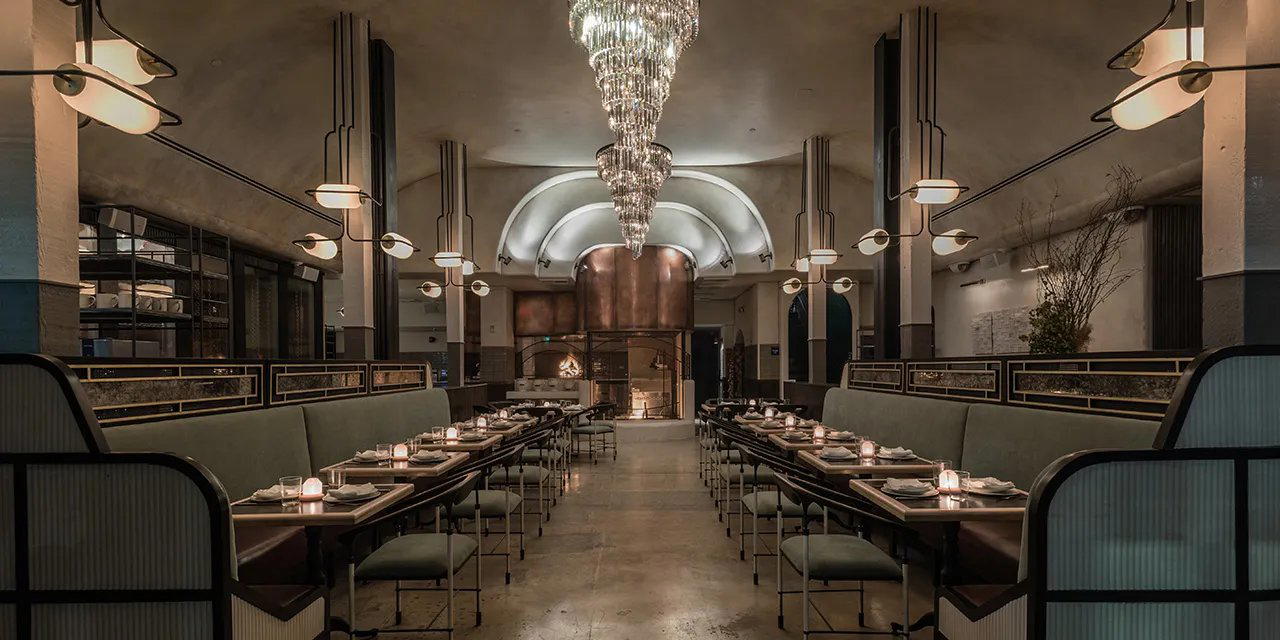
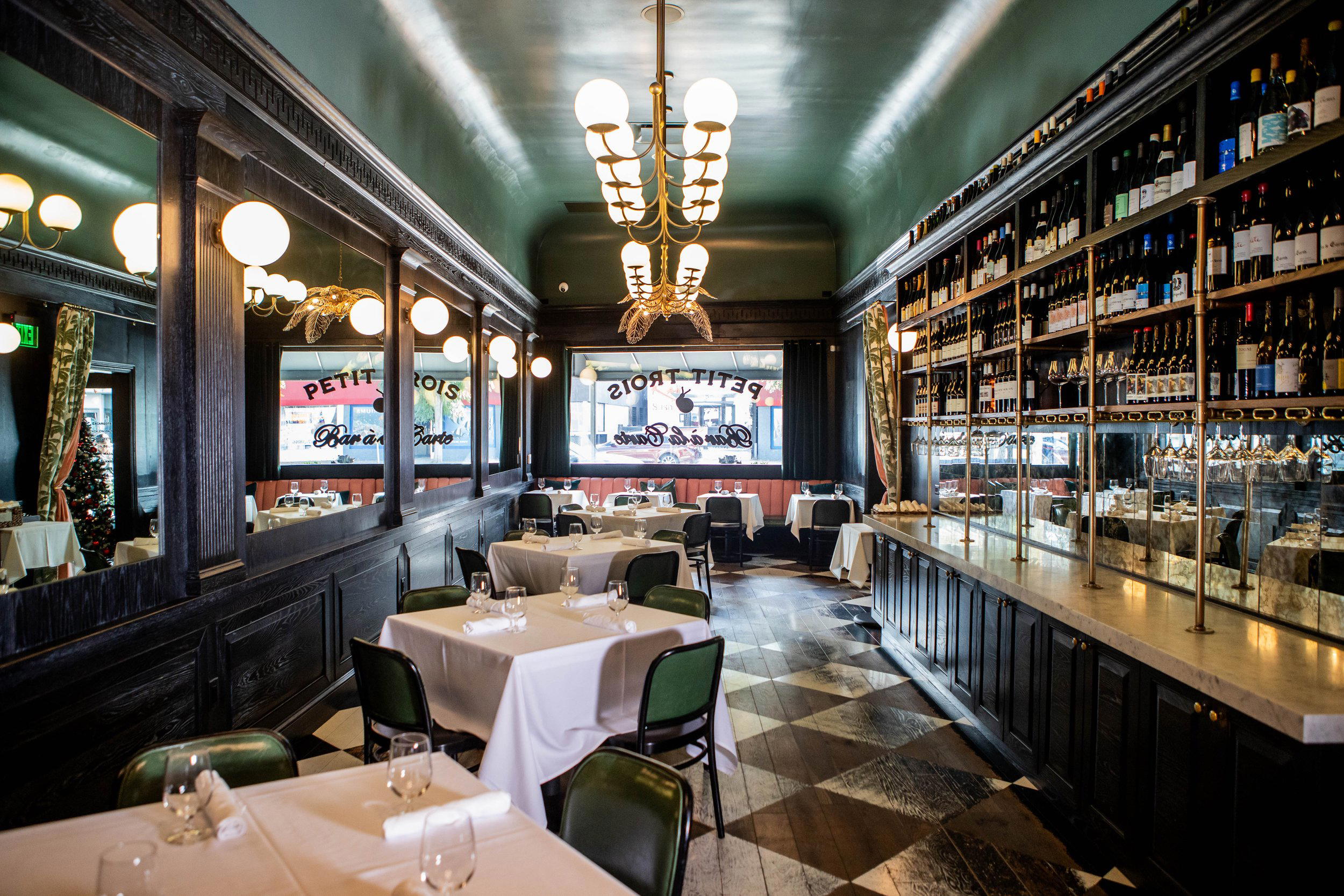
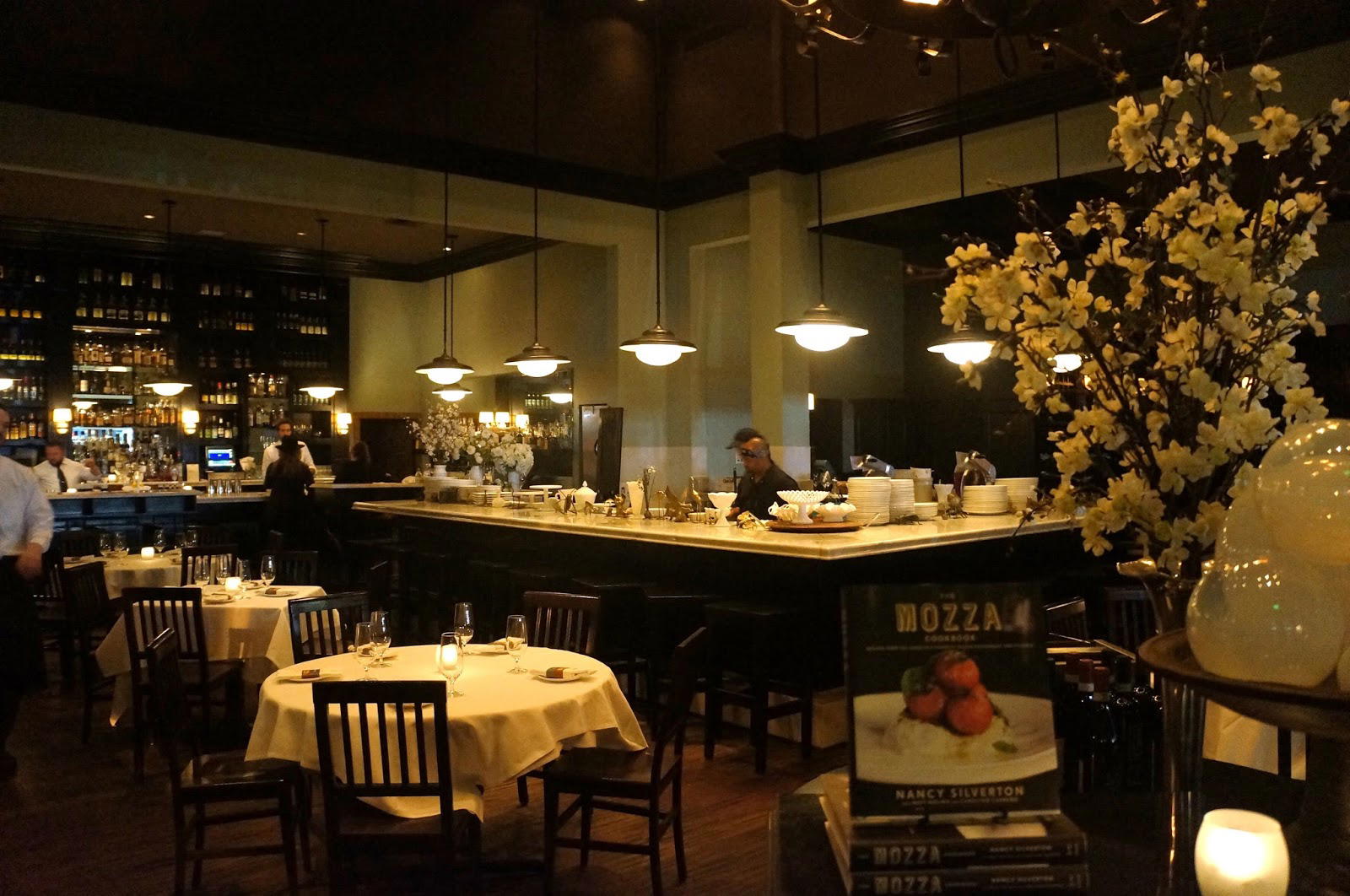
Bars in Los Angeles
Browse all →
Hotels in Los Angeles
Browse all →
Wineries in Los Angeles
Browse all →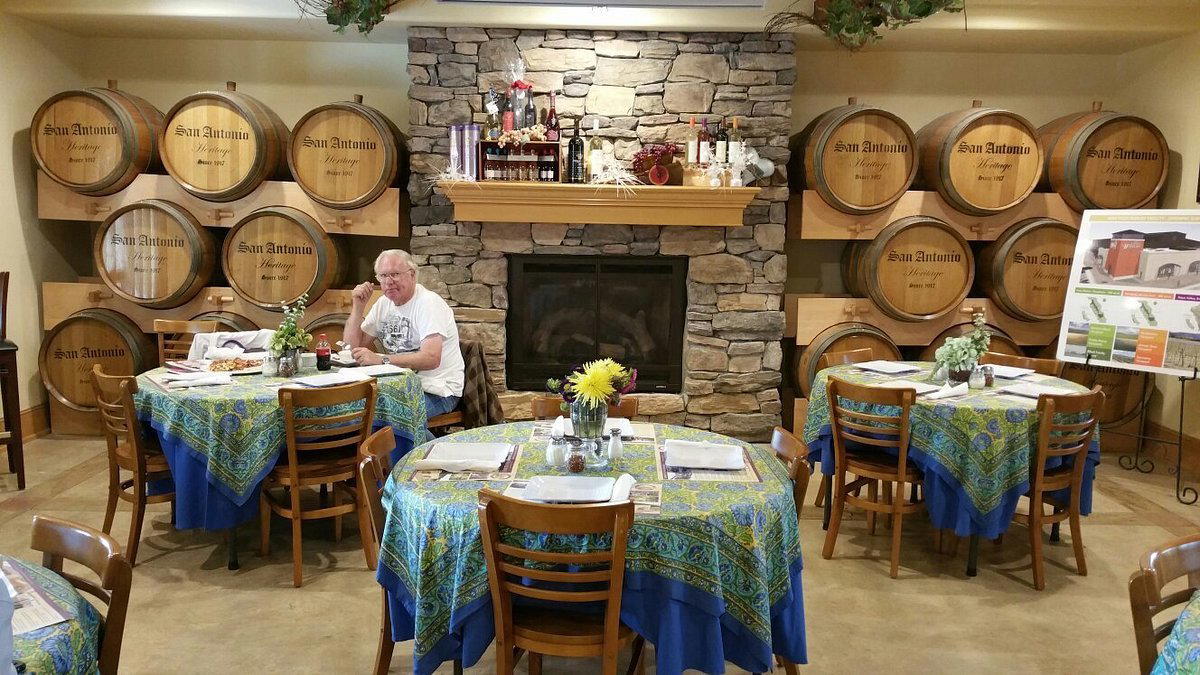
At a Glance
- Cozy
- Classic
- Date Night
- Casual Hangout
- Standalone
- Sake Program
Current opening hours
- Monday
- 11 AM–3 PM, 5–11 PM
- Tuesday
- 11 AM–3 PM, 5–11 PM
- Wednesday
- 11 AM–3 PM, 5–11 PM
- Thursday
- 11 AM–3 PM, 5–11 PM
- Friday
- 11 AM–3 PM, 5–11 PM
- Saturday
- 5–11 PM
- Sunday
- 5–11 PM
Hours can change for holidays and private events. Last verified .
Warm and inviting cozy atmosphere tucked away in a strip mall.