Our verdict
Shima brings a considered dining presence to Nassau's evolving restaurant scene, sitting within a city increasingly confident in its range from casual conch shacks to formal international tables.

Pearl is the En Primeur Club membership app, where members save venues, book tables and use the concierge.

The menu
What to order
- Crawfish & Crab Roll
- Special House Roll
- Bangkok Street Noodles
Nassau's Dining Register and Where Shima Sits
Nassau's restaurant scene has matured considerably over the past decade, splitting into recognisable tiers. At the upper end, hotel-anchored dining rooms, such as Cafe Boulud Bahamas and Café Martinique, operate with international kitchen pedigrees and structured wine programs. Below them sits a mid-tier of independent restaurants and neighbourhood tables, some carrying serious culinary ambition, others leaning into the island's casual fish-and-rum register. Shima occupies a position that, based on available information, warrants attention precisely because it falls outside the most-documented groupings. In a city where word-of-mouth still shapes dining choices more than algorithm-driven guides, that positioning is meaningful.
The address places Shima within Nassau proper rather than the resort corridor of Cable Beach or Paradise Island, a distinction that matters for how a restaurant is experienced. Dining in the city's residential and commercial fabric tends to produce a more locally-grounded room than the polished, tourist-facing dining halls that anchor the major hotel properties.
The Wine Question in a Caribbean Dining Room
The wine program at any serious Nassau restaurant faces structural challenges that tell you something about the ambition behind the cellar. Import logistics in the Bahamas are slow and expensive. The duty structure on alcohol is significant, which pushes bottle prices upward and discourages speculative buying. Most mid-tier restaurants in Nassau default to short, safe lists dominated by new-world bottles with broad name recognition, California Cabernets and New Zealand Sauvignon Blancs that sell themselves without needing explanation.
A restaurant that moves past that default is making a deliberate statement. Across the Caribbean, the venues with genuine cellar programs tend to signal it through a combination of cues: a sommelier or trained floor manager, a list organised by region or style rather than simply by colour, and a breadth of producer depth that implies sustained buying relationships rather than opportunistic purchasing. The wine programs at the most committed regional dining rooms, whether in Nassau, Barbados, or the eastern Caribbean, often reflect the owner's personal engagement with producers more than any distributor relationship. That personalisation, when it's present, is what separates a wine list from a wine selection.
For context on what a fully-committed wine program looks like in a fine dining register, the contrast with venues like Alain Ducasse at Louis XV in Monte Carlo or Alléno Paris au Pavillon Ledoyen is instructive, both maintain cellars running to tens of thousands of bottles and employ dedicated sommeliers who build the list as an editorial act. Nassau operates at a different scale, but the underlying principle, that wine selection should reflect a point of view, applies equally.
Across the Bahamas: A Broader Frame
Shima sits in Nassau, but the dining culture of the broader Bahamian archipelago provides useful context for what serious independent restaurants in the islands tend to offer and what pressures they operate under. The Out Islands produce a narrower range of formal dining, with venues like Staniel Cay Yacht Club operating on entirely different terms, their appeal is situational and nautical rather than culinary. Further out, Pete's Pub and Gallery in Little Harbour and Haynes Ave in Governor's Harbour represent the relaxed, atmosphere-first end of the Bahamian dining register.
Nassau is where formal culinary ambition concentrates in the Bahamas. The capital's proximity to Miami means that kitchen talent circulates more fluidly than on the outer islands, and the hotel dining economy supports a population of trained staff that smaller properties can draw from. Whether Shima actively participates in that talent ecosystem is, again, something direct contact would clarify more reliably than any secondary source.
What to Expect, and What to Verify
Given that Shima's publicly available data is sparse, no confirmed cuisine type, no published price range, no documented awards or critical coverage, the honest position for any editorial assessment is to frame what the venue's placement implies rather than assert what it delivers. A Nassau address outside the resort corridor, combined with a name that carries Japanese associations in its etymology, suggests a possible orientation toward Asian-influenced or Japanese cuisine. That reading is speculative, and travellers should verify directly before drawing conclusions about the menu.
For comparison within the broader regional Asian-leaning dining register, Freedom Restaurant and Sushi Bar in Gregory Town provides an example of how Japanese-influenced formats translate to smaller Bahamian communities. At the international end of that spectrum, 8½ Otto e Mezzo Bombana in Hong Kong and Atomix in New York represent how Asian-influenced fine dining performs at its most formal register globally, useful reference points for understanding where any Nassau equivalent might sit on that continuum.
Planning a Visit
Travellers who place Shima on their Nassau itinerary should plan for some degree of logistical groundwork on arrival or through their hotel concierge. Nassau's most well-documented dining options, including Cafe Boulud Bahamas and Café Martinique, operate with formal reservation systems and should be booked well ahead, particularly during the winter high season from December through April. For a fuller picture of Nassau's dining range, our full Nassau restaurants guide covers the documented tier from casual to formal.
For travellers oriented toward fine dining at the highest international level, venues like Le Bernardin in New York, Lazy Bear in San Francisco, Alinea in Chicago, and Emeril's in New Orleans provide the global baseline against which any aspirational Caribbean restaurant is implicitly measured. Nassau is not positioning itself in that tier as a city, but individual venues can and do operate with genuine ambition within the constraints the market imposes.
Frequently asked questions
Is Shima child-friendly?
Given Nassau's broader dining culture, where independent restaurants vary sharply on this point, check the venue's official channels before arriving with younger guests. The address on file is 2FMQ+898, Nassau, Bahamas.
How would you describe the vibe at Shima?
Shima sits within Nassau's independent restaurant tier, away from the hotel-anchored dining rooms that dominate the upper end of the island's scene. Verify current setup before planning an occasion-specific visit.
What distinguishes Shima from the hotel dining rooms that dominate Nassau's upper restaurant tier?
Shima operates as an independent venue in Nassau rather than as a hotel-anchored concept, which places it in a distinct category within the Bahamas dining scene. Hotel dining rooms in Nassau benefit from captive resort traffic and institutional wine and supply infrastructure; independent restaurants must build their own guest base and sourcing relationships. No awards, critical coverage, or chef credentials are currently documented for Shima, so its specific point of difference within that independent tier warrants direct investigation before booking.
What part of town is Shima in?
Shima is located at 2FMQ+898, Nassau, Bahamas, Nassau.
Can I walk in to Shima?
For independent restaurants at this tier in Nassau, turning up without a reservation carries real risk, particularly on weekends. Seek current contact details locally before visiting.
At-a-Glance Comparison
Comparable venues nearby, for context on price, style, and recognition.
| Venue | Cuisine | Price | Notes |
|---|---|---|---|
| ShimaThis venue (the venue you are viewing) | Southeast Asian Fusion with Sushi | Not listed | Not listed |
| Nobu | Japanese-Peruvian Fusion | $150–200 | Paradise Island |
| Dune | French-Asian Fusion with Bahamian Influences | $50–100 | Paradise Island |
| Namul Korean Restaurant | Authentic Korean BBQ | $30–50 | Old Fort Bay |
| Sugar Factory - Bahamas | American Brasserie with Legendary Desserts | $30–50 | Cable Beach |
| Island Brothers Cie | French Mediterranean Bistro | $30–50 | Lyford Cay |
Continue exploring
More in Nassau
Restaurants in Nassau
All restaurants in Nassau →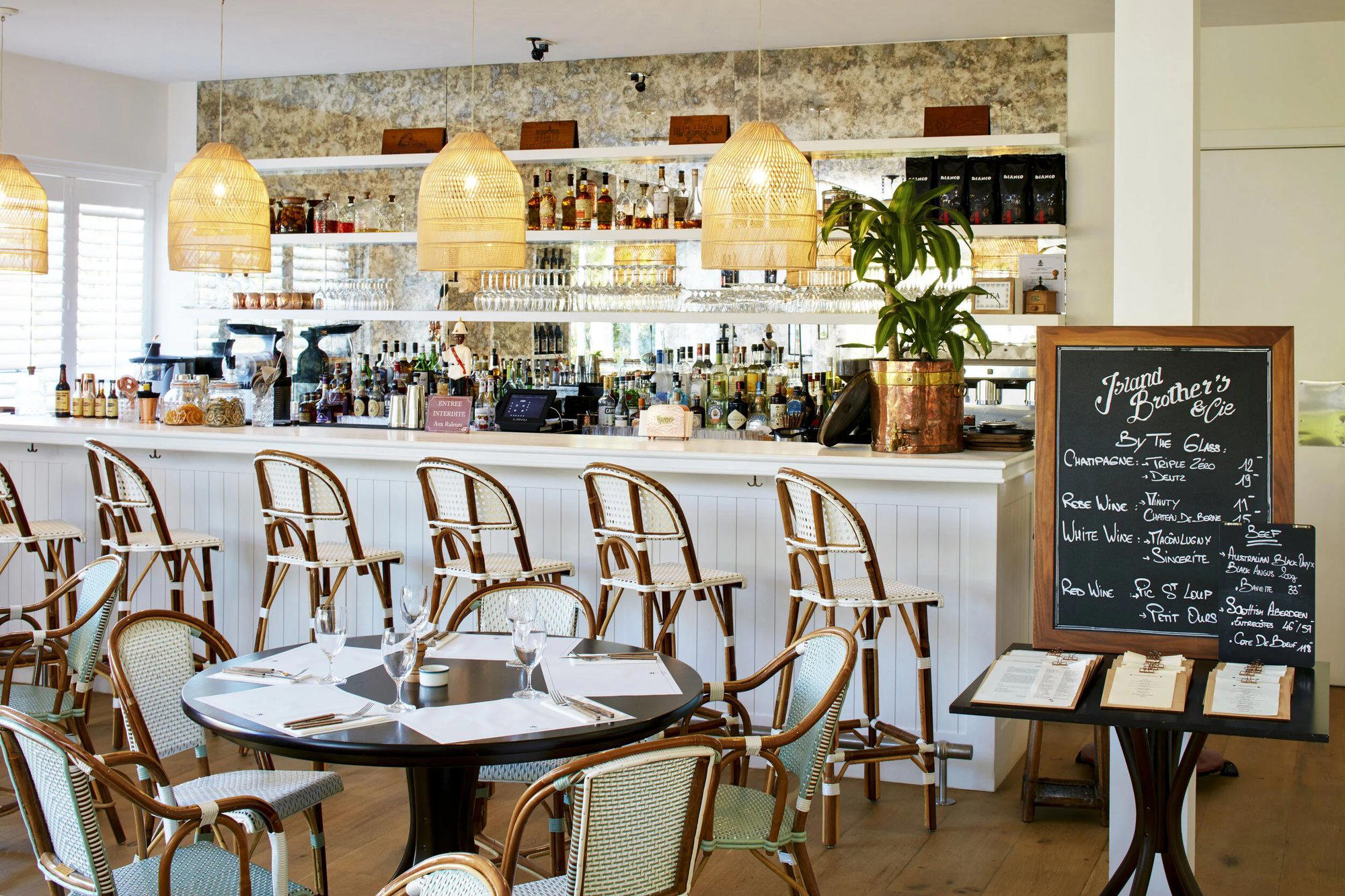
Details
- Romantic
- Elegant
- Sophisticated
- Cozy
- Date Night
- Special Occasion
- Brunch
- Rooftop
- Waterfront
- Open Kitchen
- Craft Cocktails
- Extensive Wine List
- Waterfront
- A La Carte
- Small Plates
- Vegetarian Friendly
- Vegan Options
- Gluten Free Options
Current opening hours
- Monday
- Closed
- Tuesday
- 5:30–10 PM
- Wednesday
- 5:30–10 PM
- Thursday
- 5:30–10 PM
- Friday
- 5:30–10 PM
- Saturday
- 5:30–10 PM
- Sunday
- 11 AM–3 PM, 5:30–10 PM
Hours can change for holidays and private events. Hours as of .
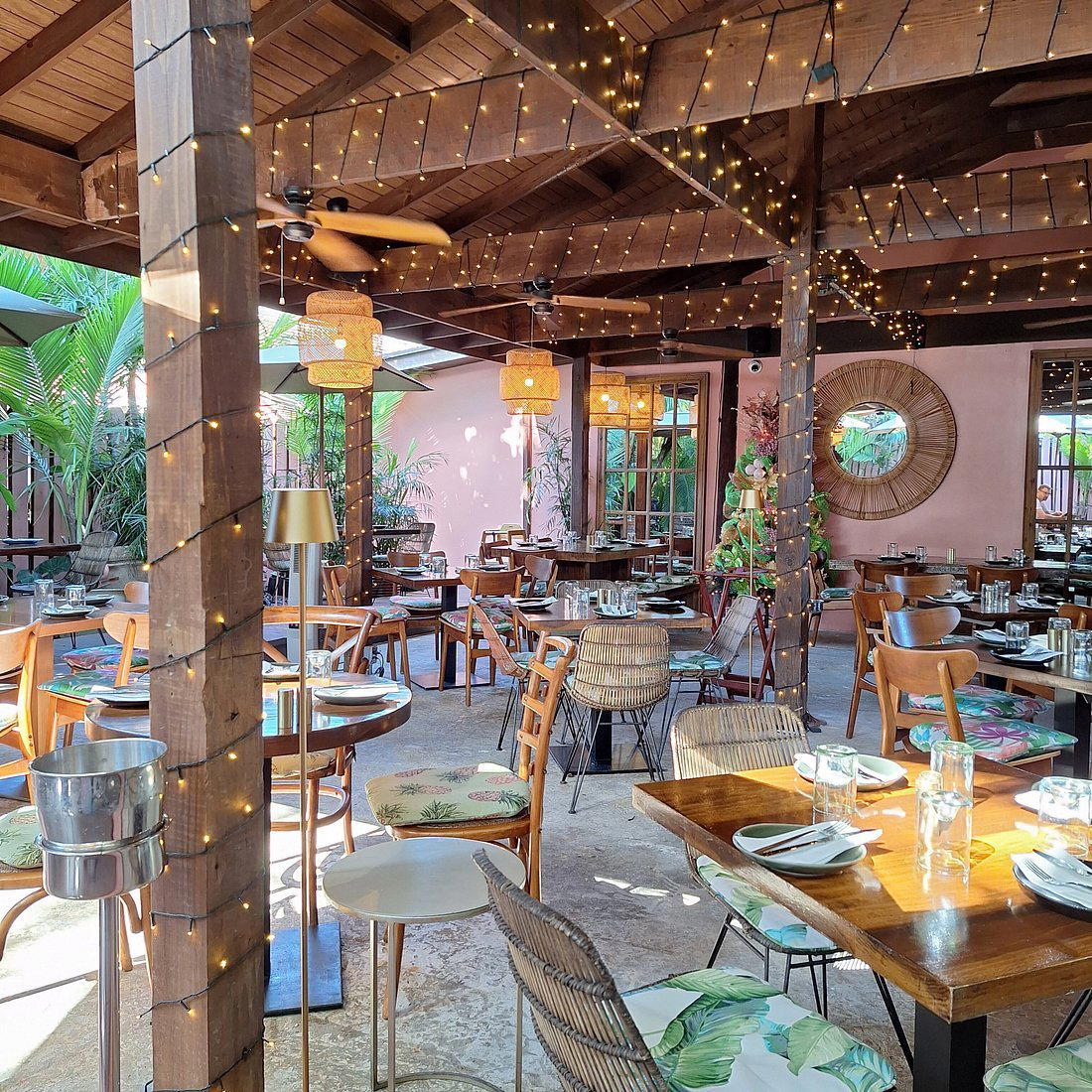
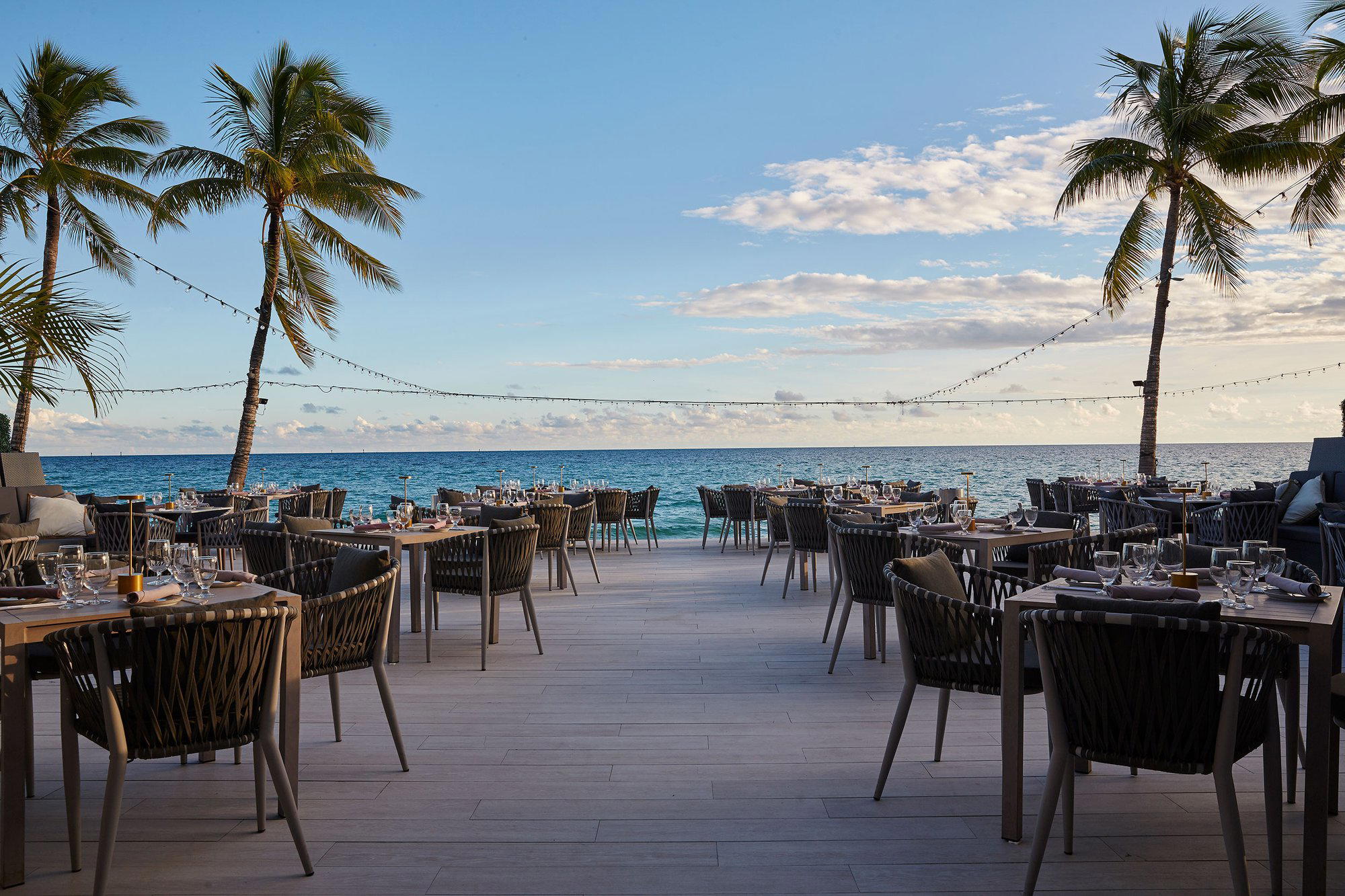
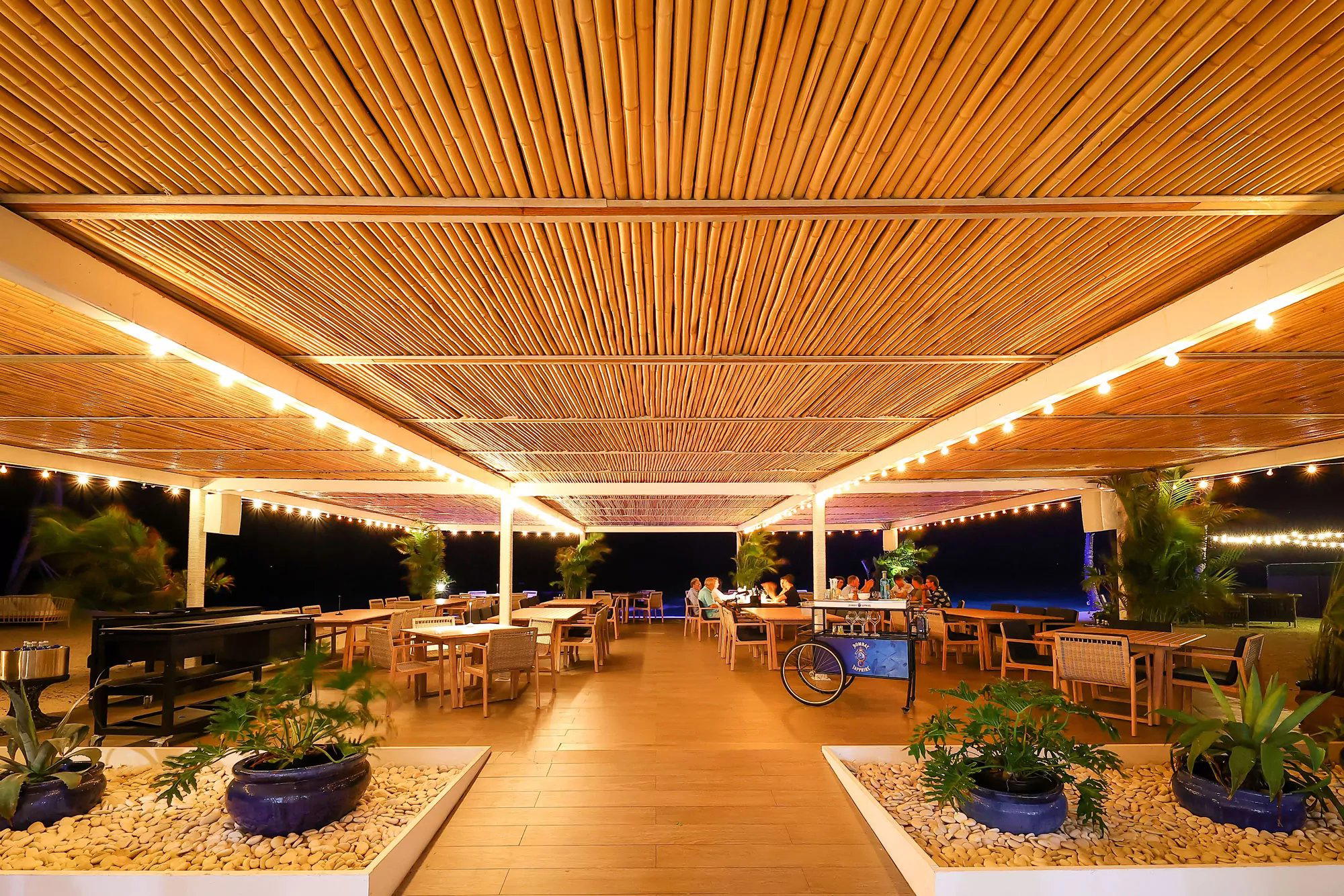
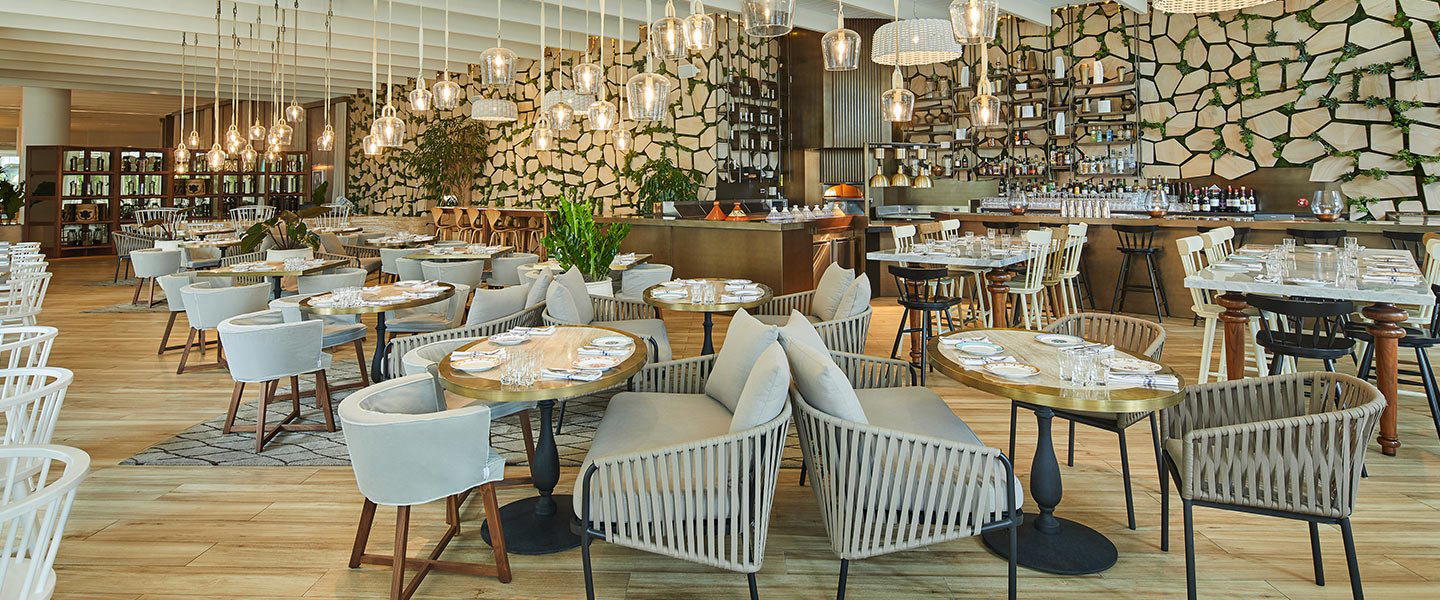
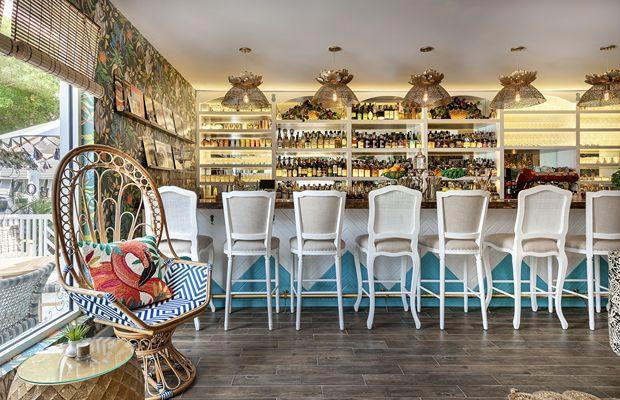
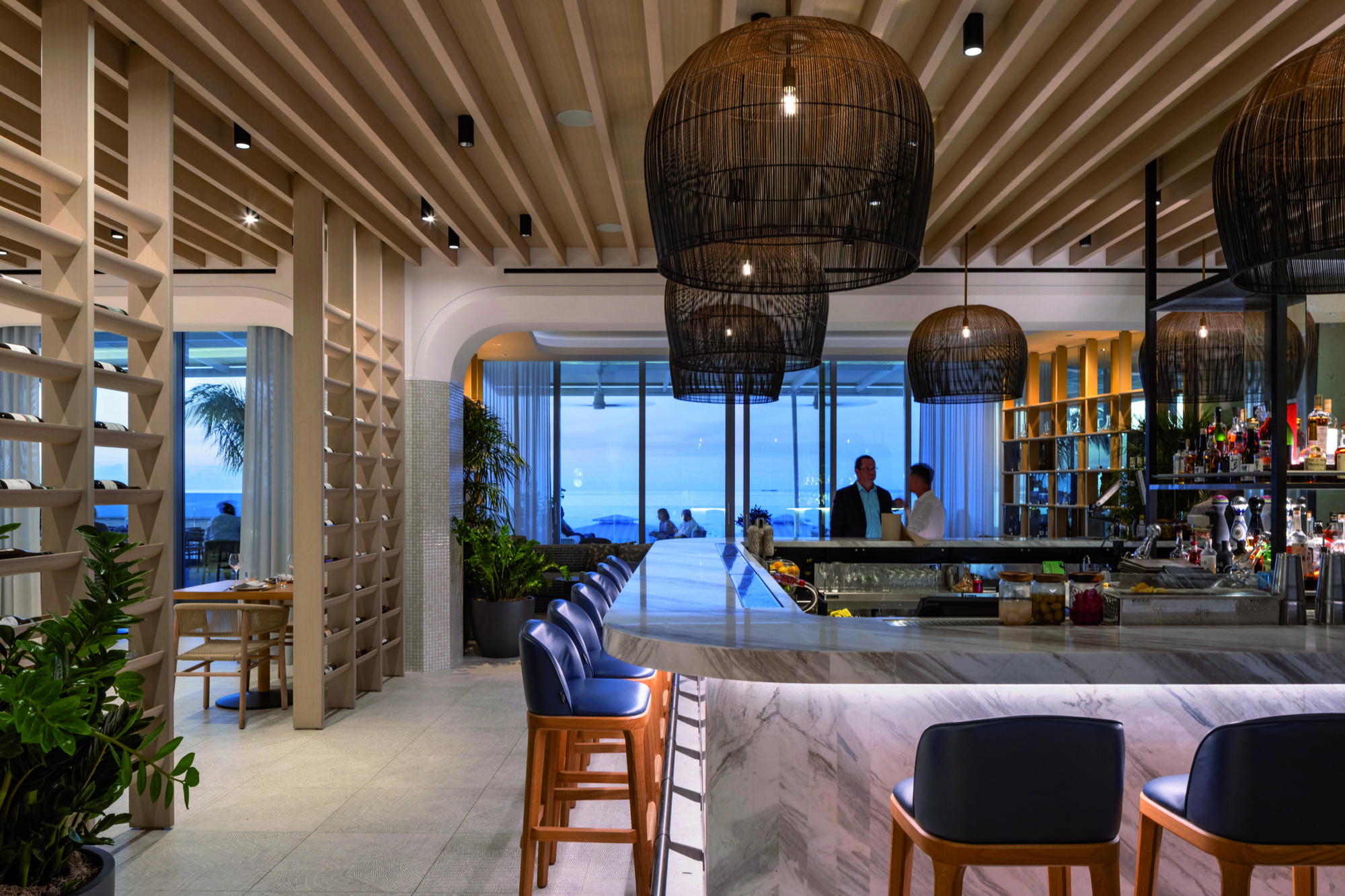
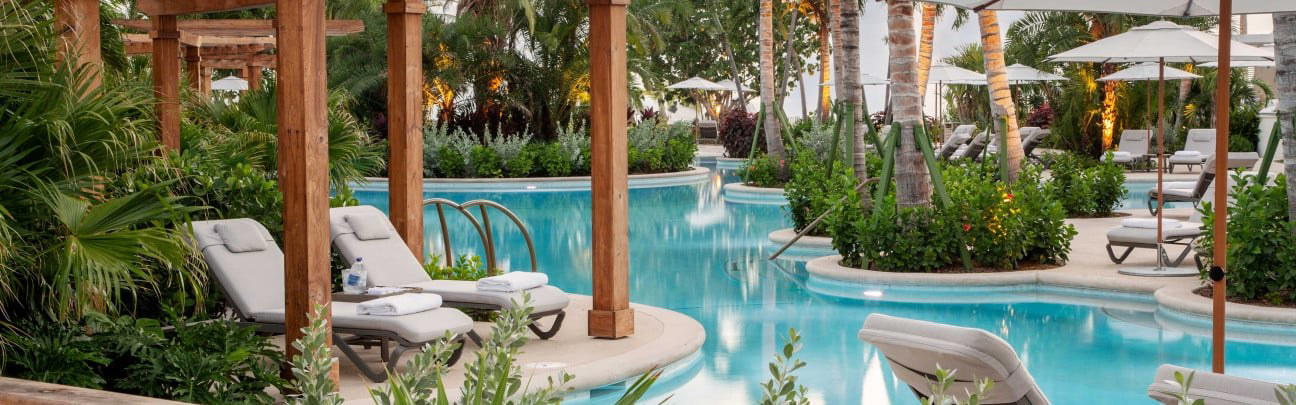
Sophisticated and relaxed open-air rooftop with stylish wooden interiors, terrace overlooking pool and marina, cozy and romantic atmosphere.