Shimabutaya Onna
Our verdict
Shimabutaya Onna sits in Okinawa's Onna Village on the Kunigami District coastline, where the island's indigenous dining traditions, built around Ryukyuan pork culture and slow, communal pacing, meet a setting shaped by the East China Sea. The address alone, deep within Onna's rural stretch, signals a deliberate remove from the resort corridor that defines much of the Okinawan visitor experience.

Pearl is the En Primeur Club membership app, where members save venues, book tables and use the concierge.
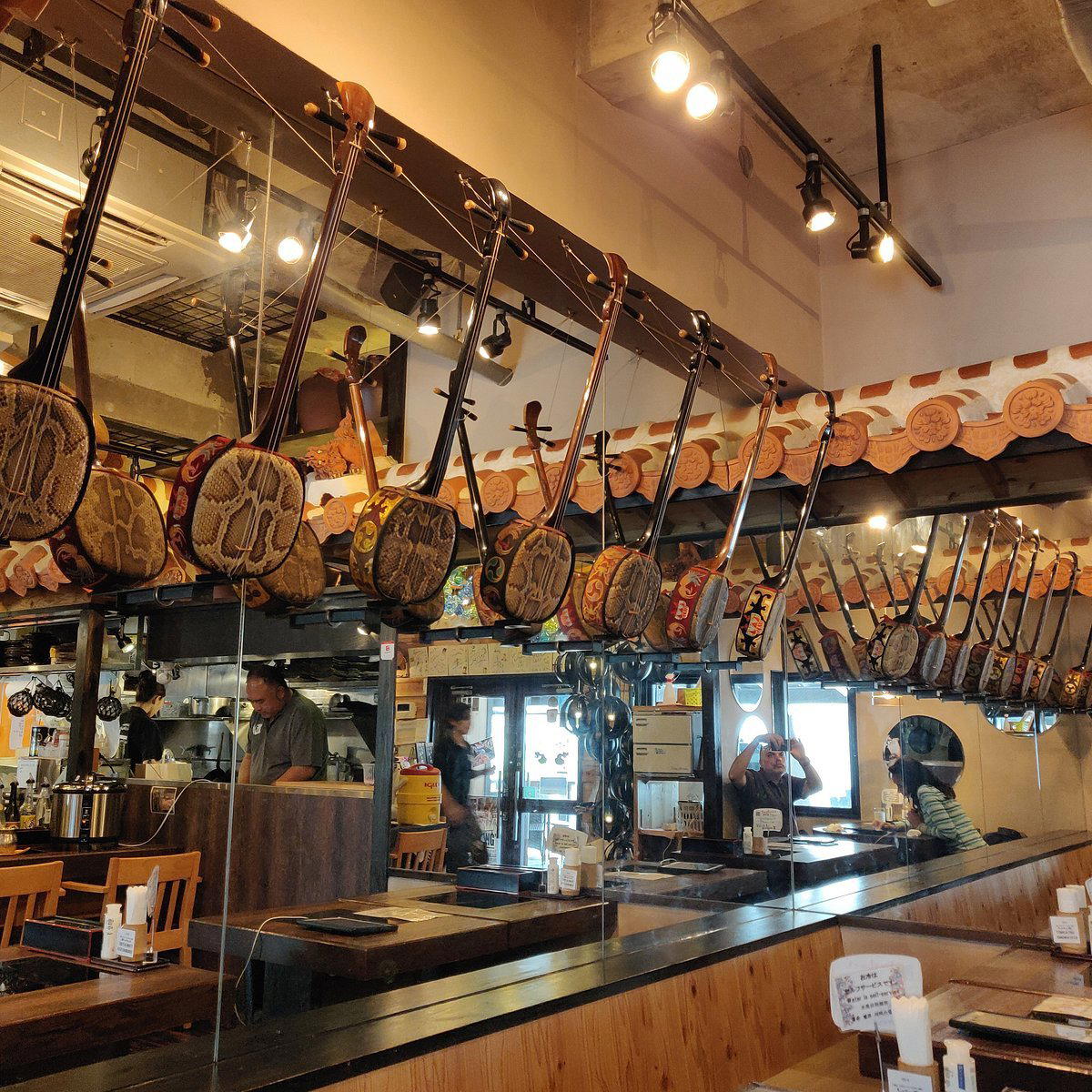
The menu
What to order
- Agu pork seiro-mushi
- Goya bitter gourd chanpuru
- Ryubiton pork
- Agu pork steamed dumplings
Onna Village and the Rhythm of Ryukyuan Pork Dining
There is a particular quality to dining in Okinawa's rural north that resort-strip restaurants along the prefectural highway cannot replicate. The Kunigami District, which extends from Onna Village upward through the island's forested interior, has long operated on a slower register, one where the meal is the event, not the preamble to something else. Shimabutaya Onna, addressed at 6369-1 Onna, sits within this geography, and the address itself is instructive: it places the restaurant well outside the dense tourism pocket and inside a stretch of coast and countryside where the dining culture is shaped by local custom rather than visitor expectation.
Okinawa's food identity is anchored in pork to a degree unusual even within Japan. The Ryukyuan kingdom's culinary history developed a comprehensive use of the animal, a tradition documented through historical records of royal court cooking that filtered down into everyday household food. The word shimabutaya translates directly to "island pig," and in Okinawa that phrase carries specific cultural weight: it references the native black pig breed raised on the island for centuries, a lineage distinct from the mass-produced pork that supplies most of Japan's food industry. Dining at a venue bearing that name in this district is, before any single dish arrives, a statement of alignment with a specific agricultural and culinary tradition.
The Ritual of the Meal in This Format
Okinawan pork-centred dining follows a rhythm that differs structurally from the kaiseki pacing of Kyoto establishments like Gion Sasaki or the chef-led omakase format seen at counters such as Harutaka in Tokyo. Where those formats place the chef's sequencing at the centre, the Ryukyuan pork meal tends toward communal sharing, with multiple preparations arriving at a table rather than proceeding as a linear narrative. This means the diner's role is more active: portions are distributed, dishes overlap, and the conversation around the table becomes structurally integrated into the eating itself.
That communal character shapes everything from table configuration to the order in which dishes appear. Slow-braised preparations, the kind that require hours of low heat to achieve the correct texture in fatty cuts, typically anchor the meal rather than close it. Lighter vegetable dishes built on Okinawan bitter melon, sea grapes, or fermented preparations might punctuate the heavier pork courses rather than sequence neatly before or after them. The result is a format that resists the Western concept of appetiser-to-dessert linearity, and rewards diners who approach it without that expectation.
For context on how Okinawa's dining compares to Japan's broader restaurant scene, consider that award-recognised venues in cities like Osaka (HAJIME), Fukuoka (Goh), and Nara (akordu) operate within tightly controlled chef-driven frameworks. The Kunigami District's dining tradition sits in a different register entirely, regional, ingredient-rooted, and less interested in international recognition frameworks than in preserving a mode of eating that predates modern restaurant culture in Japan.
Where Shimabutaya Onna Sits in the Local Scene
The Onna Village stretch of Kunigami District has a cluster of establishments oriented around Okinawan beef and pork traditions. Ryukyu No Ushi and Yakiniku Ryukyunoushi Onnabekkan represent the yakiniku end of that spectrum, where the cooking is done table-side over charcoal and the beef, often Okinawan Wagyu, is the primary draw. Shimabutaya's name positions it differently: the island pig, not the island cow, is the reference point. That distinction matters in understanding which part of Okinawa's culinary inheritance a given restaurant is drawing from.
Yakiniku culture in Okinawa, as represented at venues like this Kunigami District address, imports a format with Korean and Japanese mainland roots and applies it to local ingredients. The Ryukyuan pork tradition is older and more geographically specific, less about a cooking technique borrowed from elsewhere and more about an ingredient lineage that connects to the island's pre-annexation food culture. Visitors who understand that distinction will approach Shimabutaya with different expectations than they would bring to the district's beef-focused venues.
For comparison across Japan's dining spectrum, the distance between this kind of regional pork tradition and the technically ambitious formats found at venues like Le Bernardin in New York or Atomix is not simply one of quality tier, it is a difference in what the meal is for. The Kunigami District experience, at its finest, is less about chef virtuosity and more about continuity with a food culture that has its own internal logic.
Planning a Visit
Onna Village sits on Okinawa's central-west coast, accessible from Naha by expressway in roughly an hour, or from the resort cluster around Chatan in somewhat less time. The rural character of this part of Kunigami District means a car is, in practical terms, the only sensible option for reaching an address at 6369-1 Onna, public transport coverage in this stretch is limited, and taxi availability from the coastal resorts is inconsistent for dinner-hour travel. Those arriving from Naha Airport for a dedicated visit should factor in return logistics before committing to an evening reservation.
Rural Okinawan restaurants operating in this tradition sometimes maintain informal reservation systems or close on short notice around local events. The broader picture of Kunigami District dining, including up-to-date venue status, is covered in our full Kunigami District restaurants guide.
For those building a wider Okinawa itinerary, it is worth noting that the dining culture of this district does not map neatly onto the coastal resort experience that dominates the island's visitor economy. The reward for travelling north of that corridor, toward the forested interior and quieter coastline where addresses like 6369-1 Onna exist, is access to a mode of eating that the resort strip cannot provide.
Frequently asked questions
Where is Shimabutaya Onna in Kunigami District?
Shimabutaya Onna is located at 6369-1 Onna, Kunigami District, Okinawa 904-0411, Japan, Kunigami District.
How does Shimabutaya Onna compare to other Onna Village restaurants for traditional Okinawan cuisine?
Within the Onna Village stretch of Kunigami District, Shimabutaya Onna sits alongside establishments like Ryukyu No Ushi and others oriented around pork and beef traditions rooted in Ryukyuan culinary history. Where resort-adjacent restaurants along the central-west coast tend to adapt for tourist expectation, venues in this local cluster maintain a format shaped more by regional habit than by visiting demand. That distinction is what draws Okinawa-based diners as well as travellers willing to make the roughly one-hour drive from Naha.
What dish is Shimabutaya Onna famous for?
Shimabutaya Onna is associated with Okinawan pork-centred cuisine, the culinary tradition that defines much of the Onna Village dining circuit in Kunigami District. Okinawan pork preparations in this region draw on Ryukyuan cooking methods distinct from mainland Japanese styles, with long-simmered preparations and locally raised breeds central to the format. Specific menu items are best confirmed directly with the venue before visiting.
Is Shimabutaya Onna reservation-only?
Given its address at 6369-1 Onna in Kunigami District, it operates in a stretch of Onna Village where several pork and beef-focused establishments draw both resort visitors and Okinawa residents. Contacting the venue ahead of any visit is advisable, particularly on weekends.
What is Shimabutaya Onna known for?
Shimabutaya Onna is known as part of the Onna Village cluster of restaurants in Kunigami District that anchor their menus around Okinawan pork traditions. The venue draws diners who specifically seek out the northern Okinawa dining circuit away from the prefectural highway strip.
Cuisine Lens
Comparable venues nearby, for context on price, style, and recognition.
| Venue | Cuisine | Price | Awards | Notes |
|---|---|---|---|---|
| Shimabutaya OnnaThis venue (the venue you are viewing) | Okinawan Agu Pork Steamed Cuisine | $30–50 | Not listed | Not listed |
| 6 | Innovative French | $150–200 | Not listed | Kouri, Nakijin Village |
| Ryukyu No Ushi | Okinawan Yakiniku | $50–100 | Not listed | Onna-son |
| Yakiniku Ryukyunoushi Onnabekkan | Okinawa Wagyu Yakiniku | $50–100 | Not listed | Onna |
| tonkatsu.jp表参道 | Premium Tonkatsu Specialist | $20–30 | Tabelog 100 #86 | Omotesando |
| Ginza Kagari (銀座 篝) | Chicken Paitan Ramen | $10–20 | Not listed | Ginza |
Continue exploring
More in Kunigami District
Restaurants in Kunigami District
All restaurants in Kunigami District →

Details
- Cozy
- Rustic
- Intimate
- Group Dining
- Family
- Casual Hangout
- Celebration
- Open Kitchen
- Private Dining
- Beer Program
- Local Sourcing
- Set Menu
- Family Style
- Orion Beer
- Aged Awamori
- Allergy Accommodating
Current opening hours
- Monday
- 5–11 PM
- Tuesday
- 5–11 PM
- Wednesday
- Closed
- Thursday
- 5–11 PM
- Friday
- 5–11 PM
- Saturday
- 5–11 PM
- Sunday
- 5–11 PM
Hours can change for holidays and private events. Hours as of .
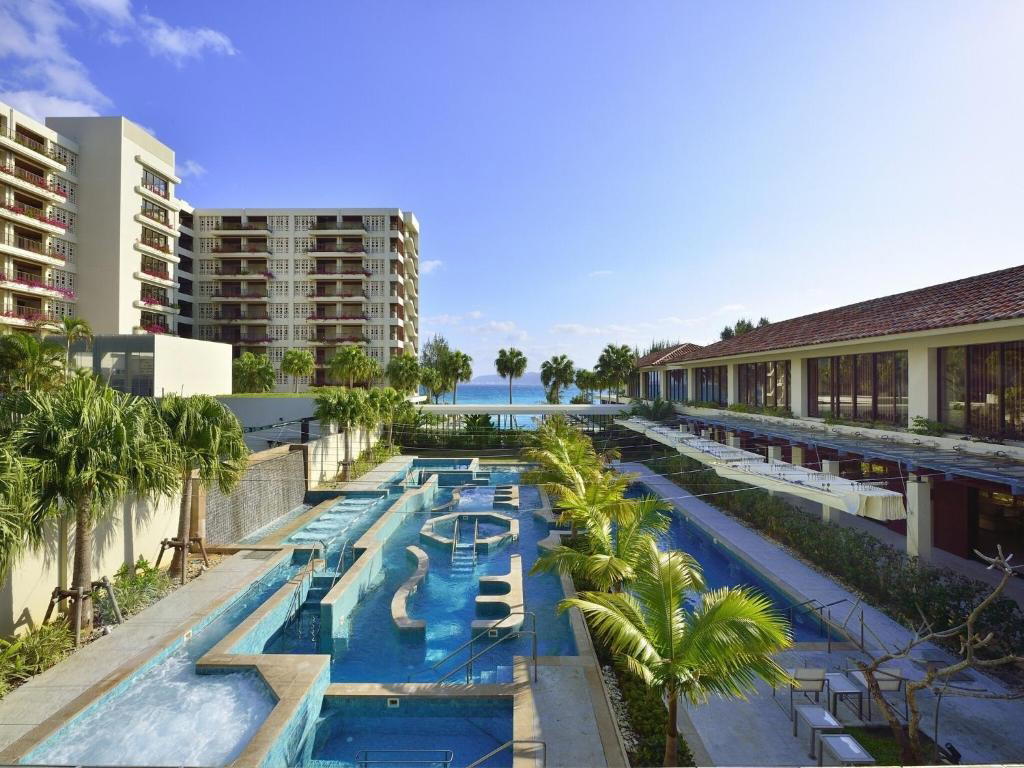
Warm and spacious environment with a casual, welcoming atmosphere focused on the interactive cooking experience at each table.