Shogun
Shogun sits on Van Dyke Avenue in Sterling Heights, Michigan, bringing Japanese dining to one of Metro Detroit's most ethnically diverse suburban corridors. The restaurant occupies a well-established position in a city whose dining scene spans Korean BBQ, Middle Eastern banquet halls, and Cajun seafood. For the area's Japanese options, Shogun remains a consistent local reference point.
Pearl is the En Primeur Club membership app — saves, bookings, and concierge access live there. Same editors, same standards.
- Address
- 37750 Van Dyke Ave, Sterling Heights, MI 48312
- Phone
- +15862684882
- Website
- shogunsterlinghgts.com
- Directions
- Get directions
 Saves & bookings on Pearl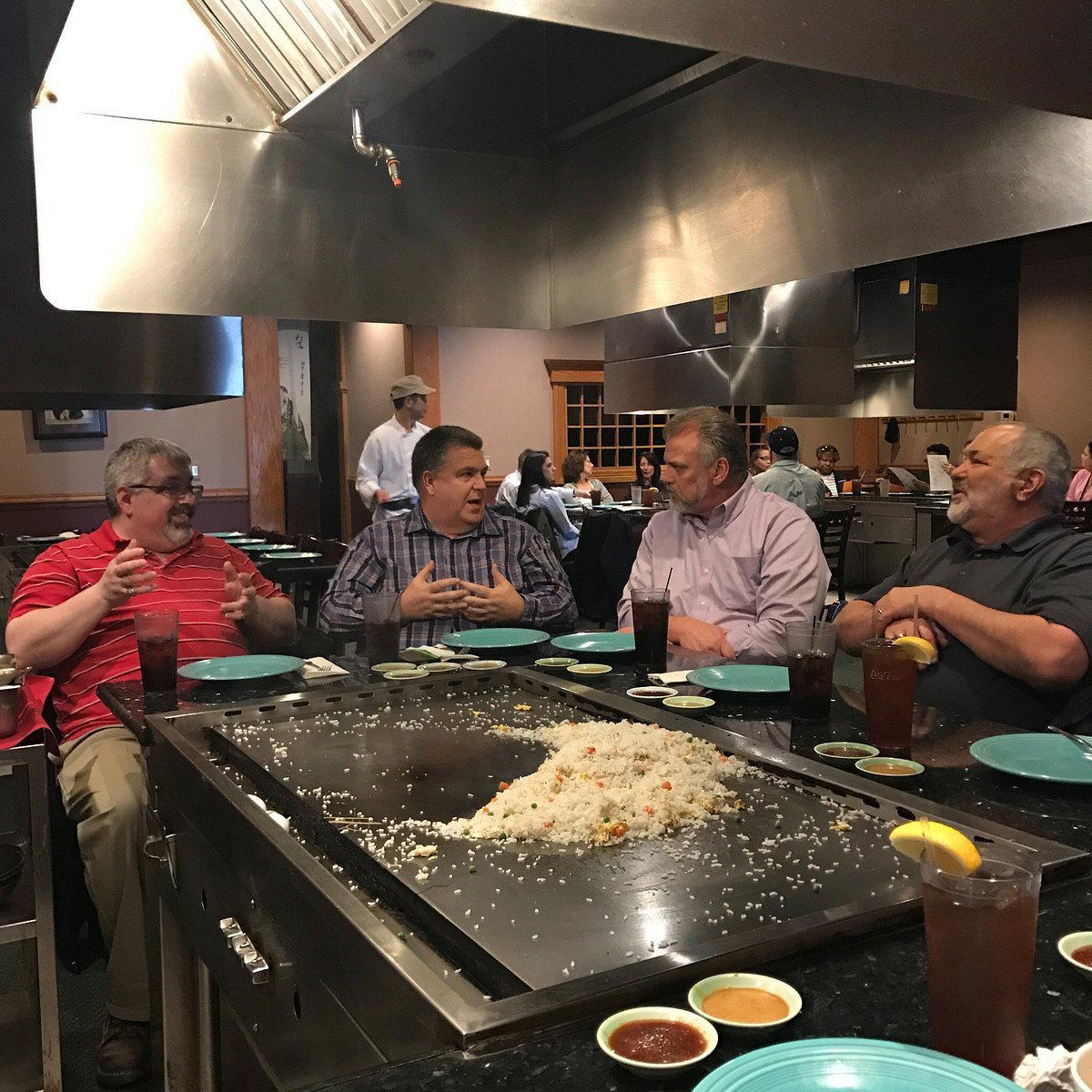
Japanese Dining in a Suburban Detroit Corridor
Van Dyke Avenue in Sterling Heights does not read like a restaurant destination from the outside. The commercial strip running through Macomb County is the kind of suburban arterial road where chain franchises and strip-mall anchors dominate the sightlines. What makes it worth closer attention is the density of independent operators who have built genuine community followings in the gaps between the nationals — places that draw regulars not through marketing spend but through consistency and familiarity. Shogun, at 37750 Van Dyke Ave, sits in that category. It is a Japanese restaurant operating in a city whose dining identity is defined less by any single cuisine than by the coexistence of many: Korean BBQ tables at KPOT Korean BBQ & Hot Pot, Cajun-style shellfish at Red Crab Juicy Seafood, and Lebanese banquet-scale cooking at Sahara Restaurant & Banquet Center.
What the Menu Architecture Tells You About the Room
Japanese restaurants in American suburban markets tend to sort themselves quickly by their menus. A place that leads with a broad sushi roster alongside teriyaki plates and hibachi options is signaling one kind of ambition — approachability, family dining, and range over depth. A counter-focused omakase room signals something else entirely. The menu structure at any Japanese restaurant in this tier of the market is essentially a declaration of who the kitchen is talking to and how seriously it expects to be interrogated on technique.
In the Sterling Heights context, the relevant comparison is not Le Bernardin in New York City or the tasting-counter precision of Atomix in New York City. The frame is suburban Metro Detroit, where the practical question is whether a Japanese kitchen can hold quality across a menu broad enough to serve a mixed table, some guests ordering rolls, others wanting cooked dishes, others looking for a grilled protein. That breadth-versus-depth tension is the defining challenge for Japanese restaurants in this price tier and this geography, and the way a kitchen resolves it tells you more about its character than any single dish.
American dining at the upper register, whether at Alinea in Chicago, The French Laundry in Napa, or Single Thread Farm in Healdsburg, operates under a menu logic of radical focus, where every element on the plate serves a defined argument. The suburban Japanese dining model operates under a different contract with its guests: the menu is wide because the audience is wide, and the kitchen's task is to execute that width without collapse at the edges.
Sterling Heights and Its Dining Character
Sterling Heights is the fourth-largest city in Michigan by population, with a resident base that includes significant Arab American, South Asian, and East Asian communities alongside a predominantly working- and middle-class Midwestern demographic. That mix shapes what restaurants succeed here. The dining scene rewards operators who understand value legibility, guests who know what a dish should taste like and will return when it delivers, over those chasing trend cycles or culinary novelty.
This is not a city where restaurants build reputations through press coverage. They build them through years of consistent weekend traffic, word-of-mouth among specific community networks, and the kind of institutional familiarity that makes a restaurant someone's default answer when out-of-town family visits. Saj Alreef Restaurant holds that position in the Lebanese segment of the market. Shogun occupies an analogous role for Japanese dining in the area.
For a fuller picture of what the city's independent restaurant scene looks like across cuisines, our full Sterling Heights restaurants guide maps the range from Korean to Middle Eastern to seafood.
How Shogun Sits in Its Competitive Tier
Japanese restaurants in suburban American markets sit in a competitive tier that rarely draws the same critical scrutiny as their urban counterparts. Places like Providence in Los Angeles, Blue Hill at Stone Barns in Tarrytown, or Addison in San Diego operate in markets where restaurant criticism functions as a real economic driver.
Within that suburban Midwestern framework, the Japanese category is a relatively thin slice of the overall market. Sterling Heights has no concentration of Japanese restaurants comparable to, say, a strip in Los Angeles's Sawtelle neighborhood or Chicago's Andersonville. That relative scarcity means a restaurant like Shogun does not face the internal segmentation pressure that urban Japanese markets generate, the differentiation between conveyor-belt casual, mid-tier omakase, and high-end counter dining that forces each operator to stake out a specific position. In this market, the question is simpler: does the kitchen deliver consistent, recognizable Japanese cooking to a community that does not have many alternatives within easy distance?
That is a different kind of pressure than what a kitchen faces at The Inn at Little Washington or Bacchanalia in Atlanta, but it is pressure nonetheless. Suburban diners vote with frequency of return, and a Japanese restaurant that loses trust on fish quality or roll consistency loses its repeat base quickly in a market where alternatives are sparse and drive times are real.
Planning a Visit
Shogun is located at 37750 Van Dyke Ave, Sterling Heights, MI 48312. Van Dyke Avenue is accessible from multiple points along I-696 and M-59, making it reachable from across Macomb County and the northeastern suburbs of Detroit. Current hours, booking availability, and menu details are best confirmed directly with the restaurant before visiting, as this information was not available at time of publication. Given the restaurant's local following, weekend evenings in particular may see higher demand, arriving early or calling ahead is advisable.
For context on the broader American fine dining spectrum, EP Club also covers Lazy Bear in San Francisco, Emeril's in New Orleans, and 8½ Otto e Mezzo Bombana in Hong Kong, useful reference points for understanding where different tiers of the market sit globally.
Continue exploring
More in Sterling Heights
Restaurants in Sterling Heights
Browse all →
Bars in Sterling Heights
Browse all →

At a Glance
- Lively
- Energetic
- Family
- Group Dining
- Casual Hangout
- Open Kitchen
- Sake Program
Current opening hours
- Monday
- 11 AM–9:30 PM
- Tuesday
- 11 AM–9:30 PM
- Wednesday
- 11 AM–9:30 PM
- Thursday
- 11 AM–9:30 PM
- Friday
- 11 AM–9:30 PM
- Saturday
- 11 AM–9:30 PM
- Sunday
- 12–9:30 PM
Hours can change for holidays and private events. Last verified .
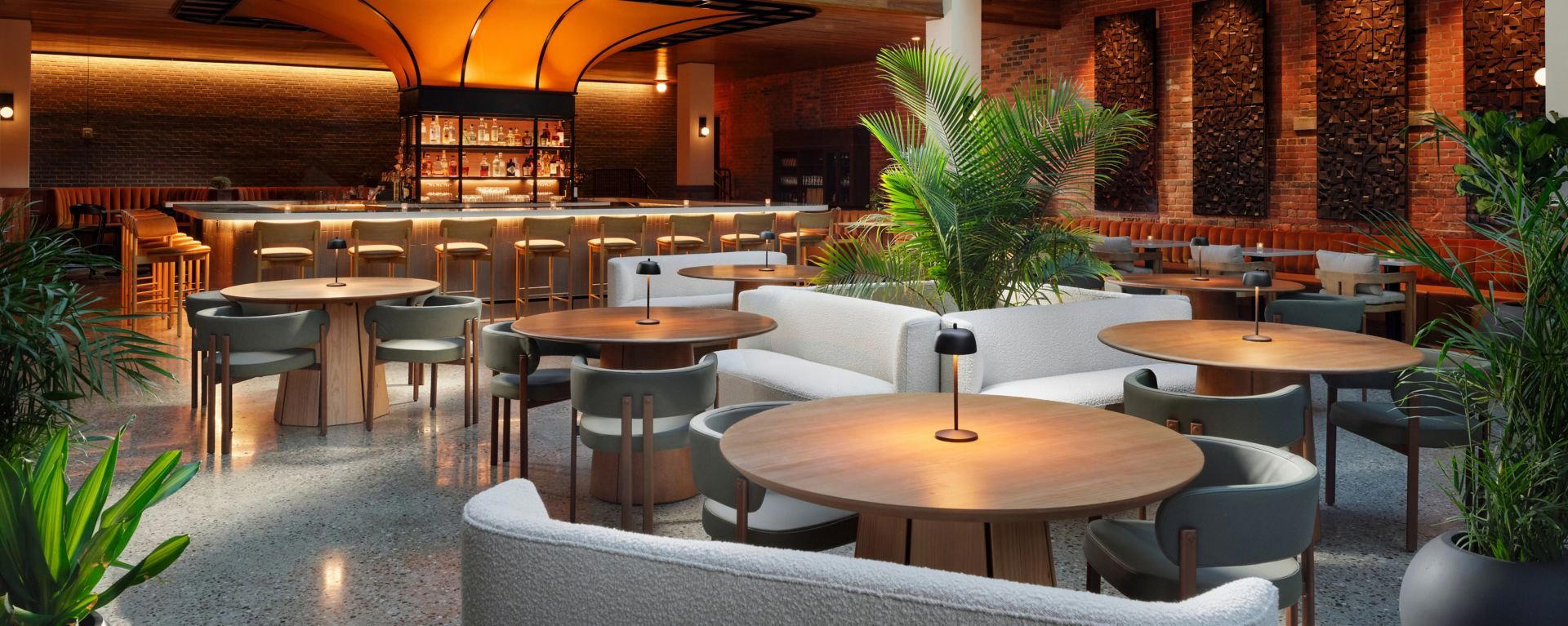
Friendly and lively atmosphere with hibachi grill entertainment.
Know Before You Go
- Getting there
- 37750 Van Dyke Ave, Sterling Heights, MI 48312