Shojo
Shojo occupies a narrow address on Tyler Street in Boston's Chinatown, operating in a neighborhood where Japanese izakaya energy and pan-Asian street food ambition sit closer together than anywhere else in the city. The bar program drives the room as much as the kitchen, with a drinks list that positions it firmly in the creative cocktail tier of Boston's after-dark scene.
Pearl is the En Primeur Club membership app — saves, bookings, and concierge access live there. Same editors, same standards.
- Address
- 9A Tyler St, Boston, MA 02111
- Phone
- +16174828887
- Website
- shojoboston.com
- Directions
- Get directions
 Saves & bookings on Pearl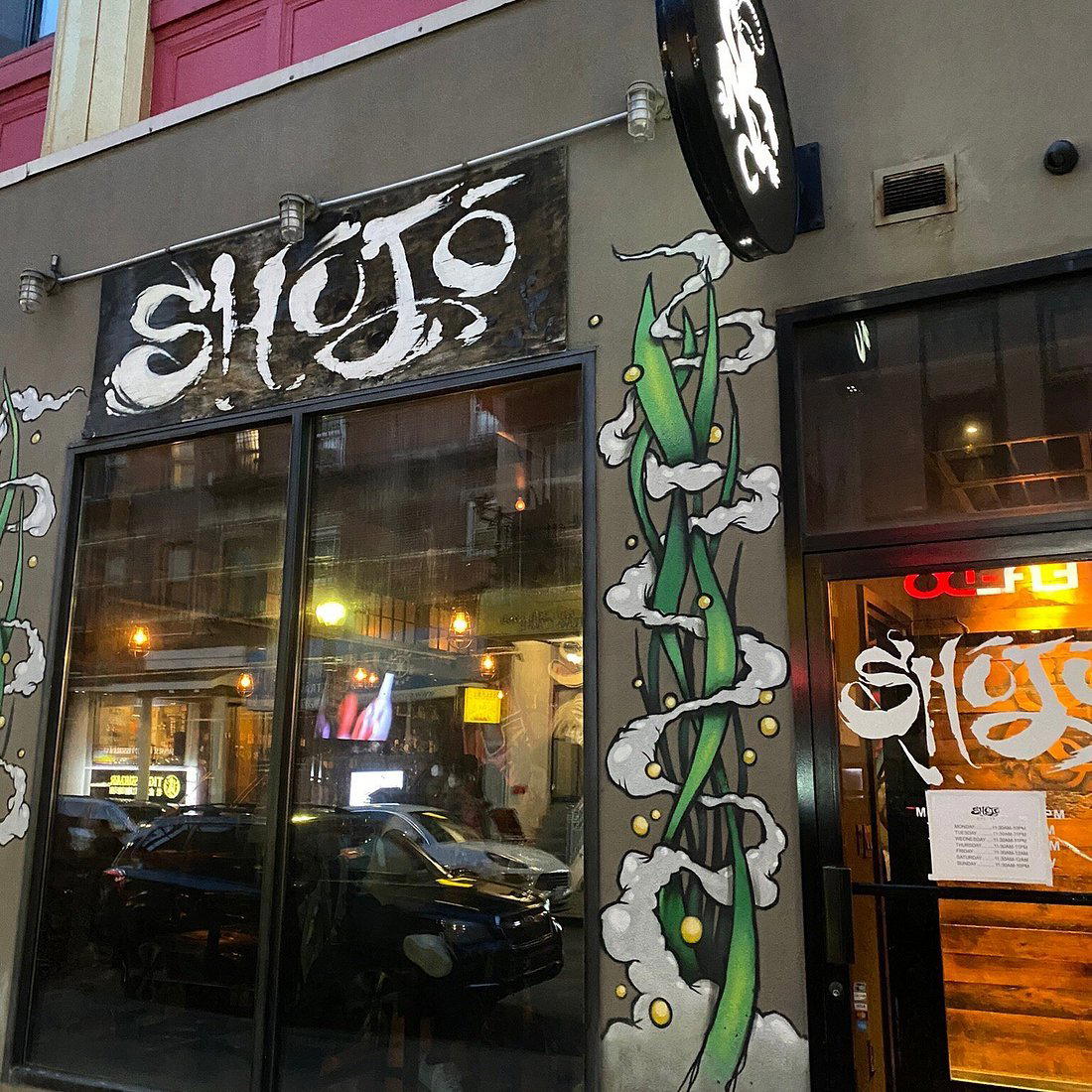
Tyler Street After Dark: Chinatown's Cocktail-Driven Edge
Boston's Chinatown is among the more compressed dining corridors in any American city of its size, where Cantonese roast duck windows share a block with late-night ramen counters and the kind of small bars that don't advertise closing times. Within that density, Tyler Street has quietly become the block where the neighborhood's more experimental energy concentrates. Shojo sits at 9A Tyler St, Boston, MA 02111, a restaurant that earns its crowd through the room it creates and the drinks it pours.
The physical environment at Shojo registers immediately as a space designed around controlled atmosphere rather than capacity. The lighting is low in the specific way that distinguishes intentional mood from inadequate wattage. The visual references draw from Japanese street culture and East Asian graphic traditions, a vernacular that has become more common in American pan-Asian bars but which Shojo helped establish on the Boston side before it became a broader trend. The effect is a room that feels like it belongs to its neighborhood rather than having landed in it.
Where the Drinks Program Anchors the Room
In Boston's contemporary bar scene, the clearest dividing line runs between venues where cocktails are a revenue stream bolted onto a food concept and venues where the drinks program is central. Shojo lands firmly in the second category. The cocktail list draws from Japanese whisky traditions, East Asian flavor references, and the kind of technical precision that has defined Boston's better bar programs over the past decade, a period when the city moved past novelty-driven formats toward something more disciplined.
Japanese whisky's relationship with the cocktail bar is worth understanding in context. The category built its American reputation through sipping glasses at specialist bars, but a smaller cohort of venues have found productive territory in using those whiskies as cocktail bases, where their restraint and layered grain character interact differently with citrus, bitters, and house-made modifiers than Scotch or American whiskey would. That approach requires a buyer with genuine category knowledge rather than a list assembled for recognizability. When a bar in Chinatown is making those choices, it speaks to the depth of intent behind the program.
Boston's creative cocktail tier has fewer permanent addresses than New York or San Francisco, which means the venues that hold that position do so with less margin for inconsistency. For comparison, the kind of technical cocktail ambition you'd find at the bar programs attached to restaurants like Lazy Bear in San Francisco or Atomix in New York City requires sustained execution to maintain relevance. Shojo's continued presence in the Chinatown conversation suggests it has managed that consistency in a neighborhood where turnover is not slow.
The Kitchen in Relation to the Bar
In venues built around a drinks program, food tends to play one of two roles: it either functions as an afterthought designed to extend drinking time, or it operates as a genuine secondary voice that earns its place on the table. At Shojo, the kitchen operates in the second mode. The food references are pan-Asian with Japanese izakaya DNA at the base, a format where small plates arrive without ceremony and are designed to hold their own alongside a strong drink rather than compete with it for attention.
This is a distinct approach from the formal tasting counter format you'd find at places like 311 Omakase elsewhere in Boston, or the seafood-focused precision of Agosto. Shojo's kitchen is not trying to anchor a three-hour meal. It is building a menu that sustains a two-hour session in a loud, atmospheric room, which is a different discipline and one that suits Chinatown's energy. The contrast is equally apparent when you set Shojo against the steak-anchored format of Abe & Louie's or the waterfront seafood programming at 75 on Liberty Wharf. These are venues serving different functions in the city's dining week, and Shojo fills a gap that the more formal end of the market leaves open.
Chinatown's Position in Boston's Dining Structure
Chinatown functions differently in Boston than in cities like New York or San Francisco, where the neighborhoods have more square footage and more institutional depth. Boston's Chinatown is compact enough that a single block can define the character of the whole district for a given evening, and Tyler Street has consistently attracted the late-night, bar-led end of that spectrum. For visitors working through the broader Boston restaurant scene, Chinatown represents direct access to Asian-influenced late-night dining in the city, and Shojo is one of the addresses that gives that access a specific creative identity.
The restaurant occupies a different tier from the high-formality end of Boston dining, the kind of precision-first positioning that defines venues like 1928 Rowes Wharf. It also operates in a different mode from Boston's Japanese specialists, where O Ya and Oishii Boston each represent distinct takes on the premium Japanese dining category. Shojo's comparable set is smaller and harder to name directly, which is part of what gives it a specific position in the market.
For broader context on how Shojo fits into Boston's wider dining structure, the guide maps the city's key addresses across cuisine types and price tiers. Nationally, the pan-Asian bar format that Shojo represents has a different footprint than the fine dining institutions listed among America's most decorated restaurants, places like The French Laundry in Napa, Alinea in Chicago, or Providence in Los Angeles. The comparison matters not to diminish Shojo but to clarify what it is: a bar-led creative venue in a dense urban neighborhood.
Know Before You Go
Neighborhood: Chinatown
Booking: Recommended
Walk-ins: Possible depending on time and day
Leading for: Bar-led evenings, cocktail-focused dining, late-night Chinatown sessions
Budget and Context
Comparable venues nearby, for context on price, style, and recognition.
| Venue | Cuisine | Price | Notes |
|---|---|---|---|
| ShojoThis venue — the venue you are viewing | Chinatown, Modern Asian Fusion | $$ | Not listed |
| Estella | Not listed | $$ | Downtown Crossing, Caribbean-American Modern Fusion |
| Tigerbaby | Not listed | $$ | Downtown, East and Southeast Asian Fusion |
| Ama at the Atlas | Not listed | $$$ | Lower Allston, Global Fusion inspired by African Diaspora and Nepali traditions |
| Assaggio | North End, Positano Italian | $$ | Not listed |
| Massimino's | North End, Authentic Italian Trattoria | $$ | Not listed |
Continue exploring
More in Boston
Restaurants in Boston
Browse all →
Bars in Boston
Browse all →
Hotels in Boston
Browse all →
Wineries in Boston
Browse all →
At a Glance
- Trendy
- Lively
- Energetic
- Modern
- Industrial
- Group Dining
- Casual Hangout
- Late Night
- Open Kitchen
- Craft Cocktails
- Sake Program
Current opening hours
- Monday
- 11:30 AM–9 PM
- Tuesday
- 11:30 AM–9 PM
- Wednesday
- 11:30 AM–9 PM
- Thursday
- 11:30 AM–12 AM
- Friday
- 11:30 AM–12 AM
- Saturday
- 11:30 AM–12 AM
- Sunday
- 11:30 AM–9 PM
Hours can change for holidays and private events. Last verified .
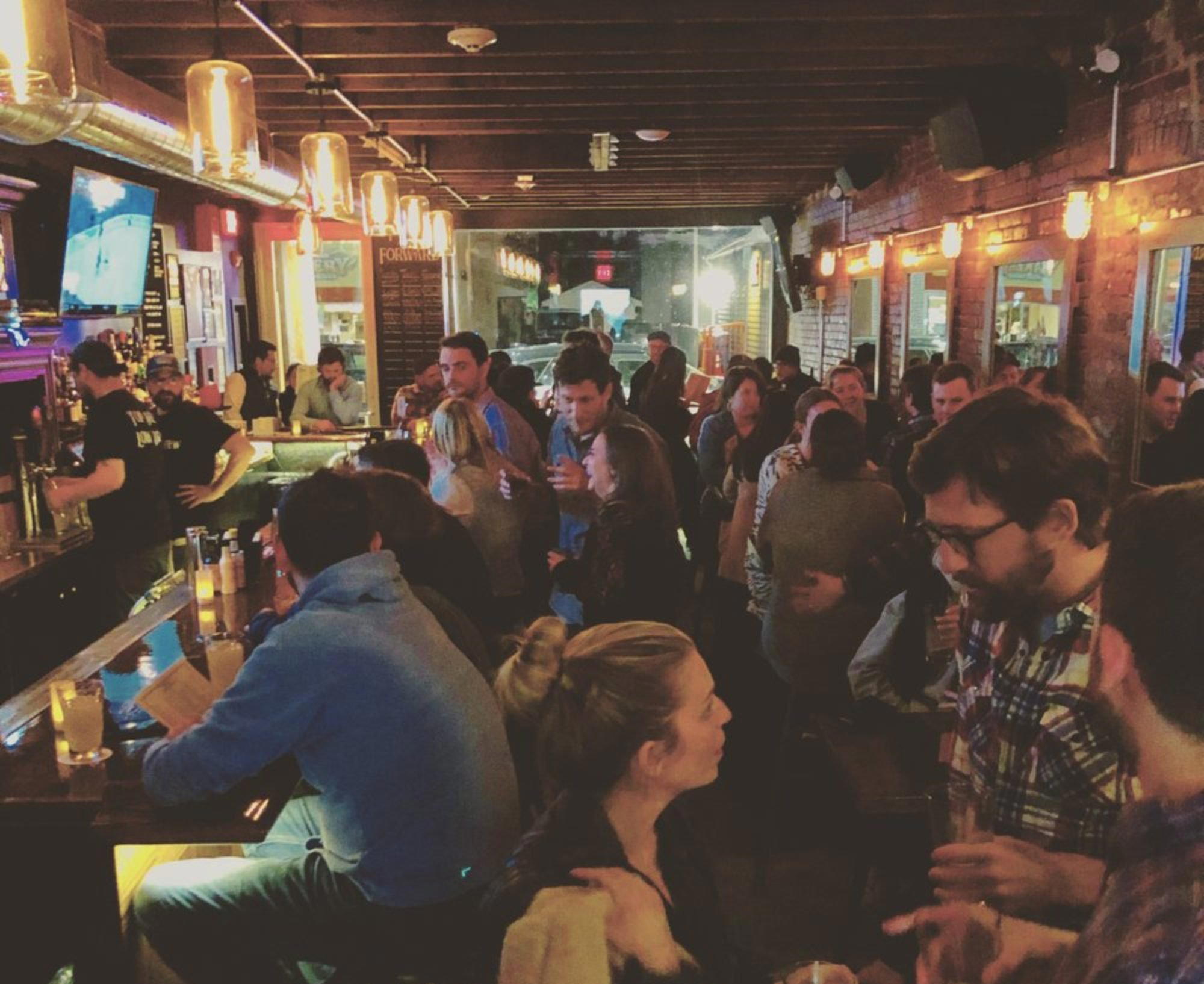
Dark and energetic interior with exposed brick, colorful graffiti murals, 90s hip hop, and silent kung fu film projections creating a modern cross-cultural social club vibe.