Shinmachi Newtown sits on King Street in one of Sydney's most food-literate neighbourhoods, where the strip's long-running mix of cuisines has made locals harder to impress and more reliable as a barometer of quality. The venue occupies a position in Newtown's mid-tier dining scene where consistency and kitchen identity matter more than spectacle or ceremony.
Pearl is the En Primeur Club membership app — saves, bookings, and concierge access live there. Same editors, same standards.
- Address
- 1/239 King St, Newtown NSW 2042, Australia
- Phone
- +61295571063
- Website
- japanesetapasshinmachi.com
- Directions
- Get directions
 Saves & bookings on Pearl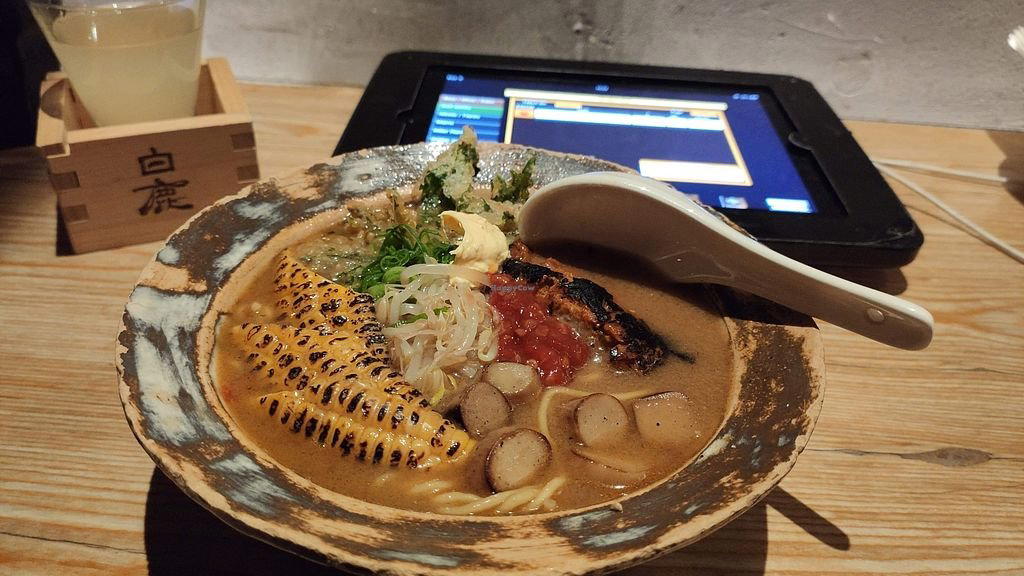
King Street's Dining Rhythm and Where Shinmachi Sits
King Street, Newtown, operates on its own logic. Unlike the harbour-facing precincts of the CBD or the polished corridors of Surry Hills, this stretch runs long and dense, with Thai canteens, natural wine bars, vegan institutions, and Japanese counters sitting shoulder to shoulder across several kilometres. The regulars here have eaten their way through the block many times over, which means a venue earns its place through repetition rather than debut hype. Shinmachi Newtown, at 1/239 King Street, occupies a position inside that earned-reputation economy.
Sydney's inner-west dining culture differs from the city's more celebrated precincts in one important way: the audience is less interested in occasion dining and more interested in the kind of place they can return to on a Tuesday without a reservation two months in advance. That dynamic shapes what the neighbourhood rewards. Theatrics fade quickly; kitchens that deliver a reliable meal on the third visit as well as the first tend to hold their ground. For context on how Sydney's broader dining culture is structured across different precincts, the full Sydney restaurants guide maps the city's distinct dining nodes and what distinguishes each.
The Ritual of the Meal in Newtown's Japanese Dining Tier
Japanese dining in Sydney exists across a wide spectrum, from the high-formality omakase counters of the CBD and Surry Hills to the neighbourhood izakaya format that has taken root in inner-city pockets. The izakaya model, in particular, carries its own set of conventions: dishes arrive in stages rather than in a structured sequence, the meal is designed to accompany drinking as much as to stand alone, and the pacing is set by the table rather than the kitchen. This format suits Newtown's social register, where extended evenings across shared dishes are the default mode rather than the exception.
In cities where Japanese cuisine has matured into a full-spectrum offer, the distinction between a venue executing izakaya conventions well and one merely using the format as a loose template becomes increasingly apparent. At the level of craft, the indicators are in the small decisions: the temperature at which cold dishes arrive, the ratio of seasoning in a dipping sauce, the interval between courses. These details tend to accumulate into the kind of dining experience that builds a local following rather than a one-time curiosity. Venues like Atomix in New York City, operating in a different register entirely, illustrate how Japanese dining traditions can be adapted to a local market while retaining technical rigour at the core.
Newtown Inside Sydney's Wider Dining Picture
Positioning Shinmachi Newtown within Sydney's dining hierarchy requires some reference points. At the leading end, venues like Rockpool and Saint Peter operate with the kind of institutional weight that comes from sustained critical recognition and a clear point of view on Australian produce. Further down the formality register, neighbourhood operators in precincts like Newtown and Enmore work within a different set of constraints: lower price points, higher table turnover, and an audience that values accessibility as much as ambition.
The inner-west's mid-tier dining scene has benefited from Sydney's broader expansion of Japanese culinary influence over the past decade. As the CBD's premium Japanese offer has grown more expensive and more structured, the neighbourhood izakaya and casual Japanese formats have absorbed the demand from diners who want the cuisine without the ceremony. This bifurcation is visible across other Australian cities too: in Melbourne, the conversation runs between destination restaurants like Attica and the quieter neighbourhood operators that sustain the day-to-day dining culture in suburbs like Fitzroy and Collingwood.
For Sydney diners already familiar with the inner-west's range, venues like bills in Bondi Beach and Bayly's Bistro in Kirribilli represent different neighbourhood-anchored approaches to consistent, unfussy quality. The through-line is the same: kitchens that know their audience and cook for them reliably over time.
How the Broader Japanese Dining Tradition Shapes Expectations
Understanding what to expect from a Japanese venue in this price tier and neighbourhood context requires some calibration. The izakaya tradition, which developed in Japan as a working-class eating-and-drinking format, prioritises conviviality and informality over presentation and sequence. Dishes are designed to be shareable, portions are sized for a table grazing across multiple plates, and the meal tends to expand or contract based on how long the group intends to stay. That flexibility is part of the appeal, and part of what distinguishes the format from the more structured omakase or kaiseki traditions.
In Sydney's inner-west, that flexibility maps well onto the neighbourhood's dining culture. King Street operates as a high-frequency strip rather than a destination precinct, which means most meals here are not planned months in advance. The walk-in or same-day booking is the norm, and venues are generally set up to accommodate that rhythm. For diners coming from further afield, the comparison point shifts: what makes the trip from the CBD or the eastern suburbs worthwhile is usually a combination of atmosphere, price-to-quality ratio, and the sense that a place is genuinely embedded in its neighbourhood rather than performing for visitors.
Other dining formats across Australia have found different ways to solve the same problem. Brae in Birregurra operates at the far end of the formality register, where the meal is the entire occasion. Bar Carolina in South Yarra takes a different approach, anchoring around a bar-led format with food as a sustained component rather than an afterthought. Shinmachi Newtown occupies a different position again: a neighbourhood Japanese venue on one of Sydney's most food-literate streets, where the ritual of the meal is shaped as much by the street itself as by what happens inside.
Planning Your Visit
Shinmachi Newtown is located at 1/239 King Street, Newtown, accessible by train to Newtown Station on the T3 line, a short walk north along King Street. For diners building a broader Sydney itinerary, the full Sydney restaurants guide covers the city's precincts in detail. Those interested in comparing Japanese dining across Sydney's neighbourhoods will find useful context in the entries for 10 William St and 10 Pounds, which represent different points on the city's mid-to-upper dining register. Further afield, Johnny Bird in Crows Nest and 1021 Mediterranean offer different neighbourhood dining contexts worth considering for a multi-stop Sydney visit.
Booking details, hours, and current pricing are best confirmed directly with the venue, as this information is subject to change. For regional comparisons beyond Sydney, Kulcha Restaurant Wollongong and Hungry Wolfs Italian Restaurant in Newcastle provide useful benchmarks for how neighbourhood dining quality has developed across the broader NSW region.
Quick reference: 1/239 King St, Newtown NSW 2042. Nearest train: Newtown Station (T3 line).
Continue exploring
More in Sydney
Restaurants in Sydney
Browse all →
Bars in Sydney
Browse all →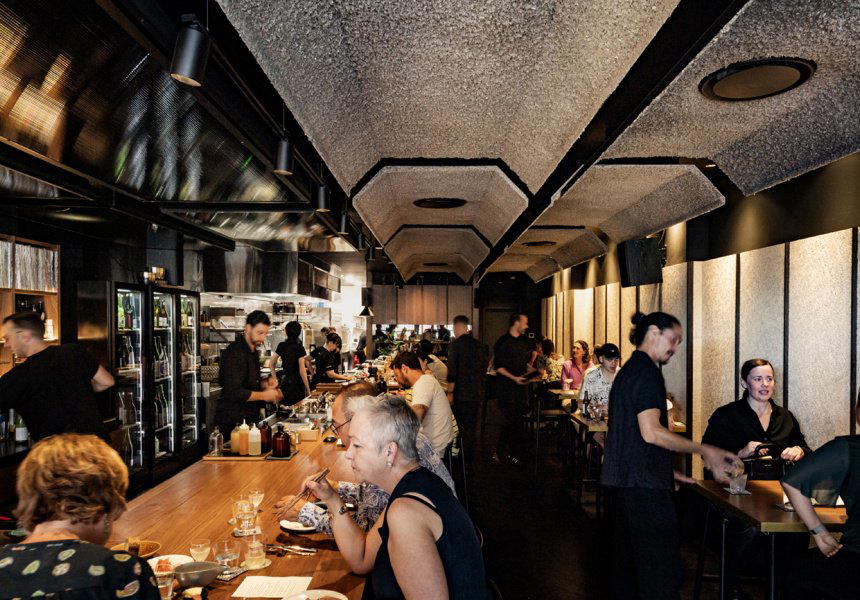
Hotels in Sydney
Browse all →

At a Glance
- Modern
- Cozy
- Trendy
- Casual Hangout
- Date Night
- Open Kitchen
- Sake Program
- Street Scene
Current opening hours
- Monday
- 5:30–8:30 PM
- Tuesday
- 5:30–8:30 PM
- Wednesday
- 5:30–8:30 PM
- Thursday
- 5:30–8:30 PM
- Friday
- 5:30–8:30 PM
- Saturday
- 11:30 AM–2 PM, 5:30–8:30 PM
- Sunday
- 11:30 AM–2 PM, 5:30–8:30 PM
Hours can change for holidays and private events. Last verified .
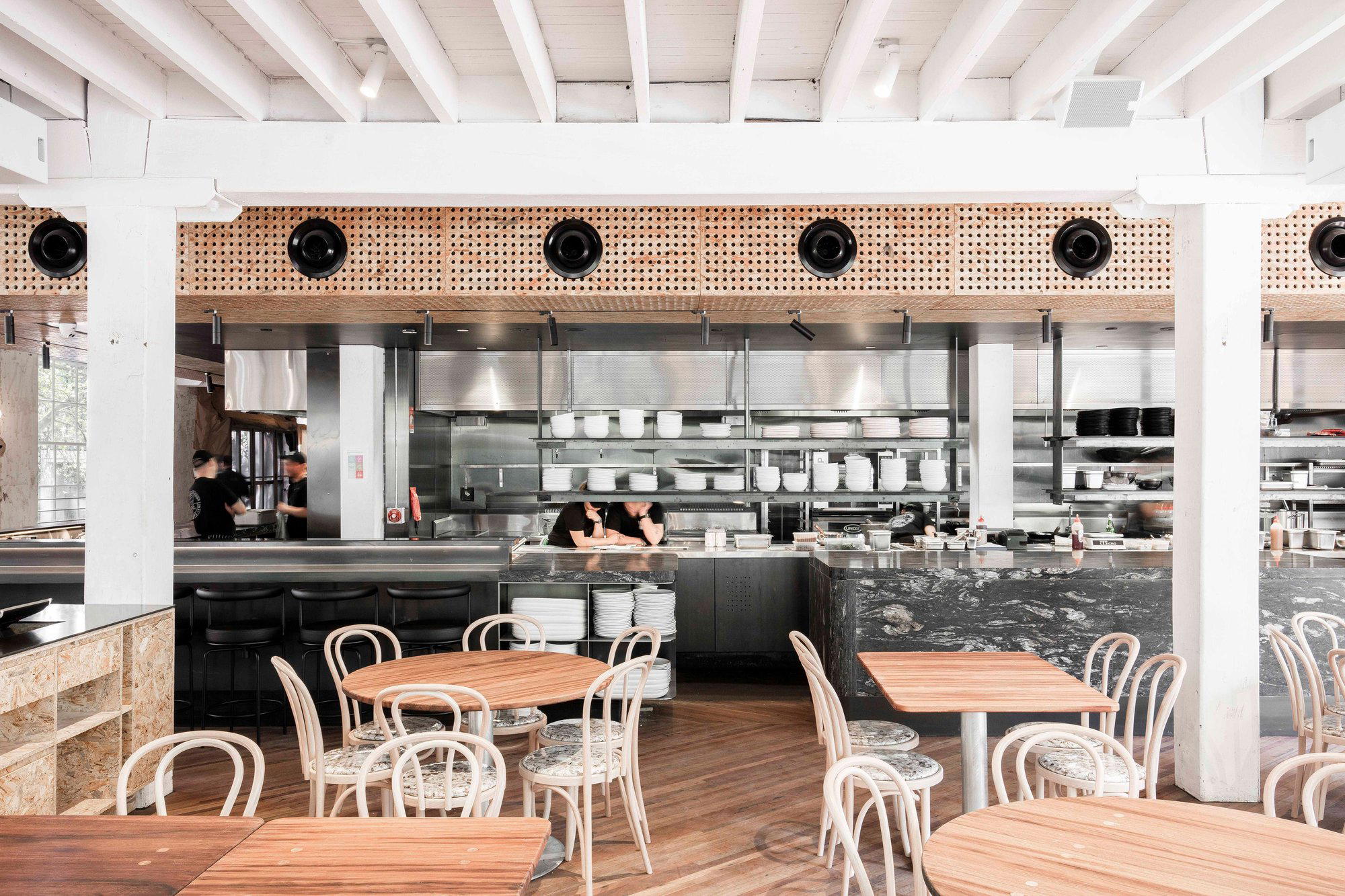
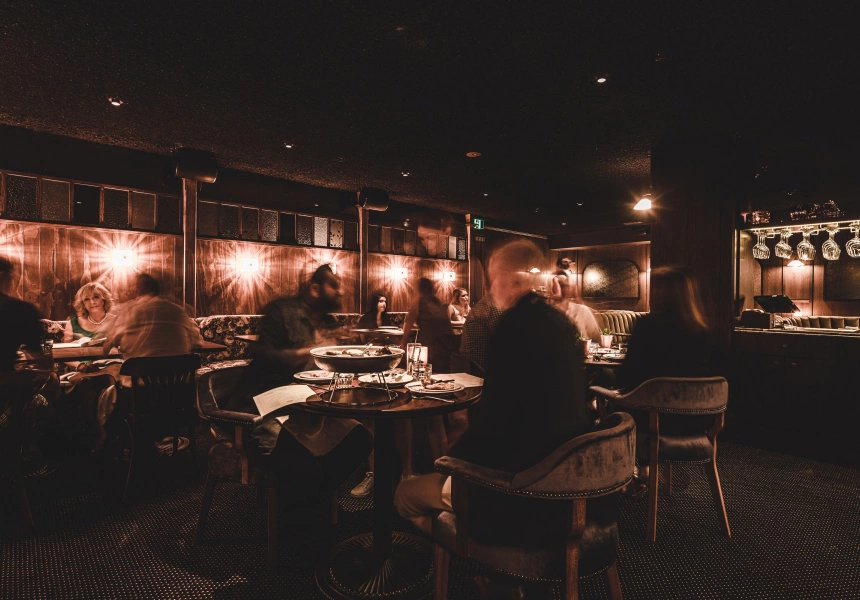
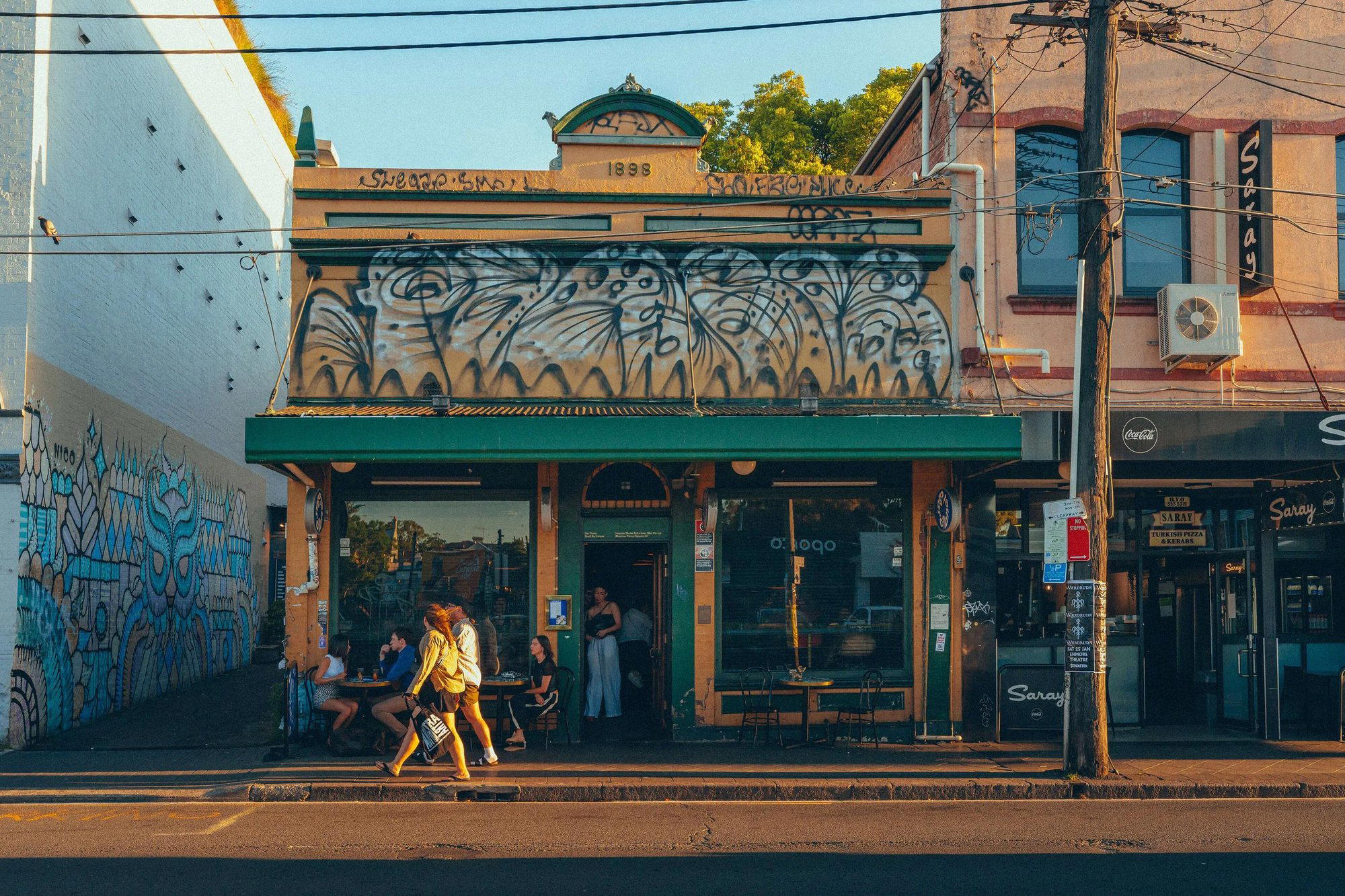
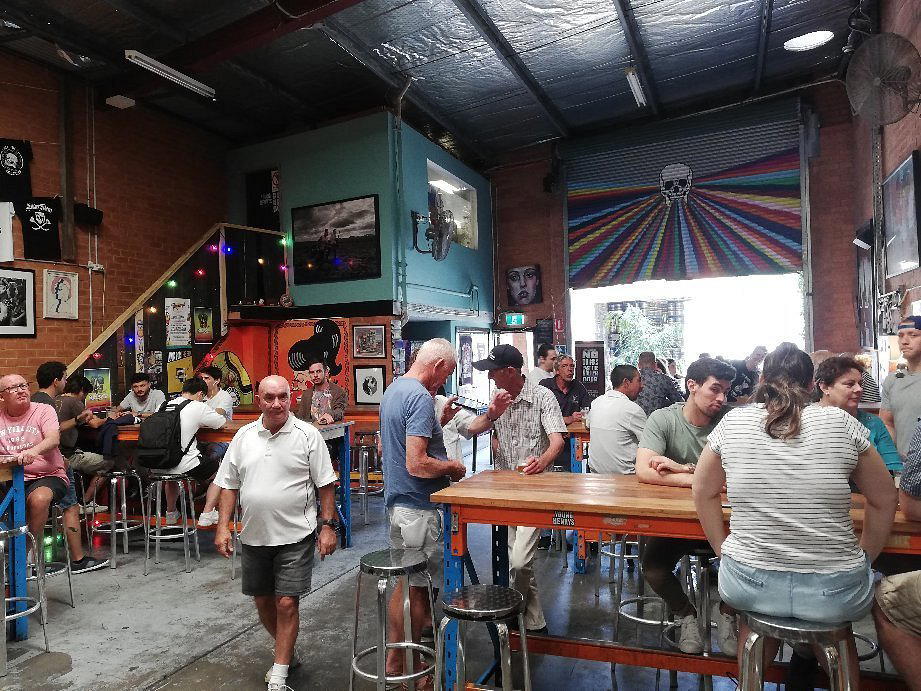
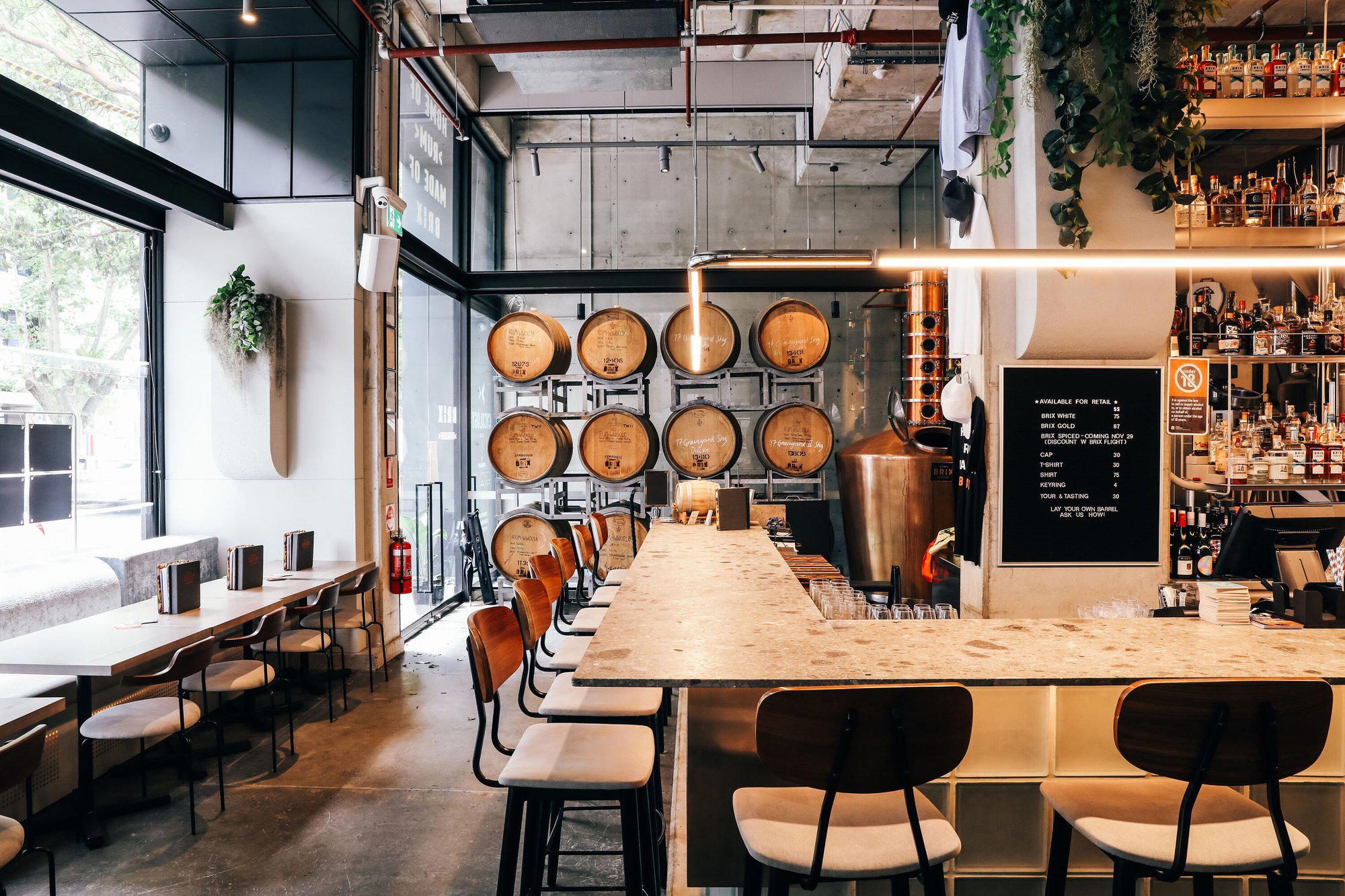
Modern wood-lined interior with cozy Japanese-style booths overlooking King Street and energetic atmosphere.
Know Before You Go
- Getting there
- 1/239 King St, Newtown NSW 2042, Australia