Shimura occupies Tokyo's serious end of the dining spectrum, where sourcing discipline and restraint define the kitchen's identity. The restaurant fits within a city tradition that prizes ingredient provenance over technique showmanship, a position that places it alongside some of Japan's most considered dining addresses. Booking in advance is advised for this quietly regarded table.
 Discover on Pearl
Pearl is the En Primeur Club membership app — saves, bookings, and concierge access live there. Same editors, same standards.
- Address
- 2 Chome-20-8 Hamadayama, Suginami City, Tokyo 168-0065, Japan
- Phone
- +81 3-3302-3464
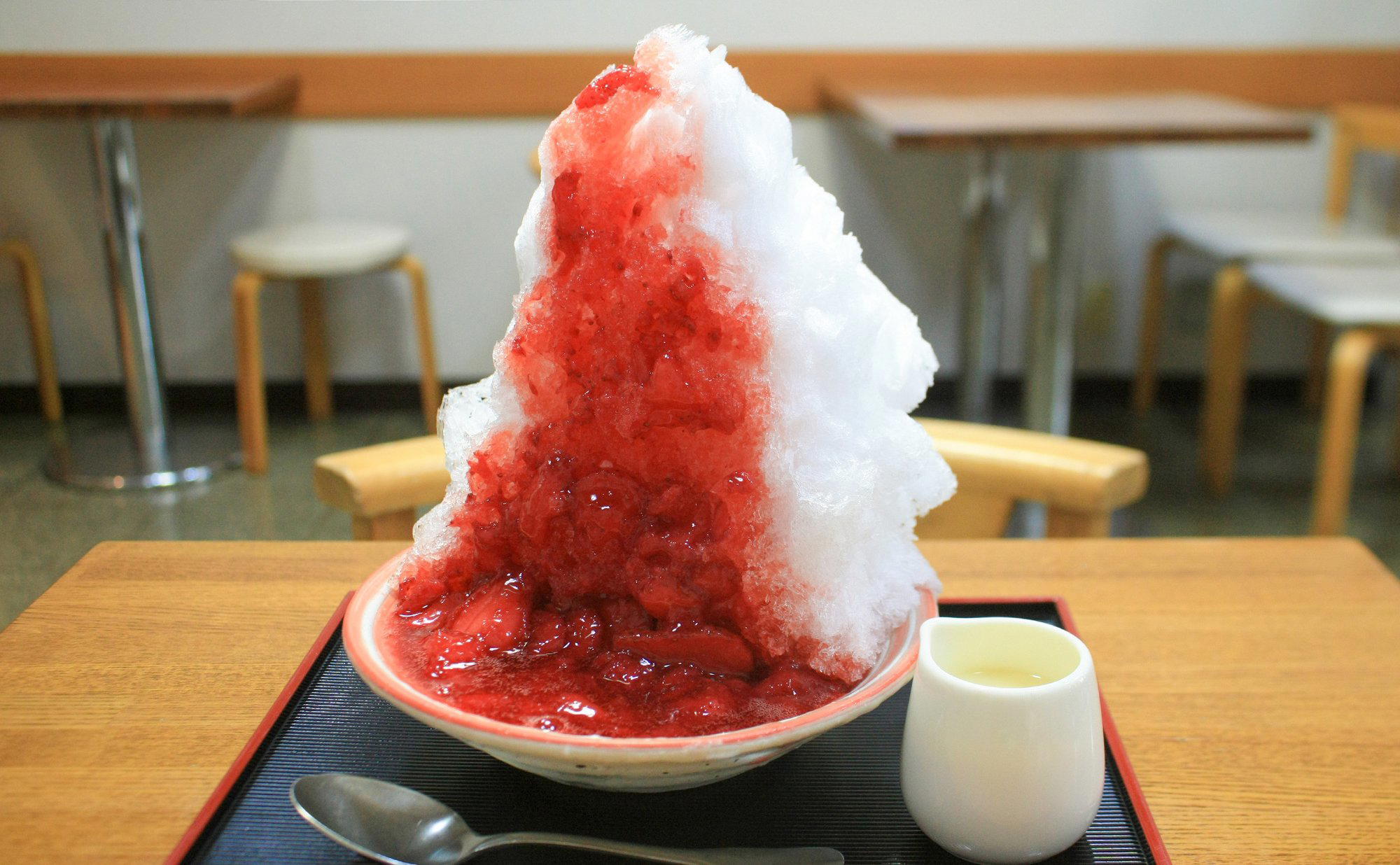
Where the Ingredient Does the Talking
Tokyo's most committed kitchens share a common disposition: they treat sourcing as the primary act of cooking, and technique as the secondary one. The result, across the city's serious dining rooms, is a particular kind of restraint, an insistence that the leading thing a chef can do with an exceptional ingredient is interfere with it as little as possible. Shimura works within this tradition. The room may be quiet, the service measured, and the presentation composed without drama, but each dish begins with the relationship between cook and producer.
This pattern is visible across Tokyo's restaurants that hold sustained critical attention without courting visibility. At Harutaka, the sourcing lineage runs deep through the Tsukiji and Toyosu market networks. At RyuGin, seasonal Japanese produce anchors the kaiseki progression from first course to last. Shimura sits within the same value system.
The Sourcing Logic Behind the Menu
Japan's agricultural and aquacultural networks are among the most segmented and quality-graded in the world. Premium restaurants in Tokyo frequently work with named farms, specific fishing cooperatives, or regional producers whose output is limited by season and geography. This directly shapes what appears on the menu and when. A kitchen operating at this level maintains ongoing relationships with suppliers whose growing or harvesting methods meet specific standards.
The broader culinary tradition here is one in which ingredient provenance carries social weight. Customers at this level of Tokyo dining understand that a named prefecture for a piece of wagyu, or a specific bay for a fish, signals something meaningful about quality and traceability. That shared vocabulary between kitchen and table is part of what makes Tokyo's premium dining culture function differently from comparable cities, and it is a vocabulary that Shimura is part of that segment of the market.
For context, the restaurants that draw the most sustained attention in Tokyo's serious dining tier, from the French-influenced kitchens at L'Effervescence and Sézanne to the inventive French-Japanese crossovers at Crony, all operate with sourcing as a front-facing commitment, not a background assumption. Shimura belongs to that broader discipline.
Ingredient-Driven Cooking as a Tokyo Standard
What distinguishes Tokyo from other world dining cities is partly structural. The proximity to Tsukiji's wholesale networks, the density of specialist importers, and the cultural premium placed on seasonal eating (rooted in the Buddhist and Shinto calendars, as well as classical kaiseki tradition) give kitchens here a set of raw material advantages that translate directly into the plate. Spring means mountain vegetables and cherry-blossom-season fish. Autumn brings the harvest of the rice fields and the peak of Pacific saury and matsutake. Winter is the season of crab, oysters, and root vegetables cooked low and slow.
At every price point, this seasonality is the organizing principle. At Shimura's level, a dining room that operates in Tokyo's considered upper tier, the expectation is that the menu shifts accordingly, that no dish is static across the calendar year, and that what is served in February looks nothing like what is served in August. This is the baseline standard for any kitchen in Japan.
The comparison to other regional Japanese dining contexts is instructive. At HAJIME in Osaka, the sourcing operates across a different regional network, drawing on Kansai produce channels and a philosophical commitment to ecological traceability. At Gion Sasaki in Kyoto, the kaiseki format enforces a strict seasonal grammar that has no off-ramp. Shimura, in Tokyo, navigates a denser, faster-moving supply environment, which brings both greater variety and greater competition for the most desirable ingredients.
Placing Shimura in Tokyo's comparable set
Tokyo's premium dining tier is not monolithic. It spans everything from hyper-specialised sushi counters with eight seats and three-month wait times to kaiseki rooms of traditional architectural formality, and from technically elaborate French-Japanese hybrids to quiet, almost austere dining rooms where the cooking whispers rather than announces itself. Shimura occupies a position within this span that prioritises depth over spectacle, which is both a stylistic choice and a commercial one, given that Tokyo's most demanding diners have become less impressed by technique performance and more attentive to the quality of what lands on the plate before any cooking begins.
Across Japan's broader dining geography, the ingredient-first approach shapes some of the most regarded addresses: akordu in Nara applies European training to produce that reflects Nara's quieter agricultural identity; Goh in Fukuoka sources from Kyushu's distinctive coastal and mountain zones; further north, the kaiseki tradition at 古今山乃 in Sapporo draws on Hokkaido's particular cold-climate produce. Each context produces different food, but the underlying logic, sourcing as the primary creative act, is consistent.
Within Tokyo specifically, the sustained interest in restaurants like Shimura reflects a reader appetite for dining that rewards attention. This is not the city's most visible tier; it is the city's most rigorous one. The equivalent dynamic appears in New York at addresses like Atomix, where Korean fine dining applies the same sourcing discipline within a different cultural grammar, and at Le Bernardin, where ingredient quality in seafood has been the defining competitive position for decades. The principle travels.
Practical Planning
Shimura is a Tokyo address that operates in the tier where advance booking is the expected norm rather than the exception. Restaurants at this level in Tokyo typically require reservations made weeks to months ahead, with the most considered tables filling through concierge networks and repeat-guest priority before they appear on general booking platforms. Visitors to the city planning a serious dining itinerary should treat Shimura alongside other addresses at the top of Tokyo's non-sushi fine dining range, and should consult the full Tokyo restaurants guide for a wider view of where the restaurant sits within the city's dining map.
For those building a broader Japan itinerary around serious eating, the network of regarded regional restaurants provides useful context: 一本木 布川制 in Nanao, 湖畔荘 in Takashima, 庭羽屋 in Nishikawa Machi, Birdland in Sakai, and Bistro Ange in Toyohashi each represent the regional dimension of Japan's ingredient-first dining culture, offering perspectives that Tokyo's concentrated market cannot replicate.
Quick reference: Tokyo, Japan. Advance reservation required. Positioned in the upper tier of Tokyo's non-sushi fine dining range. Seasonal menu format. Consult the full Tokyo guide for current availability and booking approach.
How It Stacks Up
Comparable venues nearby, for context on price, style, and recognition.
| Venue | Cuisine | Price | Awards | Notes |
|---|---|---|---|---|
| ShimuraThis venue — the venue you are viewing | Traditional Japanese Sweets & Casual Fare | $$ | , | |
| Azabu Shokudo (麻布食堂) | Yoshoku Omurice | $$ | , | Nishiazabu |
| Yamacho (黒うどん 山長) | Black Udon (Kuro Udon) | $$ | , | Harajuku |
| Oka Joki | Traditional Japanese Izakaya & Robatayaki | $$ | , | Nakano |
| Nogata Gyoza Honten | Gyoza & casual Japanese-Chinese izakaya | $$ | , | Nakano |
| Mikazuki Do | Traditional Japanese Izakaya | $$ | , | Setagaya |

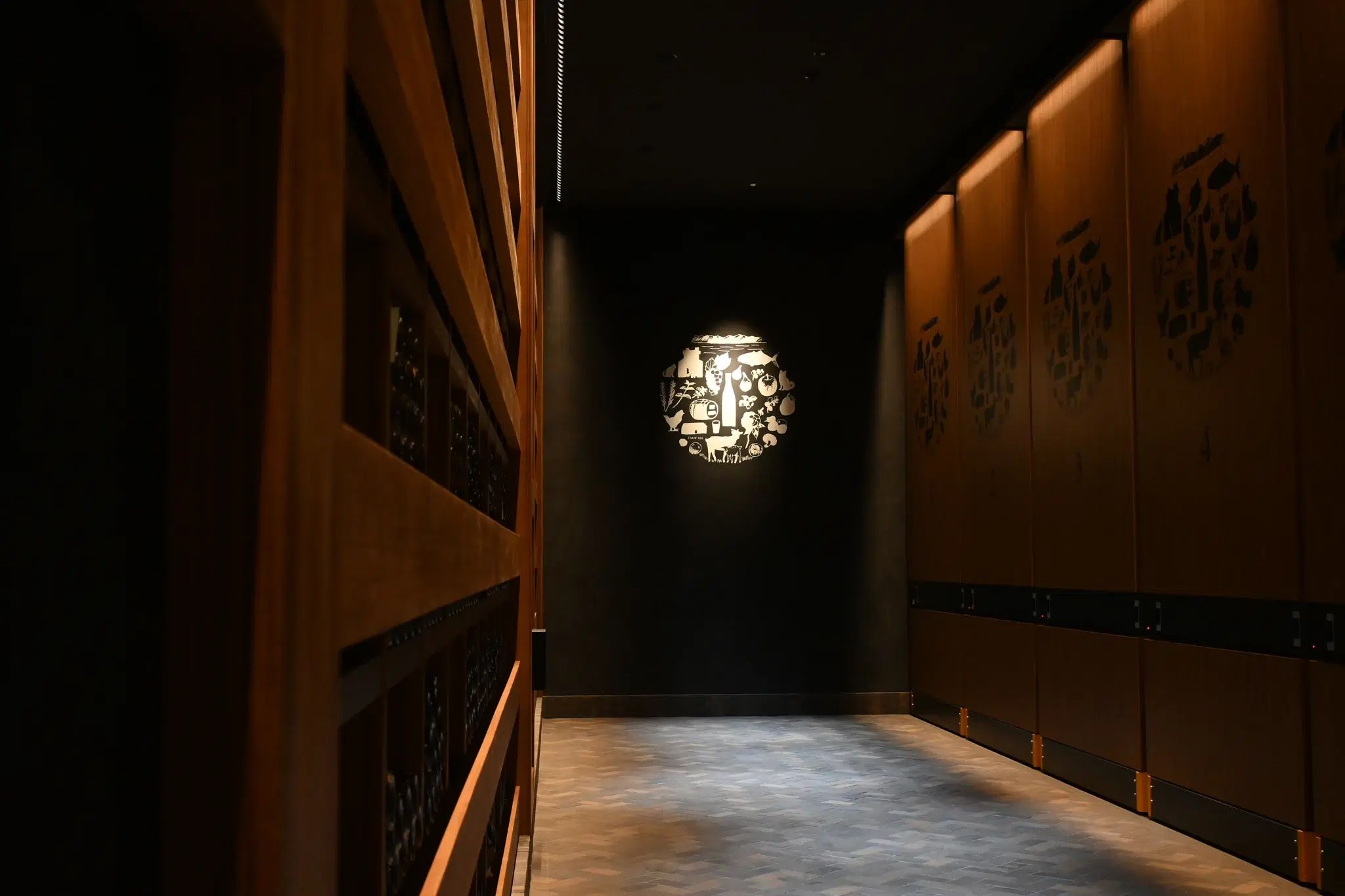




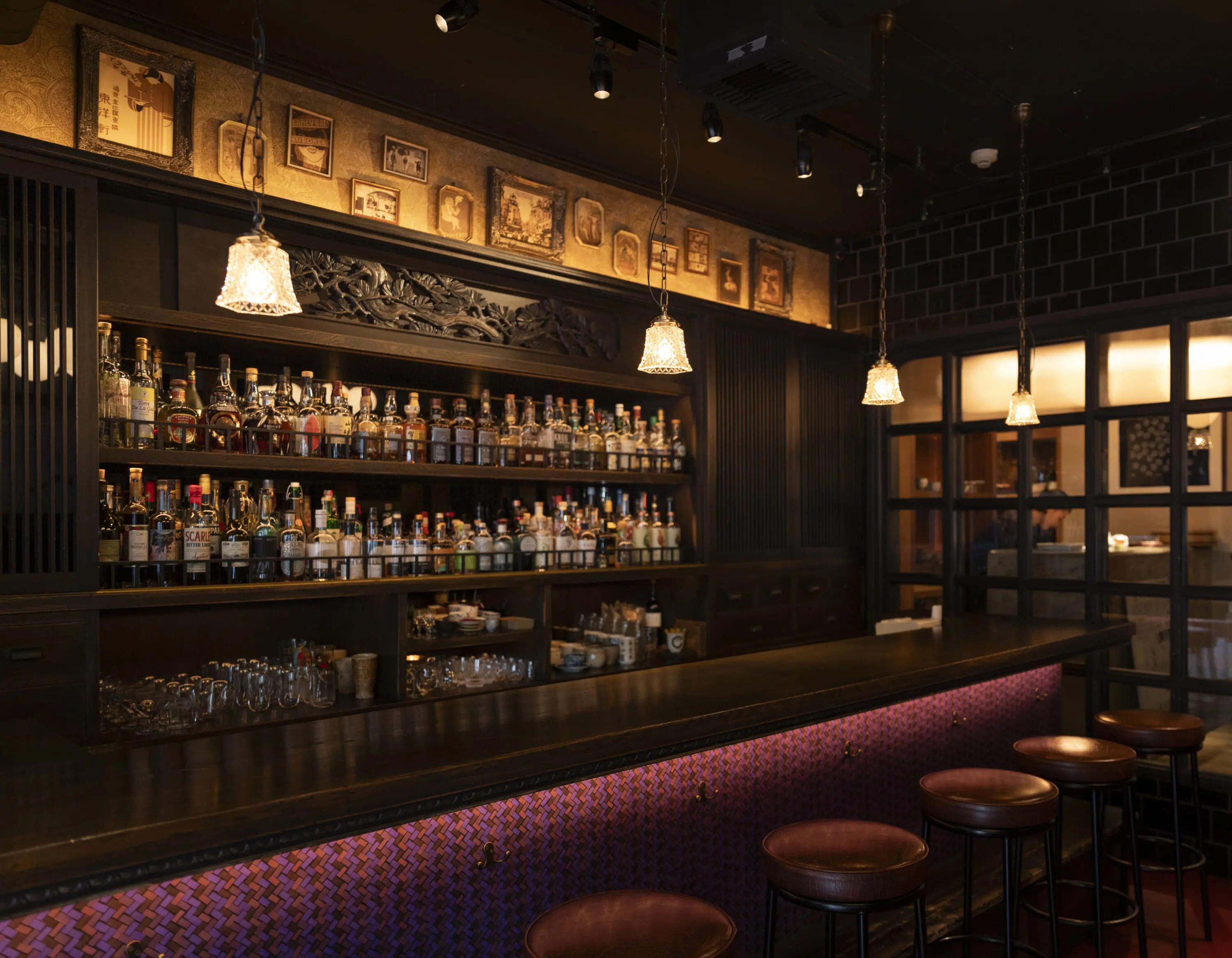
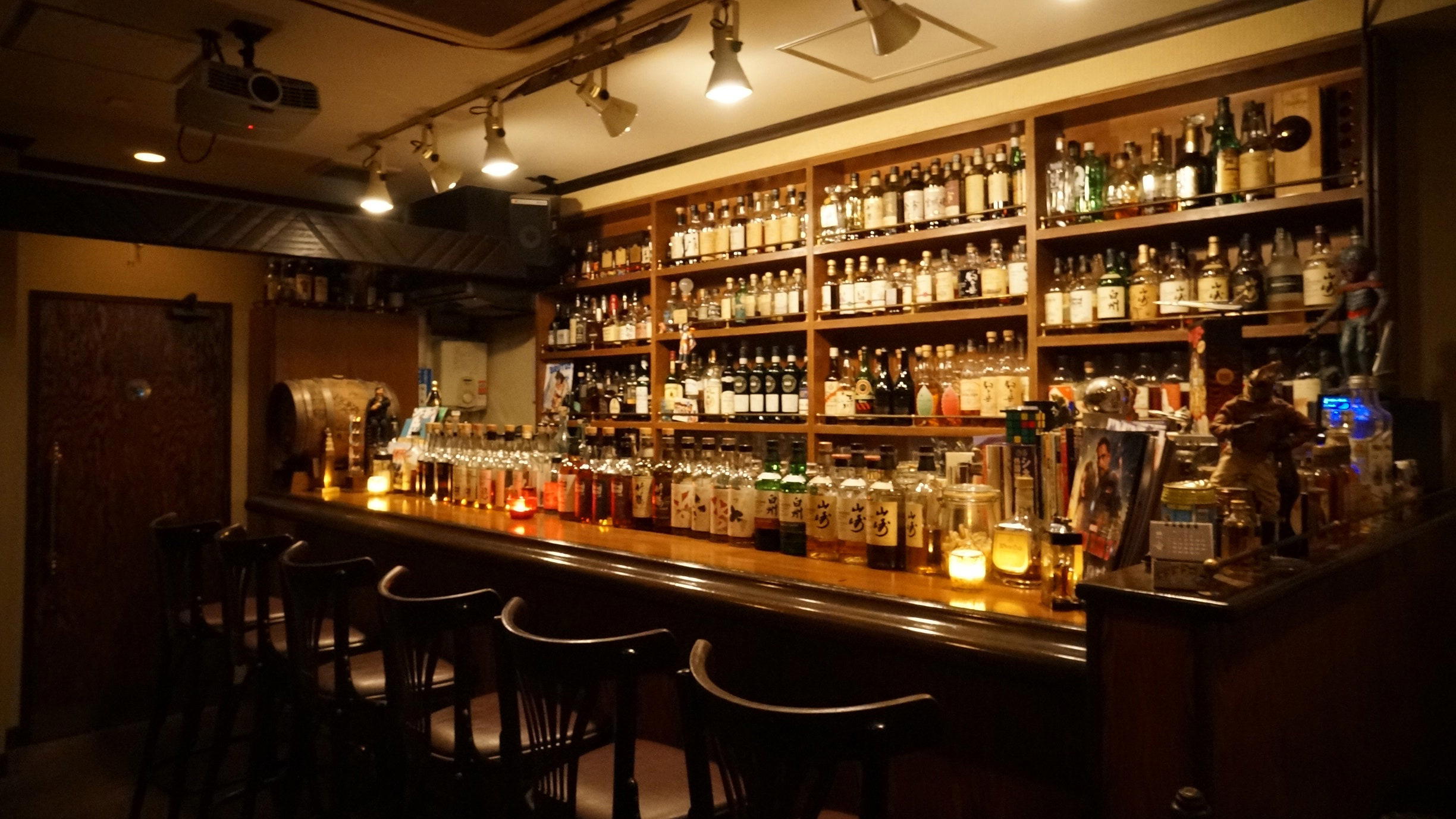






At a Glance
- Cozy
- Classic
- Hidden Gem
- Casual Hangout
- Solo
Casual, welcoming neighborhood spot with a traditional Japanese aesthetic; popular local gathering place near Mejiro Station.