Shinwa Izakaya
Shinwa Izakaya brings the unhurried rhythms of Japanese drinking-dining to Washington, D.C.'s upper Northwest corridor, at 11 Ridge Square NW. The format sits within a growing tier of serious izakaya operations in American cities that treat the form as a complete dining tradition rather than a bar-food shortcut. For D.C. diners who have moved through the city's tasting-menu circuit, Shinwa offers a different kind of structured evening.
Pearl is the En Primeur Club membership app — saves, bookings, and concierge access live there. Same editors, same standards.
- Address
- 11 Ridge Square NW, Washington, DC 20016
- Phone
- +12022171377
- Website
- shinwa-izakaya.com
- Directions
- Get directions
 Saves & bookings on Pearl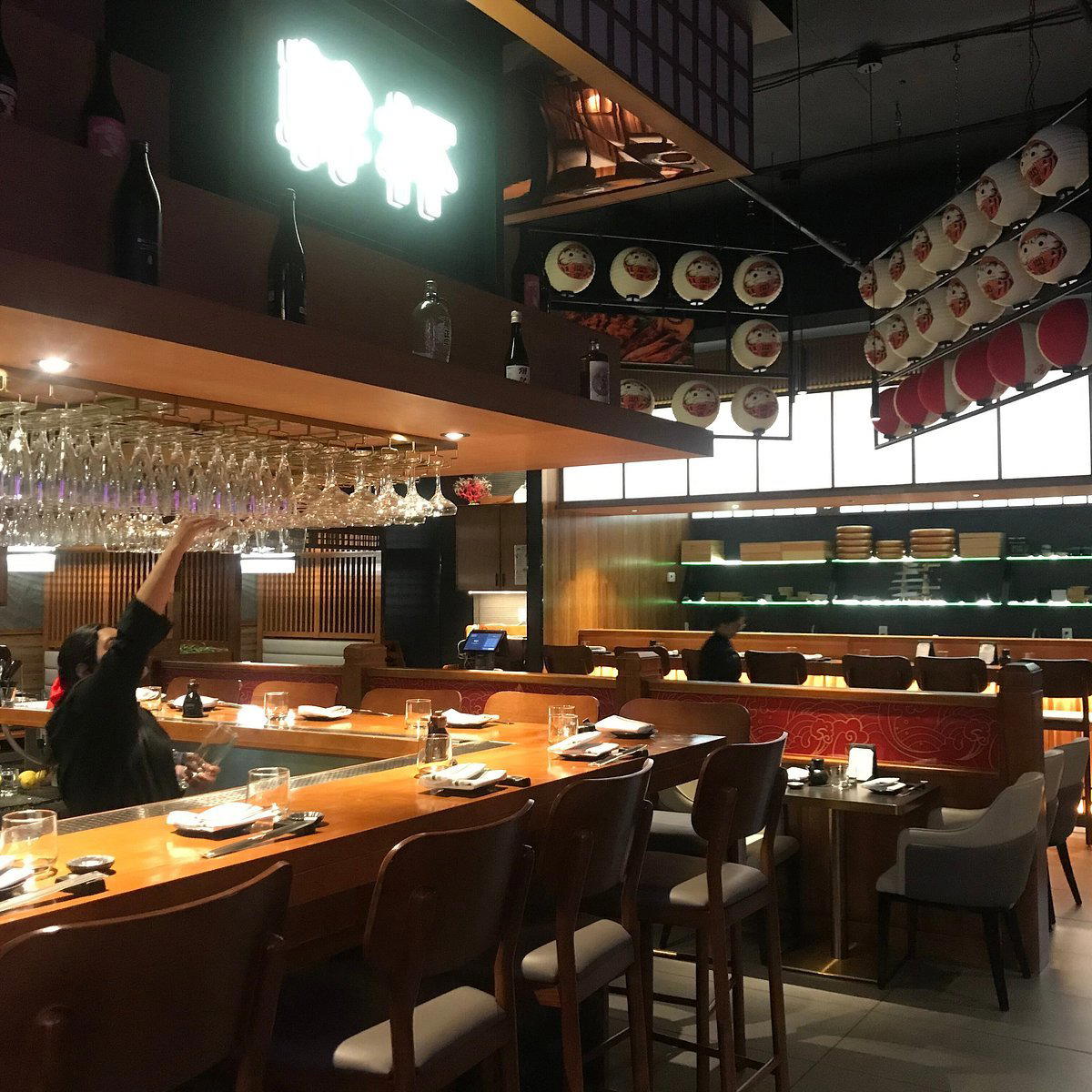
The Izakaya Format in an American City
Shinwa Izakaya is a Japanese izakaya in Washington, D.C. at 11 Ridge Square NW. The city now holds serious tasting-menu rooms at Jônt and minibar, ingredient-driven mid-format rooms at Oyster Oyster, and Peruvian counter dining at Causa. The Japanese format treats the long, unhurried drinking-and-eating session as a meal in itself, not a prelude to a main course or a late-night afterthought.
Shinwa Izakaya, at 11 Ridge Square NW in the Tenleytown-adjacent stretch of upper Northwest, occupies that space. The address places it outside the denser dining corridors of Shaw, 14th Street, and Navy Yard, which itself signals something about the intended audience: a neighbourhood-anchored operation rather than a destination-district play.
How an Izakaya Structures the Evening
The izakaya format has a logic that differs from both the tasting menu and the à la carte restaurant, and understanding that logic shapes how an evening at a place like Shinwa should be approached. In Japan, the meal at an izakaya is not a sequence so much as an accumulation: small plates arrive in loose waves, drinks are refreshed continuously, and the table decides collectively when it is finished rather than following a pre-set arc. There is no hard division between appetizer, main, and dessert. Pacing is social rather than culinary.
That rhythm is what separates a serious izakaya from a Japanese-inflected bar menu. The former treats the format as a complete dining tradition with its own etiquette; the latter uses Japanese ingredients as dressing on a familiar Western structure. Across American cities, only a handful of operators have committed to the former approach with enough depth to satisfy anyone who has spent time in Osaka's Dotonbori or Tokyo's Shinjuku drinking districts. The format demands a kitchen that can sustain quality across a long, non-linear service and a front-of-house that understands the difference between attentive and intrusive in a session designed to stretch two or three hours.
For context, Atomix in New York City has shown that Asian drinking-and-eating traditions can occupy the same critical tier as European fine dining. The izakaya has been slower to receive that treatment, which makes D.C. operations attempting the format worth tracking.
Ridge Square and the Northwest Dining Character
The upper Northwest quadrant of D.C. is not where the city's most-discussed restaurant openings tend to land. That density sits further east and south. But the neighbourhood has a spending profile that supports serious mid-to-upper-tier dining, and the relative absence of competition can work in a restaurant's favour: regulars form faster and bookings can be more consistent when a neighbourhood has genuine attachment to a room rather than treating it as one option among dozens within walking distance.
For a format like izakaya, that neighbourhood dynamic matters. The repeat-visit model is central to how an izakaya builds its audience in Japan, and it translates. A room that becomes a weekly or monthly ritual for a surrounding residential population has a different energy than one that cycles through tourists and one-time visitors. The Ridge Square address puts Shinwa in a position to develop that kind of local embedding, which is the condition under which the format works at its most natural.
D.C.'s broader dining scene provides strong comparative framing for where Shinwa sits. Albi and Causa represent the city's appetite for formats that bring regional specificity and cultural depth rather than genre approximation. Shinwa operates in that same general current: a restaurant that proposes a specific dining tradition and asks the guest to meet it on its own terms.
Where Shinwa Sits Against D.C. Comparables
| Venue | Format | Price Tier | Booking Pattern |
|---|---|---|---|
| Shinwa Izakaya | Japanese izakaya | Not published | |
| Causa | Peruvian counter | $$$$ | Advance recommended |
| Oyster Oyster | New American, vegetarian | $$$ | Books ahead, especially weekends |
| Albi | Middle Eastern-American | $$$$ | Advance recommended |
| Bresca | Modern French-Contemporary | $$$$ | Advance booking standard |
Reservations are recommended.
The Broader Izakaya Moment in American Dining
The izakaya's particular appeal in 2024 and 2025 American dining has to do with pacing as much as cuisine. The dominant prestige format of the previous decade, the long tasting menu with prescribed sequences and theatrical plating, has begun to share space with formats that give the guest more agency over the shape of the evening. Izakaya, along with Spanish tapas bars and Korean barbecue at the upper tier, belongs to that shift: eating as something you do with other people, at your own speed, without a kitchen dictating when you are done.
That contrast is worth holding alongside the D.C. tasting-menu operations. Jônt and minibar offer the fully prescribed version of a serious evening out. Shinwa, operating in the izakaya tradition, proposes the opposite contract: a menu of shareable dishes and a timeline the table sets for itself. Neither is superior as a category; they answer different occasions and different temperaments.
Nationally, the peer reference points for izakaya done with serious intent sit in cities with larger Japanese-American communities: Los Angeles, San Francisco, New York. D.C.'s izakaya tier has been thinner, which is precisely why a committed operation at Shinwa's Ridge Square address represents something worth following in the city's dining development. For readers building out their D.C. dining calendar, our full Washington, D.C. restaurants guide maps the broader scene across neighbourhoods and formats.
Planning Your Visit
11 Ridge Square NW is accessible via the Tenleytown-AU Metro station on the Red Line, placing it within reach of Northwest and broader D.C. without requiring a car. Shinwa sits in the $$$ price tier.
Budget and Context
Comparable venues nearby, for context on price, style, and recognition.
| Venue | Cuisine | Price | Notes |
|---|---|---|---|
| Shinwa IzakayaThis venue — the venue you are viewing | Tenleytown, Japanese Izakaya | $$$ | Not listed |
| KYOJIN Sushi | Not listed | $$$ | West Village Georgetown, Modern Japanese Sushi |
| Kaz Sushi Bistro | Not listed | $$$ | Golden Triangle, Authentic Japanese Sushi Bistro |
| Uchi | Not listed | $$$$ | Central Business District, Modern Japanese Omakase |
| Umai Nori | Not listed | $$ | Dupont Circle, Modern Japanese Sushi & Temaki |
| Uchi | Not listed | $$$ | Downtown D.C., Modern Japanese Omakase |
Continue exploring
More in Washington DC
Restaurants in Washington DC
Browse all →
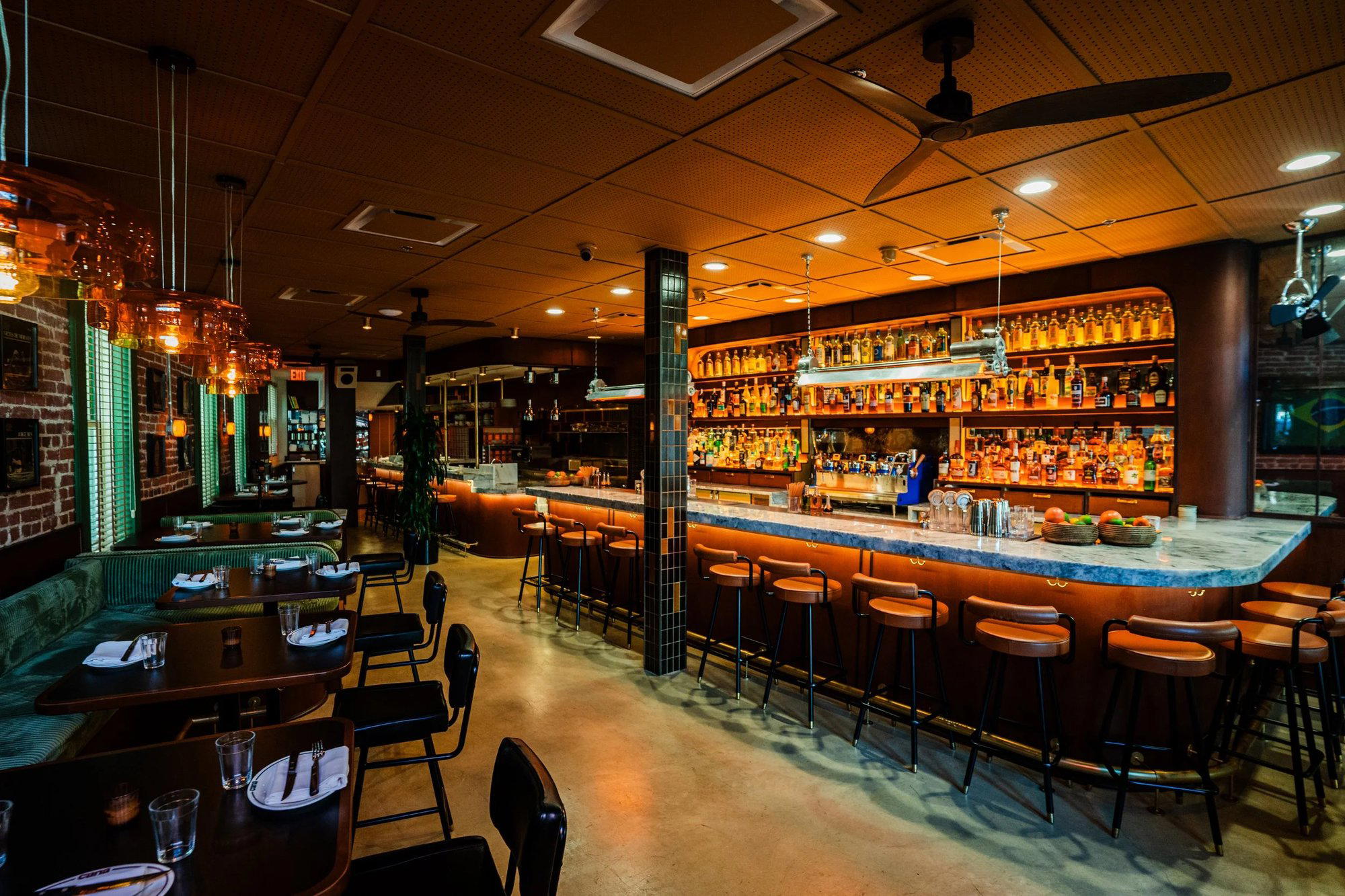
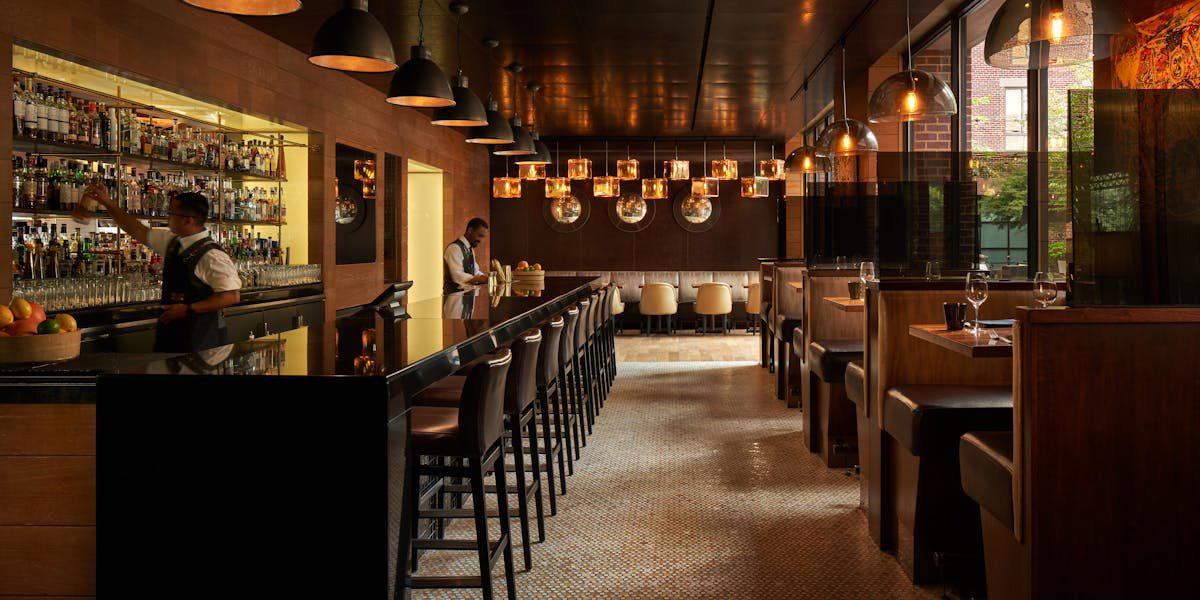
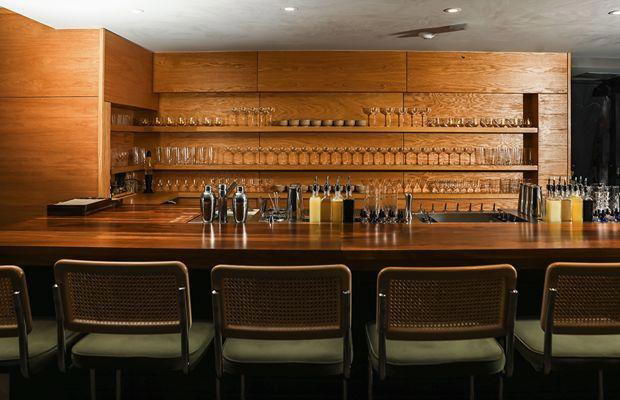
Bars in Washington DC
Browse all →
Hotels in Washington DC
Browse all →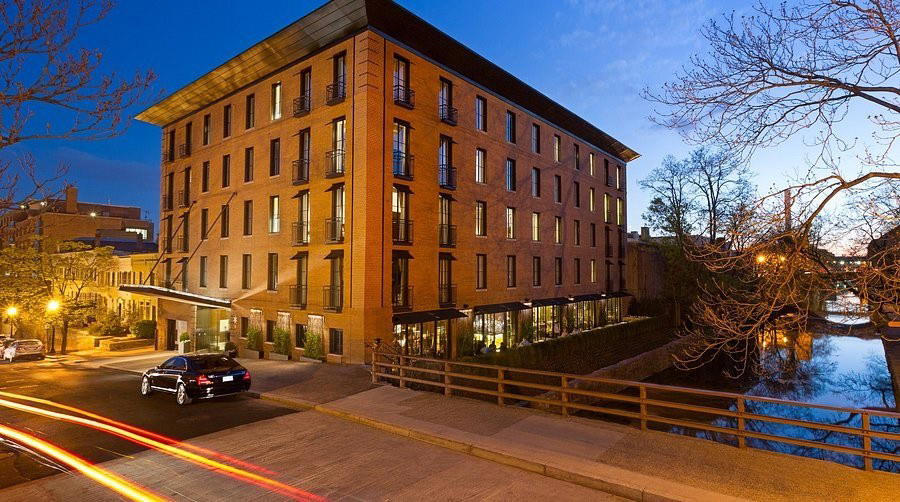
At a Glance
- Lively
- Trendy
- Energetic
- Casual Hangout
- After Work
- Group Dining
- Open Kitchen
- Sake Program
- Craft Cocktails
Current opening hours
- Monday
- 11 AM–3 PM, 4:30–10 PM
- Tuesday
- 11 AM–3 PM, 4:30–10 PM
- Wednesday
- 11 AM–3 PM, 4:30–10 PM
- Thursday
- 11 AM–3 PM, 4:30–10 PM
- Friday
- 11 AM–3 PM, 4:30–10 PM
- Saturday
- 11 AM–3 PM, 4:30–10 PM
- Sunday
- 11 AM–3 PM, 4:30–10 PM
Hours can change for holidays and private events. Last verified .
Lively and relaxing with the energetic feel of Japan's street culture.