Our verdict
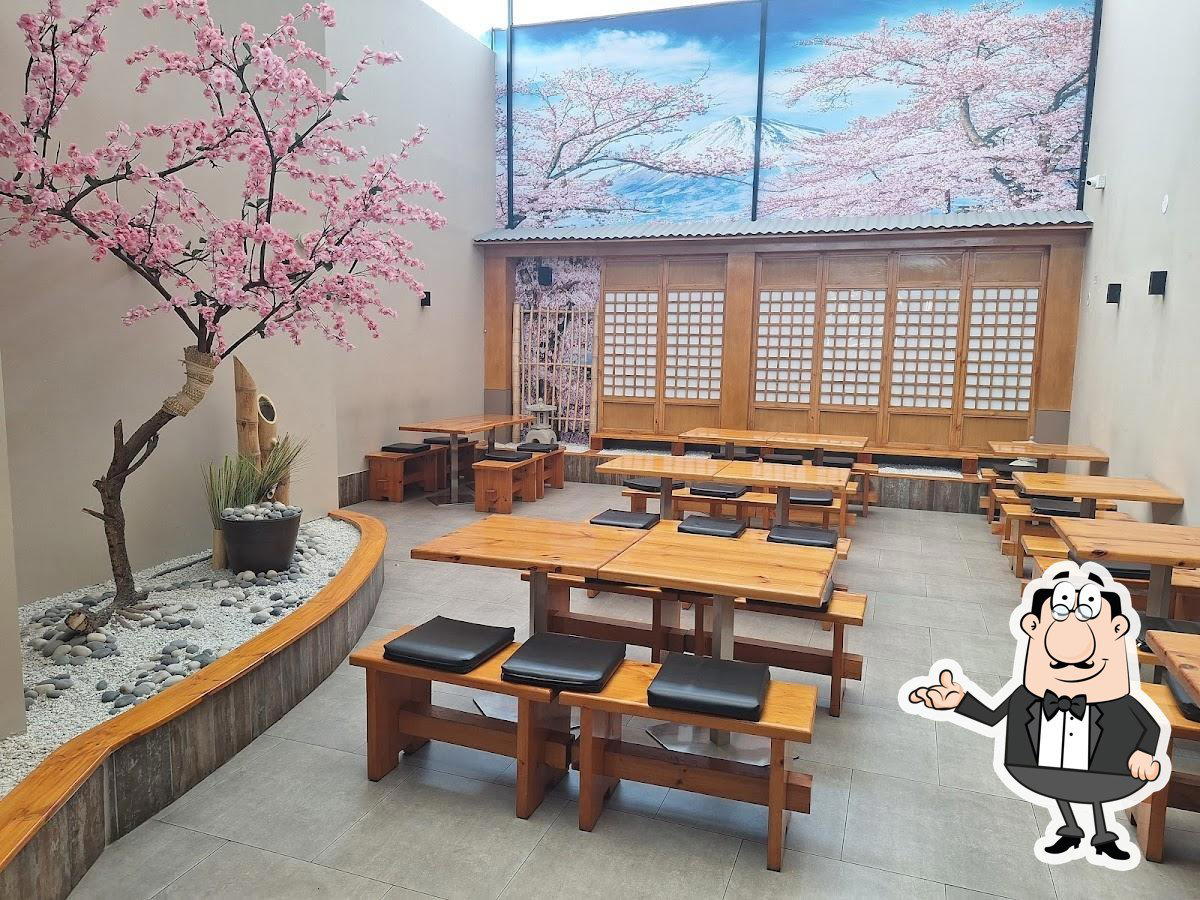
Shimaya 28 de Julio sits on Avenida 28 de Julio in Miraflores, a district where Nikkei and Japanese-inflected dining has become one of Lima's most closely watched culinary movements. The address places it within walking distance of the neighbourhood's main restaurant corridor, where competition from established Peruvian and Asian-fusion rooms is direct and the diner's expectations run high.

Pearl is the En Primeur Club membership app, where members save venues, book tables and use the concierge.
Miraflores and the Japanese-Peruvian Dining Current
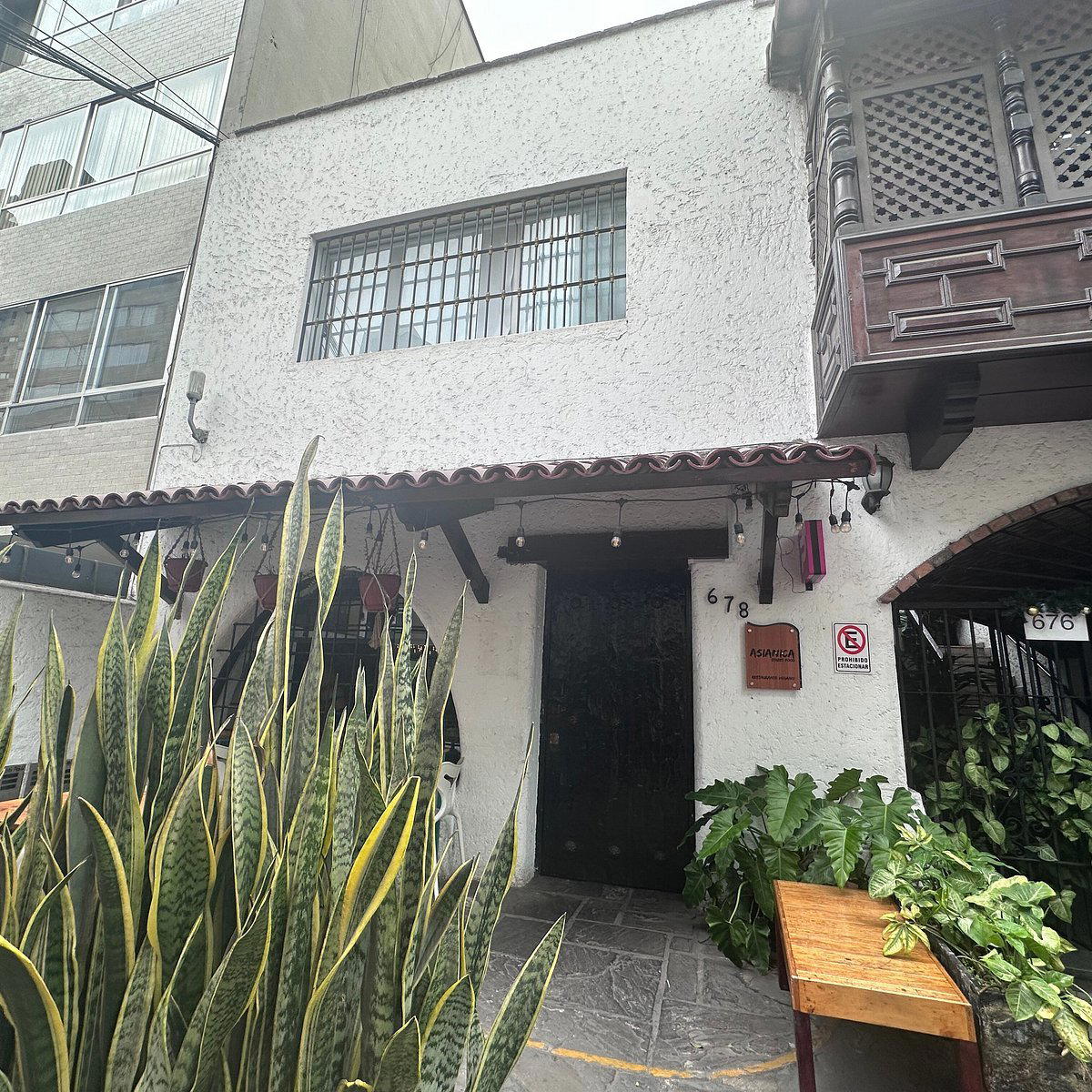
Lima's Nikkei dining scene did not emerge from a single restaurant but from a century-long process of cultural exchange between Japanese immigrants and the Peruvian coast's abundant ingredients. Miraflores became the neighbourhood where that exchange matured into formal dining rooms, and the area around Avenida 28 de Julio sits inside that denser concentration. The proximity of multiple Japanese-Peruvian addresses in the district means diners comparing options are doing so within a few blocks, which raises the standard for every room that operates here. Asianica represents one end of that spectrum in Miraflores, while the Peruvian seafood tradition runs parallel through addresses like Costanera 700. Shimaya 28 de Julio occupies a position on this same corridor, with an address that places it in direct conversation with the neighbourhood's established dining culture.
The Address as Context
Avenida 28 de Julio in Miraflores is a working commercial street rather than a destination boulevard, which tends to filter the diner toward intent rather than impulse. Rooms on this stretch do not benefit from the foot traffic of Larco or the sea-facing theatrics of the Malecón, so they rely on reputation and a settled local clientele. That dynamic shapes the kind of service culture that tends to develop: the front-of-house operates closer to a neighbourhood institution model than a tourist-facing hospitality play. In Lima's premium dining circuit, that distinction matters. The city's most discussed rooms, from Central Restaurante to the more regional propositions at Mil Centro in Moray, have built their reputations on a specific logic of place. Shimaya's address carries its own version of that logic, grounded in a residential district where regulars return on their own schedule rather than driven by awards season coverage.
Team Dynamics in a Neighbourhood Room
In Lima's mid-tier and upper-mid dining segment, the quality of the service team often determines whether a room holds its clientele across seasons. The front-of-house at a neighbourhood address like Shimaya 28 de Julio carries a different kind of weight than in a destination restaurant with a waiting list measured in months. Here, the relationship between the kitchen's output and the floor's ability to read and respond to the room is what converts a first visit into a repeat one. That dynamic, between whoever is cooking and whoever is managing the table experience, is the operational reality that sustained neighbourhood restaurants understand better than high-profile rooms that can afford higher turnover.
Within the broader Lima scene, the best-functioning mid-market rooms have learned from the service cultures developed at technically ambitious operations. The floor staff in these settings are expected to bridge the kitchen's decisions with the diner's expectations, a function that becomes more demanding when the cuisine draws on multiple culinary traditions simultaneously. Japanese-Peruvian cooking, as a category, requires that kind of bridge: the diner arriving from a traditional Peruvian seafood background and the diner arriving from a Japanese omakase reference point are not the same person, and a competent front-of-house reads that difference early. Comparison venues in Miraflores like El Mercado and Flama have each developed their own answers to this service question, and the range of approaches across the district gives a diner a clear map of what each room prioritises.
Where Shimaya Sits in the Miraflores Dining Map
Miraflores functions as Lima's most internationally legible dining district, where the concentration of restaurants per block is high enough that peer comparisons happen constantly and organically. A room at this address is not competing against the nationally celebrated tasting-menu format of Central, nor against the more rustic regional kitchens found further afield at places like El Rey in Oxapampa or La Nueva Palomino in Yanahuara. The competitive set is local and immediate: Factory Steak and Lobster Lima Miraflores occupies one corner of the district's protein-forward dining, while Japanese-influenced rooms like Shimaya operate in a different lane, drawing on Peru's documented Nikkei heritage. The name itself, Shimaya, signals Japanese lineage, while the address anchors it to a specific Miraflores block with its own street-level character.
Peru's dining culture has expanded well beyond Lima in recent years, with destination rooms in Cusco such as KUSHKA and LIMO Cocina Peruana and Pisco Bar, and remote addresses like Inti House in Aguas Calientes and Mapacho Craft Beer Restaurant in Urubamba. Internationally, the conversation about Japanese-influenced fine dining runs through rooms as technically demanding as Le Bernardin in New York City and Atomix, which sets a reference point for how seriously the global dining market takes Japanese-adjacent precision. Shimaya operates at a Miraflores neighbourhood scale, but the culinary tradition it draws from connects to that wider conversation.
Planning a Visit
Shimaya 28 de Julio is located at Av. 28 de Julio 1445, Miraflores 15047, Peru, a district well served by taxis and rideshare from anywhere in central Lima. The neighbourhood is compact enough that combining a visit with other Miraflores dining or drinking stops is practical, and the corridor along 28 de Julio connects without difficulty to the main Larco axis. For a broader orientation to what the district offers, our full Miraflores restaurants guide maps the area's dining options across cuisine types and price points. Those extending their Peru itinerary beyond Lima may also consider regional addresses including Bistrot Bastille in Ica District and Marañón Province in Maranon.
Frequently asked questions
Is Shimaya 28 de Julio okay with children?
Shimaya sits on Avenida 28 de Julio, a working commercial street in Miraflores rather than a high-ceremony dining destination, which generally signals a more relaxed room than the district's white-tablecloth tier. Nothing in the venue's profile suggests a child-hostile format, though the Nikkei dining context in Lima tends toward a focused, conversation-forward setting that works better with older children than very young ones. Calling ahead to confirm seating arrangements is advisable.
What kind of setting is Shimaya 28 de Julio?
The address, Av. 28 de Julio 1445 in Miraflores, places Shimaya on a commercial artery that draws diners by intention rather than foot traffic, which shapes the room toward a neighbourhood-local dynamic rather than a tourist-facing one. In Miraflores terms, that positions Shimaya in the mid-register segment where the room is functional and the focus falls on what arrives at the table. Expect a dining-led environment rather than a scene-driven one.
How does Shimaya 28 de Julio fit into Lima's broader Nikkei dining scene?
Lima's Nikkei tradition traces back to Japanese immigration beginning in the late 19th century, producing a culinary current that now spans everything from internationally recognised restaurants to neighbourhood rooms like Shimaya on Av. 28 de Julio 1445 in Miraflores. While the high-profile end of the scene draws international attention, venues at street level in Miraflores often reflect the tradition in a less mediated form. Shimaya occupies that neighbourhood tier, closer to where the cuisine is lived than where it is performed.
What should I order at Shimaya 28 de Julio?
Shimaya's identity sits within Lima's Nikkei tradition, where Japanese technique is applied to Peruvian ingredients, a pairing that has defined the city's most distinctive culinary output for over a century. In rooms of this type across Miraflores, the ceviche-adjacent preparations and sashimi-influenced dishes tend to anchor the menu.
What's the address for Shimaya 28 de Julio?
Shimaya 28 de Julio is located at Av. 28 de Julio 1445, Miraflores 15047, Peru, Miraflores.
Price and Recognition
Comparable venues nearby, for context on price, style, and recognition.
| Venue | Cuisine | Price | Notes |
|---|---|---|---|
| Shimaya 28 de JulioThis venue (the venue you are viewing) | Japanese Ramen | Not listed | Not listed |
| Matria | Modern Peruvian Fusion | $30–50 | Miraflores, Modern Peruvian Fusion |
| Poke 51 | Nikkei Sushi & Poke Fusion | $20–30 | Miraflores, Nikkei Sushi & Poke Fusion |
| Saladero | Peruvian and International Fusion | Not listed | Miraflores, Peruvian and International Fusion |
| La Gloria | Mediterranean-Peruvian Fusion | $30–50 | Miraflores, Mediterranean-Peruvian Fusion |
| Insumo Rooftop | Modern Peruvian Seafood Rooftop | $50–100 | Miraflores, Modern Peruvian Seafood Rooftop |
Continue exploring
More in Lima
Restaurants in Lima
All restaurants in Lima →
Bars in Lima
All bars in Lima →
Hotels in Lima
All hotels in Lima →
Wineries in Lima
All wineries in Lima →
Details
- Classic
- Casual Hangout
- Group Dining
- Open Kitchen
- A La Carte
Current opening hours
- Monday
- 11 AM–10:30 PM
- Tuesday
- 11 AM–10:30 PM
- Wednesday
- 11 AM–10:30 PM
- Thursday
- 11 AM–10:30 PM
- Friday
- 11 AM–3 AM
- Saturday
- 11 AM–3 AM
- Sunday
- 11 AM–10:30 PM
Hours can change for holidays and private events. Hours as of .
Classic Japanese restaurant atmosphere with attentive service.