Shin-Sen-Gumi Hakata Ramen
Shin-Sen-Gumi Hakata Ramen on West Redondo Beach Boulevard sits within Gardena's dense corridor of Japanese food specialists, where the focus is tonkotsu in the Hakata style: cloudy pork-bone broth, thin straight noodles, and a customization system that puts the diner in control. It is the kind of counter-casual format that has defined the Shin-Sen-Gumi name across Southern California for decades.
Pearl is the En Primeur Club membership app — saves, bookings, and concierge access live there. Same editors, same standards.
- Address
- 2015 W Redondo Beach Blvd #C, Gardena, CA 90247
- Phone
- +13103291335
- Website
- shinsengumigroup.com
- Directions
- Get directions
 Saves & bookings on Pearl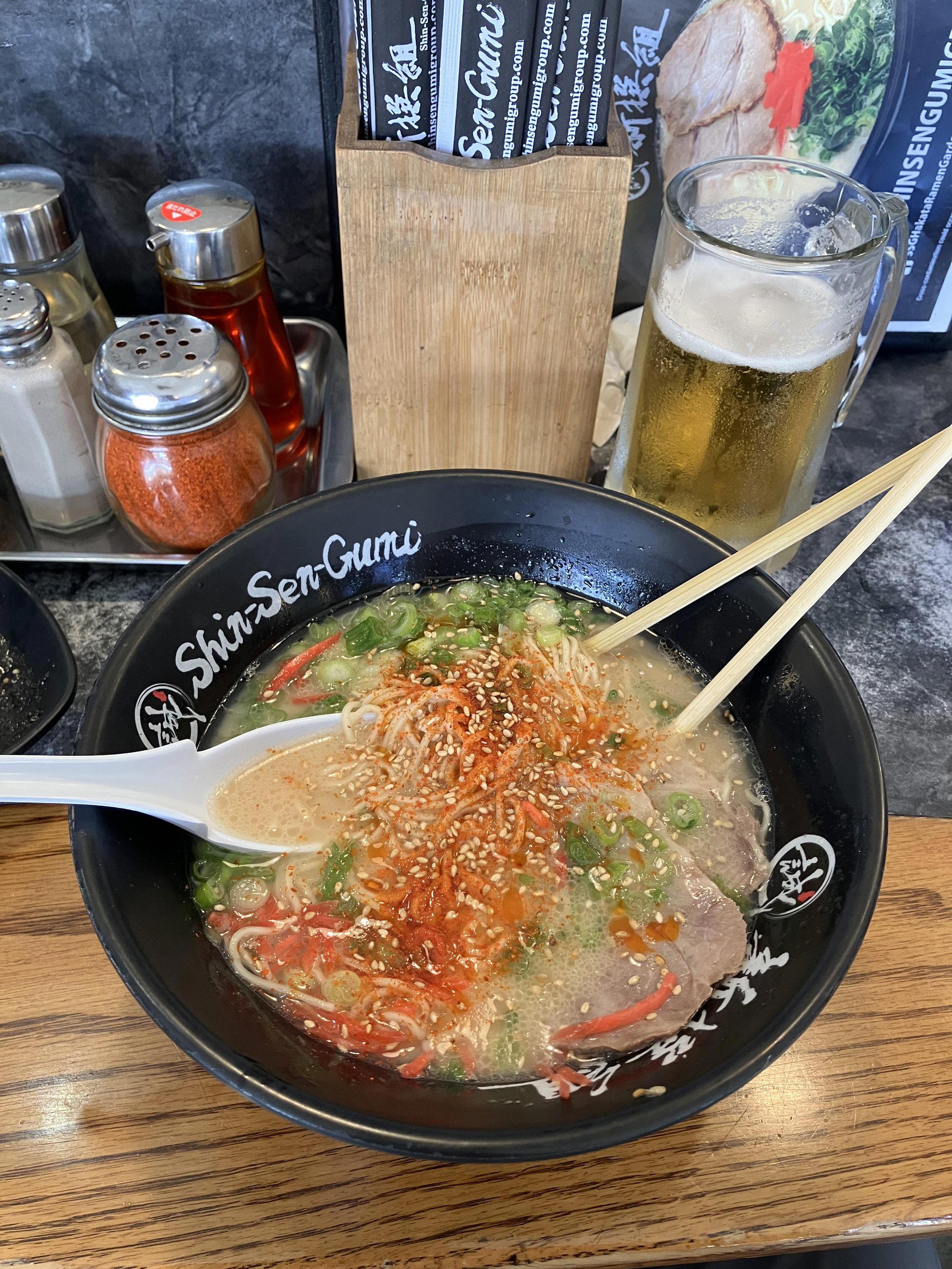
The Room Before the Bowl
Walk into almost any Hakata-style ramen shop and the first thing you register is not the broth, it is the sound. The open kitchen, the clatter of ladles, the low-level hum of a dining room where most people are eating rather than talking. Shin-Sen-Gumi Hakata Ramen in Gardena serves Hakata ramen in a casual, counter-service setting at 2015 W Redondo Beach Blvd #C, Gardena, CA 90247. Strip-mall Japanese dining in the South Bay is not a compromise; it is, in many cases, the format through which focused cooking reaches one consistent audience.
Gardena's dining corridor along Redondo Beach Boulevard and its cross-streets represents one of the more concentrated pockets of Japanese food culture outside of the San Gabriel Valley, with a range running from casual noodle counters to izakayas like Izakaya Akatsuki, Japanese set-meal specialists like Jidaiya, and broader Japanese kitchens like Happa Restaurant. Within that peer group, Shin-Sen-Gumi occupies the ramen-specialist tier: a single-category operation where depth of execution within a narrow format is the entire proposition.
How the Menu Is Built, and What That Reveals
Hakata ramen menus are structured differently from, say, a Tokyo-style shop offering shoyu, shio, and miso in parallel. The Hakata model, originating in Fukuoka's Hakata district, is built around one broth style: tonkotsu, made from pork bones cooked at high heat for many hours until the collagen breaks down and the broth turns opaque white. The menu's architecture reflects this commitment to a single foundation. Rather than asking diners to choose between radically different broth bases, Hakata shops ask them to customize within the tonkotsu framework: broth richness (kotteri versus assari), noodle firmness (kata, futsuu, yawa), and the level of garlic or seasoning paste added at the table.
This customization system is not a gimmick. It is the operational grammar of Hakata ramen as a format, and it shifts responsibility, productively, to the diner. First-time visitors often under-specify and receive a middle-ground bowl. Regular customers arrive knowing exactly what they want: extra firm noodles, light broth, double chashu. The menu's narrow focus is, in this sense, a signal of confidence. The kitchen is not diversifying to capture more of the market; it is going deeper into one tradition. Nearby noodle options in Gardena like Otafuku Noodle House offer a Japanese noodle format but sit in a different category altogether, making direct comparison less useful than understanding where each shop sits within the broader taxonomy of Japanese noodle culture.
Toppings follow the same logic: chashu pork belly, soft-boiled seasoned egg (ajitsuke tamago), bamboo shoots (menma), green onion, nori. These are not flourishes, they are the canonical Hakata set, each element evolved to work within the fat-rich tonkotsu base rather than against it. The menu's restraint is its argument.
Shin-Sen-Gumi as a Chain with a Counter-Culture Format
Shin-Sen-Gumi operates multiple concepts across Southern California, including a yakitori-focused format and Shin-Sen-Gumi 2GO, a takeout-oriented offshoot. The multi-concept structure has not diluted the ramen locations' focus. The chain's long run in the Los Angeles market is notable in a region with strong Japanese-American food literacy. Los Angeles diners, particularly in the South Bay, have access to a wide range of ramen options and apply comparative judgment accordingly.
That context matters. Gardena and Torrance together constitute a dining environment where Japanese food is not exotic or niche but everyday, competitive, and subject to the kind of repeat-visit scrutiny that separates consistent operators from one-time curiosities. A ramen shop that survives and sustains regulars in this corridor is doing something right at the level of execution, not just positioning.
For readers who calibrate against fine-dining benchmarks, the contrast is worth naming. Operations like Providence in Los Angeles or, at further distance, Le Bernardin in New York City represent premium dining when the format is defined by tasting menus and tableside service. Hakata ramen shops occupy a different register: the value proposition is speed, precision within a defined tradition, and accessible pricing. The ambition is not less, it is differently directed. Restaurants like Alinea in Chicago, Lazy Bear in San Francisco, or The French Laundry in Napa operate with entirely different structural logic, multi-hour experiences built around scarcity and ceremony, while a Hakata counter is designed for throughput and repetition, qualities that are features rather than limitations.
Planning a Visit
The Gardena location sits at 2015 W Redondo Beach Blvd, Suite C, easily reachable by car from the 405 corridor and within the South Bay's broader Japanese dining grid that also includes the Torrance and Lomita stretches. The strip-mall setting means parking is direct. Peak periods at ramen shops in this category tend to cluster at lunch service and early dinner; arriving slightly outside those windows generally shortens any wait. For readers building a wider picture of the Gardena dining scene, the broader Gardena dining scene includes Japanese specialists, Thai restaurants, and Korean options across price points.
Readers with an interest in how single-category Japanese cooking achieves depth through constraint may also consider the Korean fine-dining equivalent at Atomix in New York City or the farm-driven tasting format at Single Thread Farm in Healdsburg. Further afield, Blue Hill at Stone Barns in Tarrytown, Addison in San Diego, Emeril's in New Orleans, The Inn at Little Washington, and 8½ Otto e Mezzo Bombana in Hong Kong each demonstrate, in their respective registers, how format discipline compounds into identity over time, the same principle that makes a well-run Hakata counter readable and repeatable in a way that a more generalist kitchen rarely is.
A Credentials Check
Comparable venues nearby, for context on price, style, and recognition.
| Venue | Cuisine | Price | Notes |
|---|---|---|---|
| Shin-Sen-Gumi Hakata RamenThis venue — the venue you are viewing | Hakata Ramen | $$ | Not listed |
| Shin-Sen-Gumi 2GO | Hakata Ramen & Yakitori | $$ | Harbor Gateway |
| Shin-Sen-Gumi Shabu-Shabu | All-You-Can-Eat Shabu-Shabu Hot Pot | $$ | Gardena |
| Izakaya Akatsuki | Japanese Izakaya | $$ | Gardena |
| Jidaiya | Yokohama-Style Ramen | $ | Gardena |
| Otafuku Noodle House | Handmade Soba Noodles | $ | Gardena |
Continue exploring
More in Gardena
Restaurants in Gardena
Browse all →
Bars in Gardena
Browse all →
Hotels in Gardena
Browse all →
Wineries in Gardena
Browse all →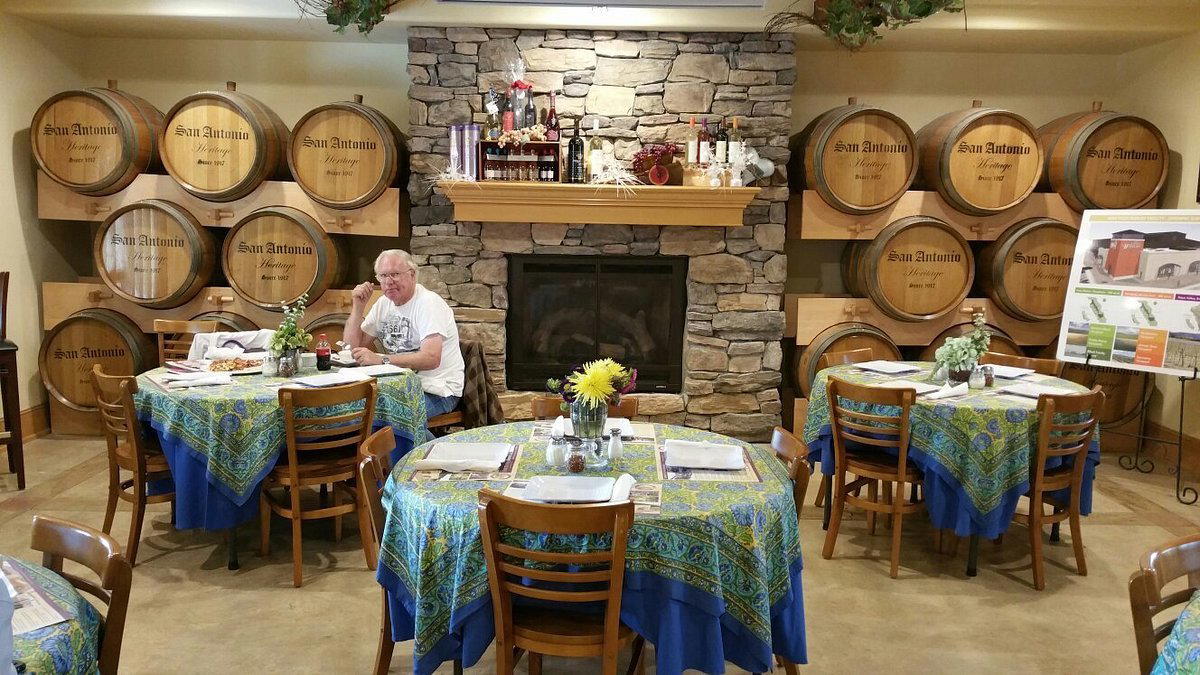
At a Glance
- Lively
- Cozy
- Casual Hangout
- Family
- Late Night
- Open Kitchen
- Beer Program
Current opening hours
- Monday
- 11 AM–3 PM, 6–11 PM
- Tuesday
- 11 AM–3 PM, 6–11 PM
- Wednesday
- 11 AM–3 PM, 6–11 PM
- Thursday
- 11 AM–3 PM, 6–11 PM
- Friday
- 11 AM–3 PM, 6–11 PM
- Saturday
- 11 AM–11 PM
- Sunday
- 11 AM–11 PM
Hours can change for holidays and private events. Last verified .
Casual and bustling with counter seating and small tables, evoking a ramen stall in Japan with fast-paced service and lively crowds.