Shokunin
Shokunin brings omakase-format sushi to Austin at a moment when the city's Japanese dining scene is developing real depth. Operating in a market where Texas-sourced product and imported Japanese technique increasingly intersect, it sits alongside a small cohort of counter-format sushi rooms that demand attention from anyone tracing the city's evolution beyond barbecue and live-fire cooking.
Pearl is the En Primeur Club membership app — saves, bookings, and concierge access live there. Same editors, same standards.
- Address
- 1009 E 6th St, Austin, TX 78702
- Phone
- (512) 265-7714
- Website
- scratchrestaurants.com
- Directions
- Get directions
 Saves & bookings on Pearl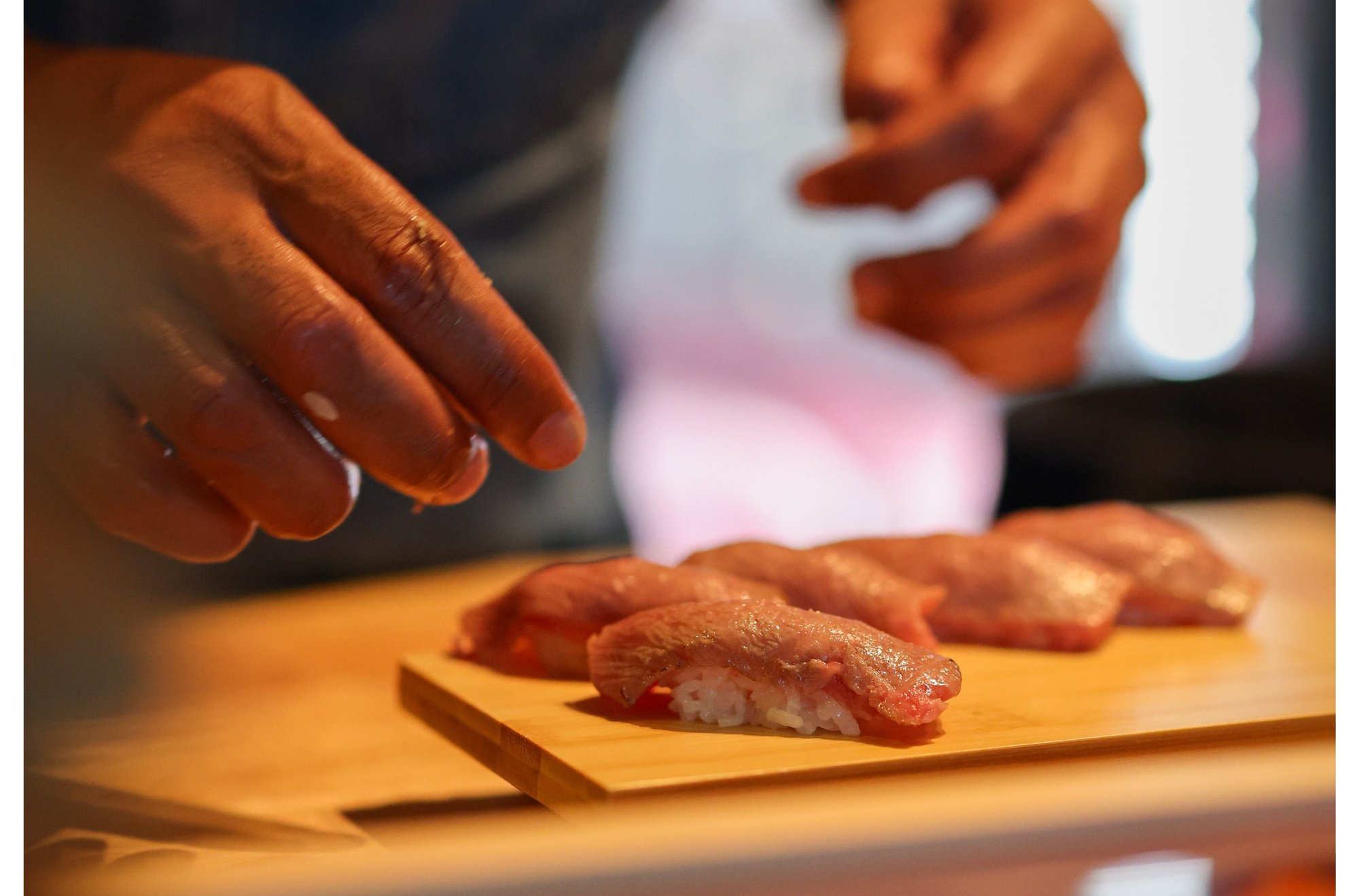
Austin's Omakase Moment
For most of its dining history, Austin built its reputation on wood smoke, beef, and the kind of casual communal eating that defines Texas food culture. That story remains intact — la Barbecue and InterStellar BBQ still draw queues that speak to the genuine quality of the city's pit tradition. But alongside that identity, a quieter category has been consolidating: counter-format Japanese dining, where silence is as deliberate as seasoning and the chef's hand is the entire architecture of the meal. Shokunin occupies this space, and it does so at a point in Austin's development when that space is becoming competitive enough to sustain serious scrutiny.
The word shokunin carries weight in Japanese craft culture. It describes a person who has devoted themselves to mastery of a single discipline — a craftsperson whose identity is inseparable from their practice. In the context of sushi, it evokes the Edo-mae tradition: rice seasoned with precision, fish aged or cured with intention, each piece timed to the moment it reaches the diner. That framing matters because it sets a clear standard against which the experience can be measured. Austin's omakase tier is still young compared to the deep-rooted counter culture of New York, Los Angeles, or Tokyo, but venues like Shokunin are part of the reason the conversation has shifted.
Raw Materials as the Point
What separates a credible omakase counter from a surface-level approximation is almost always ingredient provenance and handling. The Edo-mae tradition was built on product arriving from Tokyo Bay at its peak and being transformed through technique, vinegared rice, kelp aging, salt curing, brushed nikiri, rather than obscured by it. That same logic applies whether the fish arrives from Toyosu Market in Tokyo or through the American importers who now supply Japanese-quality product to high-end counters across the United States. The supply chain has matured considerably over the past decade; counters in Austin, Houston, and Dallas now access fish that would have been unavailable or implausibly expensive at this latitude fifteen years ago.
In this context, Shokunin's positioning in Austin's Japanese dining tier aligns it with a small peer group, including Craft Omakase, where the quality of the raw material, not the volume of covers or the breadth of the menu, is the operating logic. These are not restaurants that succeed by feeding large numbers efficiently. They succeed, or fail, on whether a piece of tuna or a slice of flounder arrives at the right temperature, cut to the right thickness, rested on rice that is warm but not hot and seasoned to complement rather than dominate.
The broader American sushi counter scene has been shaped by training lineages: alumni of counters with Kanesaka, Saito, or Sushi Yoshitake pedigree who moved west and opened rooms that carry inherited technique. Where Shokunin fits within that lineage is not confirmed in available records, but the name itself signals an intentional alignment with the craft-over-volume philosophy that defines the serious end of the category. It belongs to a different competitive set than Austin's izakaya tier, venues like Kemuri Tatsu-ya operate with a different register entirely, looser and more convivial, and it asks something different of its guests.
Austin's Broader Fine Dining Frame
To understand what a venue like Shokunin means in Austin, it helps to map where it sits relative to the city's wider fine dining cohort. The live-fire American category, anchored locally by Hestia and the ingredient-driven tasting format at Barley Swine, represents one pole of Austin's premium dining. Counter-format Japanese represents another: quieter, more prescribed in format, and dependent on a supply and technique logic that is largely independent of what grows or grazes in Texas. Neither is more or less legitimate; they reflect different traditions. But the growth of serious omakase options in Austin signals a maturing dining public willing to commit to the format's terms, fixed timing, sequential service, no substitutions, and willing to pay for access.
For diners who use sushi counter quality as a benchmark for a city's dining ambition, Austin's current trajectory is worth tracking. Nationally, the standard is anchored by rooms like Le Bernardin in New York, where raw seafood technique has been refined over decades, and by tasting-format precision cooking at places like Alinea in Chicago or Single Thread Farm in Healdsburg, where ingredient sourcing is treated as a primary editorial statement. The ambition that those rooms represent has filtered into regional markets, and Austin is absorbing it faster than most mid-tier American cities.
On the West Coast, the Lazy Bear in San Francisco format and the deeply considered sourcing at The French Laundry in Napa set a regional bar for ingredient-forward tasting menus that Austin's top tier increasingly references, even if it arrives at the result through different cuisines. The Uchi model, which expanded from Austin to markets including Bethesda, demonstrated that Austin-originated Japanese dining could hold its own beyond the city's borders. Shokunin operates in that same current, if at a more intimate scale.
Planning a Visit
Because verified booking, pricing, and hours data for Shokunin are not confirmed in current records, the practical advice here is consistent with how this category operates broadly: counter-format omakase rooms in Austin, as in other American cities, typically require advance reservations made weeks ahead, and sessions are fixed in length with set price points rather than à la carte flexibility. First-time visitors to the format should expect a meal of ninety minutes to two hours with no menu choices, which is the structure the tradition demands. For a broader view of Austin's dining options across categories and price points, the EP Club Austin restaurants guide covers the full range, from pit-smoked barbecue to multi-course tasting menus. Those planning a wider trip can also consult the Austin hotels guide, bars guide, wineries guide, and experiences guide for a complete picture of what the city offers at the premium tier. A meal at a counter like Shokunin pairs logically with Austin's broader cultural programming; the city's live music and food scenes occupy the same evenings and the same neighbourhood circuits.
How Shokunin Austin compares with similar nearby venues.
| Venue | Cuisine |
|---|---|
| Shokunin | Sushi / Japanese |
| Konbini | Late-night sushi with Texan/Mexican influences |
Continue exploring
More in Austin
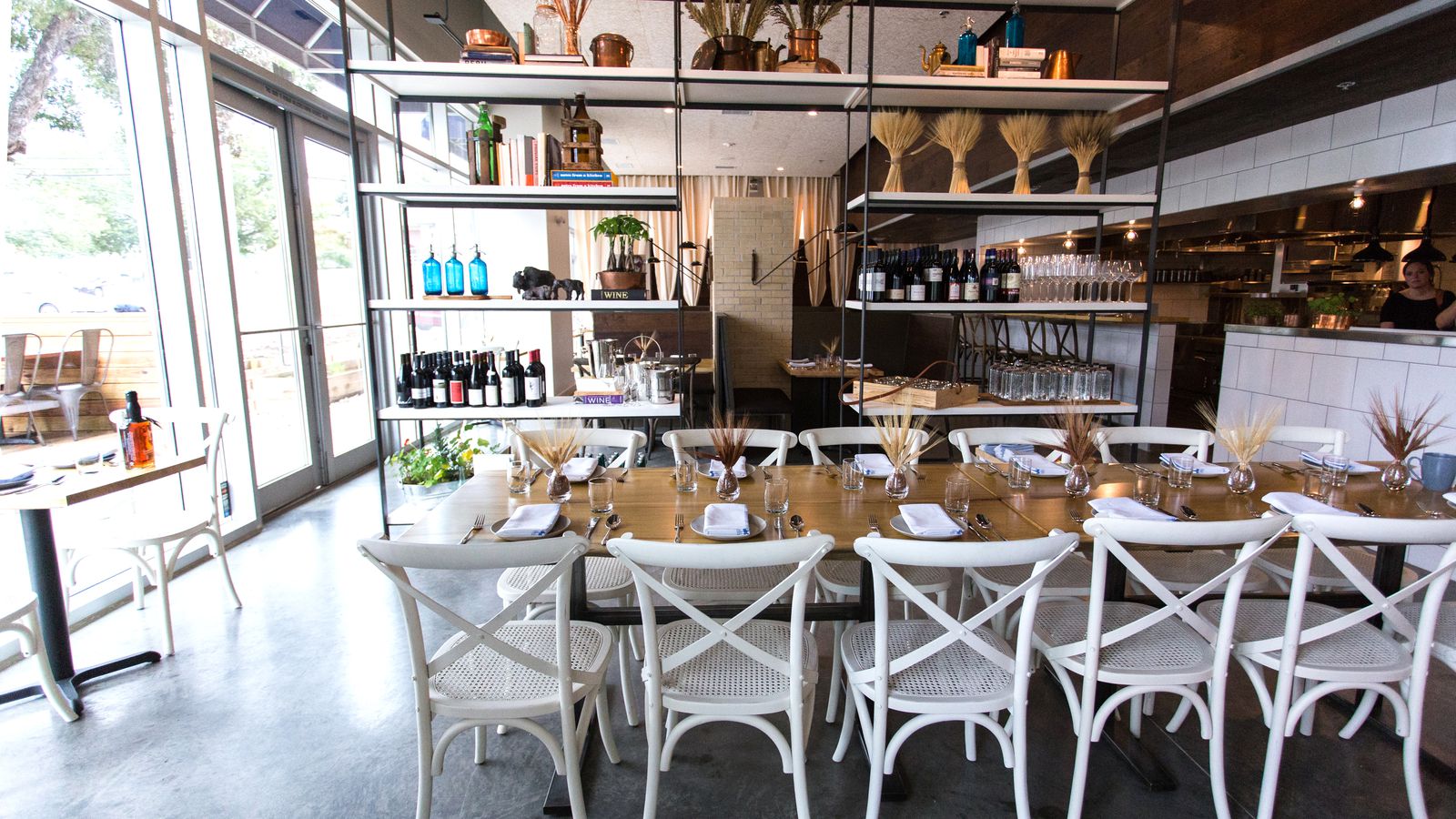
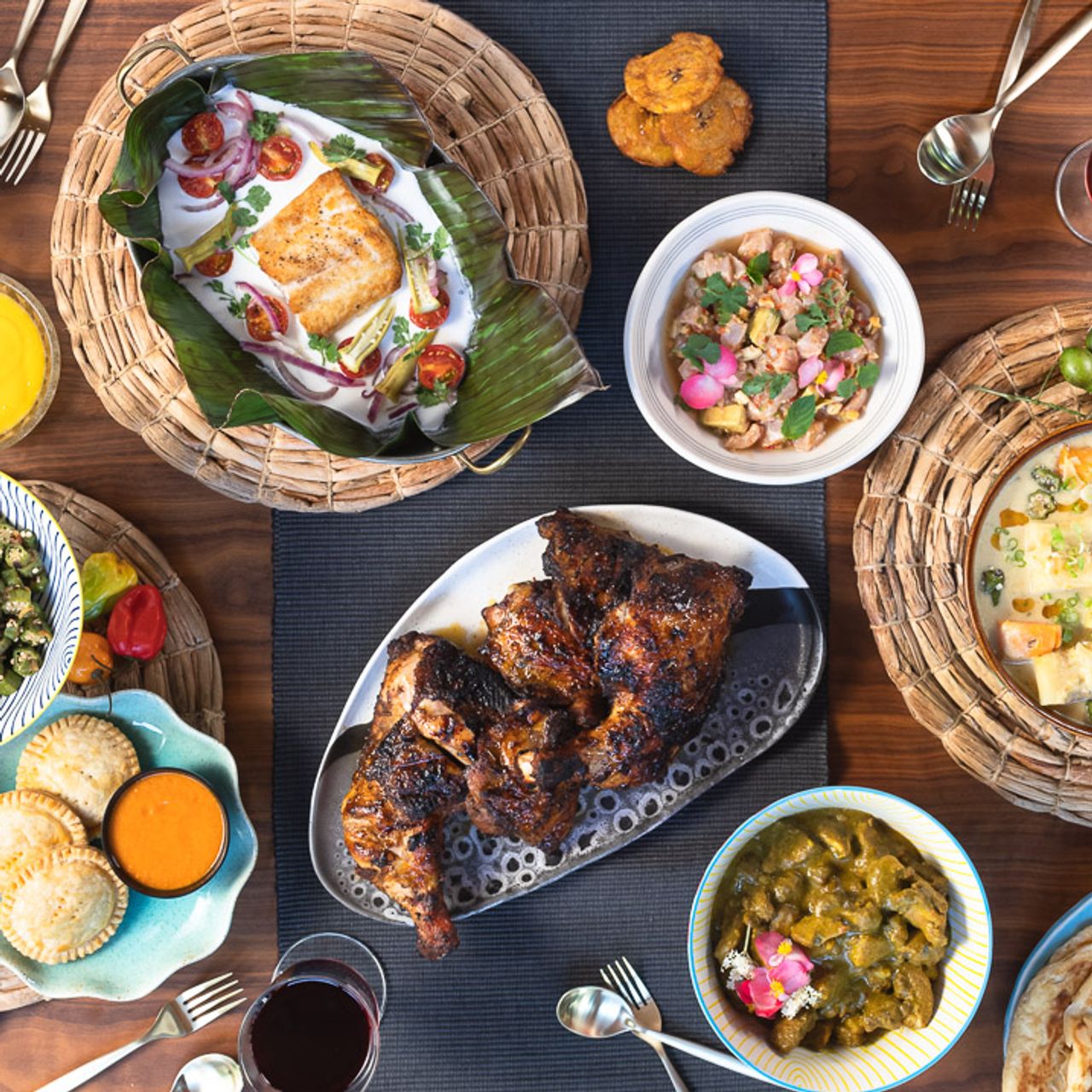
Restaurants in Austin
Browse all →
Bars in Austin
Browse all →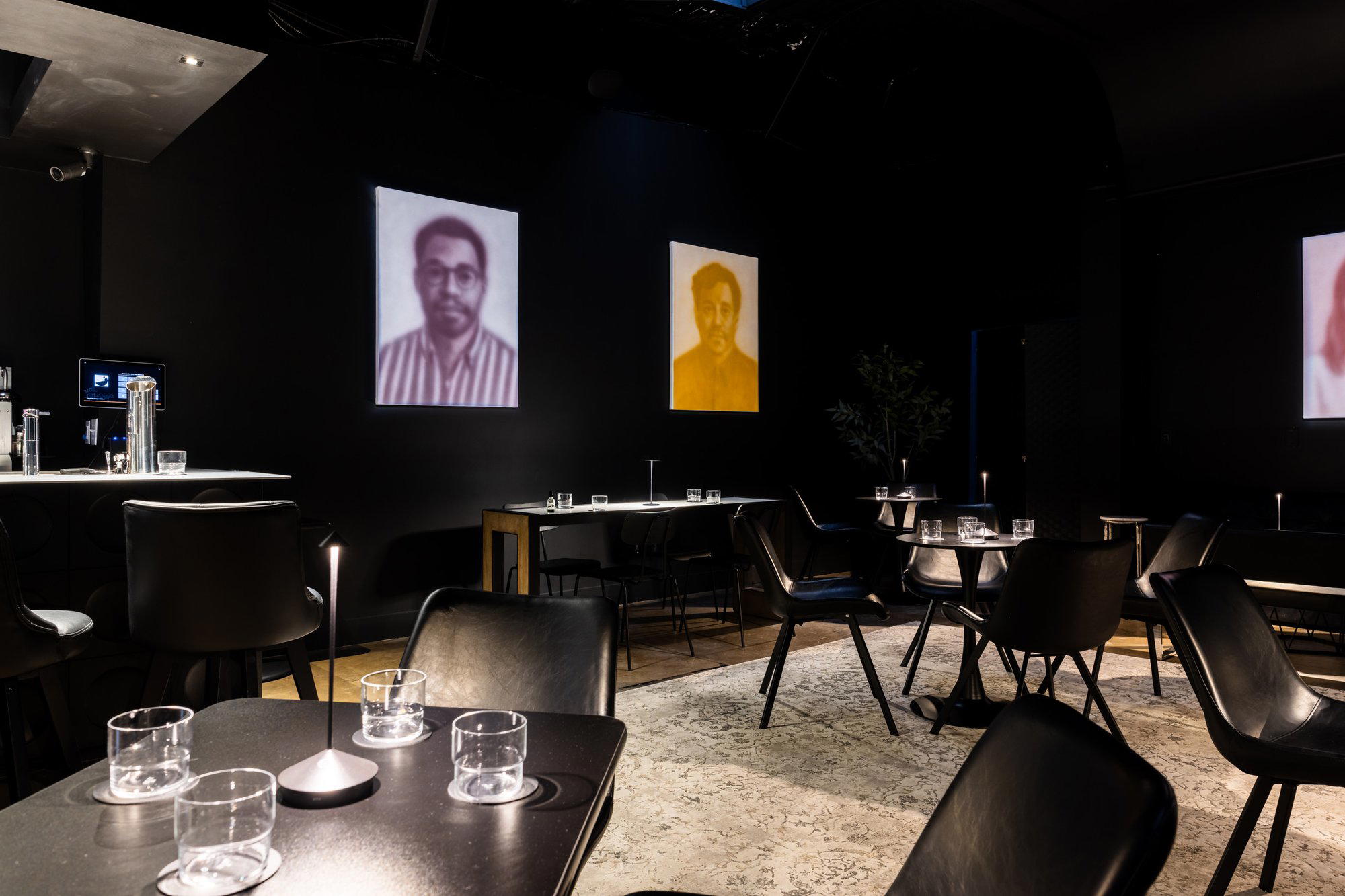
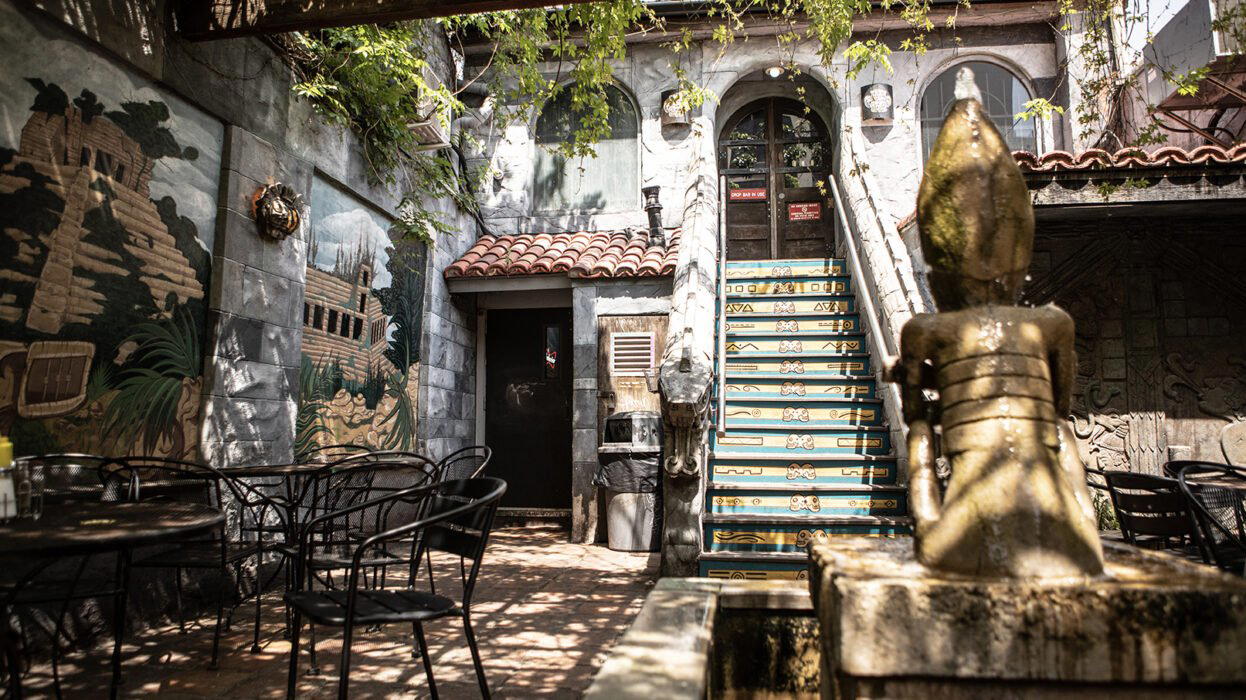
Hotels in Austin
Browse all →

At a Glance
- Trendy
- Modern
- Intimate
- Date Night
- Solo
- Special Occasion
- Chefs Counter
- Open Kitchen
- Sake Program
Current opening hours
- Monday
- 5–9 PM
- Tuesday
- Closed
- Wednesday
- Closed
- Thursday
- 5–9 PM
- Friday
- 5–9 PM
- Saturday
- 5–9 PM
- Sunday
- 5–9 PM
Hours can change for holidays and private events. Last verified .
Retro atmosphere with '90s punk music playing in an intimate 20-seat space at the base of an apartment building.
Know Before You Go
- Getting there
- 1009 E 6th St, Austin, TX 78702