Shiori occupies a quiet stretch of Max-Beer-Strasse in Mitte, positioning itself within Berlin's small tier of Japanese-influenced fine dining. The address places it close to the creative restaurant cluster around Rosenthaler Platz, where the city's more considered dining options tend to gather. Precise booking intel and menu details remain closely held, which itself signals something about the format.
Pearl is the En Primeur Club membership app — saves, bookings, and concierge access live there. Same editors, same standards.
- Address
- Max-Beer-Str. 13, 10119 Berlin, Germany
- Phone
- +493064467442
- Website
- shioriberlin.com
- Directions
- Get directions
 Saves & bookings on Pearl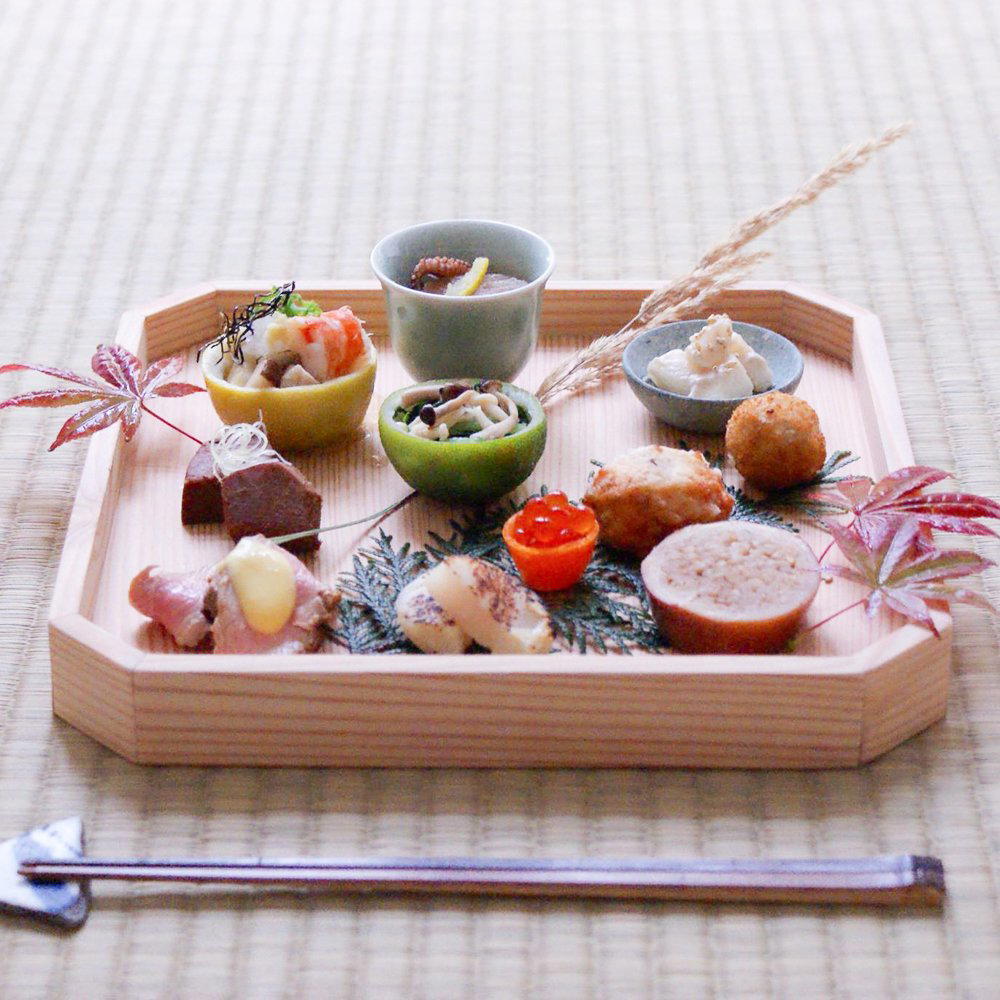
A Street in Mitte, and What It Tells You About Berlin Dining
Max-Beer-Strasse sits at the edge of two versions of Berlin: the tourist-facing density of Hackescher Markt to the west, and the quieter residential and creative blocks that stretch toward Prenzlauer Berg to the north. Restaurants that choose this address rather than a more visible main artery tend to rely on deliberate clientele rather than foot traffic.
That geographical specificity matters because Berlin's fine dining scene is not organised the way Paris or Tokyo's is. There is no single arrondissement or neighbourhood that concentrates the city's most serious tables. Instead, high-ambition restaurants scatter across districts, each occupying a particular cultural microclimate. The cluster near Rosenthaler Platz and the surrounding blocks of Mitte has absorbed a number of precisely executed, lower-profile operations that sit adjacent to but distinct from the heavily awarded bracket represented by places like Rutz or Nobelhart & Schmutzig.
The Lunch-Dinner Divide in Berlin's Serious Dining Tier
At the city's awarded tables, dinner tends toward the structured, multi-course format: fixed menus, longer sittings, and prices that reflect the full production cost of an evening service. Lunch, where it exists at all in this tier, often operates as a genuinely different commercial and experiential proposition. FACIL, for instance, draws a distinct midday crowd from the surrounding business district that differs substantially from its evening reservation profile.
For smaller, format-specific restaurants in Mitte, the lunch-dinner divide operates differently again. A counter-style or omakase-adjacent format, for example, may run a condensed midday service with fewer courses and a shorter sitting, allowing the kitchen to serve two covers in a single day without compromising execution standards on either. The evening version of the same restaurant becomes a more immersive experience, with pacing dictated by the kitchen rather than by external time pressure. Shiori's opening hours are Wed to Sat 7-10 PM and Sun 12-2 PM and 7-10 PM.
Reservations are essential. Midday openings, when available, typically carry less lead time and can represent a lower-cost entry point to the same kitchen's output. For readers approaching Berlin's Japanese-influenced dining tier for the first time, the lunch window at a comparable address offers a more accessible introduction than committing immediately to a full evening format.
Japanese Influence in Berlin: A Small but Serious Cohort
The wider context for a restaurant named Shiori on a quiet Mitte street is a Berlin dining scene that has, over the past decade, developed a genuine (if small) cohort of Japanese-influenced fine dining. These are not fusion operations in the older sense; they are restaurants that apply Japanese technique, seasonal discipline, or counter-format hospitality to European ingredients, or that present Japanese cuisine at a precision level the city's earlier wave of Japanese restaurants did not reach.
Internationally, the benchmark for this approach is set at counters in cities like Tokyo and New York. Atomix in New York, for instance, represents what a fully realised East Asian fine dining format looks like when it achieves international recognition. In Germany, the equivalent level of recognition in adjacent cuisines can be seen at places like Victor's Fine Dining by Christian Bau in Perl, which holds three Michelin stars and draws on French-Japanese cross-influence. The restaurants that operate below that award tier but within a similar aesthetic register, including whatever Shiori represents in the Mitte context, form the working body of a tradition that is still establishing itself in German cities.
Berlin specifically has several factors that make it a plausible home for serious Japanese-influenced dining. The city's restaurant economy is less dominated by classical French tradition than Munich or Hamburg, which creates space for formats that might feel anomalous elsewhere. The dining public in Mitte in particular has absorbed enough international restaurant culture to support counter-style operations that require a degree of format fluency from the guest. Compare this to the more traditional fine dining conventions that have shaped destination restaurants in the wider German region, from Schwarzwaldstube in Baiersbronn to Waldhotel Sonnora in Dreis, and Berlin's relative openness to format experimentation becomes clear.
How Shiori Sits in Its Local comparable set
Within Berlin's creative fine dining cohort, the comparable set for a Japanese-inflected restaurant at a Mitte address includes not only the obvious Michelin bracket but also operations like CODA Dessert Dining, which has built international recognition around a category-defying format, and Restaurant Tim Raue, whose Asia-influenced menu holds two Michelin stars and represents the more commercial end of that cross-cultural register. Shiori operates in the same broad territory, though with a distinctly lower public profile than either of those comparators.
Low public profile in this context is not a weakness. Some of Berlin's most carefully executed smaller restaurants maintain minimal web presence and rely on word-of-mouth to control the volume and nature of their bookings. For the reader visiting Berlin with a serious interest in the city's Japanese-influenced dining, Shiori at Max-Beer-Str. 13 warrants direct inquiry. The address is specific enough to confirm intent; the format and price structure are worth verifying on contact.
Planning a Visit
For a French-influenced point of reference at the highest level, Le Bernardin in New York remains the international benchmark for precision-driven seafood-led fine dining.
Address: Max-Beer-Str. 13, 10119 Berlin, Germany. Reservations: Essential. Timing: Wed to Sat 7-10 PM and Sun 12-2 PM, 7-10 PM. Budget: About $163 per person.
Accolades, Compared
Comparable venues nearby, for context on price, style, and recognition.
| Venue | Cuisine | Price | Awards | Notes |
|---|---|---|---|---|
| ShioriThis venue — the venue you are viewing | Japanese Kaiseki Omakase | $$$$ | Not listed | Not listed |
| Teller | Mediterranean Farm-to-Table | $$$$ | Not listed | Prenzlauer Berg |
| SAN | Modern Japanese Sushi | $$$ | Not listed | Prenzlauer Berg |
| XXX Ramen | Japanese Ramen | $$ | Not listed | Charlottenburg |
| 893 Ryotei | Japanese Fusion | $$$$ | Michelin Plate | Charlottenburg |
| Ushido | Japanese Yakiniku BBQ | $$$$ | Not listed | Prenzlauer Berg |
Continue exploring
More in Berlin
Restaurants in Berlin
Browse all →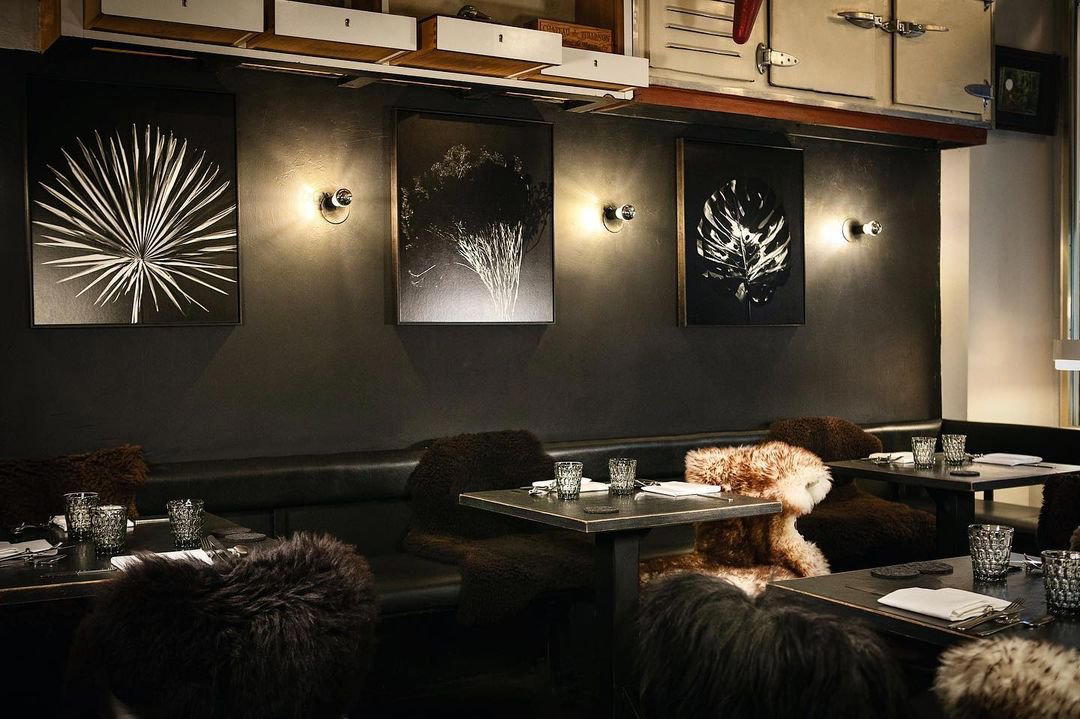
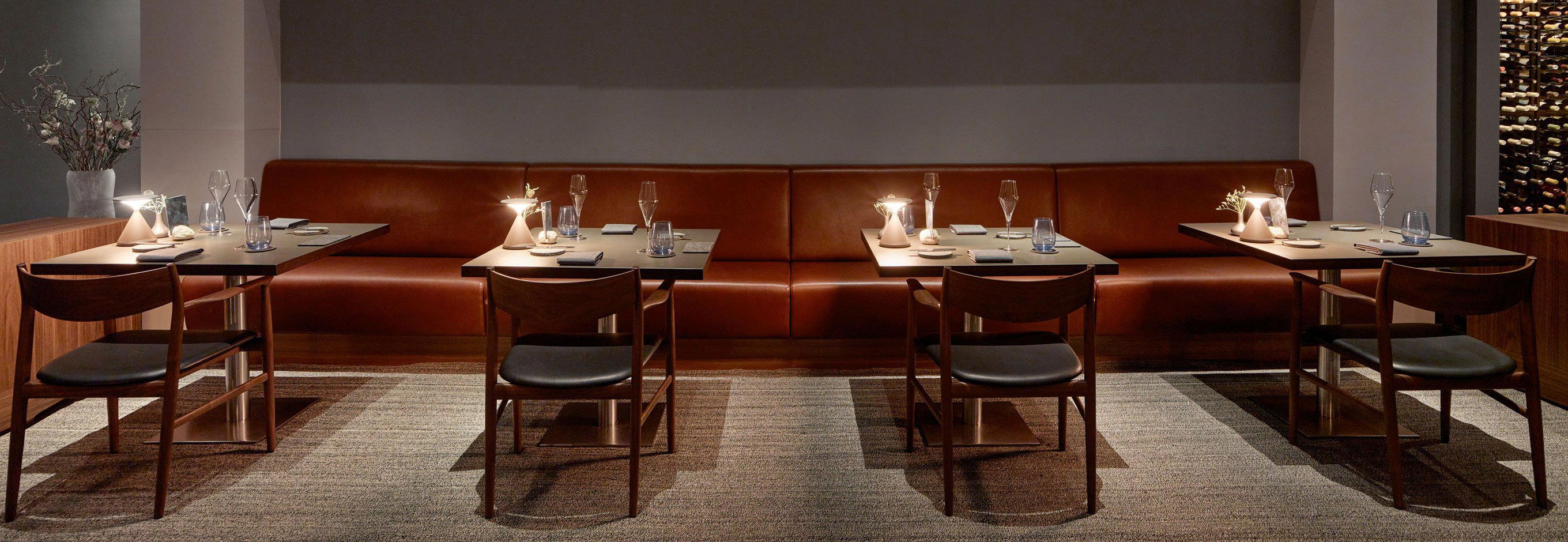
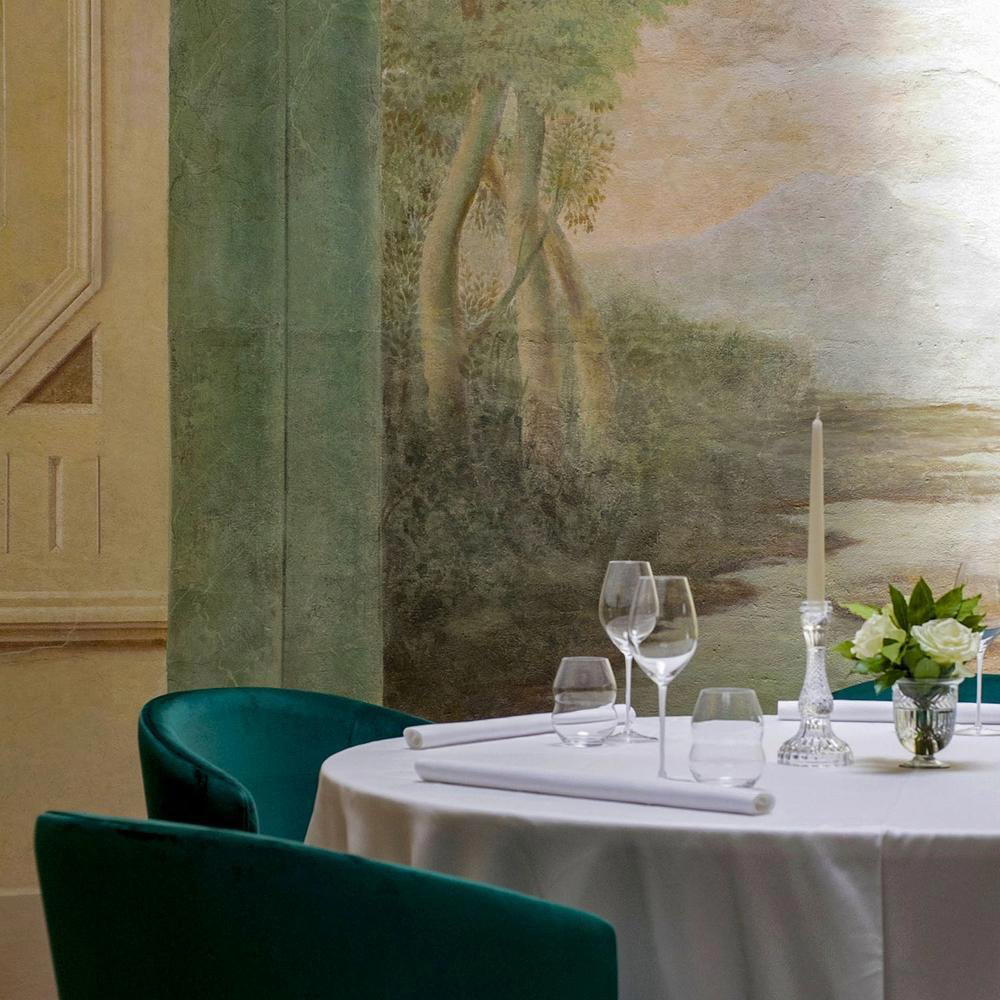
Bars in Berlin
Browse all →
Hotels in Berlin
Browse all →
Wineries in Berlin
Browse all →
At a Glance
- Intimate
- Elegant
- Serene
- Sophisticated
- Special Occasion
- Date Night
- Chefs Counter
- Sake Program
Current opening hours
- Monday
- Closed
- Tuesday
- Closed
- Wednesday
- 7–10 PM
- Thursday
- 7–10 PM
- Friday
- 7–10 PM
- Saturday
- 7–10 PM
- Sunday
- 12–2 PM, 7–10 PM
Hours can change for holidays and private events. Last verified .
Tranquil and serene counter seating with a polished, authentic Japanese atmosphere emphasizing comfort and artistry.