Sanford Winery
One of Santa Barbara County's foundational producers, Sanford Winery has operated from the Santa Rosa Road corridor since 1976, making it among the earliest voices in what became California's most compelling cool-climate Pinot Noir territory.

Pearl is the En Primeur Club membership app — saves, bookings, and concierge access live there. Same editors, same standards.
- Address
- 5010 Santa Rosa Rd, Lompoc, CA 93436
- Phone
- (800) 426-9463
- Website
- sanfordwinery.com
- Directions
- Get directions
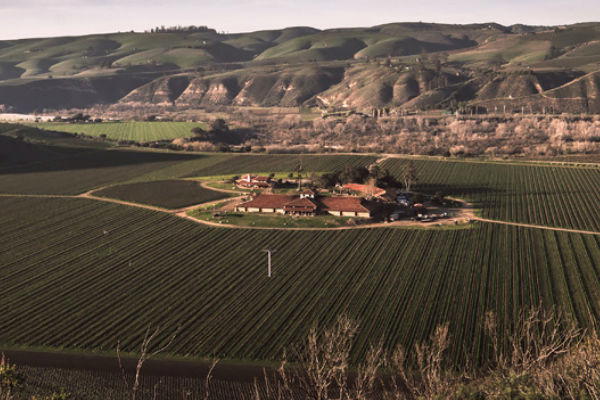
Where Santa Barbara's Pinot Noir Story Begins
The drive along Santa Rosa Road into the Santa Ynez Valley's western transverse corridor tells you something about California viticulture that most regions can't. The valleys here run east-west rather than north-south, pulling marine air and fog directly off the Pacific with a consistency that makes the growing season among the longest and coolest in the state. That geographic fact, not marketing, is why this corridor became the proving ground for Burgundian varieties in California decades before the broader industry accepted it was possible. Sanford Winery, operating from 5010 Santa Rosa Rd since its first vintage in 1976, arrived at that conclusion early enough to help establish it.
Few California wineries carry the founding-era significance that Sanford does. A first vintage of 1976 places the estate at the formative edge of Santa Barbara County's wine identity, before the region had its current appellation structure, before the Santa Rita Hills AVA existed as a formal designation, and before Pinot Noir from this latitude was taken seriously by the national critical establishment. That longevity is a data point, not a sentiment: it means the winery has observed and participated in nearly five decades of regional evolution.
The Santa Rosa Road Corridor and Its Competitive Set
Santa Barbara County's premium wine scene has split into two distinct geographic and stylistic axes. The warmer Santa Ynez Valley floor supports Rhône varieties and broader-shouldered reds, while the Santa Rita Hills corridor along Santa Rosa Road has concentrated the county's most ambitious cool-climate Pinot Noir and Chardonnay producers.
This is not Napa Cabernet territory, where power, extraction, and age-worthiness are benchmarked against Bordeaux archetypes. The Santa Rita Hills producers, Sanford among them, operate closer to a Burgundian reference point: restrained alcohol, soil-driven aromatics, and structure derived from acidity rather than tannin mass. Comparing Sanford against Accendo Cellars in St. Helena or Alpha Omega Winery in Rutherford would be a category error. The correct peer reference is the corridor's own estate-grown, cool-climate producers.
Further afield, the comparison points are California's other Pinot-focused regions: the Willamette Valley in Oregon, where estates like Adelsheim Vineyard in Newberg have built comparable founding-era reputations, and the Central Coast's own quieter appellations, including producers like Alban Vineyards in Arroyo Grande, which took a Rhône-focused path where Sanford took a Burgundian one. The contrast is instructive about how site selection shapes a producer's entire trajectory.
Trey Fletcher and the Weight of a Founding Estate
Winemaking at a property with a 1976 founding date carries particular pressure. The estate's vineyard history, its oldest clone selections, and its accumulated data on how specific blocks perform across vintages represent an institutional knowledge that can't be replicated from scratch. Trey Fletcher operates within that context as current winemaker, working with source material that has had nearly five decades to reveal its character. In California winemaking terms, that depth of site history is unusual outside of the Napa Valley's most established estates.
Within the Lompoc and Santa Rita Hills grouping, that places it alongside a small number of estates where critical consensus and founding-era provenance reinforce each other. For context on what that tier looks like across the county's wine corridor, the full Lompoc restaurants and wineries guide maps the competitive field.
The Cultural Weight of a 1976 First Vintage
California viticulture in 1976 was a different industry. The state's wine identity was being shaped in real time, the Judgment of Paris had just occurred, and the question of which regions could produce internationally competitive wines remained genuinely open. Producing a first vintage in that environment, in a coastal transverse valley that most observers hadn't mapped as premium wine country, required a conviction about site that subsequent decades have validated but that wasn't obvious at the time.
That founding context matters because it places Sanford in the category of producers whose early bets shaped what came after. The Santa Rita Hills AVA, formally established in 2001, drew its boundaries partly around vineyards and estates that had already demonstrated the corridor's potential. Sanford's 1976 starting point predates that formal recognition by twenty-five years. For wine drinkers interested in regional narrative, that chronology is the most important fact about the estate.
Across California's wine regions, the handful of estates that can claim similar founding-era significance as regional pioneers include Alexander Valley Vineyards in Geyserville in Sonoma County and Adelaida Vineyards in Paso Robles on the Central Coast. Each made early claims on territory that was subsequently validated by broader critical and commercial attention. Sanford's position in that cohort is its clearest credential.
Atmosphere and Approach at Santa Rosa Road
The physical approach to Sanford along Santa Rosa Road establishes the tone before you arrive. This is agricultural Santa Barbara County at its most unfiltered: rolling vineyard blocks, wind that carries marine influence even on warm afternoons, and a working estate orientation that signals the wine is the product, not the experience packaging around it. The corridor's established producers, Sanford included, have generally avoided the tasting-room theatrics that have proliferated in more tourist-oriented California wine regions. The estate's address at 5010 Santa Rosa Rd places it within an area that rewards visitors who plan the visit as part of a broader corridor exploration rather than a standalone destination detour.
Other Santa Rosa Road producers worth pairing with a Sanford visit include Tyler Winery and Chanin Wine Co., both of which approach Santa Rita Hills fruit from their own stylistic angles and offer useful comparative reference points for understanding how the corridor's different producers interpret the same raw material.
Planning Your Visit
Sanford Winery sits on Santa Rosa Road in Lompoc, California 93436. The corridor is leading approached from Lompoc, which serves as the western access point for Santa Rita Hills producers. The leading visiting periods align with the growing season calendar, when the marine fog patterns that define the terroir are most legible in the surrounding landscape.
For comparative reference on what the broader cool-climate California Pinot Noir scene looks like outside Santa Barbara County, Andrew Murray Vineyards in Los Olivos offers a different Central Coast perspective, while international comparisons might extend to Old World producers like Achaia Clauss in Patras or Aberlour in Aberlour, though the latter pair illustrate how distinct regional wine traditions operate under entirely different parameters than California's cool-climate corridor.
A Minimal comparable set
Comparable venues nearby, for context on price, style, and recognition.
| Venue | Cuisine | Price | Awards | Notes |
|---|---|---|---|---|
| Sanford WineryThis venue — the venue you are viewing | Not listed | Not listed | Not listed | Not listed |
| The Hilt | Winery | $50–100 | Not listed | Not listed |
| Tyler Winery | Lompoc, Chardonnay, Pinot Noir | $50–100 | Not listed | Not listed |
| Chanin Wine Co. | Wine Ghetto, Pinot Noir, Chardonnay | Not listed | Not listed | Not listed |
| Zotovich Vineyards | Not listed | Not listed | Falstaff Winery - Listed | Sta. Rita Hills, Chardonnay, Viognier |
| Domaine de la Cote | Not listed | Not listed | Falstaff Winery - Listed | Lompoc Wine Ghetto, Pinot Noir, Chardonnay |
Continue exploring
More in Lompoc
Wineries in Lompoc
Browse all →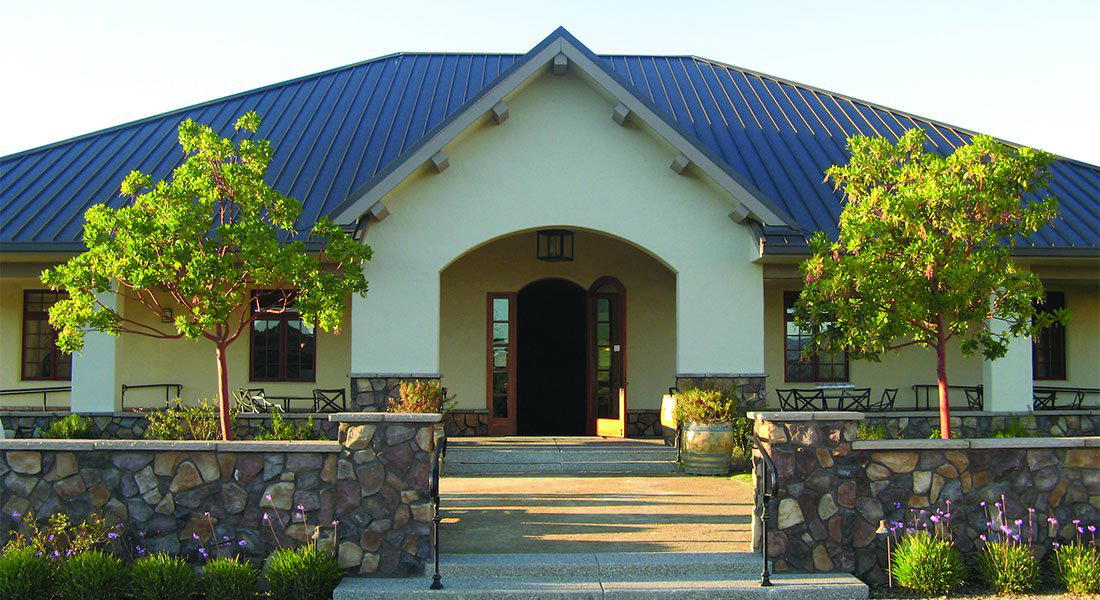
Bars in Lompoc
Browse all →

Restaurants in Lompoc
Browse all →


Details
- Scenic
- Rustic
- Elegant
- Classic
- Wine Education
- Special Occasion
- Solo Exploration
- Vineyard Tour
- Estate Grounds
- Picnic Area
- Sustainable
- Vineyard
- Pinot Noir
- Chardonnay
- Still Red
- Still White
- Estate Tasting
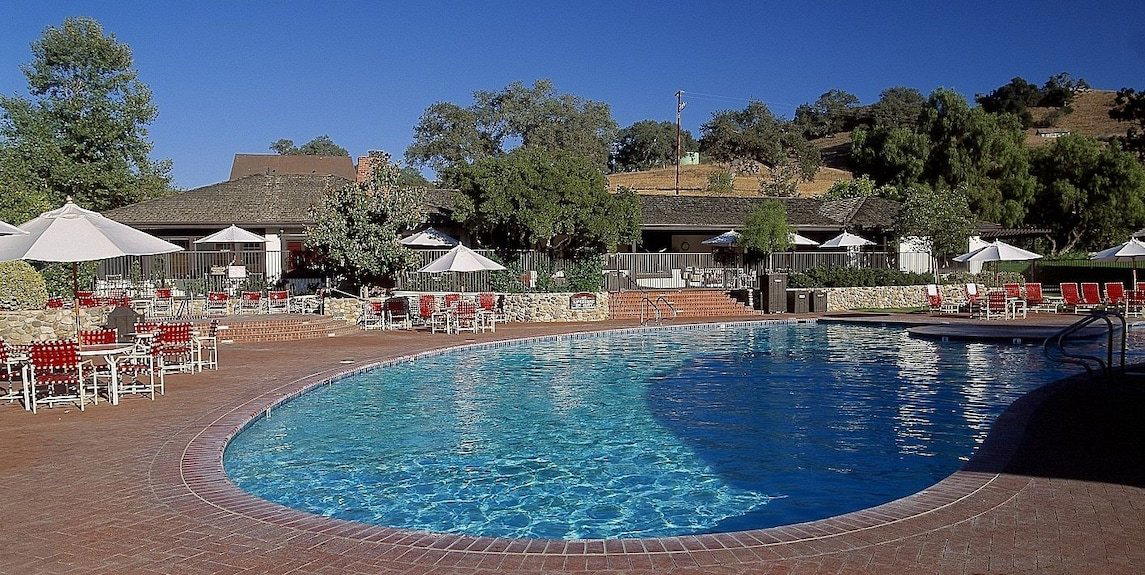
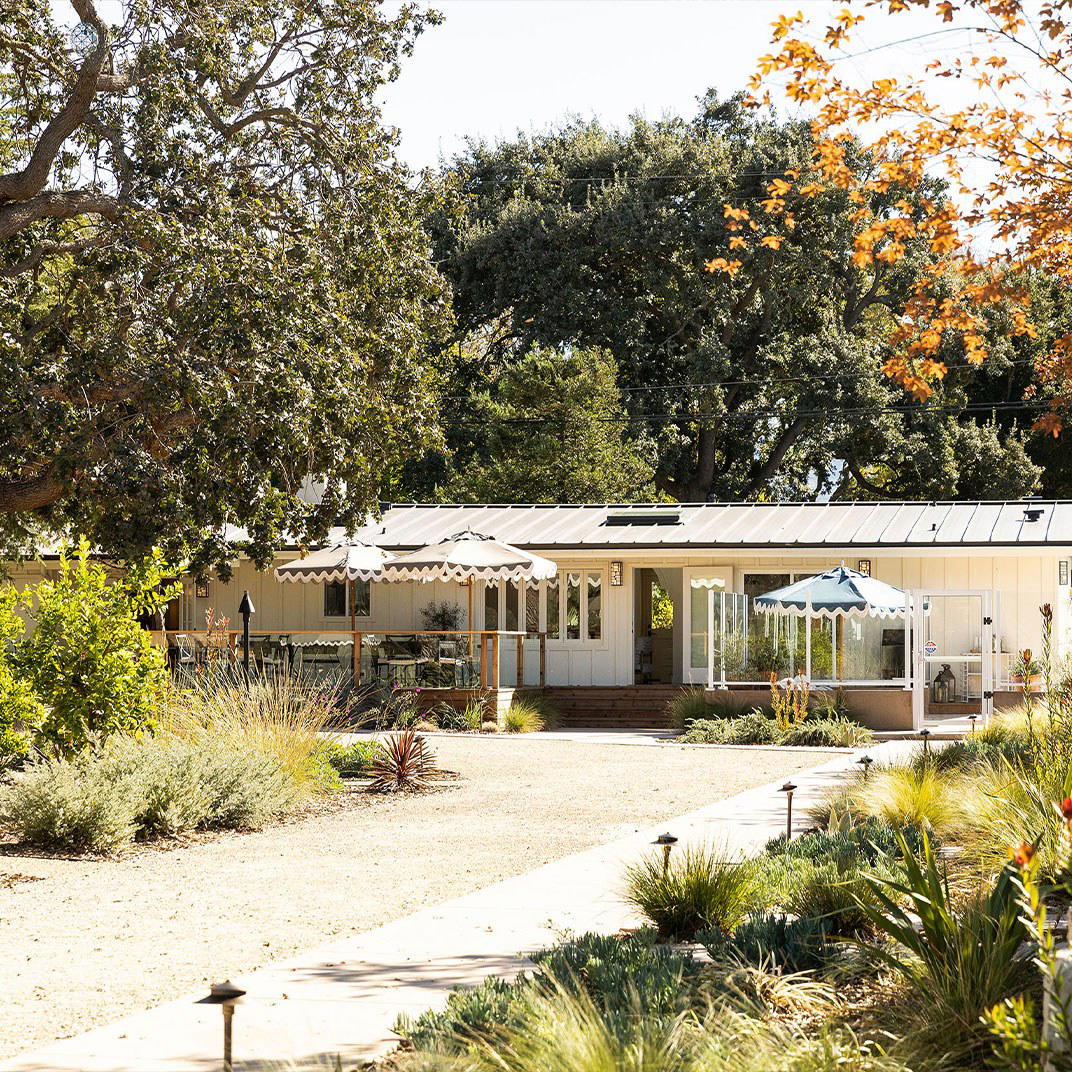
Rustic elegance with a historic, pioneering atmosphere in a cool-climate vineyard setting built from handmade adobe bricks, stone, and recycled timbers.