Strathisla
Operating from Seafield Avenue in the heart of Keith, it represents a strand of Scotch whisky production that prizes continuity of place over novelty. For EP Club members tracing the Speyside character from grain to glass, it is a reference point rather than a detour.

Pearl is the En Primeur Club membership app — saves, bookings, and concierge access live there. Same editors, same standards.
- Address
- Seafield Ave, Keith AB55 5BS, UK
- Phone
- +44 1542 783044
- Website
- maltwhiskydistilleries.com
- Directions
- Get directions
Where Speyside Starts to Make Sense
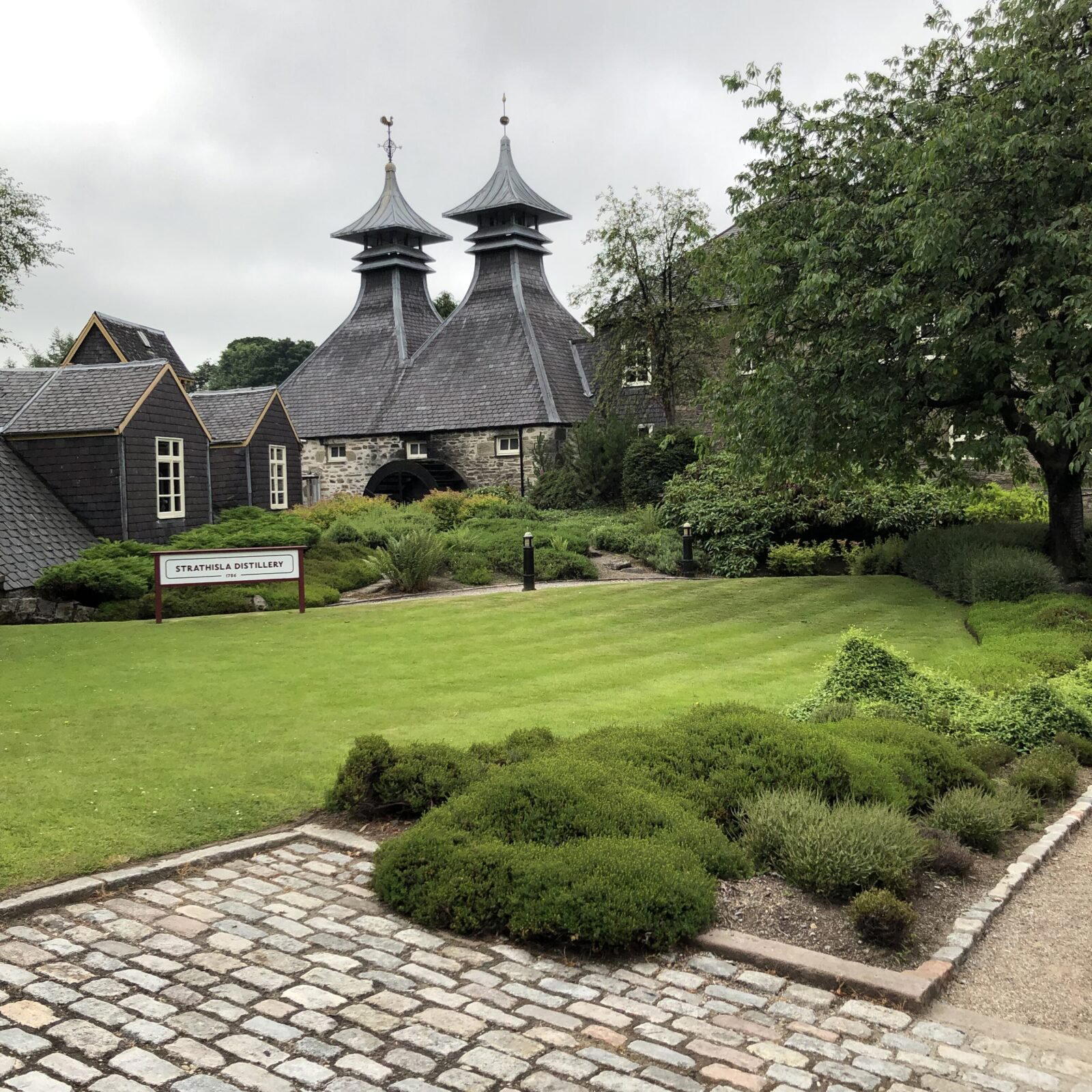
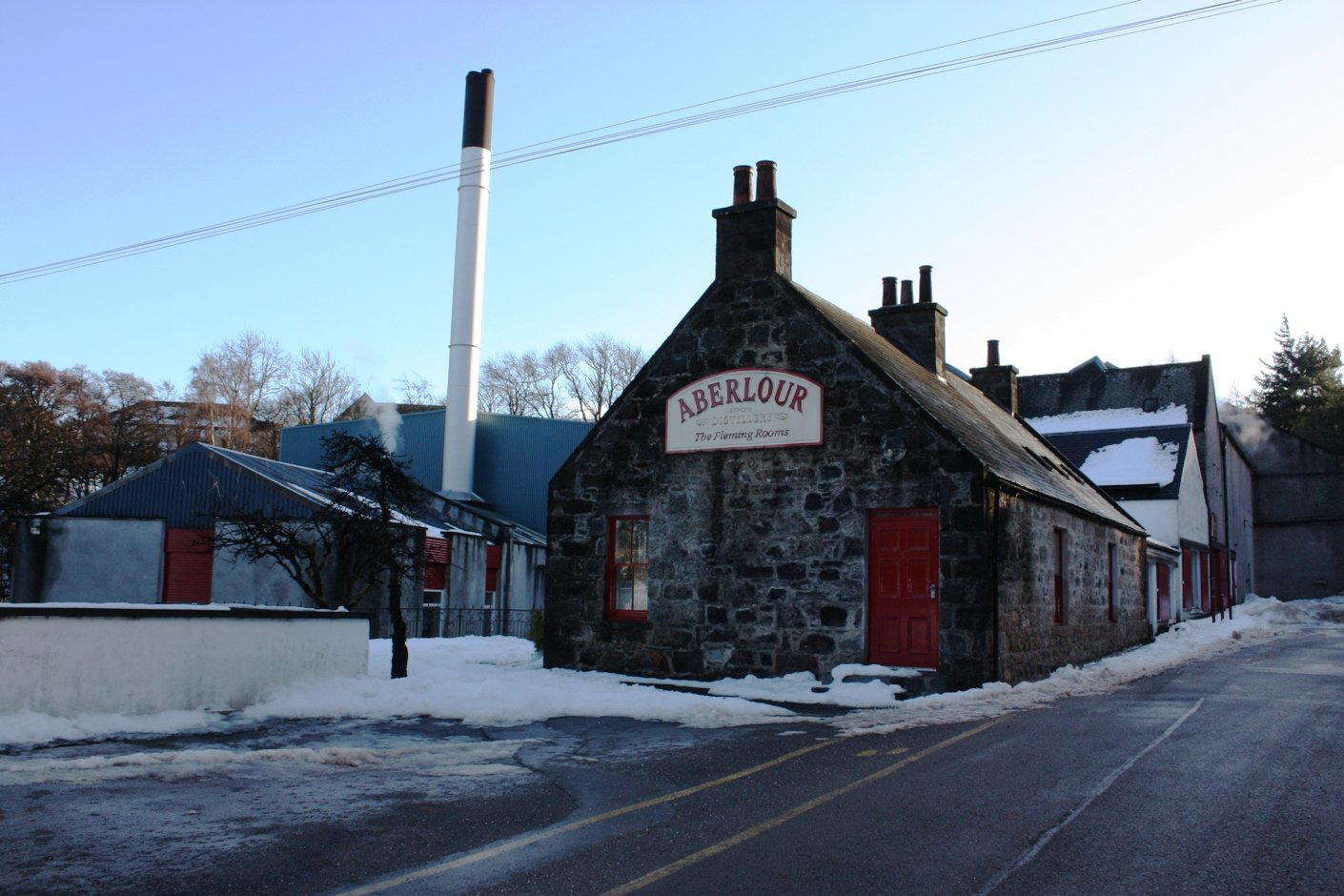
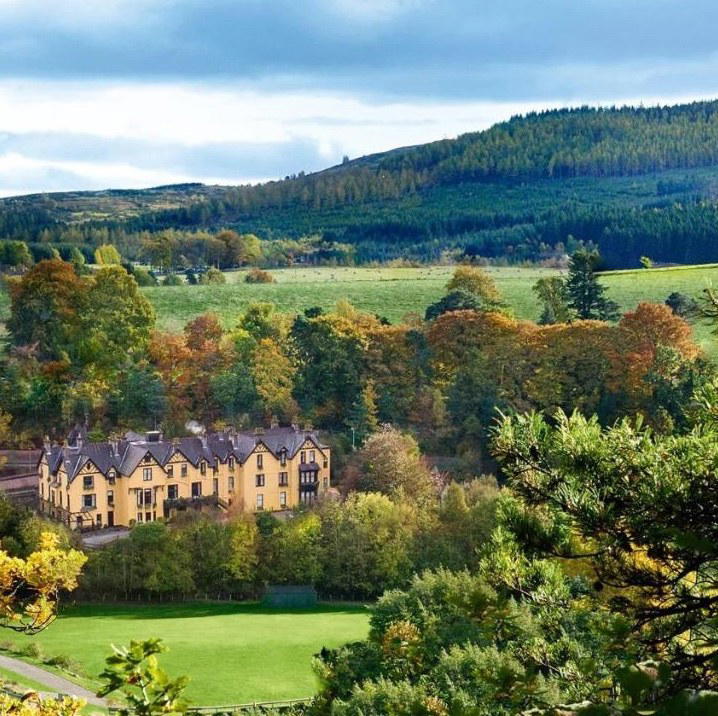
Approach Keith from the south and the geography does the explaining before any dram is poured. The River Isla runs close, the air carries a particular mix of moisture and peat, and the market town settles into a valley that has been drawing distillers for centuries. Strathisla, on Seafield Avenue, sits in that context not as a visitor attraction bolted onto a working operation but as a site where the physical conditions of this part of Speyside remain legible in the spirit itself. The low stone buildings, the pagoda roofs, and the proximity to the Isla all point toward the same argument: that place, here, is not incidental.
Speyside holds more active distilleries than any other Scotch whisky region, and the competition for attention is real. What separates the reference points from the also-rans is generally a combination of age, consistency of character, and recognition by bodies with the authority to grade at scale. For those tracing the region seriously, that credential matters as a starting coordinate.
The Terroir Argument in Speyside
Scottish whisky does not use the word terroir with the same frequency as Burgundy or the Rhône Valley, but the underlying logic holds. Water source, local barley varieties, the microclimate of a particular glen, the mineral character of the ground through which spring water passes before it reaches a still: all of these leave marks. In Speyside, the River Isla and its tributaries contribute soft, relatively mineral-light water that has historically shaped the region's reputation for approachable, fruit-forward whisky. Strathisla draws from this same hydrological network, and the house character that has developed over its long production history reflects the valley's tendencies rather than fighting them.
Speyside's elevation and relatively sheltered topography produce a milder growing climate than the exposed Highland or Island distilleries to the north and west. This has consequences for maturation as well as production. Angels' share rates, the rate at which whisky evaporates from casks during ageing, are lower here than in warmer or more exposed locations, meaning longer, slower development of the spirit's secondary and tertiary characteristics. For those comparing Speyside houses to peers such as Balblair Distillery in Edderton or Clynelish Distillery in Brora, that climatic difference is not trivial. Brora's coastal influence, Edderton's proximity to the Dornoch Firth, and Keith's inland valley position each produce distinct conditions, and the spirits reflect that.
The contrast extends to peat use. Speyside is broadly the least peated of Scotland's main whisky regions. Where Ardnahoe in Port Askaig sits on Islay, where smoke and salt are structural to the spirit's identity, Strathisla and its Speyside neighbours work with malt that allows the distillery's own still character and the regional water profile to lead. That restraint is not absence of complexity; it is a different kind of complexity, built from fruit, cereal grain, and the slow chemistry of oak contact rather than phenolic smoke.
Keith and the Distillery Geography of Speyside
Keith occupies a particular position in the Speyside whisky map. It is not Dufftown, which holds a cluster of major operations within walking distance of each other, and it is not Aberlour, where the village and the distillery share an immediate intimacy. Keith is a working town with distilling as one of several industries, and that character gives Strathisla a different register from the more curated whisky village experience.
For visitors planning a Speyside itinerary, Keith functions as a northern anchor. The town's position allows combination with distilleries to the southwest, including Cardhu in Knockando, and with the broader Highland arc that reaches toward Glen Garioch Distillery in Oldmeldrum. Those planning more extended Scottish itineraries can also calibrate against lowland character at Auchentoshan Distillery in Clydebank or the southern Highlands via Deanston in Deanston, which gives Strathisla's Speyside character a useful comparative reference. Our full Keith restaurants and venues guide covers the wider food and drink picture for those spending time in the area.
The Speyside Way long-distance walking route passes through Keith, which means the town is accessible to those combining whisky tourism with the wider landscape. Rail services connect Keith to Inverness and Aberdeen, making it reachable without a car, though a car opens up the distillery-dense stretch between Keith and Rothes considerably.
Placing Strathisla in the Prestige Tier
Across Scotland, this tier is not crowded. The full range of Scottish distilling includes operations at every quality level, from new-make single malts with negligible track records to heritage houses whose spirit has been shaping blenders' and collectors' reference points for generations. Strathisla sits in the latter group.
For comparison across other Scottish regions, the distilleries that draw peer-level recognition include Bladnoch Distillery in Bladnoch in the Lowlands and Glen Scotia in Campbeltown, each of which represents a distinct regional tradition with its own claim to seriousness. Dornoch Distillery and Dunphail Distillery represent a newer Highland and Speyside cohort making different arguments about production philosophy. Strathisla's position is anchored in continuity rather than novelty, which in whisky terms is a form of credibility that newer entrants cannot replicate regardless of their production quality.
For those cross-referencing against international distilling traditions, the same terroir logic that applies to Achaia Clauss in Patras or site-driven producers like Accendo Cellars in St. Helena operates in Speyside too: the specific valley, the specific water, the specific microclimate produce a character that cannot be replicated by moving the operation elsewhere. That is the core claim of any serious terroir producer, and it is what distinguishes Strathisla from Speyside distilleries that have been built or rebuilt in more recent decades without the same depth of site-specific history.
Planning a Visit
Strathisla is located at Seafield Avenue, Keith AB55 5BS. Keith is served by the Aberdeen to Inverness rail line, with Keith station a short walk from the town centre. Visitors coming from the south typically route through Aberdeen; from the north, Inverness is the main hub. For those building a multi-distillery itinerary across Speyside, Keith sits within a feasible driving day of Aberlour to the southwest, and the distillery's award standing makes it a logical first or final point in a serious Speyside sequence rather than a secondary stop.
Side-by-Side Snapshot
Comparable venues nearby, for context on price, style, and recognition.
| Venue | Cuisine | Price | Notes |
|---|---|---|---|
| StrathislaThis venue — the venue you are viewing | Speyside | $20–30 | Not listed |
| Whipper Snapper Distillery | Winery | Not listed | Perth |
| Aberlour | Speyside | Not listed | Aberlour |
| Mortlach Distillery | Speyside | Not listed | Dufftown |
| Arbikie Highland Estate | rye | Not listed | Inverkeilor |
| The Glenturret | Highland | $20–30 | The Hosh |


Details
- Classic
- Rustic
- Scenic
- Well Known
- Historic
- Wine Education
- Solo Exploration
- Group Outing
- Historic Building
- Distillery Tour
- Warehouse Tasting
- English
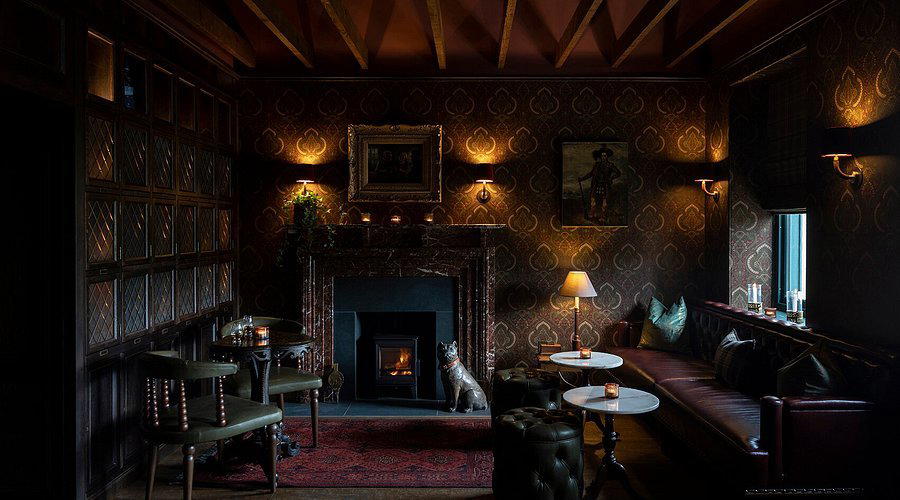
Charming historic buildings with cozy family atmosphere, picturesque surroundings, and engaging knowledgeable guides.