Paul Bara is a grower Champagne house in Bouzy with roots stretching back to 1949, now guided by winemaker Chantale Bara..

Pearl is the En Primeur Club membership app — saves, bookings, and concierge access live there. Same editors, same standards.
- Address
- 4 Rue Yvonnet, 51150 Bouzy
- Phone
- +33 3 26 57 00 50
- Website
- champagnepaulbara.com
- Directions
- Get directions
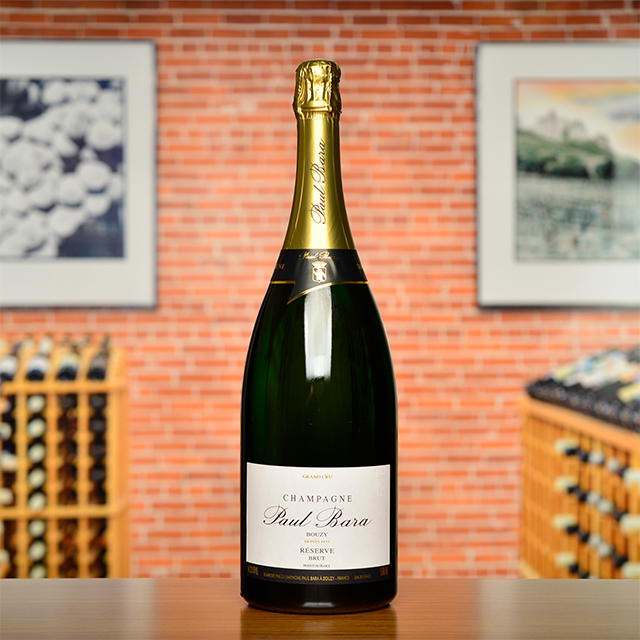
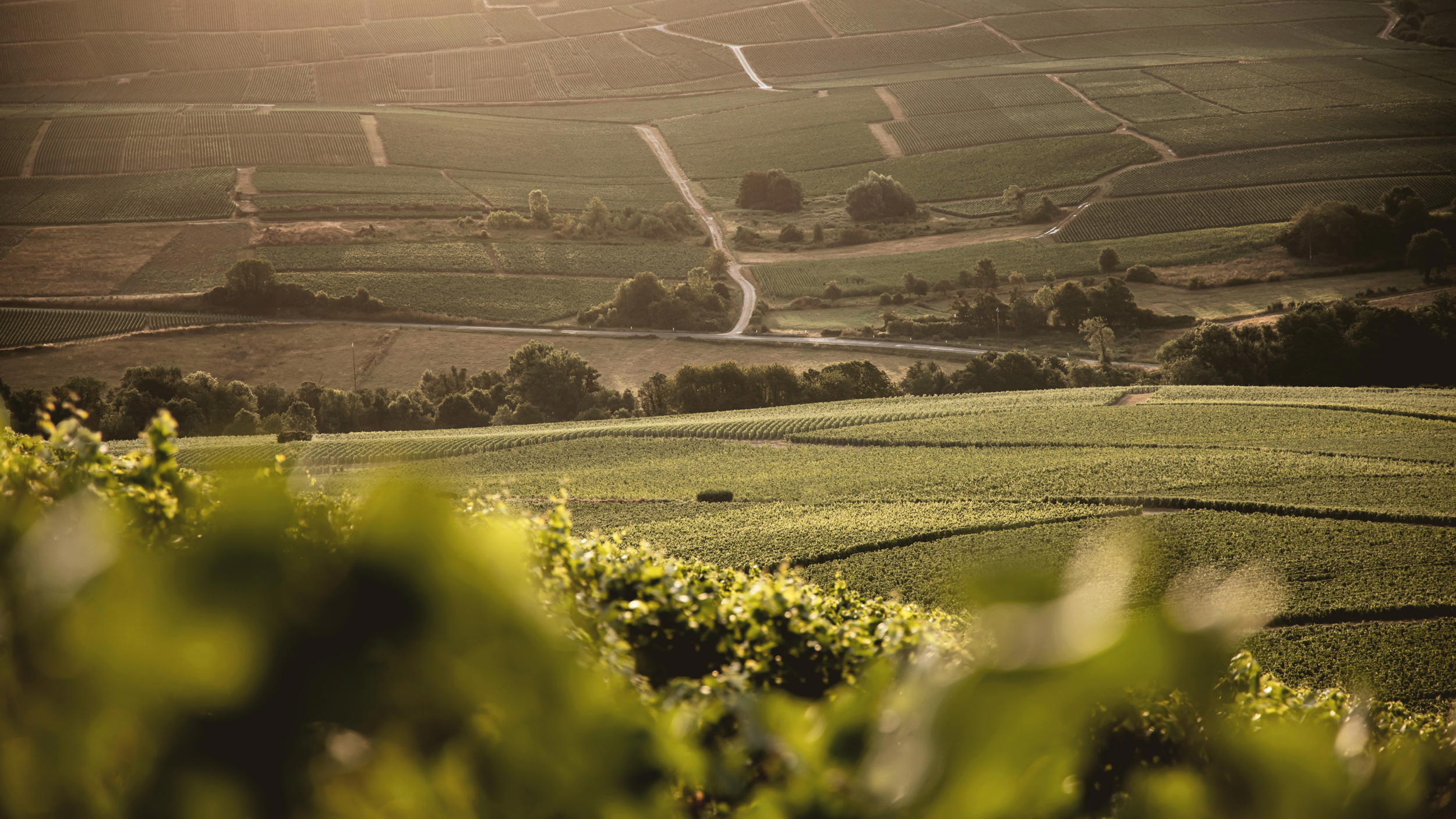
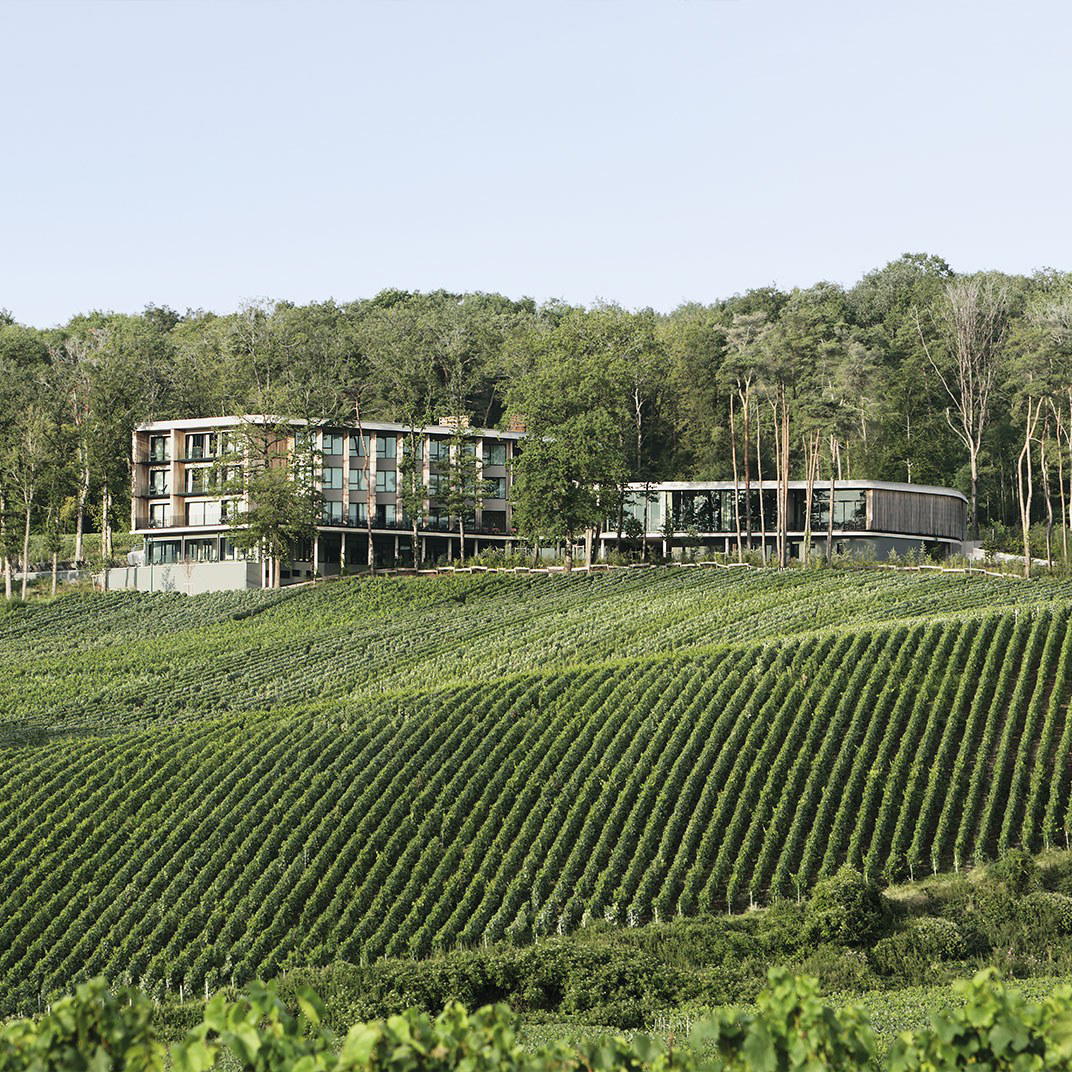
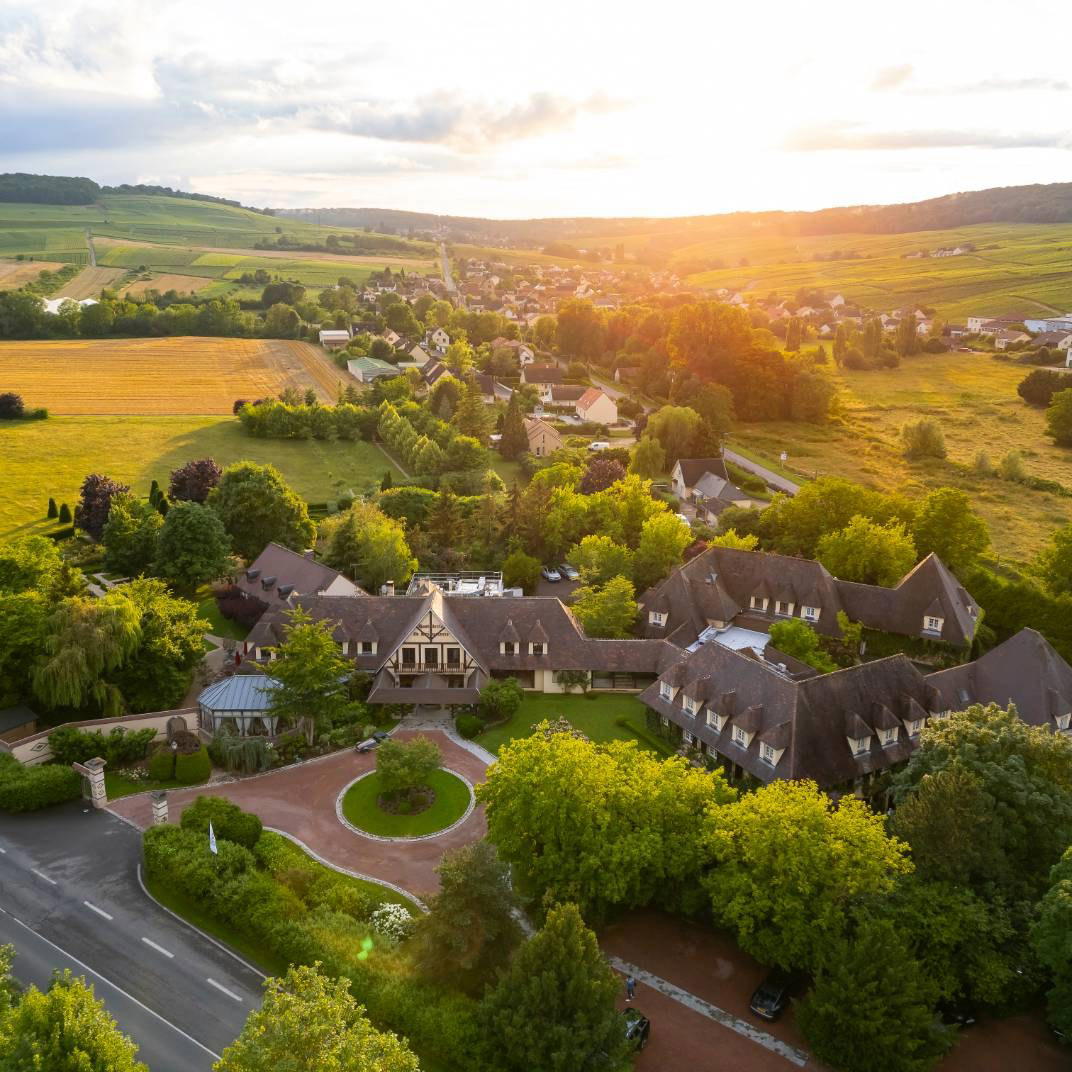
Bouzy sits at the eastern edge of the Montagne de Reims, a grand cru village so defined by its Pinot Noir that the local still red wine carries its name as a protected appellation. Approaching the village from the D19, the vineyards press close to the road, their chalk-heavy subsoil visible at the edges of every dug-out row. It is the kind of place where the land makes arguments that winemakers only need to translate. Paul Bara, at 4 Rue Yvonnet, is one of the houses that has made that translation its central purpose since 1949.
What Bouzy Grand Cru Means in Practice
Grand cru status in Champagne is not merely a marketing classification. The 17 villages that carry it were delineated under the original échelle des crus system, which assigned 100% to the highest-rated communes. Bouzy earned that score on the basis of Pinot Noir. The chalk and clay mix beneath these slopes drains freely, concentrating the vine's energy into fruit rather than foliage, and the south-facing aspect of the leading parcels extends the growing season just enough to develop phenolic maturity before harvest. The result, across the leading houses in the village, is Champagne with more vinous depth and structural grip than the lighter, Chardonnay-led styles of the Côte des Blancs. For producers exploring similar terroir-driven approaches in other French appellations, the contrast with Alsatian houses like Albert Boxler in Niedermorschwihr is instructive: different grape, different geology, but the same insistence that place must be legible in the glass.
Within Bouzy, the competitive set is small but serious. Pierre Paillard operates from the same village and works with comparable grand cru fruit. The conversation between these houses defines the quality ceiling for Bouzy as an origin, and Paul Bara's first vintage in 1949 means it has been part of that conversation longer than most.
Terroir as the Organising Principle
Grower Champagne as a category gained serious traction among collectors and sommeliers in the early 2000s, driven by a preference for traceability: knowing which specific parcels contributed to a given cuvée, understanding the soil type, the vine age, the exposure. Paul Bara belongs to this tradition not because of a recent repositioning but because it has operated as a grower house from the beginning, with estate fruit rather than purchased grapes forming the foundation of production.
Chantale Bara now leads the winemaking. In a region where many estates have consolidated or sold to larger négociant groups, generational continuity at a small grower house carries its own signal: the domaine has not needed the capital or the scale that acquisition would bring, which suggests either strong allocation demand or a deliberate commitment to remaining within a particular tier of production. For Champagne at this level, both conditions usually apply simultaneously.
The terroir argument for Bouzy Pinot Noir runs through the wine's colour, weight, and aging behaviour. Blanc de noirs from grand cru Pinot tend to carry a coppery tinge even after extended disgorgement aging, and the palate weight is noticeably different from a blanc de blancs of comparable quality. Non-vintage blends anchored in Bouzy fruit retain that structural character even when the base wine is lightened with reserve wines from cooler years. It is a style that rewards patience rather than immediate consumption, which positions these wines against the more immediately accessible prestige cuvées from the large houses. Comparable patience is required of the serious reds across France: at Château Batailley in Pauillac or Château Branaire Ducru in St-Julien, the expectation of cellaring is baked into the purchasing logic. Grower Champagne from Bouzy increasingly asks the same of its audience.
In Champagne, where the alchemy of blending often obscures individual terroir signals, recognition at this level typically indicates that the wine's sense of place is sufficiently legible to warrant classification above the generic grand cru baseline. It aligns Paul Bara with a peer group of grower producers whose wines circulate primarily through specialist importers and direct allocation rather than through supermarket or on-trade volume channels.
That distribution pattern matters. Houses operating at this tier in Champagne tend to have short allocation lists, with importers in key markets holding relationships that predate the recent surge of interest in grower producers. Buyers who arrived late to the category often find that the most coherent terroir expressions from villages like Bouzy, Aÿ, or Verzenay were already spoken for. The contrast with larger appellations is worth noting: at Château Bélair-Monange in Saint-Emilion or Château Clinet in Pomerol, classified growth status provides a widely understood reference point for buyers. Grower Champagne operates without that formal classification hierarchy, making producer-level awards and importer relationships the primary navigation tools.
Visiting Bouzy and Planning Around Paul Bara
Bouzy is approximately 25 kilometres southeast of Reims, making it accessible as a day trip from the city or as part of a longer Montagne de Reims circuit that takes in Aÿ, Ambonnay, and Verzenay. The village itself is small, with the vignerons' addresses clustered along a handful of roads. Visiting in late September or early October, during the harvest window, gives the clearest sense of how actively these parcels are managed, though it also means the winemakers are least available for extended conversation.
Paul Bara does not maintain a published website or listed phone number, which is characteristic of small grower houses that fill their allocation without requiring a consumer-facing digital presence. Contact is typically made through specialist wine merchants or importers who hold the domaine's allocation in a given market. Prospective buyers should establish relationships with Champagne-specialist importers well in advance rather than arriving in Bouzy and expecting a walk-in tasting experience. For context on how other serious producers across France handle access and distribution, Accendo Cellars in St. Helena and Château Boyd-Cantenac in Cantenac operate under similarly selective allocation frameworks.
For those building a broader itinerary around French wine production, the diversity of what a single country can produce becomes clearer when you move from Champagne's chalk-driven effervescence to the Sauternes richness of Château Bastor-Lamontagne in Preignac, the Haut-Médoc structure of Château Cantemerle, or the herbal precision of Chartreuse in Voiron. Provence rosé adds another register entirely at Château d'Esclans in Courthézon. Champagne, and specifically Bouzy, anchors the northern end of that spectrum.
For the full picture of what the village produces across its active producers, see our full Bouzy restaurants and producers guide. And for those whose interests extend to single malt whisky produced with comparable terroir-attentiveness in Scotland, Aberlour in Aberlour offers an interesting parallel in how a specific valley shapes a spirit's character. Sauternes dessert wine comparisons extend further to Château d'Arche in Sauternes, a classified growth whose botrytis-driven production sits at the opposite end of the stylistic register from Bouzy Pinot Noir Champagne.
Quick Comparison
Comparable venues nearby, for context on price, style, and recognition.
| Venue | Cuisine | Price | Awards | Notes |
|---|---|---|---|---|
| Paul BaraThis venue — the venue you are viewing | Pinot Noir, Chardonnay | Not listed | Not listed | Not listed |
| Pierre Paillard | Pinot Noir, Chardonnay | Not listed | Falstaff Winery - 3 Stars | Bouzy |
| Bruno Paillard | Chardonnay, Pinot Noir | Not listed | Falstaff Winery - 4 Stars | South of Reims city centre |
| Pierre Gimonnet & Fils | Chardonnay, Pinot Noir | Not listed | Falstaff Winery - 4 Stars | Cuis |
| Drappier | Pinot Noir, Pinot Meunier | $30–50 | Falstaff Winery - 4 Stars | Urville |
| Nicolas Feuillatte | Chardonnay, Pinot Noir | Not listed | Falstaff Winery - Listed | Côte des Blancs |
Continue exploring
More in Bouzy
Wineries in Bouzy
Browse all →
Bars in Bouzy
Browse all →
Restaurants in Bouzy
Browse all →
Details
- Classic
- Elegant
- Intimate
- Rustic
- Sophisticated
- Wine Education
- Romantic Getaway
- Special Occasion
- Cave Tasting
- Estate Grounds
- Historic Building
- Vineyard Tour
- Sustainable
- Vineyard
- Pinot Noir
- Chardonnay
- Sparkling
- Cave Tasting
- Estate Tasting
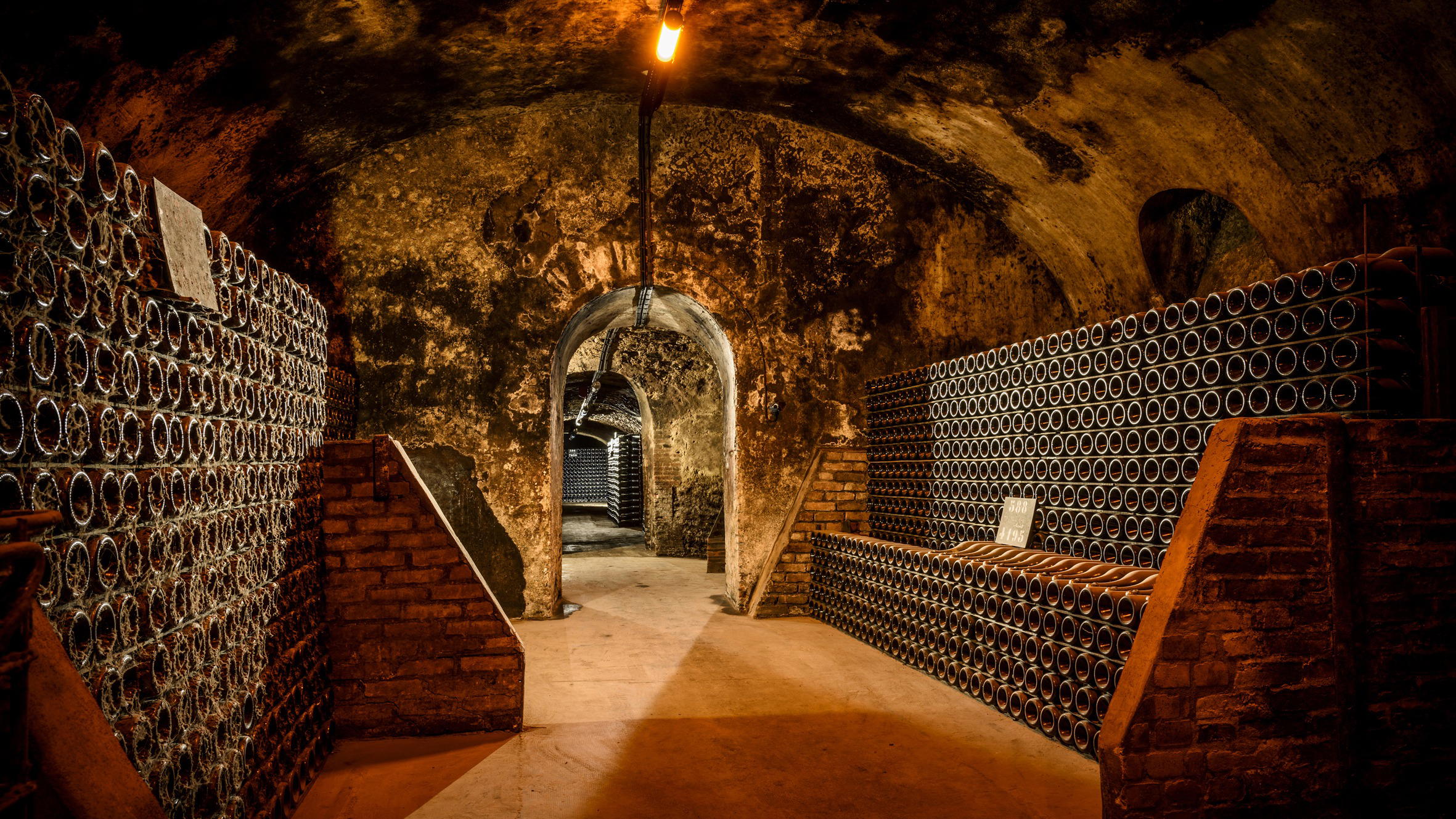
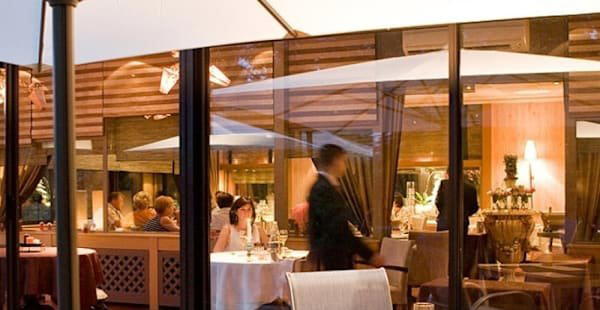
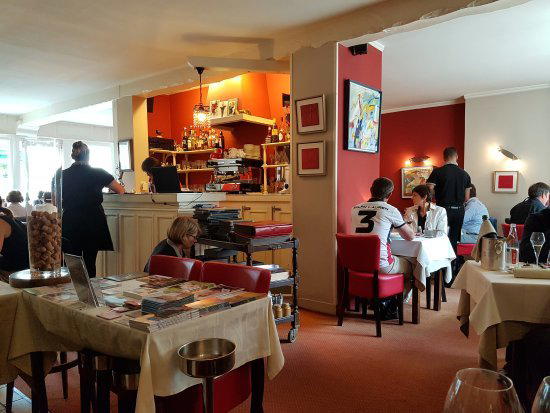
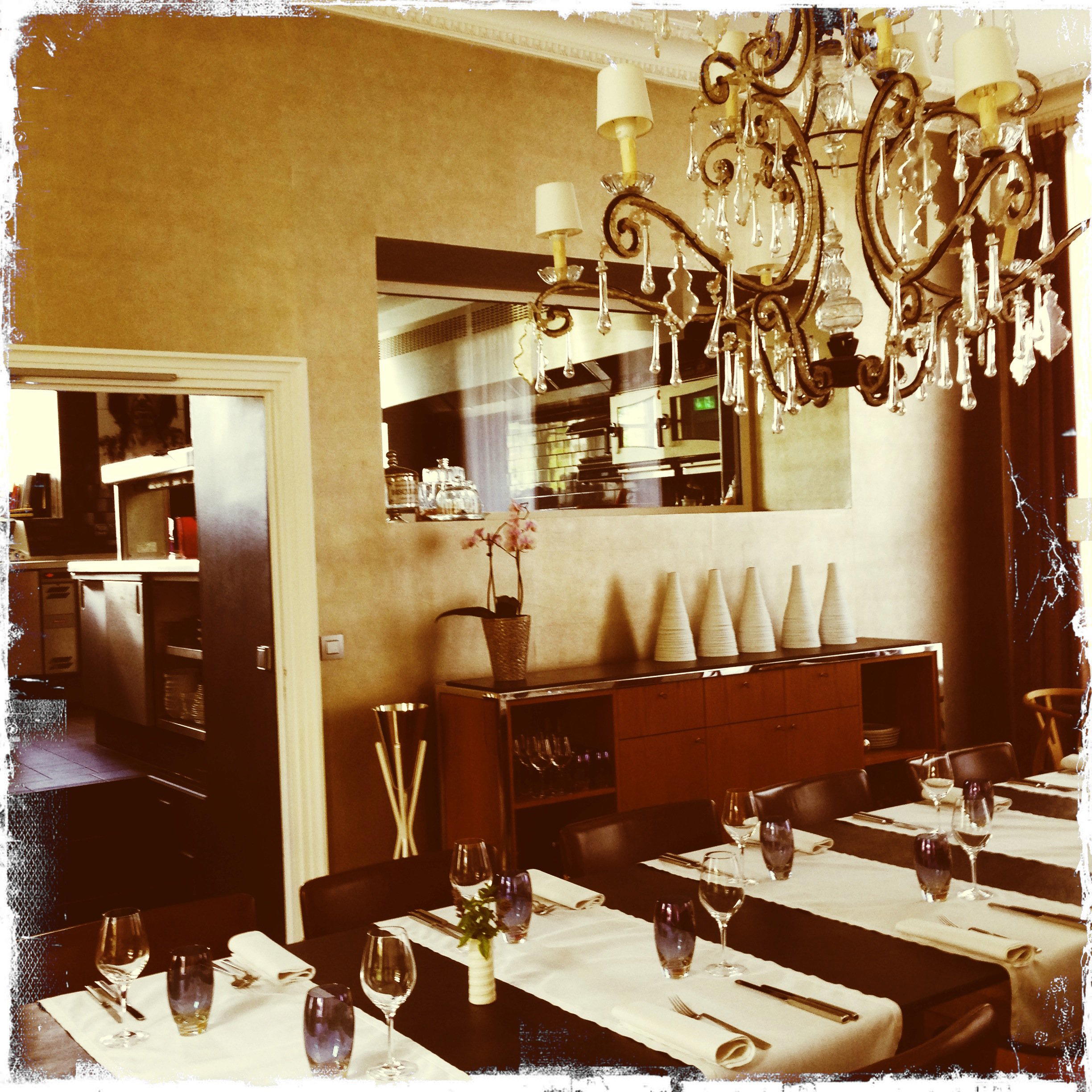
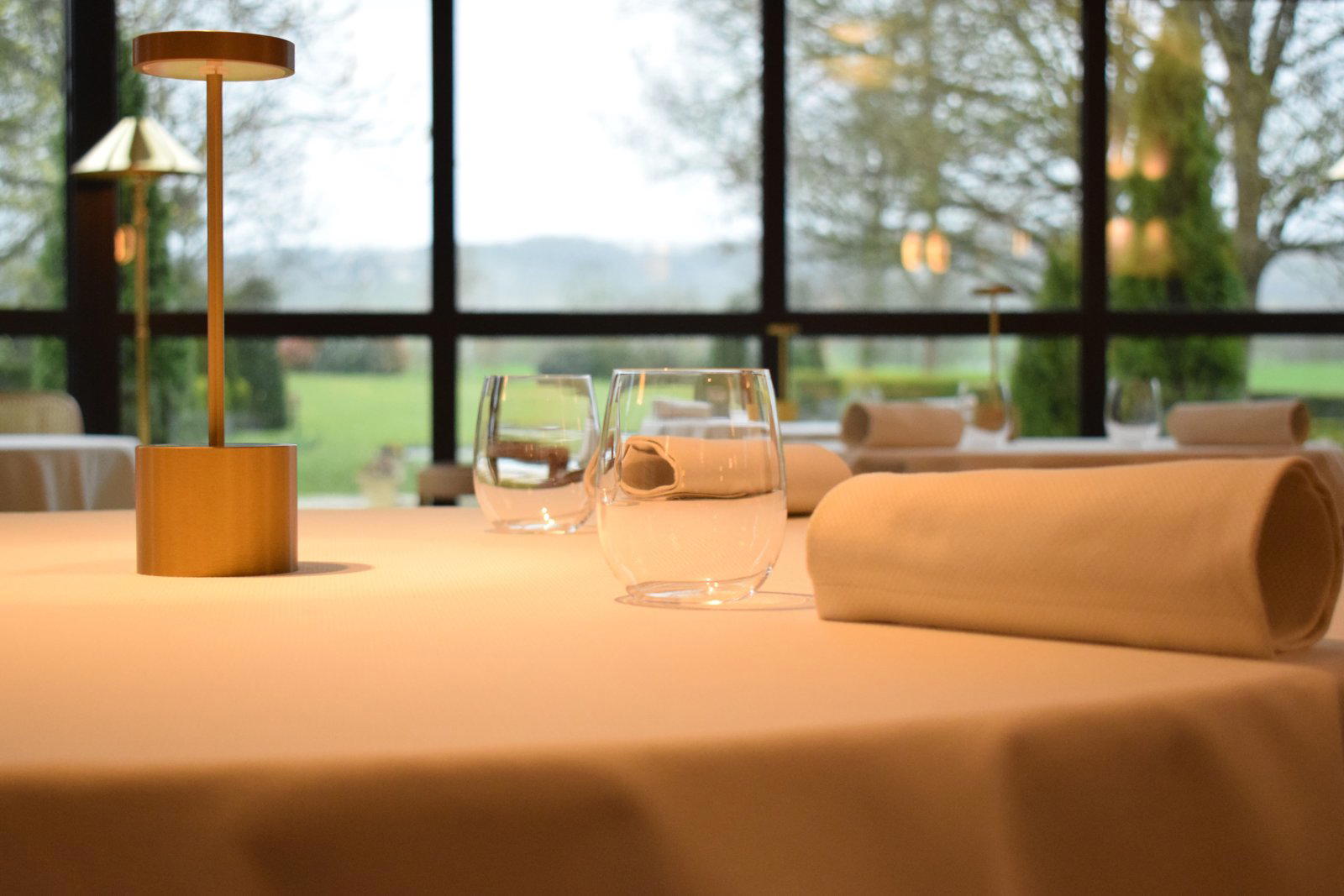
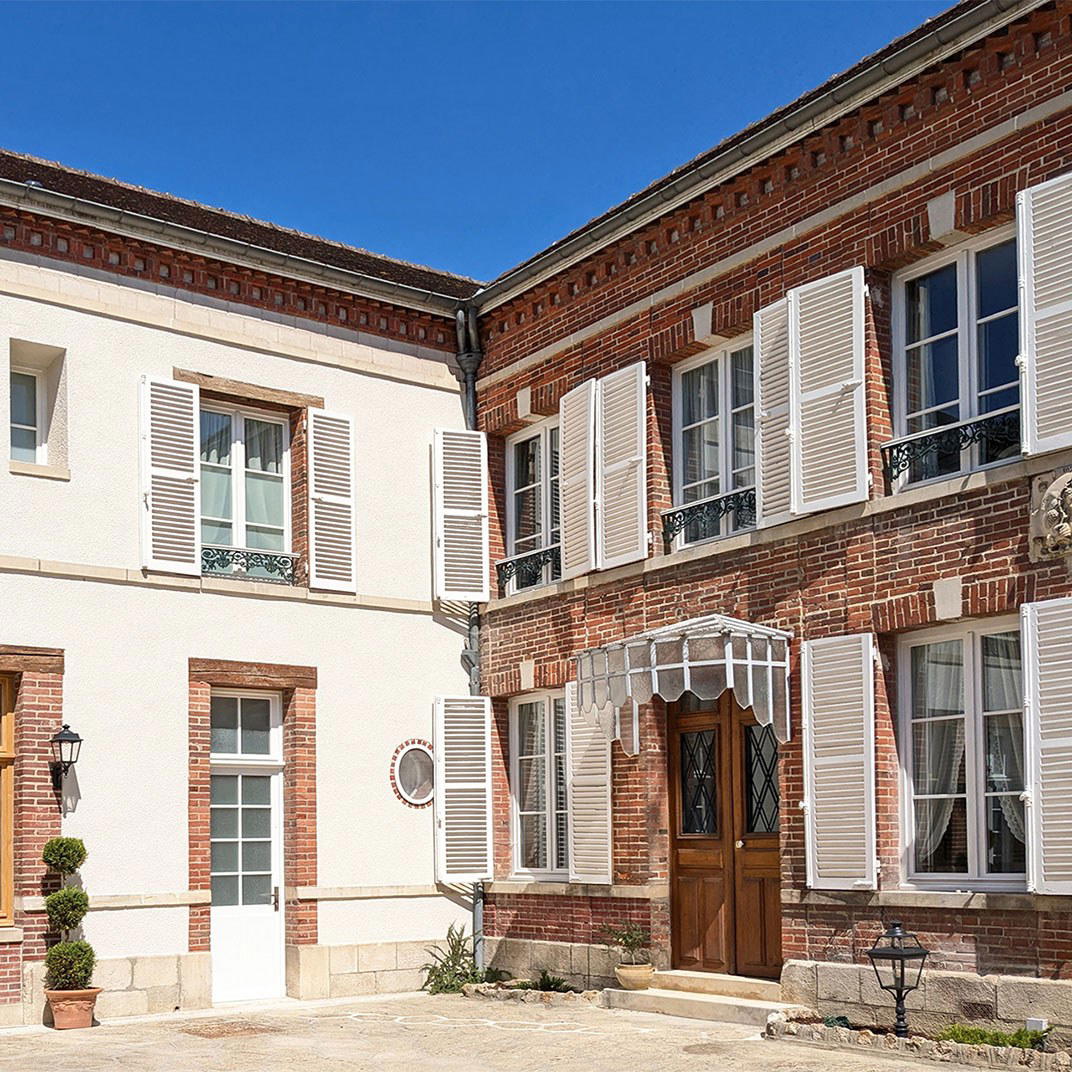
Historic, intimate cellar environment with hand-hewn limestone caves; refined and elegant with a focus on terroir-driven complexity and mineral-driven freshness.