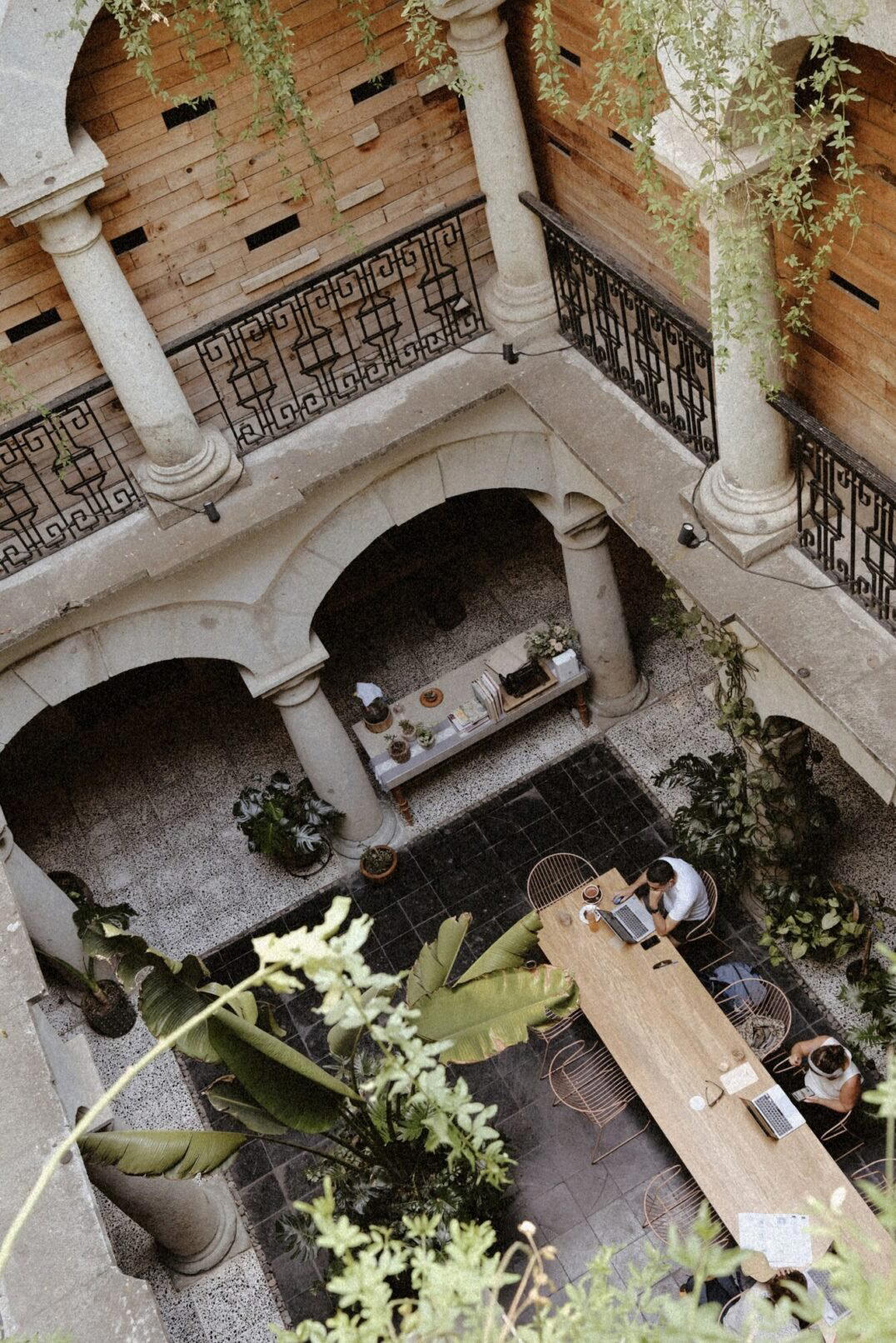
Los Danzantes
Los Danzantes sits at the heart of Santiago Matatlán, the Oaxacan township that produces more mezcal per square kilometre than anywhere else in Mexico..

Pearl is the En Primeur Club membership app — saves, bookings, and concierge access live there. Same editors, same standards.
- Address
- Francisco I Madero, 70440 Santiago Matatlán, Oax.
- Phone
- +52 951 226 2820
- Website
- losdanzantes.com
- Directions
- Get directions
Santiago Matatlán and the Weight of What Happens After the Roast
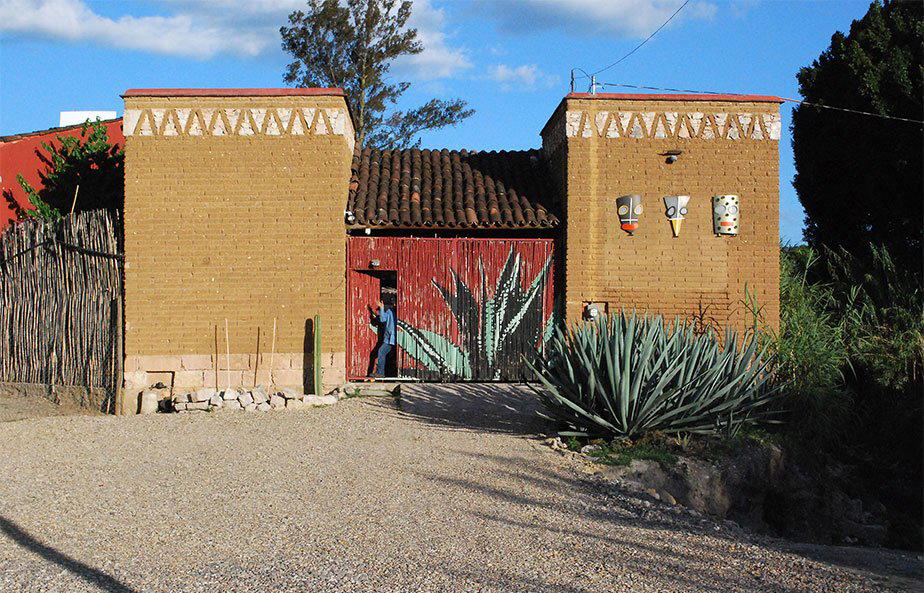
Drive south from Oaxaca city on Federal Highway 190 and the agave fields begin thickening around kilometre forty. By the time you reach Santiago Matatlán, the plants line both sides of the road in dense, spiky rows, and the faint smoke of underground pit roasting hangs in the dry air throughout most of the year. This township, at roughly 1,500 metres above sea level in the Central Valleys, has built its entire civic identity around mezcal production. The palenques here are not tourist installations. They are working distilleries embedded in family compounds and village streets, and Los Danzantes, at Francisco I Madero in the centre of town, sits squarely within that tradition.
At that prestige tier, the competitive differentiation comes not from volume or distribution reach but from decisions made in the days and weeks after distillation: how long a batch rests, in what vessel, and whether it is blended or released as a single-varietal expression.
After the Still: Aging, Resting, and the Logic of the Palenque
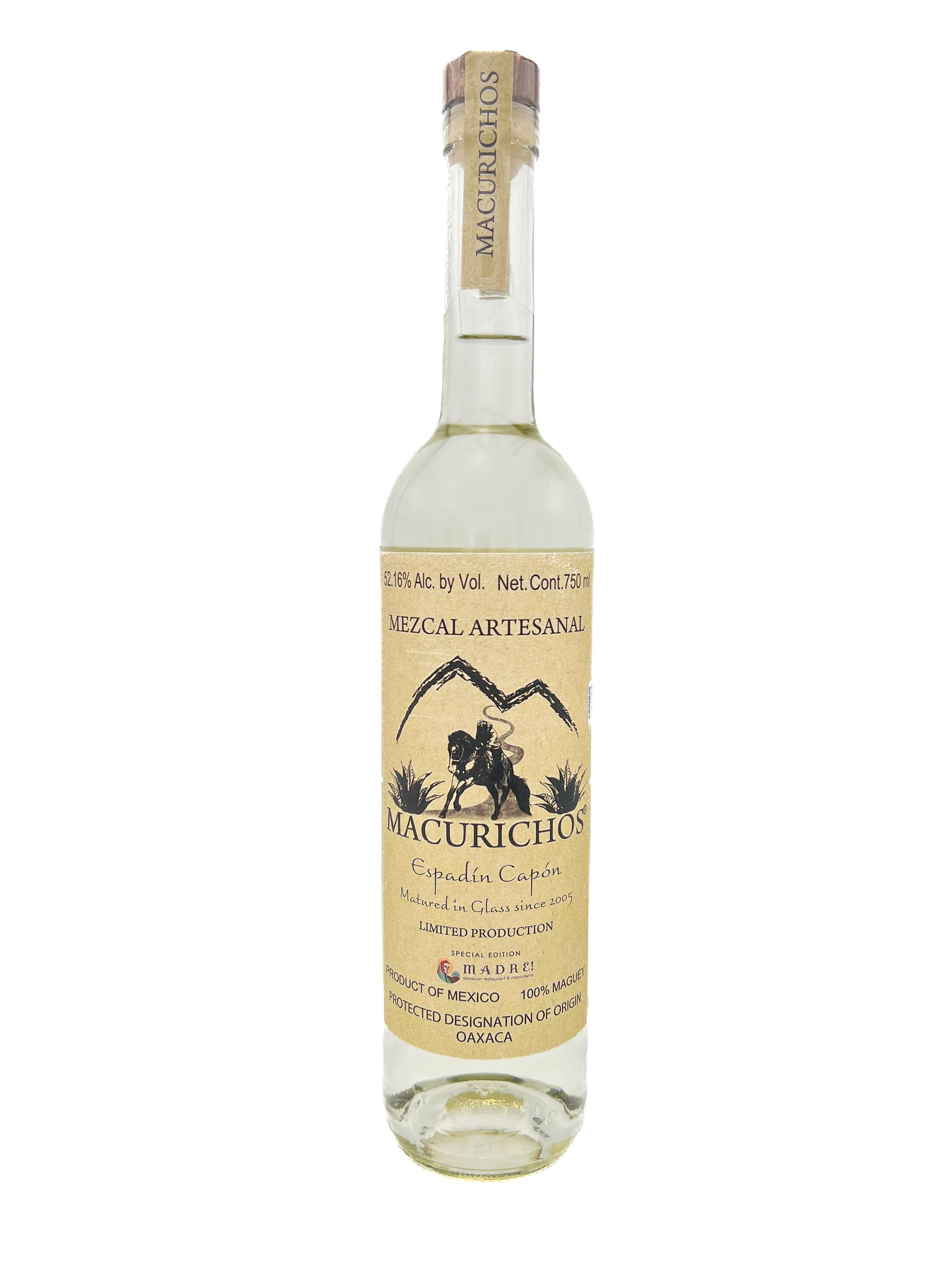
Mezcal's aging and resting vocabulary borrows loosely from the spirits world at large but carries its own local grammar. Joven or blanco expressions leave the still without extended vessel aging, preserving the direct character of the agave and the smoke from the roast. Reposado rests in wood for two to twelve months, softening the raw edges. Añejo spends at least a year in barrel. In practice, many of Santiago Matatlán's most respected producers take a different path entirely: short rests in glass or clay, releasing expressions that prioritise agave transparency over wood influence.
This is a meaningful distinction. The barrel-aging approach dominant in whisky and cognac traditions — where the wood is an active, transformative ingredient — sits in tension with the mezcal purist position that wood can mask rather than reveal. Producers in the Danzantes tier tend to be opinionated about this question, and the answer shapes their entire lineup. Across the valley, facilities like Don Amado (Arellanes family) in Santa Catarina Minas and Banhez (UPADEC cooperative) in San Miguel Ejutla each represent a different position on the same spectrum, which is why visiting multiple producers in a single trip yields far more than any single tasting can.
Where wood does enter the conversation at premium Oaxacan palenques, the choices carry consequence. American oak imparts vanilla and coconut notes relatively quickly. French oak moves more slowly and can add dried fruit and spice. Encino, the native Mexican oak, sits between the two and is increasingly favoured by producers seeking local continuity from field to barrel. The Casa Cortés – La Soledad Palenque in La Compañía (Ejutla) represents another example of how Oaxacan producers are rethinking the relationship between terroir and vessel across the wider region.
The Santiago Matatlán Production Context
Understanding Los Danzantes requires understanding the village that surrounds it. Santiago Matatlán's claim as the world capital of mezcal is not marketing language. The density of registered palenques per hectare has no parallel in any agave-producing region, and the concentration of knowledge, raw material supply, and generational craft here is what allows producers at all price points to exist within metres of each other. An operation that might feel isolated in another region is, here, part of a living production ecosystem.
That context shapes how visitors should approach the town. The most useful comparison is not with a winery destination like Napa, where estate visits are spatially spread across a large appellation. Santiago Matatlán is compact and walkable in its core, meaning a single afternoon can encompass multiple producer visits, agave variety comparisons, and contrasting production philosophies without the logistical friction of long drives. The practical instruction is simple: arrive with time rather than a tight itinerary. Palenques here operate on production schedules, not hospitality ones, and the leading access often comes from showing up with patience rather than a pre-booked slot.
For those building a wider Mexican spirits itinerary, Los Danzantes and its Santiago Matatlán neighbours occupy a categorically different position from the tequila corridor further north. The industrial scale of operations like Jose Cuervo (La Rojeña) in Tequila, La Primavera (Don Julio) in Atotonilco El Alto, Casa Herradura (Hacienda San José del Refugio) in Amatitán, and Cazadores Distillery in Arandas reflects a fundamentally different production philosophy from what Oaxaca's village palenques represent. Both are worth visiting, but they answer different questions about what Mexican spirits can be.
What the 2025 Pearl Prestige Recognition Signals
At this recognition tier, the relevant comparison is not with the producer down the road but with the handful of palenques in Oaxaca and across Mexico that consistently produce spirits at a level that attracts international critical attention.
That matters for the visitor making a decision about how to spend a half-day in Santiago Matatlán. Peers at the same or adjacent prestige level include operations like Ilegal (Palenque Mal de Amor) within the same village. The credential does not guarantee a particular visitor experience, palenque visits remain informal and variable by nature, but it does signal that the production choices made here are being scrutinised and recognised at a level beyond local reputation alone.
For a broader orientation to what Santiago Matatlán offers across producers and styles, our full Santiago Matatlán guide maps the village's production scene in more detail. Those interested in Scotland's equivalent of small-batch, terroir-led spirit production will find an interesting counterpoint at Aberlour, while Accendo Cellars in St. Helena represents how a similar prestige-tier positioning operates in Napa's fine wine context.
Planning a Visit
Santiago Matatlán is approximately forty to fifty kilometres southeast of Oaxaca city by road. Second-class buses from the Central de Abastos terminal connect the route regularly, and colectivo taxis from Mitla are a faster option for those already visiting the Zapotec archaeological site nearby. The dry season, roughly October through April, brings the clearest skies and easiest road conditions, though production at most palenques runs year-round, dictated by agave harvest cycles rather than weather alone.
Peers in This Market
| Venue | Cuisine | Price |
|---|---|---|
| Los DanzantesThis venue — the venue you are viewing | This venue | Not listed |
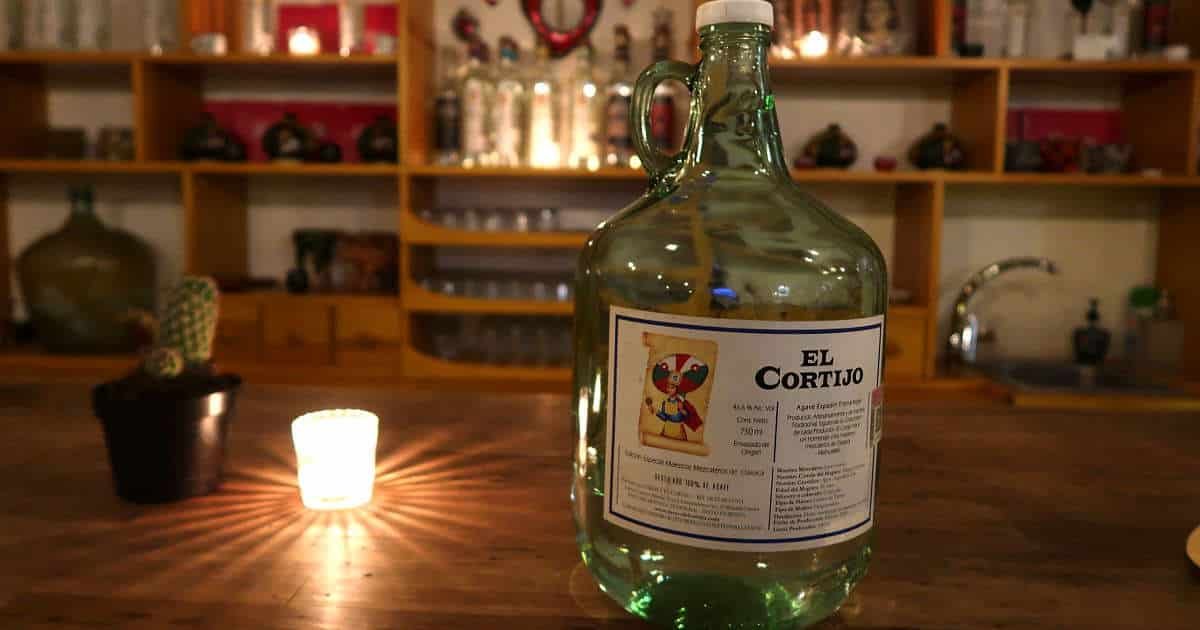
| El Cortijo (palenque) | Not listed | $10–20 |
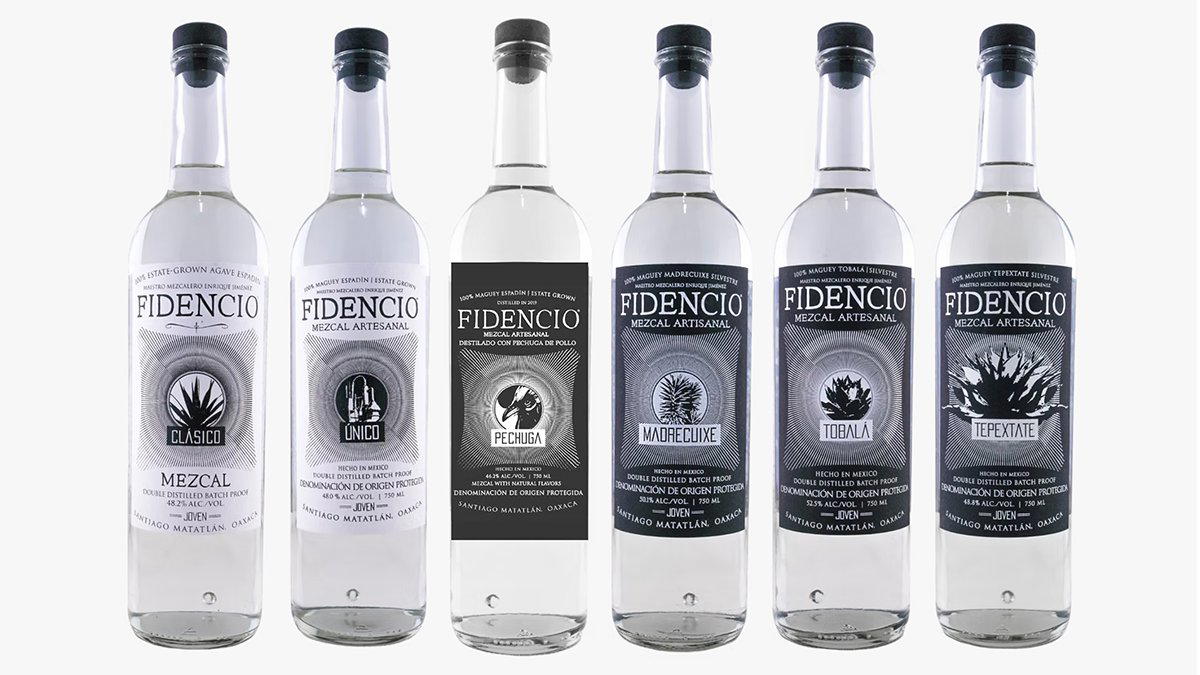
| Fidencio | Not listed | $30–50 |
Continue exploring
More in Santiago Matatlán
Wineries in Santiago Matatlán
Browse all →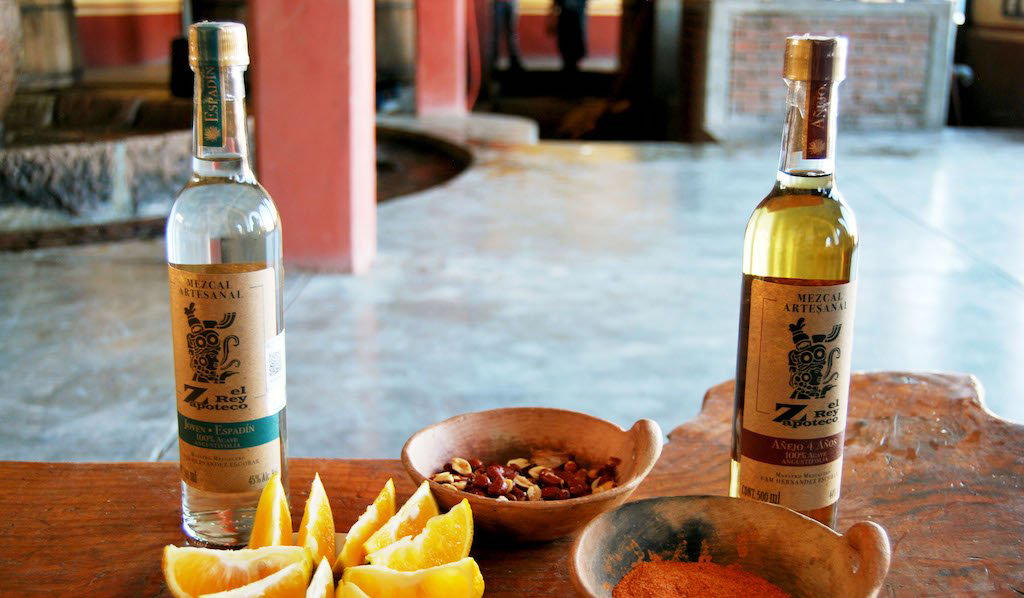
Bars in Santiago Matatlán
Browse all →
Restaurants in Santiago Matatlán
Browse all →
Details
- Rustic
- Wine Education
- Estate Grounds
- Sustainable
- Espadín
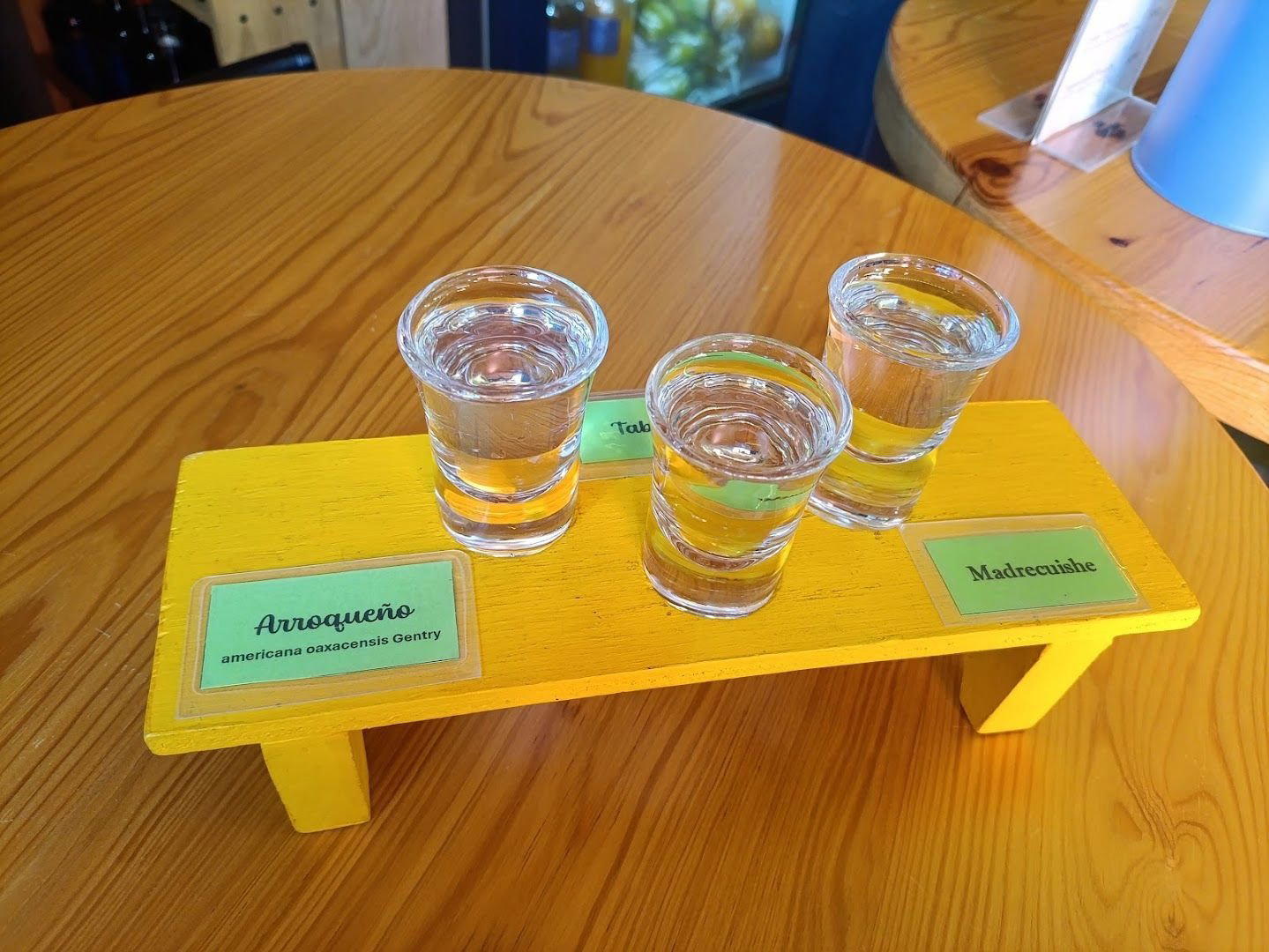
- Arroqueño
- Sierra Negra
- Tobalá
- Distillery Tour
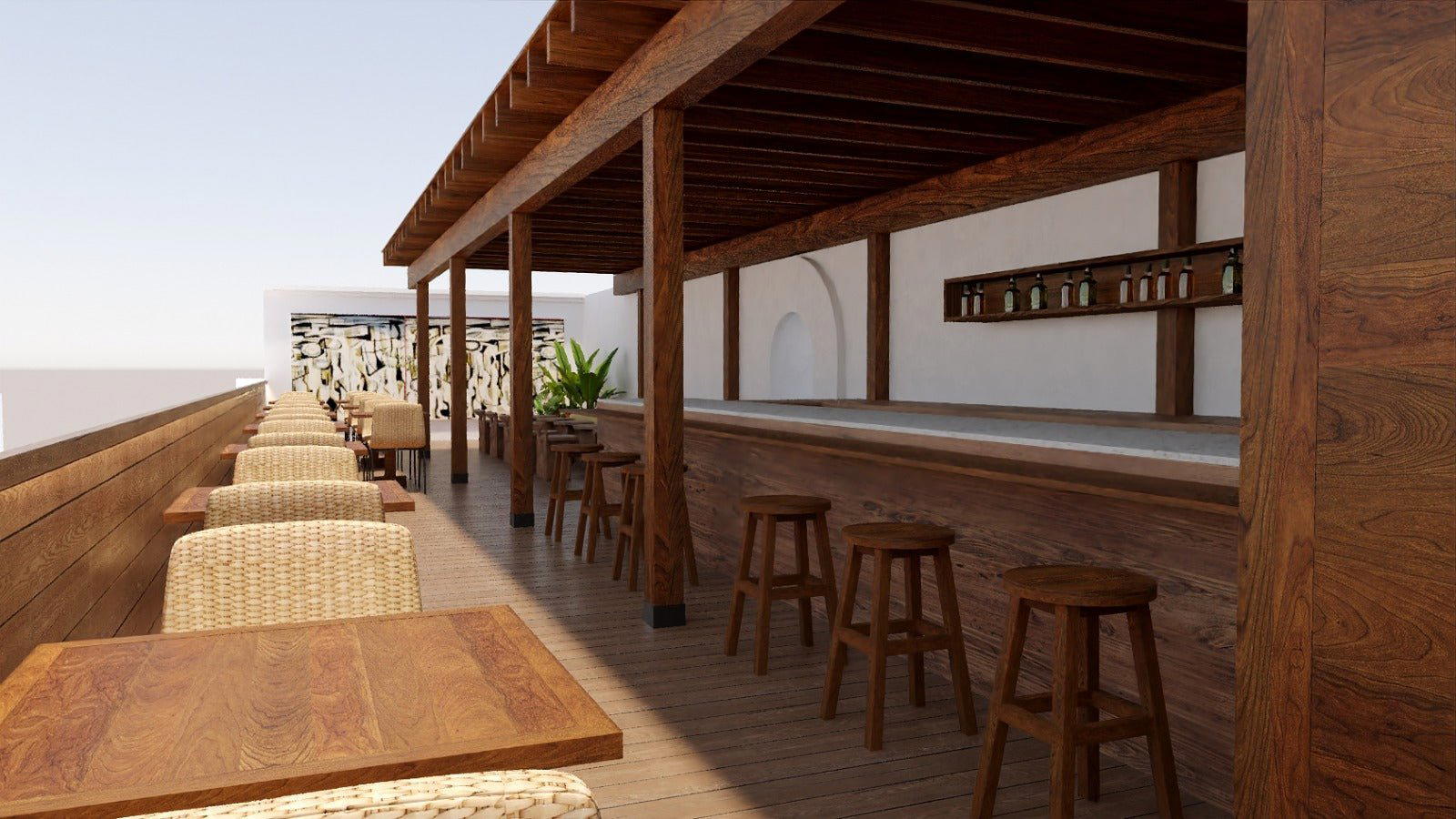
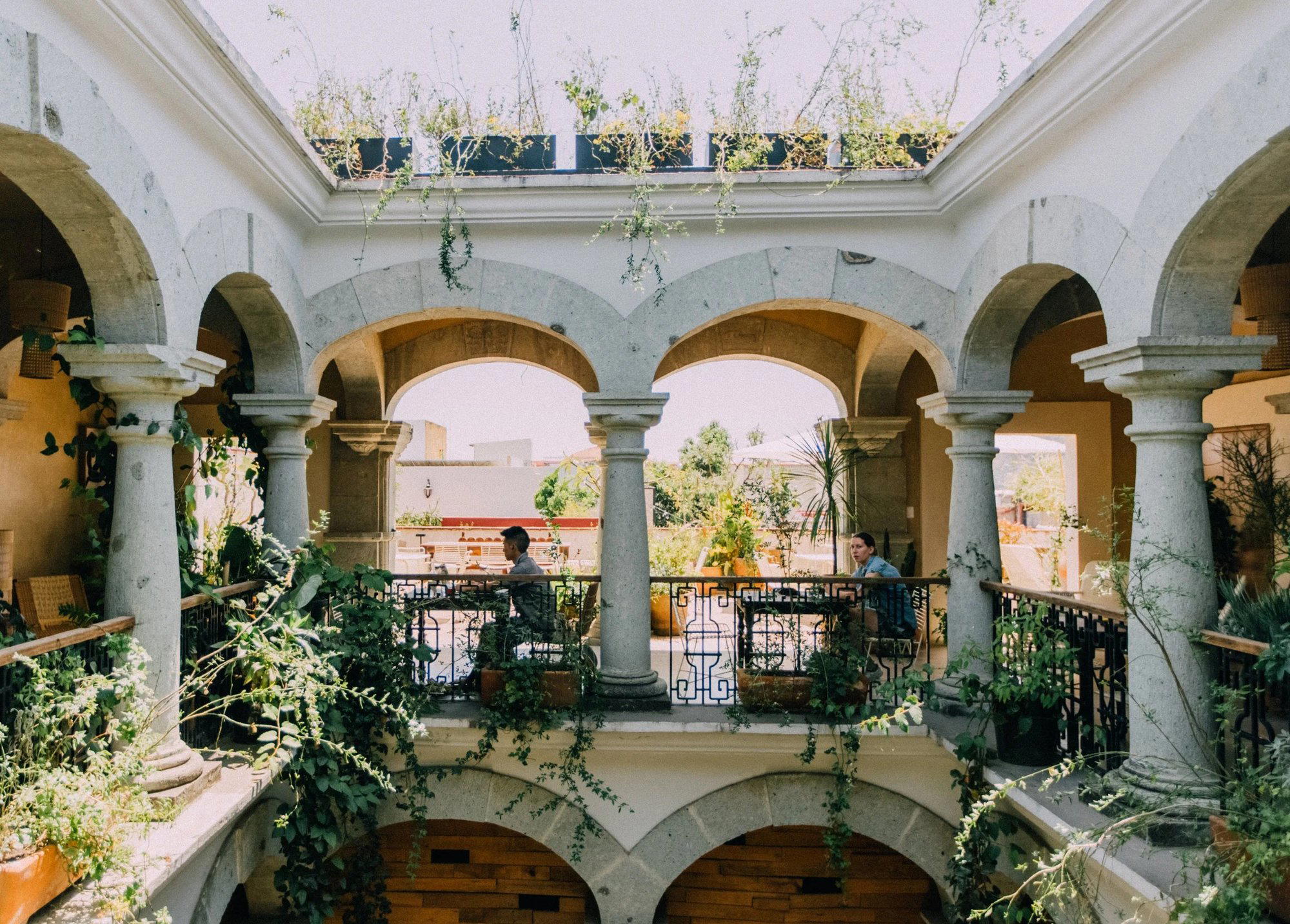
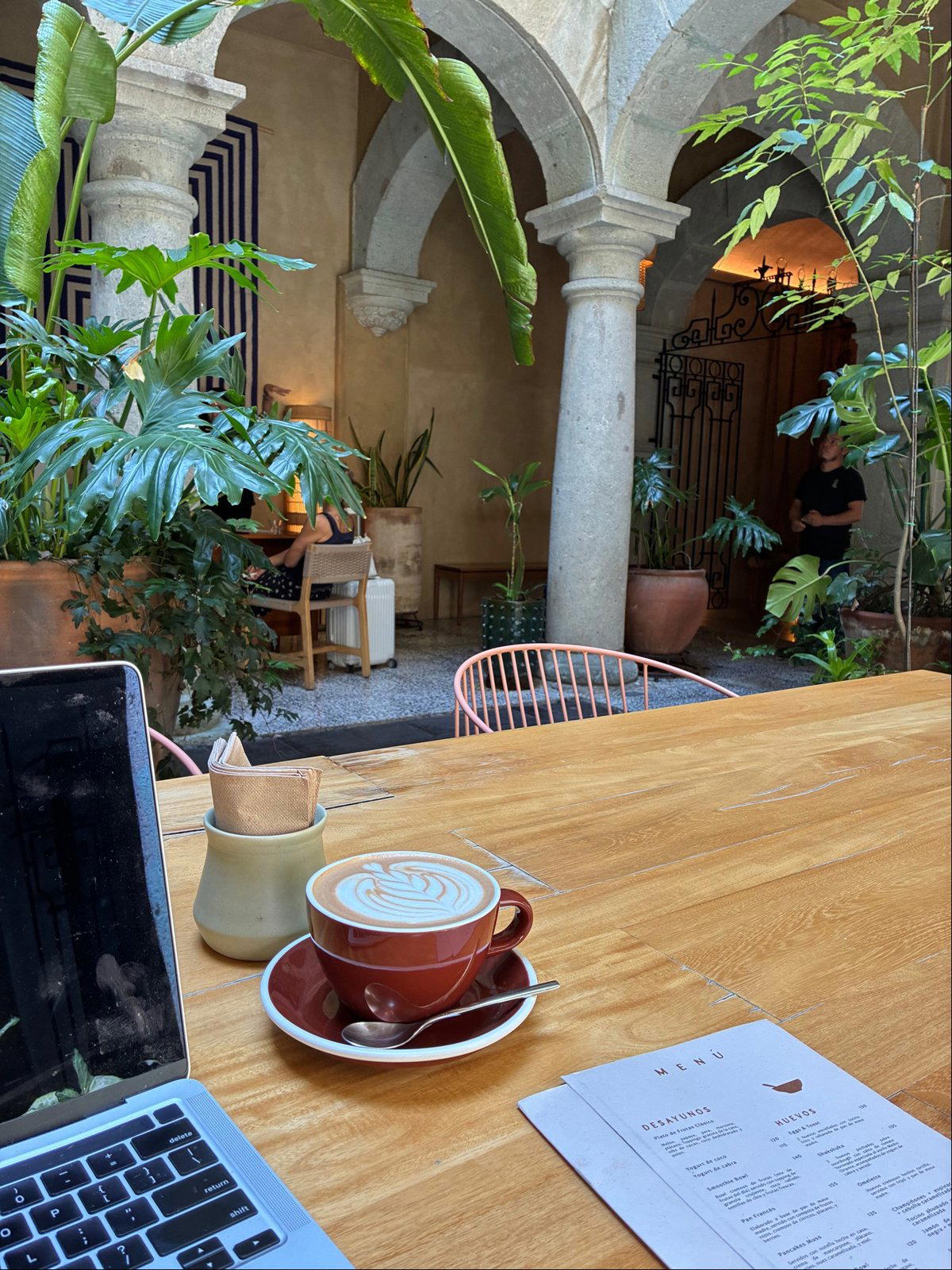
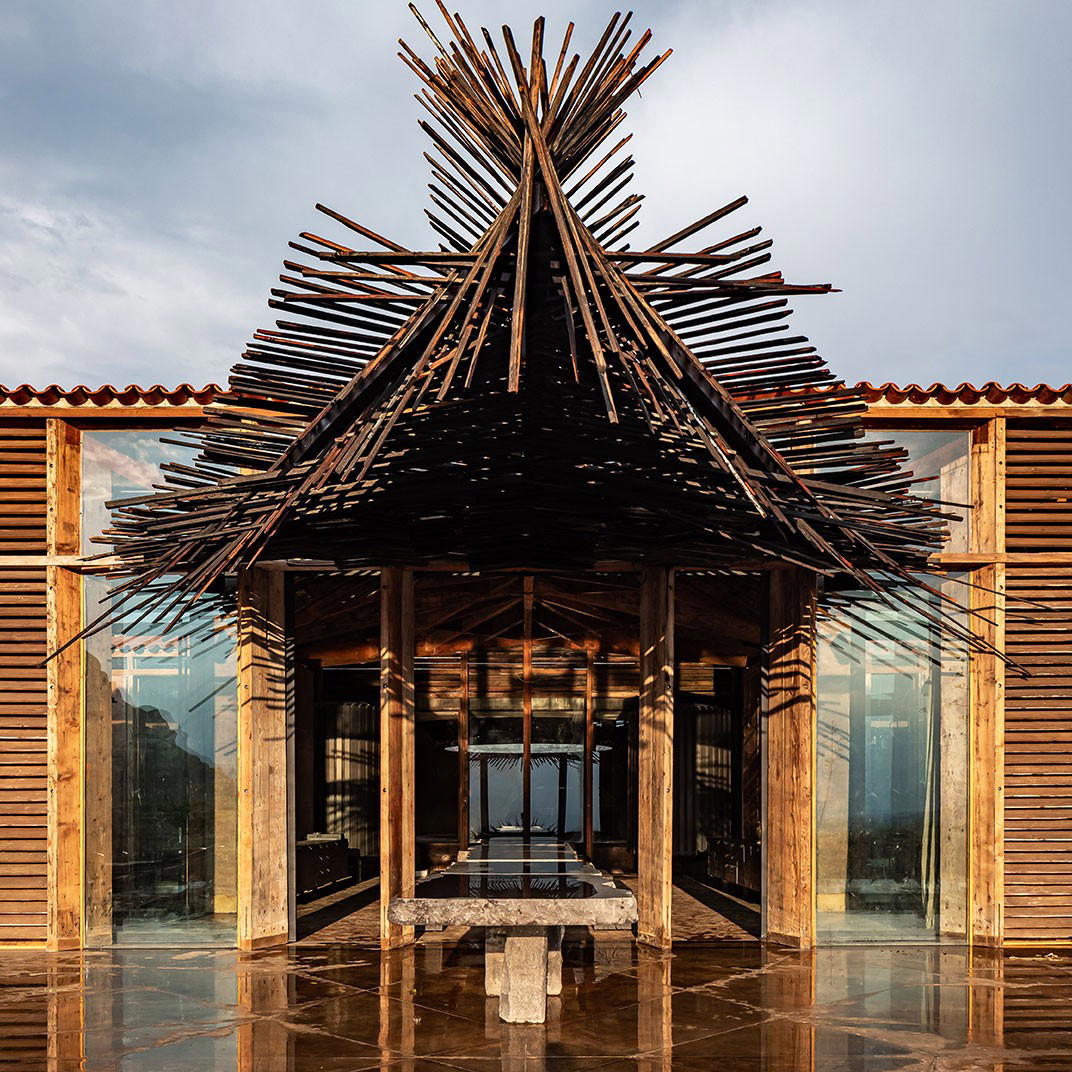
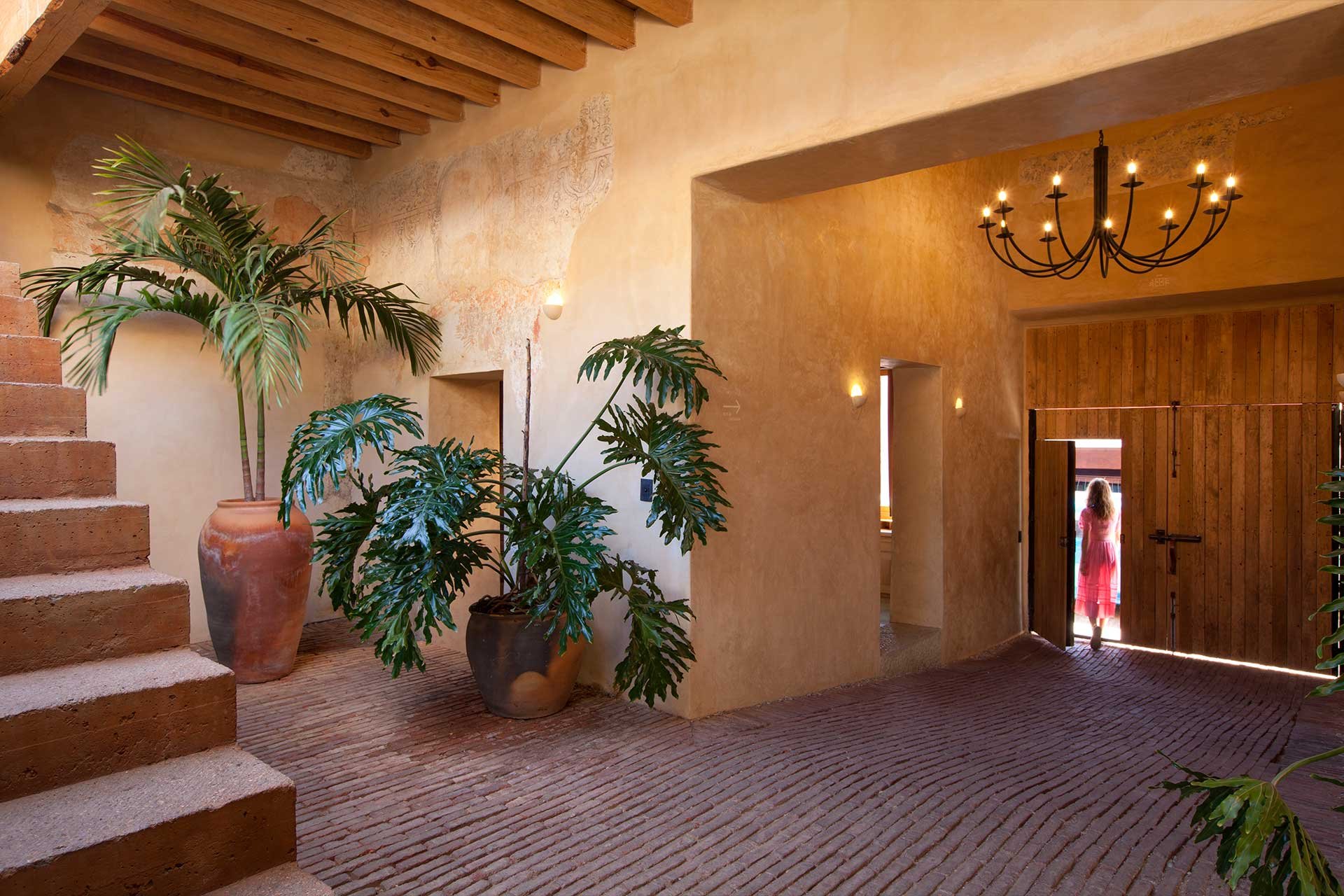
Traditional artisanal setting in mud brick building with rustic production atmosphere.