Massican Winery
Massican is one of Napa's few producers staking its reputation on white wine, with winemaker Dan Petroski drawing on Italian varietals that most California producers ignore. For drinkers willing to look past the standard Napa playbook, the reward is considerable.

Pearl is the En Primeur Club membership app — saves, bookings, and concierge access live there. Same editors, same standards.
- Address
- Massican Winery, Main Street, St. Helena, CA, USA
- Phone
- (707) 843-0268
- Website
- massican.com
- Directions
- Get directions
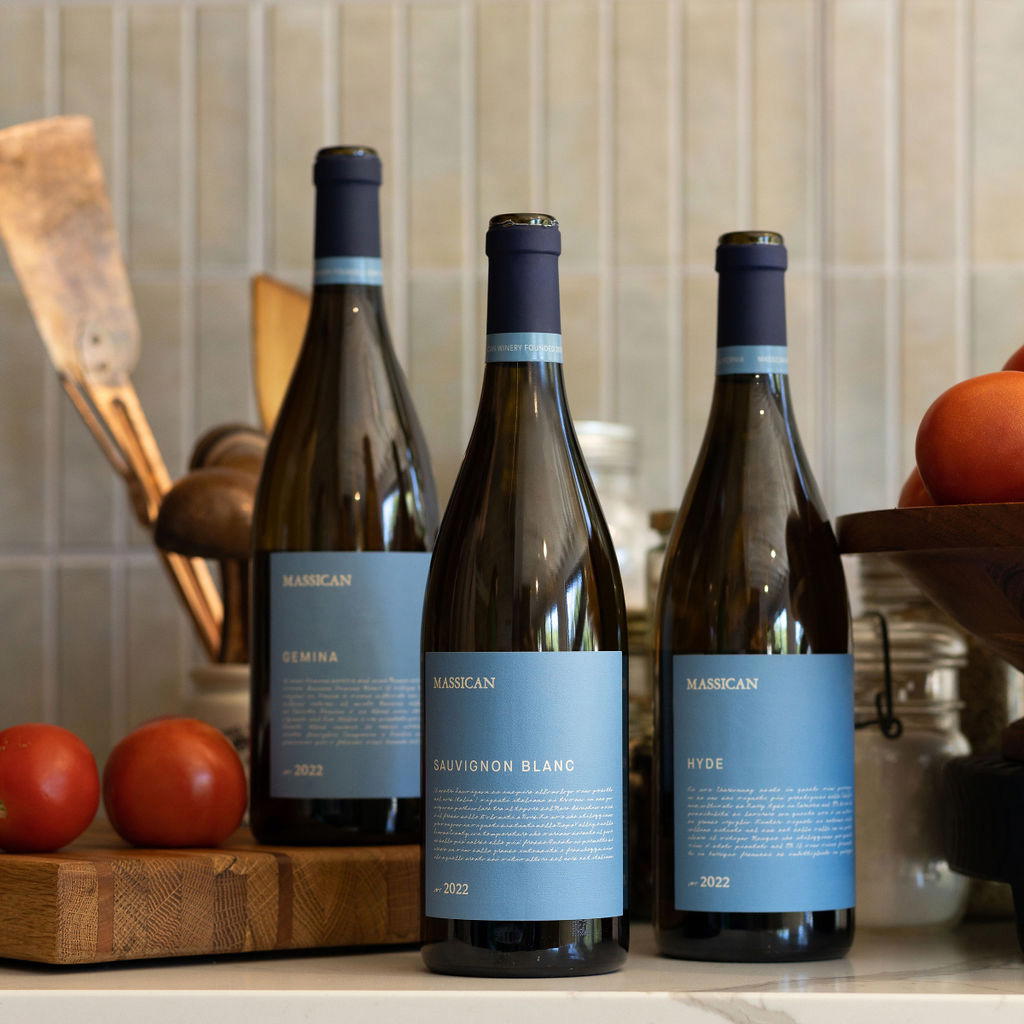
White Wine Country: Massican in the Cabernet Belt
St. Helena sits at the heart of Napa Valley's most Cabernet-saturated corridor. The tasting rooms along Main Street and the surrounding hillsides are, almost without exception, organized around the valley's dominant red wine identity. Massican, operating from that same address, holds a different position entirely. Since its first vintage in 2010, winemaker Dan Petroski has built a program around Italian white varietals — Tocai Friulano, Ribolla Gialla, Vermentino, and similar grapes — that most Napa producers have never considered planting. In a region where white wine is usually an afterthought, that focus is a considered editorial decision about what California's climate and soils can actually do.
Napa's white wine niche is smaller and more specific than its red counterpart. Producers like Ashes and Diamonds Winery have made a case for restrained, acid-driven whites in the valley, but the cohort remains limited. Massican operates within that minority. For context on how that sits relative to the broader Napa field, the full Napa guide maps the range of production styles and recognition tiers across the valley.
The Ritual of Tasting Italian Whites in a Cabernet Valley
Tasting Italian white varietals in California requires a particular kind of attention from the drinker. The reference points are not the same as for Napa Chardonnay or Sauvignon Blanc. Tocai Friulano, one of the signature grapes in Massican's lineup, carries a nutty, almond-edged character in its Italian homeland, a profile that can translate differently depending on site and handling in California. Ribolla Gialla, another Friulian native, is higher in acid and lower in aromatic expressiveness than most white grapes planted in Napa, which means the ritual of tasting it rewards patience rather than immediate fruit-forward assessment.
This matters to how you approach a visit. White wines at this level of intentionality are not poured for quick sipping alongside a view. They are made to be discussed in sequence, held against each other variety by variety, and evaluated with some understanding of their Italian context. The pacing of a Massican tasting is shaped by that complexity. It is closer to a structured flight at a Friuli cantina than to the open-pour format common at larger Napa estates. Visitors who arrive expecting the customary Napa ritual, big reds, opulent textures, a crescendo toward a reserve Cabernet, will need to recalibrate.
Nearby Accendo Cellars in St. Helena offers a point of comparison for the structured, appointment-focused tasting format that characterizes smaller St. Helena producers. Further afield, producers like Darioush Winery represent the valley's more architecturally elaborate, hospitality-forward end of the spectrum, a different orientation entirely from Massican's focused approach.
Dan Petroski and the Italian Reference Point
Dan Petroski's training and professional background are relevant not as biography but as credentials that explain what the wines are trying to do. His engagement with Italian white wine traditions positions Massican within a category of California producers who are working from a non-Burgundian reference point, a meaningful distinction in a state where most serious white wine ambition traces back to France. The 2010 first vintage gave the project fifteen years of California growing seasons to draw from by 2025, which is enough to identify what is consistent and what is still in development.
For comparative context on how other California white wine producers are approaching a similar challenge with different varietals and regions, Adelaida Vineyards in Paso Robles and Adelsheim Vineyard in Newberg represent adjacent West Coast interpretations of white wine seriousness, each operating in climates with their own logic for acid and texture.
Where Massican Sits in the Napa Producer Field
Napa's premium identity is built around Cabernet Sauvignon, and the valley's most recognized names, the estates that dominate collector lists and drive auction prices, are almost all in that category. Producers working outside that framework, whether in Pinot Noir, Rhône varieties, or Italian whites, operate in a smaller tier that is assessed by a different competitive set. Blackbird Vineyards and Artesa Vineyards and Winery illustrate how producers can carve distinct identities within the Napa geography while operating outside the dominant Cabernet focus. Clos Selene Winery similarly represents the kind of focused, smaller-production positioning that allows for critical recognition on independent terms.
There are very few American producers working seriously with Friulian varietals, and fewer still doing so from within the Napa appellation. Collectors and drinkers who have explored Italian white wine at depth will understand the reference immediately. Those arriving from a conventional Napa wine background may need to adjust their evaluation criteria before the wines make full sense.
For producers at other points on the California white wine spectrum, Alpha Omega Winery in Rutherford and Alexander Valley Vineyards in Geyserville show how different Napa and broader Northern California estates have approached white wine production within more conventional varietal frameworks. Outside California entirely, Andrew Murray Vineyards in Los Olivos and Alban Vineyards in Arroyo Grande represent the Rhône-inflected side of California's white wine ambition. Even further afield, Aberlour in Aberlour and Achaia Clauss in Patras serve as reminders that the global conversation about terroir-driven white wine production extends well beyond California's borders and varietal canon.
Planning a Visit
Massican is based at a Main Street address in St. Helena, which places it within the central Napa Valley corridor. The optimal season for visiting Italian white wine producers in Napa is late spring through early fall, when the wines can be assessed against the warmth of the growing season context, though the wines themselves are built for year-round drinking.
What It’s Closest To
Comparable venues nearby, for context on price, style, and recognition.
| Venue | Cuisine | Price | Awards | Notes |
|---|---|---|---|---|
| Massican WineryThis venue — the venue you are viewing | Sauvignon Blanc, Chardonnay | Not listed | Not listed | Not listed |
| Rutherford Hill Winery | Merlot, Cabernet Sauvignon | $50–100 | Not listed | Rutherford |
| ZD Wines | Cabernet Sauvignon, Chardonnay | Not listed | Not listed | Rutherford |
| Mumm Napa | Chardonnay, Pinot Noir | $30–50 | Not listed | Rutherford |
| Baldacci Family Vineyards | Cabernet Sauvignon, Pinot Noir | $50–100 | Not listed | Stags Leap District |
| Antica Napa Valley | Cabernet Sauvignon, Cabernet Franc | $30–50 | Falstaff Winery - Listed | Atlas Peak |
Continue exploring
More in Napa
Wineries in Napa
Browse all →
Bars in Napa
Browse all →
Restaurants in Napa
Browse all →
Details
- Elegant
- Sophisticated
- Intimate
- Scenic
- Wine Education
- Solo Exploration
- Special Occasion
- Vineyard Tour
- Estate Grounds
- Sustainable
- Organic
- Vineyard
- Sauvignon Blanc
- Chardonnay
- Tocai Friulano
- Ribolla Gialla
- Pinot Grigio
- Pinot Bianco
- Greco
- Falanghina
- Fiano
- Still White
- Private Tasting
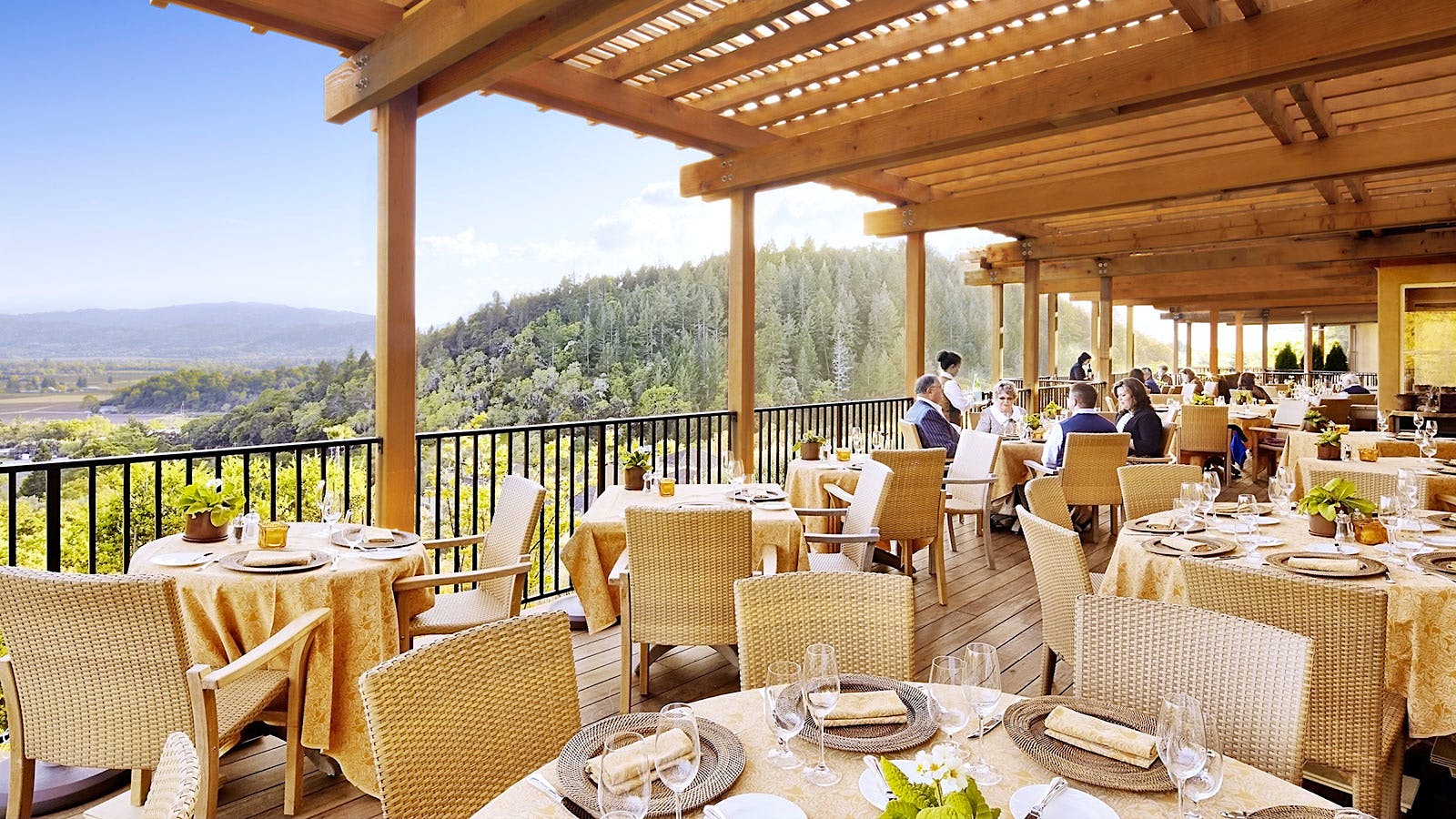
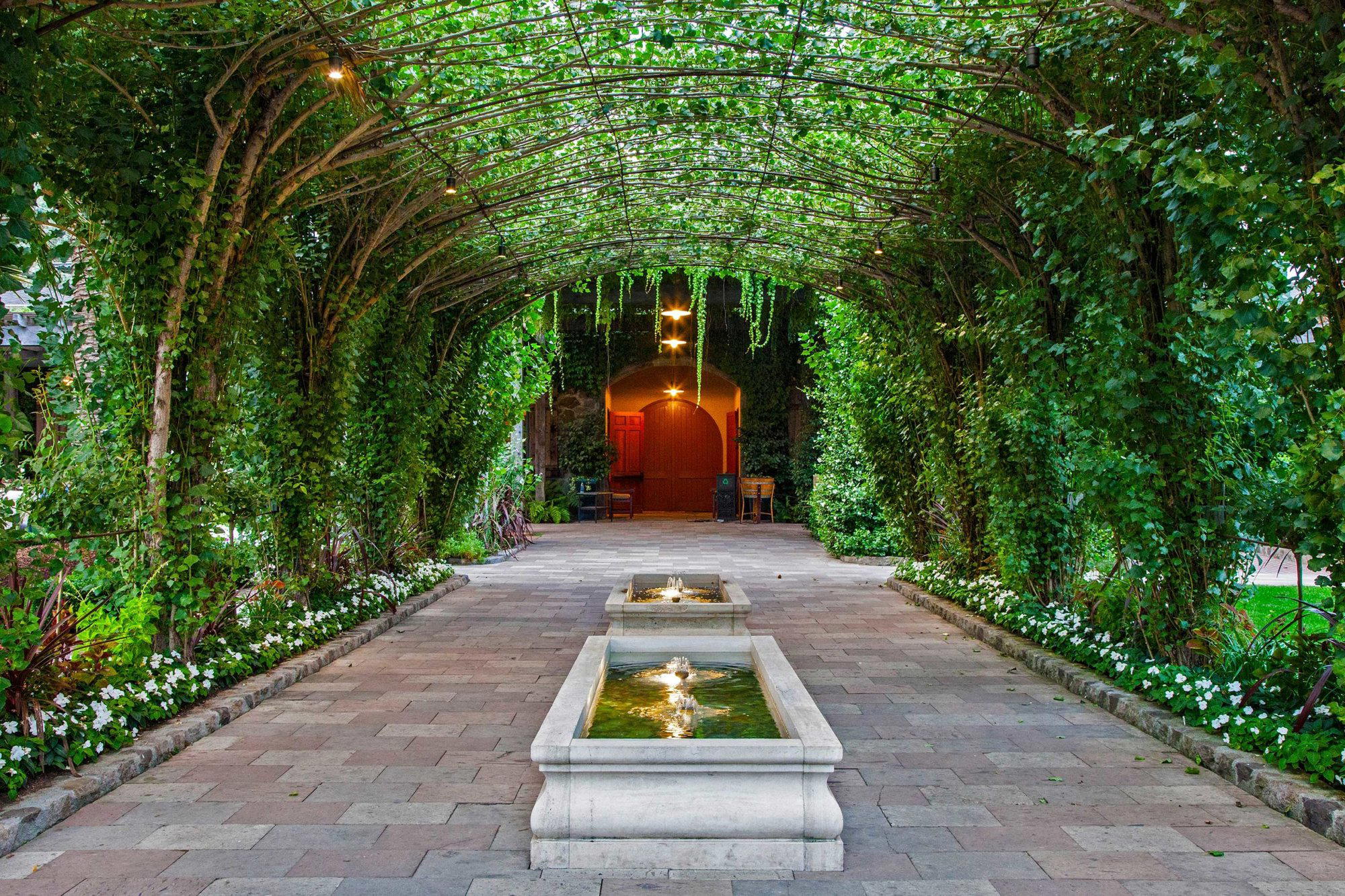
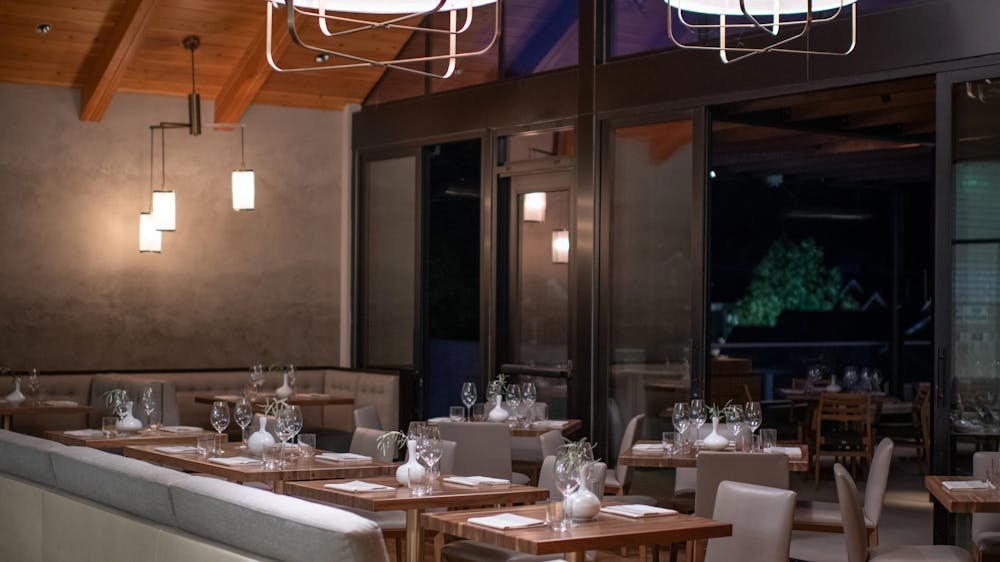
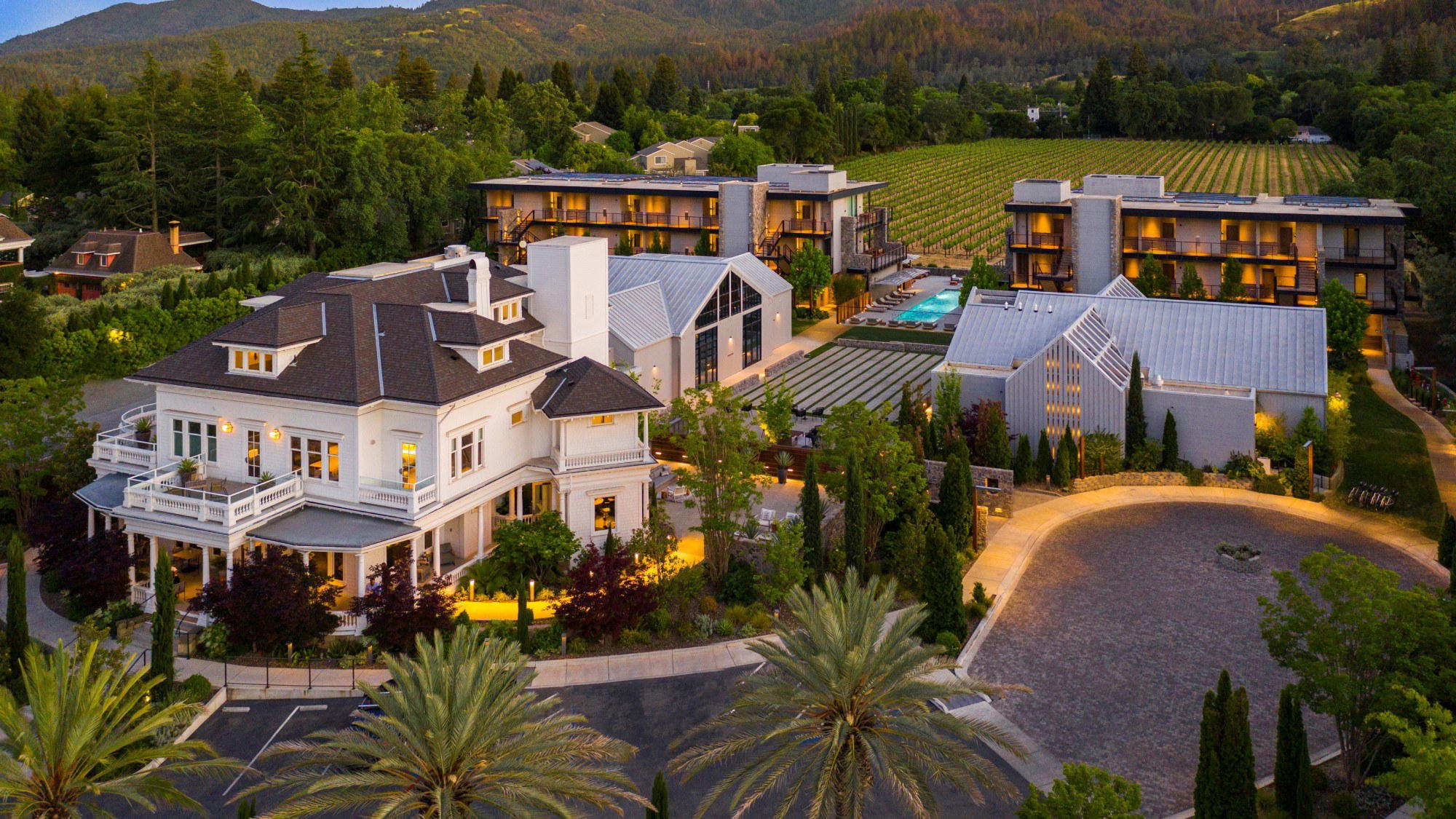
Elegant and refined atmosphere focused on fresh, high-acid whites in a respectful, low-intervention winery setting.