For anyone tracing the southern reaches of WA's wine country, Picardy is a reference point.

Pearl is the En Primeur Club membership app — saves, bookings, and concierge access live there. Same editors, same standards.
- Address
- 14545 Vasse Hwy, Eastbrook WA 6260
- Phone
- +61 8 9776 0036
- Website
- picardy.com.au
- Directions
- Get directions
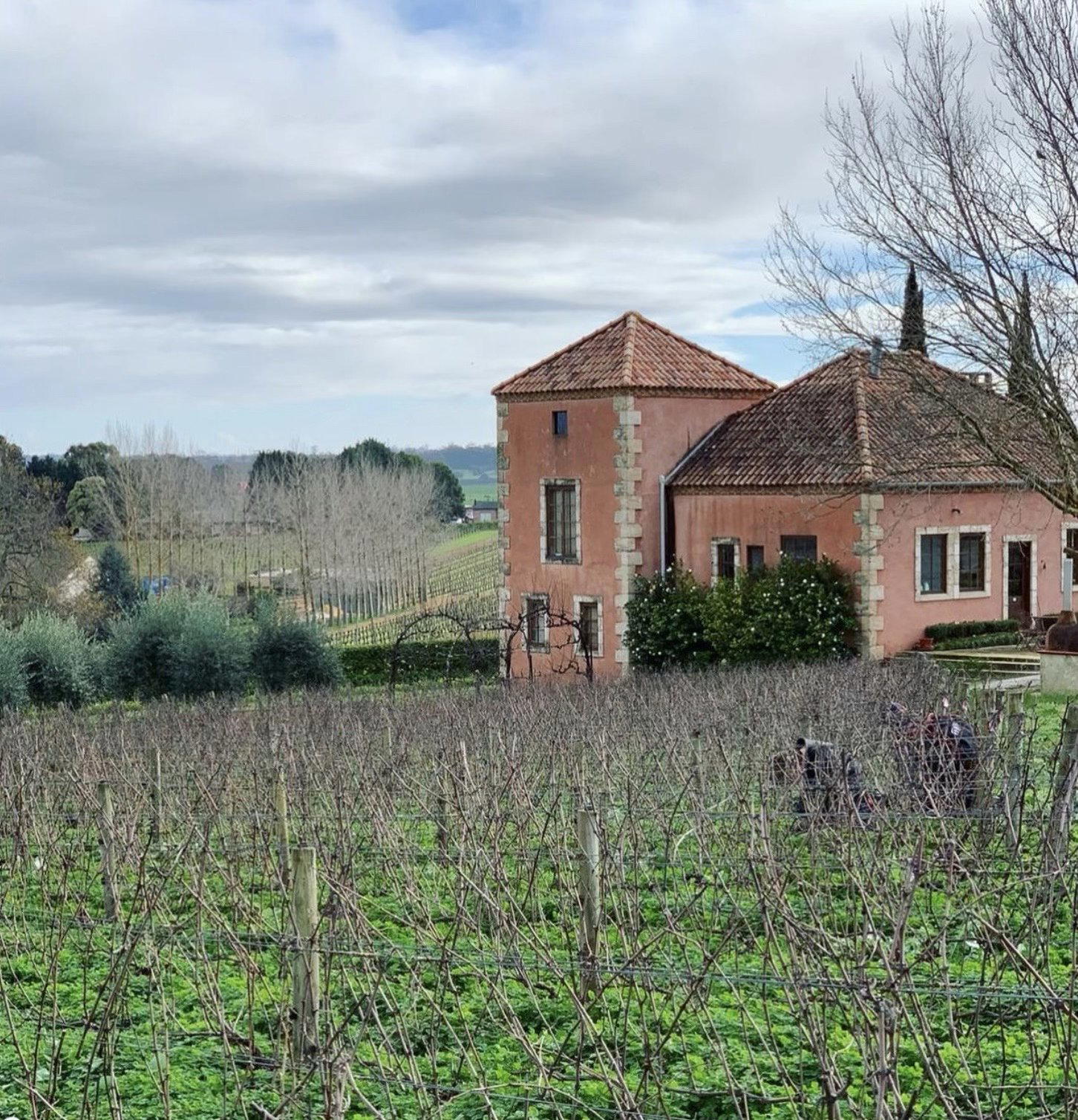
Where Karri Country Meets Cool-Climate Conviction
The road into Pemberton runs through karri forest so dense that daylight arrives in columns rather than sheets. Pemberton sits further south, higher in elevation, and considerably cooler in growing-season temperature. Those differences are not incidental to the wines produced here. They are the whole point.
Picardy Wines occupies this terrain in a way that feels structural rather than opportunistic. The property sits within a region that Australian wine critics and collectors have been paying closer attention to since the 1990s, when a handful of producers demonstrated that Pemberton's basalt and gravel soils, combined with its maritime-influenced cool climate, could produce Pinot Noir and Chardonnay of genuine complexity.
What Pemberton Produces, and Why It Matters
Australian wine geography is often reduced to a shortlist of flagship regions: Barossa, McLaren Vale, Margaret River, Hunter Valley. Pemberton belongs to a different conversation, one about cool-climate precision rather than warm-climate richness. The region shares certain climatic signatures with southern Victoria's leading Pinot country, though the soils and the karri-forested topography create a local character that producers like Picardy have worked to define on its own terms, rather than in relation to Burgundy or anywhere else.
That ambition to speak from place rather than borrow a framework is what separates the serious producers in Pemberton from those using the region as a cooler alternative to their primary operations elsewhere. Wineries that commit fully to the site, working through its cool, occasionally wet vintages rather than engineering around them, tend to produce wines with a structural tension that warmer-region equivalents rarely achieve. The tannic architecture of a cool-vintage red from this latitude, or the mineral drag through a Chardonnay grown under karri canopy, comes from specific combinations of temperature, soil drainage, and light intensity that cannot be replicated by adjusting a recipe.
For context, Bass Phillip in Gippsland operates with a similar philosophy in Victoria, committing entirely to cool-climate Pinot in a region that required decades to gain mainstream recognition. The comparison is useful not because the wines taste alike, but because the strategic logic is the same: place comes first, recognition follows. Cape Mentelle in Margaret River represents the more established WA benchmark, but its warmer site produces wines of a different register entirely.
In practical terms, this signals that the winery is performing at a level consistent with the most regarded producers in the Australian premium segment, a peer group that includes operations in regions with far greater international visibility.
That positioning matters when you consider the broader Australian producer map. Houses like Henschke in South Australia and Penfolds carry decades of export-market recognition that naturally inflates their profile relative to their quality. For collectors and serious visitors working through the Australian premium tier methodically, that distinction is relevant.
What the list demonstrates is that prestige-tier performance in Australia is distributed across climate types and soil profiles, not concentrated in any single region. Picardy's inclusion in that tier from a region as geographically specific as Pemberton reinforces the case that cool-climate WA has earned its position in the national conversation. The town is small, and wine tourism infrastructure here operates at a different pace than in the Margaret River corridor further north. That is not a shortcoming. It is part of the proposition.
Visiting Picardy works well as a considered itinerary rather than a passing stop. The region rewards those who arrive with enough time to engage with more than one producer, and to understand how the wines relate to the landscape rather than simply tasting them in isolation. Booking ahead is advisable; contact details are best confirmed through current channels, as the property operates at boutique scale. Those travelling from Perth who want to combine the visit with other high-recognition Western Australian producers should note that Cape Mentelle in Margaret River sits closer to the Perth-to-Pemberton route, making a staged itinerary practical.
For visitors exploring the broader Australian premium winery circuit, the EP Club Pemberton guide maps the region's producers against each other, and cross-referencing with operations in other states, including All Saints Estate in Rutherglen, Angove Family Winemakers in Renmark, Blue Pyrenees Estate in Pyrenees, Brown Brothers in King Valley, and Archie Rose Distilling Co in Sydney, gives useful scale to how different regional identities operate within the national premium tier.
The Case for Cool-Climate WA
Western Australia's wine story is told, internationally at least, almost entirely through Margaret River. The concentration of critical attention on that region has created a structural blind spot around what lies further south. Pemberton, Manjimup, and the broader Great Southern zone produce wines that sit in a different register, cooler and more structurally austere, that appeal to a different palate than the textured Cabernets and Chardonnays that made Margaret River's reputation.
Picardy represents the argument for that southern tier in its most committed form. They make their own case from the ground up, through the karri-shaded slopes and basalt soils of one of Australia's least-exported but most quietly serious wine regions.
For visitors who have covered the more familiar stops on the Australian premium circuit, from Casella Family in Griffith to Bundaberg Rum Distillery in Bundaberg to international benchmarks like Aberlour in Aberlour or Accendo Cellars in St. Helena, Pemberton and Picardy specifically offer something that the well-documented regions cannot: the particular quality of a place still being understood on its own terms.
How It Stacks Up
Comparable venues nearby, for context on price, style, and recognition.
| Venue | Cuisine | Price | Awards | Notes |
|---|---|---|---|---|
| Picardy WinesThis venue — the venue you are viewing | Pinot Noir, Chardonnay | Not listed | Not listed | Not listed |
| Vasse Felix | Cabernet Sauvignon, Chardonnay | $10–20 | Falstaff Winery - Listed | Margaret River |
| Woodlands | Cabernet Sauvignon, Chardonnay | Not listed | Falstaff Winery - Listed | Wilyabrup |
| Moss Wood | Cabernet Sauvignon, Chardonnay | Not listed | Falstaff Winery - Listed | Wilyabrup |
| Flowstone Wines | Chardonnay, Cabernet Sauvignon | Not listed | Not listed | Forest Grove |
| Flametree | Chardonnay, Cabernet Sauvignon | Not listed | Falstaff Winery - Listed | Margaret River |
Details
- Rustic
- Scenic
- Quiet
- Elegant
- Wine Education
- Solo Exploration
- Vineyard Tour
- Estate Grounds
- Sustainable
- Vineyard
- Garden
- Pinot Noir
- Chardonnay
- Merlot
- Cabernet Sauvignon
- Cabernet Franc
- Shiraz
- Sauvignon Blanc Semillon
- Still Red
- Still White
- Cellar Door
Tranquil cool-climate setting amid karri forests and rolling hills with a focus on refined, old-world elegance.