Roagna
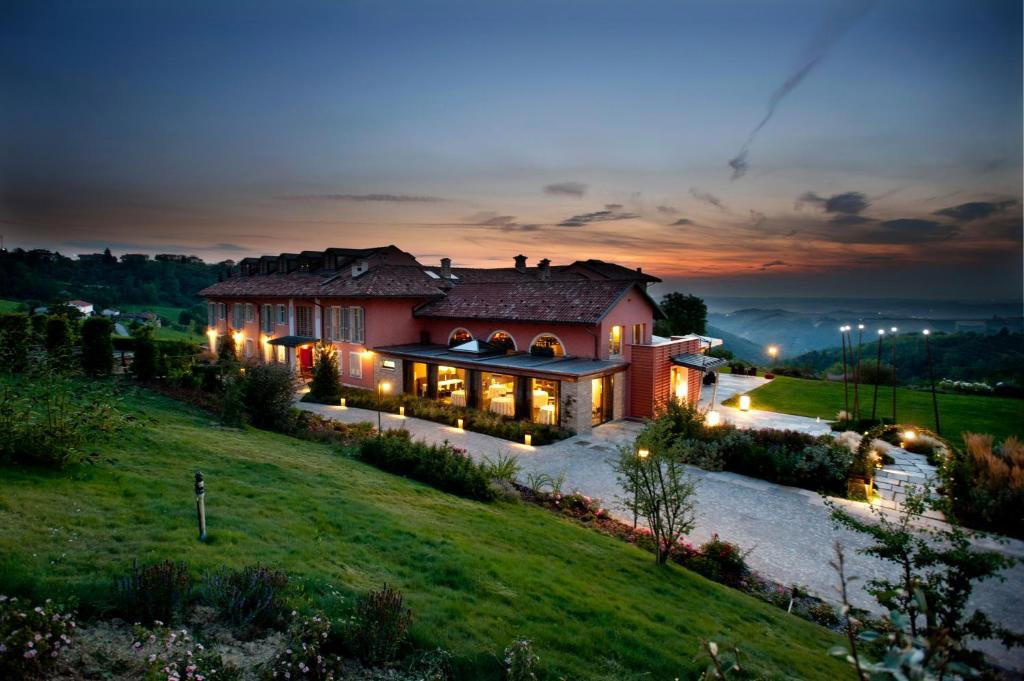
Roagna sits in the village of Barbaresco as one of the Langhe's most closely watched traditional producers. The estate occupies a position in Piedmont's upper tier of Nebbiolo specialists, working from parcels in the appellation's historic core. Visits here are rooted in the cellar and the glass, not in spectacle.

Pearl is the En Primeur Club membership app, where members save venues, book tables and use the concierge.
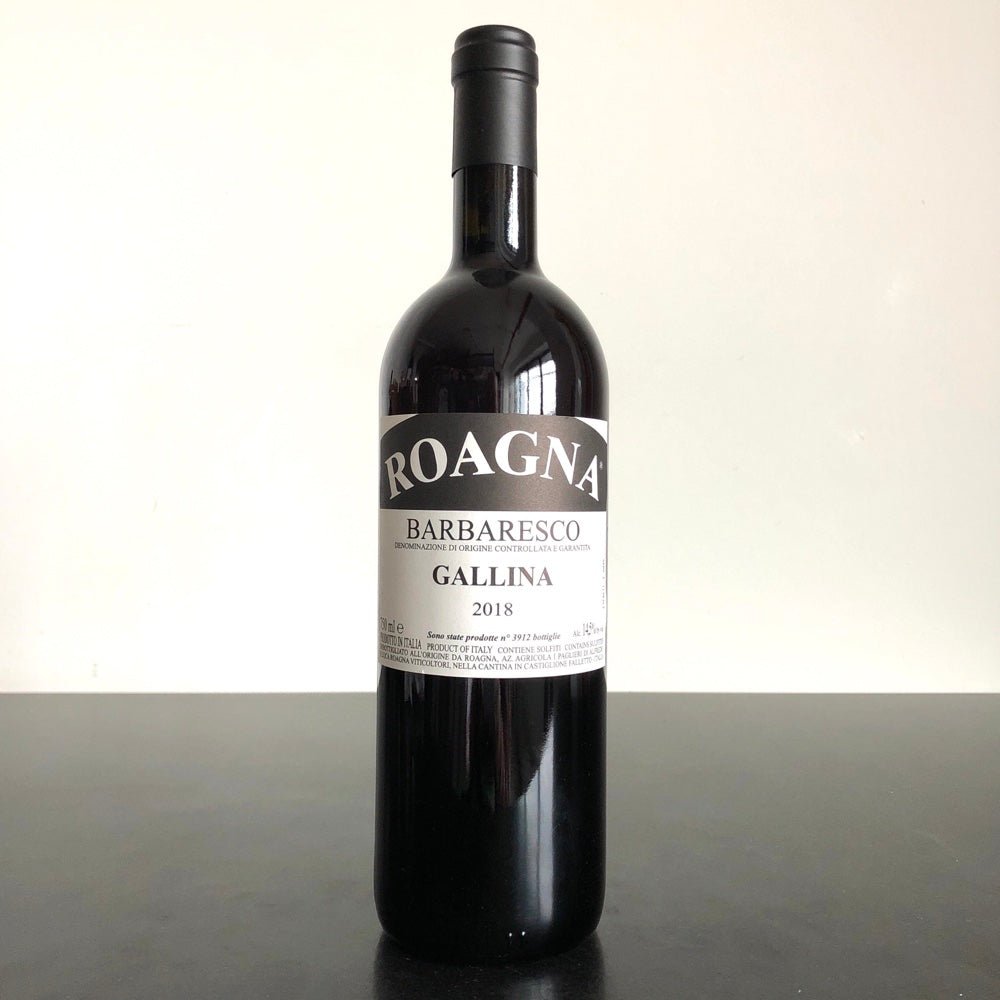
Arriving in Barbaresco: The Village Before the Wine
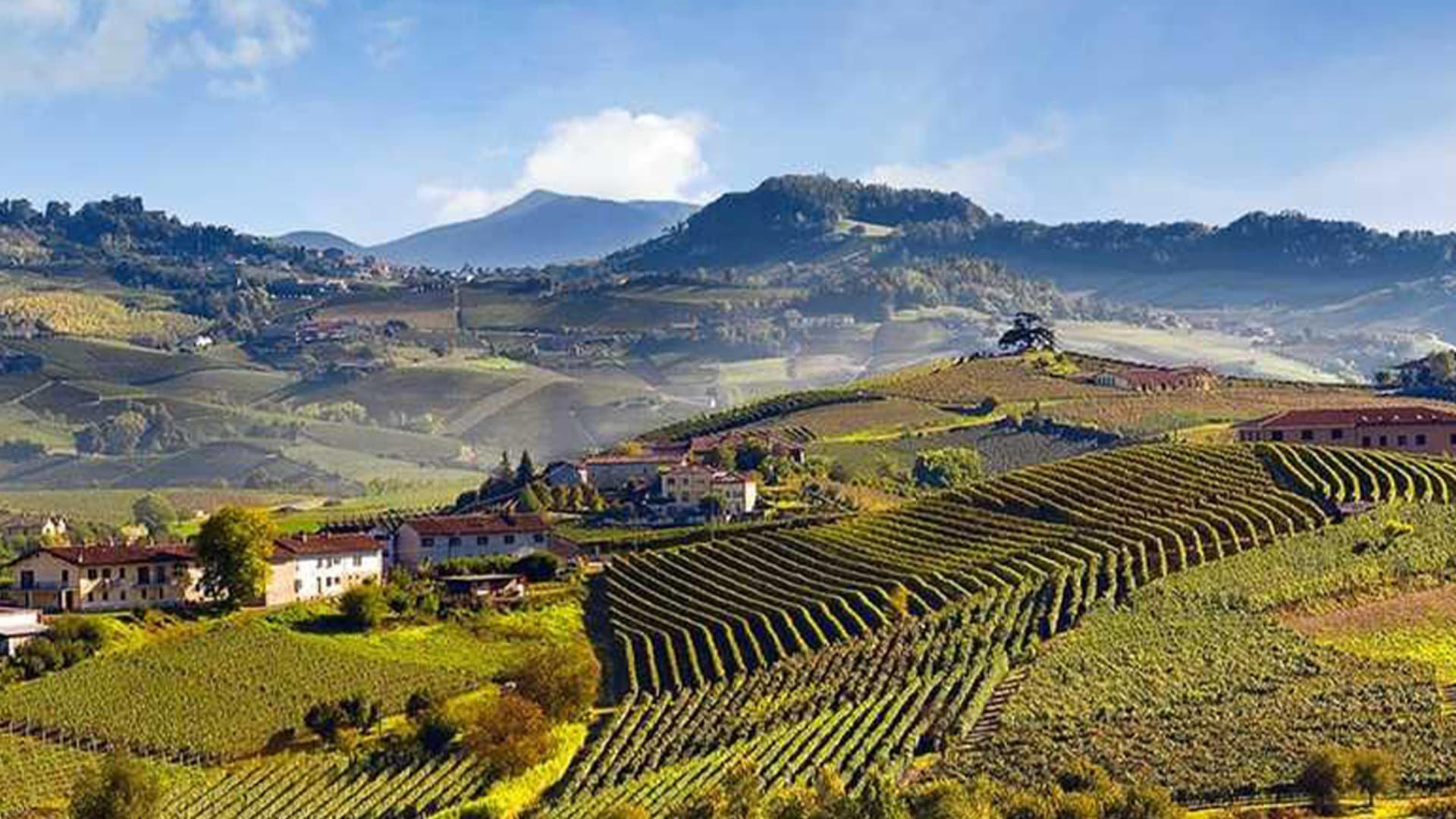
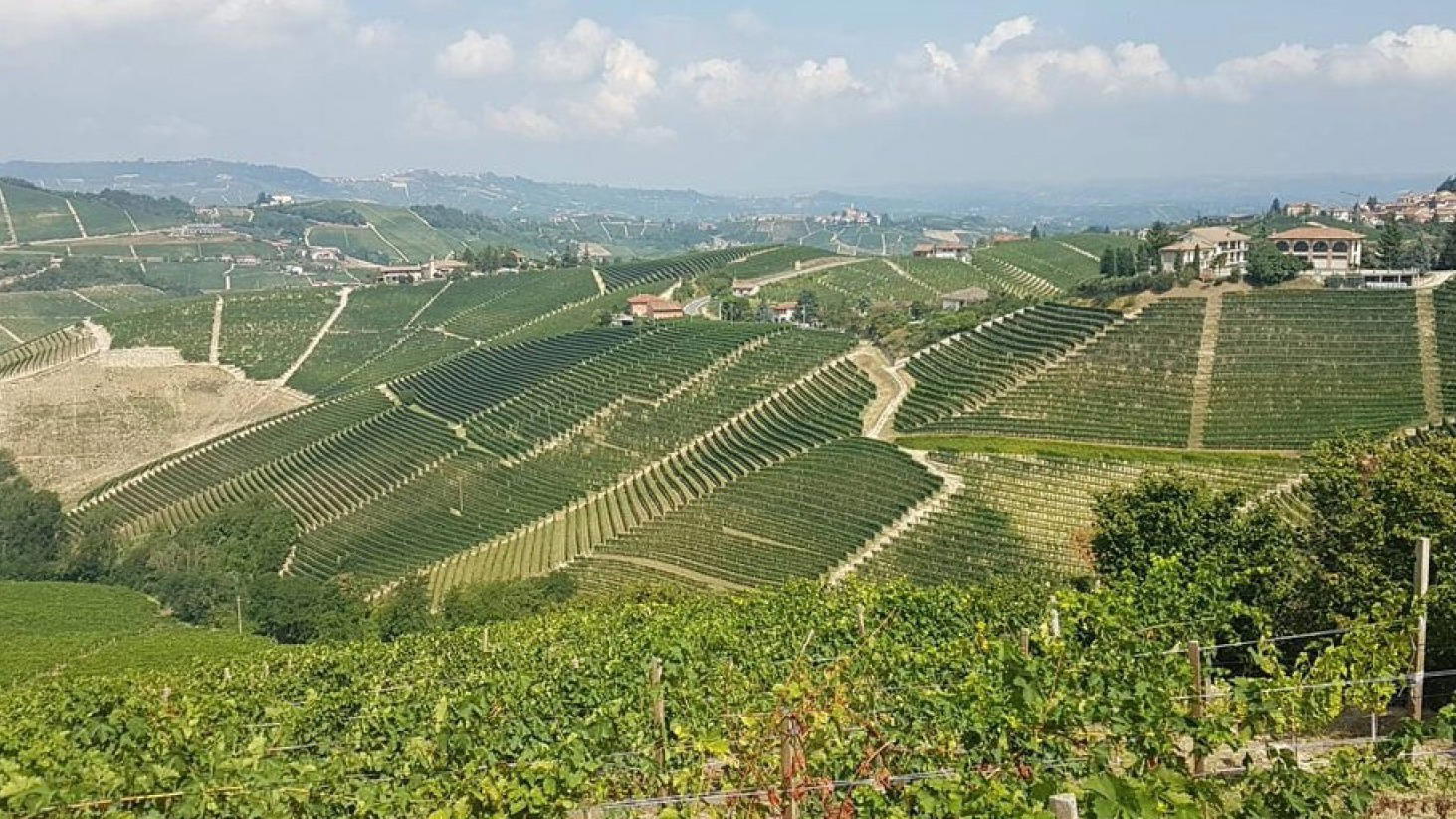
Barbaresco the village and Barbaresco the wine share a geometry that few appellations can claim. The settlement itself is small enough that the tower at its centre is visible from most approach roads, and the sense of arrival is immediate: this is not a town that grew around commerce but one that persists because of agriculture. Località Paglieri, the address where Roagna sits, is the kind of location that tells you something before you taste anything. The Paglieri area is positioned within the commune's recognised producing zones, placing the estate at the centre of the conversation about where Barbaresco's finest sites actually lie, rather than at its periphery.
That geography matters when you understand how Barbaresco's leading producers have chosen to differentiate themselves. While Produttori del Barbaresco represents the cooperative tradition, channelling fruit from multiple grower-members into wines that prioritise consistency at volume, and Gaja occupies the global prestige tier with prices and distribution to match, a small cohort of family producers operates in a different register: lower production, longer elevage, and deliberate distance from the international market machine.
The Traditional Model and What It Demands of the Visitor
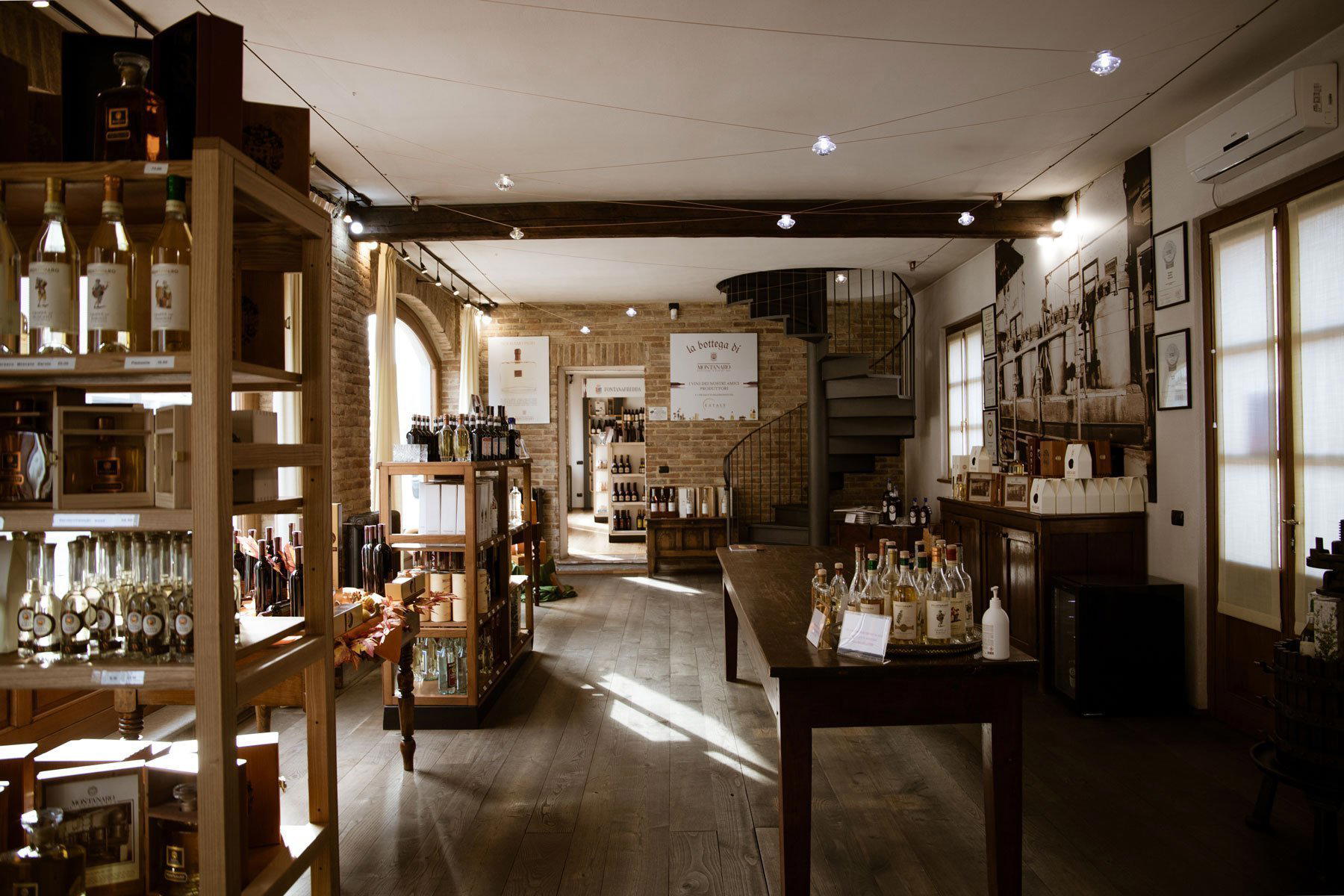
Experiencing wine in Barbaresco at this level is not like visiting a tasting room in the Napa Valley or a chateau in Bordeaux where infrastructure has been built around visitor flow. The traditional Langhe model is closer, in format and expectation, to visiting a serious grower in Burgundy: you are a guest in a working estate, not a customer in a hospitality venue. That context shapes everything about how a visit to a producer like Roagna reads. The focus is on the wine in the glass and the cellar beneath your feet, not on the theatre around it.
This format has real implications for how you approach the visit. Estates operating in this tradition typically work by appointment, and the depth of the experience is usually proportional to the preparation you bring to it. Knowing the difference between the Barbaresco DOCG appellation and its individual named crus, understanding the ageing requirements that separate Barbaresco from the longer-maceration model at Aldo Conterno in Monforte d'Alba, and arriving with questions rather than a checklist will determine the quality of the conversation you have as much as any logistical variable.
For visitors coming from further afield in Italy, the regional context extends well beyond the Langhe. Piedmont's wine culture has its own internal hierarchies. Producers working with Nebbiolo in the Langhe hills operate in a different register from the sparkling-wine estates of Franciacorta, where Ca' del Bosco in Erbusco represents a completely different production philosophy and hospitality model. Understanding those contrasts helps calibrate expectations before you arrive in Barbaresco.
The Tasting Format and What the Glass Reveals
Roagna works with Nebbiolo grown on the calcareous-clay soils that define Barbaresco's leading sites. The traditional winemaking approach common to producers in this corner of the Langhe involves extended maceration and ageing in large Slavonian oak casks rather than small French barriques, a choice that preserves the grape's natural tannin structure and acidity rather than softening it through new wood. The resulting wines are not immediately accommodating. Young Barbaresco from producers working in this idiom often needs time to reveal its architecture, and tasting from barrel or young bottles is an exercise in reading potential rather than pleasure.
That interpretive demand is part of what makes this kind of tasting valuable for a serious visitor. You are not being presented with a finished, polished product designed for immediate approval. You are being given access to wine at various stages of development, which requires and rewards a different kind of attention. For context, the same expectation governs visits to serious producers in other Italian appellations: Lungarotti in Torgiano or Castello di Volpaia in Radda in Chianti both operate within traditions that prioritise the wine's long arc over its early approachability.
The Barbaresco appellation requires a minimum of 26 months of ageing, with at least nine in wood, before release. Riserva versions extend that to 50 months. At producers working in the traditional mould, actual ageing frequently exceeds the legal minimum, meaning wines may arrive at the tasting room with more bottle age than their release year suggests. That temporal depth is part of what you are encountering in the glass.
Placing Roagna in the Appellation's Competitive Set
Barbaresco's producer landscape has been heavily shaped by the choices made by its most visible names over the past four decades. Gaja's internationalisation through the 1980s and 1990s established one model, while the cooperative at Produttori del Barbaresco maintained another. The smaller family producers working outside either of those structures represent a third trajectory, one defined by tight geographic focus, artisanal production volumes, and distribution that often skews toward specialist importers in export markets rather than broad retail placement.
That kind of recognition typically reflects a combination of site quality, production consistency over multiple vintages, and the ability to age gracefully, all of which are measurable through the appellation's established critical framework. It does not position the estate as an outlier but rather confirms its place within the Barbaresco tradition's serious tier.
For visitors building a broader Langhe itinerary, the appellation sits in productive proximity to other northern Italian producers and distillers. Distilleria Romano Levi in Neive is nearby, representing a completely different tradition within the same cultural zone, and the Engine Gin operation in Barbaresco itself reflects the region's willingness to work across categories. Further north, grappa producers including Nonino Distillery in Pavia di Udine and Distilleria Marzadro in Nogaredo show how pomace distillation became its own prestige category across northern Italy, a cultural throughline that runs from the same Nebbiolo skins used in Barbaresco production.
Planning a Visit: What to Know Before You Go
Barbaresco village is accessible by car from Alba in under 15 minutes, and most visitors to the zone base themselves in Alba or the broader Langhe area. The harvest period in autumn brings increased visitor traffic and, with it, fewer opportunities for unscheduled appointments at working estates. Spring and early summer typically allow more flexibility for serious visits, and mid-week appointments tend to yield more time and attention than weekend slots at busy periods.
As a reference point, serious Barbaresco DOCG from small traditional producers typically ranges from controlled-release allocations for standard appellation wines to significantly higher secondary-market prices for single-vineyard and Riserva bottlings from recognised vintages. Comparable estate pricing at this recognition level elsewhere in Italy, such as at L'Enoteca Banfi in Montalcino for Brunello di Montalcino, or internationally at Accendo Cellars in St.
Cuisine and Recognition
Comparable venues nearby, for context on price, style, and recognition.
| Venue | Cuisine | Price | Awards | Notes |
|---|---|---|---|---|
| RoagnaThis venue (the venue you are viewing) | Nebbiolo, Dolcetto | Not listed | Not listed | Not listed |
| Produttori del Barbaresco | Nebbiolo | Not listed | Falstaff Winery - Listed | Barbaresco |
| Gaja | Nebbiolo, Barbera | $150–200 | World's 50 Best #36 · Falstaff Winery - 5 Stars | Barbaresco |
| Cavallotto | Nebbiolo, Barbera | Not listed | Falstaff Winery - 5 Stars | Castiglione Falletto |
| Pio Cesare | Nebbiolo, Chardonnay | Not listed | Falstaff Winery - 5 Stars | historic center of Alba |
Continue exploring
More in Barbaresco
Wineries in Barbaresco
All wineries in Barbaresco →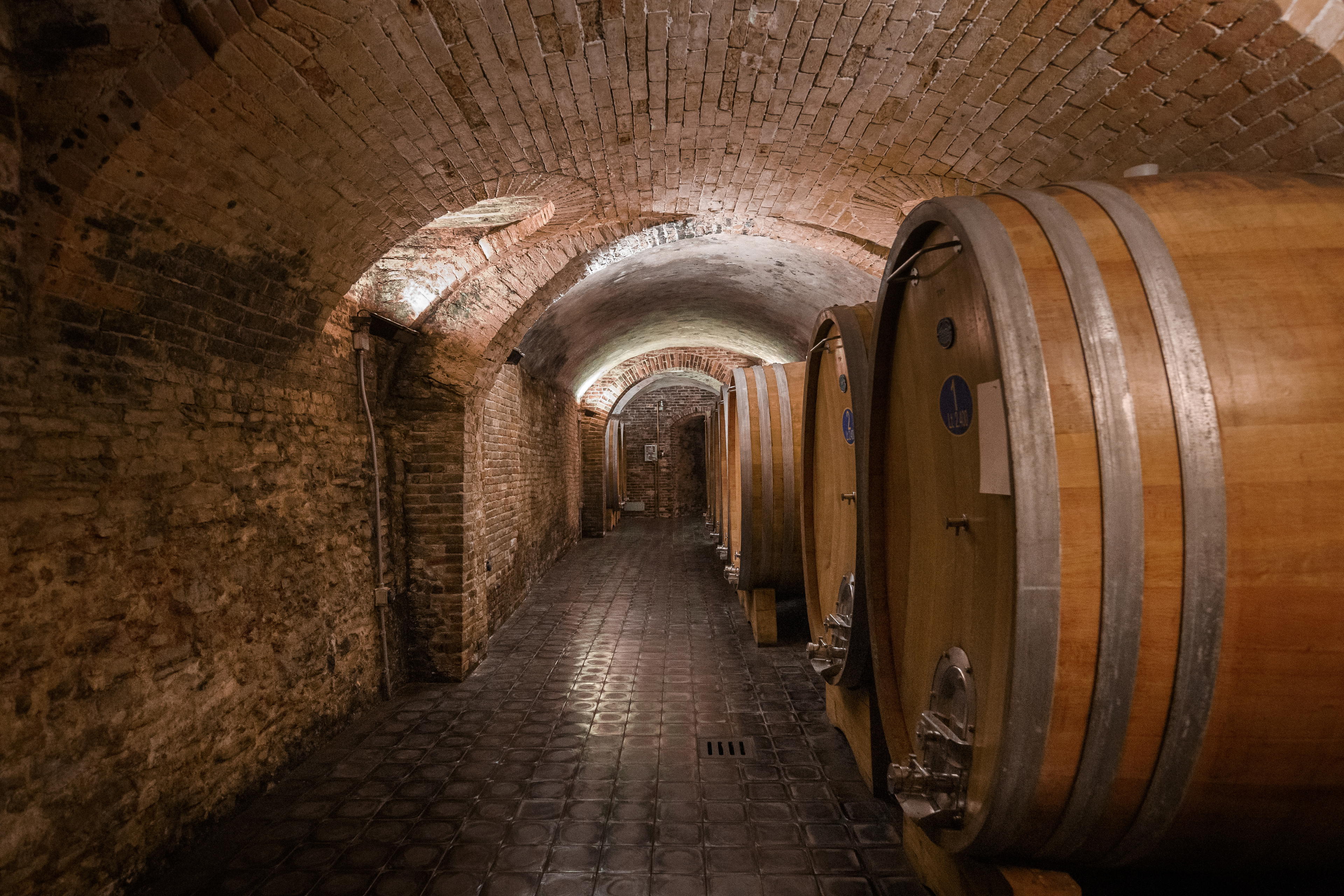
Bars in Barbaresco
All bars in Barbaresco →
Details
- Classic
- Rustic
- Elegant
- Intimate
- Sophisticated
- Wine Education
- Special Occasion
- Solo Exploration
- Cave Tasting
- Vineyard Tour
- Historic Building
- Vineyard
- Nebbiolo
- Dolcetto
- Chardonnay
- Still Red
- Cave Tasting
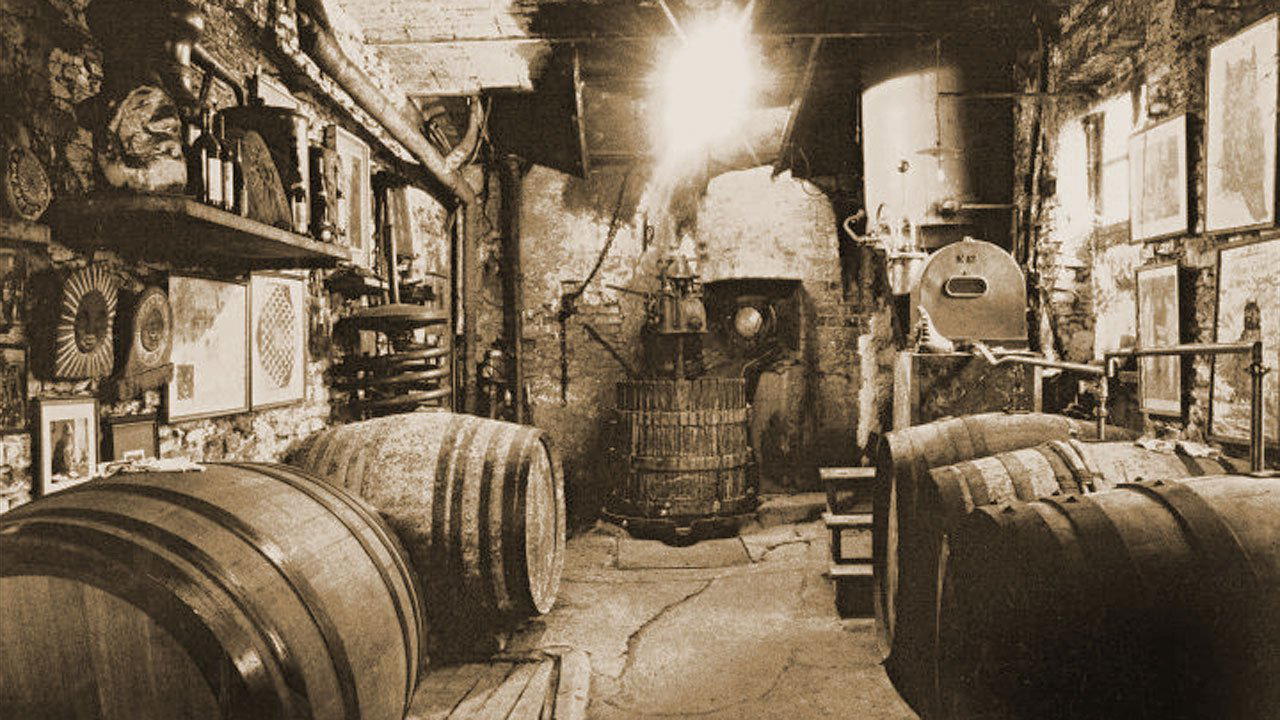
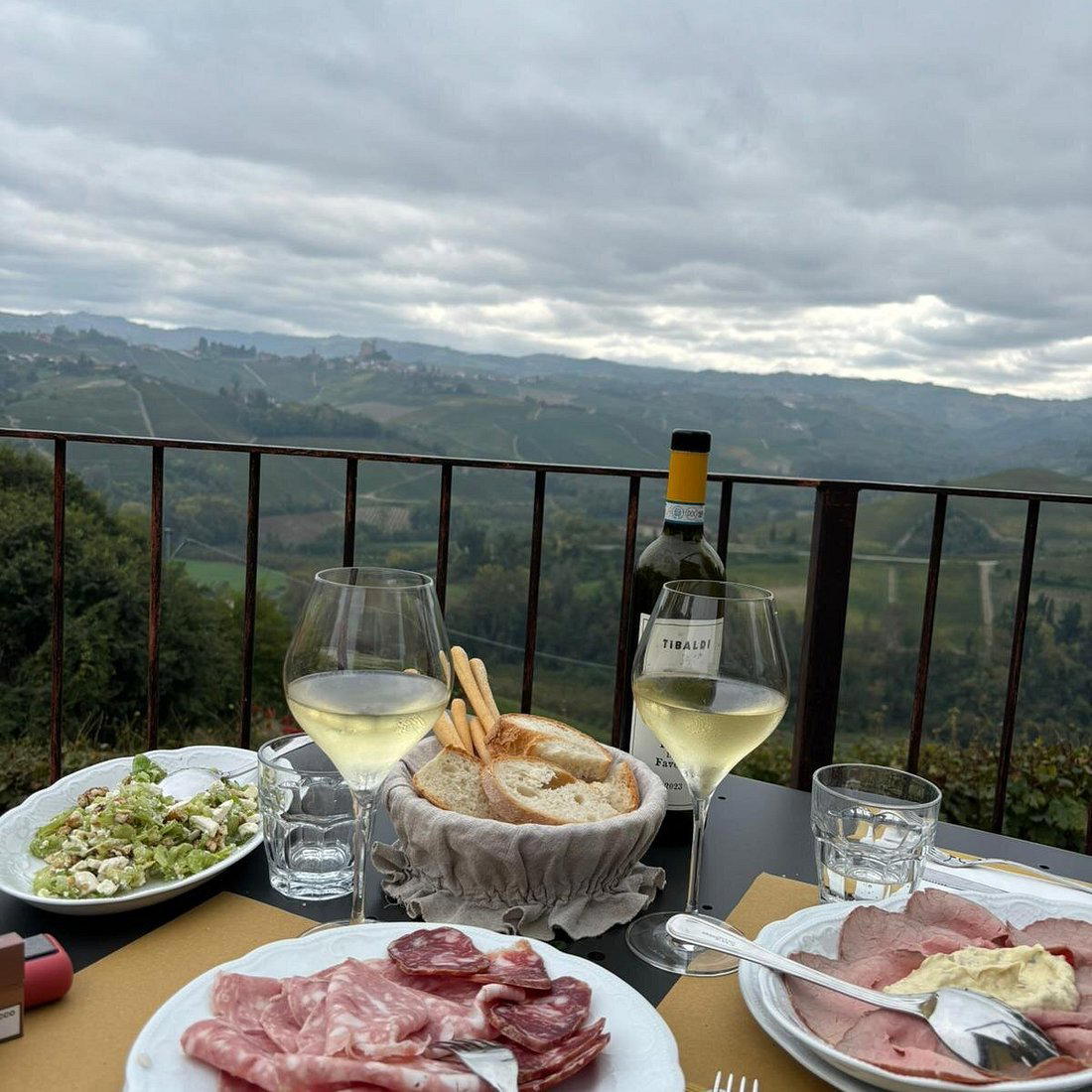
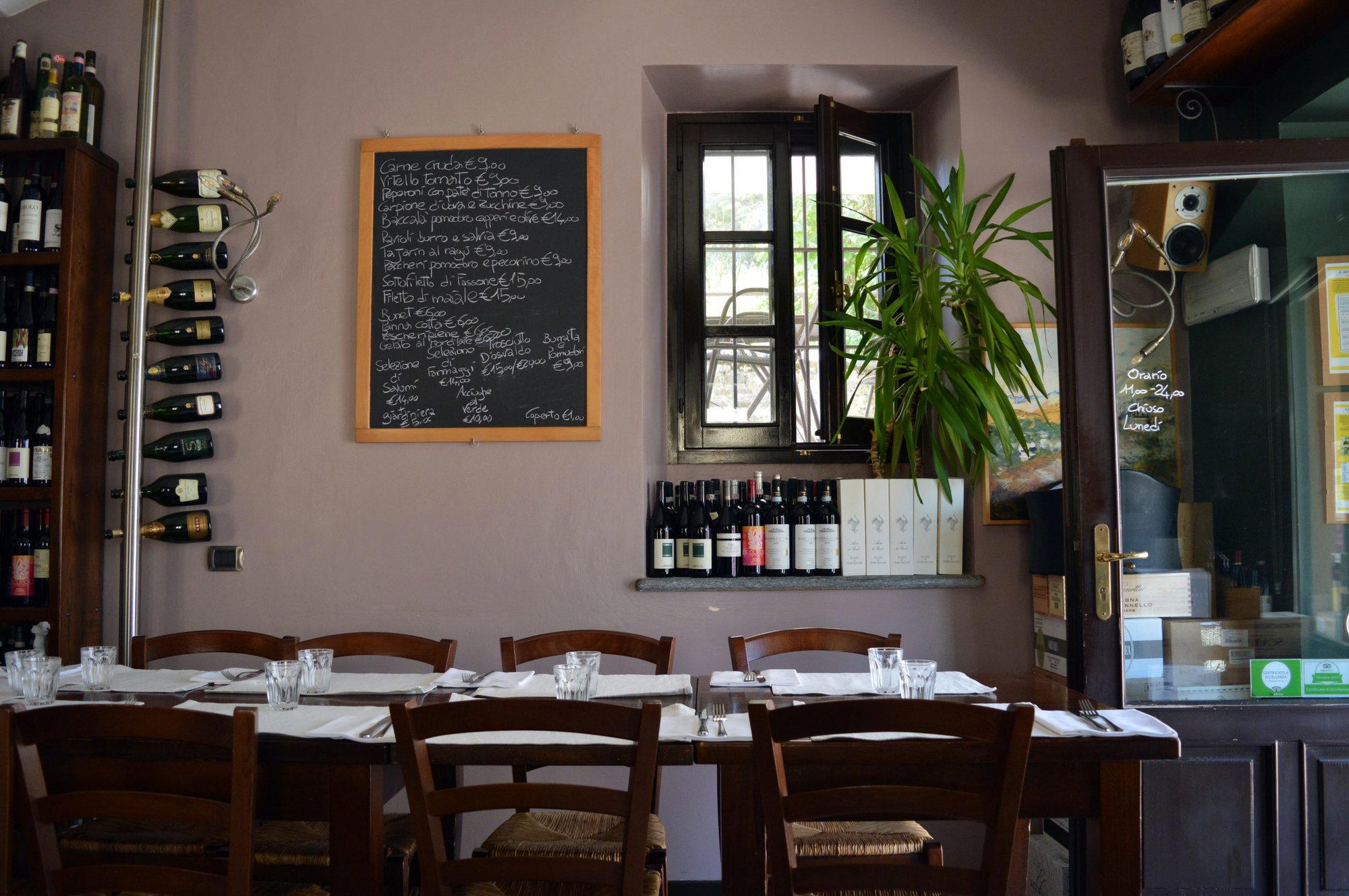
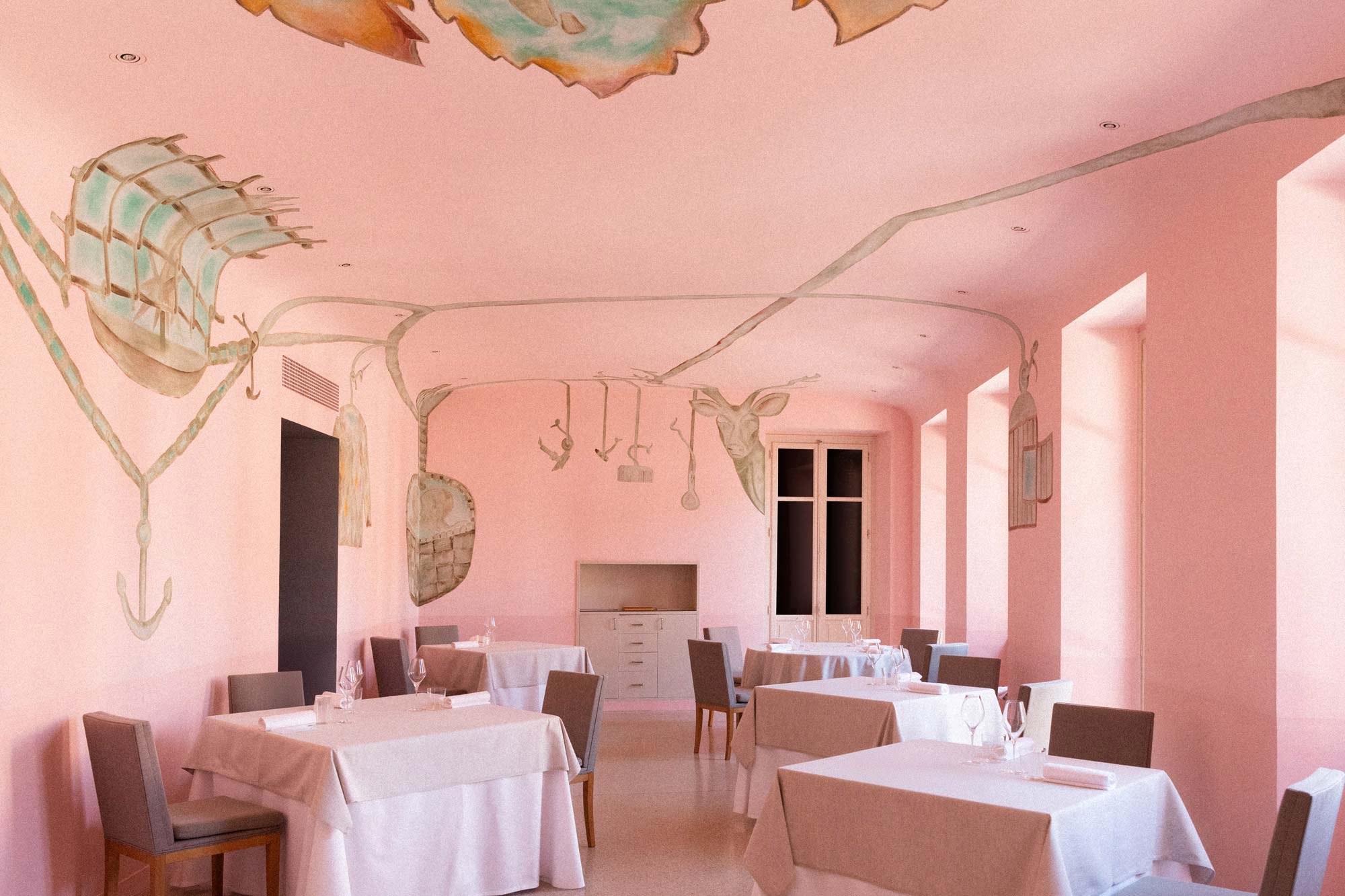
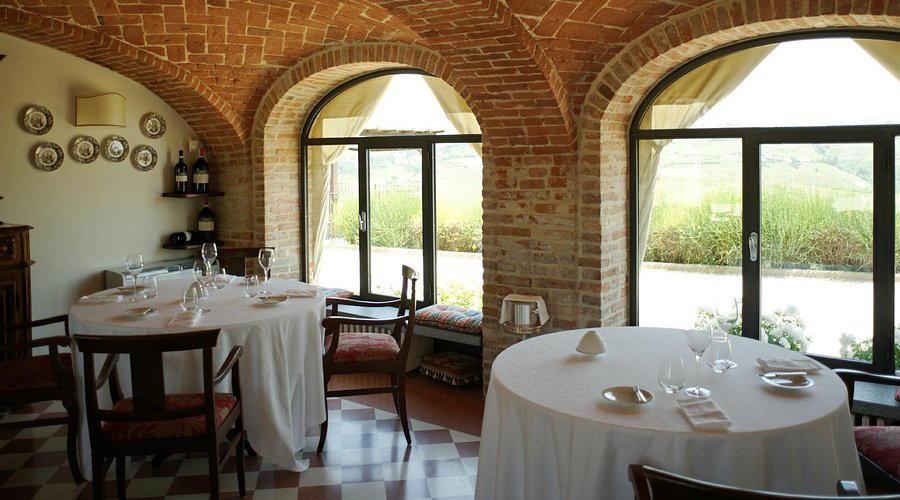
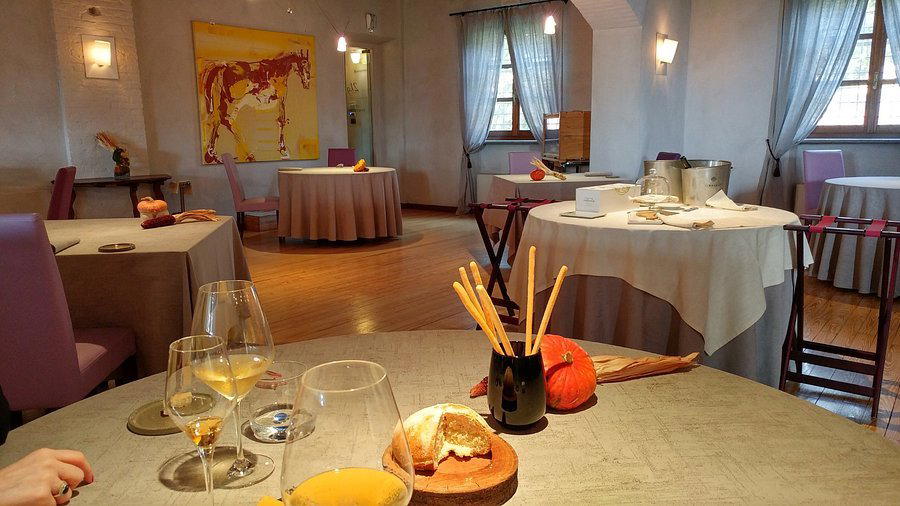
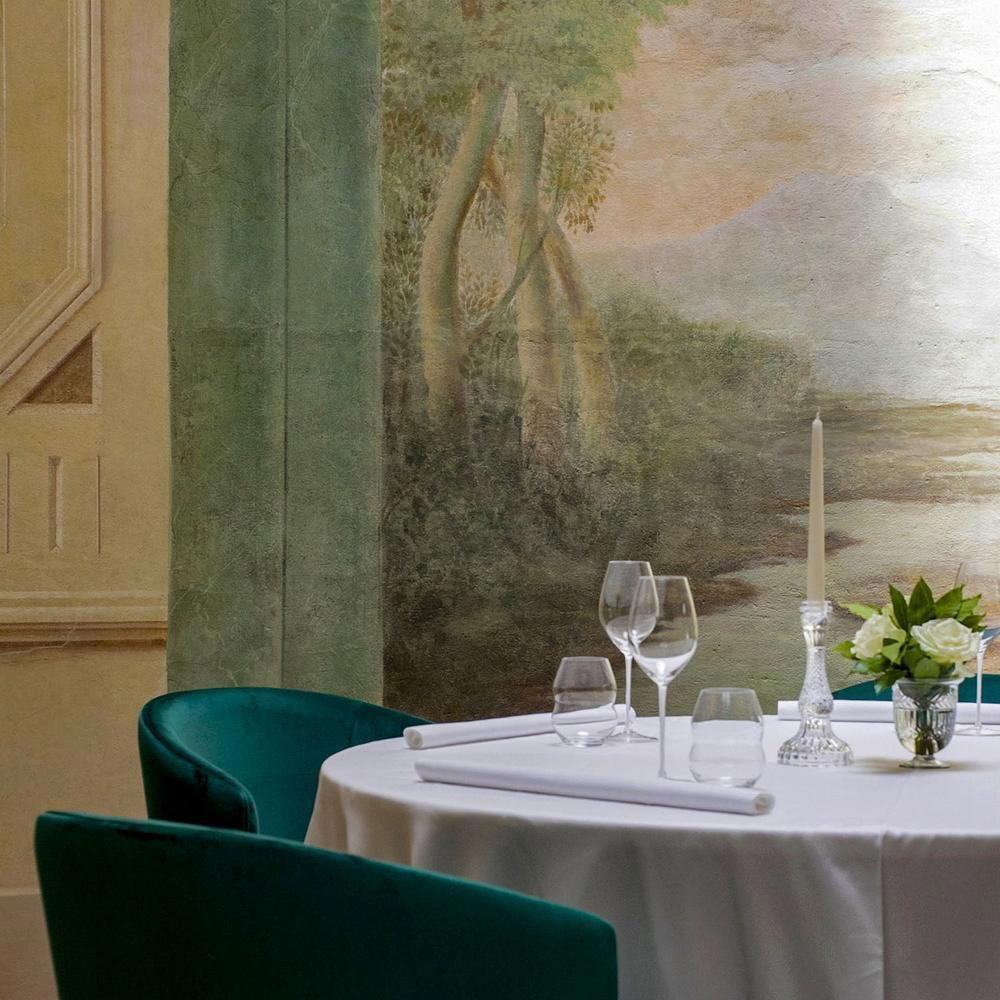
Deeply traditional atmosphere in historic cellars with emphasis on terroir-driven wines aged in large oak barrels for years.