Lovingston Winery
Lovingston Winery sits in Nelson County, Virginia, a region where the Blue Ridge foothills and granite-laced soils have quietly built one of the East Coast's more serious wine identities. For those tracing the trajectory of Appalachian viticulture, it belongs on the itinerary.

Pearl is the En Primeur Club membership app — saves, bookings, and concierge access live there. Same editors, same standards.
- Address
- 885 Freshwater Cove Ln, Lovingston, VA 22949
- Phone
- (434) 263-8467
- Website
- lovingstonwinery.com
- Directions
- Get directions
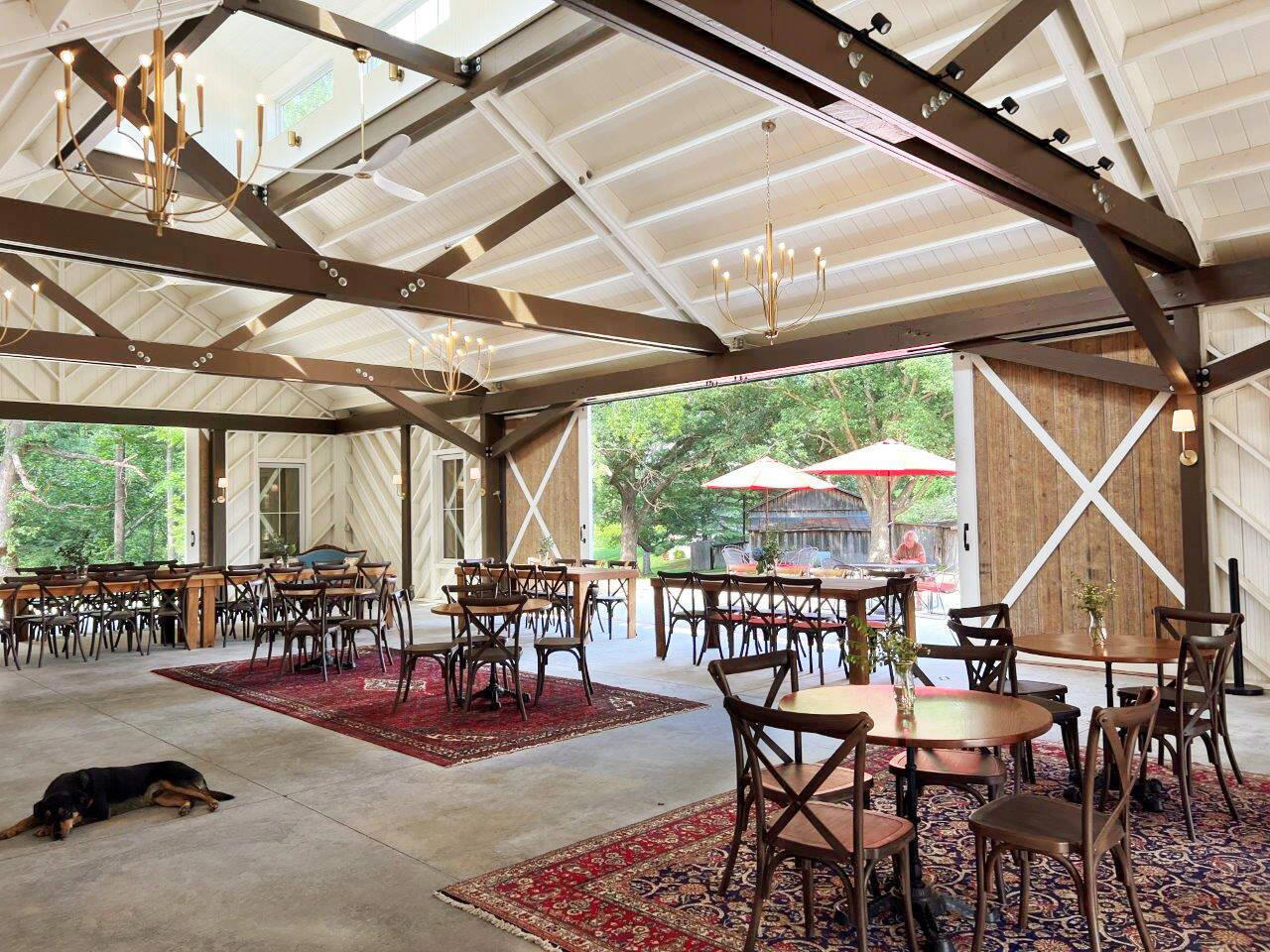
Where the Blue Ridge Meets the Bottle
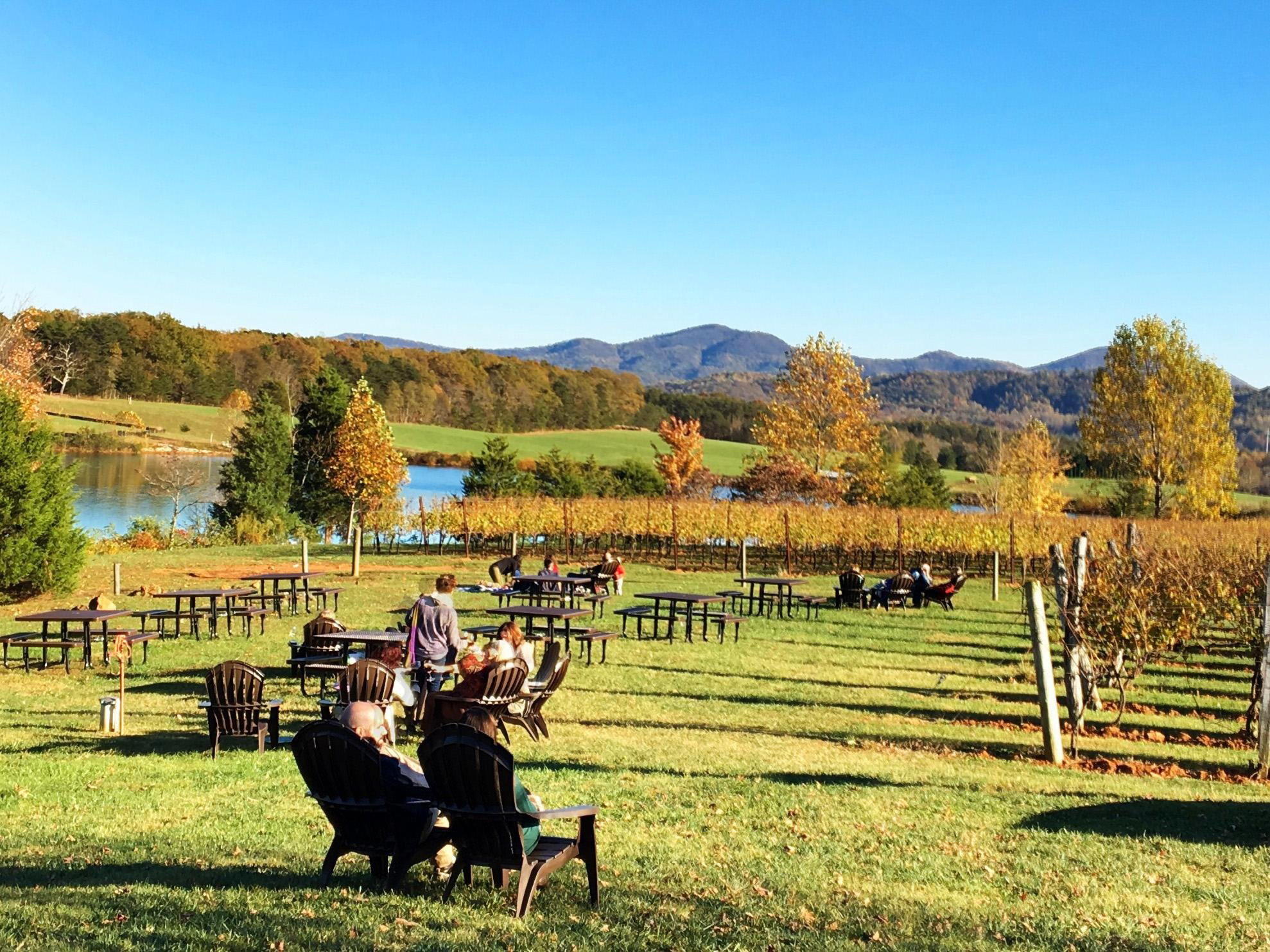
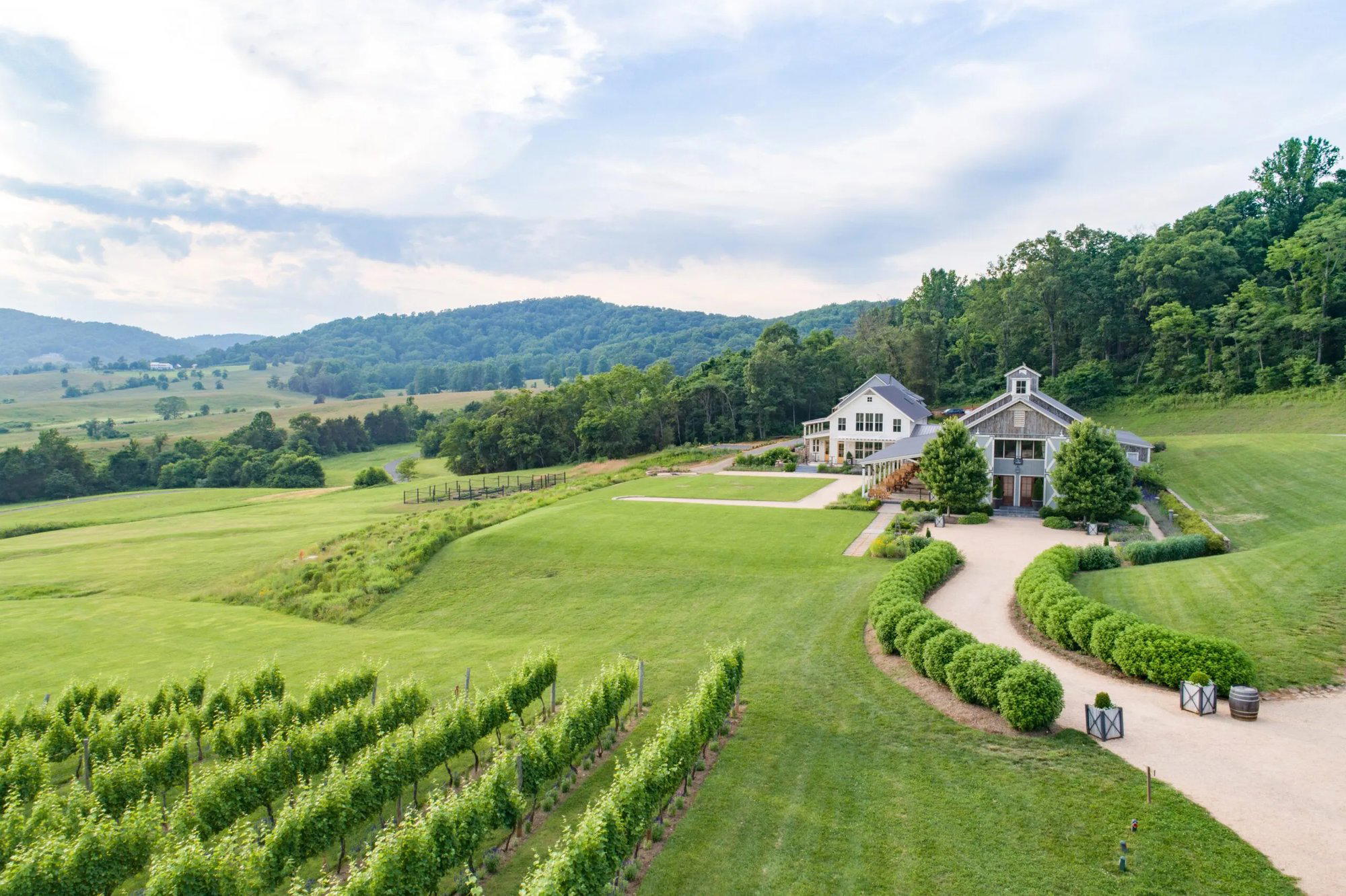
The drive into Nelson County sets expectations before you arrive at any cellar door. The Blue Ridge Mountains rise to the west, and the road to Lovingston cuts through a landscape shaped by granite outcroppings, hardwood ridgelines, and a climate that swings with enough seasonal drama to keep viticulture genuinely challenging. Virginia wine country has never had an easy ride, and that difficulty is part of what makes its better producers worth attention. Lovingston Winery, located at 885 Freshwater Cove Lane, sits within this geography in a way that is less about scenic backdrop and more about what the land actually contributes to the glass.
Nelson County has developed a quiet but credible wine identity over the past two decades. The county sits at the edge of the Monticello American Viticultural Area, a designation that carries historical weight given Thomas Jefferson's documented attempts at viniculture on the adjacent slopes, and more recent analytical weight as producers have learned which varietals survive the region's humidity, late-spring frosts, and irregular harvest windows.
The Terroir Argument in Nelson County
Virginia wine's central challenge is also its central argument: the same conditions that make farming difficult, including clay-heavy soils shifting into weathered granite, elevation differentials across short distances, and a growing season compressed by humidity risk, also force the vines to work harder and, in the leading vintages, produce fruit with concentration and acid structure that warmer, easier-farming regions sometimes lack. The Monticello AVA has leaned into this, with Viognier and Cabernet Franc performing most consistently as flagship varieties, largely because they handle Virginia's variable ripening windows better than Cabernet Sauvignon does at scale.
Lovingston's position within this AVA conversation matters.
The granite and clay subsoils of Nelson County drain well enough to stress the vines productively while retaining sufficient moisture through dry spells. Elevation, ranging from valley floor to mid-slope plantings across the county, introduces meaningful temperature variation between day and night, which preserves aromatic complexity in white varieties and acid freshness in reds. These are not abstract claims; they are the structural reasons why Virginia Viognier, in the hands of a focused producer, can hold its own against California Rhône-program counterparts like Alban Vineyards in Arroyo Grande, where Viognier has deeper roots but not necessarily more expressive ones.
Virginia's Place in the Wider American Wine Map
The serious American wine conversation has long been dominated by California, with Oregon and Washington adding significant weight over the past three decades. Virginia operates differently: smaller in production scale, less institutionalized in terms of critical infrastructure, but increasingly producing wines that demand attention on their own terms rather than as regional curiosities. The distinction matters for the visitor. Coming to Lovingston expecting a Napa experience, with the polished tasting room theater of a Napa property like Artesa or the allocation-driven prestige of Accendo Cellars in St. Helena, would be the wrong frame entirely.
What Virginia offers instead is closer to what draws visitors to Paso Robles producers like Adelaida Vineyards: a sense of terroir still being mapped, of a wine region that has not yet calcified into formula, where the interesting question is not which vintage to buy but what the land is capable of producing under the right conditions. That openness is both Virginia's limitation and its appeal, and the producers earning prestige-level recognition within it are the ones worth tracking.
For context on how other serious American wine programs have developed through regional identity, the Burgundy-influenced work at Au Bon Climat in Santa Barbara and the precision-focused output at Aubert Wines in Calistoga offer useful comparative anchors, not because they resemble Virginia in style but because they demonstrate how a committed regional program builds credibility over time. The Alexander Valley Vineyards model in Geyserville, where multi-generational farming has produced a stable house style, points toward the kind of identity continuity that Virginia's better producers are beginning to achieve.
Planning a Visit
Lovingston sits in a part of Virginia that rewards deliberate planning. The town of Lovingston is the seat of Nelson County, roughly an hour south of Charlottesville on US-29, which puts it within reach of Shenandoah Valley touring routes and the broader Monticello AVA circuit. Nelson County positions itself as a wine-and-cider corridor, with several producers clustered closely enough to make a focused day trip viable without the distances that spread out visits in, say, the Sonoma Coast or the Willamette Valley.
The winery's address at 885 Freshwater Cove Lane places it off the main highway, accessed via rural roads that are navigable but benefit from offline maps given variable cellular coverage in the county. For broader Nelson County context, including complementary dining and accommodation, our full Lovingston restaurants guide covers the relevant options.
Virginia wine tourism operates at a pace that suits the region's scale. The tasting rooms here are generally smaller in footprint than their California or Oregon counterparts, which means the visit itself is less about spectacle and more about direct engagement with the wines and the land producing them. For a visitor whose reference points include the grand estates of Alpha Omega in Rutherford or the architectural statement of established European producers, the adjustment in scale is worth making consciously. What you gain is proximity to a wine story still being written, in a county where the granite, the altitude, and the seasons are doing the most important work.
Producers earning recognition at the level Lovingston has achieved in 2025 rarely stay under the radar for long, particularly as Virginia's profile continues to grow in national wine media. That is the moment when visiting becomes most interesting: before the tourism infrastructure catches up with the wine quality, and when the conversation with the people pouring the wine is still the primary source of intelligence about what the region is becoming.
In Context: Similar Options
Comparable venues nearby, for context on price, style, and recognition.
| Venue | Cuisine | Price | Notes |
|---|---|---|---|
| Lovingston WineryThis venue — the venue you are viewing | Pinotage, Merlot | Not listed | Not listed |
| Rockbridge Vineyard & Brewery | Vidal, Vignoles | Not listed | Raphine |
| Jefferson Vineyards | Chardonnay, Cabernet Sauvignon | $20–30 | Albemarle County |
| Gabriele Rausse Winery | Nebbiolo, Grüner Veltliner | $10–20 | Carter's Mountain |
| Blenheim Vineyards | Viognier, Chardonnay | $20–30 | Albemarle County |
| Michael Shaps Wineworks | Cabernet Franc, Chardonnay | $20–30 | south of Charlottesville |
Continue exploring
More in Lovingston
Wineries in Lovingston
Browse all →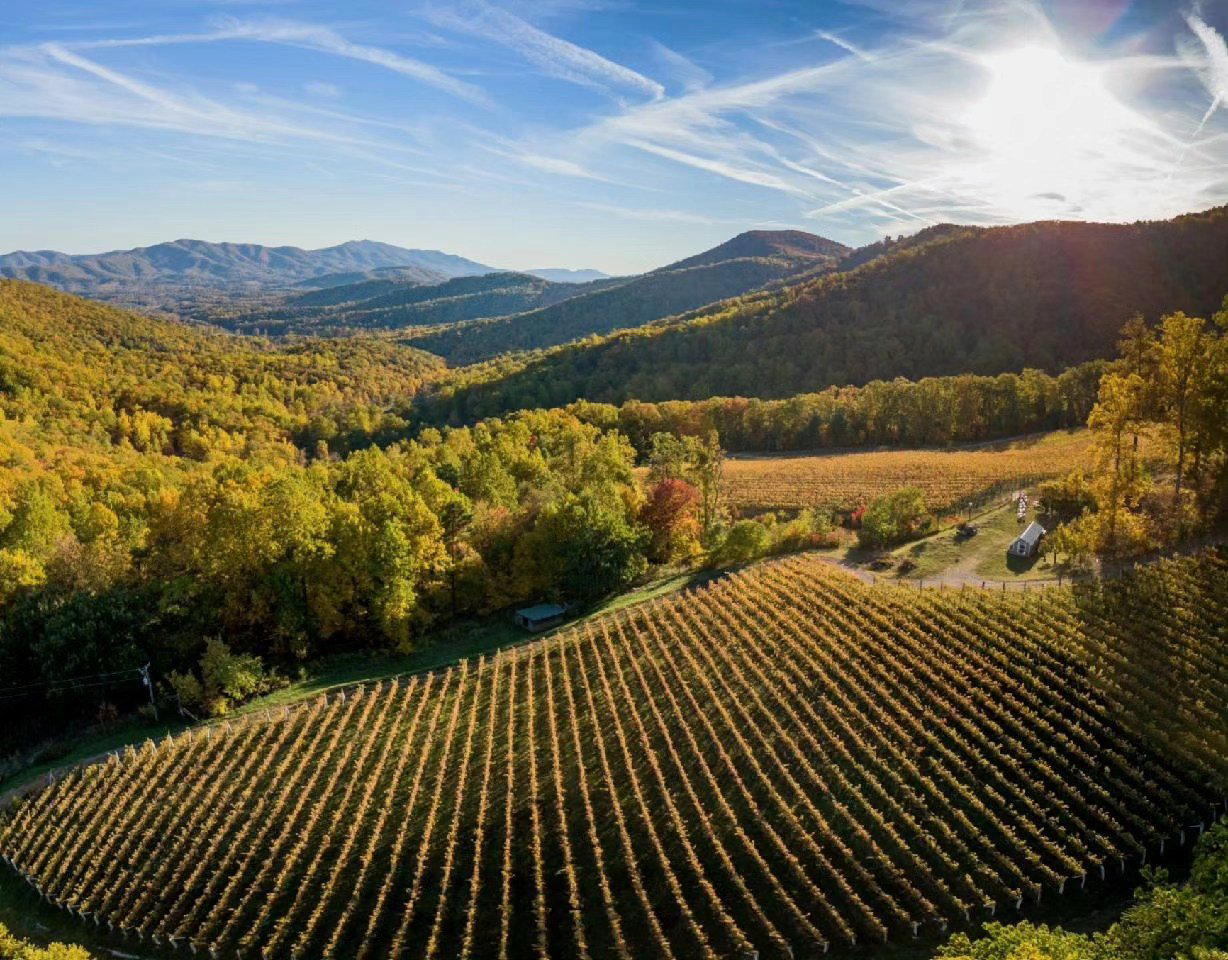
Bars in Lovingston
Browse all →
Restaurants in Lovingston
Browse all →
Details
- Rustic
- Cozy
- Scenic
- Romantic
- Intimate
- Romantic Getaway
- Special Occasion
- Group Outing
- Vineyard Tour
- Estate Grounds
- Terrace
- Panoramic View
- Mountain
- Vineyard
- Pinotage
- Merlot
- Cabernet Franc
- Still Red
- Tasting Bar
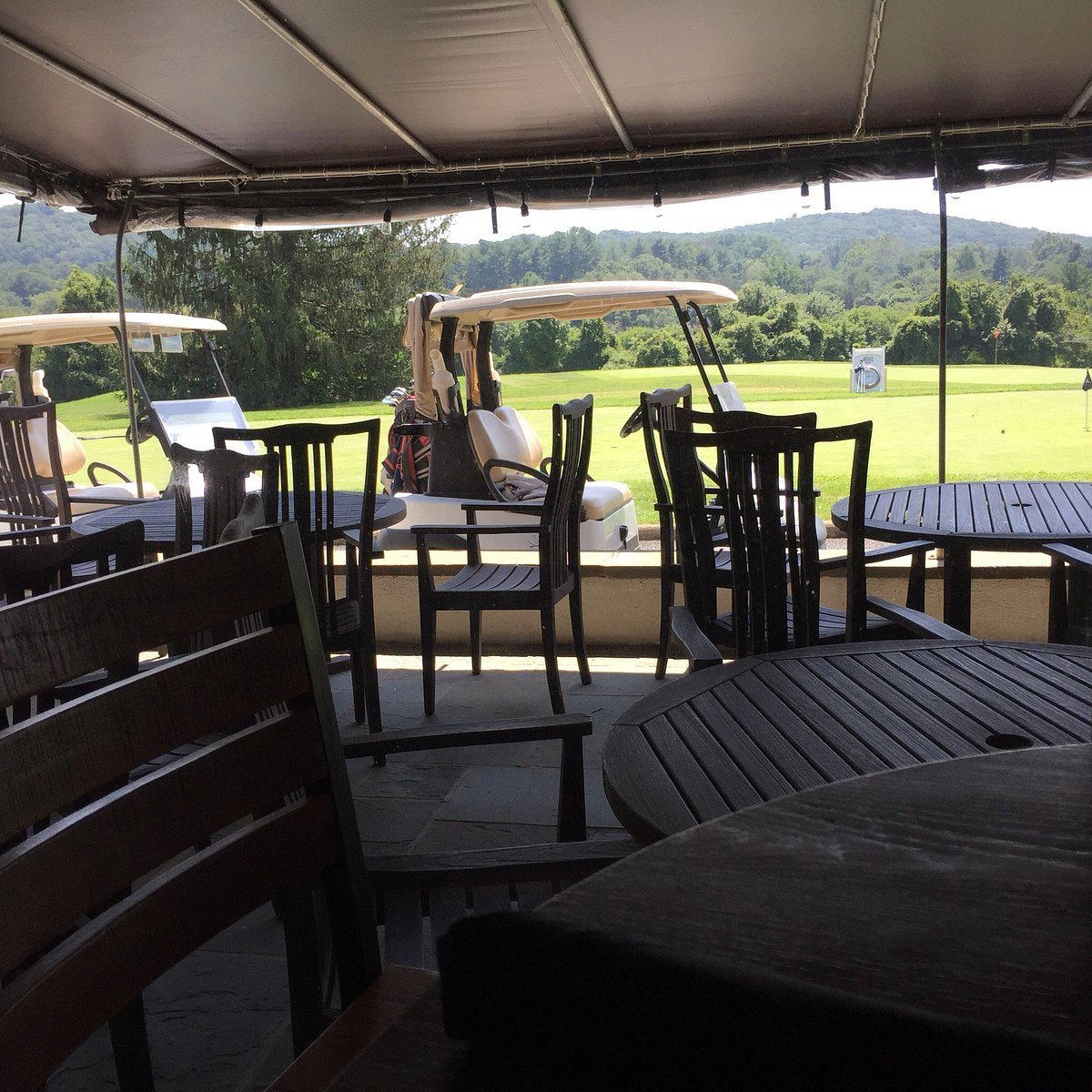
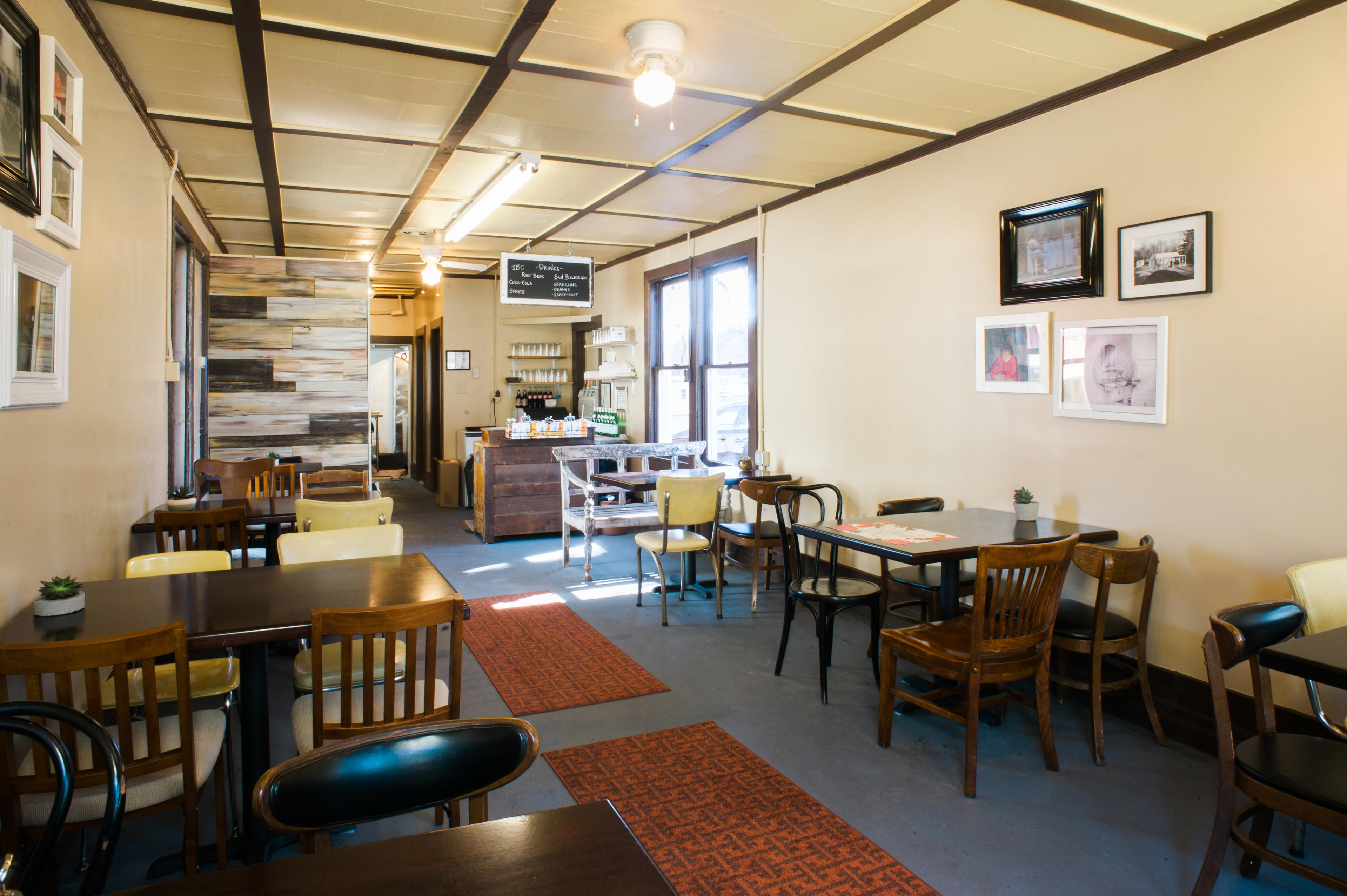
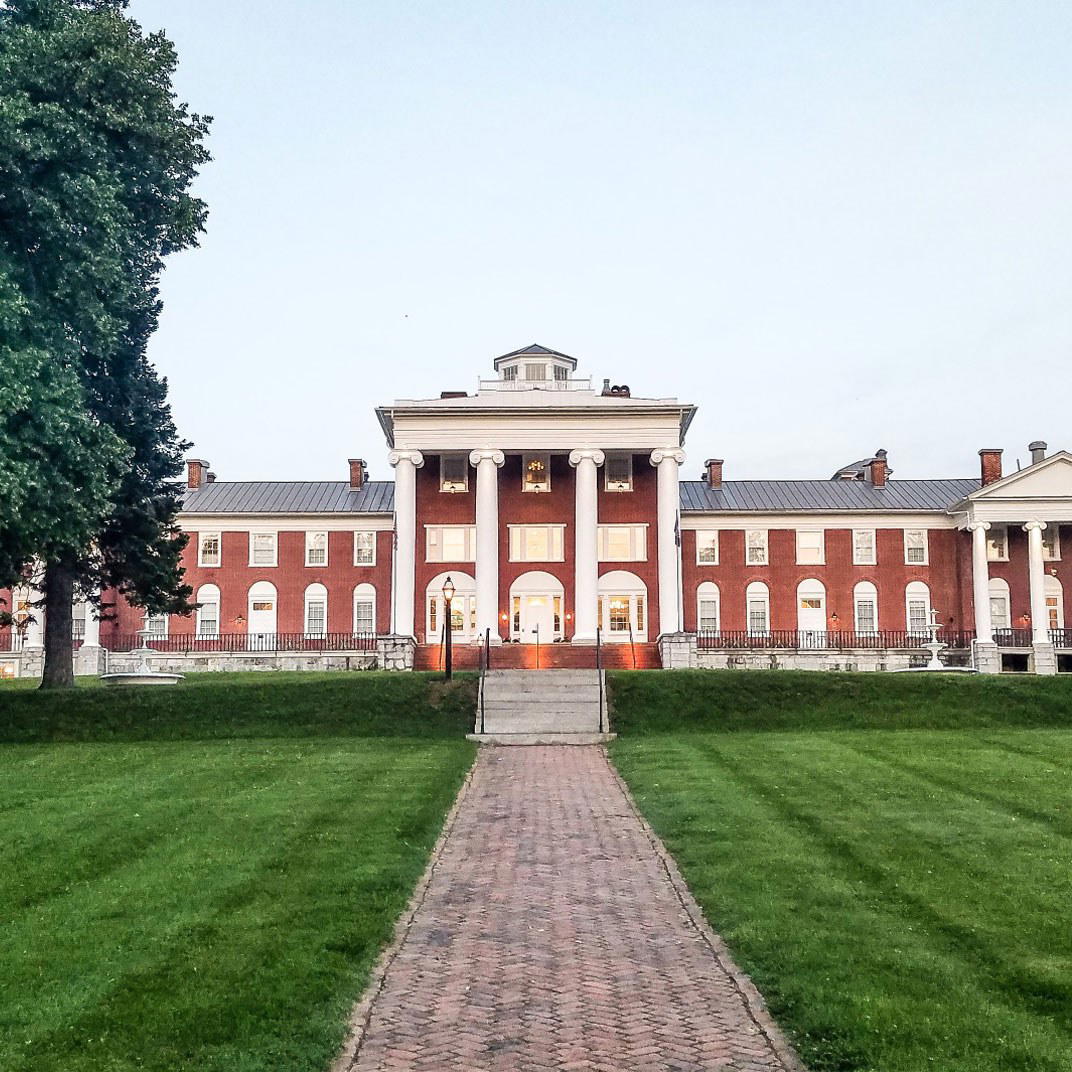
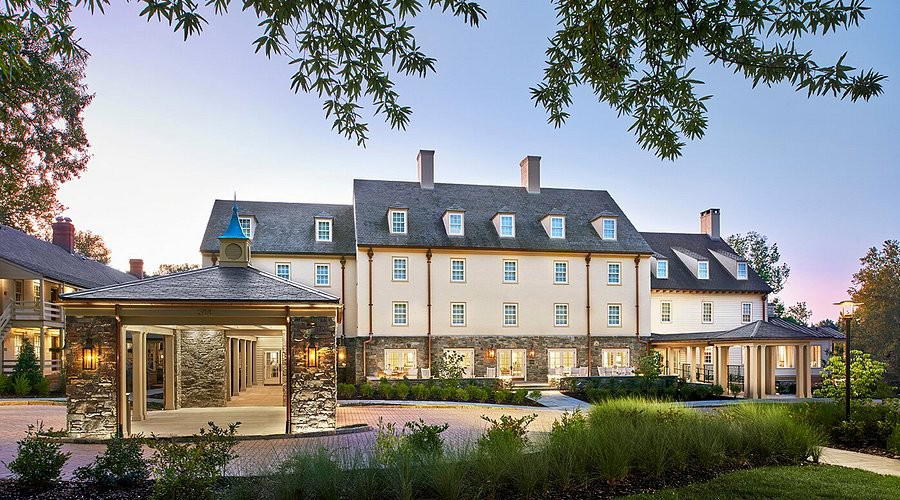
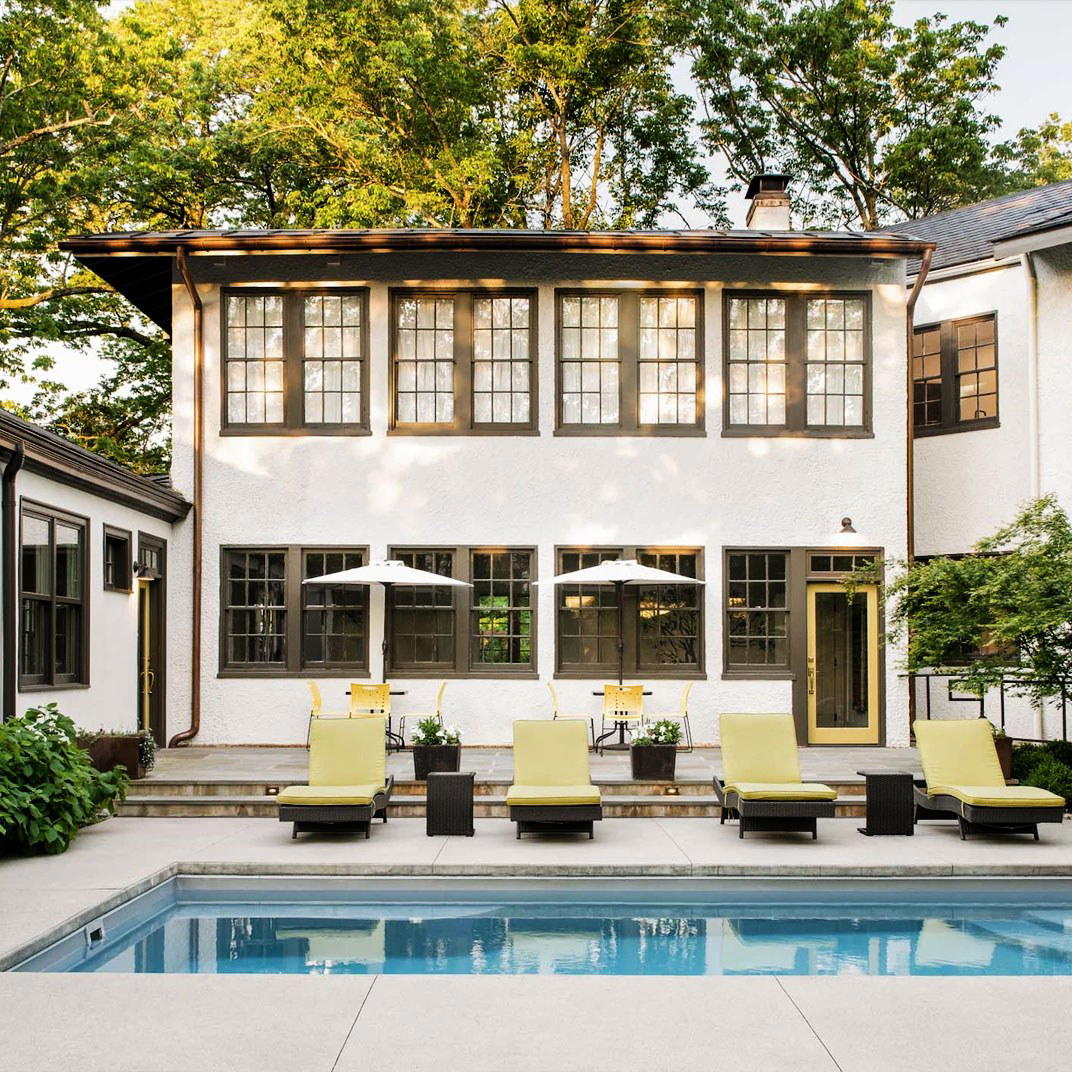
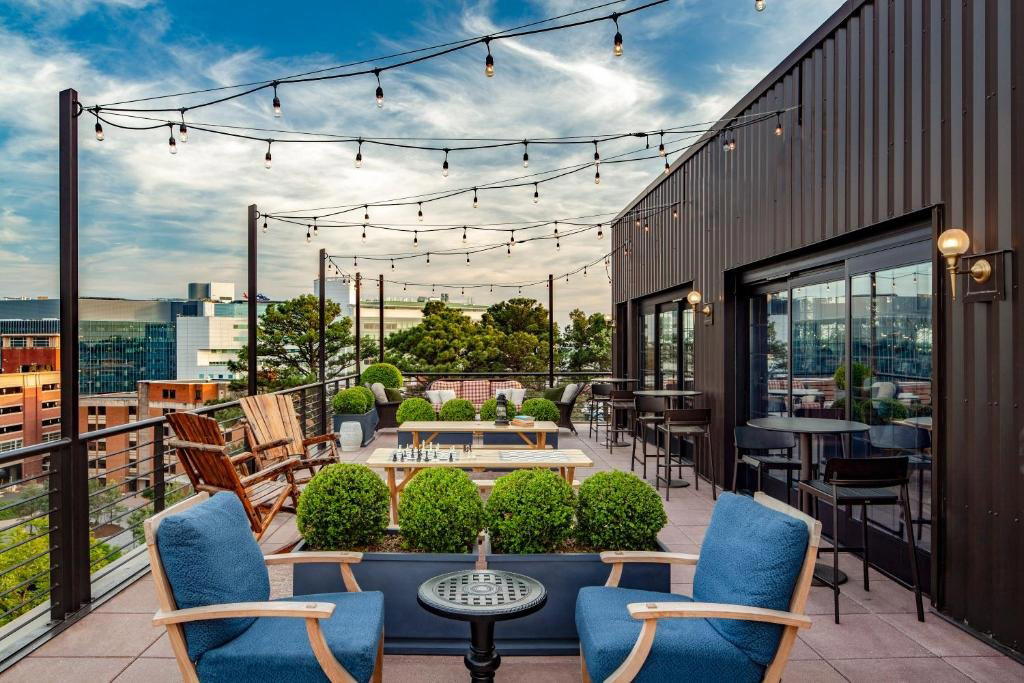
Relaxed, peaceful atmosphere with cozy farmhouse vibes, scenic vineyard and mountain views, and warm welcoming service.