Santa Barbara Winery
Santa Barbara Winery occupies a foundational position in the downtown tasting room scene, operating from Anacapa Street in the heart of the city. For those tracing the county's winemaking lineage, this address is a logical first stop.
Pearl is the En Primeur Club membership app — saves, bookings, and concierge access live there. Same editors, same standards.
- Address
- 28 Anacapa St ste a, Santa Barbara, CA 93101
- Phone
- +1 805-963-3633
- Website
- sbwinery.com
- Directions
- Get directions
 Saves & bookings on Pearl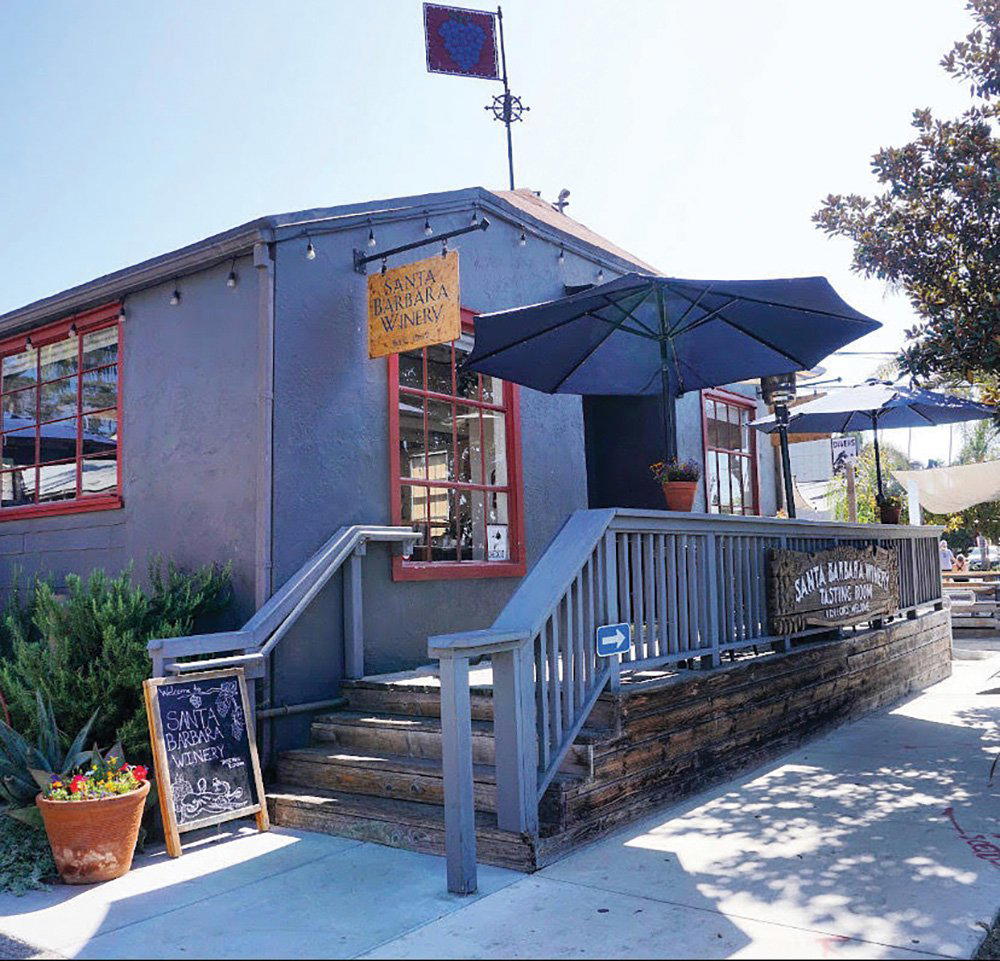
Anacapa Street and the Roots of Santa Barbara Wine
Downtown Santa Barbara has accumulated one of California's more concentrated clusters of urban tasting rooms over the past two decades. The stretch around Anacapa Street is particularly dense with producers who vinify fruit from the county's inland valleys, Happy Canyon, Sta. Rita Hills, and the Santa Ynez floor, and bring it within walking distance of the coast. Santa Barbara Winery, at 28 Anacapa Street, sits at the older end of this continuum. The address predates the current wave of design-forward tasting rooms and carries the kind of institutional weight that comes from longevity rather than renovation.
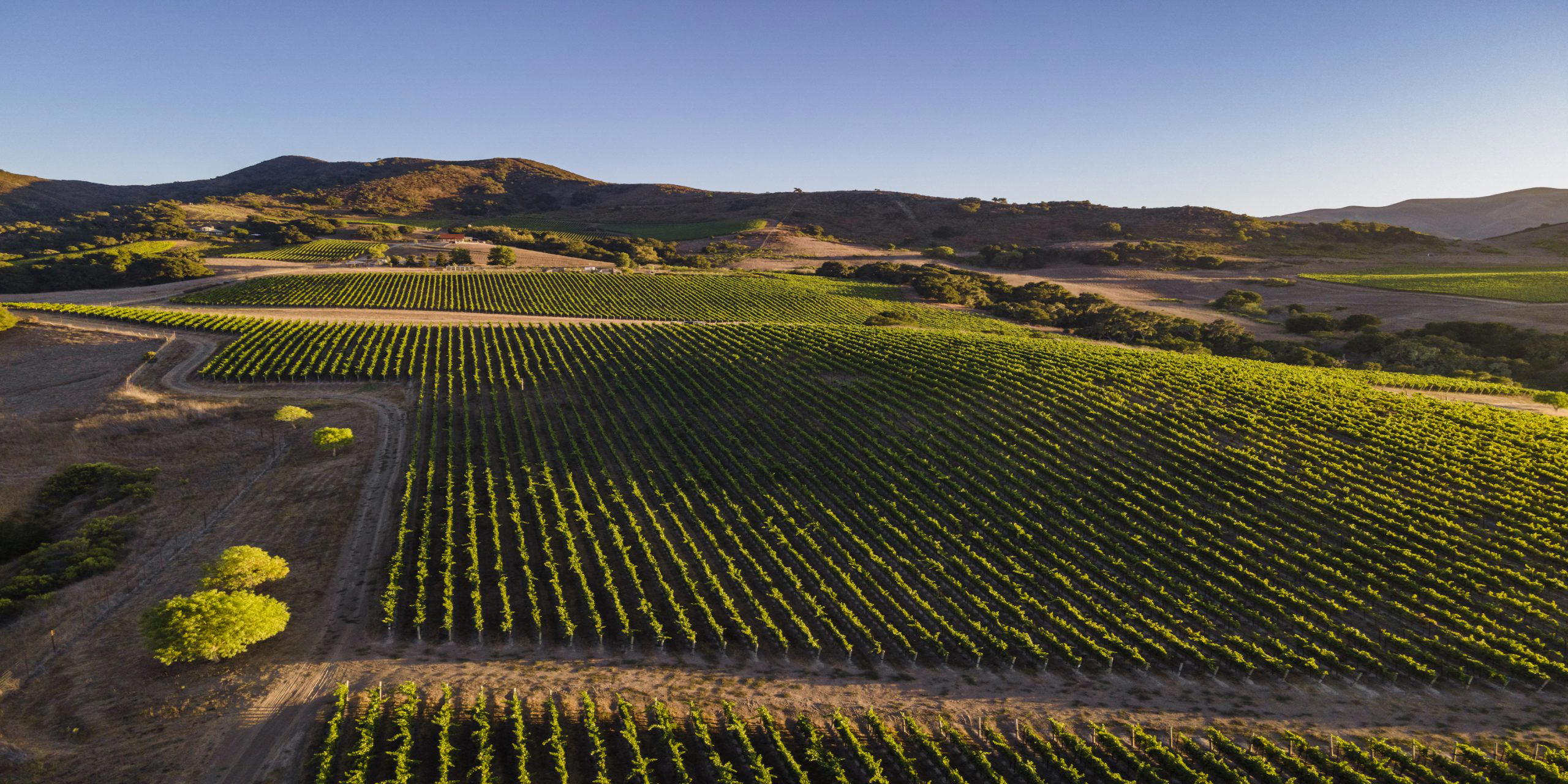
California's Central Coast wine identity has always been contested territory. Napa built its premium case on Cabernet; Santa Barbara County made a different argument, one rooted in Pinot Noir, Chardonnay, and a range of Rhône varieties that found well-suited conditions in the transverse mountain ranges cutting east to west. Those ranges funnel Pacific air directly inland, keeping afternoon temperatures low enough for slow, extended ripening. The result is aromatic complexity and acid retention that distinguishes Santa Barbara County fruit from warmer Central Valley production.
The Cultural Weight of a County Winemaking Pioneer
Understanding Santa Barbara Winery requires some context about how the county's wine culture developed. Santa Barbara County was a late entrant to California's fine wine conversation, Napa and Sonoma had established international reputations before most Santa Barbara labels existed in any recognisable form. What changed the county's trajectory was a combination of academic research into its transverse valleys and a series of early producers who demonstrated that Burgundian varieties could ripen here with a character distinct from anything produced further north. That early critical mass created the conditions for a broader tasting room culture, which now includes producers ranging from small-lot urban négociants to estate-focused operations in the Sta. Rita Hills.
Within that history, addresses like Santa Barbara Winery's carry a different cultural signal than newer entrants. Longevity in a wine region is not automatically a credential, plenty of legacy producers have been overtaken by more technically rigorous newcomers, but it does indicate that a producer has navigated multiple market cycles, stylistic shifts, and viticultural seasons.
The downtown tasting room format itself reflects something specific about how Santa Barbara County chose to engage with wine tourism. Rather than requiring visitors to drive vineyard roads, a significant portion of the county's producers concentrated in the urban core, creating a walkable wine district. This model offers city amenities alongside tasting access. For those exploring the full range of what the county offers, the EP Club guide to Santa Barbara maps the broader picture.
Situating Santa Barbara Winery Among Its Peers
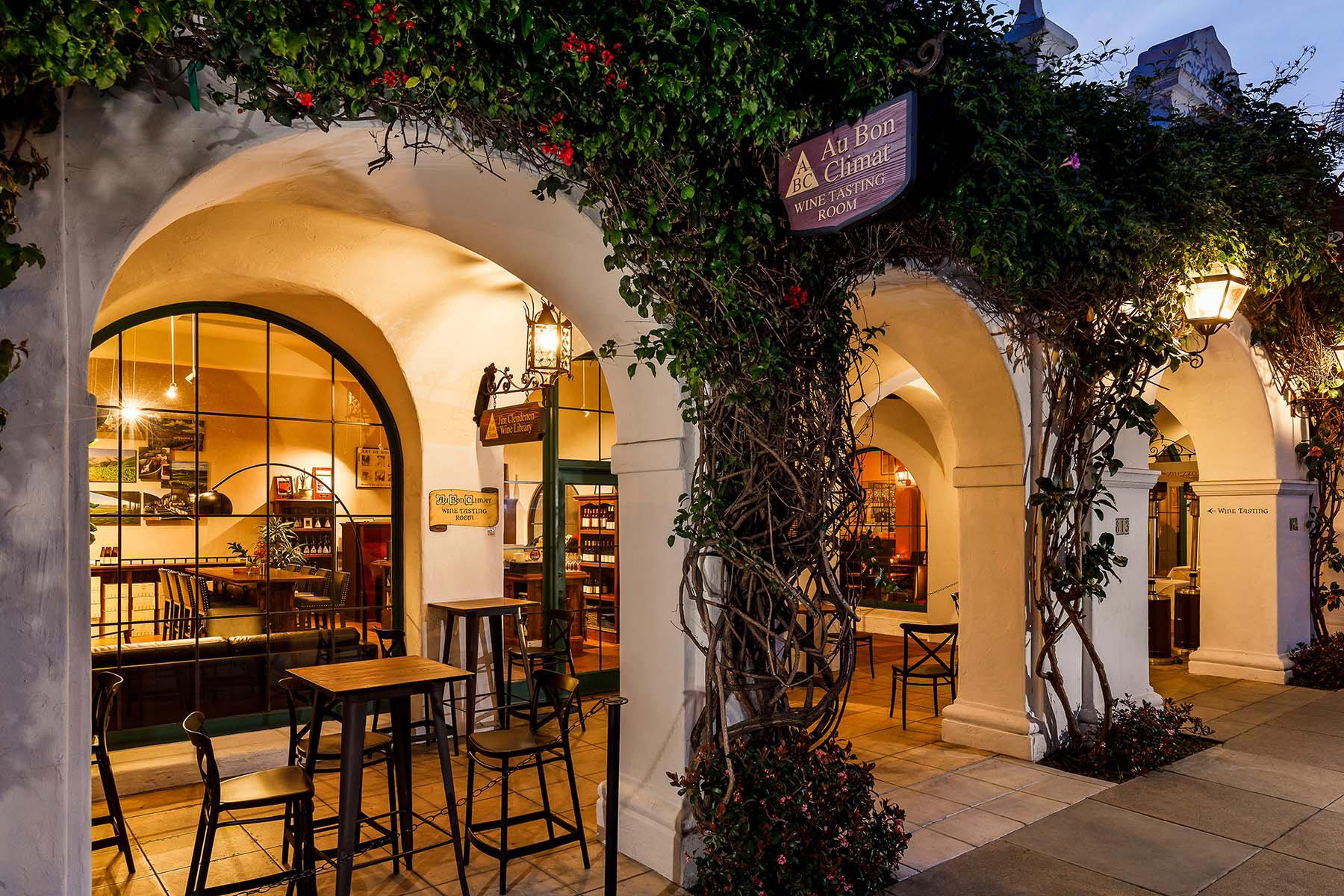
The Anacapa Street tasting room operates in proximity to several producers whose work defines the county's current critical standing. Au Bon Climat remains the county's most internationally referenced name, with a Burgundy-inflected approach to Pinot and Chardonnay that attracted serious critical attention from the 1990s onward. Carr Vineyards and Winery and Sanguis Winery represent the newer, smaller-production end of the urban tasting room cluster, each with a more focused stylistic proposition. Melville Vineyards and Winery, operating further out in the Sta. Rita Hills, anchors the estate-grown end of the county's Pinot and Chardonnay conversation. Cutler's Artisan Spirits adds a distillery dimension to the downtown scene for visitors moving between categories.
Against this backdrop, the winery occupies the position of an established generalist with a broad portfolio, the kind of producer whose range reflects decades of relationship-building with county growers rather than a single-variety or single-vineyard focus. That breadth can be read two ways: as an asset for visitors who want a wide introduction to what the county produces, or as a trade-off against the more tightly edited programs at smaller operations.
California's premium wine scene has broadened considerably in the past decade, with producers in regions like St. Helena, Paso Robles, Arroyo Grande, Geyserville, and Rutherford all competing for the attention of allocations-focused buyers. Santa Barbara County's argument in that competition rests on its climate specificity and the depth of its Pinot and Chardonnay tradition. Internationally, the comparison set extends to wine regions pursuing similarly cool-climate aromatic profiles, from Oregon producers like Adelsheim Vineyard in Newberg to Rhône specialists like Andrew Murray Vineyards in Los Olivos. Further afield, operations like Aberlour and Achaia Clauss in Patras illustrate how different the premium beverage conversation looks when measured globally rather than regionally.
Within a county that has attracted serious wine writing attention since the 1980s, maintaining award-level standing requires more than historical momentum.
For visitors using awards as a navigation tool across a crowded tasting room scene, this designation is a useful filter. In a county with as many active labels as Santa Barbara, that distinction matters for itinerary planning.
Planning a Visit
The Anacapa Street address places the winery within the walkable downtown wine district, accessible on foot from the city's main hotel corridor and restaurant row. Visitors combining a tasting with broader Santa Barbara dining and drinking can cover the urban wine scene without a car, which is a genuine logistical advantage given the parking constraints of the downtown grid. The winery's central position makes it a natural anchor point for an afternoon itinerary that might extend to neighbouring producers or restaurants.
Prospective visitors should verify current tasting formats and availability directly with the winery before arrival. Walk-in access is common.
The Essentials
Comparable venues nearby, for context on price, style, and recognition.
| Venue | Cuisine | Price |
|---|---|---|
| Santa Barbara WineryThis venue — the venue you are viewing | Chardonnay, Pinot Noir | $$ |
| Melville Vineyards and Winery | Funk Zone, Pinot Noir, Chardonnay | $$ |
| Kunin Wines | Presidio Neighborhood, Syrah, Grenache | $$ |
| Cutler's Artisan Spirits | Funk Zone, Mission | $$ |
| The Valley Project | Funk Zone, Pinot Noir, Chardonnay | $$ |
| Au Bon Climat | Presidio, Chardonnay, Pinot Noir | $$$ |
Continue exploring
More in Santa Barbara
Wineries in Santa Barbara
Browse all →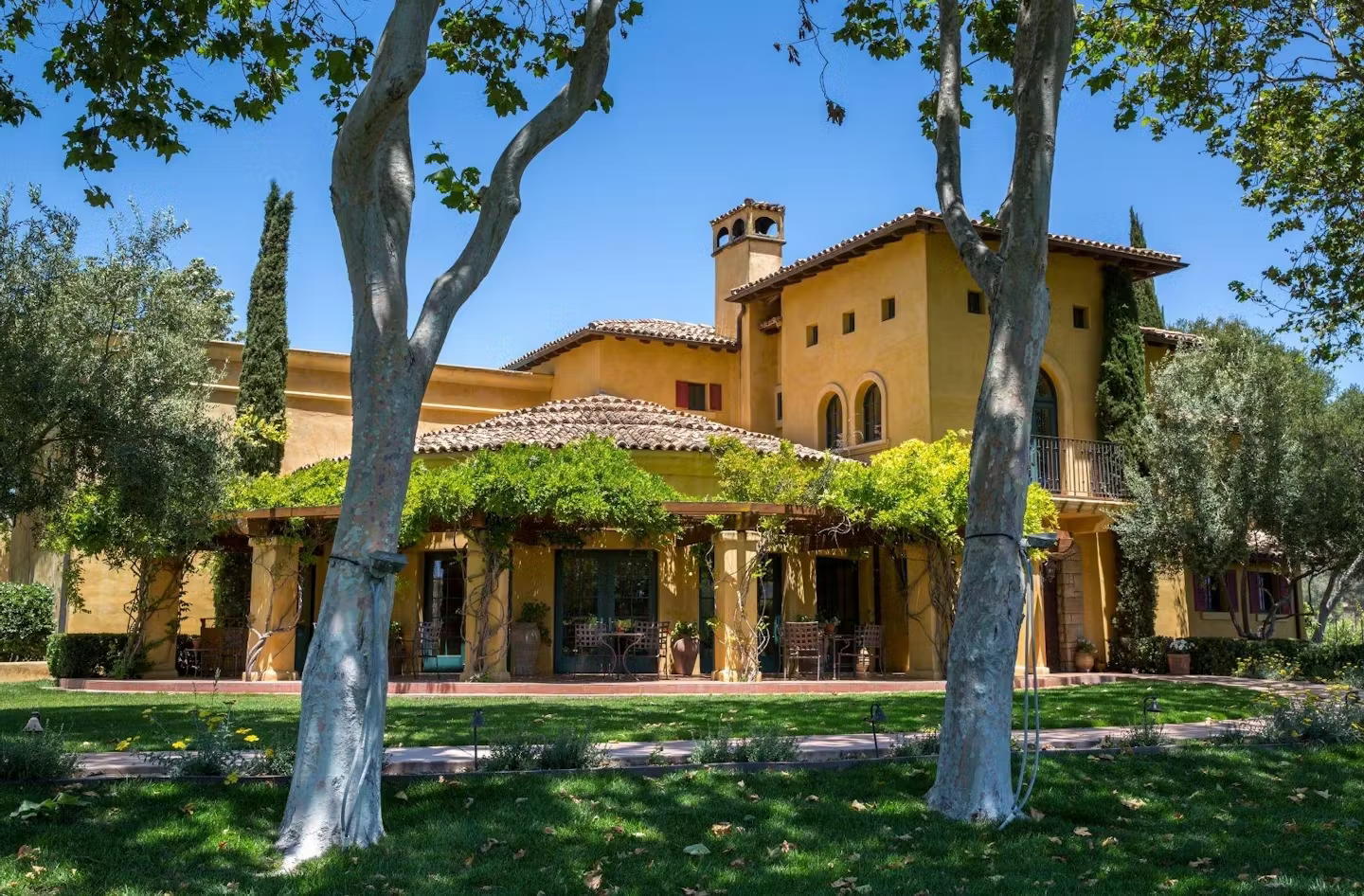
Bars in Santa Barbara
Browse all →
Restaurants in Santa Barbara
Browse all →
At a Glance
- Classic
- Intimate
- Solo Exploration
- Wine Education
- Estate Grounds
- Santa Barbara County
- Chardonnay
- Pinot Noir
- Syrah
- Riesling
- Petit Verdot
- Still White
- Still Red
- Flight Tasting
- Founded: official source · checked
- Winemaker: official source · checked
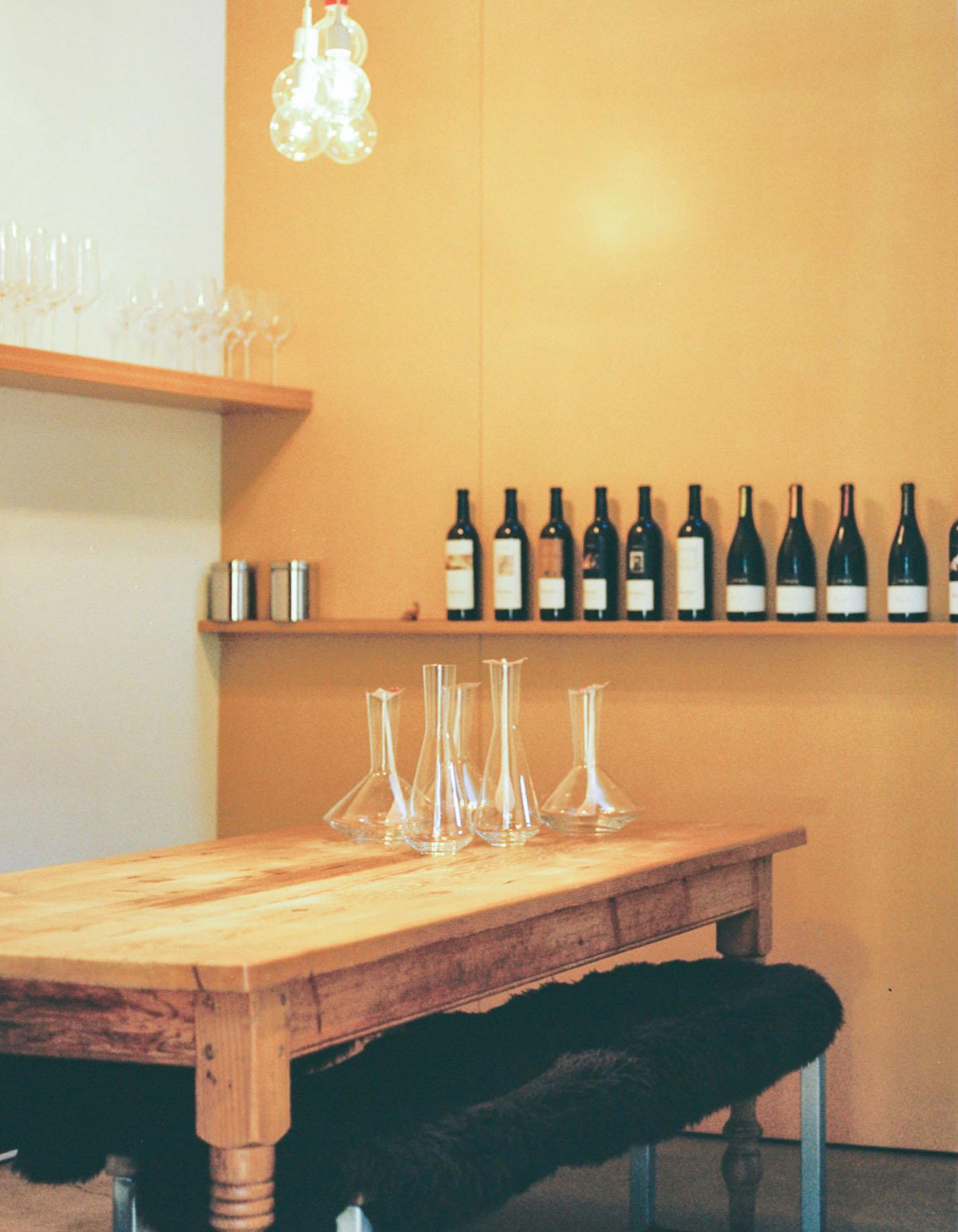
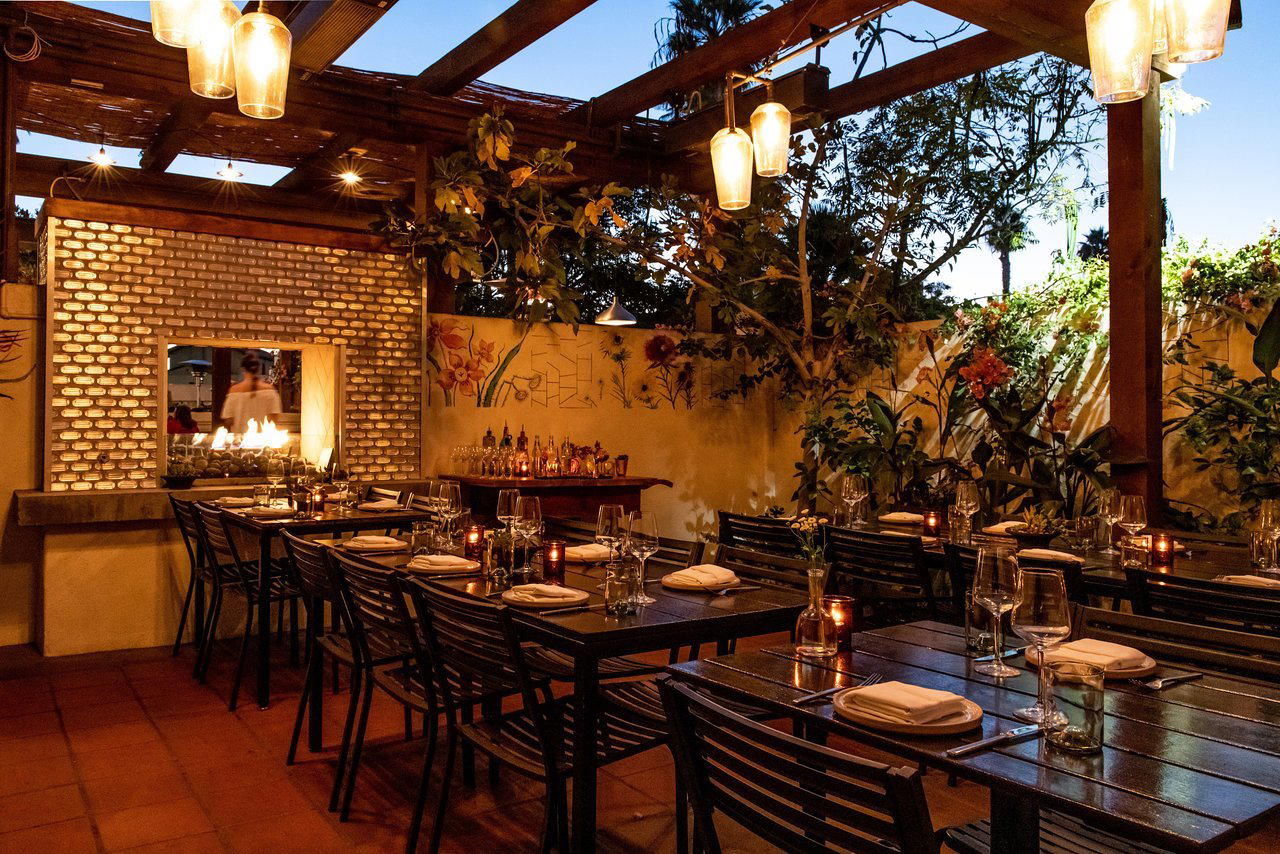
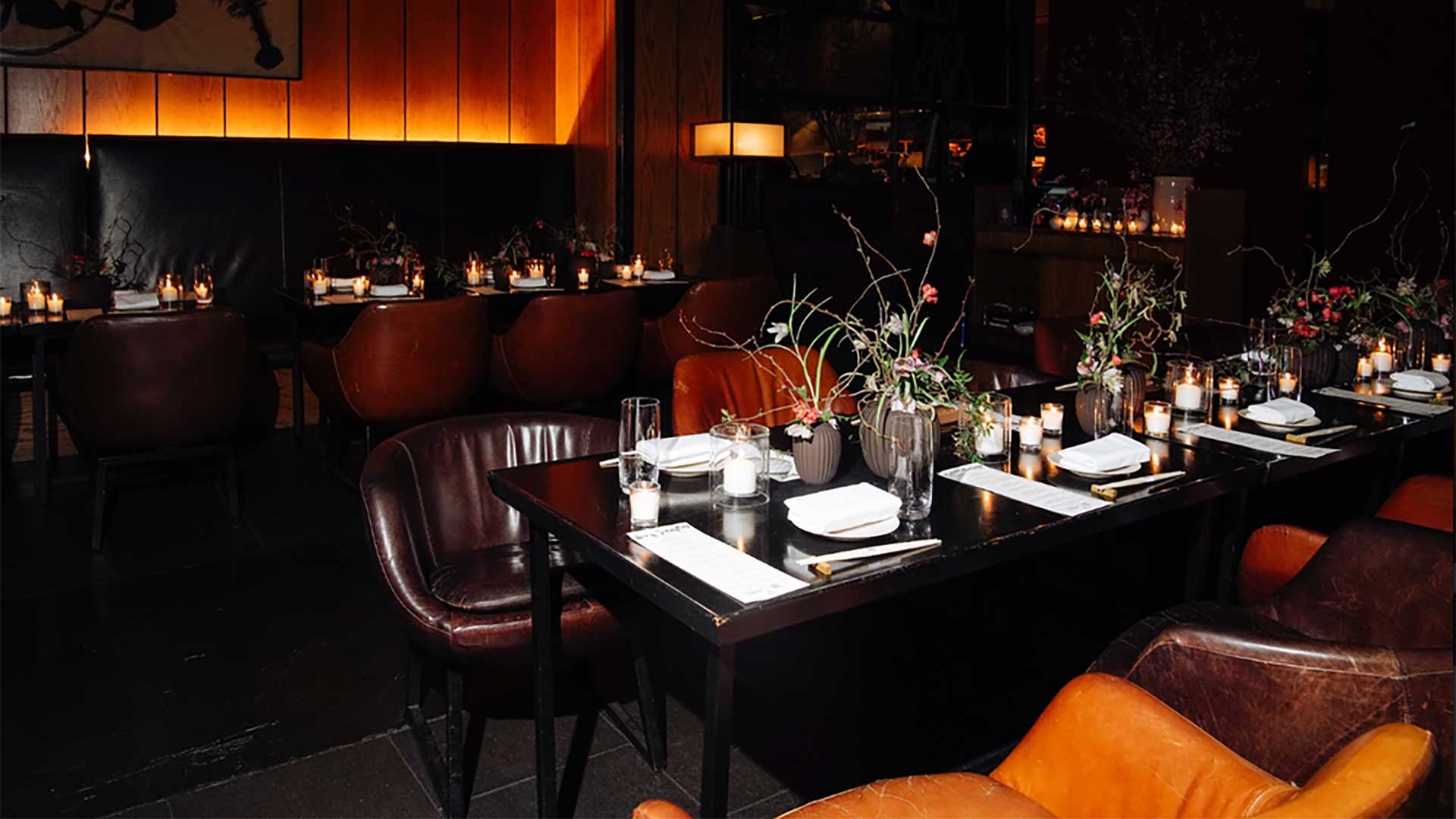
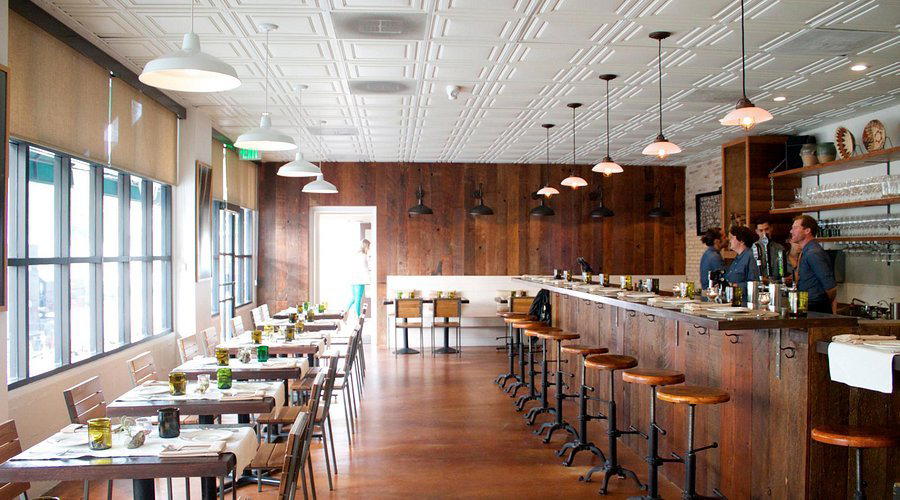
Welcoming urban tasting room with friendly, knowledgeable staff and a fun, conversational atmosphere.