TOR Wines
TOR Wines, operating from St. Helena since its 2001 founding vintage, occupies a deliberate position within Napa's allocation-driven, small-production tier. Access runs through a mailing list format typical of premium Napa producers at this level.
Pearl is the En Primeur Club membership app — saves, bookings, and concierge access live there. Same editors, same standards.
- Address
- 588 Zinfandel Ln, St Helena, CA 94574, USA
- Phone
- +17079633100
- Website
- torwines.com
- Directions
- Get directions
 Saves & bookings on Pearl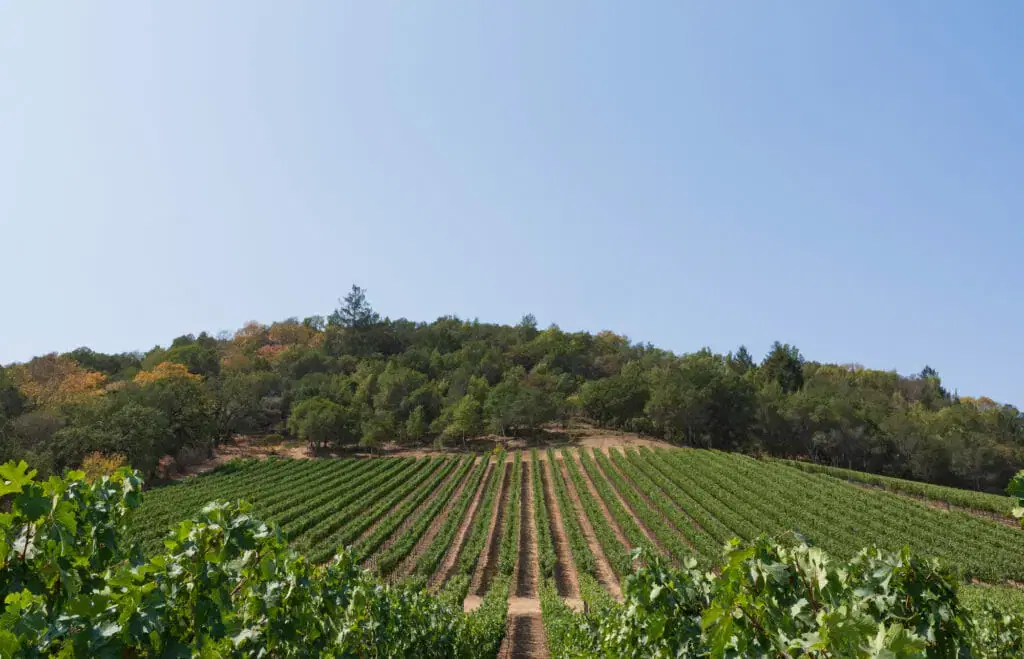
Small Production, Long Commitment: TOR Wines in the St. Helena Context
The stretch of Zinfandel Lane running east off Highway 29 near St. Helena sits at the geographic and social center of Napa's most concentrated premium wine corridor. The address at 588 Zinfandel Ln places TOR Wines within a neighborhood where the density of high-allocation, low-yield producers is higher than almost anywhere else in California. Driving in, the visual language is familiar: dry-farmed rows, modest signage, and a deliberate absence of the tasting-room theatrics that define the valley's hospitality-focused tier. For small producers operating at this level, the winery is a working space, not a destination attraction, and TOR fits that model.
Napa's premium-production segment has undergone a quiet structural shift since the early 2000s. The era when a new label could establish credibility through sheer volume or a splashy tasting room has largely passed. What replaced it is a system built around allocation lists, critic scores, and provenance storytelling tied to specific blocks and appellations. TOR Wines entered that system with its first vintage in 2001 and has operated within it consistently since. Twenty-four years of continuous production at the premium tier is not a trivial data point: it represents survival through multiple economic cycles, vintage swings, and shifts in critical fashion.
Jeff Ames and the Winemaking Tier TOR Occupies
Winemaker Jeff Ames is the operational and creative constant at TOR. In the broader Napa context, the role of a named winemaker at an independent small-production house functions differently than it does at a large négociant or branded estate. Here, the winemaker's decisions about sourcing, blending, and timing are directly legible in the bottle because there is no volume buffer to smooth out choices. Ames has held that position across the label's full run, which means the sensory arc of TOR's wines over two-plus decades reflects a single interpretive perspective rather than a succession of house styles. That continuity is itself a point of differentiation within a valley where winemaking talent moves frequently between high-profile projects.
For context on the competitive tier: peers at this level in the St. Helena and broader Oakville corridor include producers like Cardinale Winery, Nickel & Nickel, and PlumpJack Winery, all of which operate allocation or near-allocation models with strong critical followings. Further up the valley, Accendo Cellars in St. Helena represents the hyper-limited end of the same peer group. TOR positions within that cluster through a combination of vintage depth, a single named winemaker, and a recognition record that has continued to build through the current decade.
The timing matters: a recognition awarded in 2025 for a label that first produced in 2001 indicates sustained performance rather than a single exceptional vintage or a flash of critical attention. Producers in Napa that accumulate recognition across decades rather than around a single release tend to be allocated tightly and traded seriously on the secondary market.
Across the Napa corridor, the producers that hold sustained recognition share certain operational traits: low yields, named sourcing, minimal intervention philosophies, and distribution models that prioritize list members over wholesale. Groth Vineyards & Winery and Silver Oak Napa Valley represent the larger-production end of that recognized tier; TOR operates at the smaller end, where scarcity is structural rather than manufactured.
Sustainability and Sourcing in the Small-Production Napa Model
The sustainability conversation in Napa has matured considerably since the early 2000s, when it was largely rhetorical. The current generation of small, allocation-model producers operates within a more rigorous framework of certifications, farming commitments, and supply-chain transparency. For a label like TOR, which has sourced fruit from named Napa blocks across its full production history, the sourcing relationship itself carries environmental weight: long-term grower partnerships tend to support more careful, site-specific farming than spot-market purchasing. When a winemaker works with the same vineyard sources across two decades, the incentive structure aligns with soil health and vine longevity rather than short-term yield maximization.
This is not unique to TOR but is a structural feature of the allocation-model tier. Producers at this level in the broader California fine wine corridor, from Adelaida Vineyards in Paso Robles to Adelsheim Vineyard in Newberg to Alban Vineyards in Arroyo Grande, tend to operate with lower production volumes and closer sourcing relationships than their volume-driven counterparts. The environmental logic is partly economic: small-production winemakers cannot absorb the reputational damage of sourcing inconsistency the way a large brand can, so they invest more deeply in the land relationships that underpin quality. Alexander Valley Vineyards in Geyserville and Alpha Omega Winery in Rutherford both illustrate how estate or near-estate sourcing at the premium tier supports long-term site stewardship.
The broader pattern extends beyond California. Operations like Andrew Murray Vineyards in Los Olivos demonstrate how Rhône-focused small producers in the Central Coast have built sustainability practices into their sourcing models from inception. Even in Old World contexts, the relationship between small production and ethical land stewardship is well-documented: producers like Aberlour and heritage estates such as Achaia Clauss in Patras illustrate that longevity in premium production correlates with attentiveness to site rather than extraction from it.
Planning a Visit: Access, Timing, and Expectations
TOR Wines operates from 588 Zinfandel Ln, St. Helena, CA 94574, placing it within easy reach of the broader St. Helena and Oakville tasting corridor. For visitors building a St. Helena or Rutherford itinerary, TOR fits alongside a cluster of allocation-model producers rather than the open-walk-in estates. Contact details are not publicly listed in the standard directories, which itself is a signal about access: producers at this tier typically require advance outreach, often through a mailing list request or direct winery introduction. First-time visitors should plan to reach out well ahead of travel dates. The fall harvest window, roughly September through November, is the peak operational period across Napa, and availability at small producers compresses further during that time. Spring, particularly April and May before the valley's summer tourist volume builds, often offers more flexibility for appointment-based visits. For a fuller picture of the St. Helena and Oakville tasting circuit, our full Oakville restaurants and wineries guide maps the key producers and dining options in the corridor.
Continue exploring
More in Oakville
Wineries in Oakville
Browse all →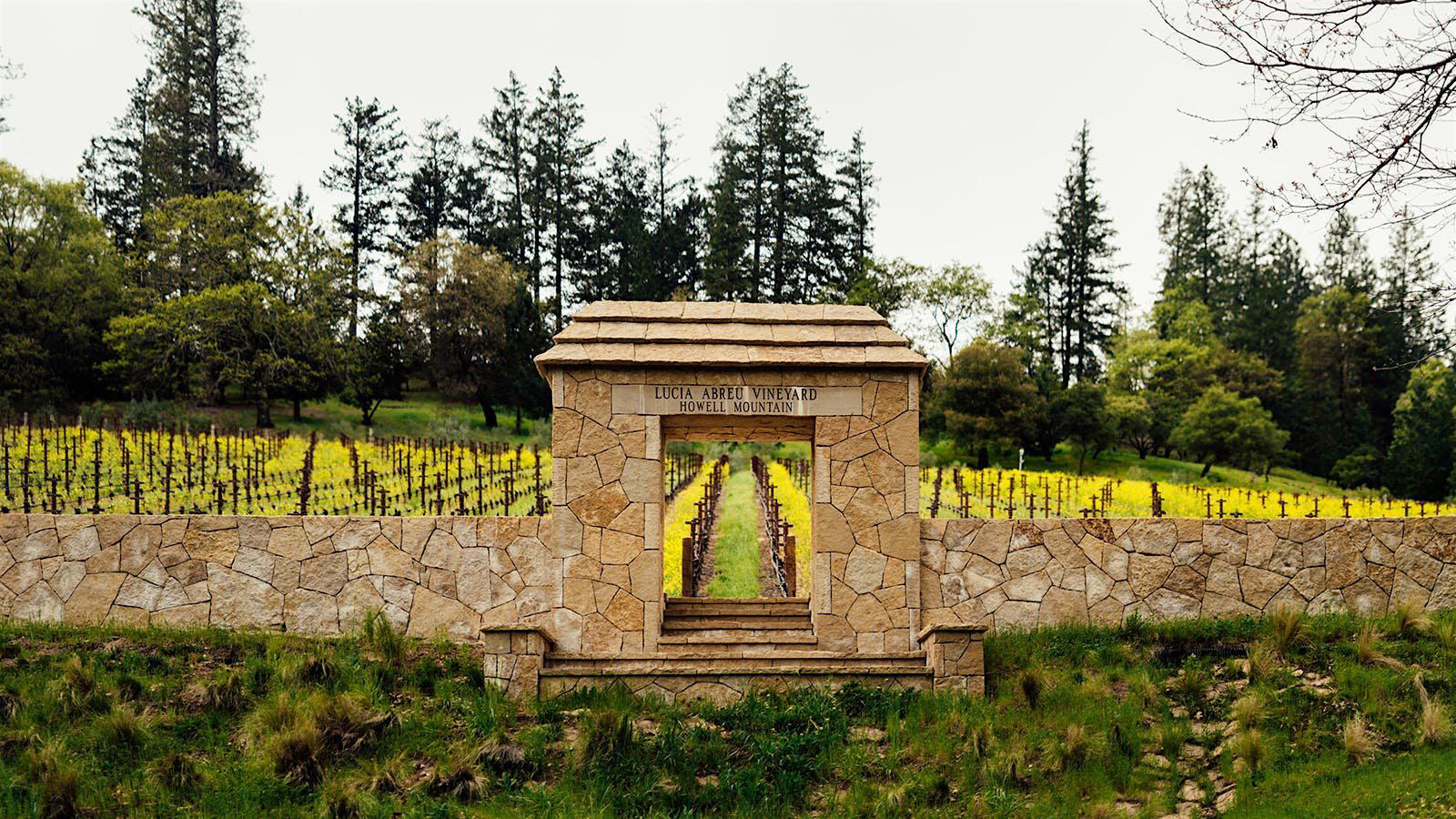

Bars in Oakville
Browse all →
Restaurants in Oakville
Browse all →






At a Glance
- Elegant
- Sophisticated
- Rustic
- Special Occasion
- Wine Education
- Vineyard Tour
- Private Tasting
- Vineyard
- Oakville AVA
- Cabernet Sauvignon
- Still Red
- Private Tasting
Elegant and sophisticated with a rustic charm, focused on high-quality wine tasting in an intimate setting amid Napa's premier vineyards.
Know Before You Go
- Getting there
- 588 Zinfandel Ln, St Helena, CA 94574, USA