Roger Groult
Roger Groult sits along the Calvados route in Saint-Cyr du Ronceray, a corner of Normandy where apple orchards and clay-limestone terrain shape the regional identity as definitively as any French appellation. Visitors travelling the Pays d'Auge should plan accordingly.
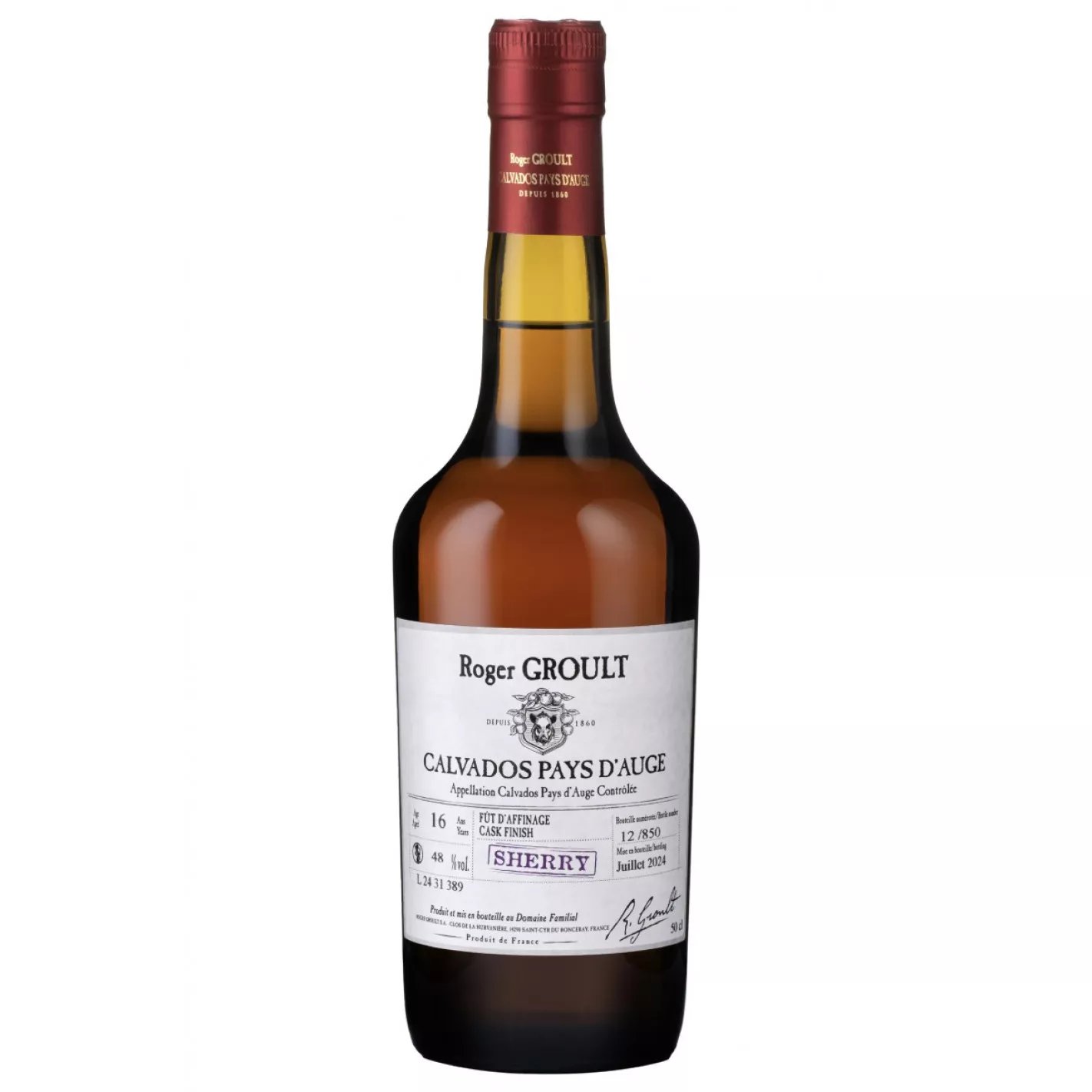
Normandy's Calvados Country and Where Roger Groult Sits Within It
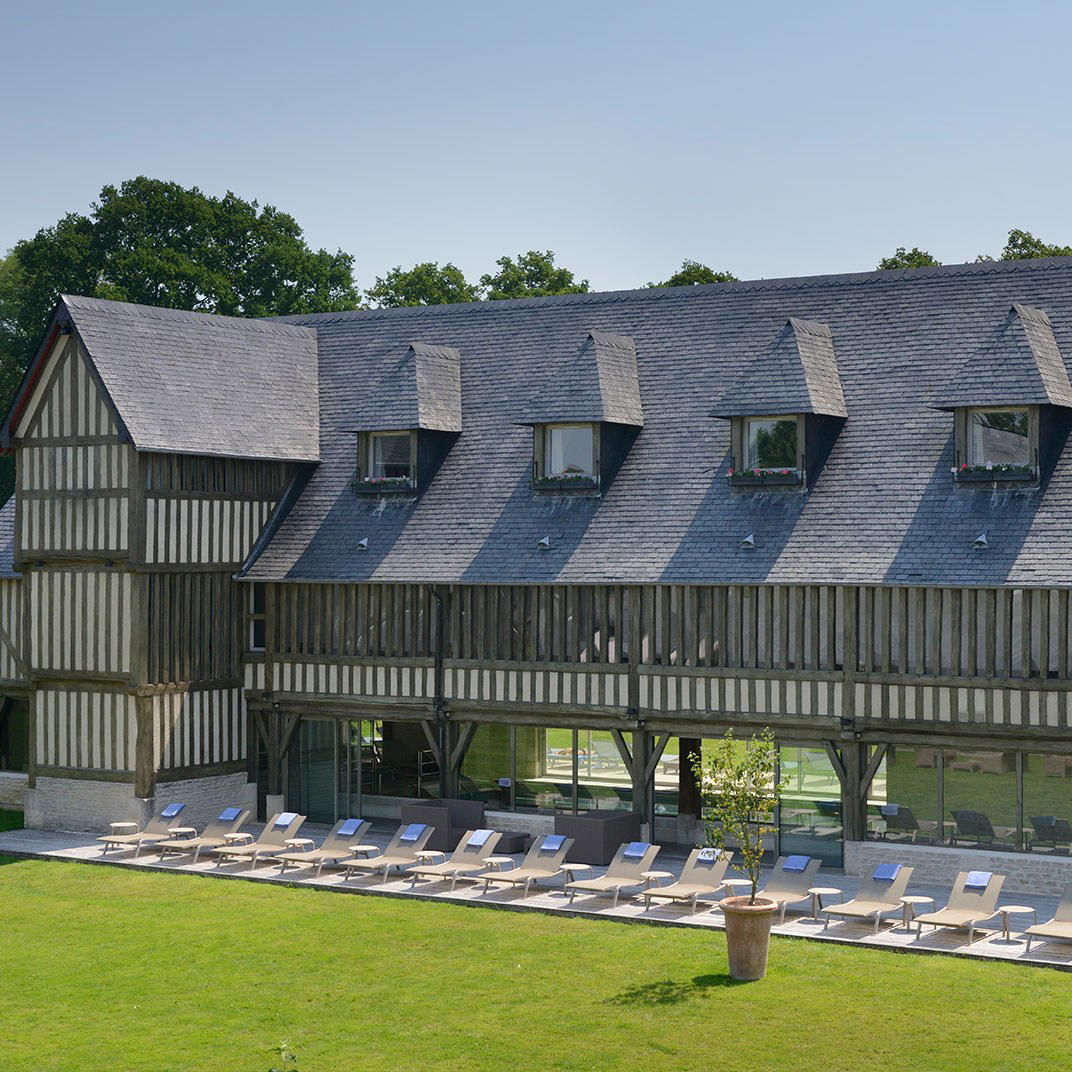
The road through Saint-Cyr du Ronceray does not announce itself. It runs through the Pays d'Auge, a stretch of Normandy defined by half-timbered farmhouses, dense apple orchards, and a clay-limestone subsoil that holds moisture through winter and releases it slowly through summer. This is the same terrain that gives the region's most serious Calvados producers their argument for terroir, the claim, made with increasing conviction over the past two decades, that the land here does something to apple-based spirits that cannot be replicated elsewhere. Roger Groult, located on the Route des Calvados in Valorbiquet, operates within that argument rather than beside it.
France's premium spirits geography has historically been dominated by Cognac and Armagnac in terms of global recognition, but the Pays d'Auge appellation within Calvados has been quietly building a different kind of credibility, one based on long ageing, varietal apple selection, and a production philosophy that rhymes more closely with Burgundy's terroir logic than with the blended-consistency model that made Cognac famous. That comparative framework matters when you're trying to understand why a producer in a village few international visitors can locate on a map is drawing serious scores from the same evaluators who track Château Bastor-Lamontagne in Preignac or Château Branaire Ducru in St-Julien.
The Pays d'Auge Terroir Case
Within the broader Calvados appellation, Pays d'Auge carries its own controlled designation, the only sub-zone permitted to use double distillation in copper pot stills, a method that concentrates aromatic complexity rather than stripping it out for neutrality. The clay and limestone mix beneath the orchards here retains acidity in the fruit in a way that producers in the flatter, sandier zones further west do not have access to. Apple varieties planted on these slopes, bittersweet, bitter-sharp, and acidic cultivars in proportions decided by each producer, interact with that soil in ways that show up years later in the aged spirit: a particular tension between sweetness and structure that long-macerated Calvados from elsewhere does not replicate.
The parallel with wine terroir is more than rhetorical. Producers like Albert Boxler in Niedermorschwihr have demonstrated in Alsace that site-specific fruit, handled without excessive intervention, builds complexity in the bottle over time. The same patience governs the most serious Pays d'Auge houses. Calvados aged for a decade or more in oak shifts from bright apple and pastry notes into something altogether more mineral and introspective, a development that depends on the quality of the base distillate, which depends, in turn, on the orchard's interaction with the land.
For a frame of reference from the spirits world's adjacent categories, the discipline at play here has more in common with a producer like Aberlour in Aberlour than with the fast-moving, cocktail-oriented end of the category.
What the 2025 Recognition Signals
Awards at this level within premium spirits evaluation reflect a combination of technical production quality, ageing coherence, and the producer's overall standing within the category. For Roger Groult, it signals inclusion in a tier of Calvados producers whose work is evaluated against international premium spirits rather than only against regional benchmarks.
That matters for the visitor trying to decide whether to make the detour from Lisieux or from the Normandy coast. Producers at this recognition level are typically offering expressions across multiple ageing tiers, from younger releases that show the raw character of the apple harvest to older reserves where the oak has done a decade or more of work. The range communicates the producer's philosophy more completely than any single bottle. For those who have spent time with the reserve programmes at houses like Château Bélair-Monange in Saint-Emilion or explored vertical thinking at Château Clinet in Pomerol, the logic of tasting across a Calvados producer's age statements will feel immediately familiar.
Visiting: What to Know Before You Go
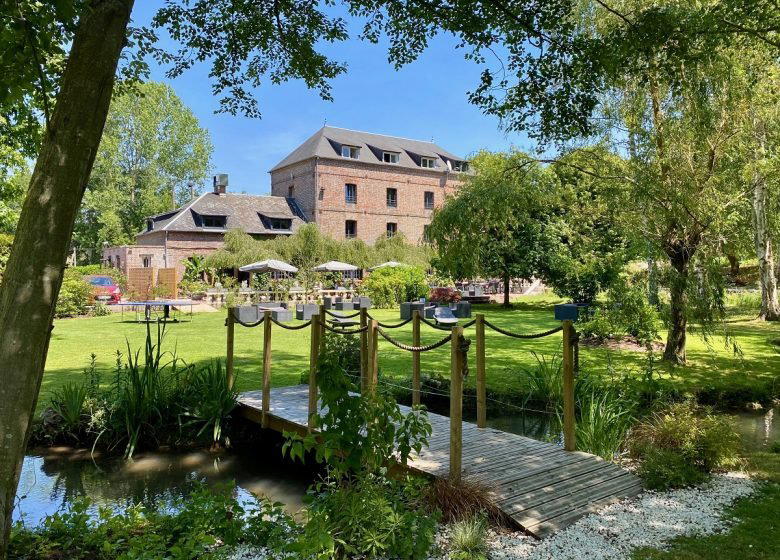
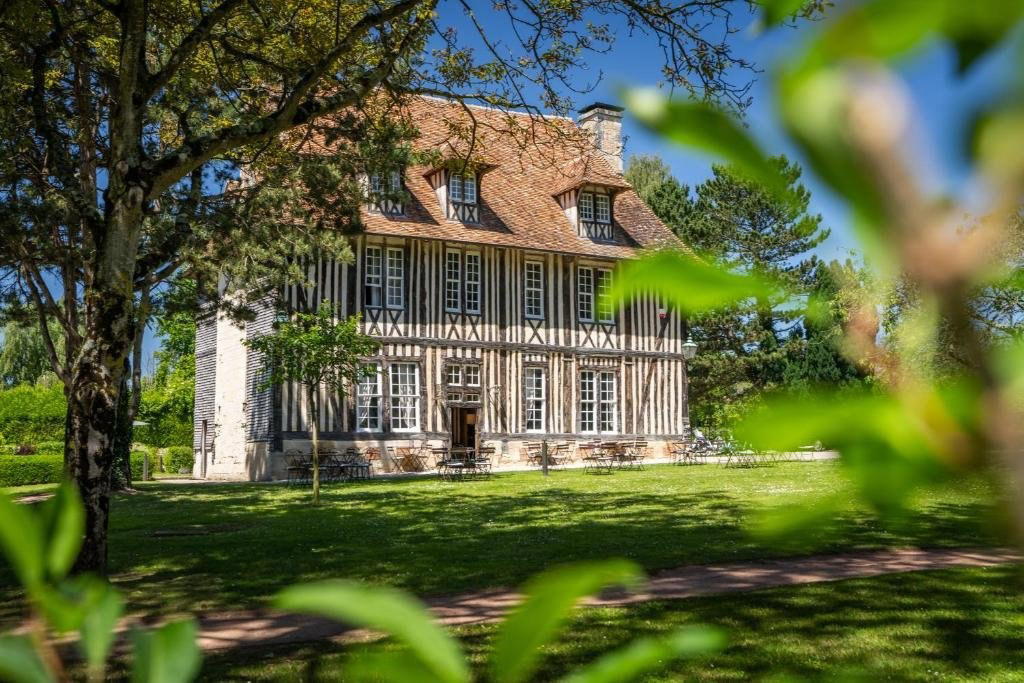
Saint-Cyr du Ronceray falls within the commune of Valorbiquet, a merger of several Pays d'Auge villages that took administrative shape in 2016. The Route des Calvados passes through this country as both a physical road and a structured tourism circuit, connecting producers across the Pays d'Auge appellation. Roger Groult sits along that route, which means it is findable within the circuit's logic even if arriving independently. Visitors approaching from Lisieux travel through orchard country that provides immediate visual context for what the producer is working with, the density of apple cultivation here is not decorative; it is operational.
enprimeurclub.com/cities/saint-cyr-du-ronceray) is the practical first step before arrival. This is consistent with how serious Calvados producers in the Pays d'Auge typically operate, visits are usually by appointment, not walk-in, which reflects the production-first character of these estates rather than any hostility to visitors. The comparison holds with wine producers in Burgundy or the Médoc, where the domaine or château exists primarily as a production site rather than a hospitality venue.
Seasonally, the Pays d'Auge is at its most legible in autumn, when apple harvest is underway and the orchards carry the smell and colour that make the terroir argument viscerally clear. Spring visits offer a quieter atmosphere and the flowering orchards that explain why this landscape has a particular hold on those who return to it. Summer, when Normandy draws its largest tourist volumes for coastal and D-Day site visits, is also when the Route des Calvados sees its highest traffic, which affects availability at the more visited producers. Those with more flexibility in timing will find autumn the most instructive season for understanding the production chain from orchard to still.
The Calvados category at the premium level now draws comparisons that cross spirit categories. The most serious aged expressions from Pays d'Auge producers sit in retail and auction contexts alongside aged Armagnac from houses tracked at the same evaluation tier, alongside single malt producers, and alongside premium brandy from Cognac houses like those in the networks that overlap with French wine producers, Château Boyd-Cantenac in Cantenac, Château Cantemerle in Haut-Médoc, and Château Batailley in Pauillac all represent the kind of long-established French terroir thinking that the leading Calvados producers reference as intellectual context, even if the categories are distinct.
For those building a broader understanding of French terroir-driven production, the connection between a serious Pays d'Auge Calvados house and, say, Château d'Arche in Sauternes or Château Dauzac in Labarde is less about category overlap and more about a shared logic: that place, patient production, and long ageing create a product that cannot be argued into existence from a different address. Roger Groult's position on the Route des Calvados in Valorbiquet is not incidental to what it produces. The address is the argument.
Frequently asked questions
Is Roger Groult more formal or casual?
Roger Groult is a production domaine on the Route des Calvados in Valorbiquet, not a restaurant or hospitality venue. Visits are oriented around the distillery and its aged spirits rather than a dining or service format.
What wines should I try at Roger Groult?
Roger Groult is a Calvados producer in the Pays d'Auge appellation, not a wine venue. The focus is on aged apple-based spirit from the only Calvados sub-zone authorised to use double distillation in the pot still method.
Where is Roger Groult in Saint-Cyr du Ronceray?
Roger Groult is located at Rte des Calvados, 14290 Valorbiquet, Saint-Cyr du Ronceray.
What's Roger Groult best at?
The domaine operates within the Pays d'Auge controlled designation in Saint-Cyr du Ronceray, a sub-zone whose double-distillation requirement distinguishes it from the broader Calvados appellation. Aged expressions are the house's reference category.
A Quick Peer Check
Comparable venues nearby, for context on price, style, and recognition.
| Venue | Cuisine | Price | Awards | Notes |
|---|---|---|---|---|
| Roger GroultThis venue (the venue you are viewing) | Antoinette, Fréquin Rouge | Not listed | Not listed | Not listed |
| Palais Bénédictine | Winery | $20–30 | Not listed | Fécamp |
| Philip Shaw Wines | Winery | Not listed | Not listed | Orange |
| Domaine Dureuil-Janthial | Chardonnay, Pinot Noir | Not listed | Michelin 2 Grapes | Rully |
| Christian Drouin | Mettais, Domaine | Not listed | Not listed | Pays d'Auge |
| Jacquesson | Chardonnay, Pinot Noir | Not listed | Falstaff Winery - 5 Stars | Dizy |
Request a visit to Roger Groult
Tell us when you would like to go and how many people, and we put the request to the estate and reply to you by email.
Continue exploring
More in Saint-Cyr du Ronceray
Wineries in Saint-Cyr du Ronceray
All wineries in Saint-Cyr du Ronceray →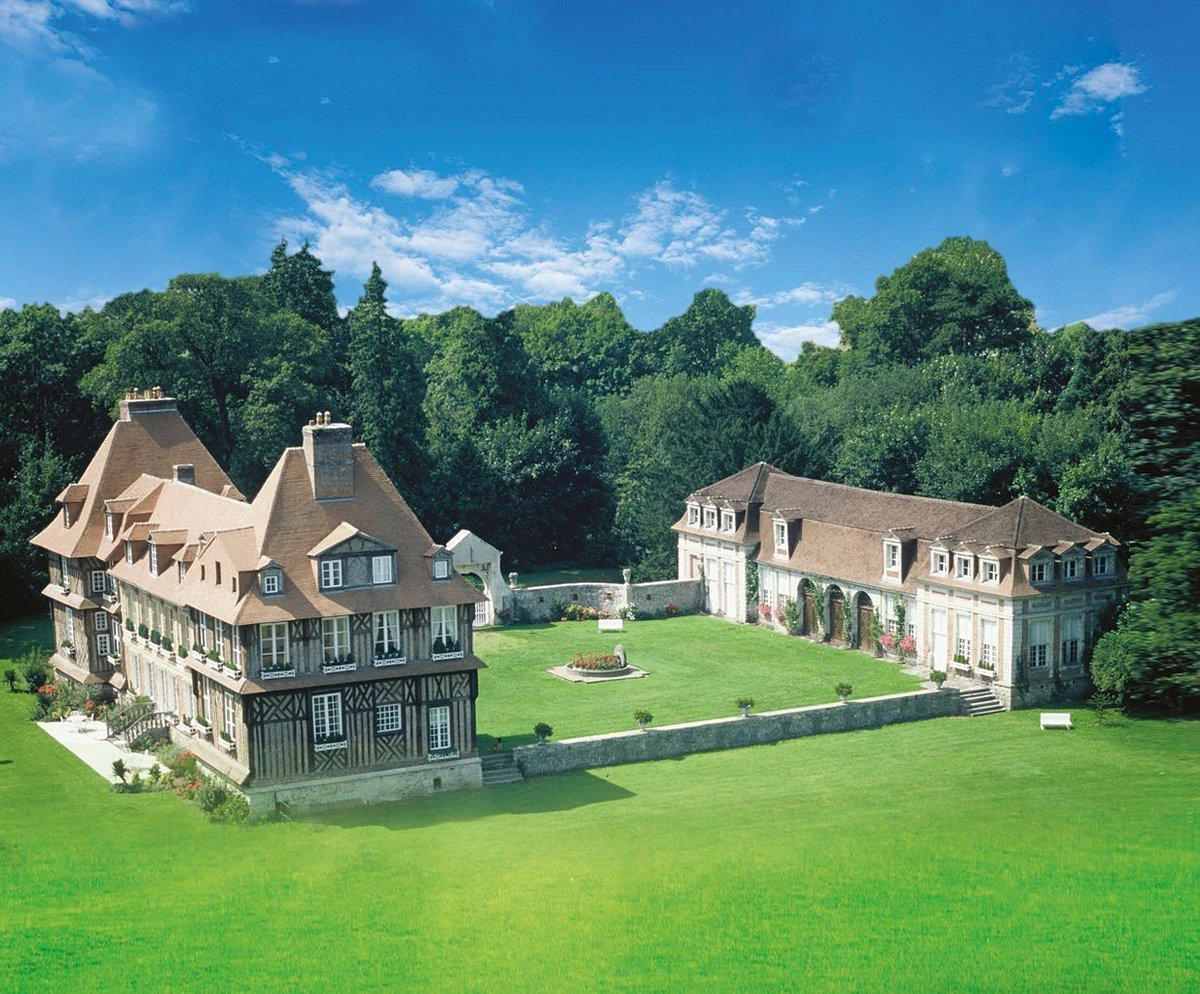
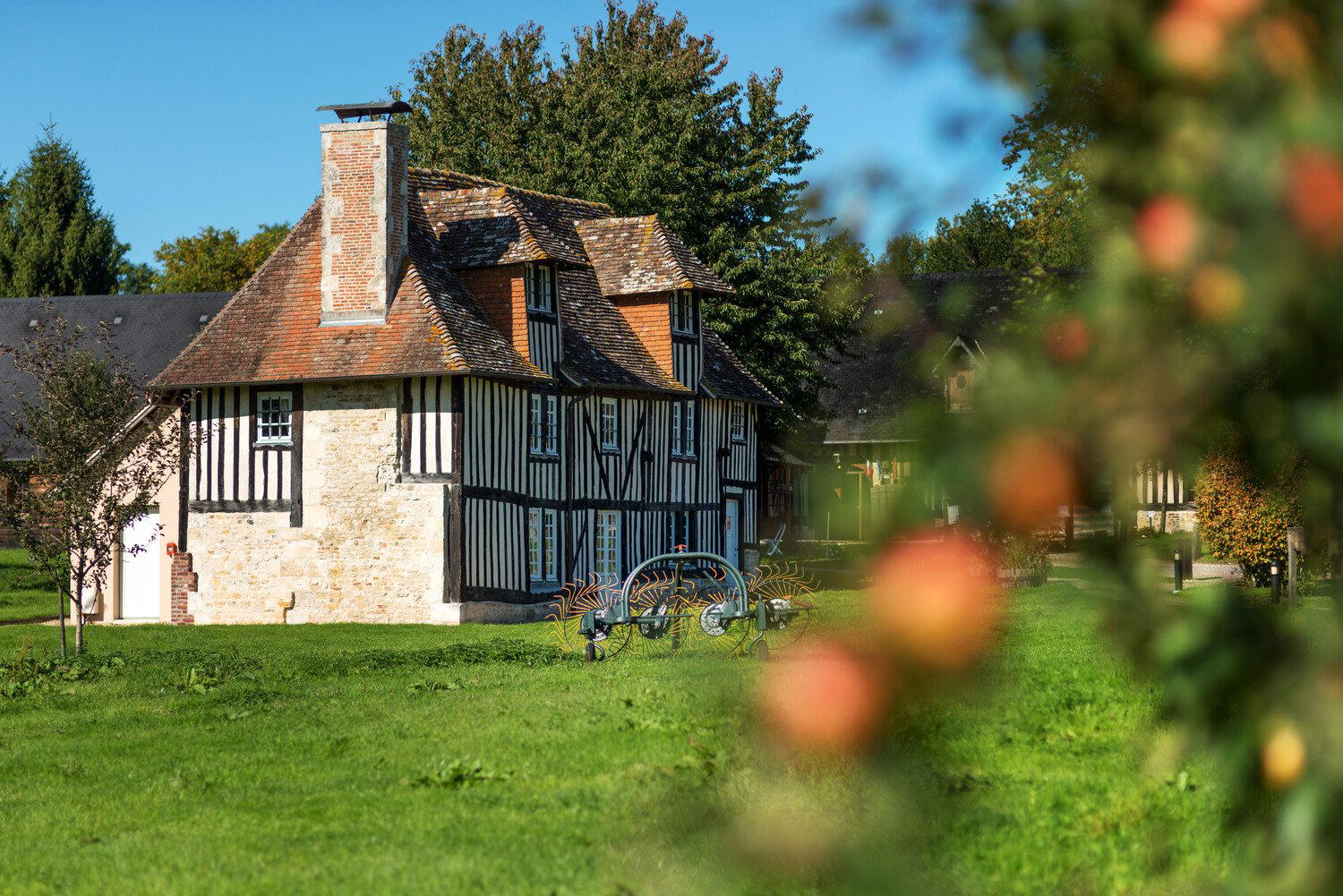
Bars in Saint-Cyr du Ronceray
Browse all →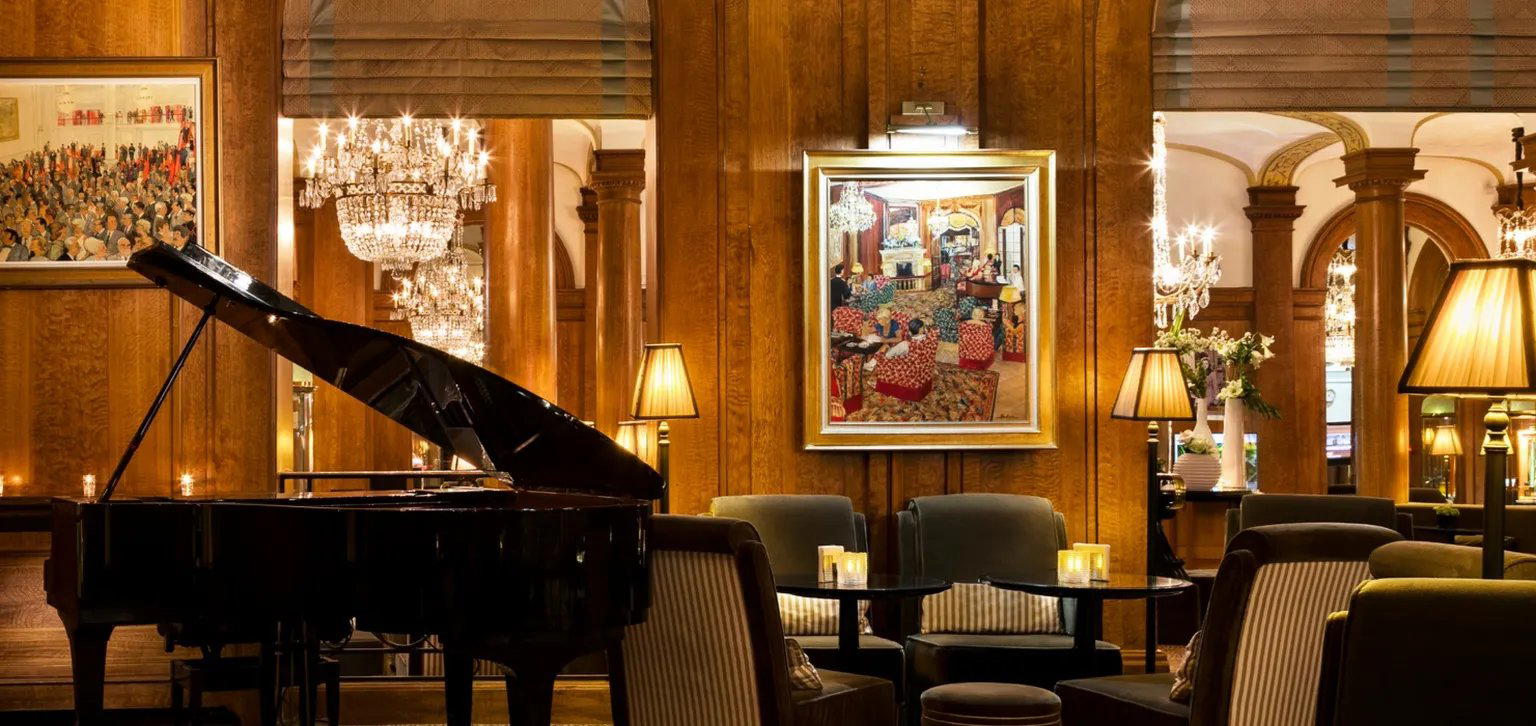
Restaurants in Saint-Cyr du Ronceray
Browse all →


Details
- Classic
- Rustic
- Elegant
- Intimate
- Wine Education
- Special Occasion
- Historic Building
- Estate Grounds
- Vineyard
- Antoinette
- Fréquin Rouge
- Bisquet
- Moulin À Vent
- Bedan
- Noël Des Champs
- Rambaud
- Petit Jaune
- Cave Tasting
- French
- English
Moderate aging cellars with a comfortable balance of humidity, housing nearly 400 French oak barrels and vats, evoking a historic and artisanal atmosphere.