The Williamsburg Winery
The winery draws on the region's humid-continental climate and sandy loam soils to produce wines that reflect a distinctly East Coast sensibility, sitting apart from the Napa-centric conversation that dominates much of American fine wine discourse.

Pearl is the En Primeur Club membership app — saves, bookings, and concierge access live there. Same editors, same standards.
- Address
- 5800 Wessex Hundred, Williamsburg, VA 23185
- Phone
- (757) 229-0999
- Website
- williamsburgwinery.com
- Directions
- Get directions
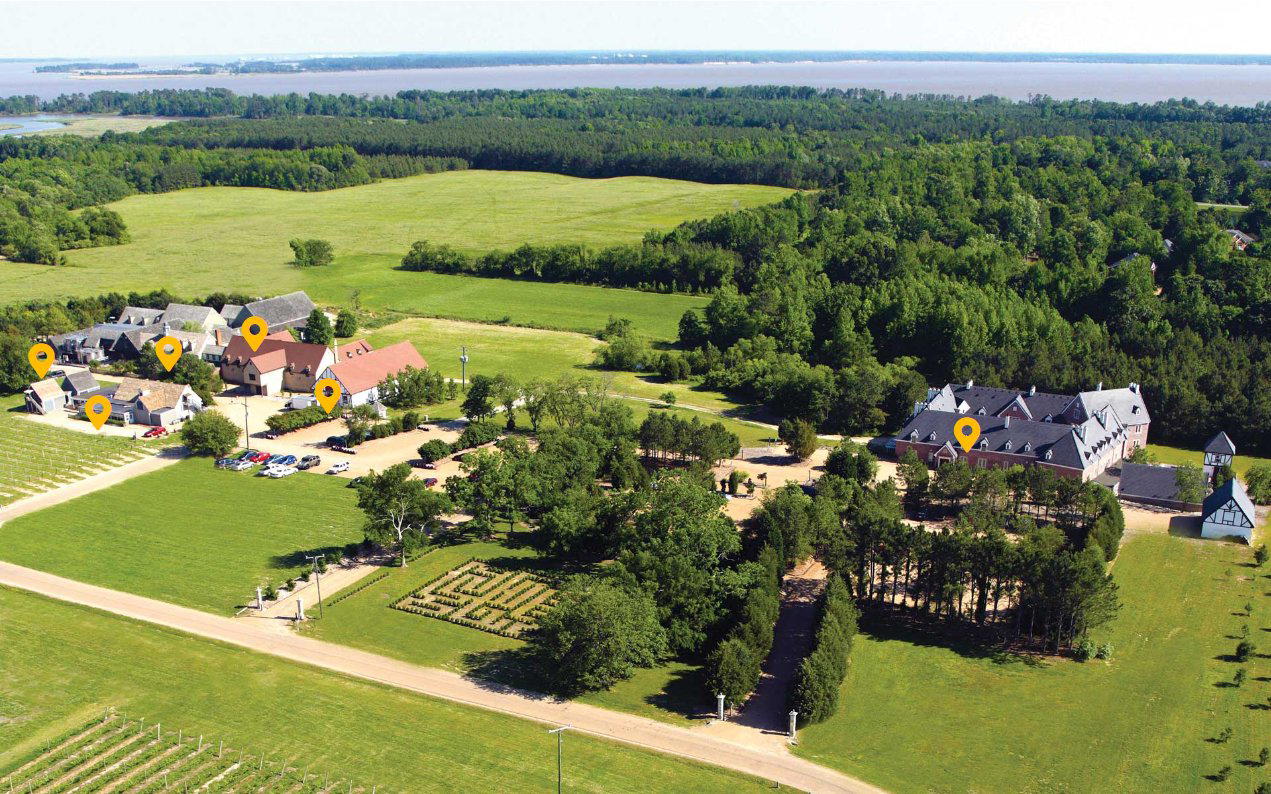
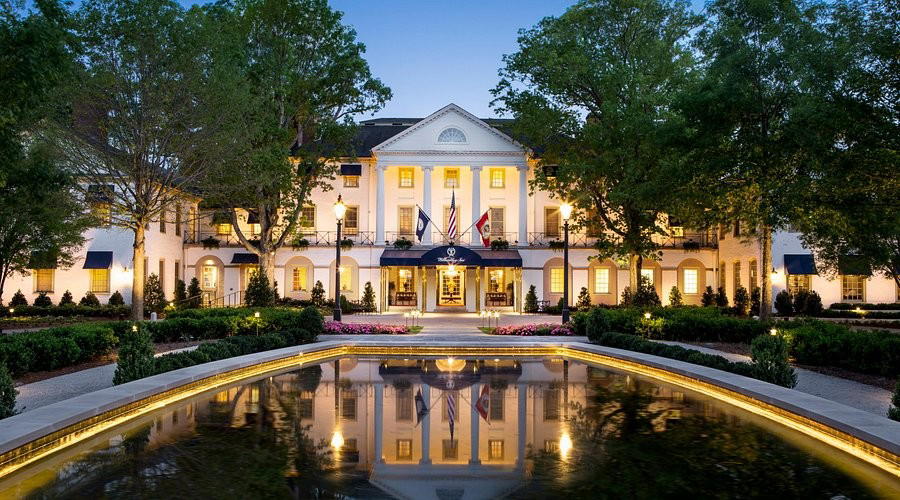
The road to 5800 Wessex Hundred runs through a part of Virginia that most American wine drinkers have never seriously considered. The colonial architecture, the flat tidewater light, the dense tree lines pressing against the vineyard rows — this is not Napa's sun-scorched drama or the Willamette Valley's grey-sky restraint. The Virginia Peninsula has its own atmospheric register, and The Williamsburg Winery is among the estates most committed to reading it on its own terms.
Virginia Wine in Context
Virginia's wine industry has spent decades arguing for legitimacy against the default assumption that fine American wine means California. That argument has largely been won at the critic level, but the conversion of broader consumer habits is still in progress. The state's mid-Atlantic climate — humid summers, cold winters, a frost window that demands careful varietal selection, produces wines with structural profiles that differ meaningfully from their West Coast counterparts. Acidity tends to be higher, tannin management more delicate, and the aromatic expression shaped by a growing season that rarely delivers the uninterrupted heat accumulation that California's premium appellations can take for granted. For producers willing to work with that tension rather than fight it, the results carry a regional character that no amount of winemaking intervention can replicate from a different latitude.
That regional identity is precisely what separates the Virginia conversation from, say, the Cabernet-forward certainty of estates like Accendo Cellars in St. Helena or the warm-climate Rhône expressionism of Alban Vineyards in Arroyo Grande. Virginia wine requires a different frame entirely, one built around climate variability, soil heterogeneity, and the ongoing calibration of what grows well here versus what merely survives.
Terroir on the Virginia Peninsula
The soils around Williamsburg are part of the Atlantic Coastal Plain, with sandy loam profiles that drain freely and warm quickly in spring. That drainage characteristic matters in a region where spring rainfall can be substantial and disease pressure on the vine, particularly from fungal sources, is a persistent management challenge. The combination of free-draining soils and the Peninsula's position between the James and York rivers creates a moderating effect on temperature extremes, giving the growing season a slightly longer, more temperate character than the Blue Ridge foothills further west.
This is not the geologically ancient, iron-rich complexity of Paso Robles limestone that defines estates like Adelaida Vineyards, nor the volcanic basalt influence at work in Oregon's Chehalem Mountains near Adelsheim Vineyard in Newberg. Virginia's coastal plain terroir is subtler, expressing itself more through what the wines don't have, the obvious weight, the heady ripeness, than through a single dominant mineral signature. The result, in the hands of producers serious about site expression, is wine that holds tension well and rewards cooler serving temperatures.
For a Virginia estate, this matters as a comparator: it places The Williamsburg Winery in a peer conversation that extends beyond regional curiosity and into a broader premium wine discussion. Other Pearl-rated American estates span from the Napa Valley, where Alpha Omega Winery in Rutherford and Aubert Wines in Calistoga operate at the top of the Cabernet and Chardonnay markets, to the Santa Barbara coast, where Au Bon Climat has spent decades making the case for Burgundian varieties in California's cooler southern reaches. A Virginia entry in that conversation is significant.
The Estate and the Visit
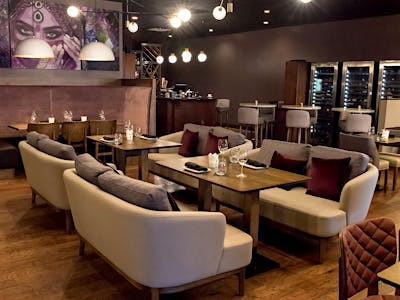
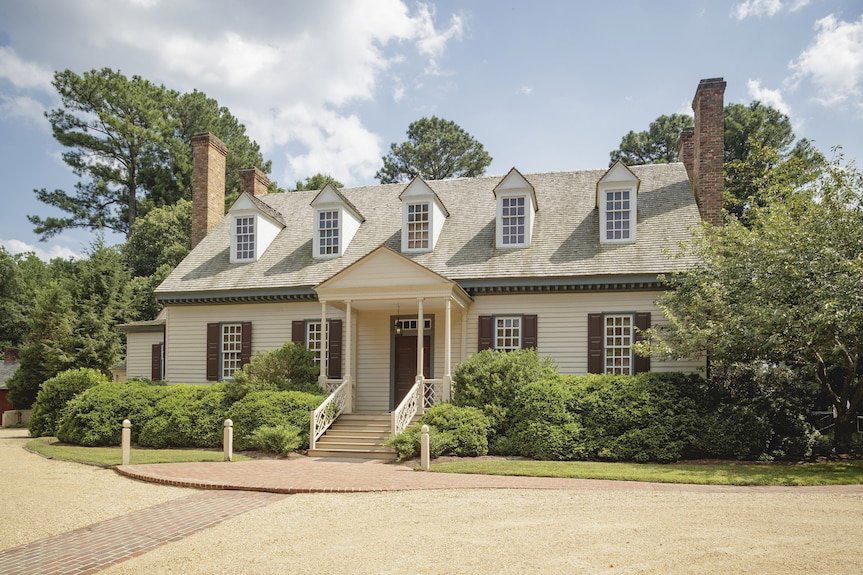
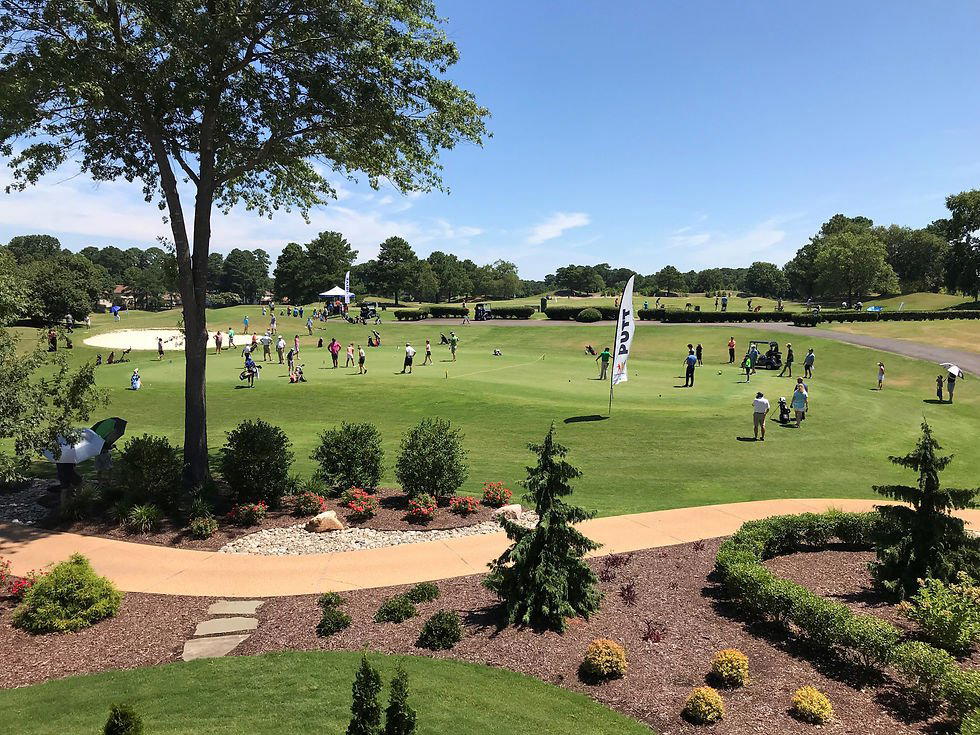
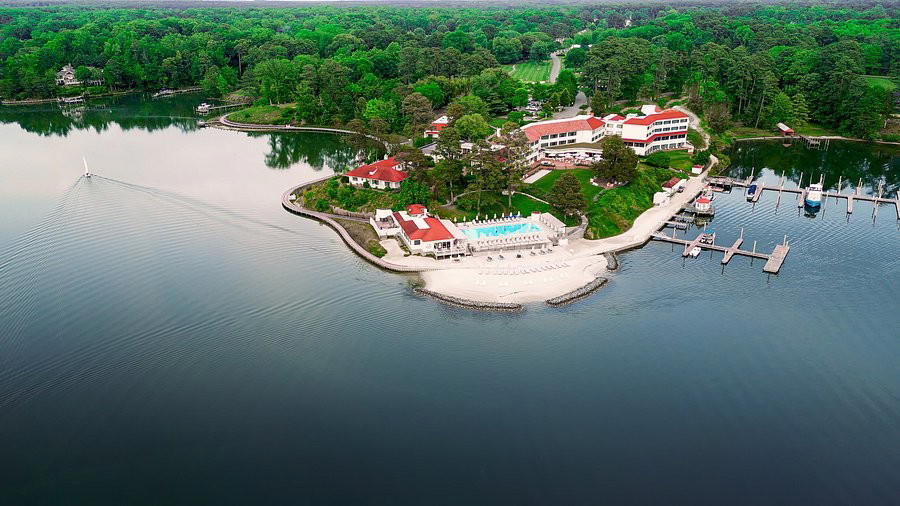
The Williamsburg Winery sits on the Wessex Hundred property, a name that echoes the historical land-grant divisions of colonial Virginia. The estate grounds carry that history visibly, with architecture and landscaping that reflect the region's identity as much as its viticulture. For visitors arriving from the Colonial Williamsburg historic district a few miles away, the winery functions as a natural extension of a historically inflected trip rather than a detour from one.
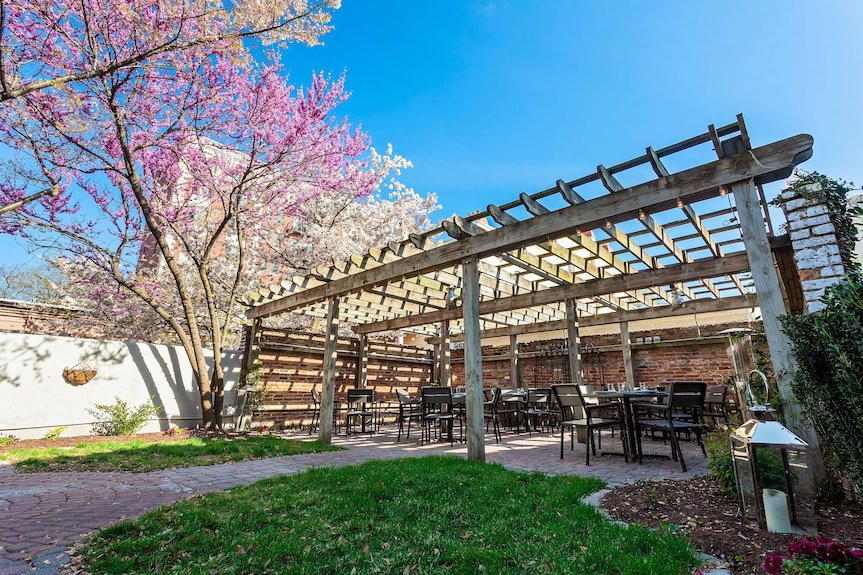
Atmosphere skews toward considered leisure rather than high-volume tasting-room traffic. Virginia wine tourism operates at a different pace from, say, the Sonoma Highway crush on a summer weekend or the appointment-only formality of leading Napa producers. The Williamsburg Winery occupies a middle register in that spectrum, accessible enough for a first-time wine visitor, substantive enough to hold the attention of someone who has also spent time at Artesa Vineyards in Napa or Alexander Valley Vineyards in Geyserville. The estate's setting does much of the atmospheric work without demanding theatrical intervention.
For practical planning: the winery is located at 5800 Wessex Hundred, roughly a short drive from central Williamsburg. Current hours, tasting formats, and booking availability should be confirmed directly through the estate's current website or reservation channel, as these details vary by season. Virginia wine country does not operate on a single predictable calendar, harvest timing fluctuates with vintage conditions, and tasting programs adjust accordingly. Visiting between late spring and early autumn generally offers the fullest range of estate programming.
Where It Sits in the Virginia Wine Story
Virginia now has over 300 licensed wineries. Within that expanding field, a meaningful tier separation has emerged between volume-oriented operations and estates committed to quality benchmarking through recognized critical frameworks. This is also true of how Virginia as a whole is beginning to register internationally, not as a footnote to American wine history, but as an appellation with a distinctive climate argument and a growing body of critically endorsed production. Producers making that case seriously are worth tracking in the same breath as ambitious estates from Los Olivos or Lompoc in Santa Barbara County's warmer inland zones, or indeed from further afield, the arc from Aberlour in Speyside to Achaia Clauss in Patras and B.R. Cohn in Glen Ellen reminds us that serious production often happens where geography provides a compelling argument, not simply where fame preceded it.
For anyone building a considered tour of American wine that extends beyond the California axis, Williamsburg and the Virginia Peninsula deserve a serious look. The Williamsburg Winery is one of the clearest reasons why. See our full Williamsburg restaurants and experiences guide for broader context on visiting the region.
A Quick Peer Check
Comparable venues nearby, for context on price, style, and recognition.
| Venue | Cuisine | Price | Notes |
|---|---|---|---|
| The Williamsburg WineryThis venue — the venue you are viewing | Cabernet Franc, Merlot | Not listed | Not listed |
| Gauthier Vineyard | Chardonnay, Cab Franc | $10–20 | Barhamsville |
| Ingleside Vineyards | Petit Verdot, Albariño | Not listed | Oak Grove |
| Effingham Manor Winery | Merlot, Chardonnay | Not listed | Nokesville |
| Good Luck Cellars | Chardonel, Chambourcin | Not listed | Kilmarnock |
| Eastwood Farm & Winery | Chardonnay, Petit Verdot | $10–20 | Scottsville Road |
Continue exploring
More in Williamsburg
Wineries in Williamsburg
Browse all →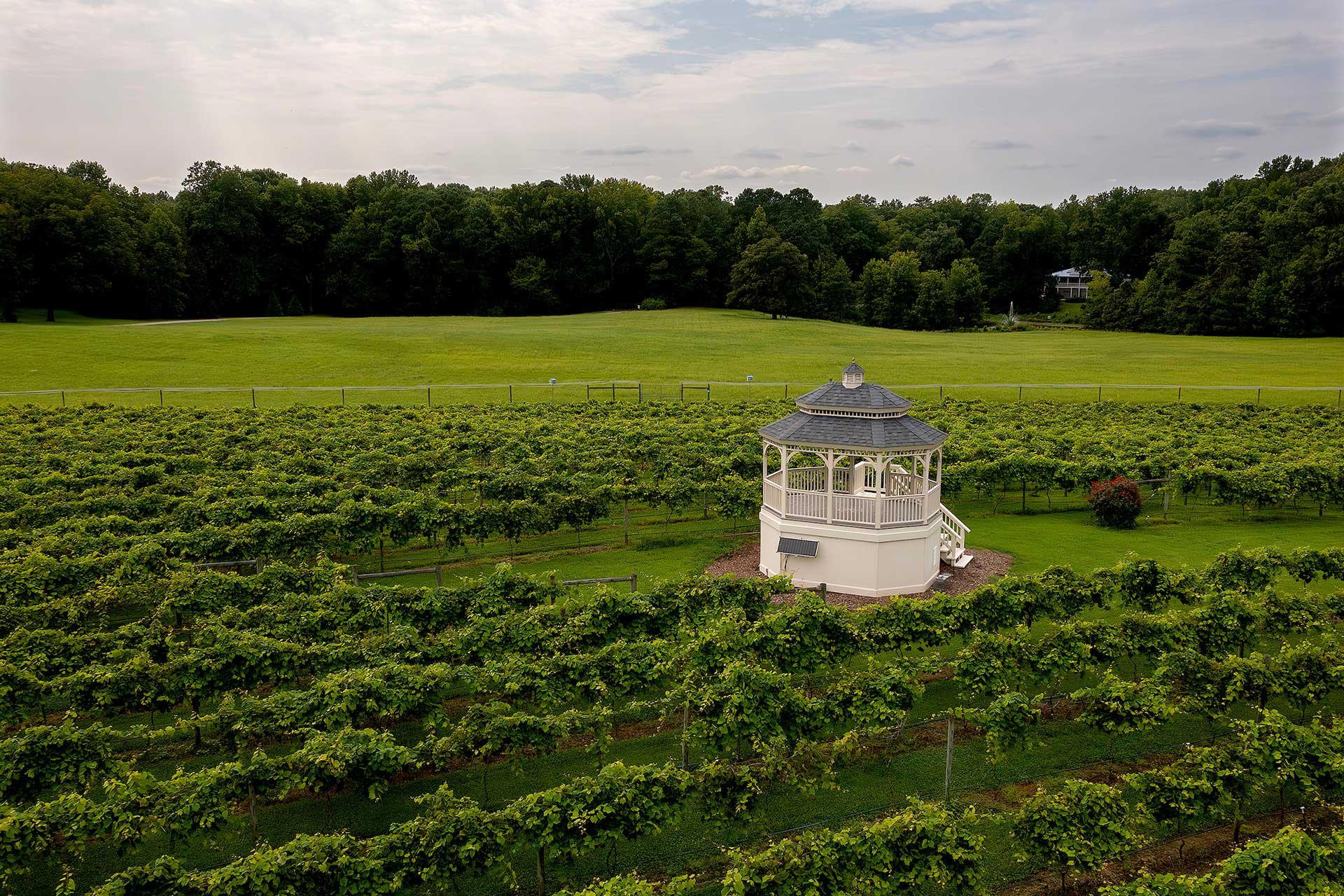
Bars in Williamsburg
Browse all →
Restaurants in Williamsburg
Browse all →
Details
- Rustic
- Elegant
- Scenic
- Romantic
- Celebration
- Special Occasion
- Group Outing
- Corporate Event
- Vineyard Tour
- Estate Grounds
- Historic Building
- Vineyard
- Garden
- Cabernet Franc
- Merlot
- Petit Verdot
- Cabernet Sauvignon
- Viognier
- Petit Manseng
- Still Red
- Still White
- Cellar Tasting
- Reserve Tasting
- Founded: official source · checked
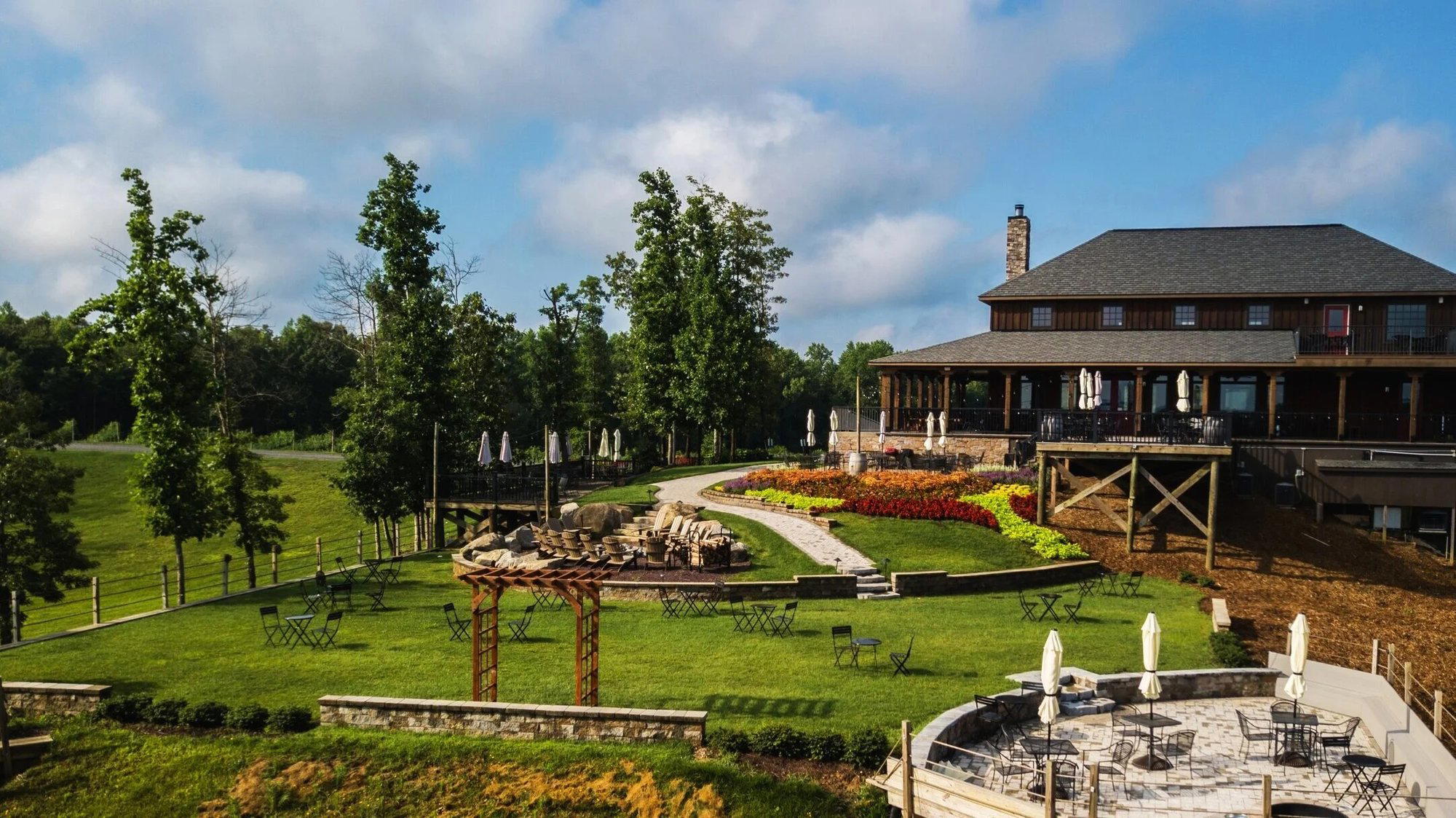
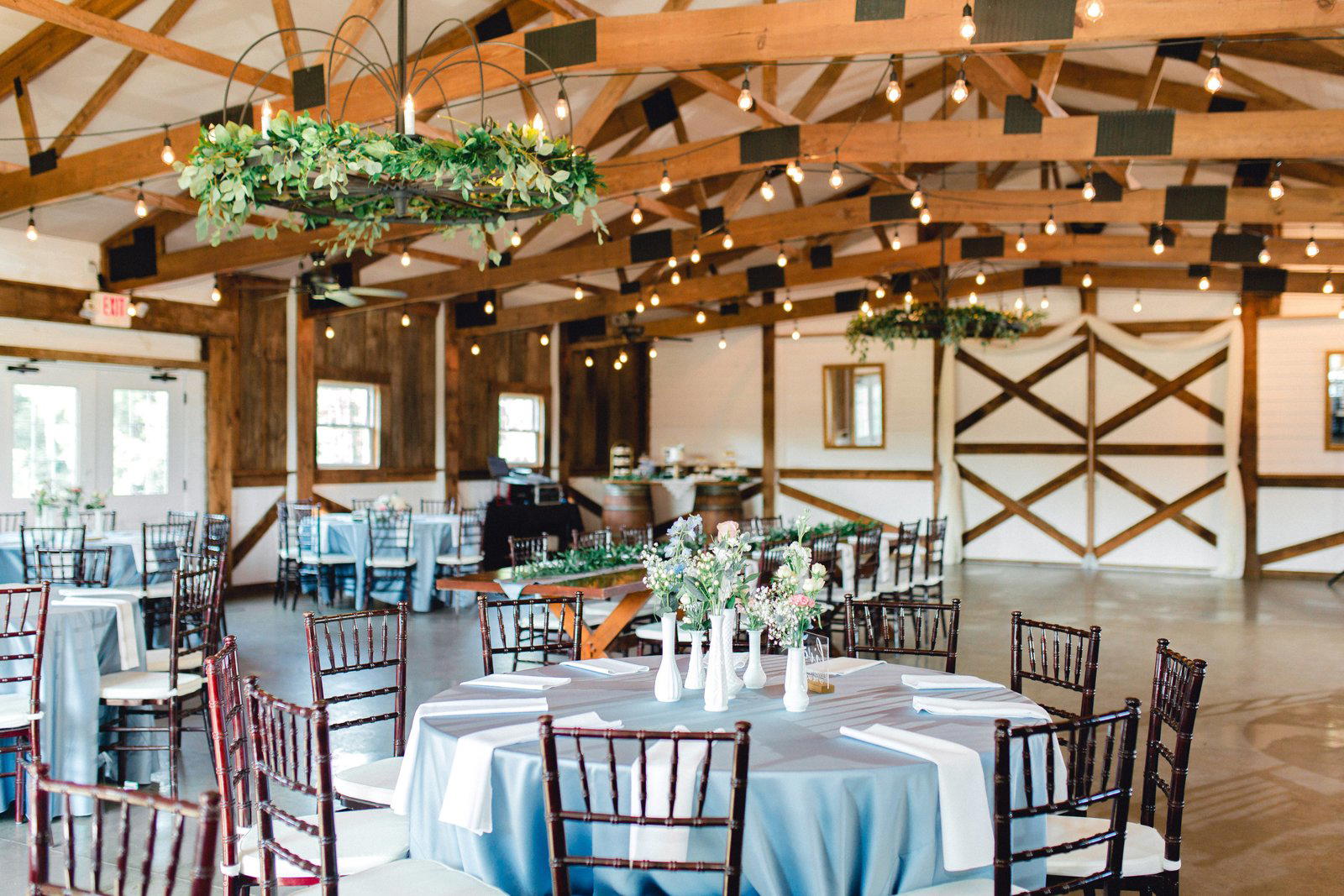
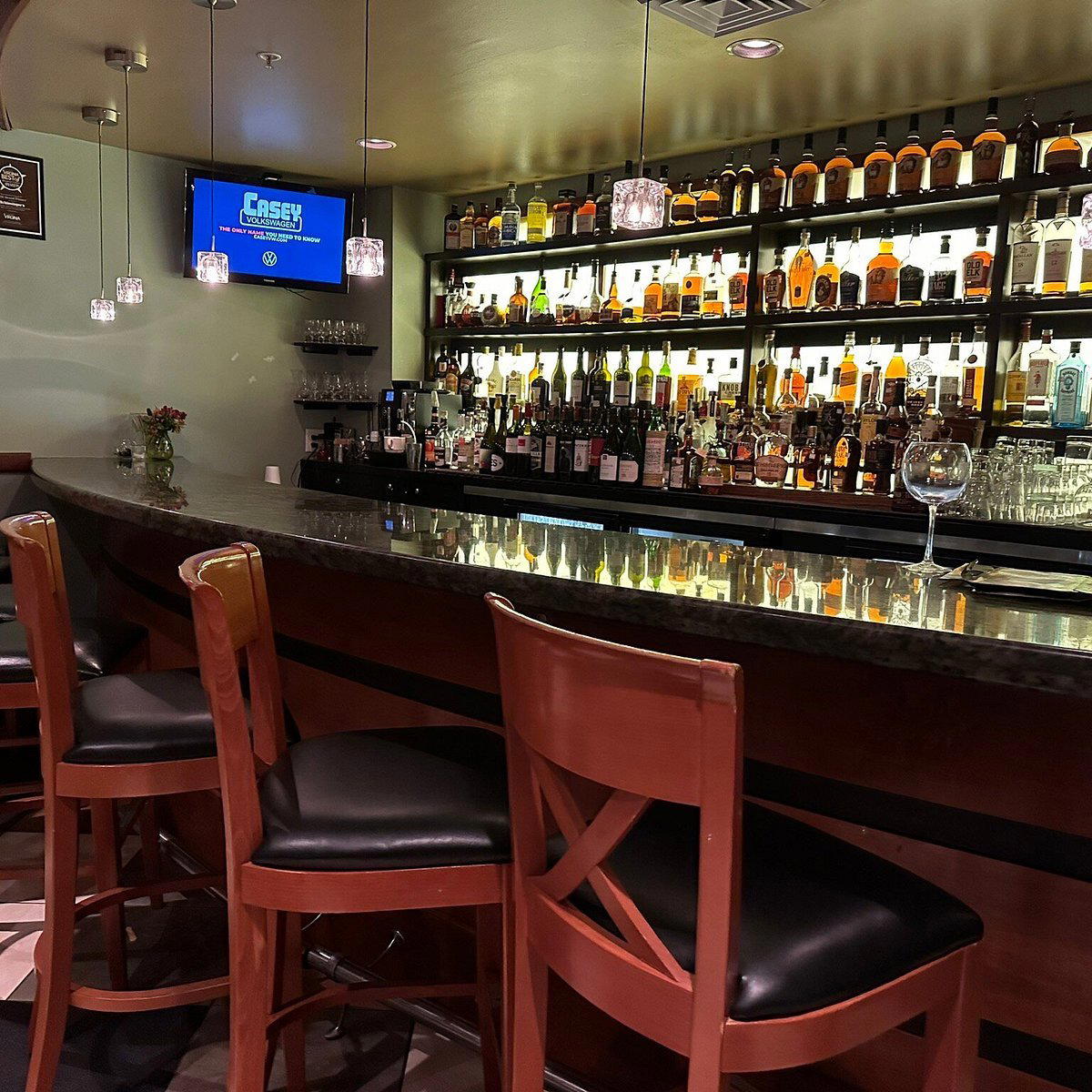
Beautiful and romantic atmosphere with well-lit spacious tasting areas, elegant event halls overlooking vineyards and lawns, and a fairy-tale ambiance praised by wedding guests.