Poggio Antico
Poggio Antico has produced wine from the Marche hills since 1976, with winemaker Paolo Vagaggini shaping a house style rooted in the character of the land around Monte San Vito. For travellers seeking serious Italian wine beyond Tuscany and Piedmont, this is a name worth knowing.

Pearl is the En Primeur Club membership app, where members save venues, book tables and use the concierge.
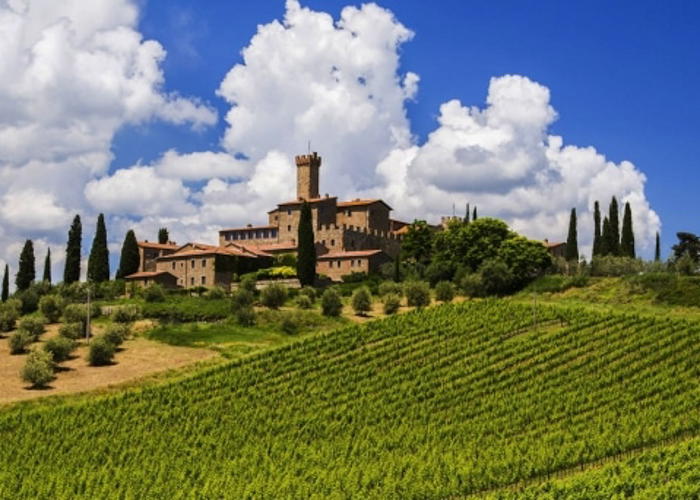
The Marche Hills and What They Produce
Italy's wine conversation tends to collapse into a handful of famous appellations: Barolo, Brunello, Chianti Classico, Amarone. Producers from the Marche, the Adriatic-facing region that stretches between the Apennines and the sea, operate in a different register entirely. The hills here are quieter on the international stage, which makes estates with serious track records and recent awards recognition all the more worth understanding on their own terms. Poggio Antico, operating out of Monte San Vito in the province of Ancona, is one of those producers.
The Marche sits between two influences that define what serious wine from this part of Italy can be: the moderating effect of the Adriatic to the east, and the altitude and temperature variation provided by the Apennine range to the west. That combination, warm days and cooler nights, with soils that shift between clay and limestone depending on elevation and aspect, creates conditions where grapes can accumulate phenolic ripeness while retaining the acidity that makes wine interesting at the table. Understanding that geography is more useful than any list of tasting notes when approaching an estate like Poggio Antico, whose house character is shaped by those environmental conditions rather than by fashion.
Paolo Vagaggini and the Question of Winemaking at Altitude
Winemaking in central Italy's less-famous territories has often had to choose between two models: imitate the international style to gain export traction, or commit to expressing what the local terroir actually delivers and find the audience that values that. Paolo Vagaggini, the winemaker at Poggio Antico, brings credentials that are relevant here. Vagaggini is a consultant who has worked across multiple Italian regions, including Tuscany and Brunello di Montalcino, which means his approach at Poggio Antico reflects a winemaker with exposure to Italy's most scrutinised appellations. That kind of cross-regional experience tends to produce wines that are technically clean without being homogenised, aware of what a given terroir offers and capable of not overriding it in the cellar.
Producers with a comparable relationship between external winemaking expertise and estate terroir include Castello di Volpaia in Radda in Chianti and Lungarotti in Torgiano, both of which have built long-term reputations in central Italian appellations by treating the land as the primary argument in their wines. Poggio Antico's first vintage dates to 1976, giving the estate nearly five decades of production history to draw on when reading its terroir, a depth that takes time to accumulate and cannot be replicated by newer projects regardless of investment.
Where Poggio Antico Sits in the Italian Wine Tier
That distinction matters when reading any wine estate's credential list: single-vintage awards reflect a moment, while prestige-level recognitions tend to reflect a consistent house approach over time. In that respect, Poggio Antico occupies a different position than estates that have won attention through a single celebrated release.
For context on how this fits within the Italian wine landscape, consider the range of recognised producers across the country. In Piedmont, Aldo Conterno in Monforte d'Alba and Produttori del Barbaresco in Barbaresco represent the northern anchor of serious Italian wine, where Nebbiolo is the central argument. In Lombardy, Ca' del Bosco in Erbusco defines what Franciacorta can achieve at the premium tier. In Tuscany, L'Enoteca Banfi in Montalcino anchors the Brunello conversation. Poggio Antico, operating in the Marche with a 2025 prestige recognition, represents what is possible when a less-celebrated region is approached with equal seriousness. The estate is not competing with Barolo or Brunello for the same audience; it offers a different geographic argument at a level of quality that the award validates.
The Estate at Monte San Vito: Approaching the Property
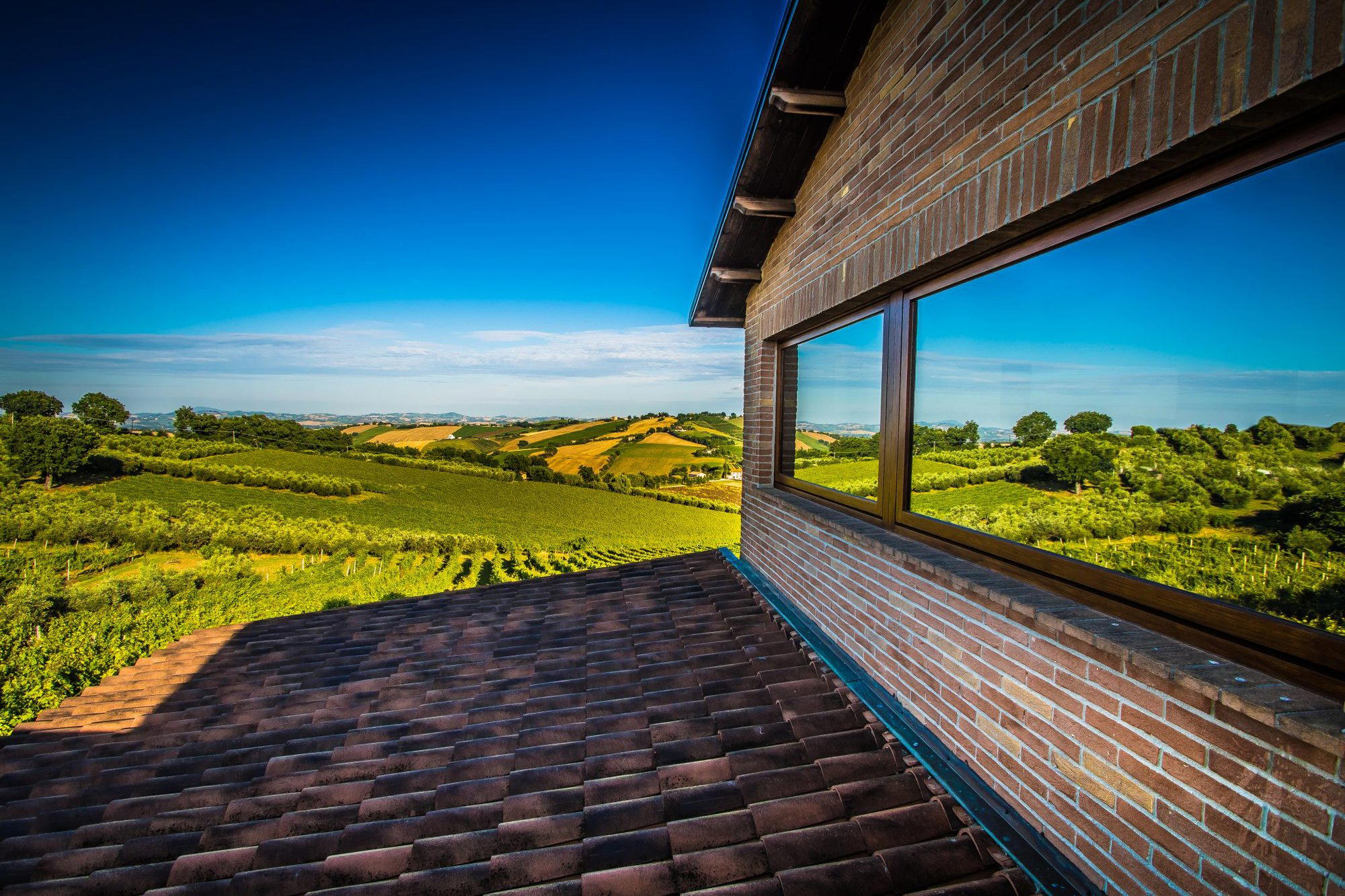
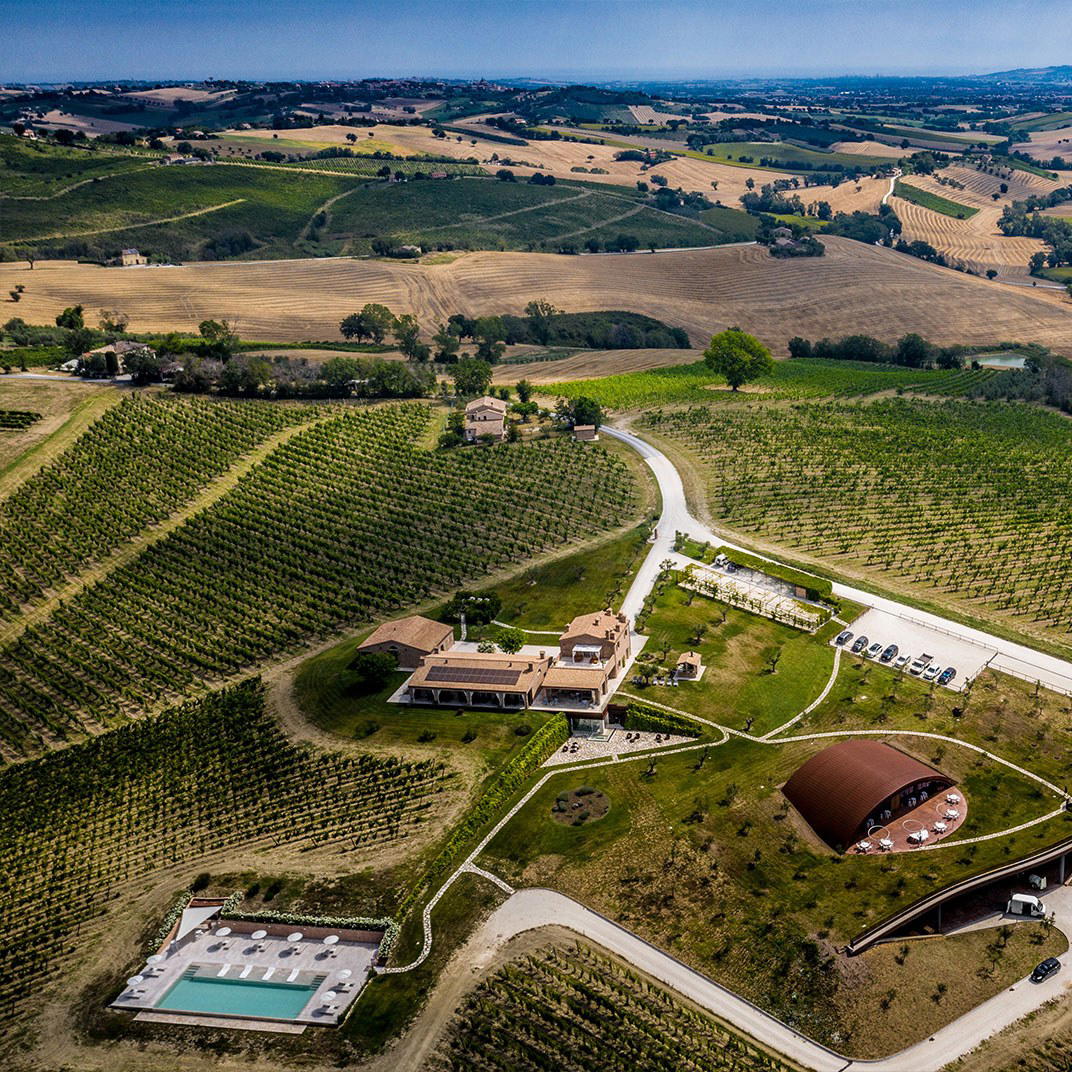
Monte San Vito sits in the lower Marche, in the Misa river valley, roughly between Senigallia on the Adriatic coast and the provincial capital of Ancona. The countryside here is agricultural in the older Italian sense: mixed farming, hill ridges with vineyards interspersed among other crops, medieval villages at high points with clear views toward the sea on a clear day. Approaching an estate like Poggio Antico in this context, you are not arriving at a destination engineered for wine tourism in the way that parts of Chianti or the Langhe have been shaped by decades of international visitor traffic. The landscape is working farmland that happens to produce serious wine, and the distinction between those two things is visible as soon as you leave the main road.
That character, unforced and grounded in agricultural reality rather than scenographic presentation, is increasingly a differentiator as wine travel matures. Visitors who have made the circuit of famous Tuscan estates and Piedmontese cantinas often find that the Marche offers something those regions have partly traded away in their ascent to global recognition: the experience of arriving somewhere that has not yet fully priced in its own reputation.
Planning a Visit: What to Expect and When to Go
Specific booking methods and visiting hours for Poggio Antico are not published through the usual channels, which is characteristic of smaller Marche estates whose primary route to market runs through Italian distribution and specialist importers rather than direct-to-consumer tourism infrastructure. The practical approach is to contact the estate directly via correspondence before planning a visit, allowing enough lead time to confirm availability, particularly around harvest in late September and October when production operations take priority over hospitality.
The Marche's wine calendar generally aligns with central Italy's: spring and early autumn offer the most workable visiting conditions, with temperatures that make cellar visits and outdoor tasting comfortable. Driving is the only realistic way to reach Monte San Vito from the major rail connections at Falconara Marittima or Ancona, which are both within a short distance by car. Anyone building a Marche wine itinerary from the region would naturally route through Ancona as a base, given the province's concentration of serious producers in the hills behind the coast.
For a broader orientation to what else Monte San Vito and its surrounding area offer, our full Monte San Vito restaurants guide covers the local food and hospitality context in more depth. Those planning a wider Italian spirits and distillate itinerary alongside wine visits might also consider stops at Nonino Distillery in Pavia di Udine, Distilleria Marzadro in Nogaredo, Poli Distillerie in Schiavon, and Distilleria Romano Levi in Neive, each of which represents a distinct chapter in Italian artisanal production. For those extending further into other wine-producing countries, Planeta in Menfi in Sicily and Accendo Cellars in St. Helena in Napa Valley represent comparable commitments to site-specific winemaking in their respective regions. Outside Italy's wine and spirits context entirely, Campari in Milan and Aberlour in Aberlour round out a picture of how production heritage and regional identity intersect across very different categories.
How It Stacks Up
Comparable venues nearby, for context on price, style, and recognition.
| Venue | Cuisine | Price | Awards | Notes |
|---|---|---|---|---|
| Poggio AnticoThis venue (the venue you are viewing) | Sangiovese | Not listed | Not listed | Not listed |
| Amaro Santa Maria al Monte | Winery | Not listed | Not listed | Chiavari |
| Distillerie Buton (Vecchia Romagna) | Trebbiano | Not listed | Not listed | Bologna |
| Argiano | Sangiovese Grosso, Cabernet Sauvignon | $50–100 | Falstaff Winery - 5 Stars | Sant'Angelo in Colle |
| Monteverro | Cabernet Sauvignon, Cabernet Franc | $50–100 | Falstaff Winery - 5 Stars | Capalbio |
| Isole e Olena | Sangiovese, Canaiolo | Not listed | Falstaff Winery - 5 Stars | San Donato in Poggio |
Continue exploring
More in Monte San Vito
Wineries in Monte San Vito
All wineries in Monte San Vito →

Details
- Scenic
- Rustic
- Elegant
- Intimate
- Wine Education
- Solo Exploration
- Special Occasion
- Vineyard Tour
- Panoramic View
- Terrace
- Vineyard
- Mountain
- Sangiovese
- Still Red
- Guided Tasting
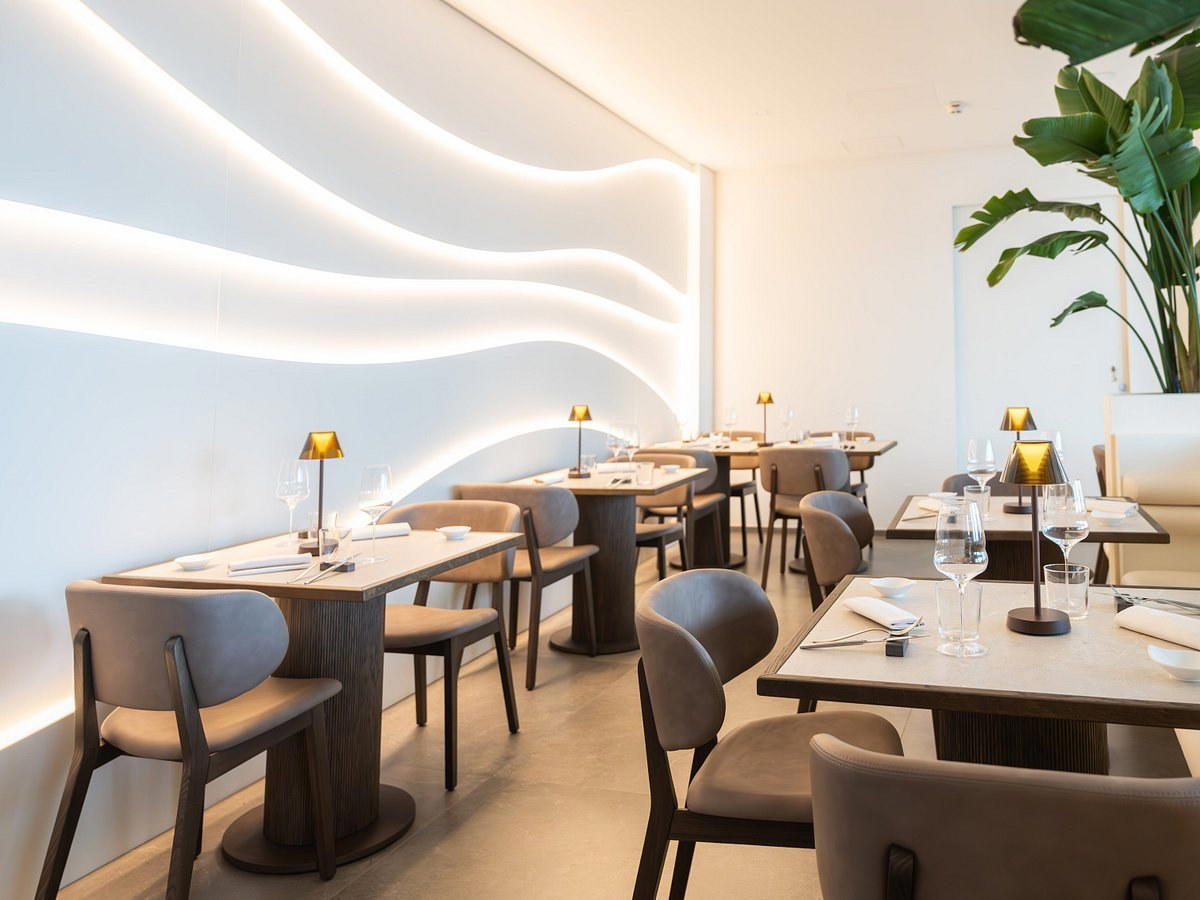
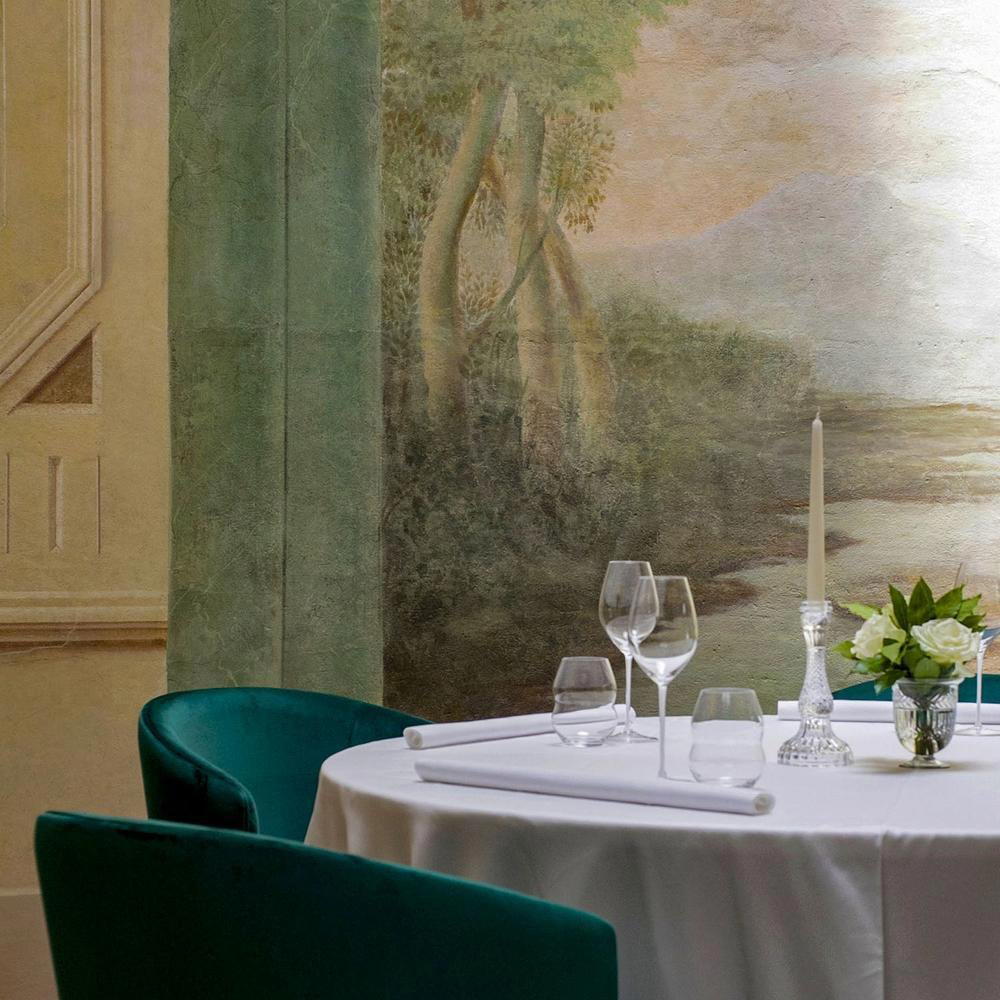
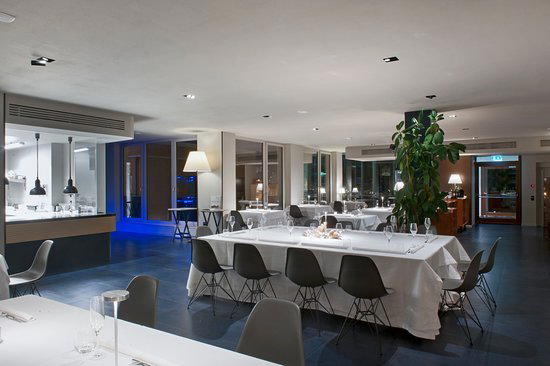
Panoramic terrace views over rolling hills with intimate, educational tastings in a dramatic polished landscape.