One of Australia's most historically significant sparkling wine producers, Seppelt Great Western operates from a Victorian-era property in the Grampians region that includes a network of underground drives dating to the 1860s.

Pearl is the En Primeur Club membership app — saves, bookings, and concierge access live there. Same editors, same standards.
- Address
- 36 Cemetery Rd, Great Western VIC 3374
- Phone
- +61 3 5361 2239
- Website
- seppeltgreatwestern.com.au
- Directions
- Get directions
Underground and Above: The Case for Great Western Sparkling
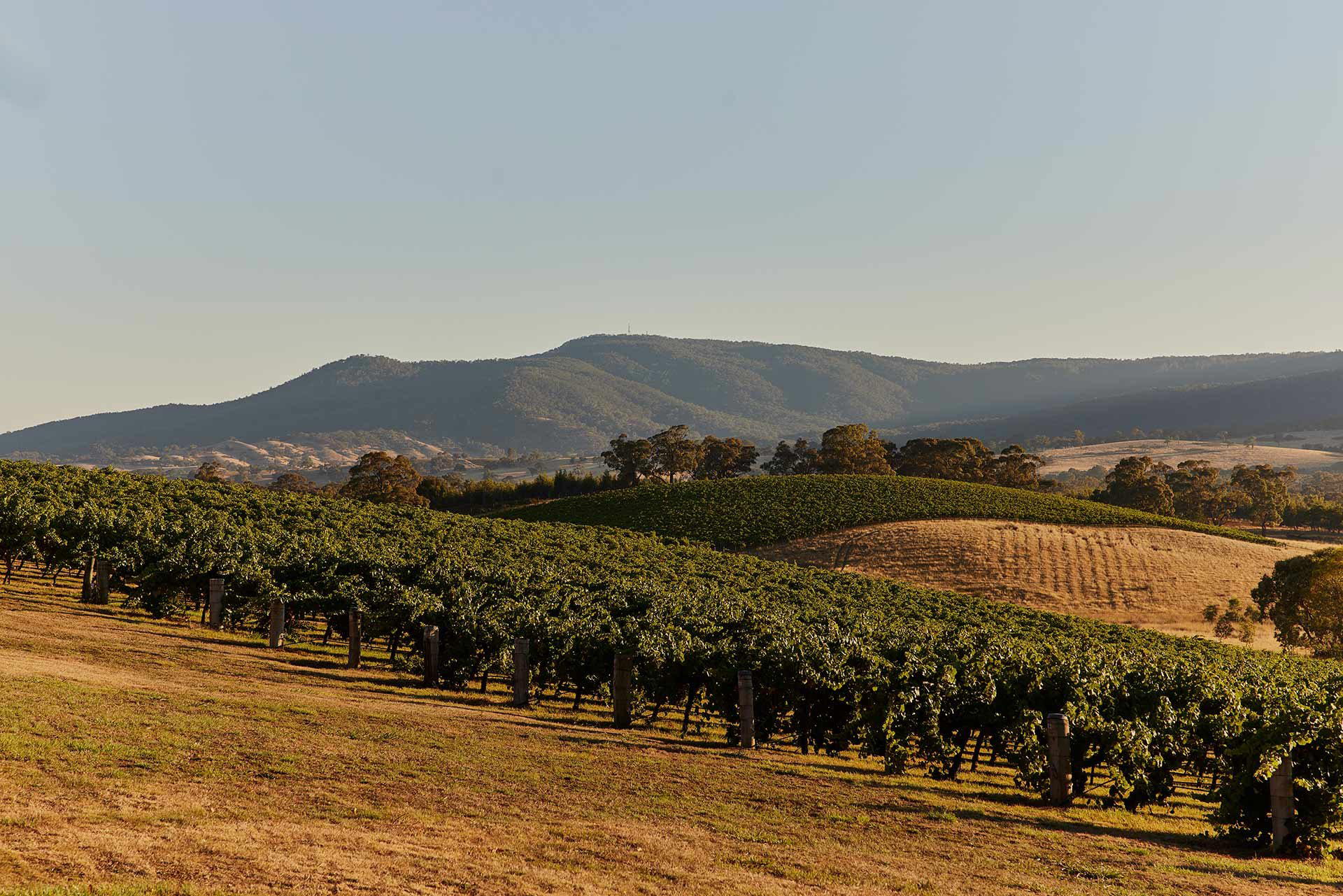
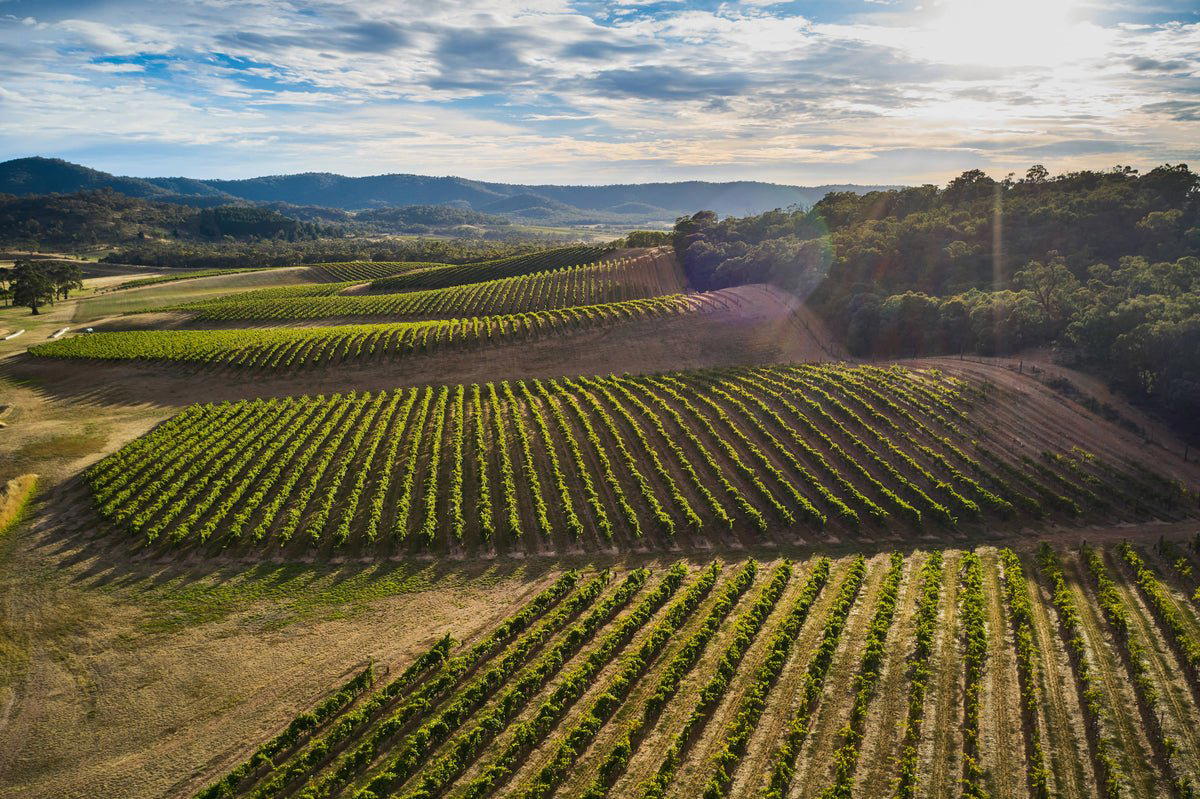
The Great Western sub-region of the Grampians sits at an elevation that separates it climatically from the warmer valley floors to the north and west. It is cool enough for long growing seasons, the kind that build acid retention in base wines — a structural requirement for traditional-method sparkling that many warmer Australian regions cannot reliably deliver. That geological and climatic specificity is the reason Seppelt Great Western exists where it does, and why its address at 36 Cemetery Rd has anchored Australian sparkling production for over 160 years.
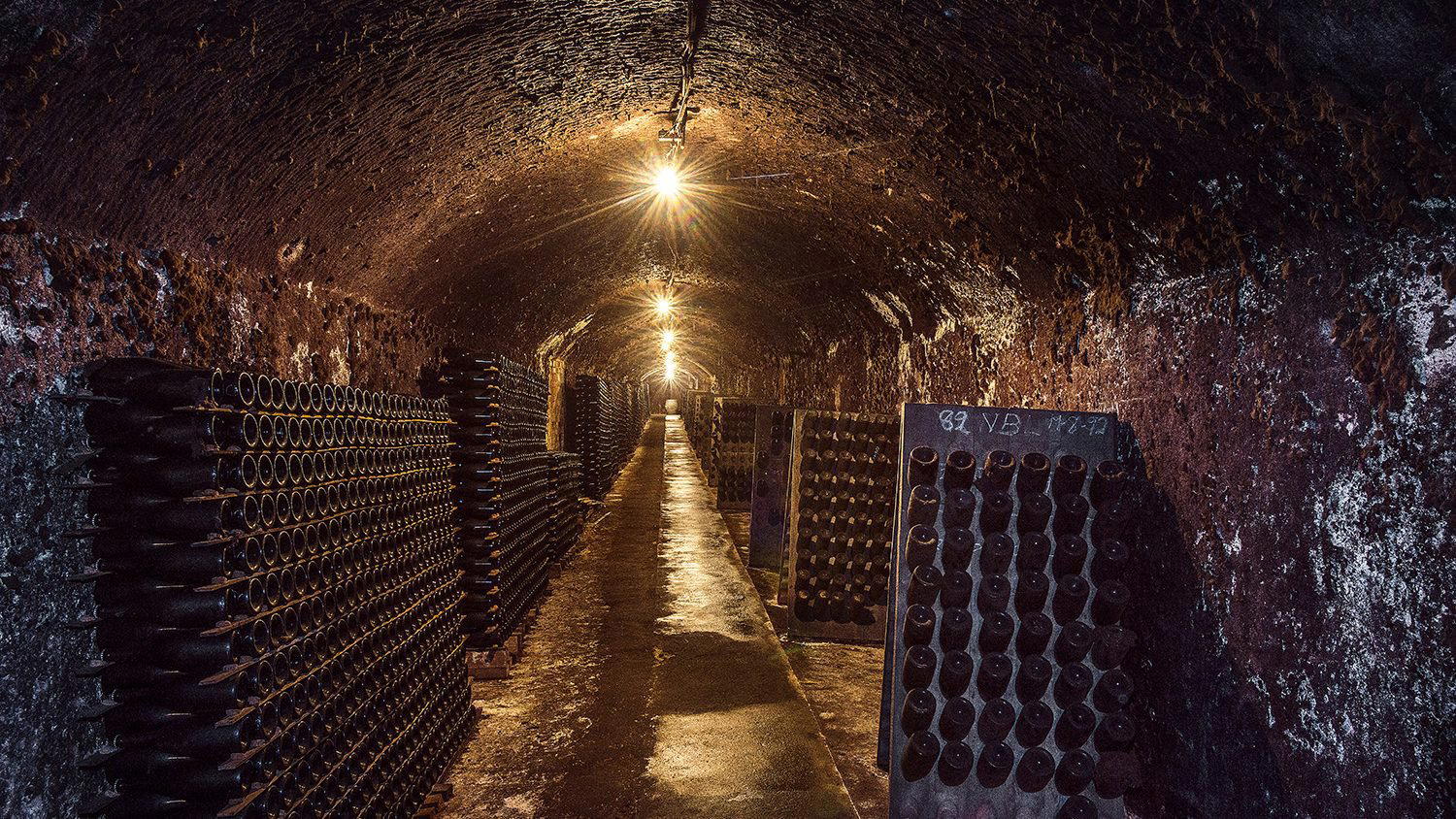
The underground drives — hand-excavated tunnels stretching several kilometres beneath the property, were dug by Cornish miners from the 1860s onward, originally gold miners repurposed into cellar labourers by the Seppelt family. The tunnels maintain a near-constant temperature year-round, making them among the most naturally suited secondary-fermentation and ageing environments in the southern hemisphere. This is not a romantic detail; it is the operational explanation for why long-aged sparkling from this site has remained coherent as a category when the broader Australian wine industry has pivoted repeatedly through fashions.
Where Seppelt Sits in the Australian Sparkling Conversation
Australia's premium sparkling tier is small and relatively concentrated. The traditional-method category, wines undergoing secondary fermentation in bottle, sits apart from the CO2-injected and tank-method commercial sparkling that dominates retail volume. Within that smaller traditional-method group, producers with genuine aged-release programs (wines held on lees for years, sometimes decades, before disgorgement) form an even narrower cohort. Seppelt Great Western occupies that narrow cohort, sitting alongside houses like Bass Phillip in Gippsland at the serious end of Victorian fine wine, and benchmarking against the kind of patience-and-place winemaking that has defined Brokenwood in Hunter Valley in the still-wine space.
Peer producers operating at comparable prestige levels include estates like Clarendon Hills, Henschke, and Penfolds, houses with long production histories and identifiable regional anchors. What separates Seppelt Great Western within that group is the specificity of its category focus: sparkling wine from a single Victorian sub-region, aged in physical infrastructure that predates the Australian federation.
For comparison, producers like All Saints Estate in Rutherglen and Angove Family Winemakers in Renmark also carry multi-generational histories and diversified portfolios, but neither has the same singular focus on cool-climate traditional-method sparkling. The regional character of Great Western gives Seppelt a natural separation from fortified-focused Rutherglen and the warmer-climate styles of the Riverland.
The Winemaking Tradition at Great Western
Australian sparkling wine philosophy has historically split between two modes: the commercial-scale, consistent-house-style approach, and the terroir-assertive, vintage-specific approach. Seppelt Great Western has operated in both registers across its history, which gives the estate an unusual dual reputation. The Salinger range sits at the accessible, consistent end; the Show Sparkling Shiraz and the vintage-dated cuvées represent the patience-led program where wines are held on lees for extended periods before release.
The Show Sparkling Shiraz is the wine most often cited when Australian sparkling is discussed seriously in an international context. Red sparkling wine is a category with almost no global parallel outside Victoria, the Grampians and Pyrenees sub-regions, along with Drumborg and Henty further south, form the primary production zones for a style that has no French or Italian analogue at comparable quality. Blue Pyrenees Estate in Pyrenees works in a neighbouring zone, and Leading's Wines in Great Western occupies the same sub-region, but neither has pursued red sparkling at the same scale or with the same release history as Seppelt.
The extended lees-ageing program means that wines currently available for tasting at the cellar door may have been harvested several years prior. This is a detail with practical implications for visitors: the wines on offer are not simply the most recent vintage but a curated release schedule that reflects deliberate ageing decisions. It also means that the cellar door experience at Great Western operates differently from a still-wine producer offering current-vintage pours, the temporal gap between fruit and release is part of the product logic, not an anomaly.
The Physical Property and What to Expect
Great Western township is a small settlement approximately 230 kilometres northwest of Melbourne, accessed via the Western Highway. The journey takes around two and a half hours by car from the CBD and is often combined with broader Grampians itineraries that include the national park and the cluster of wineries operating across the Grampians zone. Mount Langi Ghiran is among the regional producers worth including in the same visit, operating at a comparable premium level with a distinct focus on Shiraz and cool-climate whites.
Underground drives are the defining feature of any property visit. Tours of the tunnels have historically been part of the Seppelt Great Western cellar door offering, though visitors should confirm current access arrangements and tour schedules directly with the estate before planning specifically around them. The drives are not merely atmospheric; they are working winemaking infrastructure, and the tour framing reflects that operational reality rather than pure heritage theatre.
For visitors building a wider Victorian fine wine itinerary, the context extends beyond the Grampians. Producers like Bird in Hand in Adelaide Hills and Cape Mentelle in Margaret River represent different expressions of Australian premium winemaking, while Brown Brothers in King Valley offers another multi-generational Victorian family producer for comparison. Our full Grampians restaurants and winery guide maps the broader regional picture for those spending more than a day in the area.
Planning a Visit
Visitors planning a trip to Seppelt Great Western should factor in that Great Western functions as a destination within a destination. The estate address is 36 Cemetery Rd, Great Western VIC 3374, sitting on the edge of the township. Given the absence of confirmed current hours and booking policies from the venue directly, contacting the cellar door in advance is advisable, particularly for those seeking tunnel tours rather than a standard tasting experience. The Grampians region rewards itinerary planning: accommodation options concentrate in Halls Gap, approximately 40 minutes east, and the volume of premium producers in the zone makes multi-day visits more productive than day trips from Melbourne.
Comparable in ambition, if not in category, to internationally oriented Australian houses like Accendo Cellars in St. Helena or the craft-production discipline of Archie Rose Distilling Co in Sydney, Seppelt Great Western represents the kind of site where the physical context and the wine program are inseparable, a property where the argument for visiting is as much geological as it is vinous.
Budget Reality Check
Comparable venues nearby, for context on price, style, and recognition.
| Venue | Cuisine | Price | Awards |
|---|---|---|---|
| Seppelt Great WesternThis venue — the venue you are viewing | Great Western, Shiraz, Chardonnay | Not listed | Not listed |
| Mount Langi Ghiran | Grampians, Shiraz, Riesling | Not listed | Falstaff Winery - Listed |
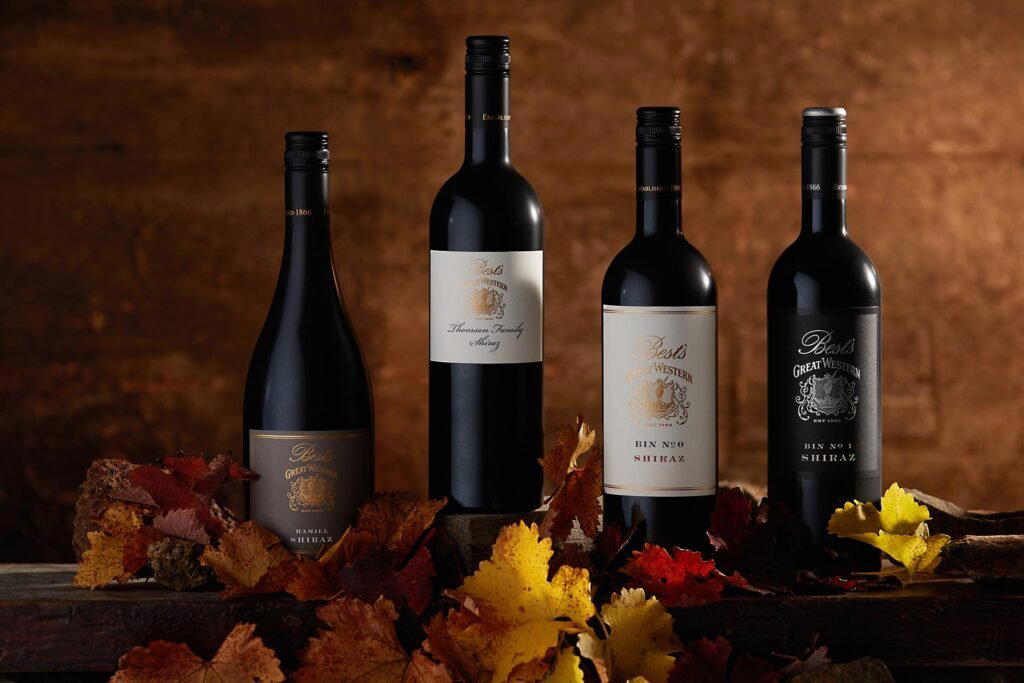
| Best's Wines | Great Western, Shiraz, Riesling | $10–20 | Not listed |
| Dalwhinnie | Moonambel, Shiraz, Cabernet Sauvignon | Not listed | Falstaff Winery - Listed |
| Joshua Cooper Wines | Winery | Not listed | Not listed |
| Balnaves of Coonawarra | Coonawarra, Cabernet Sauvignon, Shiraz | $30–50 | Falstaff Winery - Listed |
Continue exploring
More in Grampians
Details
- Historic
- Rustic
- Scenic
- Well Known
- Wine Education
- Group Outing
- Celebration
- Cave Tasting
- Vineyard Tour
- Historic Building
- Estate Grounds
- Vineyard
- Mountain
- Shiraz
- Chardonnay
- Pinot Noir
- Riesling
- Traminer
- Pinot Meunier
- Still Red
- Sparkling
- Fortified
- Wine Tasting
- Underground Tour
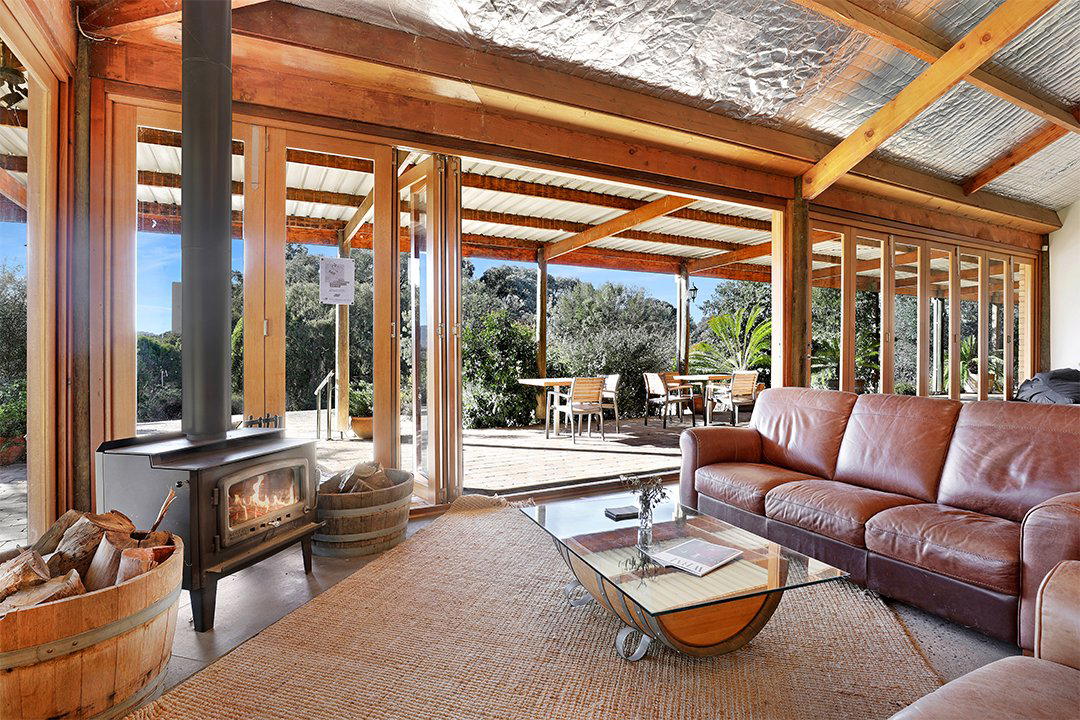
Historic underground tunnels with rustic blackened walls from harmless French mould, cool 16-degree temperature, picturesque lawns above ground.