Sanguis Winery
Sanguis Winery operates from a compact address on Ashley Avenue in downtown Santa Barbara. The winery sits within a city that has quietly built one of California's most serious small-producer wine cultures, placing Sanguis alongside a cohort of urban tasting rooms that prize craft over volume. A focused visit rewards those who arrive with context.
Pearl is the En Primeur Club membership app — saves, bookings, and concierge access live there. Same editors, same standards.
- Address
- 8 Ashley Ave, Santa Barbara, CA 93103
- Phone
- +1 805-845-0920
- Website
- sanguiswine.com
- Directions
- Get directions
 Saves & bookings on Pearl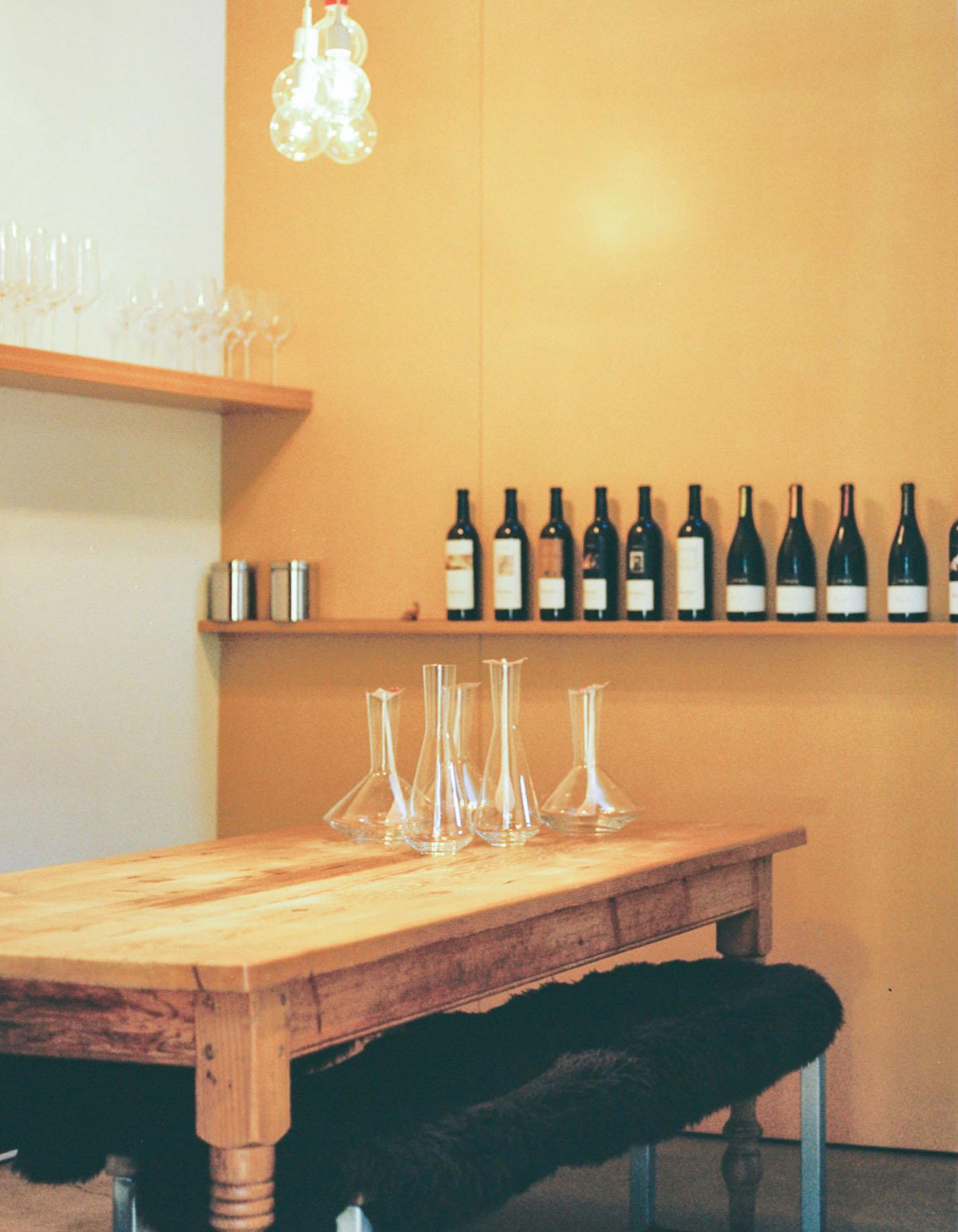
Wine at Street Level: Santa Barbara's Urban Producer Tier
Santa Barbara's wine identity tends to get told through its appellations, the Santa Ynez Valley, the Santa Rita Hills, the windswept corridors that drew Burgundy-trained producers south from Napa in the 1980s and 1990s. What that framing misses is the city itself, where a cluster of small-production wineries and tasting rooms has taken root in converted storefronts and light-industrial spaces. These urban operations are not satellite marketing rooms for large estate brands. Many are primary production sites, where small lots are sourced from across the county's varied sub-appellations and vinified with a specificity that larger operations structurally cannot match.
Sanguis Winery, at 8 Ashley Ave in Santa Barbara proper, belongs to this urban-producer tier. That recognition matters in context: Santa Barbara County now has enough premium small-format producers that a strong rating is earned against a competitive field.
Sourcing Logic: Why the County's Fragmentation Is an Advantage
The editorial angle on Santa Barbara wine that gets underwritten too rarely is sourcing geography. The county is not a single climate. The transverse mountain ranges that run east-west rather than north-south create a situation where marine air funnels directly inland from the Pacific, dropping temperatures in the western appellations while the eastern Santa Ynez Valley remains significantly warmer. A producer with the sourcing relationships to pull from multiple sub-appellations within that system has access to a range of flavor profiles that few single-estate operations can replicate.
Urban wineries like Sanguis are positioned to exploit this fragmentation. Without estate vineyard overhead, sourcing decisions can be made vintage by vintage, vineyard by vineyard, responding to what the season has produced rather than committing to a fixed portfolio. This is the same structural logic that defines many of the more interesting négociant-style operations in Burgundy and the northern Rhône: the winery's identity is built through curation and vinification rather than through land ownership. In Santa Barbara, where vineyard access across the Sta. Rita Hills, Happy Canyon, and Ballard Canyon appellations is not concentrated in any single producer's hands, that approach has particular force.
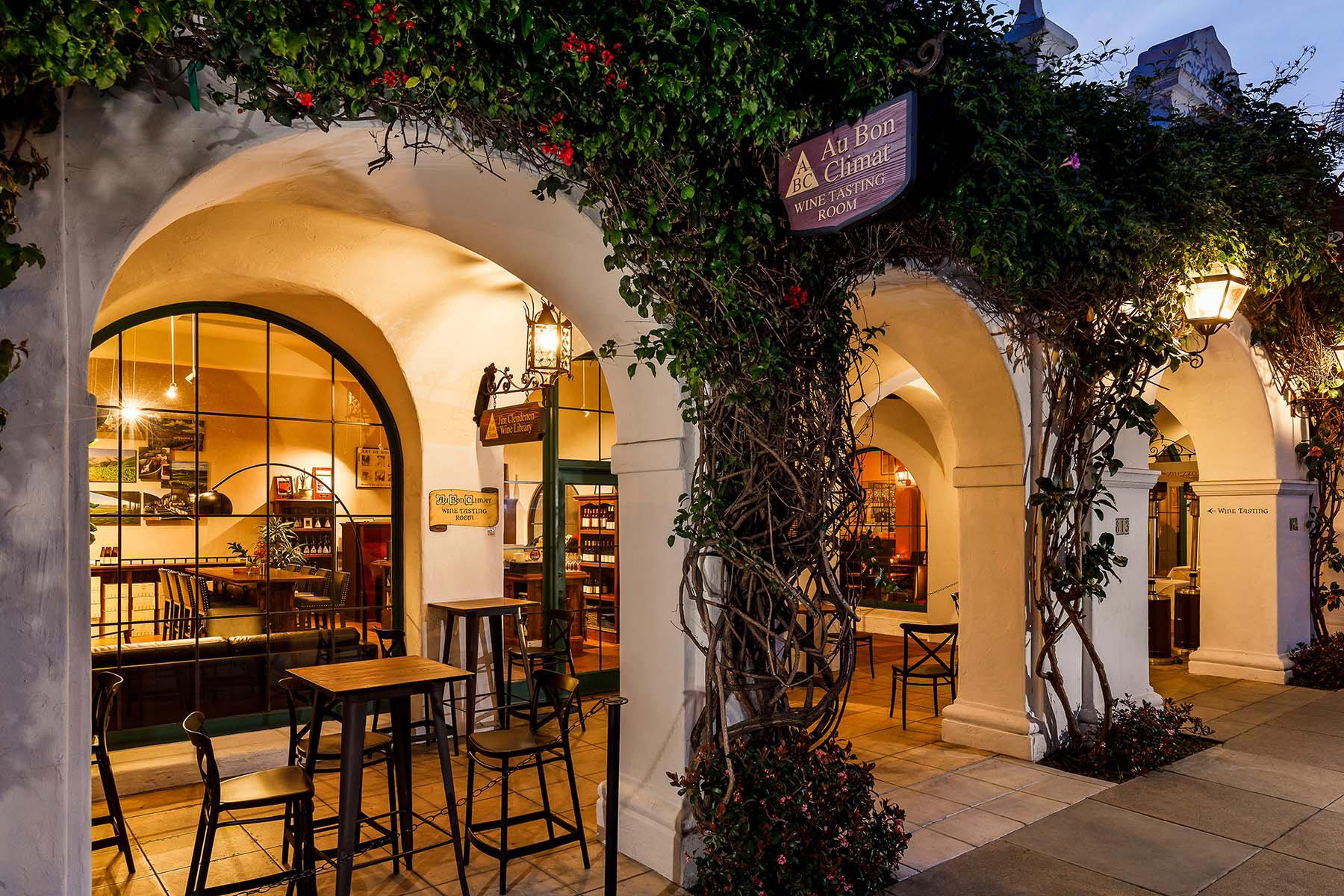
Producers working this model in the county include operations of significantly different scales and ambitions. Au Bon Climat built a decades-long reputation on sourced Pinot Noir and Chardonnay from the same approach. Carr Vineyards & Winery operates a downtown tasting room on a similar sourced-fruit model.
The Ashley Avenue Address
The physical address on Ashley Avenue places Sanguis within walking distance of Santa Barbara's State Street corridor, and it functions as both a production facility and a point of entry for visitors exploring the city's wine culture on foot. Santa Barbara's wine trail operates differently from estate-based regions: here, a visitor can move between tasting rooms, breweries, and spirits producers within a few blocks, a format that suits the city's relaxed pace and its long tradition of weekday visitors from Los Angeles who treat the two-hour drive as a wine-country excursion rather than a full expedition.
Santa Barbara Winery, one of the oldest producing wineries in the county, anchors the urban wine scene near the waterfront. Cutler's Artisan Spirits adds a distillery dimension to the same walkable zone. For visitors building a half-day itinerary around the city's producer cluster, Sanguis fits into a sequence that prioritizes craft-scale operations over estate tourism.
Santa Barbara in the California Premium Wine Conversation
California wine at the premium tier has long been organized around two poles: Napa Valley Cabernet, with its auction culture and allocation scarcity, and the Sonoma-to-Santa Barbara corridor of Pinot Noir and Chardonnay producers who draw on Burgundy as their reference point. Santa Barbara occupies the southern end of that corridor, and its premium identity has developed more quietly than Napa's, partly because the county lacks a single dominant variety and partly because production remains relatively fragmented.
That fragmentation has produced a category of producer, serious, small-volume, sourcing-led, that has found recognition through channels other than the major auction houses. Comparative reference points elsewhere in California include Accendo Cellars in St. Helena, Alpha Omega Winery in Rutherford, and, for Rhône-variety comparison, Alban Vineyards in Arroyo Grande, which pioneered Rhône varieties on the Central Coast a generation earlier.
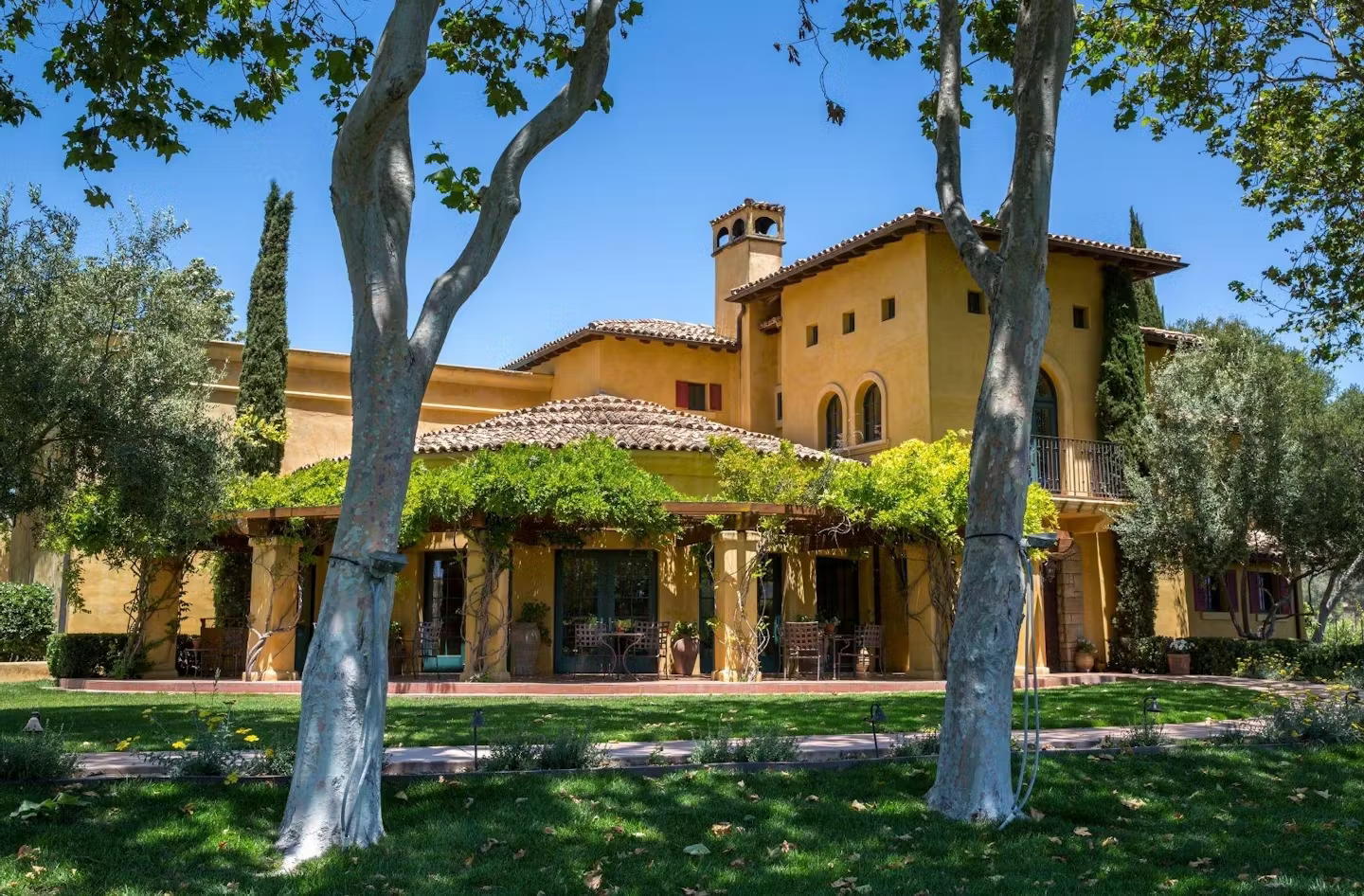
Outside California, the sourcing-led small-producer model has distinct regional expressions. Adelsheim Vineyard in Newberg and Andrew Murray Vineyards in Los Olivos represent how the model functions in Oregon and in Santa Barbara's own back country respectively. For drinkers whose range extends beyond California, Adelaida Vineyards in Paso Robles, Alexander Valley Vineyards in Geyserville, Aberlour in Aberlour, and Achaia Clauss in Patras offer context for how producer identity gets built across different traditions. Melville Vineyards and Winery in Lompoc rounds out the Santa Barbara County picture, operating from an estate model that offers a useful contrast to Sanguis's urban position.
Planning a Visit
Sanguis Winery is located at 8 Ashley Ave, Santa Barbara, CA 93103, within the city's walkable urban wine district. Given the winery's small-production profile and prestige rating, visitors should confirm tasting availability before arriving, as compact operations often work by appointment. The Ashley Avenue address is accessible from central Santa Barbara without a car, which matters in a city where parking near the State Street corridor can be competitive on weekends. Visitors arriving from Los Angeles by train, Amtrak's Pacific Surfliner stops at Santa Barbara station, can reach the area on foot or by a short rideshare.
Where It Fits
Comparable venues nearby, for context on price, style, and recognition.
| Venue | Cuisine | Price | Notes |
|---|---|---|---|
| Sanguis WineryThis venue — the venue you are viewing | Syrah, Grenache | $$$ | Not listed |
| Au Bon Climat | Chardonnay, Pinot Noir | $$$ | Presidio |
| Jaffurs Wine Cellars | Syrah, Grenache | $$ | Midtown |
| Jamie Slone Wines | Albariño, Sauvignon Blanc | $$$ | Presidio Neighborhood |
| Santa Barbara Winery | Chardonnay, Pinot Noir | $$ | Not listed |
| Whitcraft Winery | Pinot Noir, Chardonnay | $$$ | Downtown Santa Barbara |
Continue exploring
More in Santa Barbara
Wineries in Santa Barbara
Browse all →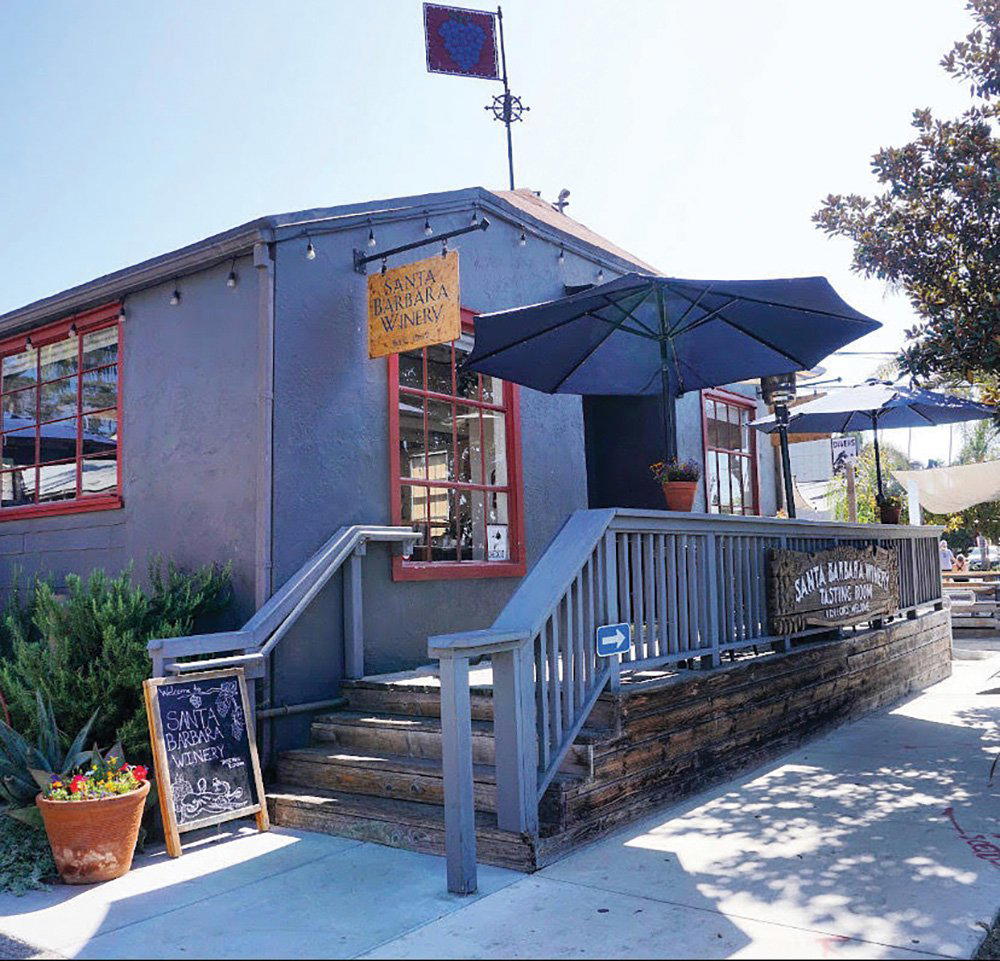
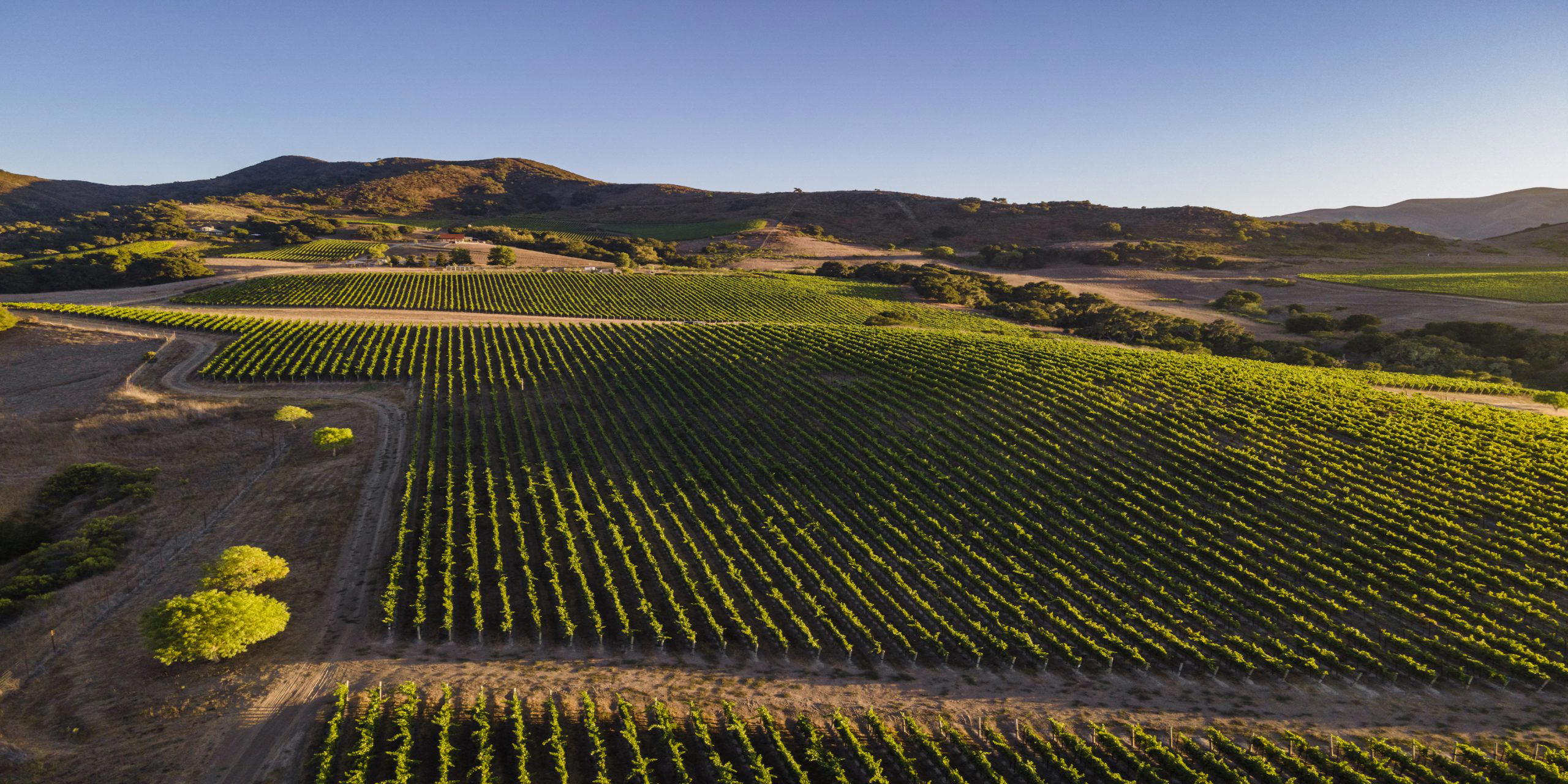
Bars in Santa Barbara
Browse all →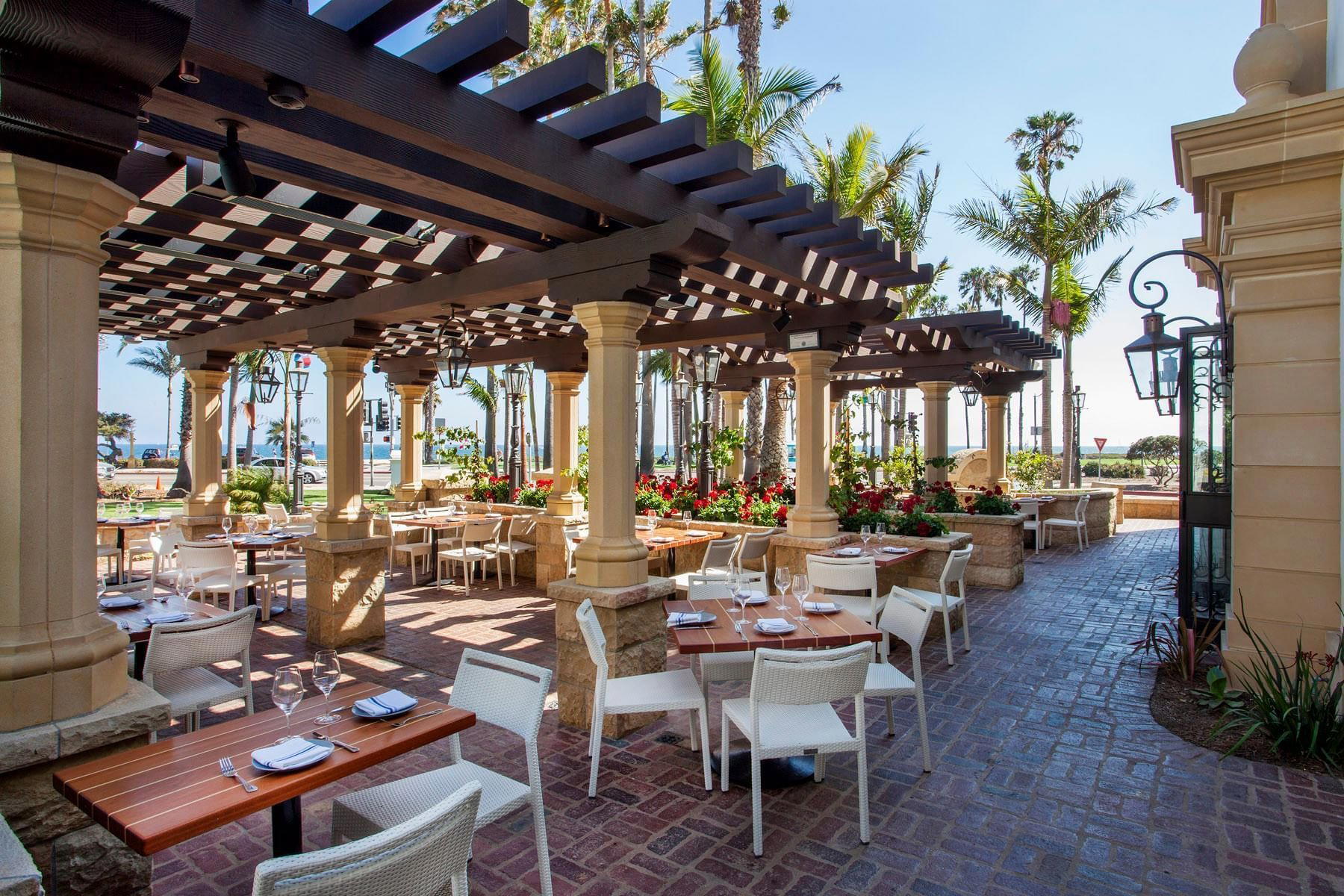
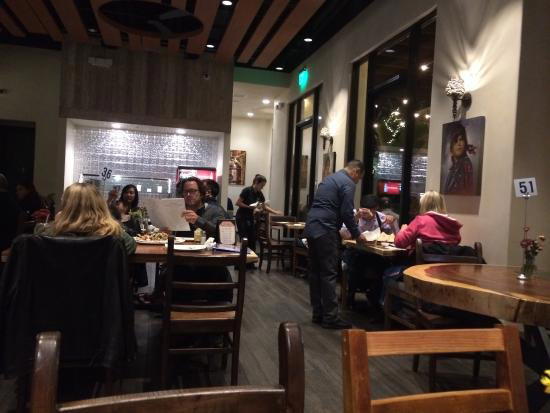
Restaurants in Santa Barbara
Browse all →
At a Glance
- Intimate
- Rustic
- Elegant
- Wine Education
- Solo Exploration
- Special Occasion
- Private Tasting
- Santa Ynez Valley
- Syrah
- Grenache
- Chardonnay
- Roussanne
- Viognier
- Pinot Noir
- Cabernet Franc
- Still Red
- Still White
- Still Rosé
- Seated Tasting
- Wine And Food Tasting
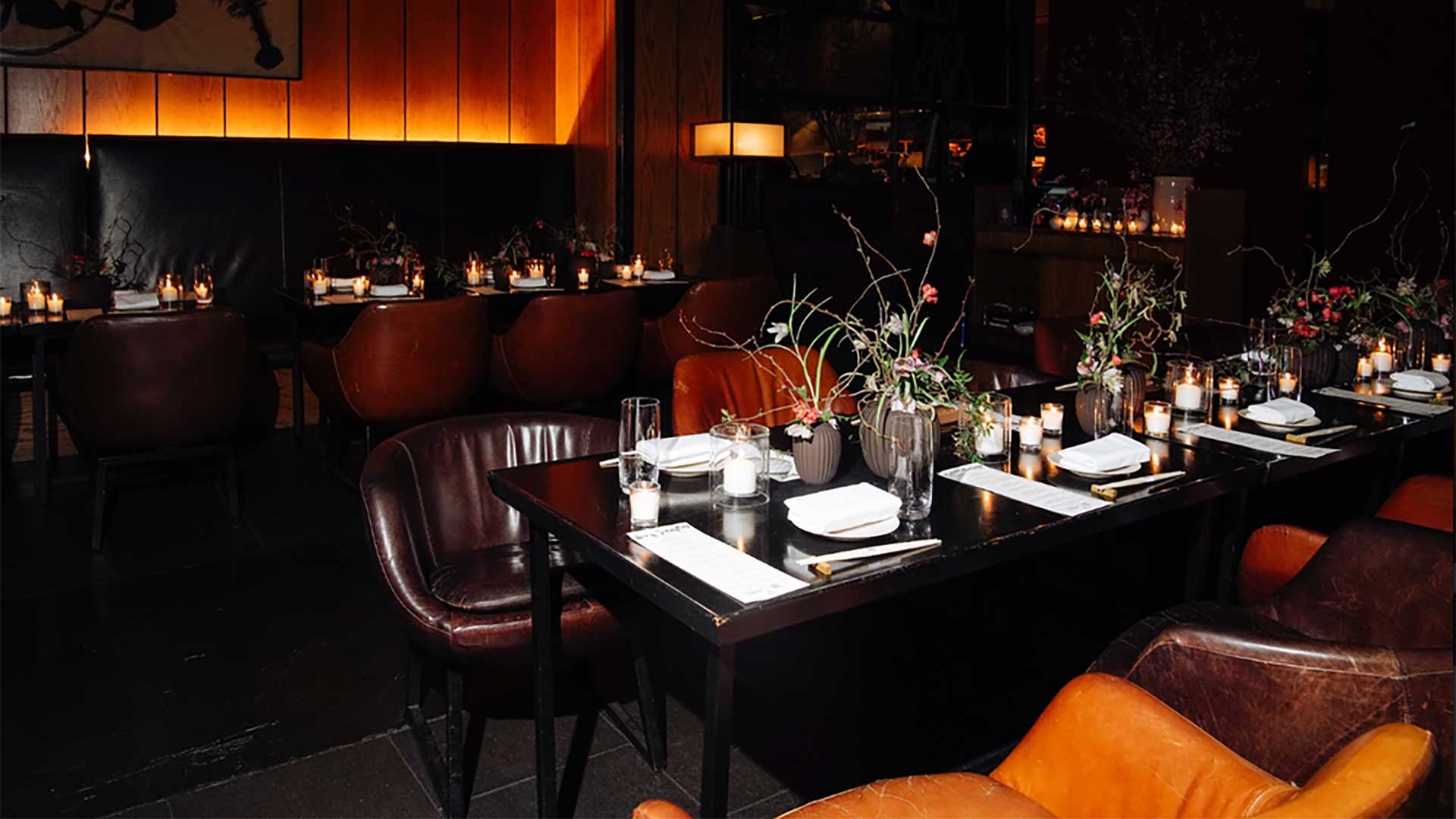
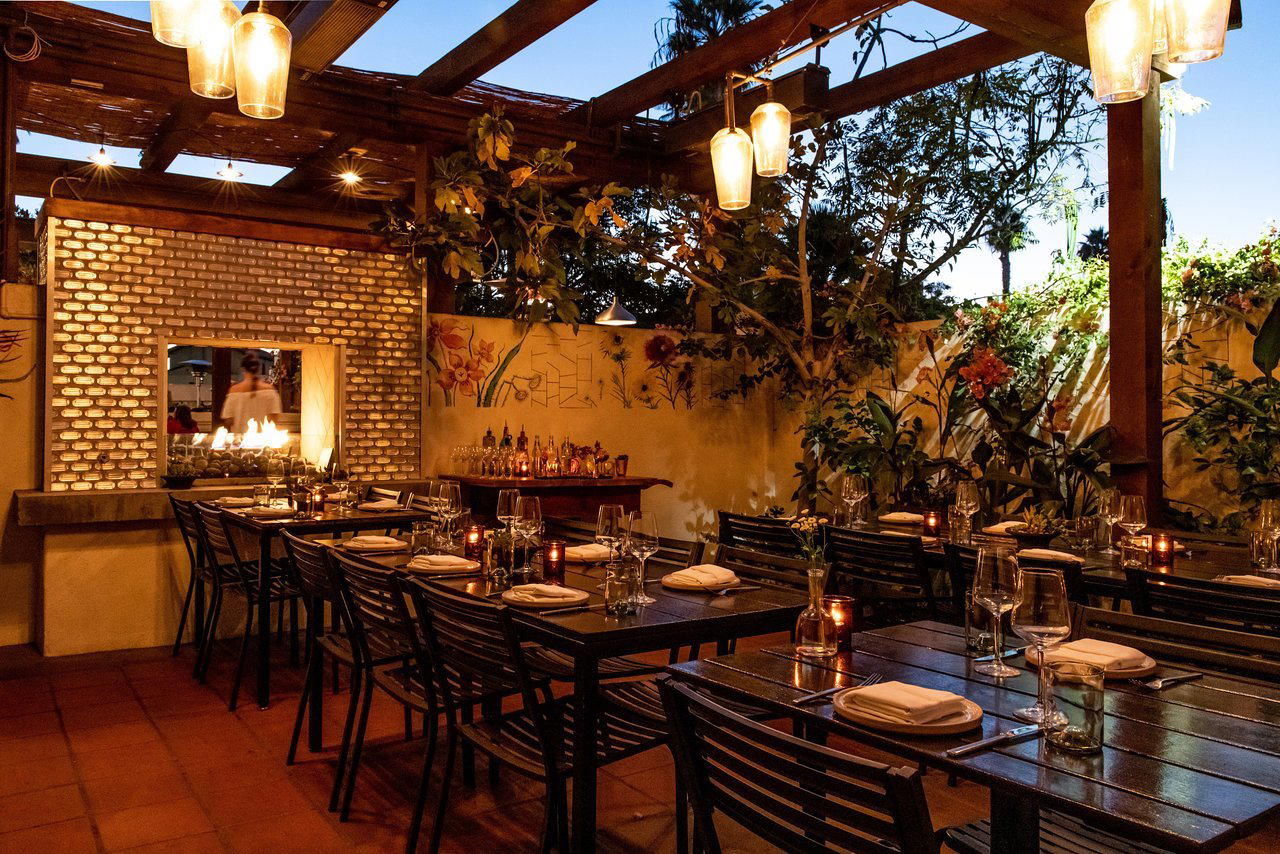
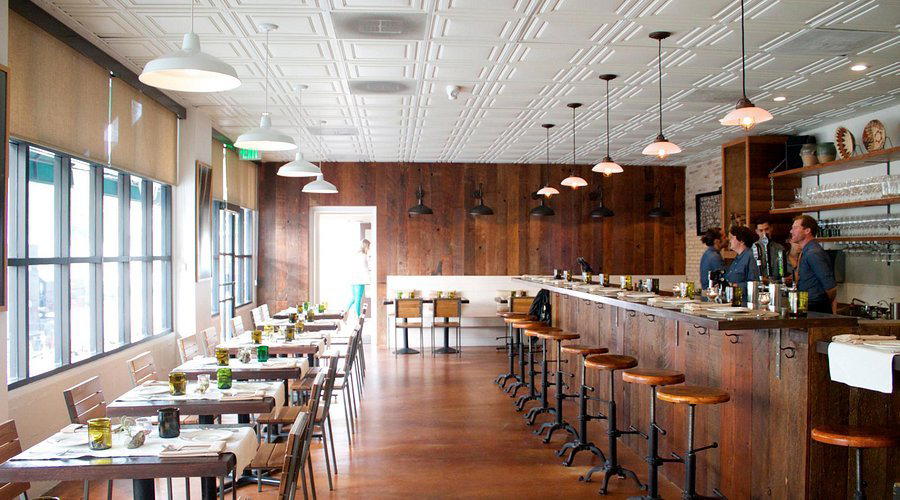
Cozy and personal atmosphere in a restored warehouse with good music playing during private seated tastings.