Tahbilk
The property represents a living record of Australian viticulture, with some of the oldest continuously farmed vineyard blocks in the country producing wines that read directly from the floodplain soils and cool-warm continental climate of the region.

Pearl is the En Primeur Club membership app — saves, bookings, and concierge access live there. Same editors, same standards.
- Address
- 254 Oneils Road, Nagambie VIC 3607
- Phone
- +61357942555
- Website
- tahbilk.com.au
- Directions
- Get directions
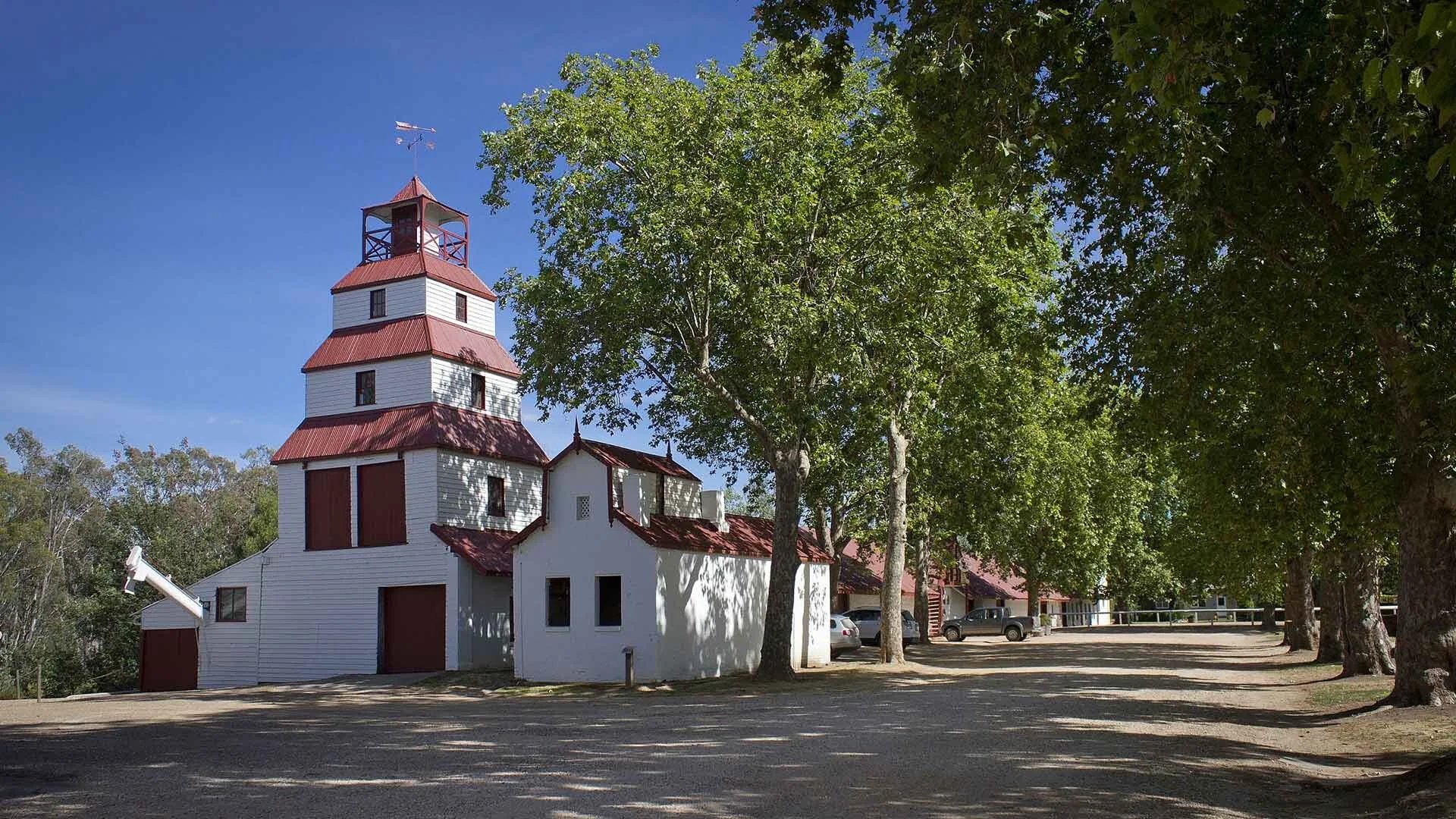
Where the Floodplain Speaks First
Approaching Tahbilk along Oneils Road in Nagambie, the landscape shifts before the cellar door comes into view. River red gums line the wetland edges. The Nagambie Lakes system, fed by the Goulburn River, creates a moderating buffer against the inland heat that defines much of northern Victoria. This is not incidental scenery; it is the functional engine of the wines made here. The water mass regulates temperature, extending the ripening window and preserving acid structure in varieties that, grown twenty kilometres further north without the same hydrological influence, would produce a fundamentally different result.
That credential matters in context: the Nagambie Lakes region is not a destination that markets itself loudly, and Tahbilk has never needed to. The wines carry the argument.
Terroir on Record: What the Land Actually Does Here
The Nagambie Lakes appellation within central Victoria is shaped by two converging forces: the Goulburn River's floodplain soils and a continental climate with enough diurnal variation to keep phenolic development in check. Tahbilk's vineyards sit on a combination of sandy loam over red clay and ancient river silt deposits. These soils drain freely, stress the vine just enough to concentrate flavour, and carry a mineral signature that shows clearly in the estate's whites.
Marsanne is where this terroir argument is most legible. The variety has grown in Nagambie longer than almost anywhere outside the Rhône Valley, and at Tahbilk it produces wines of a particular structural austerity when young that resolve over a decade into something quite different: layered, waxy, and carrying a honeyed depth without sweetness. The transformation is a direct consequence of the site rather than intervention in the winery. Grapes harvested from low-yielding, old-growth vines, processed with minimal handling, then left to develop in bottle — the winemaking philosophy at this estate is essentially a refusal to interfere with what the land is already doing.
Shiraz planted on the estate traces some of its rootstock to pre-phylloxera material, a historical fact with practical implications for the wine. Pre-phylloxera vines grow on their own roots, tend to produce smaller berries with thicker skins, and yield less fruit per vine. The result in the glass is wine with finer tannin structure and greater concentration than many of the region's younger plantings. Comparing Tahbilk's Shiraz against peers from warmer, less lake-moderated Victorian sites makes the point efficiently: the cooler growing season here produces a wine with more grip and longer mid-palate than the plusher, earlier-drinking style that inland heat encourages in comparable varieties. For further context on how Victorian terroir varies across sub-regions, the range of estates covered in our full Nagambie Lakes restaurants guide is worth reading alongside.
Placing Tahbilk in the Australian Canon
Australia's wine canon is dominated by a handful of reference points: Barossa Shiraz, Clare Riesling, Coonawarra Cabernet, and the old-vine material of the Hunter Valley. Nagambie Lakes sits outside that mainstream conversation despite having vineyard history that predates many of those regions' reputations. Tahbilk is the primary reason the region has any standing in the reference literature at all.
The estate occupies a position analogous to what Leading's Wines in Great Western does for the Pyrenees foothills: it is the anchor property that gives a less-celebrated region its credibility and its oldest comparative data. Both estates draw their authority from vineyard age and continuity rather than winemaker celebrity or Parker points. Similarly, All Saints Estate in Rutherglen demonstrates how a Victorian estate with deep historical roots can maintain relevance by letting the site's particular strengths — in that case, fortified wine typicity, do the editorial work. At Tahbilk, it is the dry table wines from old vines, particularly the Marsanne and the estate-tier Shiraz, that serve that function.
At the prestige end of Australian viticulture, estates like Bass Phillip in Gippsland have made the case for cool-climate precision and low-intervention winemaking. Tahbilk operates in a warmer continental register, but the shared instinct, that terroir expression requires restraint rather than amplification, connects these estates across very different climatic conditions. The contrast with Angove Family Winemakers in Renmark is instructive in the opposite direction: a large-volume producer in a hotter irrigated region represents a completely different set of priorities, demonstrating how varied the ambitions of Australian wine estates can be even within the premium tier.
Beyond Victoria, the comparison set broadens. Brokenwood in Hunter Valley produces Semillon that, like Tahbilk's Marsanne, demonstrates the aging capacity of white varieties grown in older Australian vineyards. Brown Brothers in King Valley occupies a similar north-east Victorian context and, like Tahbilk, draws on a long family history to frame a wine program that reaches across multiple varieties and price tiers. Other reference estates further afield, Cape Mentelle in Margaret River, Blue Pyrenees Estate in Pyrenees, and Bird in Hand in Adelaide Hills, each illustrate the regional diversity of Australian prestige wine, against which Tahbilk's central Victorian floodplain character reads as a genuinely distinct proposition.
The Cellar Door and What a Visit Involves
The cellar door at 254 Oneils Road, Nagambie VIC 3607, sits within an estate that functions as a working winery, a wetlands reserve, and a historical property simultaneously. The physical environment is part of what a visit communicates: visitors are not arriving at a showcase facility designed around hospitality optics, but at a site where production, heritage, and landscape operate together. The original cellars, constructed in the nineteenth century, remain in use. That continuity is architectural as well as agricultural.
Nagambie sits roughly 145 kilometres north of Melbourne on the Hume Highway, accessible by car in under two hours and by regional train services to Nagambie station. The estate is well suited to day trips from Melbourne, though the surrounding Nagambie Lakes region warrants an overnight stay if time allows. Visitors planning to taste across the full range, which typically spans entry-level through to the prestige old-vine tiers, should allow a half-day minimum. Specific opening hours and current booking requirements are best confirmed directly with the estate, as operating details can shift seasonally.
For those building a broader Victorian itinerary, Tahbilk anchors the Nagambie Lakes leg effectively. The region does not have the density of cellar doors found in the Yarra Valley or on the Mornington Peninsula, which means each stop carries more weight. Tahbilk tends to be the non-negotiable on that list.
Planning Your Visit
Tahbilk is located at 254 Oneils Road, Nagambie VIC 3607. Given the estate's size and the range of visitor experiences it offers, arriving without a confirmed reservation for any structured tastings or dining is a risk during peak Victorian touring season, roughly October through April, and particularly on long weekends. Contact the estate directly to confirm availability and current pricing before travel. For broader context on what the Nagambie Lakes region offers, our full Nagambie Lakes guide covers the area in detail.
Comparable Spots, Quickly
Comparable venues nearby, for context on price, style, and recognition.
| Venue | Cuisine | Notes |
|---|---|---|
| TahbilkThis venue — the venue you are viewing | Marsanne, Shiraz | Not listed |
| Mountain Ridge Winery | Shoalhaven Coast | Shoalhaven Heads / Berry – Coolangatta Mountain ridge |
| Patient Wolf Distilling Co | Winery | Southbank |
| Melbourne Gin Company | Yarra Valley | Gembrook |
| Morris Wines | Muscat a Petits Grains Rouge, Muscadelle | Browns Plains |
| Mulline | Pinot Noir, Chardonnay | Sutherlands Creek |
Continue exploring
More in Nagambie Lakes
Wineries in Nagambie Lakes
Browse all →
Restaurants in Nagambie Lakes
Browse all →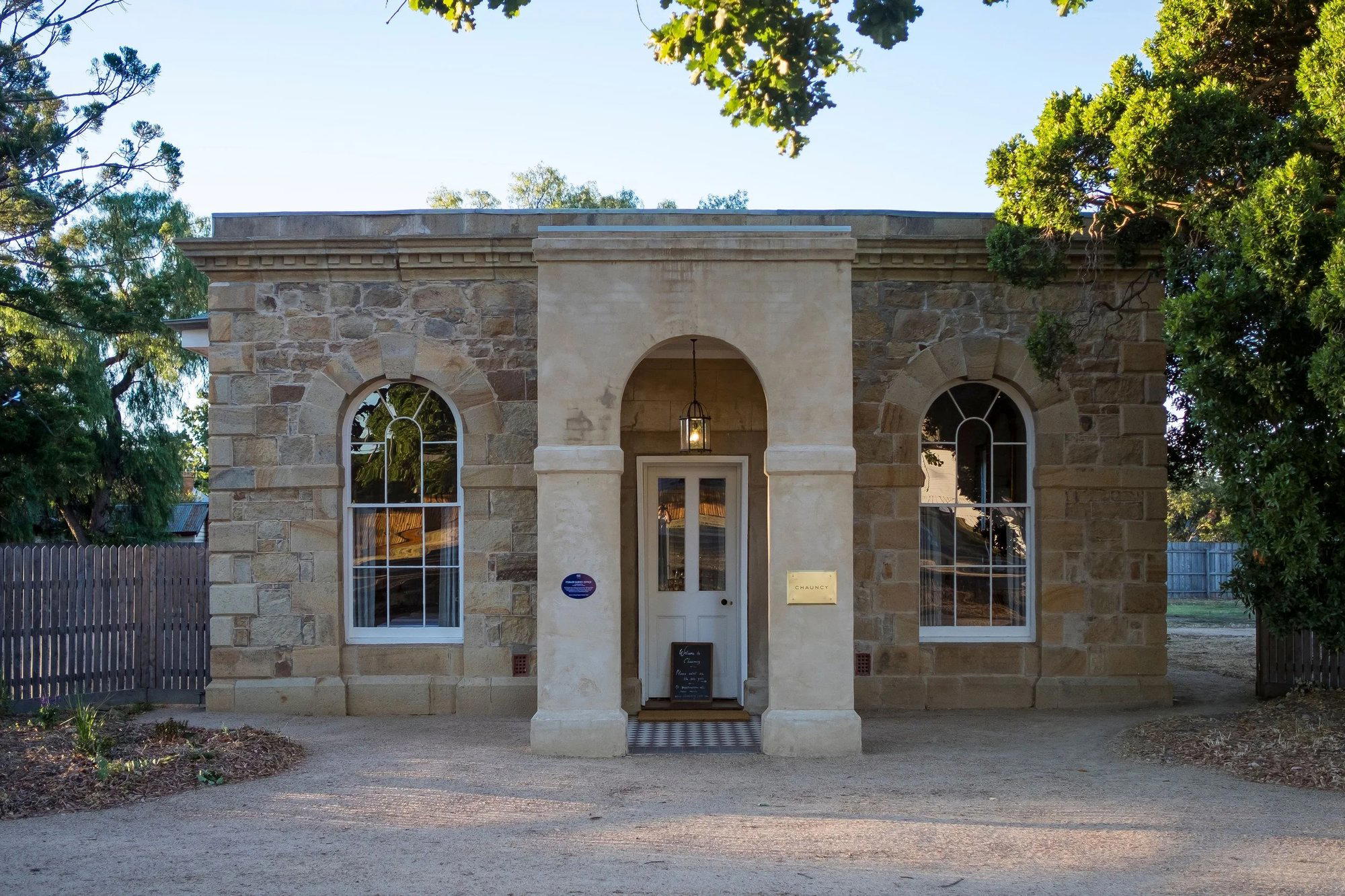
Hotels in Nagambie Lakes
Browse all →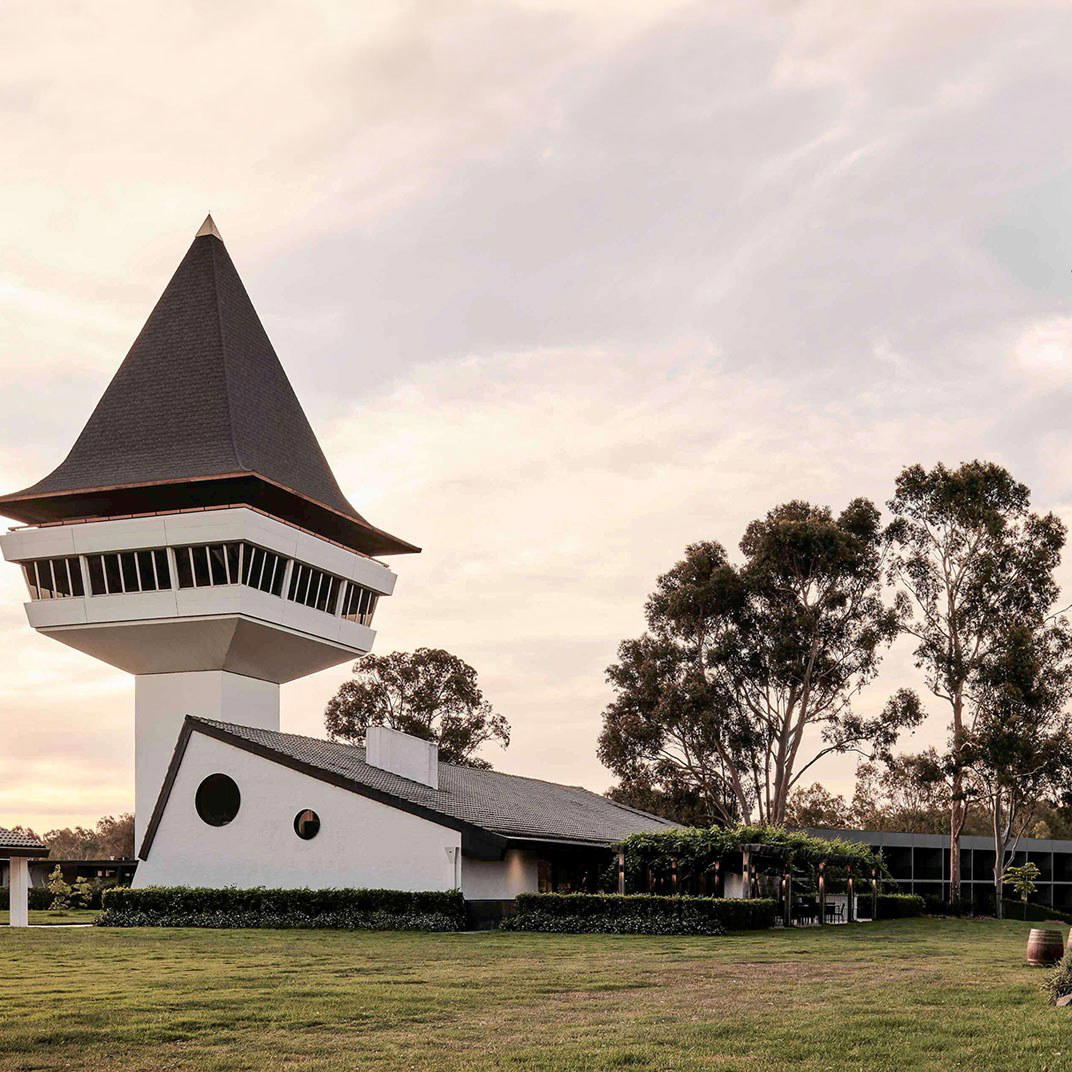
Details
- Romantic
- Scenic
- Classic
- Rustic
- Well Known
- Romantic Getaway
- Group Outing
- Wine Education
- Family
- Cave Tasting
- Estate Grounds
- Waterfront
- Terrace
- Historic Building
- Vineyard Tour
- Sustainable
- Waterfront
- Vineyard
- Garden
- Marsanne
- Shiraz
- Cabernet Sauvignon
- Viognier
- Roussanne
- Merlot
- Cabernet Franc
- Chardonnay
- Riesling
- Semillon
- Sauvignon Blanc
- Verdelho
- Grenache
- Mourvedre
- Still Red
- Still White
- Varietal Tasting
- Cellar Door Tasting
- Bespoke Monthly Tastings
- Founded: official source · checked
Tranquil and relaxing with dappled sunlight filtering through gum trees, overlooking the billabong with gentle sounds of birds and frogs; heritage buildings create a timeless, peaceful atmosphere.