San Antonio Winery (Paso Robles)
Paso Robles has shifted toward estate-focused, terroir-driven winemaking over the past decade, and San Antonio Winery sits within that broader movement. Plan a visit as part of any considered tour of the Westside appellation.
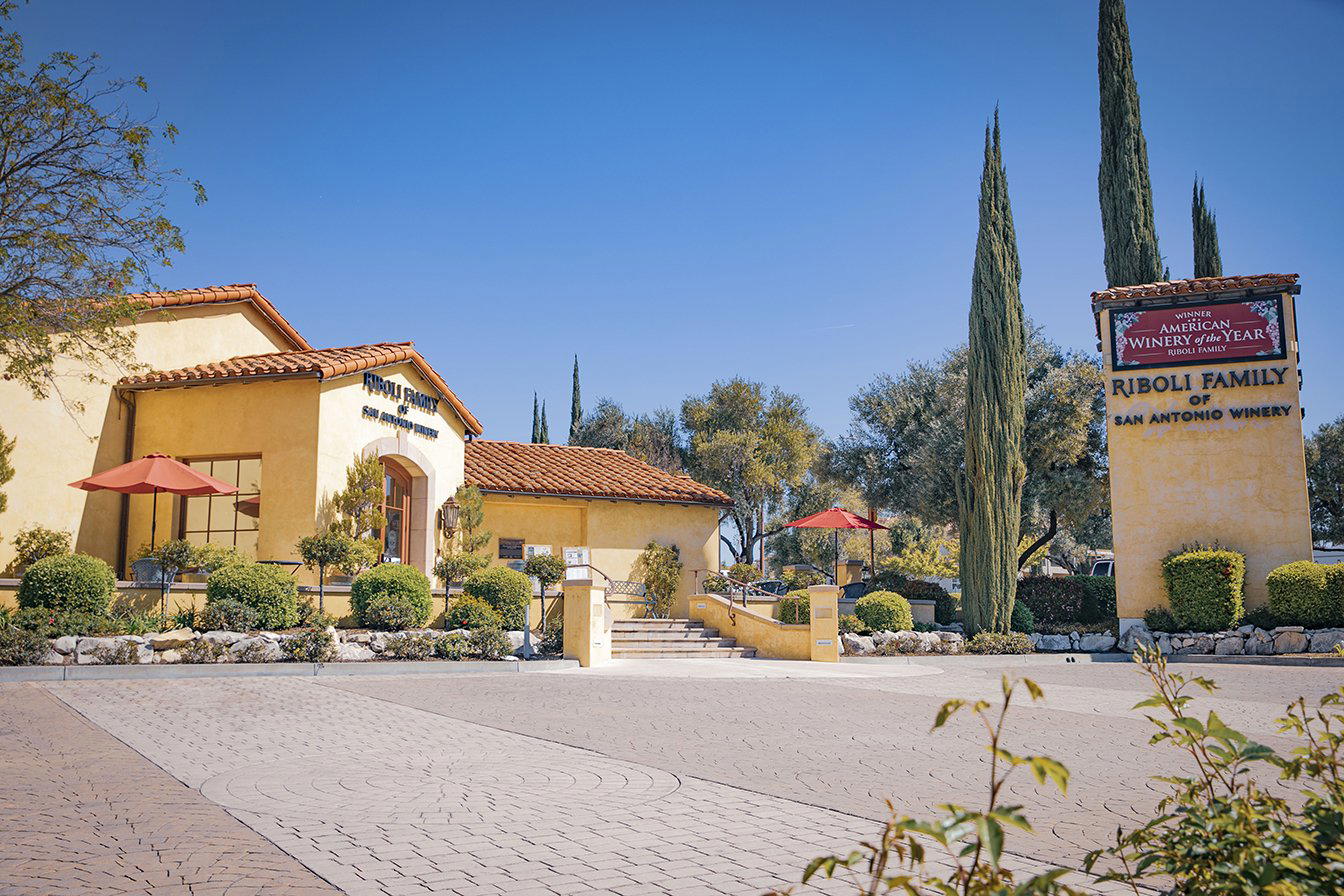
Where San Antonio Winery Sits in the Paso Robles Conversation
Paso Robles has spent the better part of two decades repositioning itself. What was once a sun-drenched alternative to Napa, cheaper, looser, friendlier to Zinfandel and Rhône varieties, has fractured into distinct tiers. At one end sit high-volume, widely distributed labels. At the other, a smaller group of producers whose recognition rests on allocation depth, critical ratings, and the kind of repeat visitor behavior that sustains a serious tasting room.
That rating matters less as a badge than as a signal about competitive positioning. Paso Robles producers at this level are no longer pricing or presenting against their county neighbors, they are drawing comparisons with Accendo Cellars in St. Helena, Alpha Omega Winery in Rutherford, and Artesa Vineyards and Winery in Napa. For visitors, that context sets the right expectations before arrival.
The Tasting Room as a Collaborative Stage
In the broader California wine country model, the tasting room experience has evolved into something more deliberate. Where a decade ago many Paso properties offered a counter, a poured flight, and a price list, the properties earning prestige ratings today treat the tasting room as an integrated team exercise. The winemaking side informs what gets poured; the hospitality side translates that into a visitor experience that holds together as a single argument for the wine. The room at Buena Vista Drive is built around that dynamic.
The properties performing leading in this tier, including Herman Story Wines and Bianchi Winery locally, share a similar operating logic: the people pouring the wine know enough about how it was made to have a point of view, and the front-of-house framing reinforces rather than contradicts the winemaking philosophy. When that alignment is absent, visitors notice it, even if they cannot always name what feels off.
What Paso Robles Means Right Now
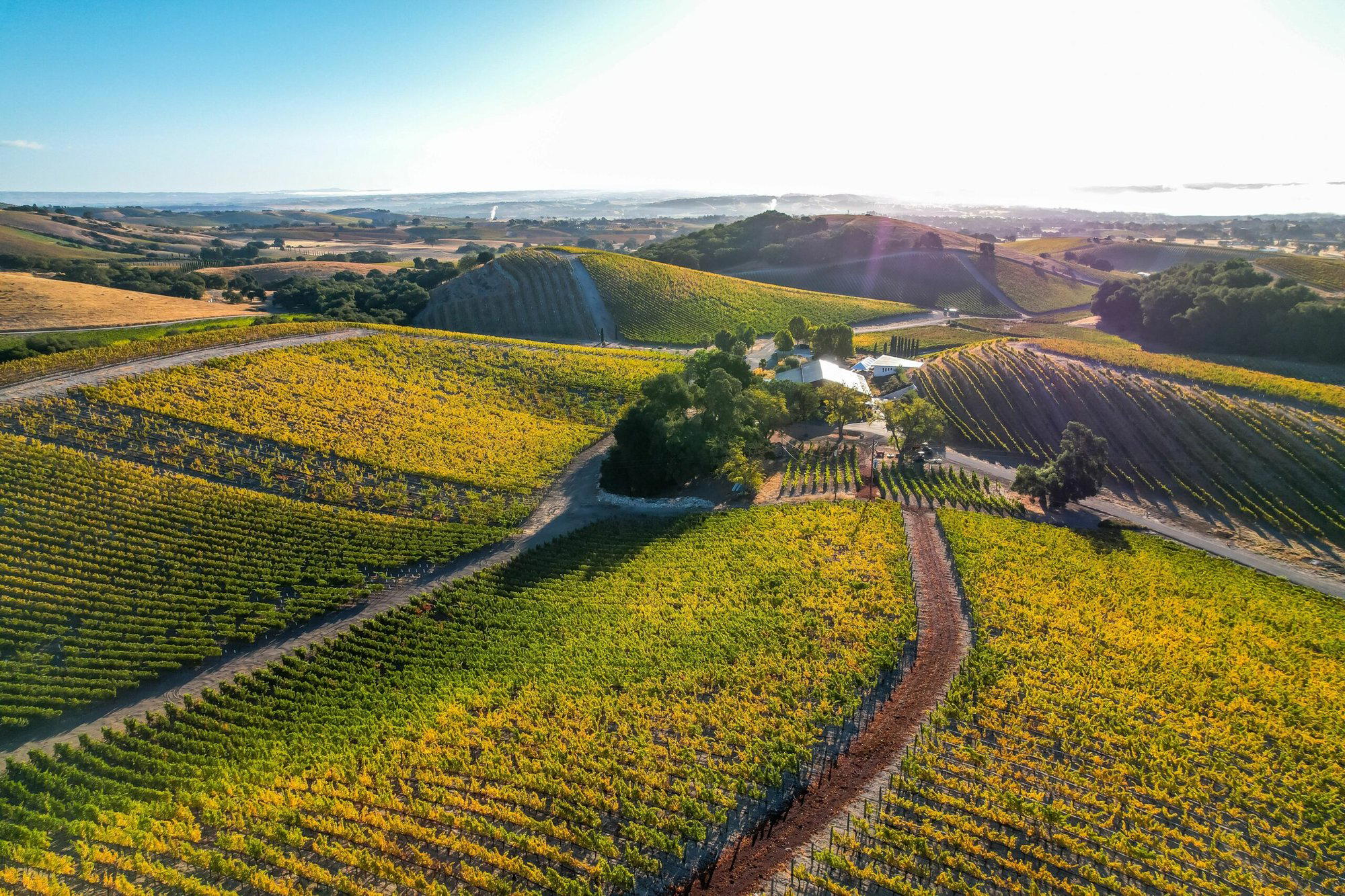
Understanding San Antonio Winery requires some understanding of what Paso Robles is producing at the high end in 2025. The region spans roughly 614,000 acres across eleven sub-appellations, with the Willuapa Hills, Templeton Gap, and Adelaida District drawing the most attention from collectors focused on structure and longevity. The climate differential between west and east Paso is significant, the Westside runs cooler and benefits from marine influence off the Pacific, which extends growing seasons and supports more acid retention in red varieties. That environment favors Cabernet Sauvignon, Syrah, and the Rhône blends that have become the region's most credible export story.
Properties like Alban Vineyards in Arroyo Grande helped establish the serious Syrah case for the Central Coast two decades ago. The argument has matured since then. Today, Paso's leading producers are making wines that hold for eight to twelve years without softening into fruit salad, and that durability is what separates the prestige tier from the broader market. Andrew Murray Vineyards in Los Olivos and Alexander Valley Vineyards in Geyserville represent parallel cases from nearby regions making structurally similar arguments about terroir and patience.
Planning Your Visit
San Antonio Winery's tasting room is at 2610 Buena Vista Drive in Paso Robles. For current hours, booking options, and any reservation requirements, checking directly with the property before visiting is advisable, prestige-tier Paso properties increasingly operate by appointment to manage the quality of the experience, and walk-in availability varies by season. Spring and fall weekends in Paso fill quickly, particularly during Zinfandel Festival in March and Harvest Wine Weekend in October. Visiting mid-week in shoulder season, late January through February, or the first weeks of November, typically means shorter pour times and more substantive conversations with the team. For broader orientation to the region's producers, our full Paso Robles restaurants and wineries guide covers the full competitive set across price tiers.
International context is useful when placing Paso at the highest level. Properties like Aberlour in Aberlour and Achaia Clauss in Patras offer a reminder that prestige production exists in many forms globally, and that regional identity, rather than proximity to a famous appellation, often carries the most interesting wines. Paso's argument in 2025 is that its leading producers have earned a place in that international conversation, not as Napa alternatives, but on their own terms. Adelsheim Vineyard in Newberg makes a comparable case for Oregon Pinot, and the structural parallels between how both regions have built their prestige identity over twenty years are worth considering for any serious wine traveler.
Positioning matters for how you allocate time in Paso. Visitors who treat it as a casual drop-in alongside ten other stops in a weekend will likely miss what the team is doing. The properties in this bracket are designed for slower engagement: a longer flight, more specific questions about vintage decisions, and a tasting room conversation that earns its time. Think of the difference between visiting DAOU Vineyards and a regional cooperative, both have value, but the register is entirely different.
Within Paso itself, the prestige-tier conversation now includes a relatively tight cluster of producers. For a visitor building a two-day Paso itinerary focused specifically on that tier, pairing San Antonio with Halter Ranch Vineyard and Adelaida Vineyards gives a coherent picture of what Westside Paso looks like when it is working at its highest level. Each property makes a distinct argument about the same basic raw material, Central Coast fruit, patient viticulture, and a winemaking team with a point of view.
Frequently asked questions
What should I expect atmosphere-wise at San Antonio Winery (Paso Robles)?
What's the must-try wine at San Antonio Winery (Paso Robles)?
What's the main draw of San Antonio Winery (Paso Robles)?
Can I walk in to San Antonio Winery (Paso Robles)?
Cuisine and Awards Snapshot
Comparable venues nearby, for context on price, style, and recognition.
| Venue | Cuisine | Price | Awards | Notes |
|---|---|---|---|---|
| San Antonio Winery (Paso Robles)This venue (the venue you are viewing) | Cabernet Sauvignon, Syrah | $20–30 | Not listed | Not listed |
| Eberle Winery | Syrah, Cabernet Sauvignon | Not listed | Falstaff Winery - Listed | Paso Robles |
| Penman Springs Vineyard | Aglianico, Cabernet Sauvignon | Not listed | Not listed | east of Paso Robles |
| Peachy Canyon Winery | Zinfandel, Petite Sirah | $20–30 | Not listed | Adelaida District |
| Cypher Winery | Zinfandel, Cabernet Sauvignon | $20–30 | Not listed | Downtown Paso Robles |
| J. Lohr Vineyards & Wines | Cabernet Sauvignon, Petite Sirah | Not listed | Not listed | Paso Robles |
Request a visit to San Antonio Winery (Paso Robles)
Tell us when you would like to go and how many people, and we put the request to the estate and reply to you by email.
Continue exploring
More in Paso Robles
Wineries in Paso Robles
All wineries in Paso Robles →

Details
- Rustic
- Scenic
- Classic
- Group Outing
- Wine Education
- Picnic Area
- Sustainable
- Vineyard
- Garden
- Cabernet Sauvignon
- Syrah
- Mourvedre
- Merlot
- Chardonnay
- Viognier
- Still Red
- Still White
- Wine Flight
- Hosted Tasting
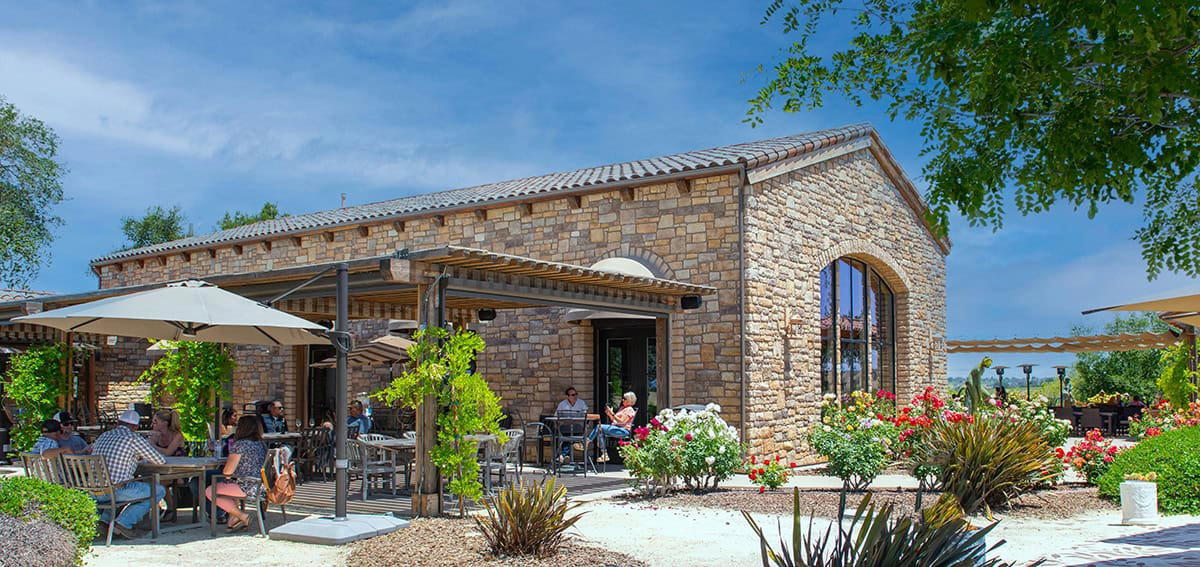
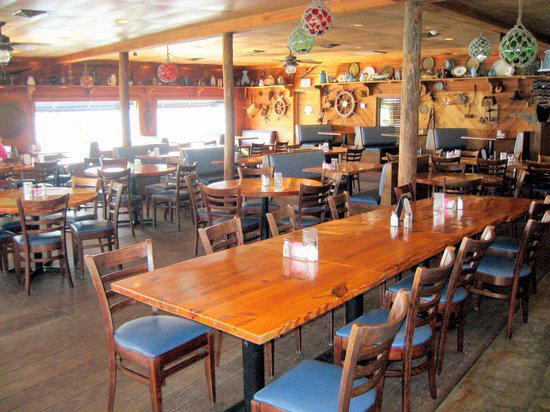
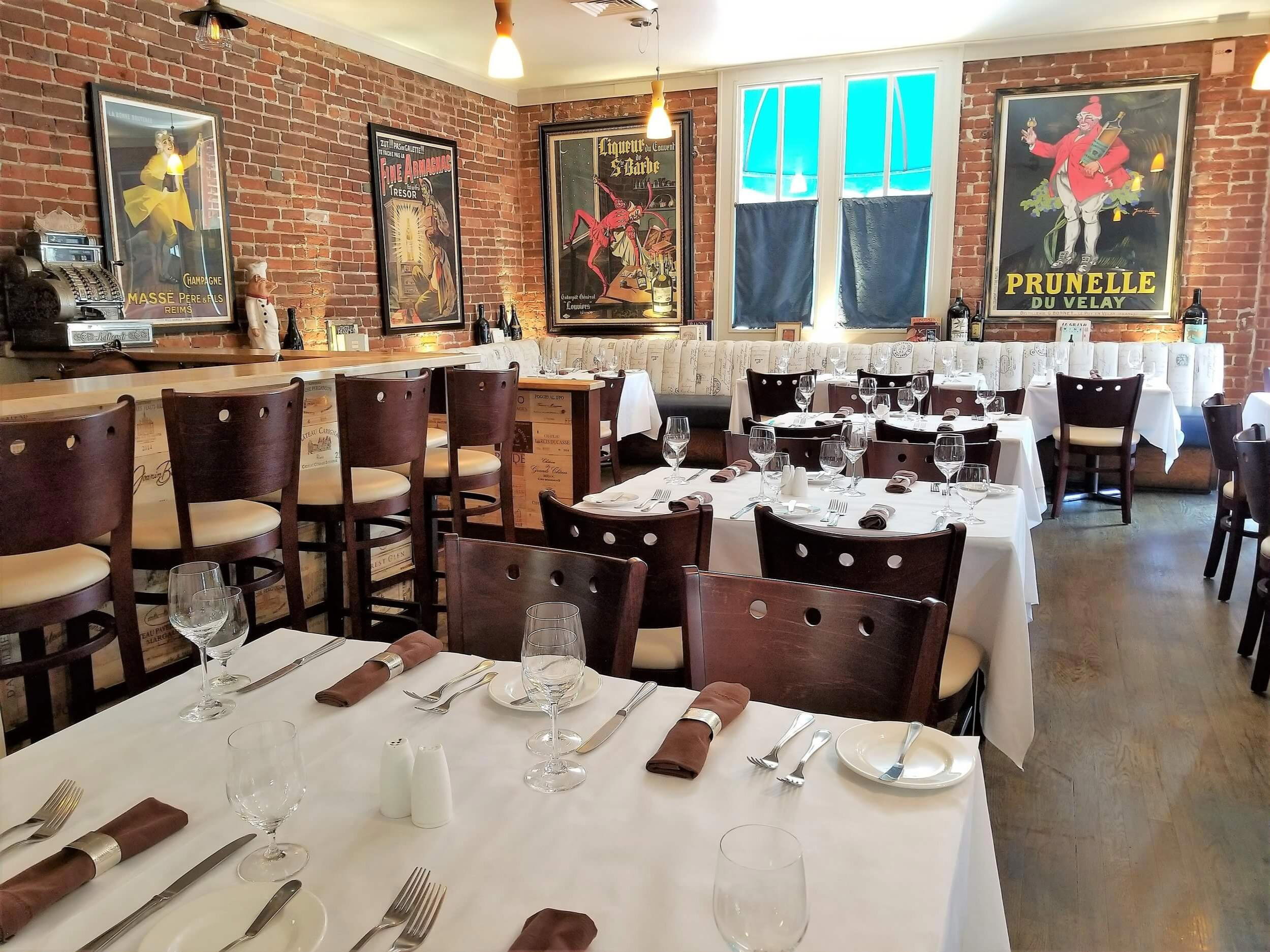
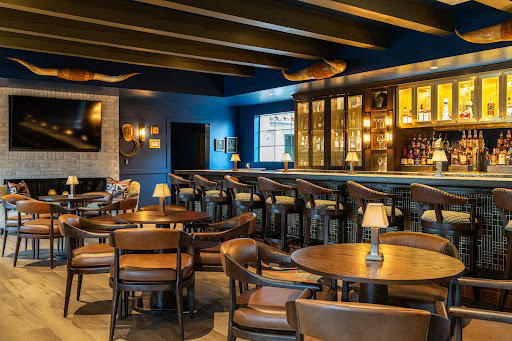
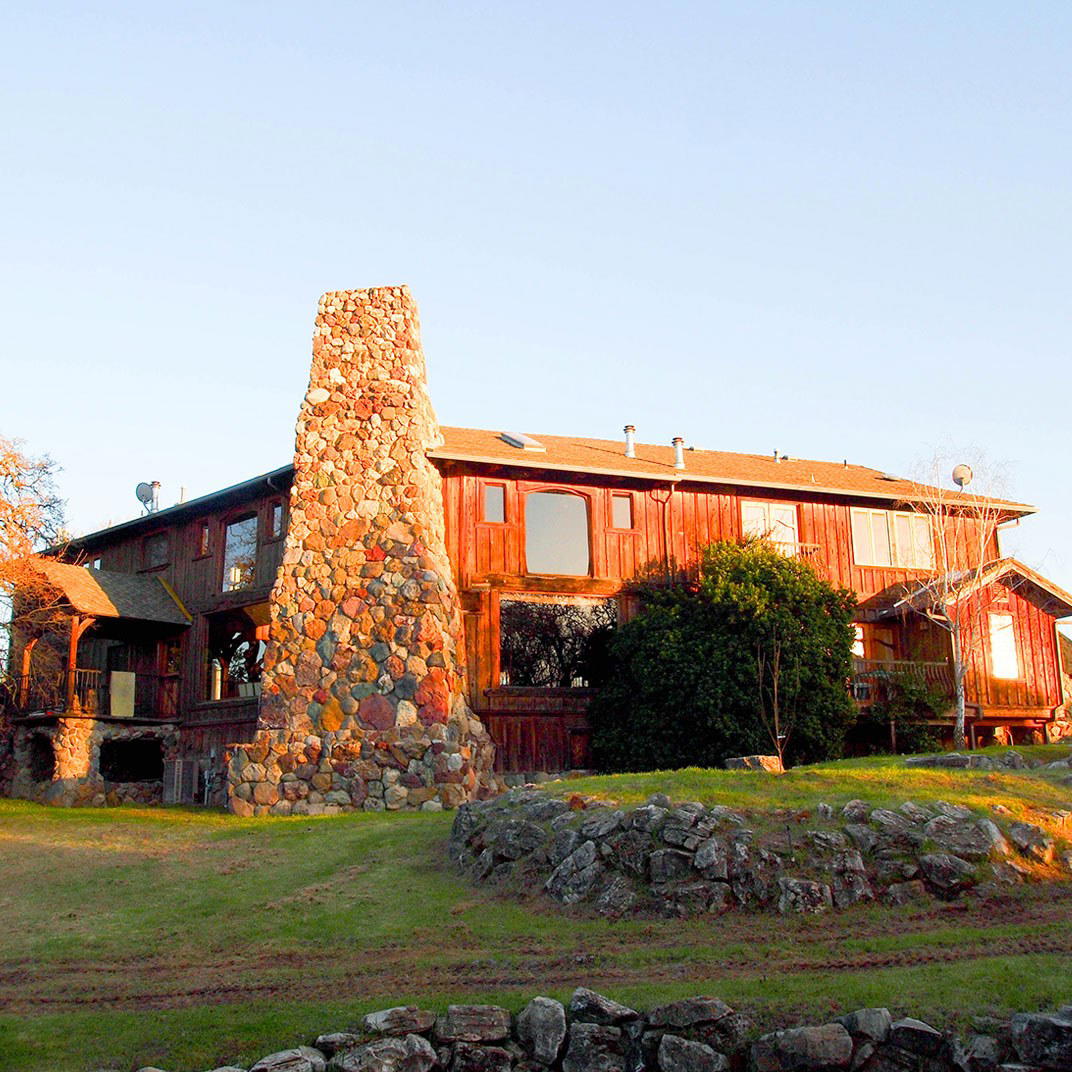
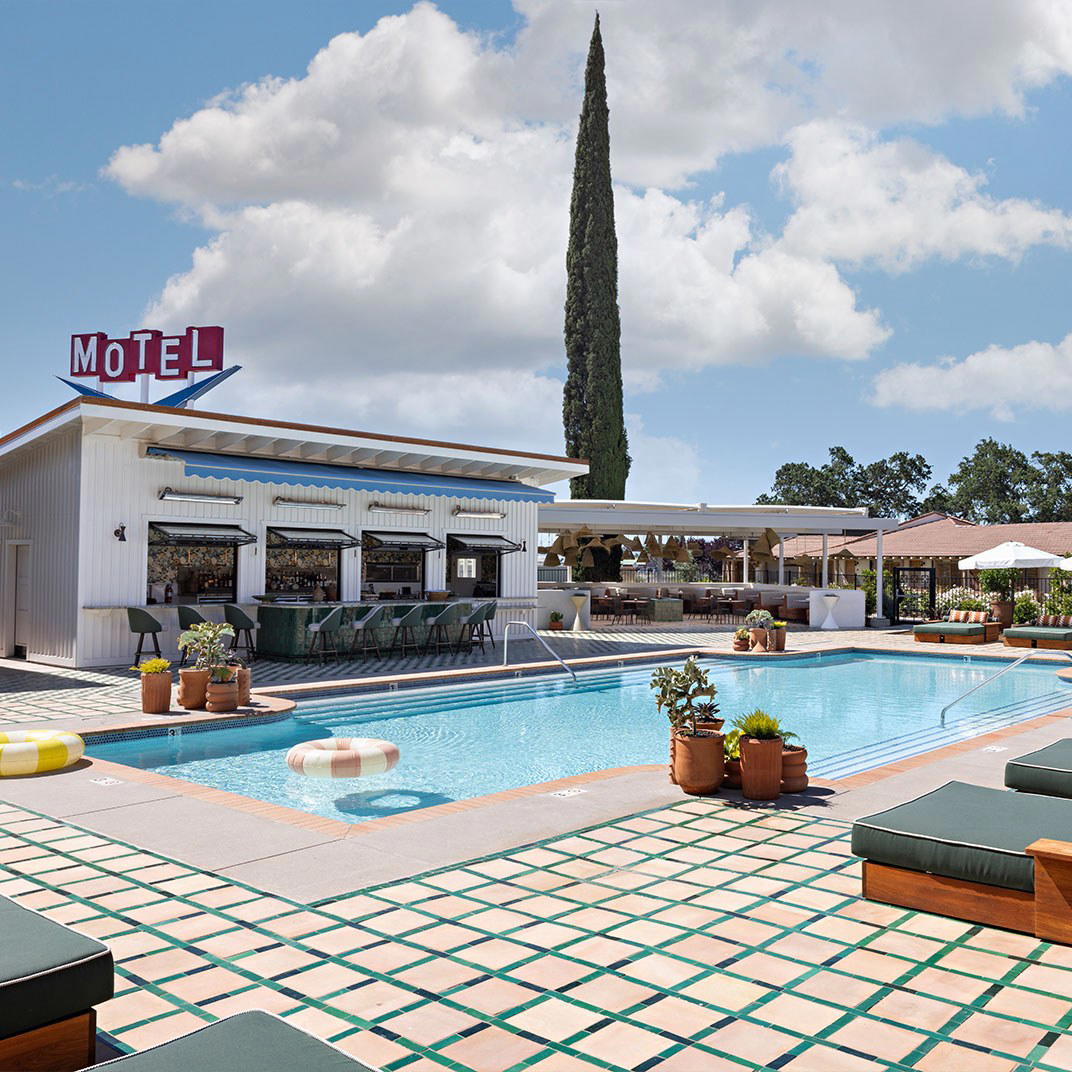
Warm and welcoming with newly renovated Atrium Dining Room, outdoor patio, and Heritage Room for tastings.