Racines
Racines is a Sta. Rita Hills producer recognized at the prestige tier of La Paulée, the invitation-only celebration that draws Burgundy's most serious American counterparts. Operating out of Buellton, the winery sits within one of California's most compelling cool-climate appellations, where marine-influenced Pinot Noir and Chardonnay have attracted sustained critical attention over the past two decades.

Pearl is the En Primeur Club membership app — saves, bookings, and concierge access live there. Same editors, same standards.
- Address
- Buellton, Sta. Rita Hills, California, United States
- Website
- racineswine.com
- Directions
- Get directions
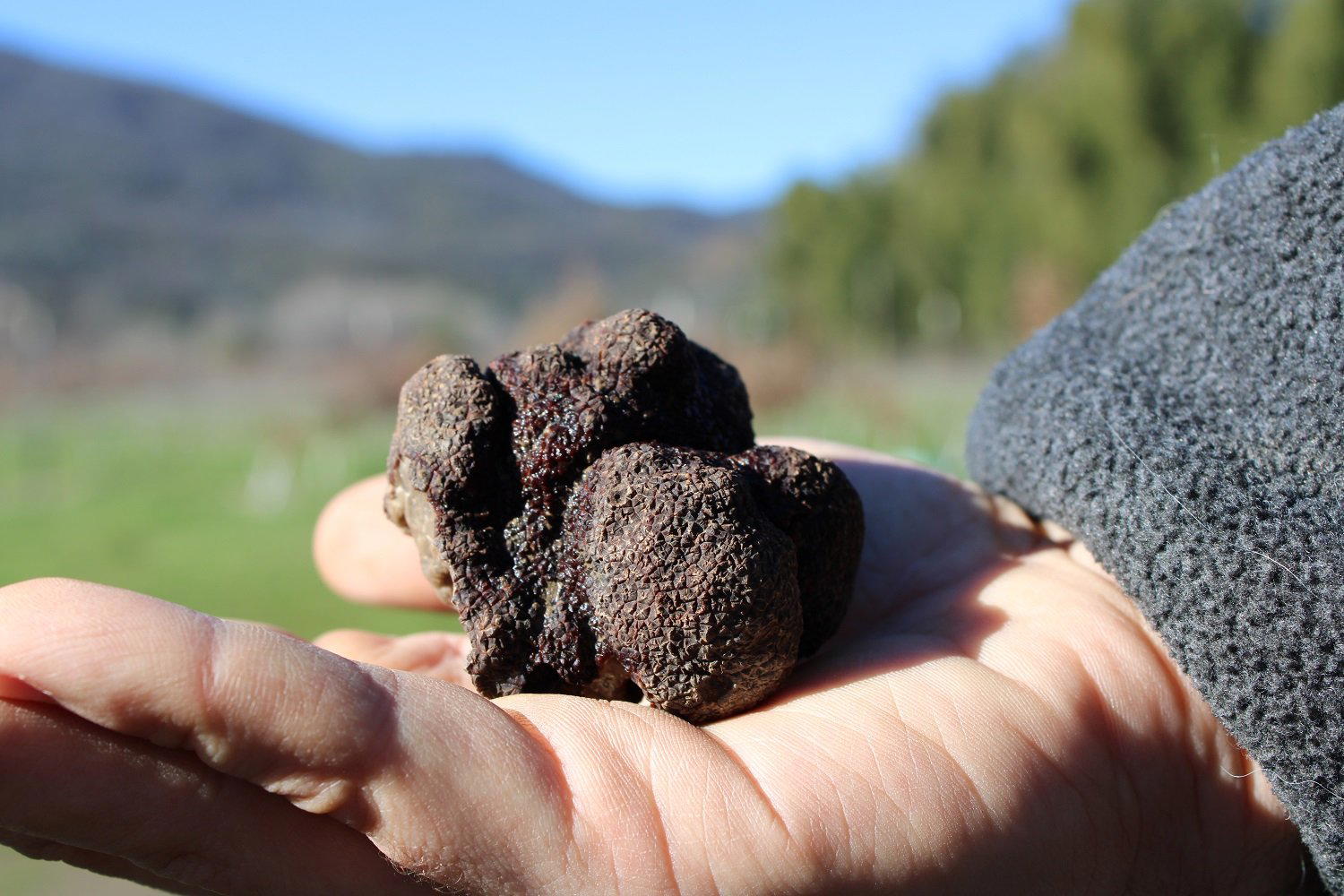
Where Sta. Rita Hills Seriousness Gets Quiet
Buellton occupies an odd position in California wine geography. It sits at the western mouth of the Santa Ynez Valley, close enough to the Pacific that marine fog pushes through the transverse mountain gaps most mornings, dropping temperatures that most of coastal California never sees at harvest. That climate pattern is what made Sta. Rita Hills a distinct appellation in 2001, and it remains the reason producers in this corridor chase a different stylistic register than their neighbors to the east in warmer sub-appellations. The wines here tend toward tension over weight, with Pinot Noir that holds acidity deep into October and Chardonnay that resists the flatness of over-ripe fruit. Racines operates within that tradition, recognized at the prestige tier of La Paulée, which is not a casual credential.
La Paulée de New York, modeled on the Burgundian harvest celebration of the same name, is among the more selective reference points in American fine wine. Producers invited to participate at the prestige level are generally those whose work has earned sustained attention from collectors and critics rather than casual commercial exposure. For a Buellton-area producer, that positioning matters because it signals where the wine is meant to be evaluated, not alongside entry-level Central Coast Pinot, but against the serious Burgundian-influenced producers that Sta. Rita Hills has been building toward for twenty years.
The Cellar Logic of a Cool-Climate Site
In Sta. Rita Hills, what happens after harvest carries unusual weight. The appellation's natural acidity and lower pH create conditions where barrel aging decisions shape the wine more visibly than in warmer-climate Pinot programs where ripeness does more of the structural work. Producers in this corridor generally face a narrower window between freshness and over-extraction during élevage, and the leading outcomes depend on barrel selection that preserves the site's inherent tension rather than smoothing it. The region's most respected names, including those at Alma Rosa Winery & Vineyards and Ken Brown Wines, have each developed distinct approaches to that question, and the variation in style across the appellation often traces back to cellar philosophy more than vineyard source.
Racines sits within that conversation. The La Paulée prestige designation implies a wine program operating at a level where those aging decisions are made deliberately, where the gap between vineyards chosen and wines released reflects a coherent point of view about what Sta. Rita Hills fruit should become in bottle. Blending choices in cool-climate Pinot are less about correcting deficiencies than about assembling a final structure, and producers at this tier tend to approach that process with the same rigor applied to the vineyard calendar. The result, in the leading years, is wine that rewards time in the cellar after release, a characteristic that aligns Racines with the collector-oriented end of the California Burgundy parallel rather than the drink-young segment of the market.
Buellton has a cluster of producers whose work consistently draws attention beyond the local tasting room circuit. Crawford Family Wines, Lafond Winery & Vineyards, and Standing Sun Wines each represent different points on the appellation's stylistic range, from site-driven single-vineyard programs to broader blended expressions. The town itself is not a destination in the way Santa Barbara or Los Olivos draws weekend visitors, which means producers here tend to build their reputations through the bottle rather than the experience economy. That dynamic selects for a certain kind of seriousness, and the producers who have found sustained audiences generally earned them through consistent quality over multiple vintages rather than through tasting room volume.
Racines fits that pattern. Its prestige-tier recognition at La Paulée places it in the same reference class as the appellation's most scrutinized names, a comparison set that includes producers with Burgundy training credentials like those at Adelsheim Vineyard in Newberg and quality-oriented programs in other appellations such as Adelaida Vineyards in Paso Robles and Alban Vineyards in Arroyo Grande. These are producers whose wines circulate among collectors who track California's Burgundian parallel with the same attention they give to the Côte d'Or itself. That is the context in which Racines competes.
Timing, Access, and What to Expect
Sta. Rita Hills harvests typically run from late September through October, depending on the vintage, with the marine influence extending the hang time that gives the appellation its structural signature. For collectors, the relevant calendar is the release schedule rather than the harvest window, and producers at this prestige tier generally allocate to mailing list members before anything reaches secondary or retail channels. Booking direct access, where available, is the practical path.
Visitors to the Buellton area with an interest in the serious end of the appellation have a coherent itinerary available. The cluster of prestige-tier and critically recognized producers in the corridor, from Alma Rosa to Ken Brown and beyond, supports a focused day of tasting without the volume tourism that characterizes some of the more accessible Santa Barbara County stops. For a broader orientation to what the area offers, the full Buellton guide covers the range of producers and contexts across the appellation.
For those building a wider California reference frame, the prestige tier comparisons extend north and east: Accendo Cellars in St. Further afield, Andrew Murray Vineyards in Los Olivos offers a close geographic comparison within Santa Barbara County, while the international frame extends to producers like Aberlour and Achaia Clauss in Patras, whose long institutional histories illustrate how prestige-tier status accumulates over time across very different wine cultures.
City Peers
Comparable venues nearby, for context on price, style, and recognition.
| Venue | Cuisine | Price | Notes |
|---|---|---|---|
| RacinesThis venue — the venue you are viewing | Pinot Noir, Chardonnay | $50–100 | Not listed |
| Alma Rosa Winery & Vineyards | Winery | $50–100 | Buellton |
| Jonata | Winery | Not listed | Buellton |
| Ken Brown Wines | Pinot Noir, Chardonnay | Not listed | Buellton |
| Lafond Winery & Vineyards | Pinot Noir, Chardonnay | $20–30 | Sta. Rita Hills |
Continue exploring
More in Buellton
Wineries in Buellton
Browse all →
Bars in Buellton
Browse all →


Restaurants in Buellton
Browse all →


Details
- Rustic
- Elegant
- Intimate
- Wine Education
- Romantic Getaway
- Celebration
- Estate Grounds
- Vineyard Tour
- Private Tasting
- Organic
- Biodynamic
- Vineyard
- Pinot Noir
- Chardonnay
- Grüner Veltliner
- Still Red
- Still White
- Sparkling
- Seated Tasting
- Private Tasting
- English
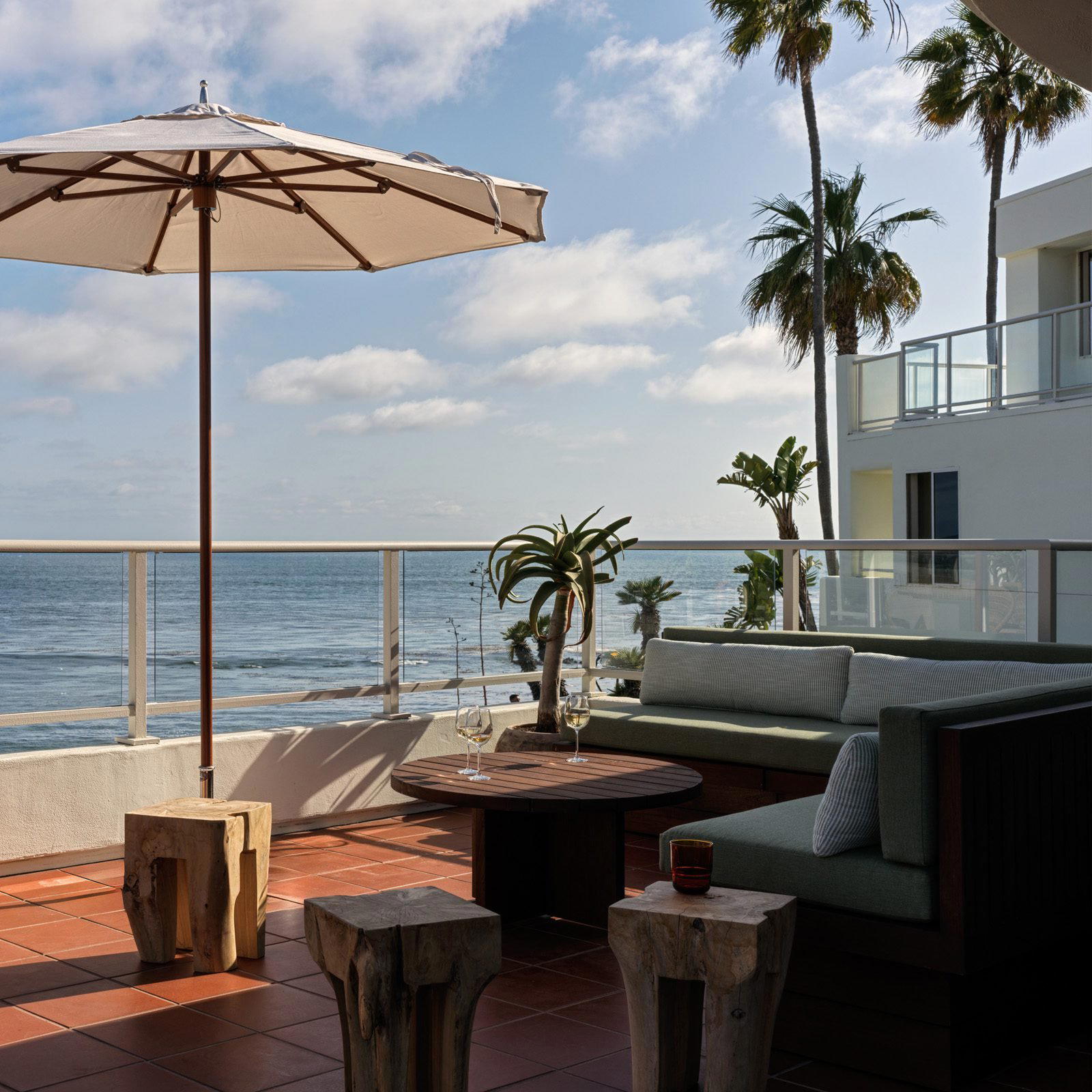
Estate vineyard setting with contemporary barn tasting room overlooking vineyards; refined yet approachable atmosphere.