Sokol Blosser Winery
Sokol Blosser Winery sits in the Dundee Hills above Dayton, Oregon, where its certified-organic vineyards have shaped the property's approach to Willamette Valley viticulture for decades.

Pearl is the En Primeur Club membership app — saves, bookings, and concierge access live there. Same editors, same standards.
- Address
- 5000 NE Sokol Blosser Ln, Dayton, OR 97114
- Phone
- (503) 864-2282
- Website
- sokolblosser.com
- Directions
- Get directions
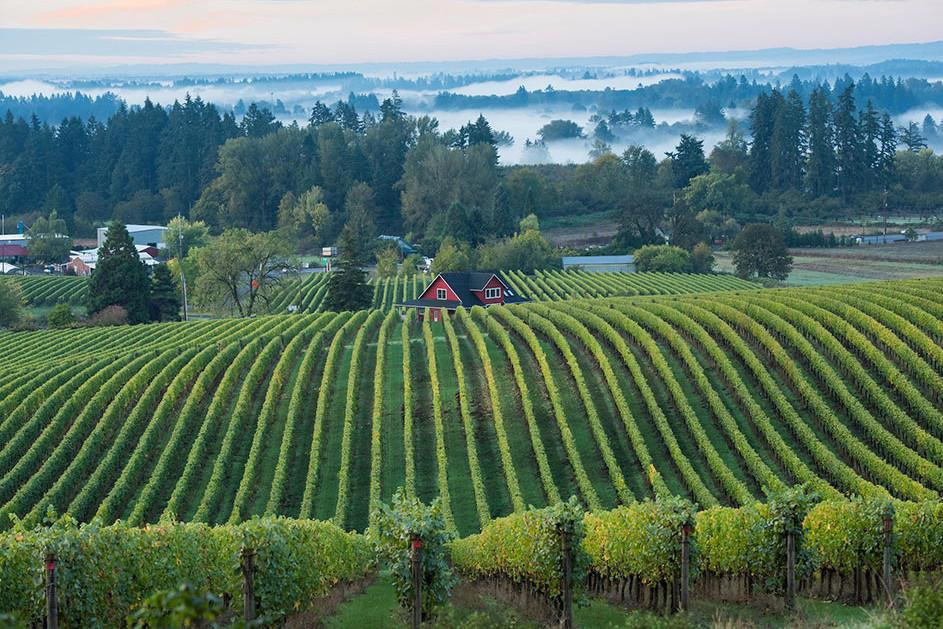
Farming First in the Dundee Hills
The Dundee Hills AVA occupies a narrow band of Jory and Willakenzie soils above the Willamette Valley floor, and the wineries working those hillsides have increasingly divided along a single axis: those that treat the land as a production input and those that treat it as the point of the whole operation. Sokol Blosser Winery, at 5000 NE Sokol Blosser Lane in Dayton, sits clearly in the second group. The property's commitment to certified-organic farming predates the current industry-wide interest in sustainability by a significant margin, placing it among a cohort of Oregon houses where the vineyard calendar and the winery calendar are effectively the same document.
That long-term orientation toward organic viticulture is not incidental to the wines — it shapes everything from canopy decisions to harvest timing. In a region where neighbors like Archery Summit and Stoller Family Estate have each carved out distinct identities within the same Dayton corridor, Sokol Blosser's differentiator has long been its posture toward the soil rather than any single stylistic signature in the glass.
What the Dundee Hills Demands
Willamette Valley Pinot Noir has spent the last two decades earning its position on international reference lists, and the Dundee Hills played a central role in that ascent. The volcanic Jory soils drain quickly, retain heat, and push vines toward moderate stress — a combination that generally produces Pinot with more concentration and structural grip than the valley floor. Working those soils organically adds complexity to an already demanding farming environment: synthetic inputs are off the table, cover crop management becomes a precision exercise, and vintage variability requires more attentive decision-making at every growth stage.
Properties operating in this framework, Sokol Blosser among them, tend to build longer institutional knowledge about their specific blocks than those relying on chemical correction. That knowledge accumulates into a kind of site literacy that shows up, eventually, in the wines. It also places these properties in a different peer conversation than direct appellation comparisons allow. Across the Willamette, wineries like Adelsheim Vineyard in Newberg have pursued similar long-view farming philosophies, and the comparison reveals how Oregon's premium tier increasingly organizes itself around practice as much as prestige address.
For international reference, Domaine Drouhin, the Burgundian house that established its Oregon operation in the late 1980s, brought European organic farming sensibility into the valley at an early stage, and the competitive context it created pushed peer producers to sharpen their own land-stewardship thinking. Sokol Blosser is one of the properties that absorbed and built on that pressure.
The Visit: Elevation, Openness, and Agricultural Scale
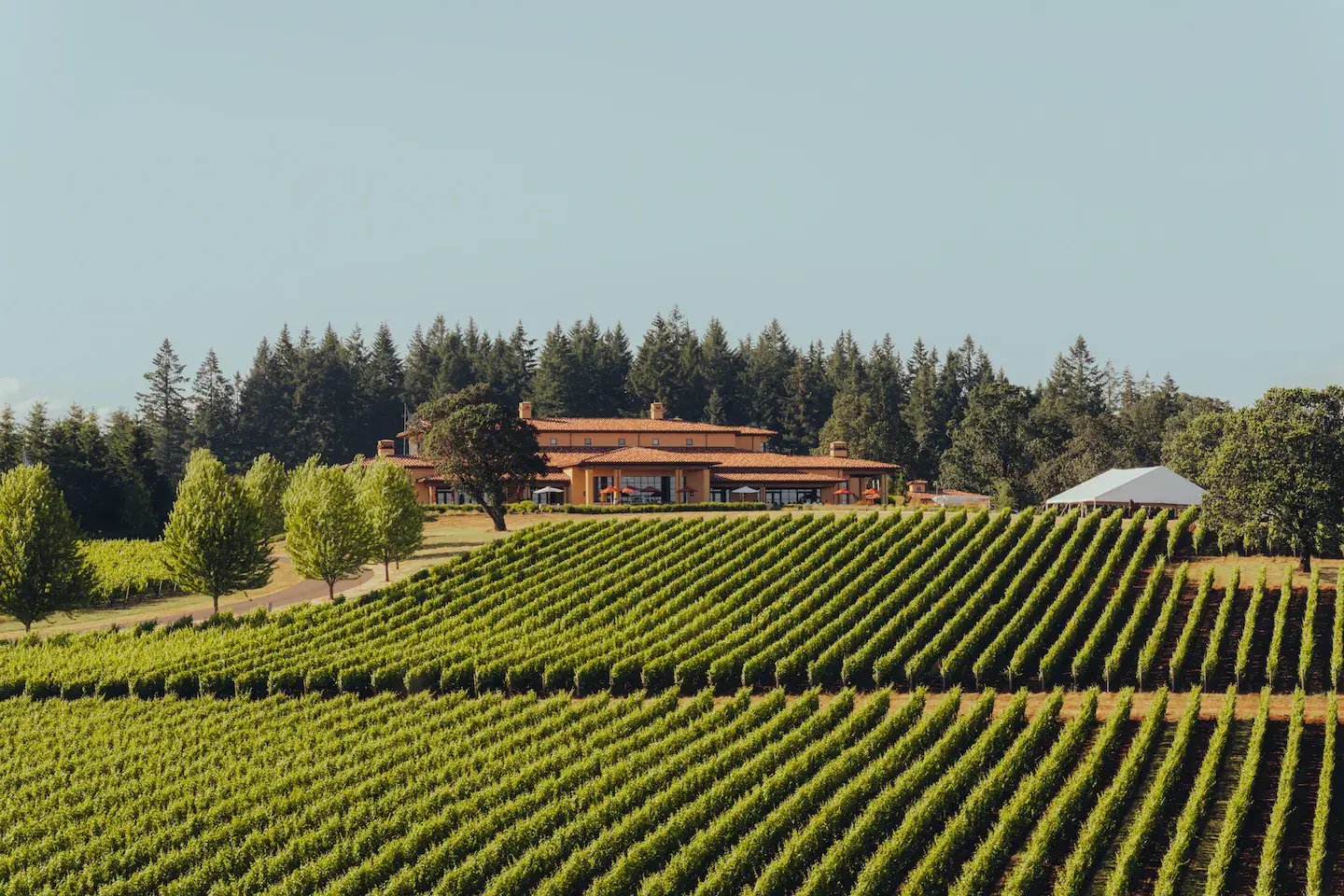
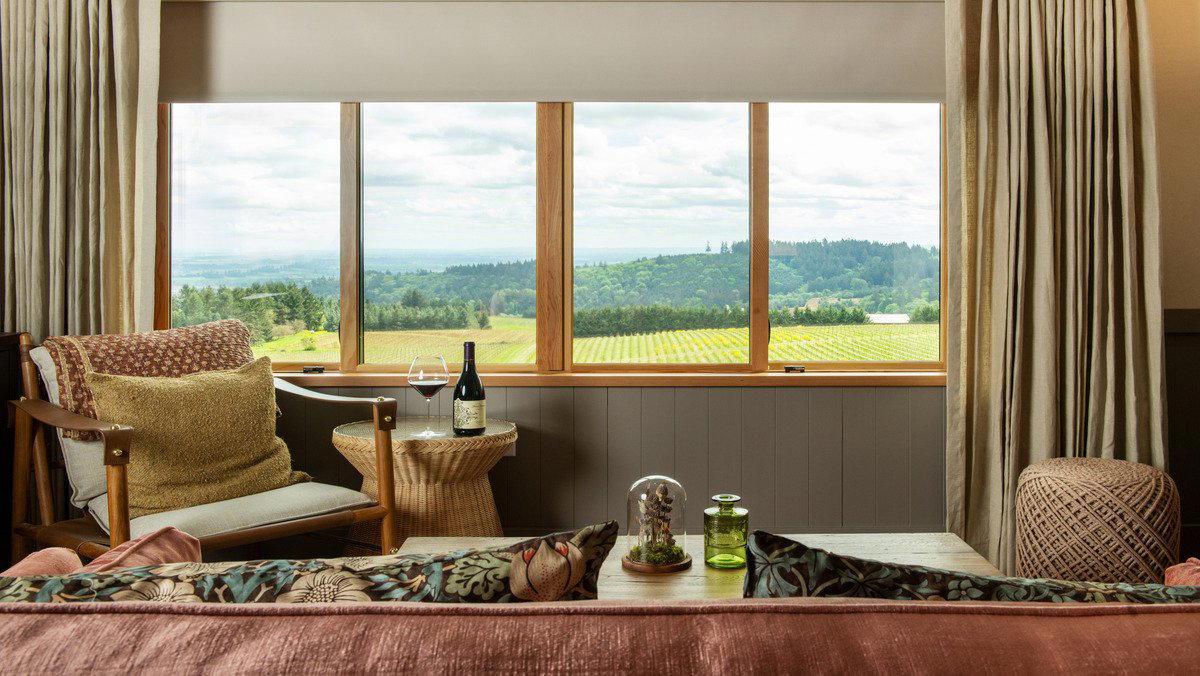
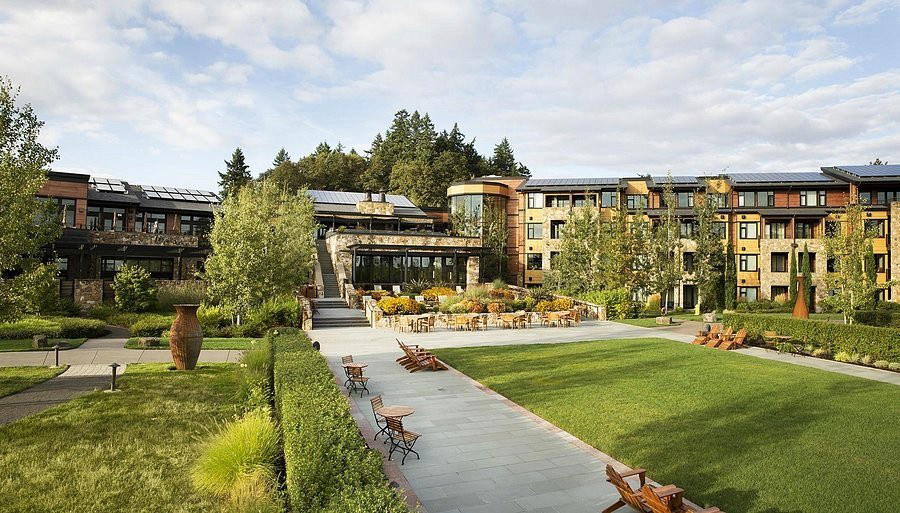
Arriving at Sokol Blosser, the property's scale registers before the tasting room does. The winery sits on a hillside above the valley, and the sightlines from the estate stretch across a wider stretch of the Willamette than most single-property visits allow. This is not a boutique pocket of vines tucked into a hillside corner, it is a working farm with visible agricultural infrastructure, and the visit experience reflects that honestly. The tasting room is designed to connect guests to the vineyard context rather than insulate them from it, which places the property in a different experiential register than the polished, design-led estates that populate other segments of Oregon wine tourism.
That directness suits the audience the winery tends to attract: visitors who come with questions about farming rather than purely about scores. For guests more accustomed to the high-production polish of properties like Domaine Serene Winery, the Sokol Blosser visit will feel more agricultural and less theatrical, which is precisely the point. The tasting experience is framed around understanding what the land is doing, and what the winery is doing in response to it.
Visitors to the Dayton corridor have a range of nearby reference points. White Rose Estate operates at a much smaller scale with a strict allocation model, while Stoller Family Estate has invested heavily in visitor infrastructure that spans food and events. Sokol Blosser occupies a middle position: large enough to offer accessible entry points into its range, rigorous enough in its farming to reward close attention from serious wine travelers. Booking in advance is advisable, particularly during the late-summer and harvest-season months when the Willamette Valley draws concentrated visitation.
Organic Practice as a Competitive Marker
In Oregon's premium wine tier, organic certification carries genuine market weight. The state has developed a stronger collective identity around sustainable farming than most American wine regions, and that identity increasingly functions as a sorting mechanism for buyers and visitors trying to distinguish between properties at similar price and prestige levels. Sokol Blosser's certification history, accumulated over years rather than adopted as a recent marketing positioning, gives it standing within that conversation that newer convert estates cannot immediately replicate.
The broader shift toward regenerative and biodynamic practice across American premium wine production has given properties like Sokol Blosser more peer context than they had a decade ago. Across California, wineries such as Adelaida Vineyards in Paso Robles and Alban Vineyards in Arroyo Grande have built identities around farming philosophy rather than pure appellation prestige. In Oregon, that posture has become close to a baseline expectation for the upper tier. What Sokol Blosser's track record demonstrates is what sustained commitment to that posture looks like when it accumulates over a long enough timeline to shape the vines themselves.
For comparison against similarly sustainability-oriented producers outside the Pacific Northwest, Alexander Valley Vineyards in Geyserville and Accendo Cellars in St. Helena offer reference points from the Sonoma and Napa sides of the California-Oregon premium conversation. Further afield, Alpha Omega Winery in Rutherford and Andrew Murray Vineyards in Los Olivos illustrate how different regional climates shape the expression of sustainably farmed fruit, context that makes the Dundee Hills' volcanic soils and cool-climate constraints all the more legible.
Planning Your Visit
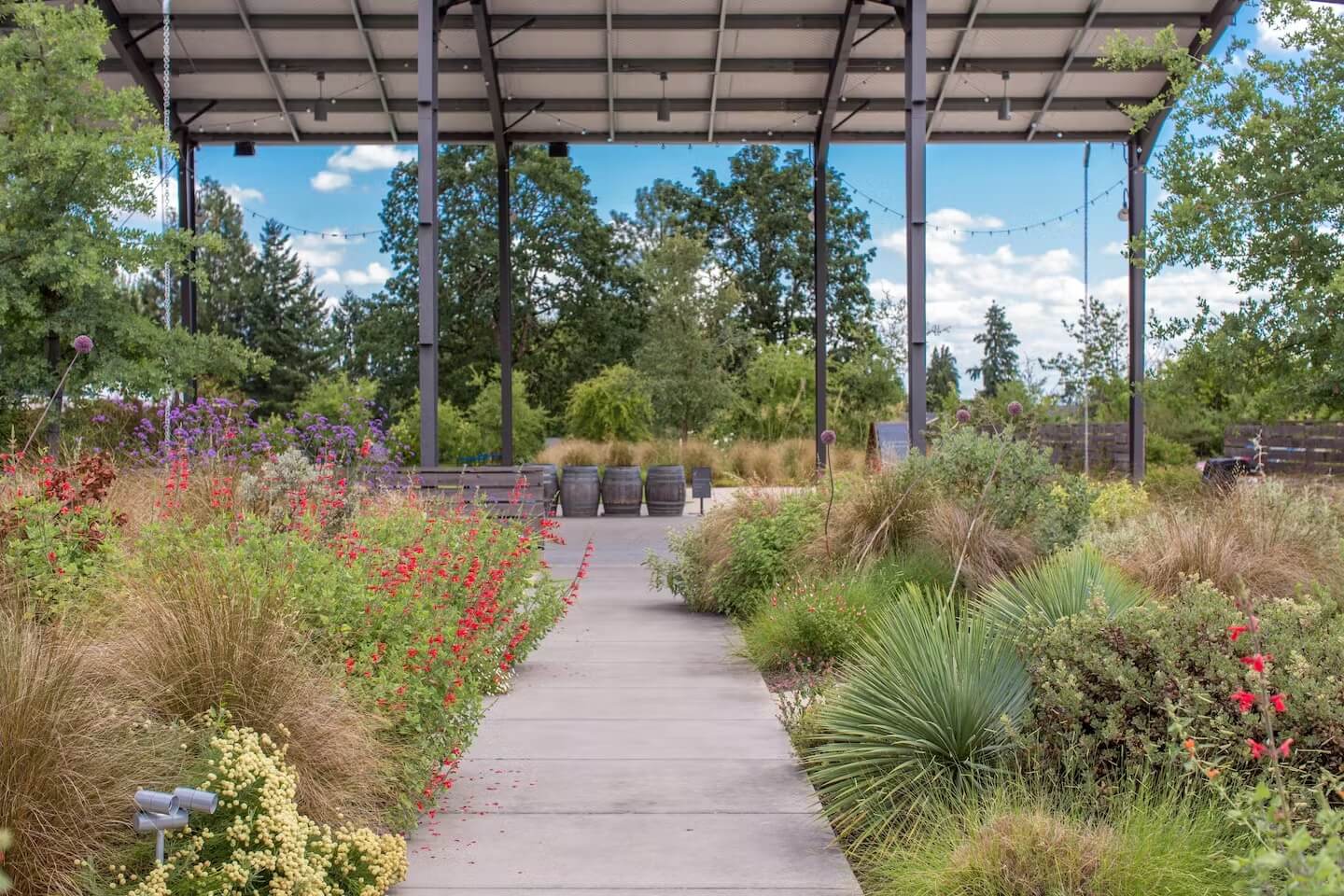
Sokol Blosser Winery is located at 5000 NE Sokol Blosser Lane in Dayton, Oregon, within the Dundee Hills AVA and accessible from the main Willamette Valley wine route that connects Newberg, Dundee, and McMinnville. The property's elevation means weather can shift quickly, particularly in spring and autumn, so layering is practical for outdoor terrace time. Tasting visits are leading arranged in advance through the winery's website; walk-in availability varies by season and is less reliable during peak harvest months. For a broader picture of the Dayton wine corridor and what to prioritize across a multi-day visit, see our full Dayton restaurants and wineries guide.
For travelers exploring the wider geography of premium wine production, EP Club also covers estates across Europe and beyond. Aberlour in Aberlour and Achaia Clauss in Patras represent the platform's reach into Scotch whisky and Greek wine respectively, useful orientation points for members building a broader map of production traditions beyond American wine.
Accolades, Compared
Comparable venues nearby, for context on price, style, and recognition.
| Venue | Cuisine | Price | Awards | Notes |
|---|---|---|---|---|
| Sokol Blosser WineryThis venue — the venue you are viewing | Pinot Noir, Pinot Gris | $20–30 | Not listed | Not listed |
| Stoller Family Estate | Pinot Noir, Chardonnay | $20–30 | Not listed | Dundee Hills |
| Archery Summit | Pinot Noir, Chardonnay | $30–50 | Not listed | Dundee Hills |
| Domaine Drouhin | Pinot Noir, Chardonnay | $30–50 | Falstaff Winery - Listed | Dundee Hills |
| Domaine Serene Winery | Pinot Noir, Chardonnay | $50–100 | Falstaff Winery - Listed | Dundee Hills |
| White Rose Estate | Pinot Noir, Chardonnay | $20–30 | Not listed | Dundee Hills |
Continue exploring
More in Dayton
Wineries in Dayton
Browse all →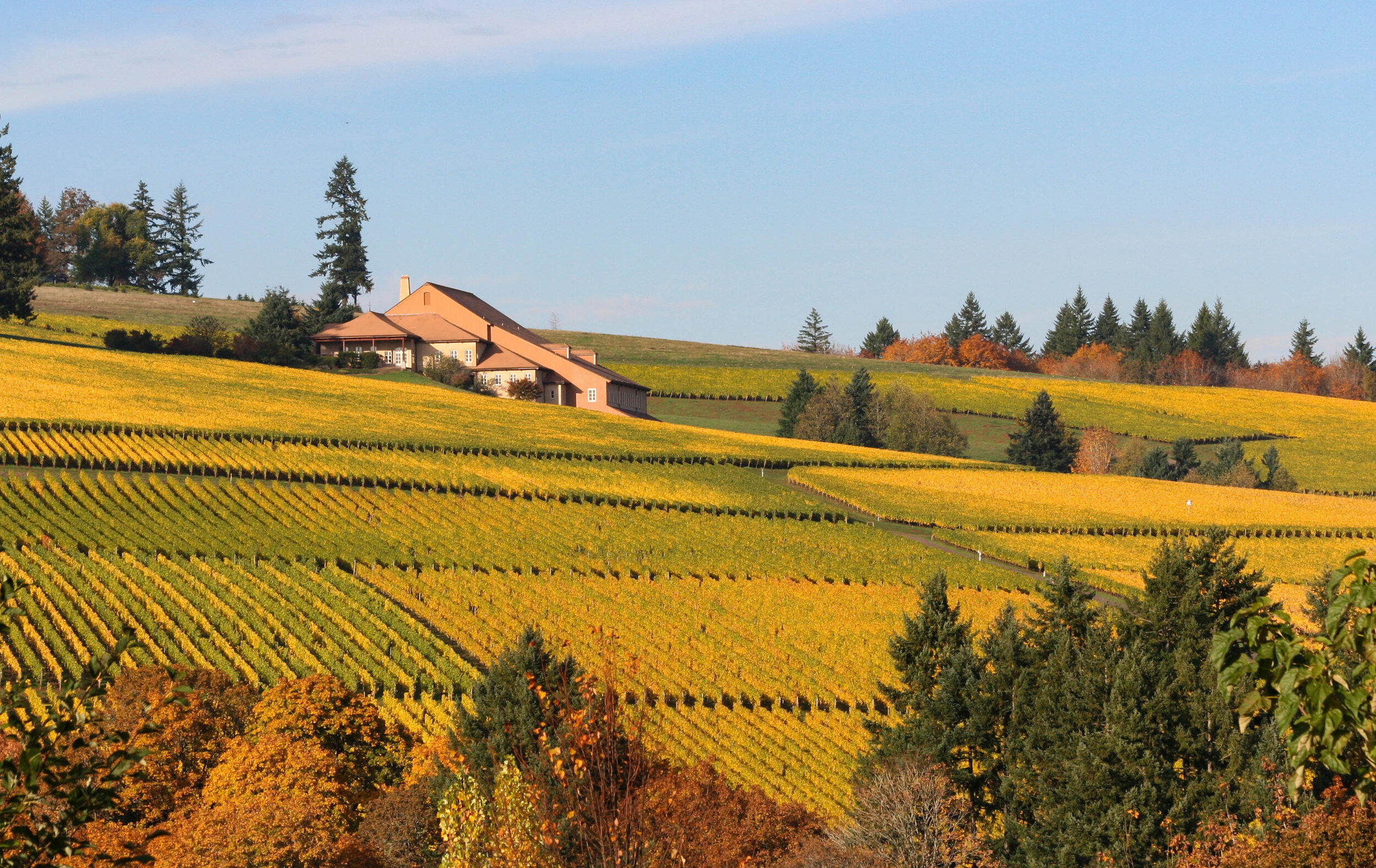
Bars in Dayton
Browse all →
Restaurants in Dayton
Browse all →

Details
- Scenic
- Rustic
- Elegant
- Wine Education
- Group Outing
- Special Occasion
- Vineyard Tour
- Estate Grounds
- Terrace
- Organic
- Sustainable
- Vineyard
- Garden
- Pinot Noir
- Pinot Gris
- Pinot Blanc
- Chardonnay
- Riesling
- Syrah
- Sangiovese
- Still Red
- Still White
- Still Rosé
- Sparkling
- Seated Tasting
- Private Tasting
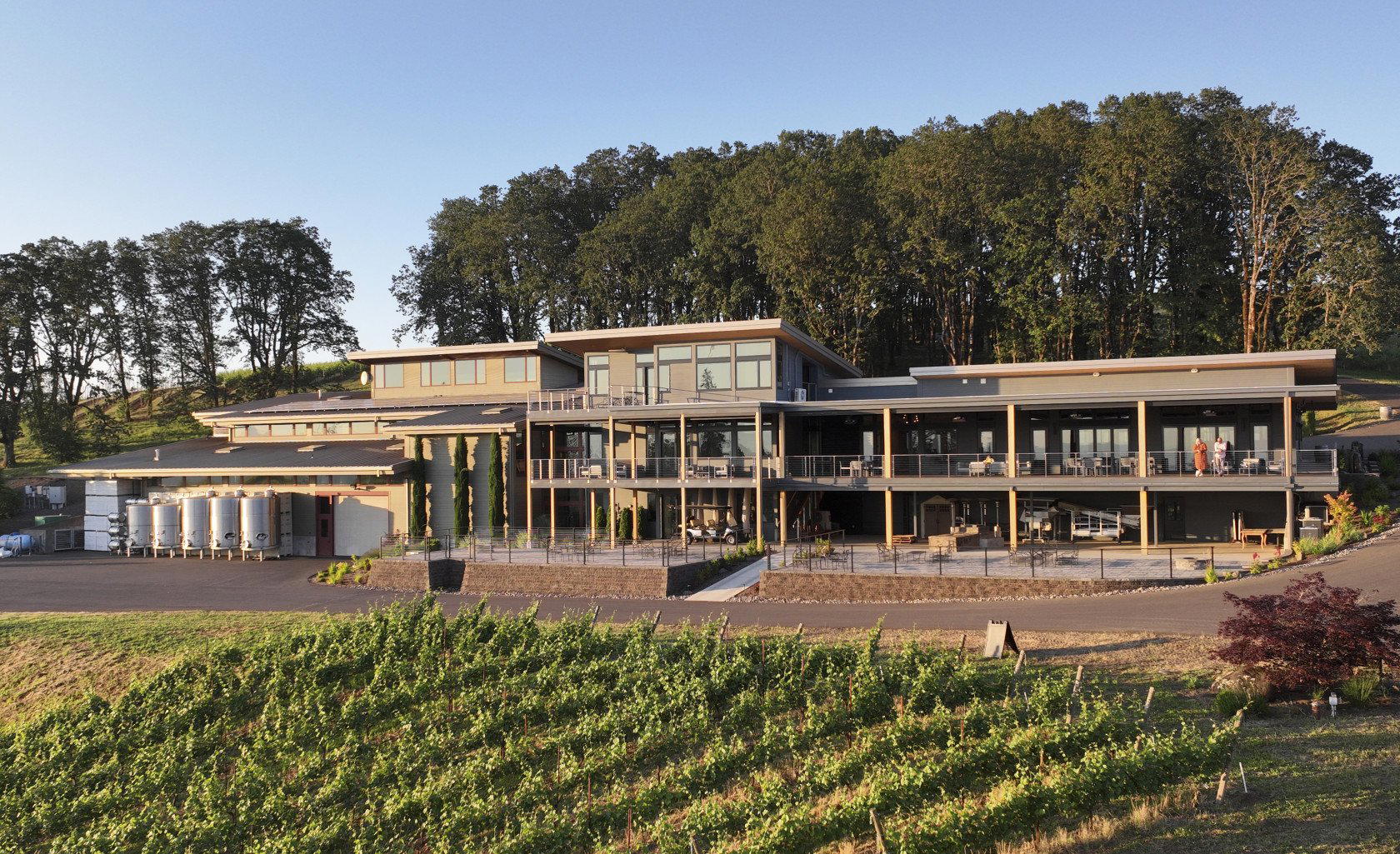
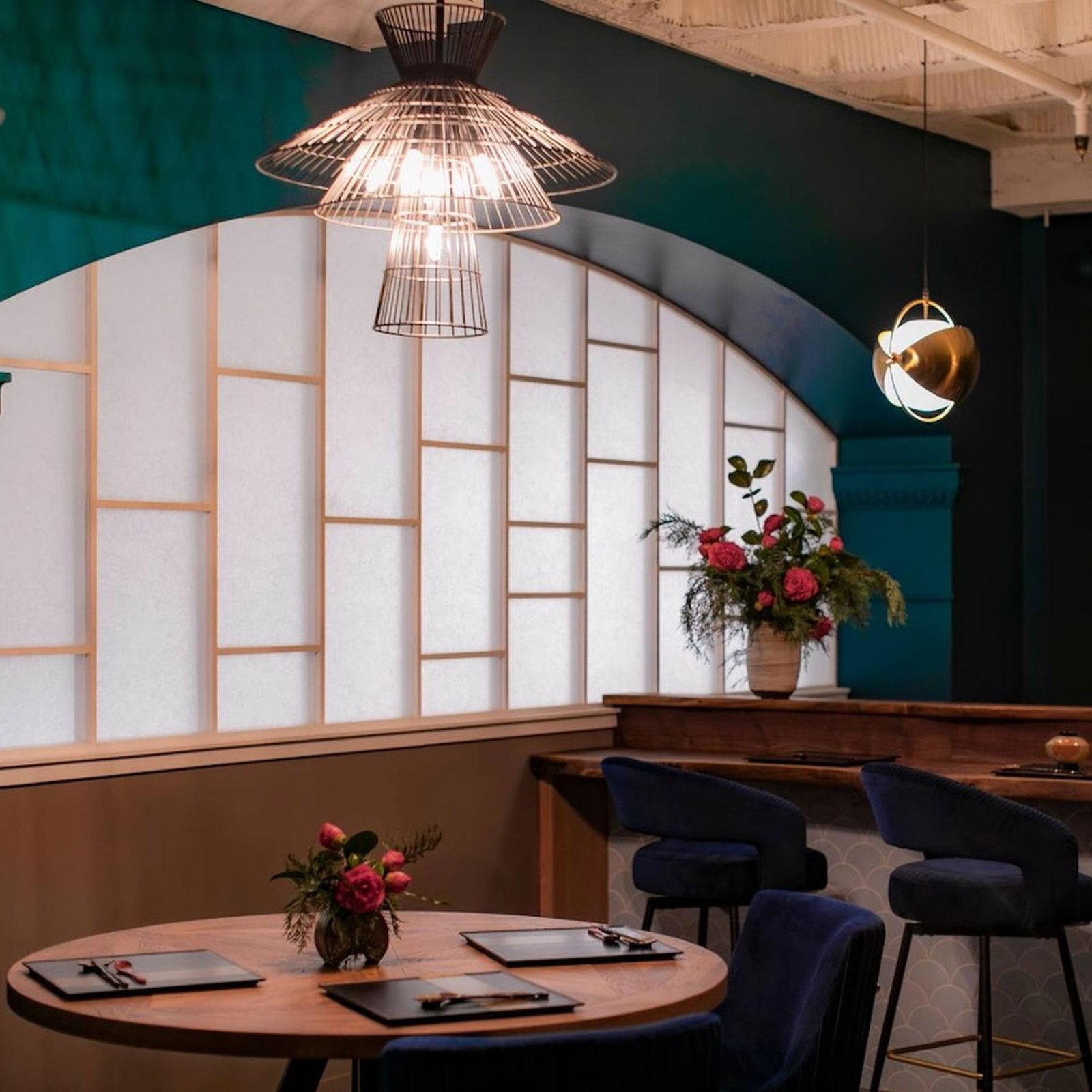
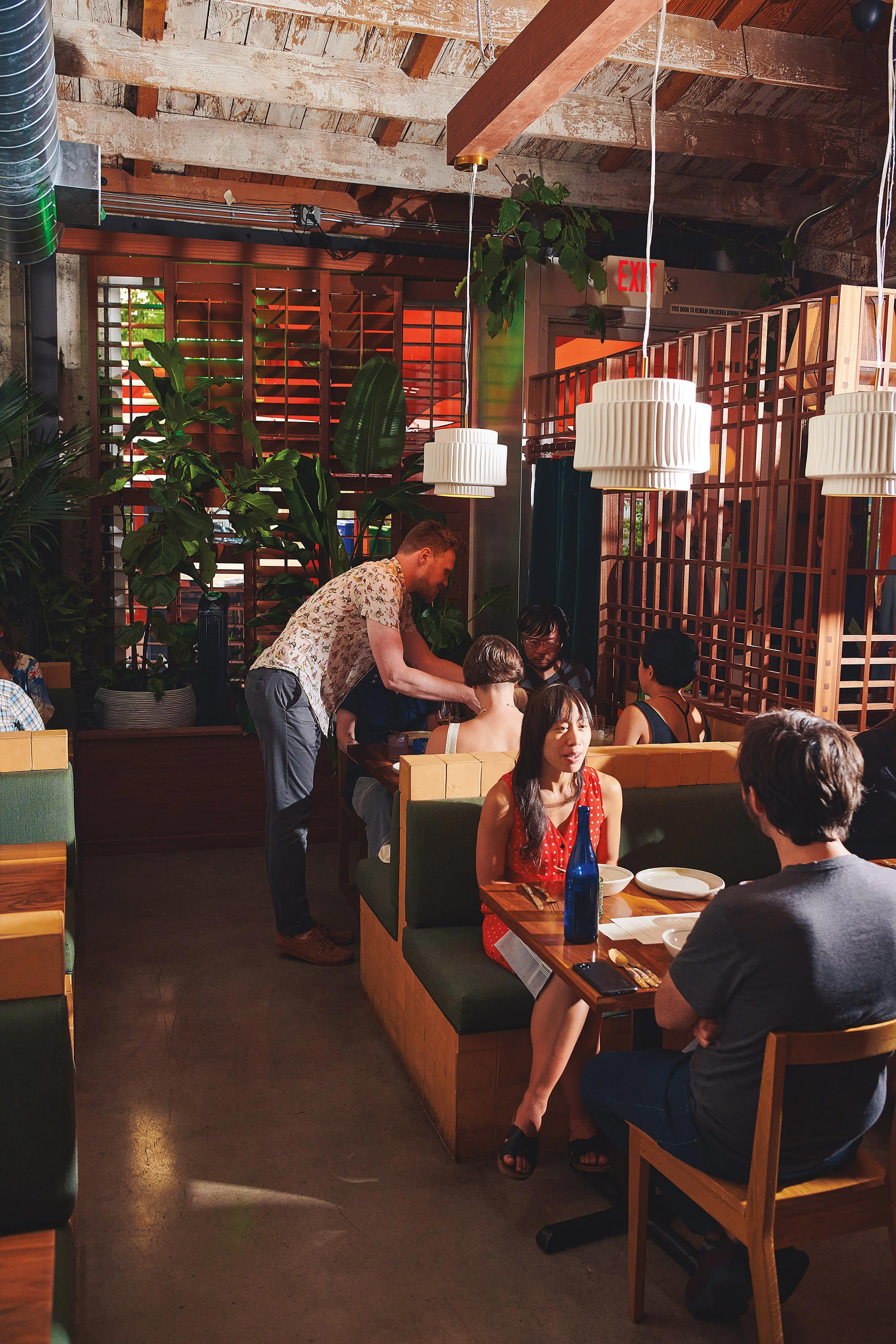
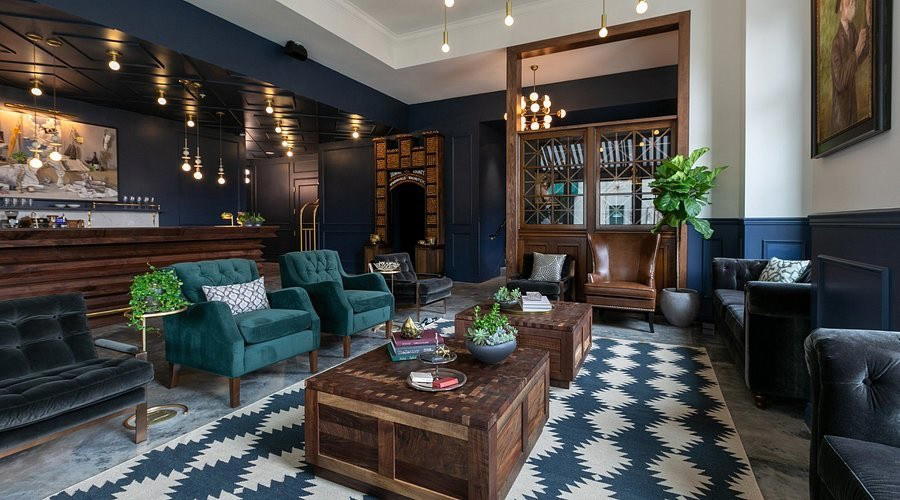
Bright, spacious tasting room with light wood, big windows, and a large outdoor deck overlooking the Dundee Hills.