Schramsberg Vineyards

Among Napa Valley's sparkling wine specialists, Schramsberg Vineyards in Calistoga occupies a distinct position: a producer whose cellar history and sustained critical recognition place it well above the valley's entry-level fizz tier.

Pearl is the En Primeur Club membership app — saves, bookings, and concierge access live there. Same editors, same standards.
- Address
- 1400 Schramsberg Rd, Calistoga, CA 94515
- Phone
- (800) 877-3623
- Website
- schramsberg.com
- Directions
- Get directions
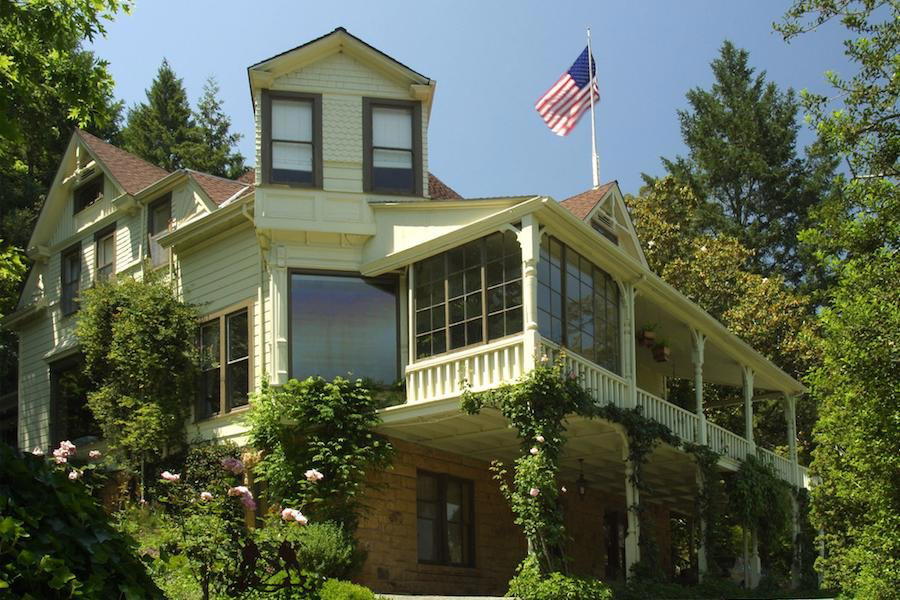
Calistoga's Sparkling Wine Benchmark
The northern end of Napa Valley operates at a different register than the corridor running south through Yountville and Oakville. Calistoga sits at the valley's volcanic head, where the terrain runs hotter and the wine culture tends toward the historically rooted rather than the fashionably recent. Among the producers that define this end of the appellation, Schramsberg Vineyards holds a position that reflects both the age of the site and the seriousness with which California sparkling wine has come to be taken internationally.
The address on Schramsberg Road, off Highway 29 north of the town center, sets the expectation before you arrive. The approach is steep and shaded, a reminder that this is one of Napa's older operating wine properties, with caves that predate most of the valley's current celebrity estates by decades. Cave-aged sparkling wine is a production commitment with real logistical implications: the bottles require hand-riddling or extended lees contact in conditions that the Schramsberg caves, carved into the hillside, provide naturally. That physical infrastructure is the foundation on which the wine program rests.
Where Schramsberg Sits in the Calistoga Wine Context
Calistoga's winery portfolio is less dense than Rutherford or St. Helena, but what it offers skews toward properties with genuine longevity. Chateau Montelena Winery anchors the appellation's Cabernet Sauvignon reputation, carrying the documented weight of the 1976 Paris Tasting. Larkmead Vineyards represents the area's longer-standing estate tradition, while Frank Family Vineyards operates at higher volume with broad accessibility. Schramsberg occupies a separate lane entirely: it is the area's defining sparkling wine address, and its competitive set is less about Calistoga geography and more about California's tier of méthode traditionnelle producers taken as a whole.
In that sparkling-specific peer group, Schramsberg compares against a very short list. California's premium sparkling sector is narrower than its still-wine market, and producers with both cave infrastructure and sustained critical recognition number in the single digits.
The Cellar as Editorial Argument
Sparkling wine's quality signals are among the most legible in the world of wine, and Schramsberg's cave program illustrates why the production environment matters as a critical factor. Extended lees aging in consistent cave temperatures — cool, humid, and stable year-round — produces the fine bubble integration and toasty autolytic character that distinguishes serious méthode traditionnelle from entry-level California sparkling. The Schramsberg caves are not decorative. They are working production facilities that have shaped the house's wine style across vintages.
Across Napa more broadly, sparkling wine has operated as a smaller and more specialist category against the dominant Cabernet identity. Producers like Aubert Wines and Newton Vineyard have built their reputations on still wines, particularly Chardonnay and Pinot Noir, where Burgundy-trained production philosophies travel well into the California context. Schramsberg's commitment to sparkling positions it outside that Burgundy-reference framework entirely and inside a different conversation about house style, terroir expression through secondary fermentation, and the role of blending across vintages and grape varieties.
Beyond Napa, the comparison points extend further. Accendo Cellars in St. Helena operates in the high-end Cabernet tier that anchors valley prestige, while producers like Alpha Omega Winery in Rutherford represent the Napa appellation's breadth. None of these address the same category question that Schramsberg does. When a visitor specifically wants to understand what California sparkling wine looks like at its most serious, the Calistoga address is the reference point.
Planning a Visit: What to Know Before You Go
Schramsberg is located at 1400 Schramsberg Road, Calistoga, CA 94515, and the property's cave tour format means that visits are structured experiences rather than drop-in tastings. Cave visits at wineries of this type are typically appointment-based and capacity-limited, reflecting the logistical realities of guiding guests through active production facilities. The valley's northern end sees less traffic than Yountville or St. Helena during the high summer months, but Calistoga's compact cluster of credentialed wineries means that weekend availability at each of them can close quickly.
The drive from central Napa takes roughly 40 minutes via Highway 29, with the Schramsberg Road turnoff north of the town center. For visitors structuring a day around Calistoga's wine scene, pairing a Schramsberg cave visit with stops at Chateau Montelena or Larkmead makes logical sense both geographically and in terms of the range of wine styles on offer. See our full Calistoga restaurants guide for dining options to build around a day in the area.
Those traveling specifically to explore California's wider wine geography would find that Schramsberg anchors the sparkling category in a way that producers in other regions approach differently. Adelsheim Vineyard in Newberg operates in Oregon's Pinot-dominant Willamette framework. Adelaida Vineyards in Paso Robles and Alban Vineyards in Arroyo Grande address Rhône varieties in a Central Coast register. Alexander Valley Vineyards in Geyserville and Andrew Murray Vineyards in Los Olivos each define their own subregional conversations. Schramsberg's category specificity, sparkling, cave-aged, méthode traditionnelle, at the northern tip of Napa, is precisely what makes it a distinct stop rather than a redundant one on a California wine itinerary.
At a Glance
Comparable venues nearby, for context on price, style, and recognition.
| Venue | Cuisine | Price | Awards | Notes |
|---|---|---|---|---|
| Schramsberg VineyardsThis venue — the venue you are viewing | Not listed | $50–100 | Not listed | Not listed |
| Chaix Wines | Rutherford, Cabernet Sauvignon | Not listed | Not listed | Not listed |
| Chateau Montelena Winery | Not listed | $50–100 | Falstaff Winery - Listed | Calistoga, Chardonnay, Cabernet Sauvignon |
| Twomey Cellars | Calistoga, Pinot Noir, Merlot | $20–30 | Falstaff Winery - Listed | Not listed |
| Carter Cellars | Calistoga, Cabernet Sauvignon, Merlot | $50–100 | Not listed | Not listed |
| Larkmead Vineyards | Not listed | $50–100 | Not listed | Calistoga, Cabernet Sauvignon, Sauvignon Blanc |
Recognition history
Dated appearances from independent guides and award organizations, with the underlying list record or original source where available.
James Beard Award Outstanding Wine & Spirits Professional
James Beard Award
Continue exploring
More in Calistoga
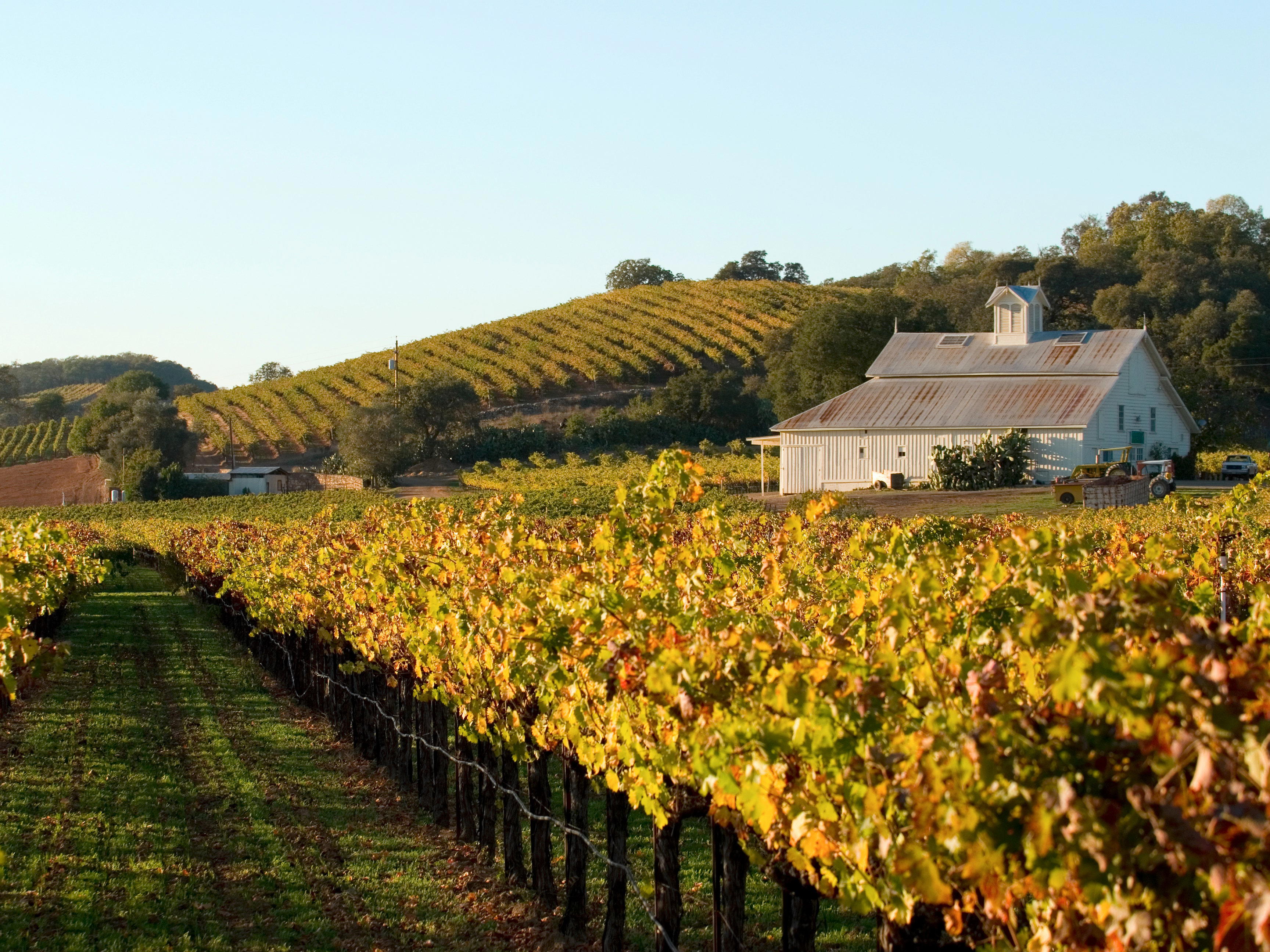
Wineries in Calistoga
Browse all →
Bars in Calistoga
Browse all →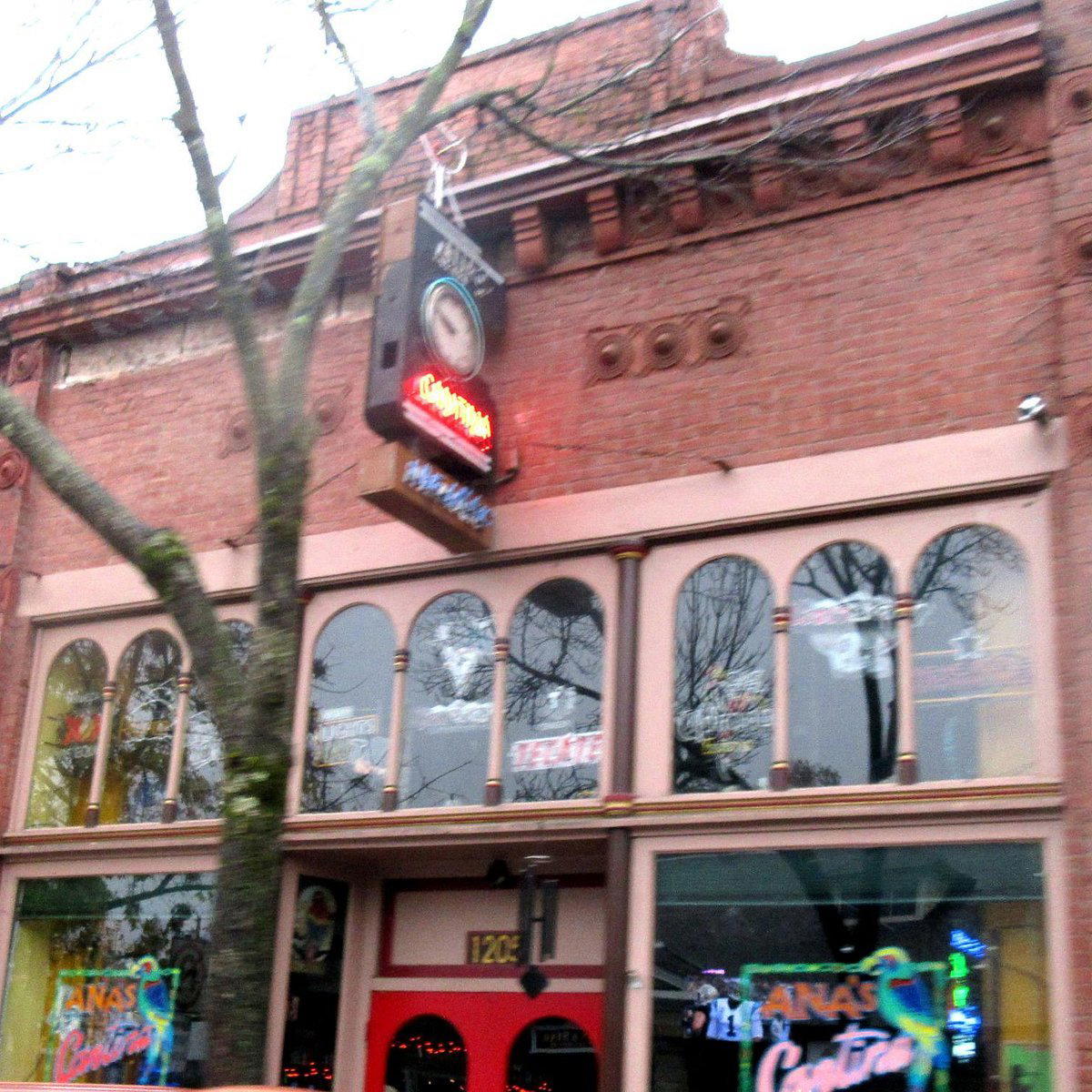
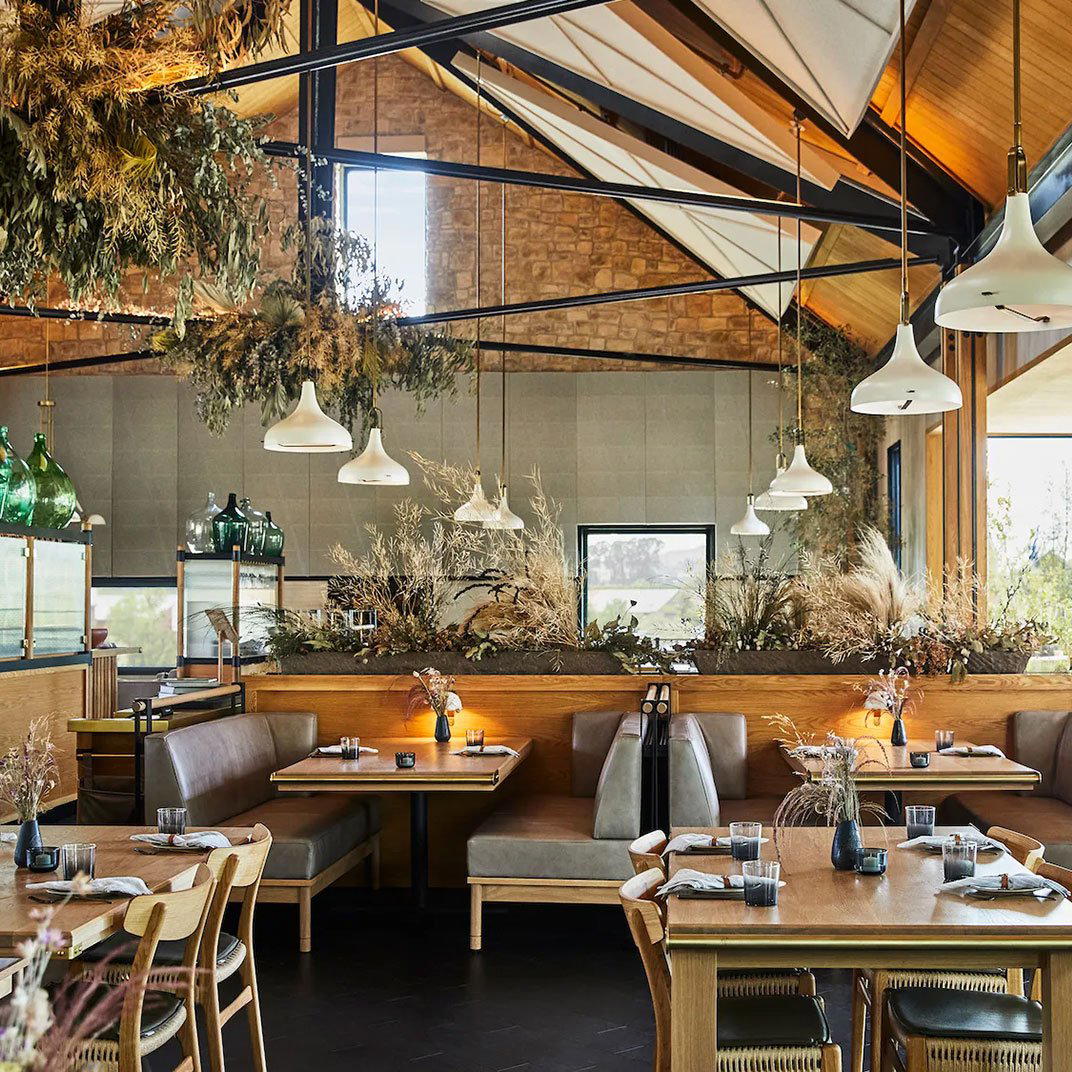
Restaurants in Calistoga
Browse all →
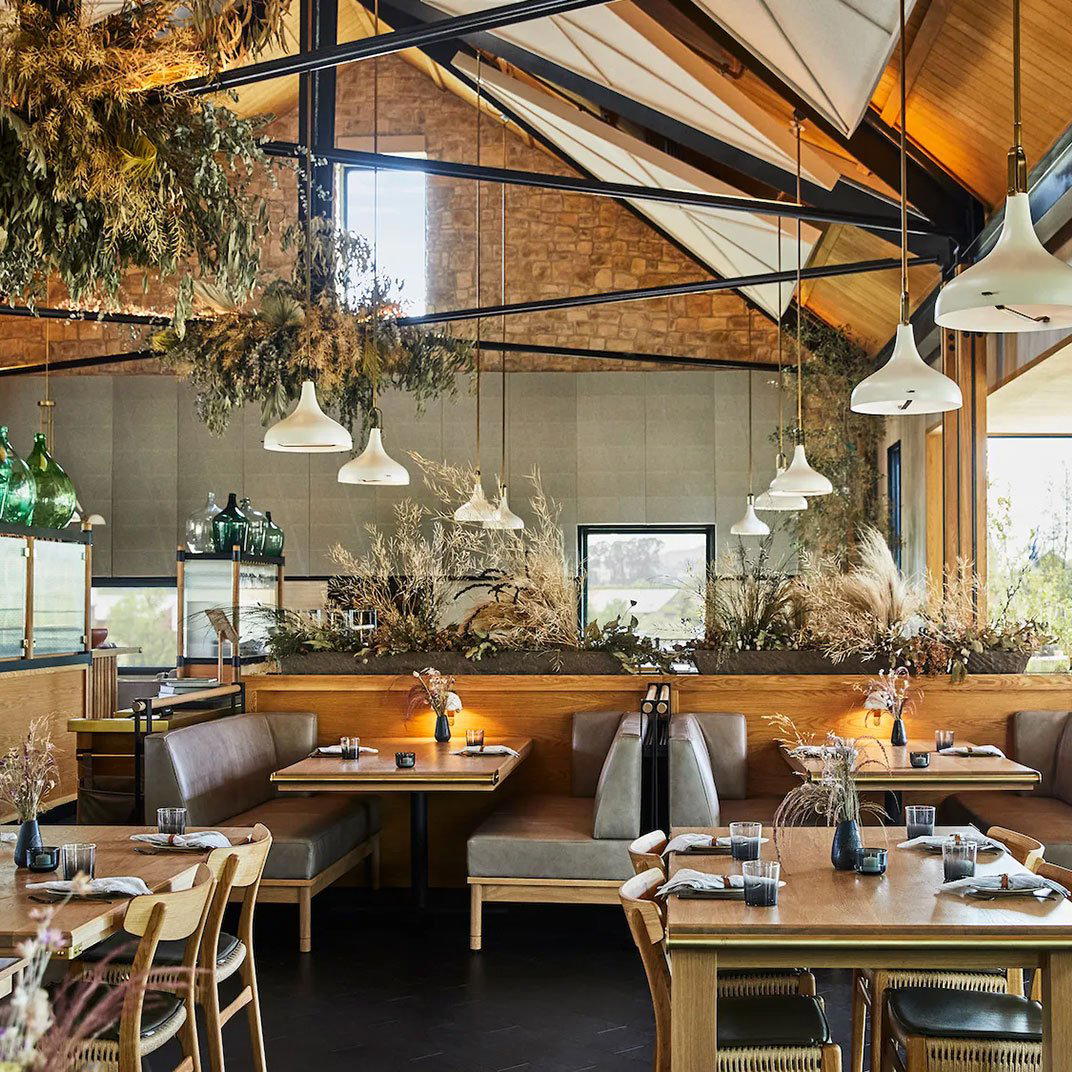
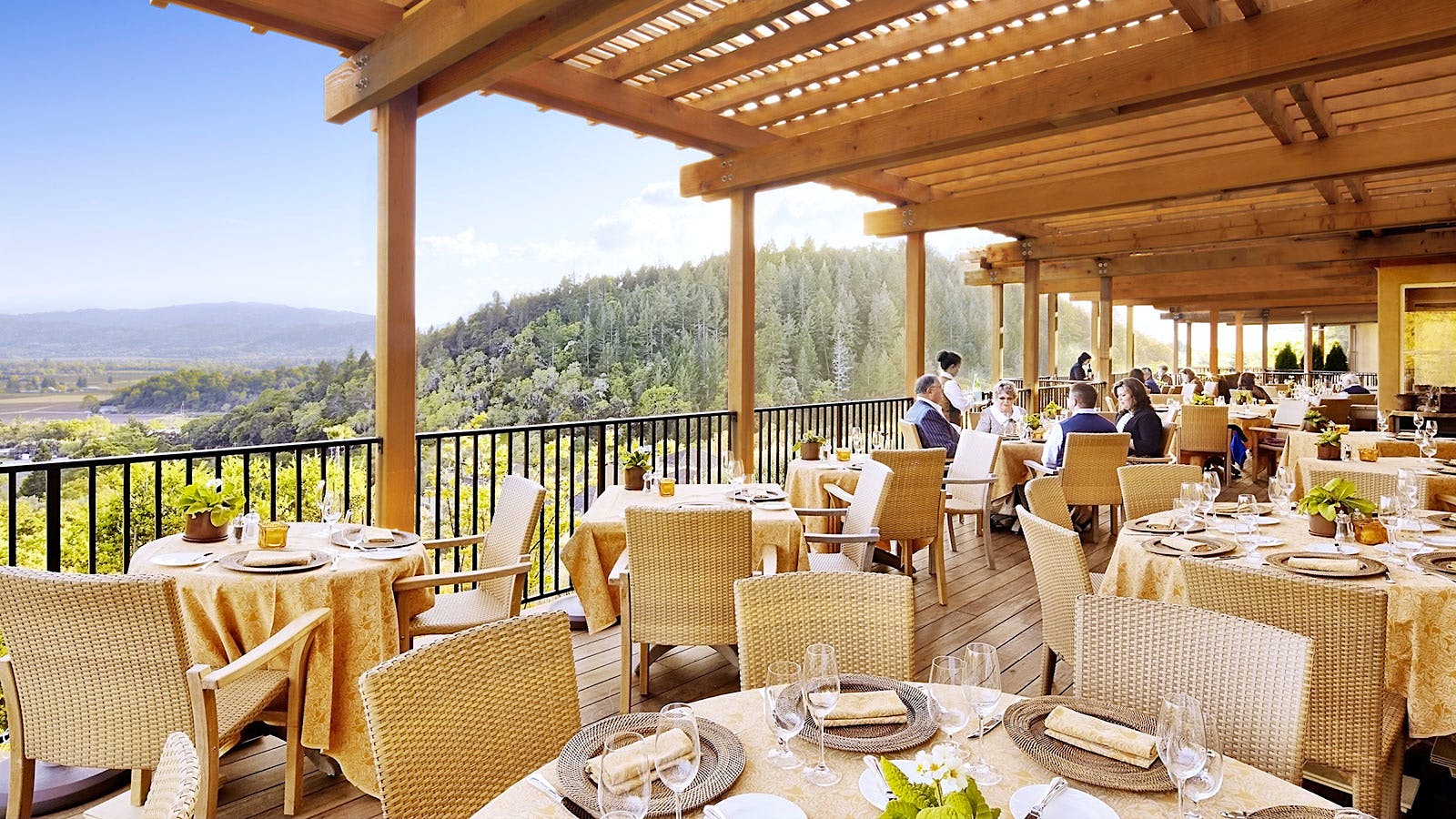
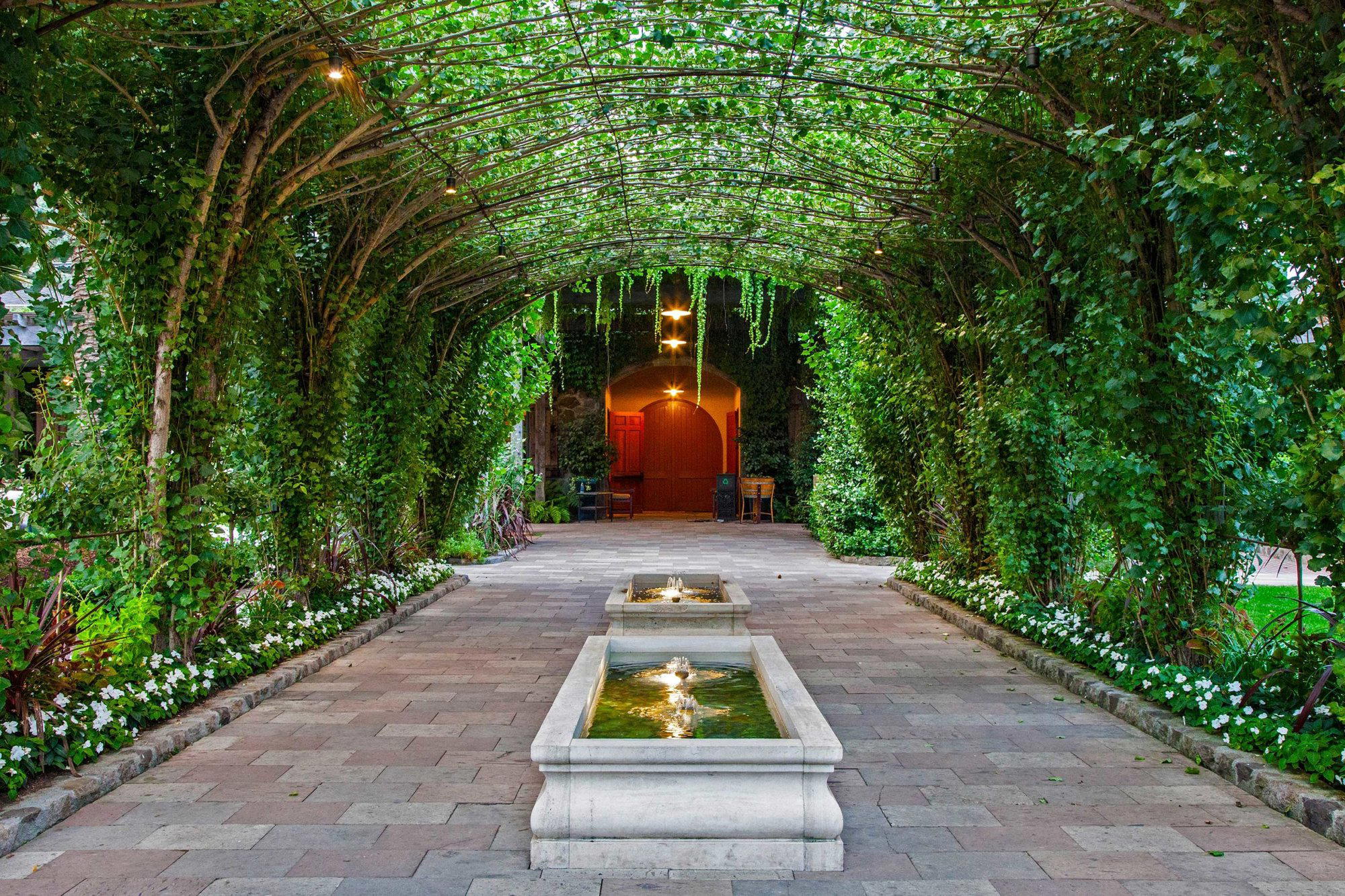
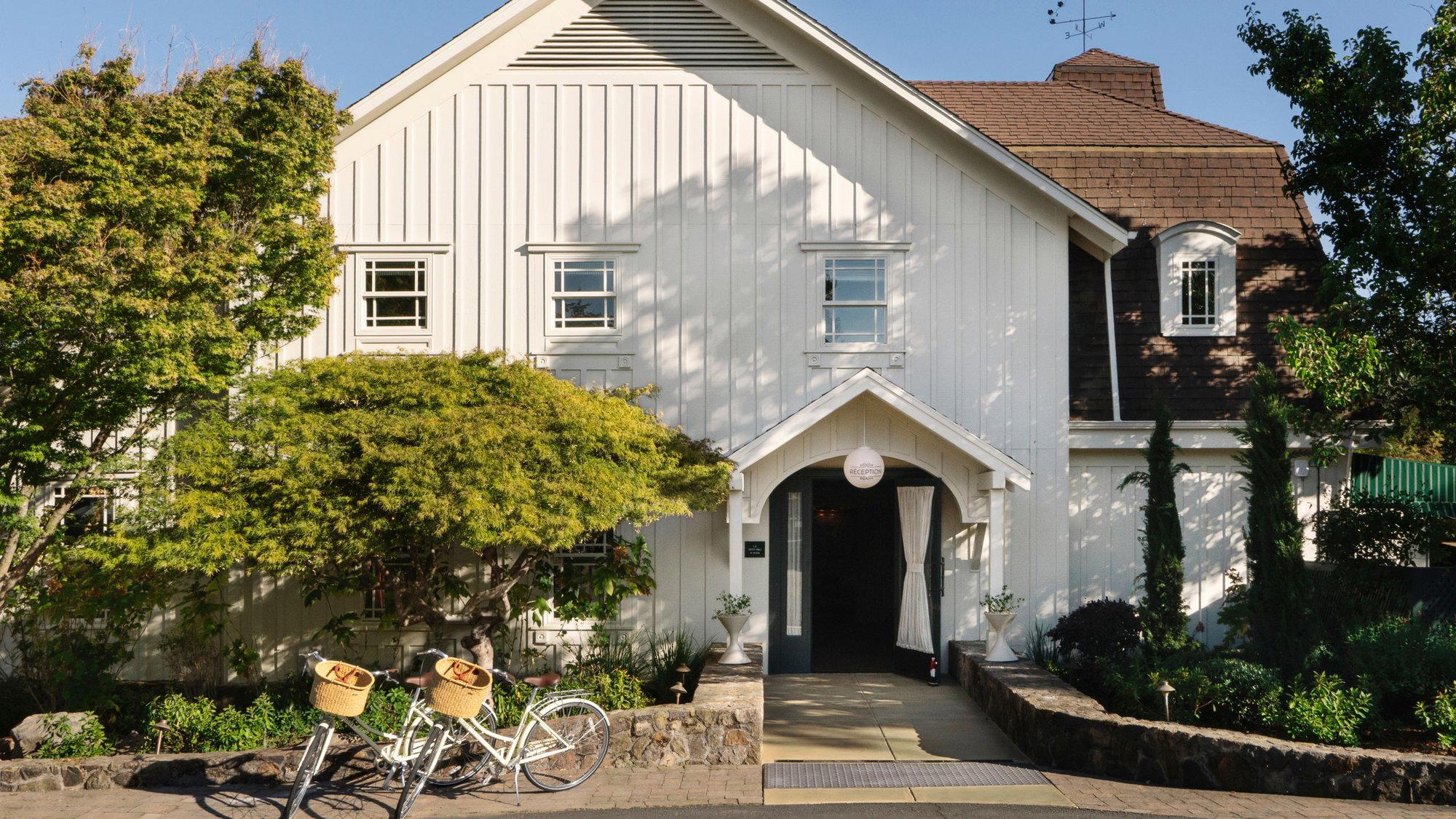
Details
- Romantic
- Elegant
- Historic
- Intimate
- Scenic
- Romantic Getaway
- Wine Education
- Special Occasion
- Celebration
- Cave Tasting
- Estate Grounds
- Historic Building
- Private Tasting
- Panoramic View
- Sustainable
- Vineyard
- Mountain
- Garden
- Chardonnay
- Pinot Noir
- Sparkling
- Cave Tour With Tasting
- Sparkling Wine Tasting
- Mixed Tasting With Still Wines
- English
- Winemaker: official source · checked
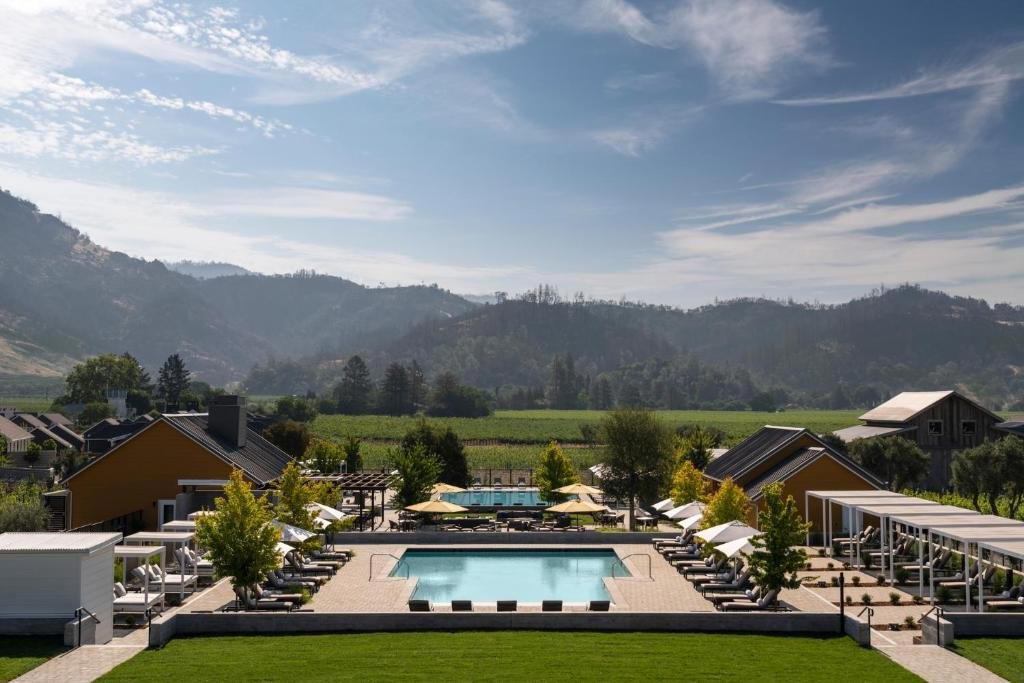
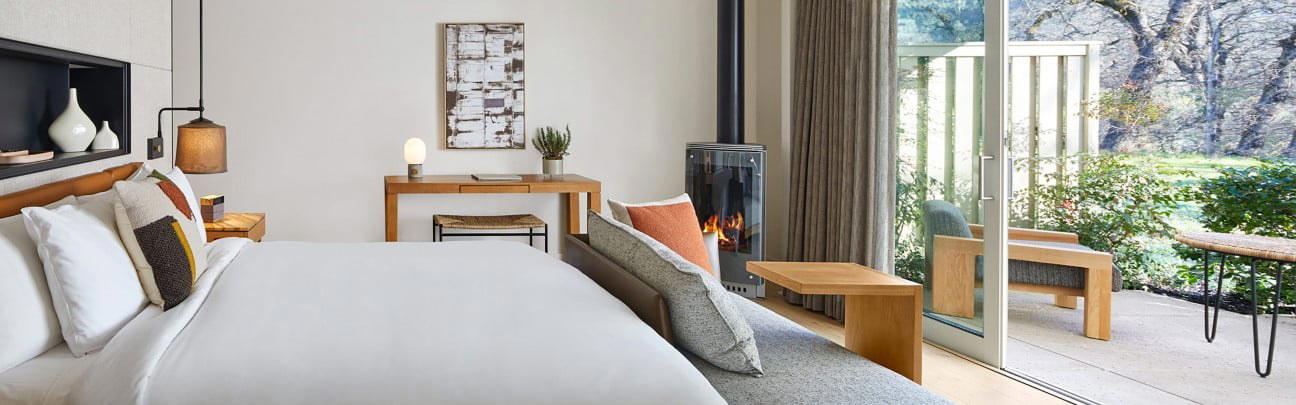
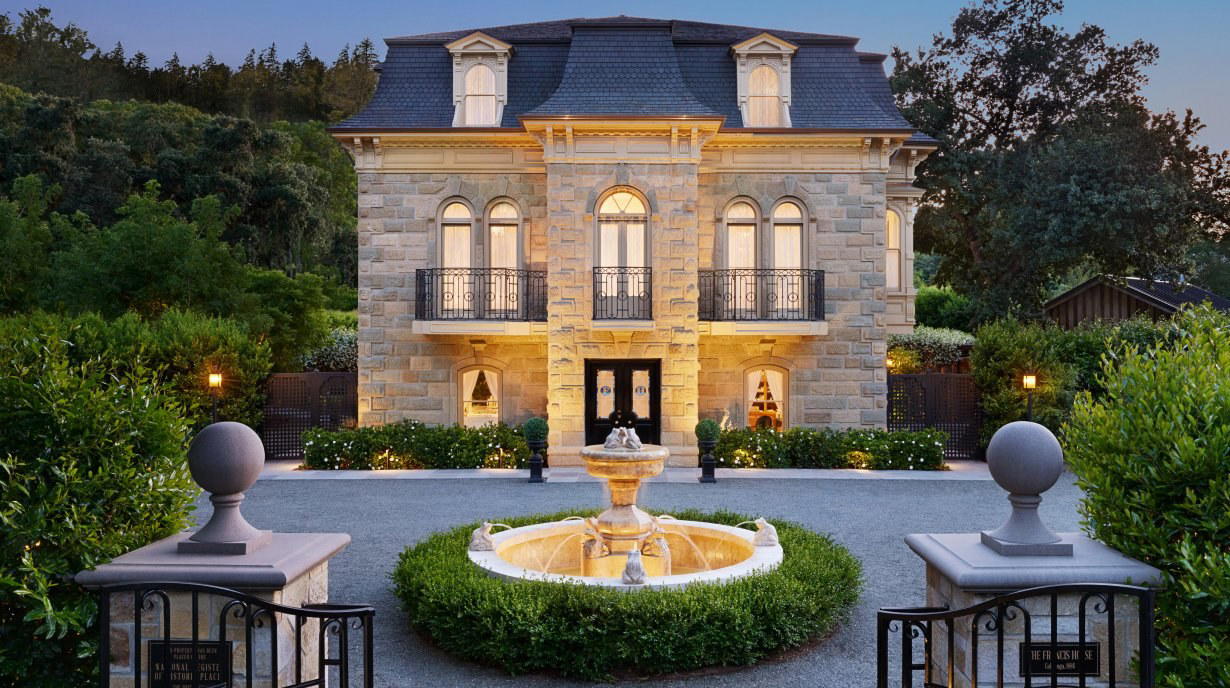
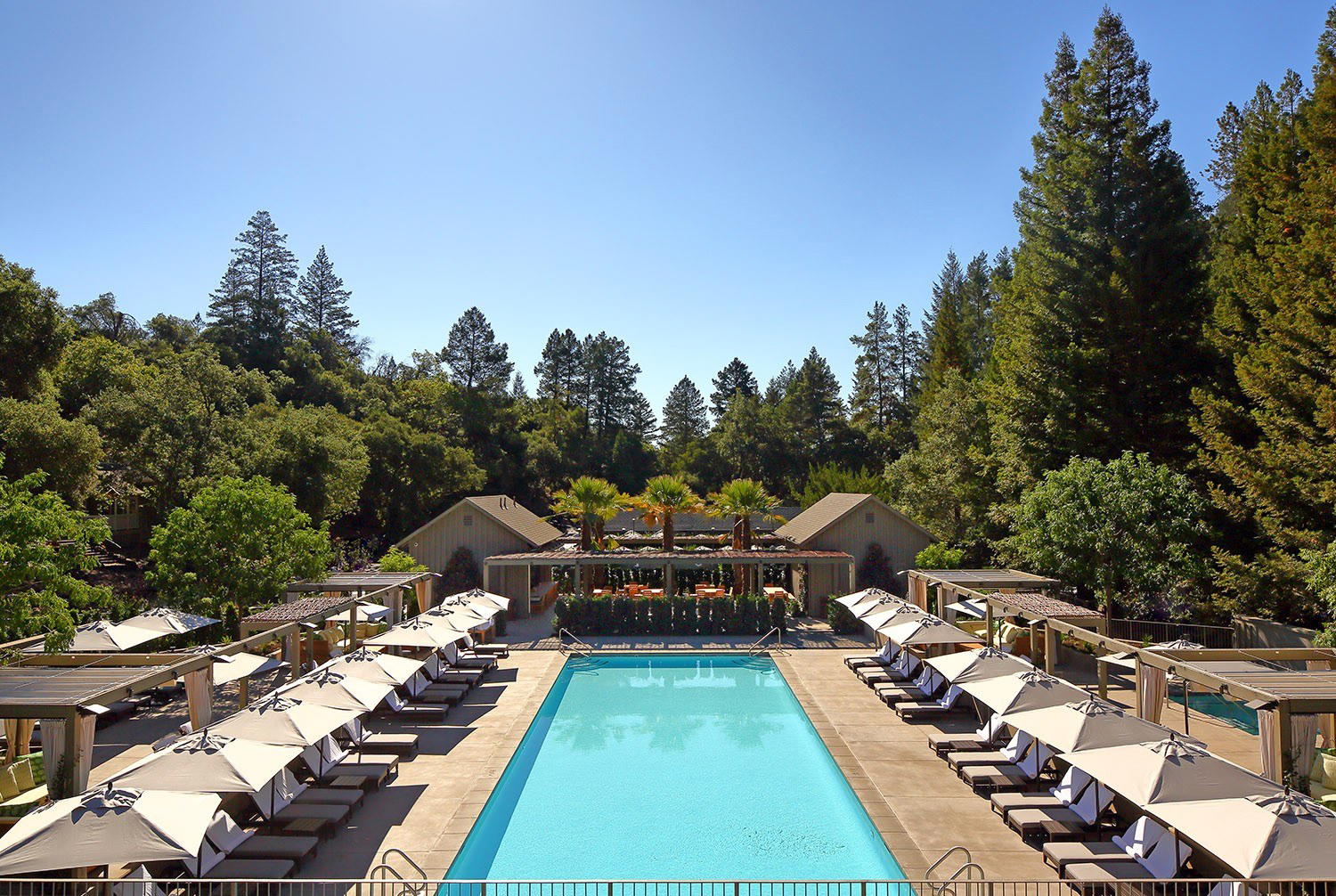
Intimate and romantic atmosphere with historic charm; cool cave temperatures create a distinctive sensory experience; elegant tasting rooms with professional, knowledgeable staff creating personalized experiences.