Long Island Spirits
For visitors making their way through Long Island's agricultural corridor, it offers a grounded alternative to the wine-trail circuit.
Terroir in a Glass: What Long Island's Land Actually Does
The concept of terroir is most comfortably at home in wine discourse, but it has migrated into serious spirits conversation with increasing frequency. The argument runs that grain grown in a specific soil type, harvested in a particular climate, and processed with local water carries traceable regional character through fermentation and distillation, character that survives, at least in part, even the transformative heat of a still. Whether you find that argument persuasive or overstated, it is the frame through which distilleries on the North Fork have positioned themselves relative to commodity spirits producers.
In that context, Long Island Spirits earns attention not simply as a local curiosity but as part of a wider pattern of East Coast craft distilling that has matured considerably since its early-2000s surge. The initial wave of American craft distilleries leaned heavily on the novelty of localism. The producers that survived that wave and built lasting reputations did so by tightening production discipline, sourcing raw materials with more rigor, and finding formats, gin, whiskey, vodka, where regional character could be stated with clarity rather than apology.
For the Accendo Cellars in St. Helena, Adelaida Vineyards in Paso Robles, and Alban Vineyards in Arroyo Grande all operate in climates where the challenge is managing concentration and heat; North Fork producers work in a margin climate where the challenge is coaxing ripeness. The resulting products tend to carry more tension and less opulence, a stylistic register that appeals to a specific kind of drinker.
That same tension-driven character appears across the East End's wine producers and, by extension, in the spirits category. Producers in Oregon's Willamette Valley face a comparable set of conditions, and the parallels are instructive: Adelsheim Vineyard in Newberg built its reputation on exactly that kind of cool-climate precision. The North Fork's craft distillers are working within an analogous logic, even if the category, spirits rather than wine, has a shorter critical vocabulary for describing it.
American craft distilling has developed a recognizable tier structure over the past decade. At the bottom, small producers lean on local identity without production depth. In the middle, mid-scale operations develop house styles and begin accumulating award recognition. At the leading, a smaller group of producers earns the kind of formal prestige ratings that create allocation demand and justify a destination visit on their own merits.
That places it in different company than a tasting-room novelty and in different company than an industrial spirits operation with a craft label. The more useful comparisons are with other regionally specific American producers who have built formal recognition around a defined house style and a clear relationship to their source material, producers like Andrew Murray Vineyards in Los Olivos or Artesa Vineyards and Winery in Napa, who operate at the intersection of regional identity and production seriousness.
For context on how other serious American producers across categories have staked regional identities, the range is broad: Au Bon Climat in Santa Barbara, Aubert Wines in Calistoga, Alexander Valley Vineyards in Geyserville, and Alpha Omega Winery in Rutherford all illustrate how American producers have built appellation-specific credibility over time. The craft spirits category is following a similar arc, and Long Island Spirits is among the New York producers contributing to that trajectory.
For those interested in how other parts of the world have built production identities around distinct terroir, Aberlour in Aberlour and Achaia Clauss in Patras offer useful reference points for how place-specific production traditions develop over generations, a longer timeline than American craft distilling has had, but a useful model for where the category could go. Similarly, Babcock Winery and Vineyards in Lompoc and B.R. Cohn Winery in Glen Ellen show how California producers have maintained regional specificity under commercial pressure, a challenge North Fork producers will increasingly face as the area's profile grows. The most practical approach from New York City is the Long Island Rail Road to Riverhead followed by a car or rideshare for the remaining distance, the North Fork is not walkable between stops, and a dedicated car makes it possible to combine visits to adjacent producers. Specific hours and booking details are best confirmed directly with the distillery before visiting, as North Fork producers in this category often adjust seasonal hours.
Frequently asked questions
How would you describe the overall feel of Long Island Spirits?
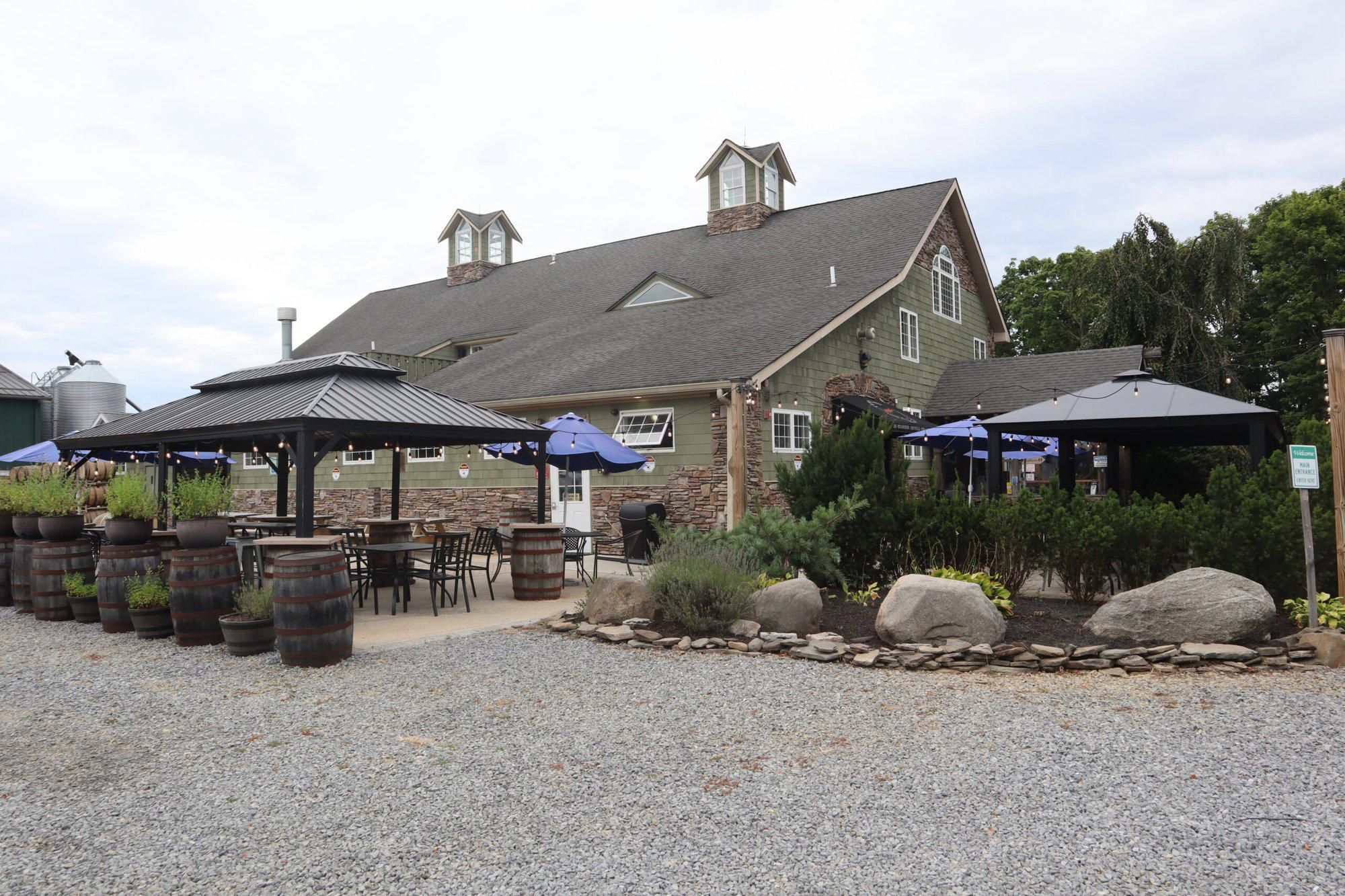
Long Island Spirits sits on Sound Avenue's agricultural corridor in Baiting Hollow, where the surroundings are defined by farm fields and vineyard rows rather than curated hospitality design.
What part of town is Long Island Spirits in?
Long Island Spirits is located at 2182 Sound Ave, Baiting Hollow, NY 11933, Baiting Hollow.
What's the standout thing about Long Island Spirits?
The combination of geographic specificity and formal award recognition is the clearest differentiator.
How far ahead should I plan for Long Island Spirits?
Visiting outside peak agricultural weekends reduces friction; confirming current tasting room hours directly with the venue before traveling is advisable.
Is Long Island Spirits part of the North Fork wine trail, and can visitors combine it with winery visits?
Baiting Hollow sits on Sound Avenue, the same corridor that connects several of the North Fork's established wine producers, making a combined itinerary logistically straightforward. Long Island Spirits operates within this agricultural zone as a distillery rather than a winery, offering a production category that differs from the appellation's dominant output.
Comparable Venues
Comparable venues nearby, for context on price, style, and recognition.
| Venue | Cuisine | Price | Notes |
|---|---|---|---|
| Long Island SpiritsThis venue (the venue you are viewing) | North Fork of Long Island | $1–10 | Not listed |
| Montauk Distilling Co. | Winery | Not listed | Montauk |
| Millbrook Vineyards & Winery | Chardonnay, Riesling | Not listed | Millbrook |
| Red Hook Barrel Yard | : New York State | Not listed | Red Hook |
| Van Brunt Stillhouse | wheat, rye | $10–20 | Red Hook |
| Breuckelen Distilling | Brooklyn | Not listed | Gowanus |
Request a visit to Long Island Spirits
Tell us when you would like to go and how many people, and we put the request to the estate and reply to you by email.
Continue exploring
More in Baiting Hollow
Wineries in Baiting Hollow
All wineries in Baiting Hollow →
Bars in Baiting Hollow
Browse all →
Restaurants in Baiting Hollow
Browse all →

Details
- Rustic
- Scenic
- Lively
- Group Outing
- Celebration
- Corporate Event
- Estate Grounds
- Terrace
- Panoramic View
- Sustainable
- Vineyard
- Tasting Flight
- Cocktail Tasting
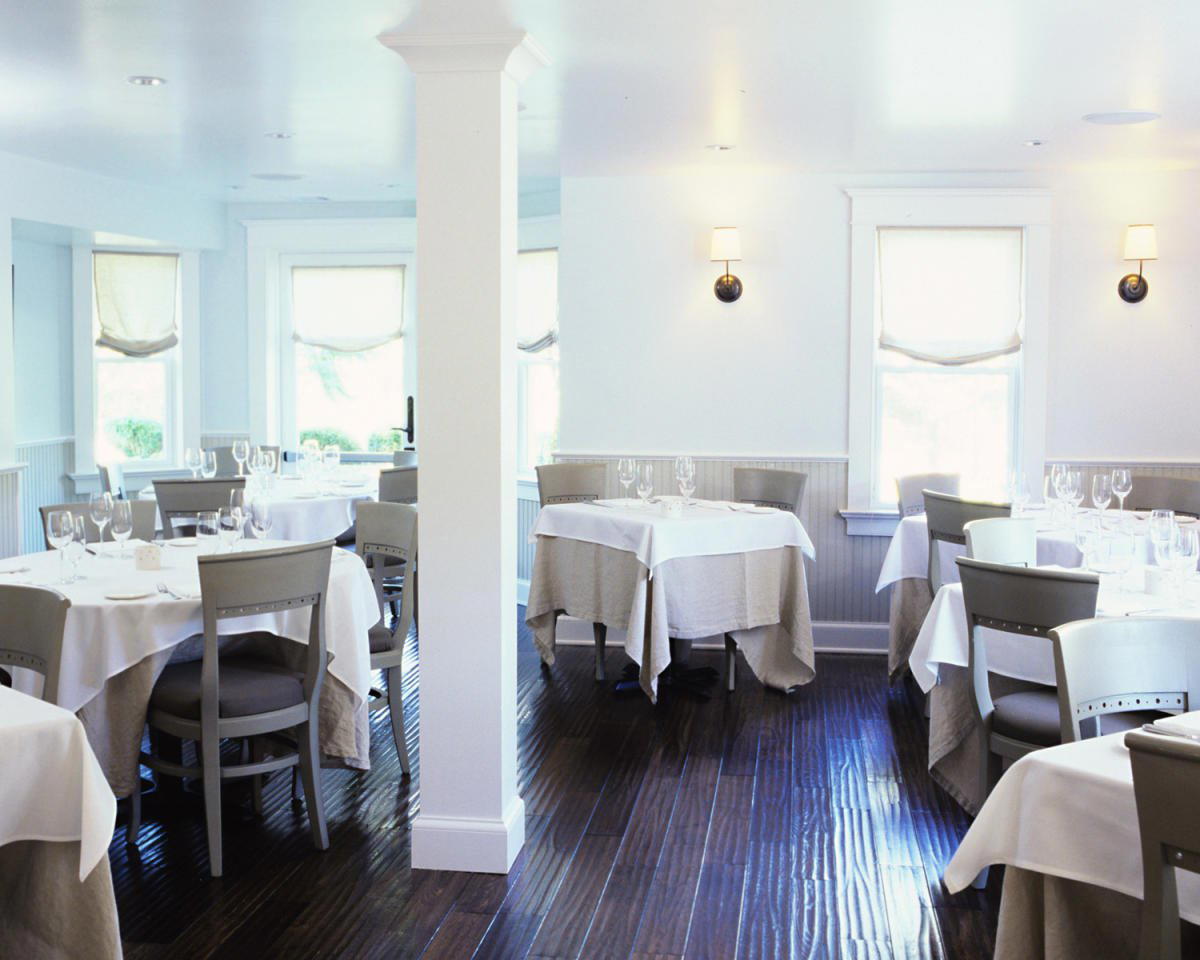
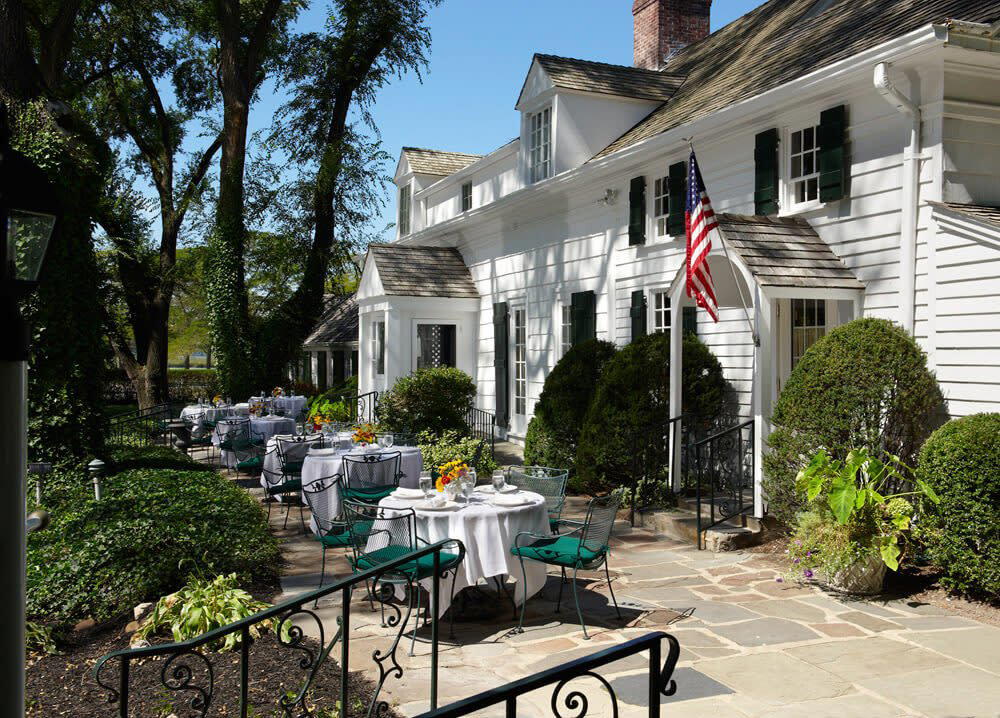
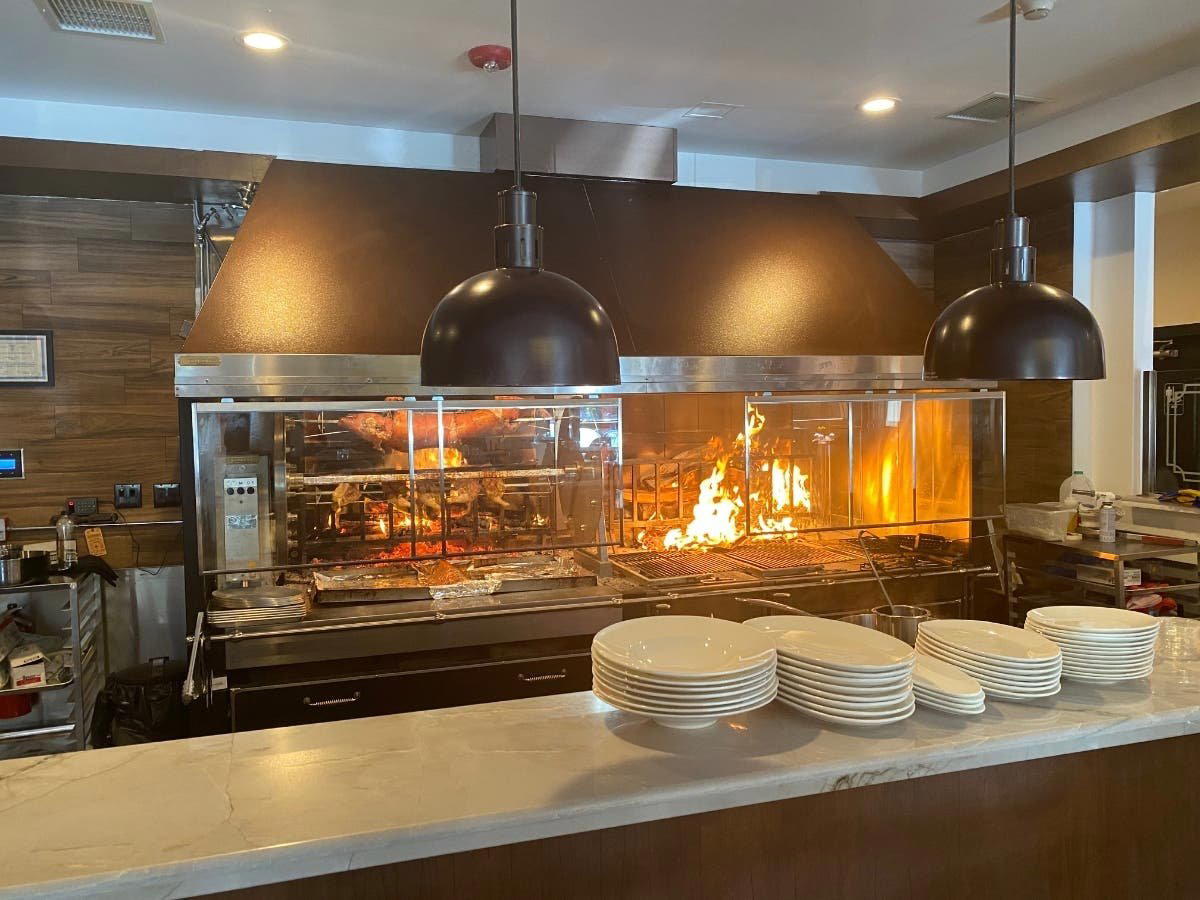
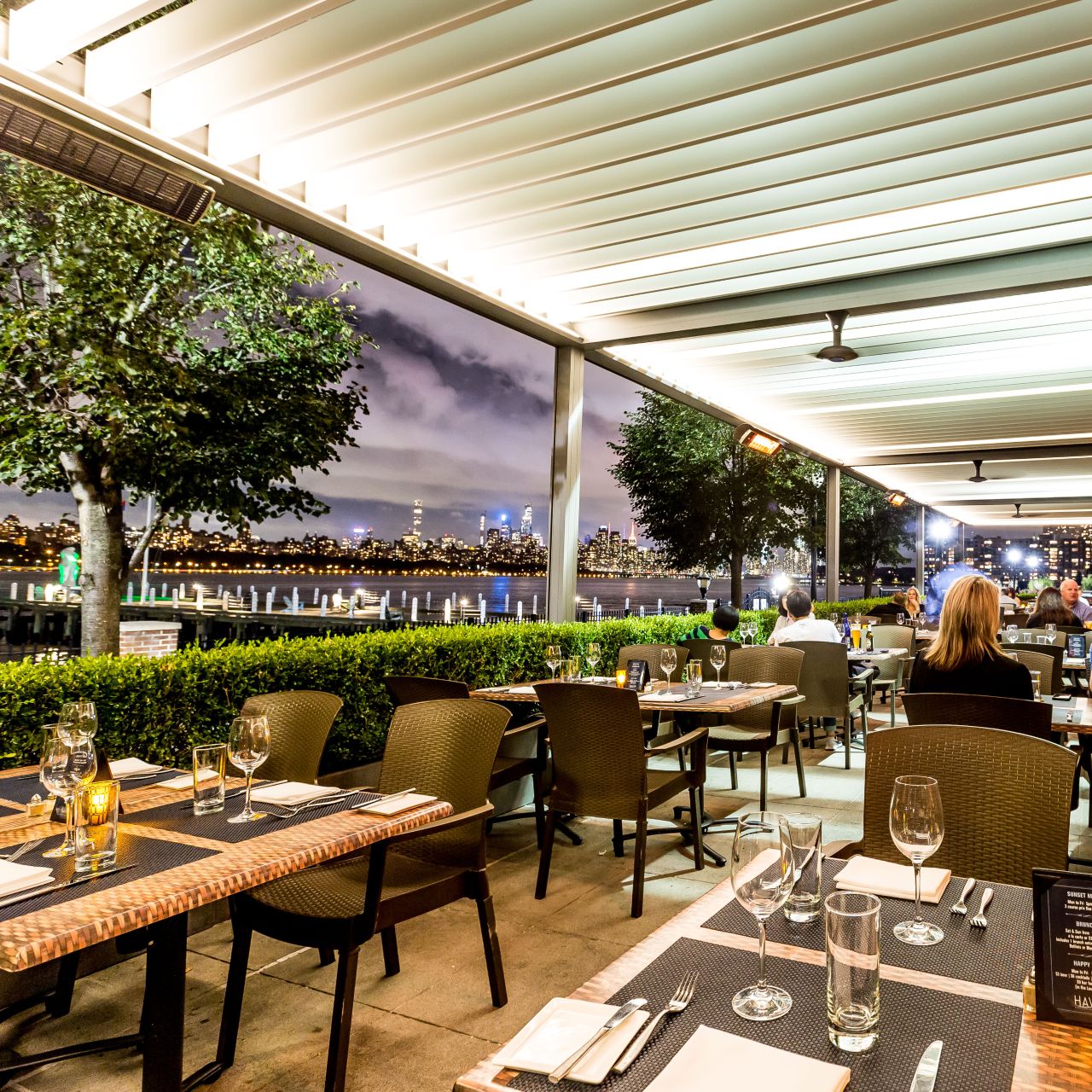
Beautiful barn tasting room with panoramic farm and vineyard views, lively atmosphere enhanced by live music, cocktails, and a welcoming speakeasy-style private lounge.