Pappy Van Winkle
The name is synonymous with the upper tier of American bourbon production, where allocation scarcity and multi-decade aging programs define the competitive set. For serious collectors and bourbon enthusiasts visiting Kentucky's capital, this address carries weight that few domestic spirits destinations can match.

Pearl is the En Primeur Club membership app — saves, bookings, and concierge access live there. Same editors, same standards.
- Address
- 113 Great Buffalo Trce, Frankfort, KY 40601
- Phone
- (502) 897-9113
- Website
- oldripvanwinkle.com
- Directions
- Get directions
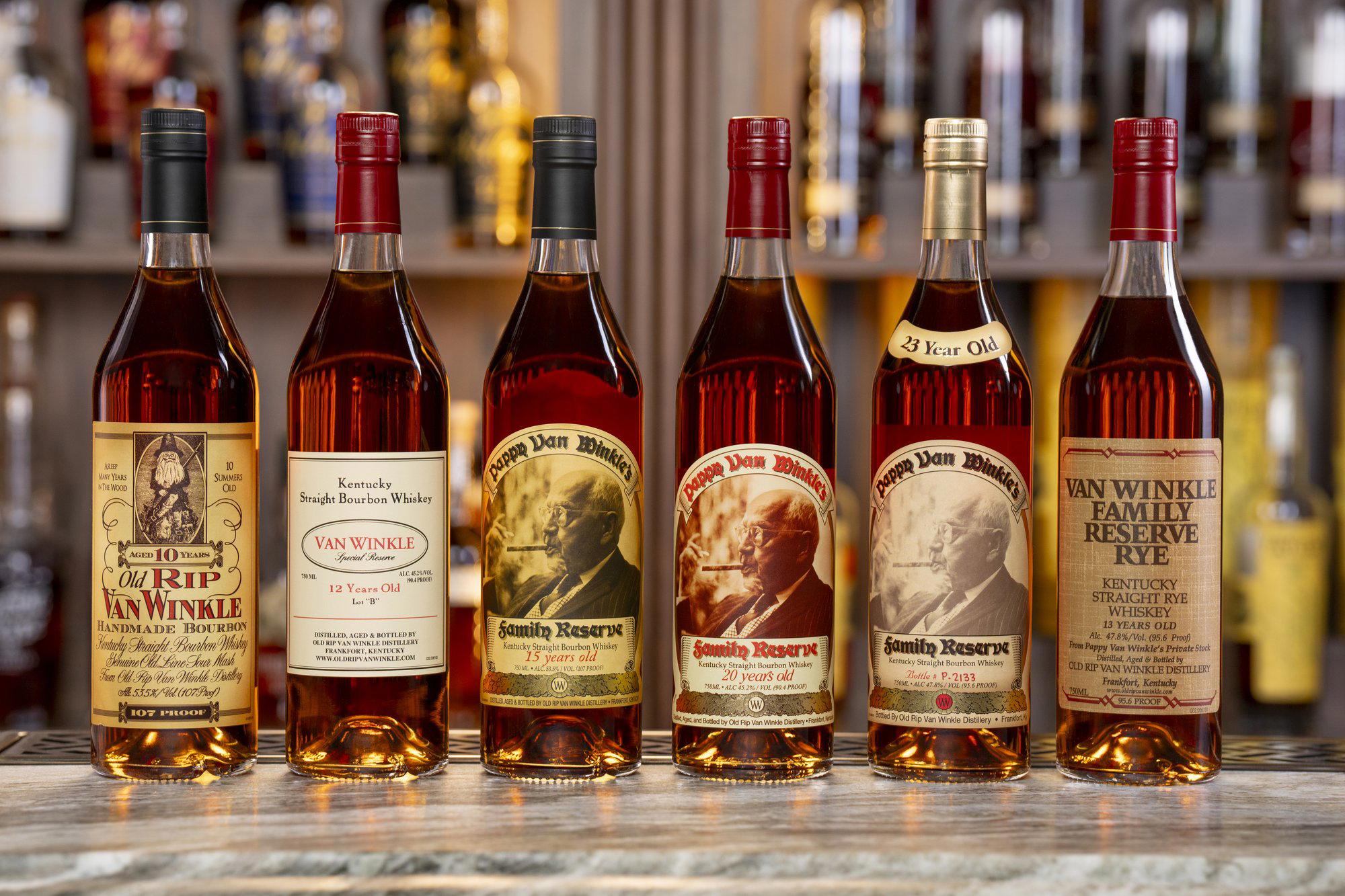
Frankfort's Bourbon Hierarchy and Where Pappy Van Winkle Sits
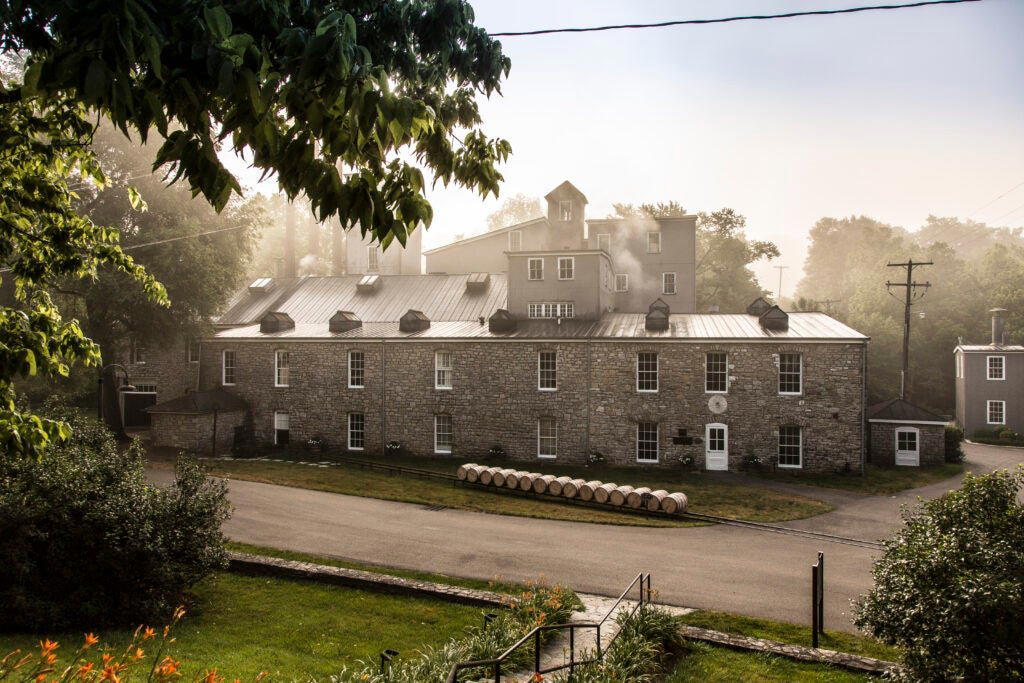
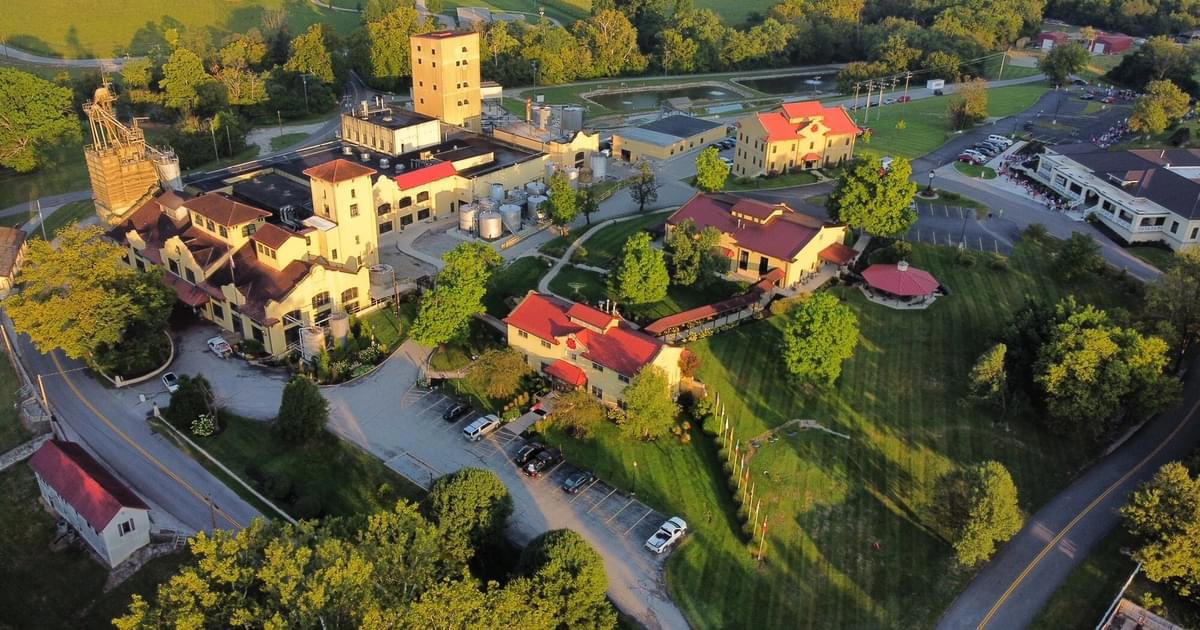
Kentucky's capital is not the most visited stop on the bourbon trail, but it is among the most consequential. Frankfort sits between Lexington and Louisville on the Kentucky River, and its distilling identity runs deeper than tourism infrastructure might suggest. The city's bourbon producers include names that anchor serious collector conversations nationally, and the address at 113 Great Buffalo Trace places Pappy Van Winkle inside that concentrated corridor of American whiskey history. For context on the broader Frankfort drinks scene, see our full Frankfort restaurants guide.
Within the American spirits world, Pappy Van Winkle occupies a specific and well-documented position: the leading allocation tier, where demand consistently and substantially outpaces supply, and where secondary market prices bear little relationship to the distillery's own release prices. That dynamic is not accidental.
The comparison that serious bourbon drinkers reach for is instructive. Where producers like George T. Stagg pursue high-proof, intensely extracted expressions, the Van Winkle program has historically been associated with wheated mash bills and longer maturation cycles that produce a different flavor register: softer, more integrated, with the barrel influence present but not aggressive. These are not competing philosophies so much as different arguments about what aged American whiskey can be, and the fact that both producers sit within a short distance of each other in Frankfort gives the city a credibility that few American spirits destinations can claim.
The Van Winkle Lineage and the Logic of Prestige Allocation
Understanding Pappy Van Winkle requires understanding how the American bourbon revival mapped onto family legacy. The Van Winkle name traces back to Julian P. Van Winkle Sr. who built his reputation at the Stitzel-Weller distillery in Louisville across much of the twentieth century. The current expressions associated with the Pappy Van Winkle brand continue that family line through the Buffalo Trace Distillery in Frankfort, a production relationship that has defined the modern era of Van Winkle releases.
That lineage functions in the bourbon world similarly to how old-vine provenance or domaine history functions in fine wine. It is not simply marketing. The mash bill decisions, the warehouse selection protocols, and the aging benchmarks that define a 15, 20, or 23-year Van Winkle release are all downstream of production philosophies established and refined across generations. In a category where many prestige releases are recent constructions, that depth of institutional knowledge carries real weight. It is the reason Pappy Van Winkle belongs in a conversation with producers from very different categories: the allocation-driven fine wine producers of Accendo Cellars in St. Helena or Aubert Wines in Calistoga share the same structural dynamic, where institutional credibility and supply constraint jointly determine market position.
What the Aging Program Means in Practice
American bourbon law requires a minimum of two years in new charred oak for straight bourbon designation, but the Van Winkle releases operate on a different timeline entirely. The Family Reserve Rye and the core Van Winkle lineup extend from ten years to the 23-year Pappy Van Winkle's Family Reserve, a range that is almost without precedent in commercially distributed American whiskey. At those maturation lengths, Kentucky's climate does much of the work: the dramatic seasonal temperature swings drive repeated barrel expansion and contraction, accelerating extraction and integration in ways that moderate European wine climates cannot replicate.
This is a meaningful point for visitors approaching the Frankfort address from a fine wine background. The aging logic is not simply analogous to wine; it is in some respects more extreme. Evaporation loss (the so-called angel's share) in Kentucky warehouses runs at two to three percent per year, which means a 23-year barrel may retain less than half its original fill. That concentration effect, combined with the wheated mash bill's inherent softness, produces the textural density that distinguishes the longer Van Winkle expressions from younger releases in the same lineup. Producers working at this maturation level, whether in Kentucky bourbon or in aged spirits traditions elsewhere, are making a long-term commitment that cannot be replicated at scale.
The same logic of committed, low-intervention production applies across the premium tier of American craft production. Winery parallels worth drawing: Adelaida Vineyards in Paso Robles, Adelsheim Vineyard in Newberg, and Alban Vineyards in Arroyo Grande each represent a producer philosophy built around patient, site-specific production rather than volume growth, and each faces its own version of the allocation conversation that Van Winkle navigates annually. The parallel holds: prestige in fine beverages is increasingly inseparable from the willingness to accept constrained output.
The Allocation System and the Visitor Experience
Visiting the Frankfort address is not direct in the way that visiting a winery tasting room is direct. The Van Winkle expressions are distributed through a lottery and state-controlled allocation system across most American markets, which means the question of access is answered differently at the distillery level than it would be at, say, Alexander Valley Vineyards in Geyserville or Alpha Omega Winery in Rutherford, where walk-in tasting is the standard model.
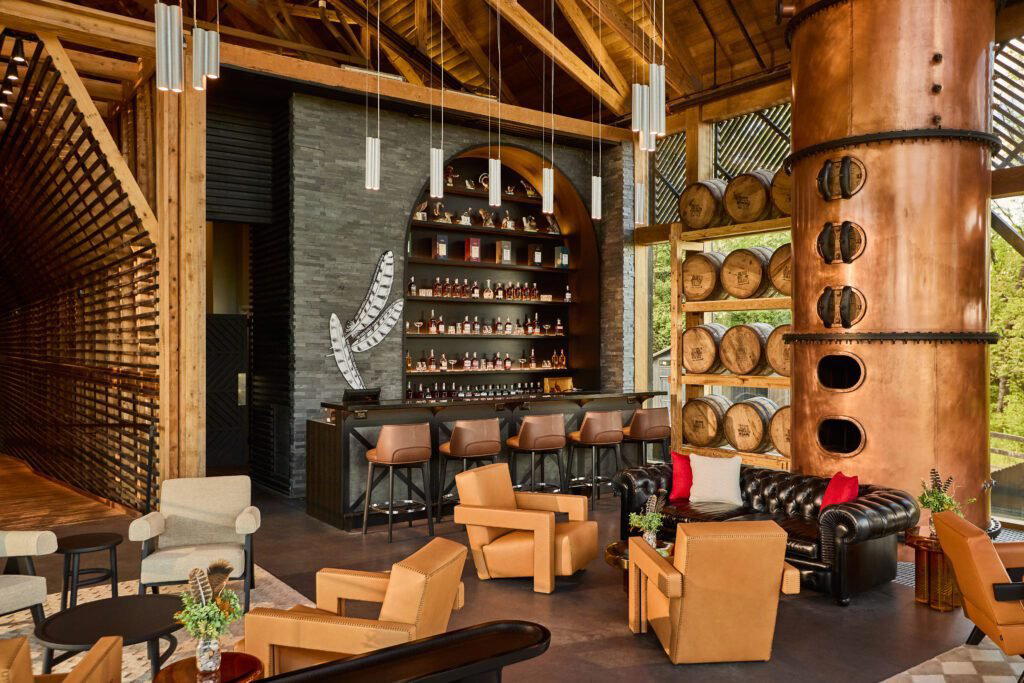
Visitors to Frankfort seeking Van Winkle expressions should arrive with realistic expectations about purchase availability and should coordinate with Buffalo Trace Distillery regarding current tour and tasting options. The distillery's broader portfolio and campus infrastructure provide substantial access to Kentucky bourbon production even when specific Van Winkle releases are not available for direct purchase. This is not a diminished experience: the production scale at Buffalo Trace and the historical depth of the site make it one of the more substantive distillery visits available anywhere in the country. Comparable properties in other premium beverage categories, such as Artesa Vineyards and Winery in Napa, offer visitor infrastructure that compensates for the reality that the most sought-after bottles are rarely available at the cellar door.
International visitors drawing comparisons to Scotch whisky traditions will find the structural differences clarifying. Producers like Aberlour in Aberlour operate within a different maturation and distribution framework, and the single-malt category has its own prestige allocation dynamics. The Van Winkle program sits within the American tradition, but the collector-market behavior it generates is closer to the top end of Scotch age statements than to typical bourbon releases.
Planning a Visit to Frankfort's Bourbon Country
Frankfort is approximately 25 miles east of Louisville and 27 miles west of Lexington, accessible by car from either city in under 40 minutes. The Buffalo Trace campus at Great Buffalo Trace runs tours throughout the week, with the distillery's own booking systems governing capacity. Visitors planning around Van Winkle specifically should confirm current programming directly with Buffalo Trace, as tour formats and retail availability change seasonally. The broader Frankfort itinerary pairs well with other Kentucky bourbon corridor visits: the concentration of producers in this corridor, from the Frankfort addresses through the Bardstown region, makes multi-day routing direct for serious spirits travelers. Other premium producers at the international level, including Andrew Murray Vineyards in Los Olivos, Au Bon Climat in Santa Barbara, and B.R. Cohn Winery in Glen Ellen, demonstrate that prestige production is not geographically restricted, but in the American whiskey context, the Frankfort corridor remains the reference point against which all others are measured. For a broader perspective on producers working at the prestige allocation tier across other categories and regions, Achaia Clauss in Patras offers an instructive European parallel in terms of institutional depth and long production heritage.
Budget and Context
| Venue | Price | Awards |
|---|---|---|
| Pappy Van WinkleThis venue — the venue you are viewing | Not listed | Not listed |
| Adelaida Vineyards | $20–30 | Not listed |
| Alban Vineyards | Not listed | Falstaff Winery - Listed |
| Artesa Vineyards and Winery | $30–50 | Not listed |
Continue exploring
More in Frankfort
Wineries in Frankfort
Browse all →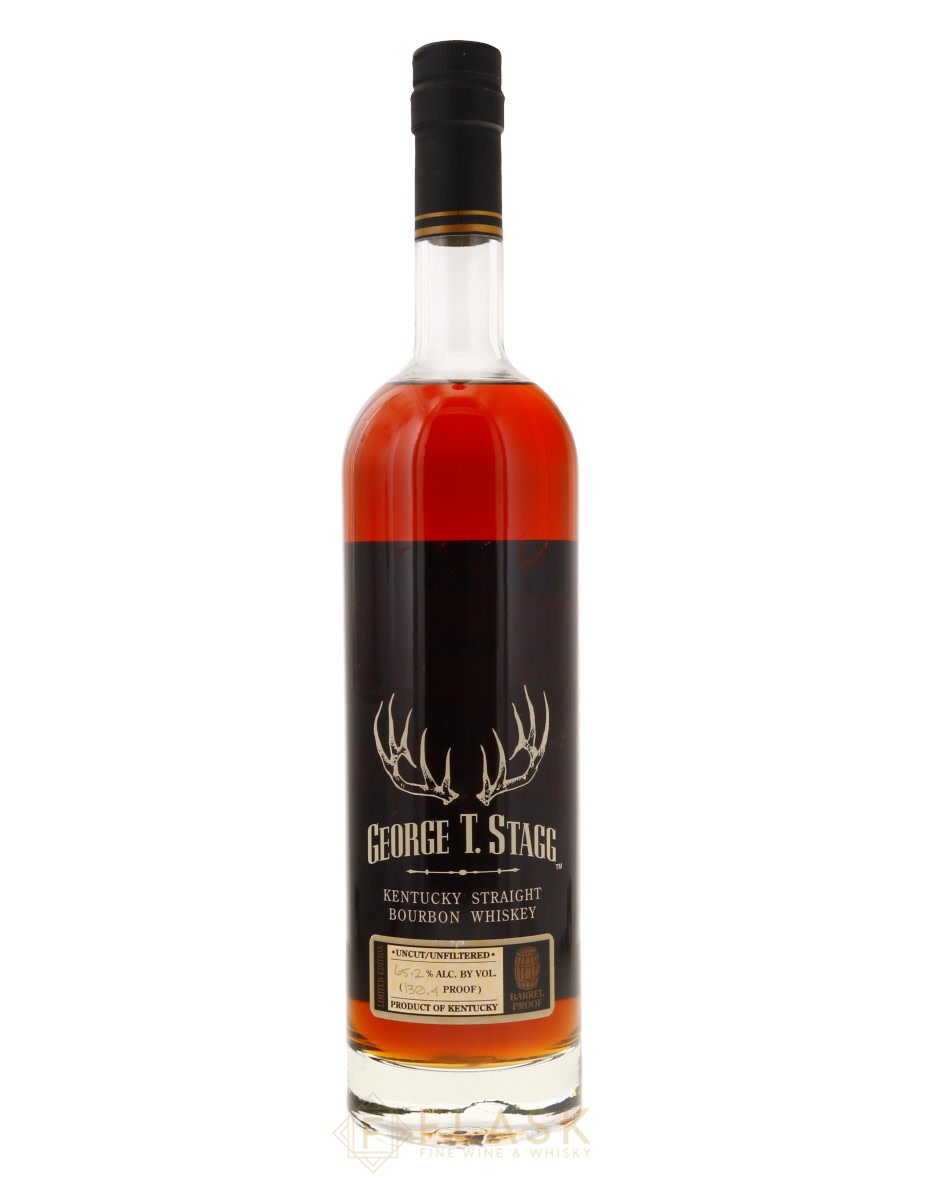
Bars in Frankfort
Browse all →
Restaurants in Frankfort
Browse all →
Details
- Classic
- Well Known
- Sophisticated
- Special Occasion
- Group Outing
- Solo Exploration
- Historic Building
- Private Tasting
- Private Tasting
- English
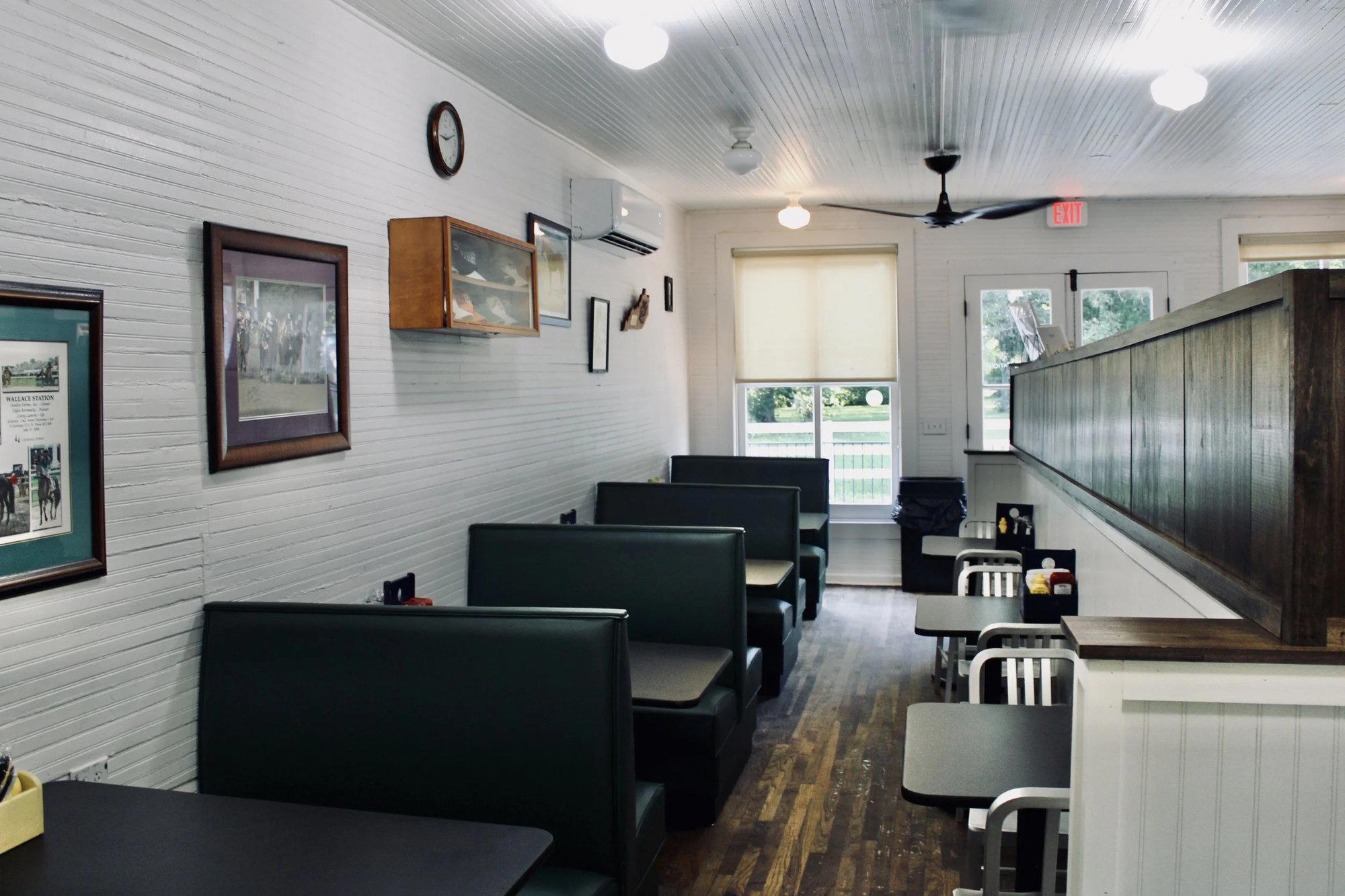
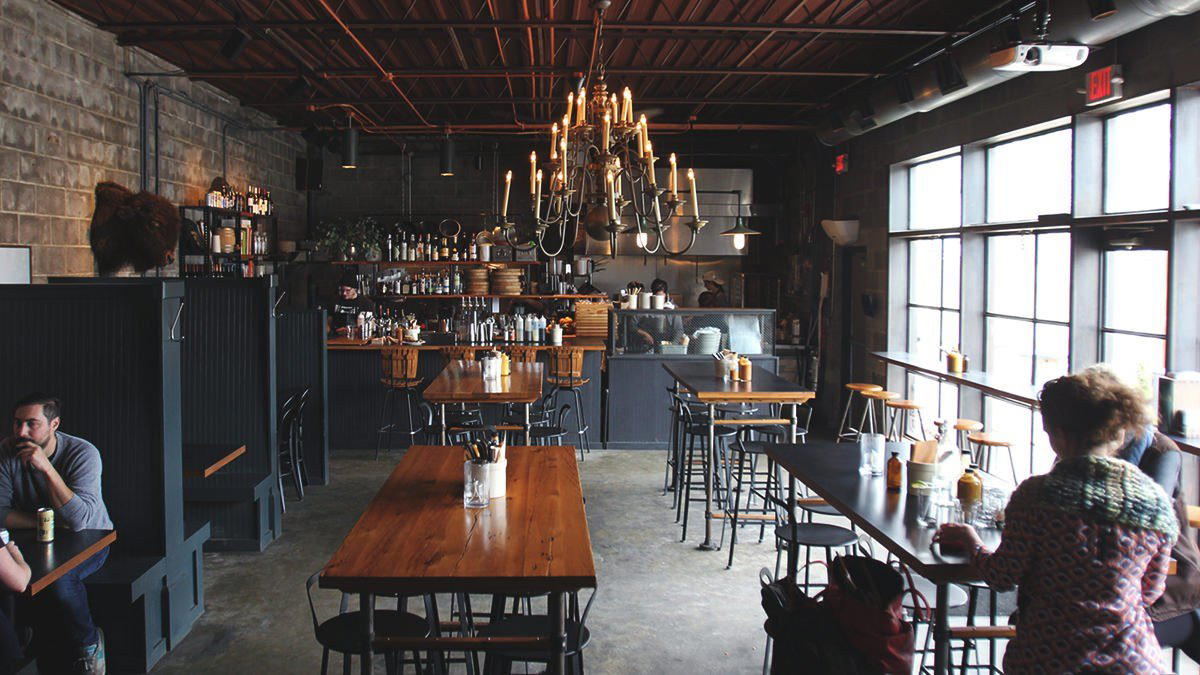
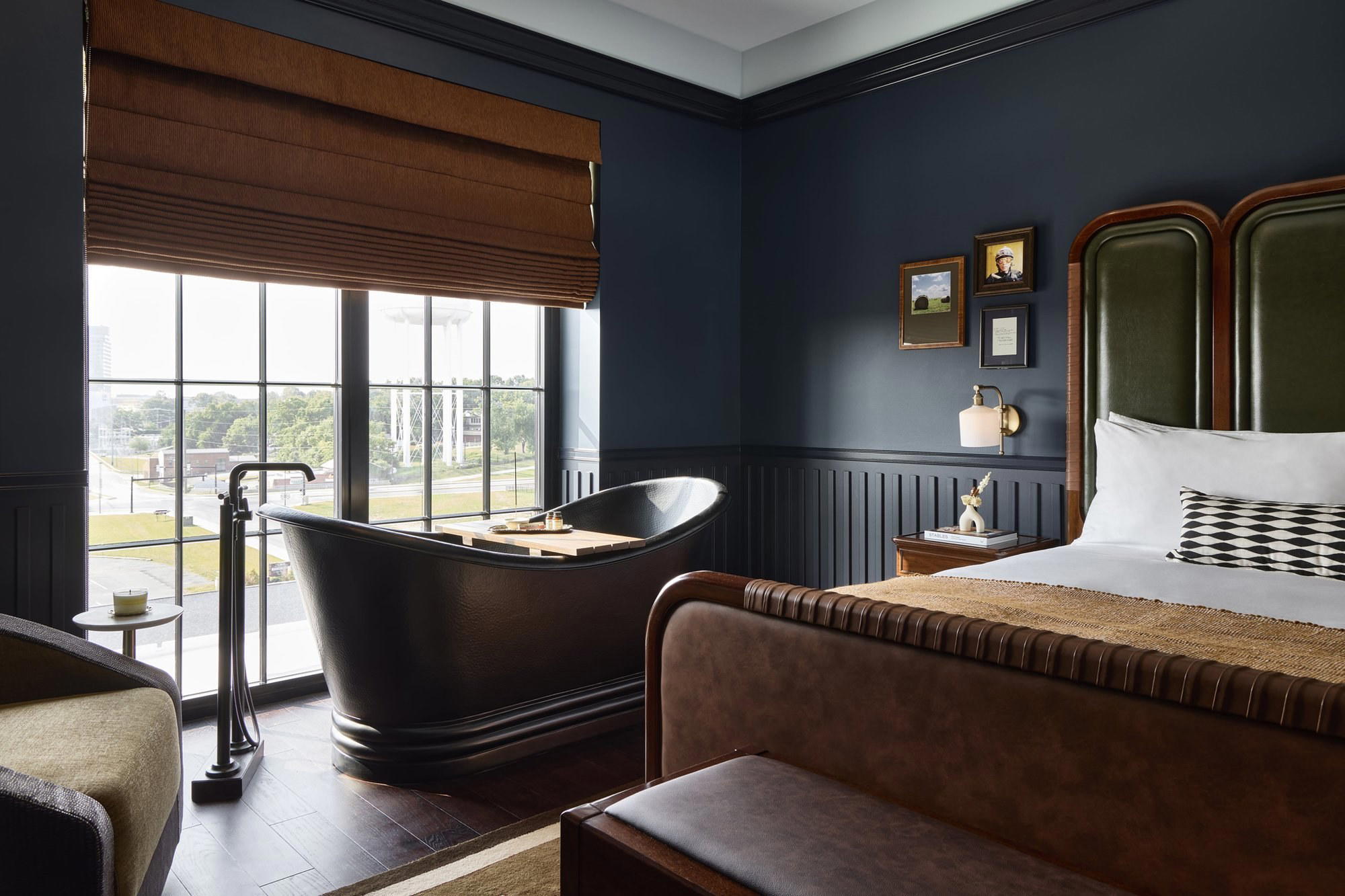
Heritage-focused and premium, with a strong emphasis on craftsmanship, aging, and family legacy rather than a public-facing tasting-room atmosphere.