The tasting room format moves through single malt, small batch, and experimental cask releases in a setting that grounds Irish whiskey's urban revival in its original geography. It is one of the more considered whiskey experiences in the city.

Pearl is the En Primeur Club membership app — saves, bookings, and concierge access live there. Same editors, same standards.
- Address
- 13-17 Newmarket, The Liberties, Dublin 8, D08 KD91
- Phone
- +353 1 531 0888
- Website
- teelingdistillery.com
- Directions
- Get directions
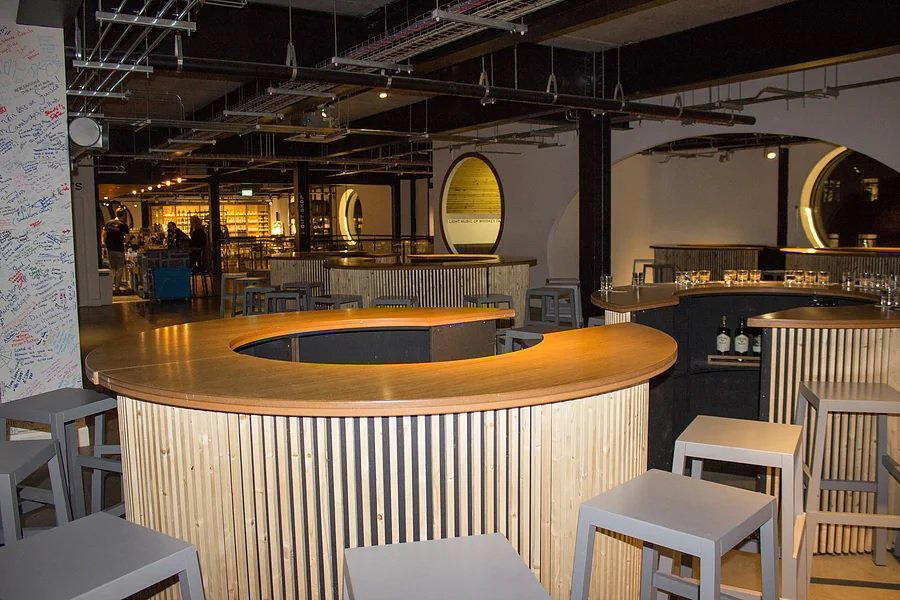
The Liberties and What Brought Distilling Back
The Liberties, the dense, low-rise neighbourhood southwest of Dublin's city centre, spent the better part of the twentieth century as a reminder of what Irish whiskey had lost. Distilleries that once made this district the production engine of the entire British Isles closed one after another between the 1920s and 1970s, leaving behind large silent buildings and the faint institutional memory of a trade that had essentially relocated itself to Scotland. When Teeling opened at 13-17 Newmarket in 2015, it became the first new whiskey distillery to operate within Dublin city limits in over 125 years. That fact matters more than the distillery's own age: it marks the moment the Irish urban revival moved from ambition to operation, in the neighbourhood where the tradition was born.
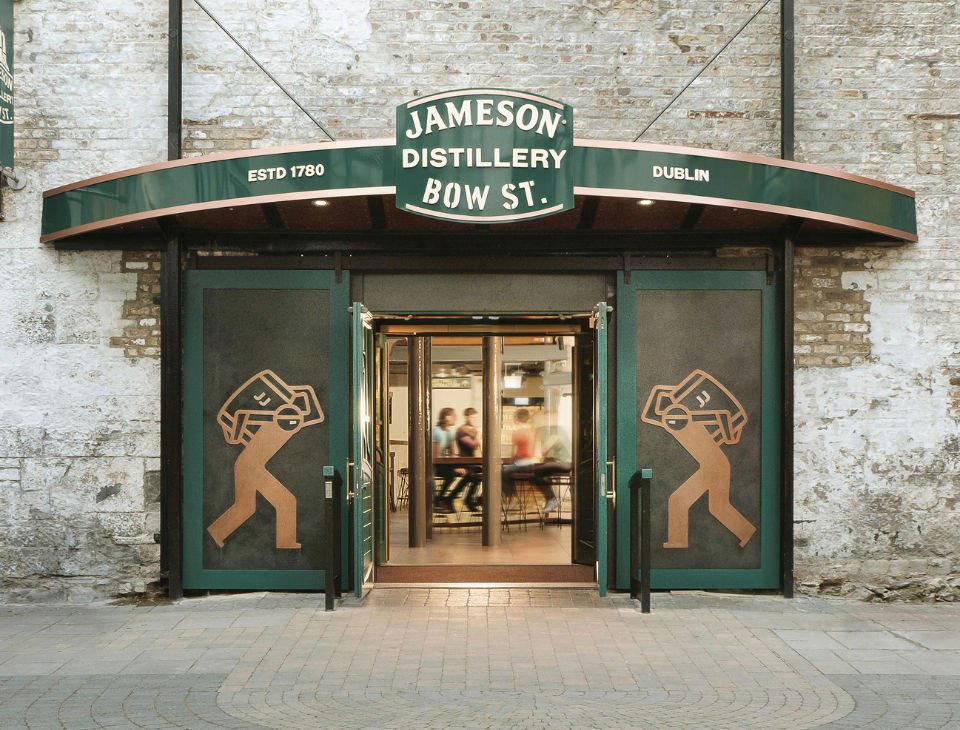
The address itself carries weight. Newmarket is a short walk from where several of the city's historic distilleries once operated, and the building sits in a pocket of the Liberties that has absorbed a mix of creative businesses and food venues without losing its working-district character. Arriving here feels different from the more polished visitor experiences at Jameson (Bow St.) or Roe & Co nearby, both of which are housed in large converted industrial buildings with considerable production heritage. Teeling is smaller in scale and more forward-looking in its programme, which sets its tasting experience on a different register.
How the Tasting Room Works
Irish whiskey distillery visits have settled into two broad formats across the country. The first is the heritage tour, which uses the history of a site to frame a relatively brief tasting at the end. The second is a more focused tasting-led format, where the whiskeys themselves are the primary text and the distillery context serves as backdrop. Teeling operates firmly in the second category. The tasting room is set within the working distillery, meaning visitors move through or past actual production before sitting down to the spirits, which grounds the sensory experience in something functional rather than theatrical.
The whiskey programme at Teeling draws from several stylistic threads: small batch blends, single grain releases, single malts aged in a range of cask types, and a series of limited releases that have attracted attention from collectors and competition judges. Irish whiskey's traditional triple distillation method produces a lighter, smoother spirit than the Scotch double-distillation norm, and Teeling's releases generally sit within that tradition while pushing at the edges through unconventional cask finishing. Wine casks, rum barrels, and other secondary maturation vessels have appeared across different expressions, which gives a Teeling tasting a range of aromatic registers that single-focus distilleries rarely match in one sitting.
The format rewards visitors who arrive with at least a working knowledge of spirits, but it is structured accessibly enough that it does not presuppose expertise. Staff guide the tasting without narrating it to the point of fatigue, which is a more difficult balance to achieve than it sounds.
Teeling in the Wider Irish Whiskey Context
Understanding what a Teeling visit delivers requires placing it against the broader geography of Irish whiskey tourism, which has expanded considerably in the past decade. Beyond Dublin, distilleries like Dingle Distillery in Dingle, Waterford Distillery in Waterford, and The Shed Distillery in Drumshanbo each bring a distinct regional or philosophical angle to the whiskey conversation. Waterford, in particular, has built its entire identity around single-farm-origin barley and terroir traceability, which places it in near-direct conversation with Burgundy's vineyard classification logic. Powerscourt Distillery in Enniskerry and Slane Irish Whiskey in Slane operate from estate settings with landscape as a significant component of the visitor offer.
Teeling's competitive advantage is not landscape or heritage architecture. It is operational authenticity within a city centre setting, combined with a whiskey portfolio that spans multiple styles. For visitors who want to understand the current shape of Irish whiskey without leaving Dublin, it is the most concentrated single-stop argument available. Kilbeggan Distillery in Kilbeggan, with the oldest licensed distillery site in Ireland, and Tullamore D.E.W. in Tullamore offer the heritage angle more explicitly, while Powers John's Lane (Midleton) in Midleton sits within a mega-distillery complex that produces several of Ireland's most-recognised blended expressions. None of those are Dublin visits. Teeling is.
At the three-star prestige level, the expectation is that the visit delivers something beyond a branded orientation session: the whiskeys need to be worth discussing on their own terms, and the format needs to give visitors enough time and framing to actually form a view. Teeling meets that bar. The spirits programme has sufficient range to generate genuine comparison between expressions, and the tasting room format does not rush that process.
For context on what prestige-tier distillery visits look like outside Ireland, Aberlour in Aberlour in Speyside represents how Scottish distilleries have built tasting room experiences around deep single malt portfolios with strong collector followings. Teeling occupies a comparable position in the Irish market: a distillery with a recognisable competition record and a range of expressions that goes beyond entry-level, housed in a format that treats the tasting as the main event rather than the souvenir-shop precursor.
Planning a Visit
Teeling sits at 13-17 Newmarket in Dublin 8, within walking distance of the city centre and easily reached by bus from the Liffey corridor. The Liberties is a neighbourhood worth time before or after a distillery visit: the area around Thomas Street and Francis Street has a mix of antique dealers, street food, and established pubs that reflects the district's layered character. Booking in advance is advisable, particularly for weekend visits and guided tasting sessions, as session capacity is limited by the tasting room format rather than raw venue size. For a broader picture of where Teeling fits within Dublin's food and drink scene, the EP Club full Dublin guide maps the city's key venues across categories and neighbourhoods.
Category Peers
Comparable venues nearby, for context on price, style, and recognition.
| Venue | Cuisine | Price | Notes |
|---|---|---|---|
| TeelingThis venue — the venue you are viewing | Dublin | $20–30 | Not listed |
| Jameson (Bow St.) | Winery | $50–100 | North City Centre |
| Roe & Co | Winery | $50–100 | Liberties |
| Tullamore D.E.W. | County Offaly | $20–30 | Tullamore |
| Kilbeggan Distillery | County Westmeath | Not listed | Kilbeggan |
| Waterford Distillery | Irina barley, heritage barley | Not listed | Waterford |
Continue exploring
More in Dublin
Wineries in Dublin
Browse all →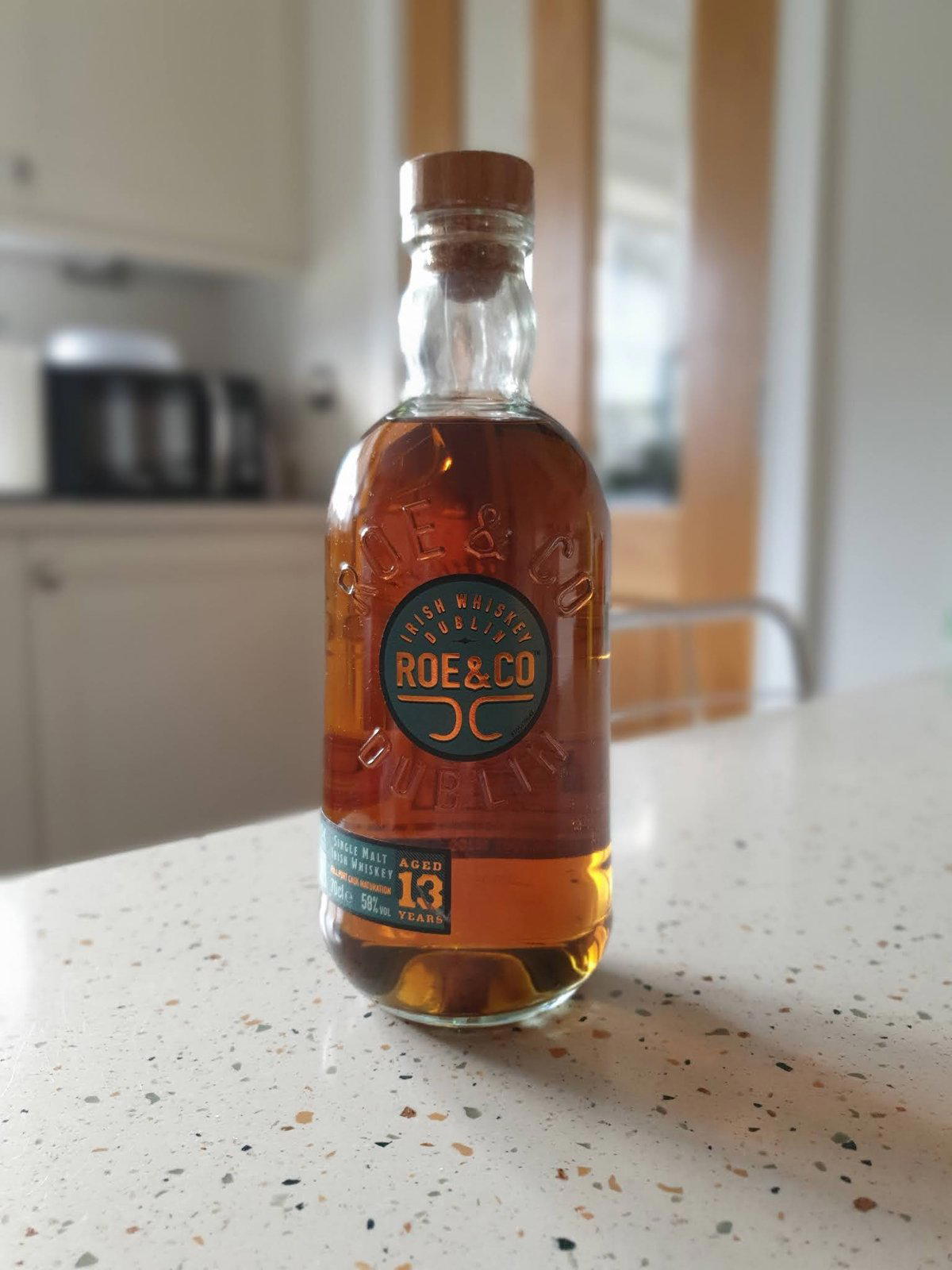
Bars in Dublin
Browse all →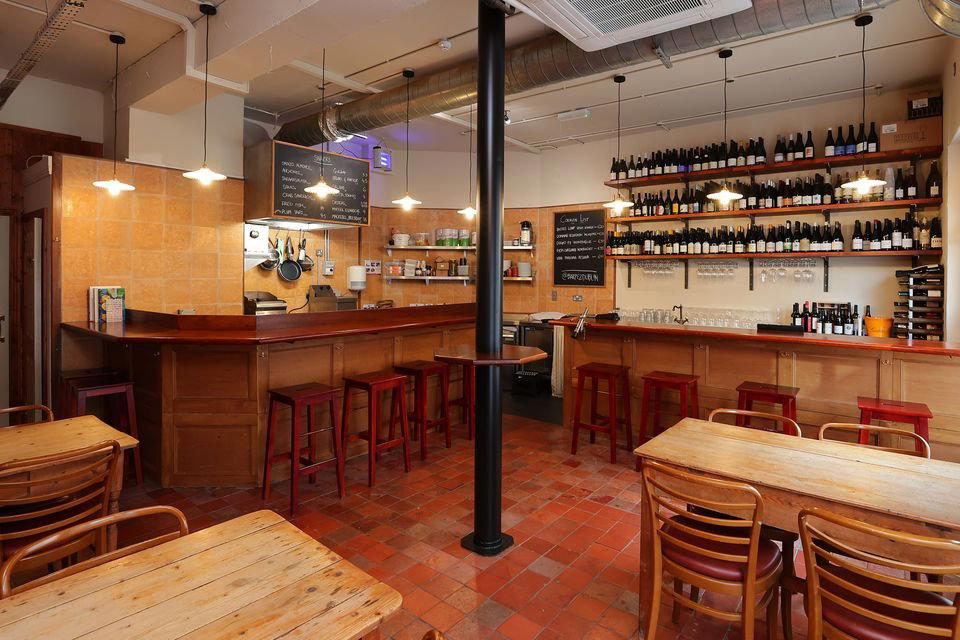
Restaurants in Dublin
Browse all →
Details
- Modern
- Historic
- Cozy
- Group Outing
- Wine Education
- Historic Building
- Sustainable
- Guided Tasting
Cozy and authentic atmosphere blending modern artistic design with traditional whiskey heritage, as noted in guest reviews.