Nelson's Green Brier
Nelson's Green Brier is a Nashville distillery.

Pearl is the En Primeur Club membership app — saves, bookings, and concierge access live there. Same editors, same standards.
- Address
- 1414 Clinton St, Nashville, TN 37203
- Phone
- (615) 913-8800
- Website
- greenbrierdistillery.com
- Directions
- Get directions
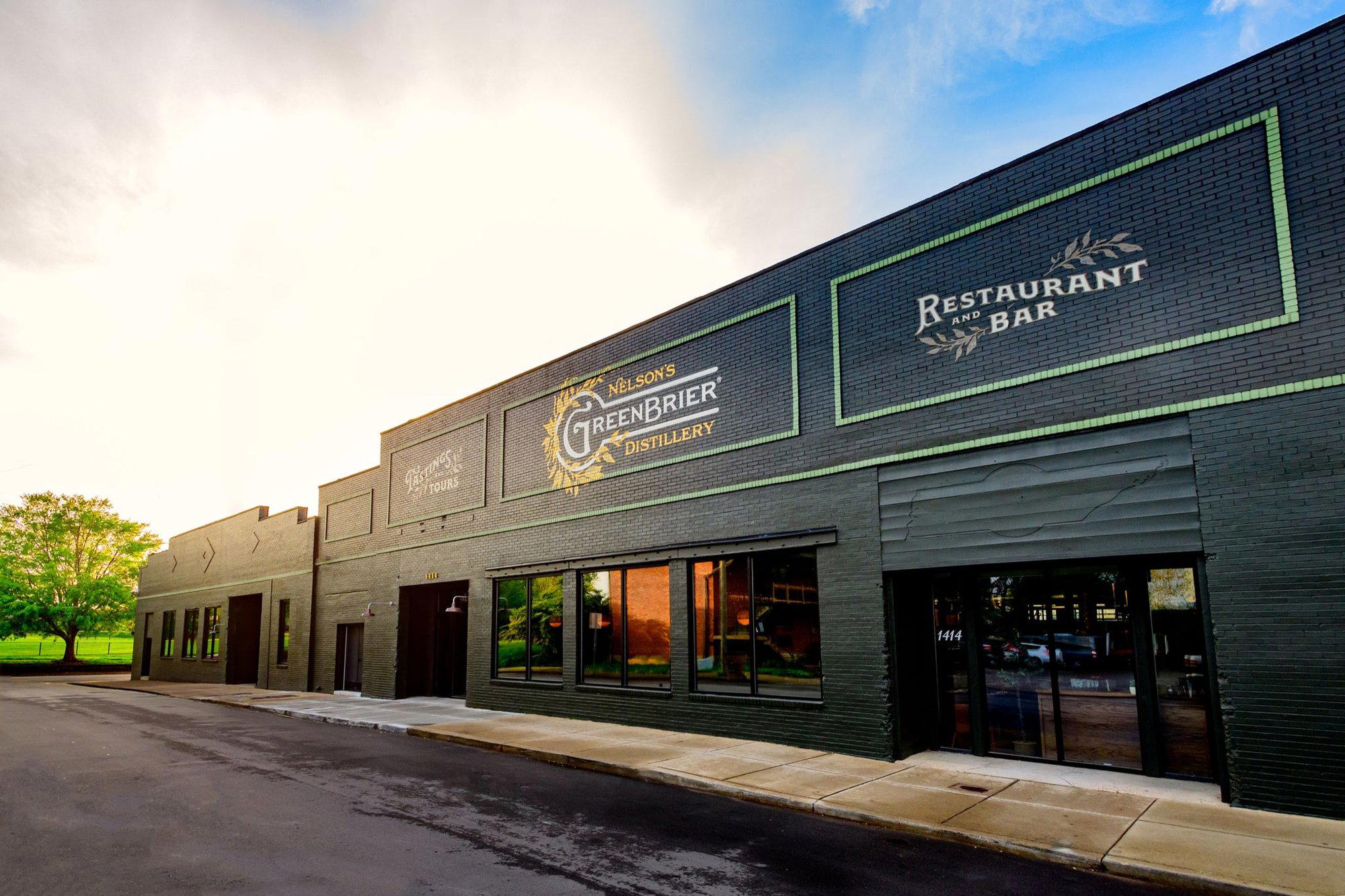
Where Nashville's Whiskey History Resurfaces
Clinton Street, a few blocks from the Cumberland River in the Wedgewood-Houston district, has become one of Nashville's more interesting addresses for serious spirits production. The area sits outside the tourist-facing Broadway corridor, which means visitors who make the trip to Nelson's Green Brier are arriving with a specific purpose rather than stumbling in from a bar crawl. That self-selection shapes the atmosphere considerably. This is a working distillery in the older American sense: the building carries the weight of production, and the experience is organized around understanding what happens here rather than performing it for an audience.
American craft distilling has bifurcated sharply over the past decade. One lane runs toward experiential theater, with tasting rooms styled as speakeasies and tour scripts built around mythology. The other lane, smaller and quieter, focuses on production credibility and provenance.
The Tennessee Terroir Argument
The editorial angle most often applied to Tennessee whiskey is legal and categorical: Lincoln County Process, charcoal mellowing, the distinction from Kentucky bourbon. Those are real and relevant distinctions, but they flatten what is actually a more interesting conversation about place. Tennessee's climate runs hotter and more humid than Kentucky's through summer, which accelerates barrel interaction and drives a different flavor trajectory through the aging cycle. The state's limestone-rich water sources, drawn from the same geological formations that define its agricultural character, contribute mineral structure to spirit production in ways that parallel how soil composition shapes wine expression in regions like Paso Robles or the Willamette Valley.
That parallel is worth holding. When writers discuss Adelaida Vineyards in Paso Robles or Adelsheim Vineyard in Newberg, the conversation almost always includes soil type, drainage, and diurnal temperature shifts as primary factors in what ends up in the glass. American whiskey criticism has been slower to adopt that frame, but producers working with serious intent in Tennessee are making a case for exactly that kind of terroir-forward thinking. The grain sourcing, the water chemistry, the warehouse positioning relative to prevailing air currents: these are the whiskey equivalents of aspect and altitude.
Nelson's Green Brier's historical lineage reaches back to a pre-Prohibition distillery that operated in this region, which gives it a specific claim on Tennessee provenance that newer operations cannot replicate with equal credibility. That history functions the way old vines function in wine: not as nostalgia, but as evidence of rootedness in a particular place and practice.
Nashville's Spirits Scene in Context
Nashville has accumulated enough distillery openings in the past ten years to support meaningful distinctions between tiers. The lower tier produces accessible, tourist-friendly spirits with broad distribution and minimal production ambiguity. The upper tier, where Nelson's Green Brier operates, involves genuine commitment to process, longer aging programs, and output judged against national and international benchmarks rather than local popularity.
For context on how that tier operates elsewhere: producers like Au Bon Climat in Santa Barbara or Aubert Wines in Calistoga have built reputations on production discipline and regional specificity rather than volume or accessibility. The logic is the same in spirits: recognition at the prestige level reflects a set of choices about process and provenance that are incompatible with mass-market ambition. Nashville's leading distilleries are increasingly being evaluated on those terms, and Nelson's Green Brier's rating suggests it is holding its position in that conversation.
For a broader map of where Nelson's Green Brier fits within Nashville's drinking and dining culture, our full Nashville restaurants guide provides neighbourhood-level context across the city's most serious food and drink destinations.
What the Experience Delivers
The structural variant most characteristic of serious American distilleries is the production tour anchored by a tasting that moves through the range in a logical sequence. At Nelson's Green Brier, the Clinton Street address puts visitors inside the actual production environment rather than a separate visitor pavilion, which matters: the proximity to working stills and aging barrels is itself informational. The smell of new spirit coming off a still smells nothing like the finished whiskey in a glass two years later, and understanding that gap is part of understanding what a distillery is actually doing.
The Belle Meade Bourbon line, which Nelson's Green Brier produces, has achieved national distribution and critical attention that extends well beyond Tennessee's borders. That distribution reach is not incidental: it reflects a production program confident enough in its output to compete in markets where Tennessee provenance carries no automatic advantage. In wine terms, this is the difference between a regional producer selling only through the cellar door and one whose bottles appear on lists in cities where the winemaker is unknown and the region must carry the argument. Accendo Cellars in St. Helena and Alpha Omega Winery in Rutherford operate in that mode on the wine side: the product must justify itself in competitive national markets without the scaffolding of local loyalty.
Visiting: What to Know Before You Go
Nelson's Green Brier sits at 1414 Clinton St, Nashville, TN 37203, in the Wedgewood-Houston area south of downtown. The neighbourhood is navigable by car and increasingly accessible on foot from adjacent districts, though visitors arriving from downtown Nashville should plan for a short drive or rideshare rather than assuming walkability. Phone and website details were not available at time of publication, so confirming current tour times and tasting availability directly through a search engine or booking aggregator before visiting is advisable. The distillery operates in a working production context, which means tour availability may reflect production schedules rather than fixed visitor hours.
Those coming for the Broadway experience will find something quite different here, and that difference is the point.
Placing Nelson's Green Brier in a Wider Spirits Geography
For those building itineraries around serious drinks producers, the comparison set extends naturally into wine country. The production philosophy at work in Tennessee's prestige distilleries has meaningful parallels with what Alexander Valley Vineyards in Geyserville, Alban Vineyards in Arroyo Grande, or Andrew Murray Vineyards in Los Olivos are doing in California: rooting a production program in a specific place, making decisions that reflect long-term thinking about site expression, and accepting that the resulting product will find a smaller but more engaged audience than a more commercially optimized operation would attract.
Scotland's distilling tradition offers another reference point. Aberlour in Aberlour operates within a Speyside production culture where water source and warehouse microclimate are understood as primary contributors to spirit character. Tennessee's distillers are increasingly making a comparable argument, and Nelson's Green Brier's positioning within that conversation is one of the more credible versions of it in the state. For those whose drinks interests span both grape and grain, pairing a Nashville visit to Nelson's Green Brier with exploration of producers like Artesa Vineyards and Winery in Napa, Babcock Winery and Vineyards in Lompoc, or B.R. Cohn Winery in Glen Ellen creates a coherent through-line around American terroir expression across different categories. The underlying questions, about how place shapes production and what seriousness of process looks like at the prestige level, translate directly across both.
In Context: Similar Options
Comparable venues nearby, for context on price, style, and recognition.
| Venue | Cuisine | Price | Notes |
|---|---|---|---|
| Nelson's Green BrierThis venue — the venue you are viewing | Tennessee | Not listed | Not listed |
| George Dickel | Tennessee | Not listed | Cascade Hollow |
| Jack Daniel's | Tennessee | $20–30 | Lynchburg |
| Nearest Green Distillery | Winery | Not listed | Shelbyville |
| Trinafour Cellars | Carignane, Petite Sirah | Not listed | Hopland |
| Hidden Cellars Winery | Zinfandel, Carignane | Not listed | Redwood Valley |
Continue exploring
More in Nashville
Wineries in Nashville
Browse all →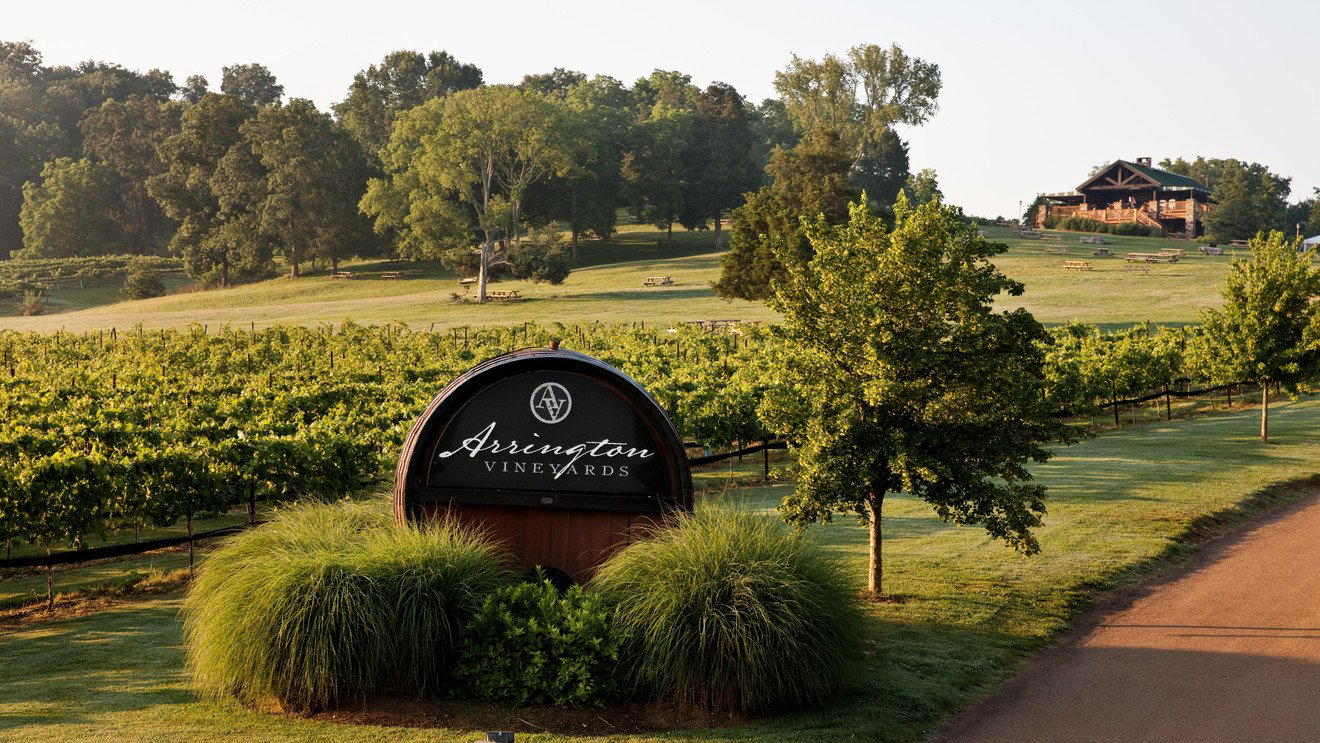
Bars in Nashville
Browse all →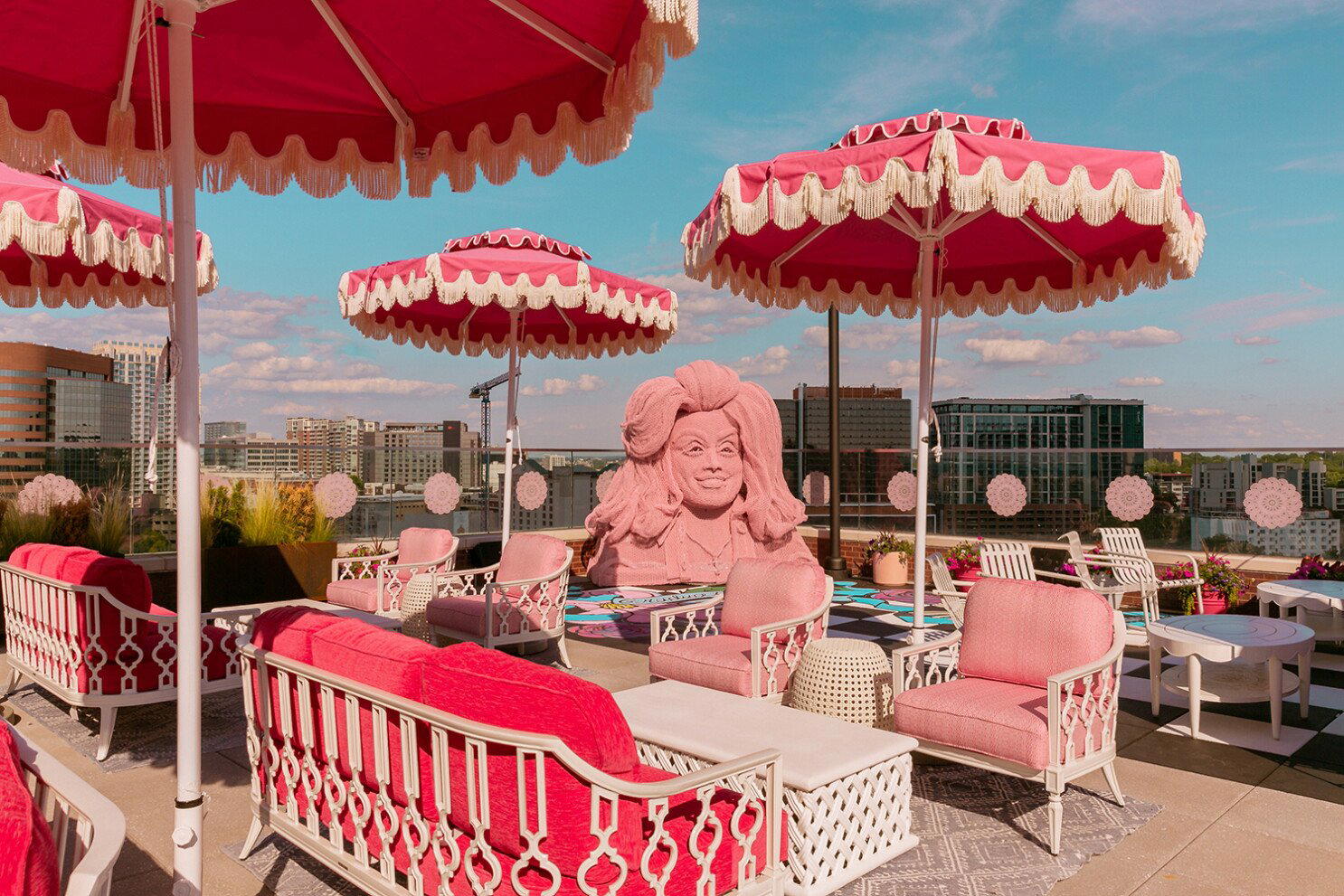
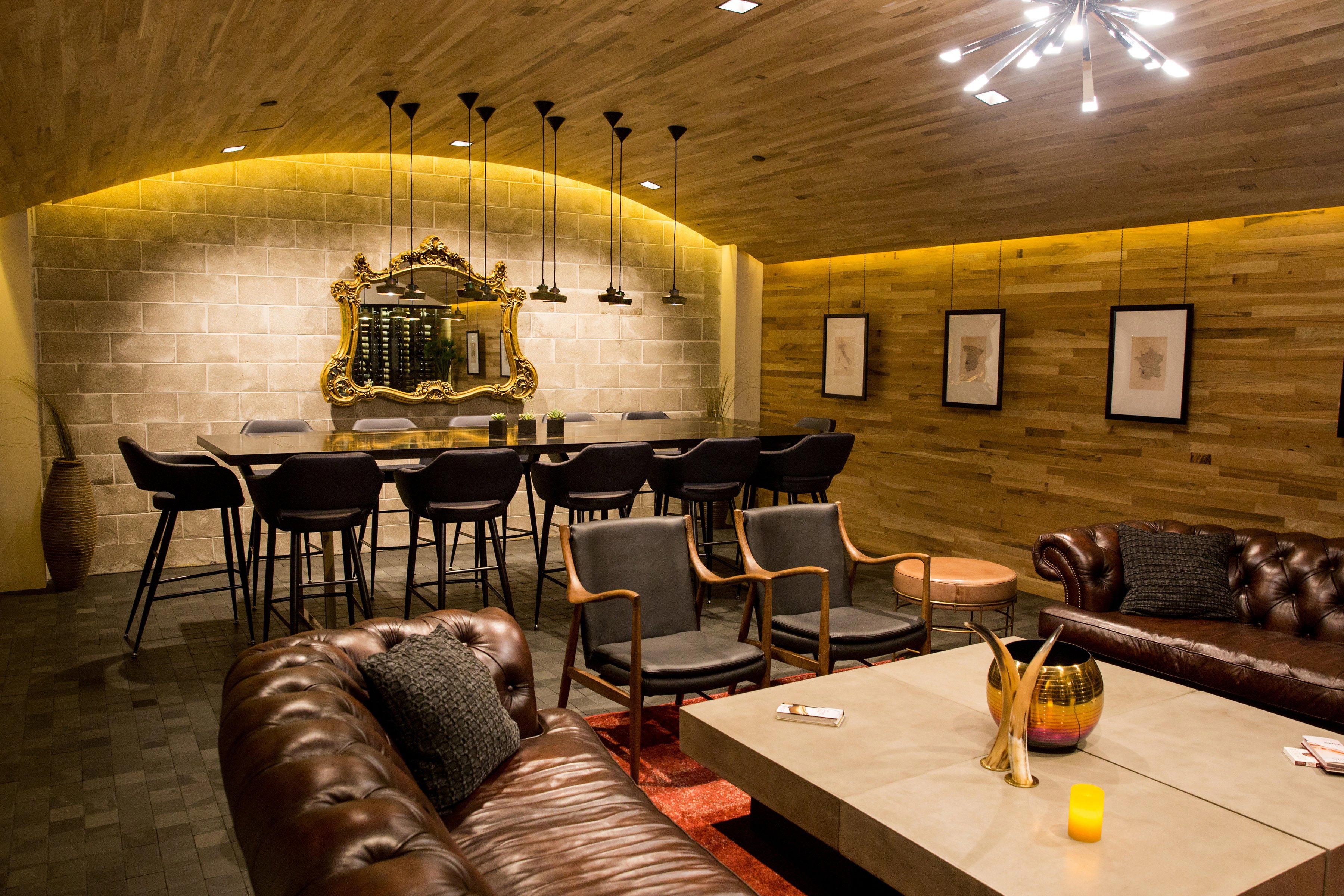
Restaurants in Nashville
Browse all →


Details
- Historic
- Industrial
- Rustic
- Group Outing
- Celebration
- Wine Education
- Historic Building
- Barrel Room
- Flight Tasting
- English
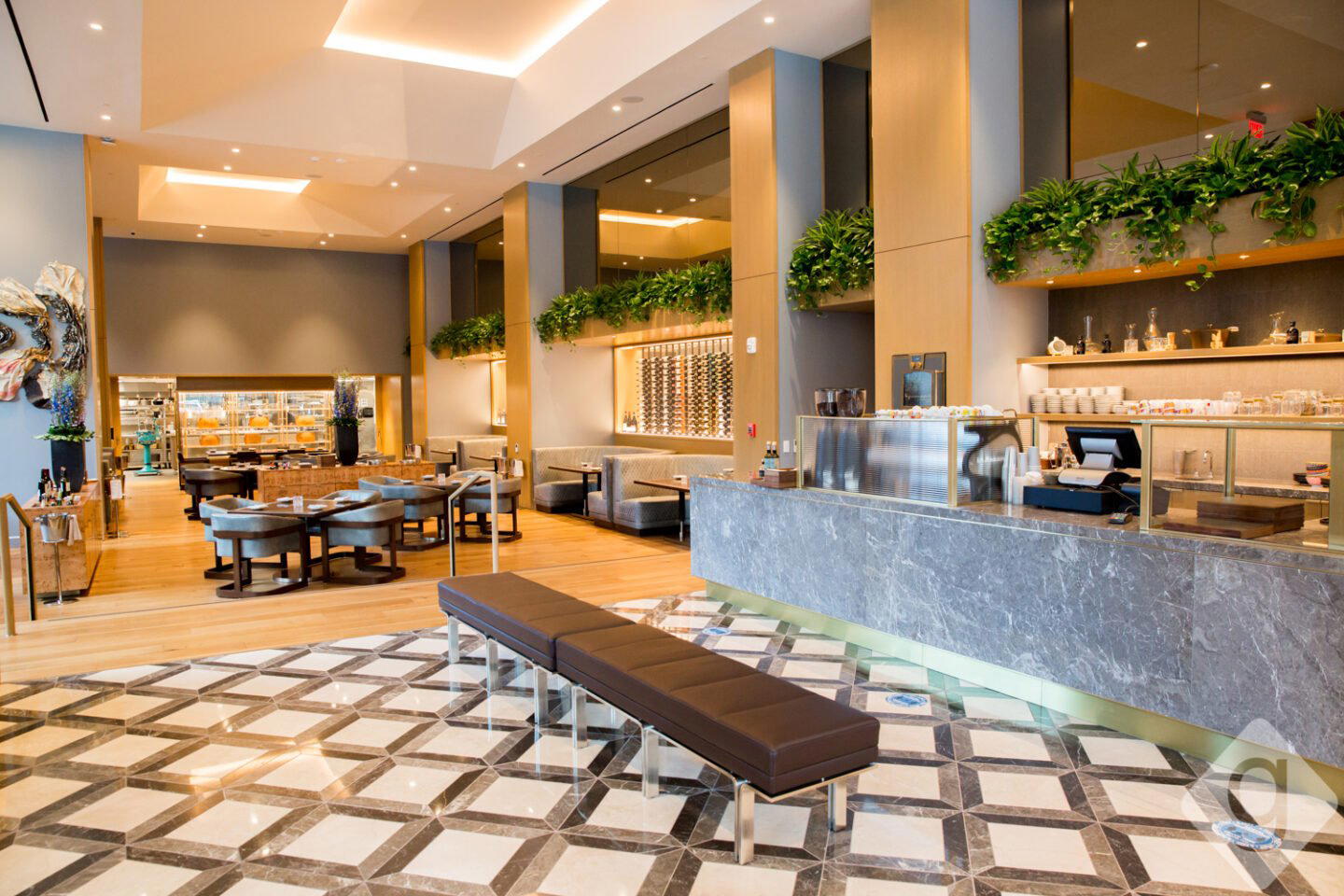
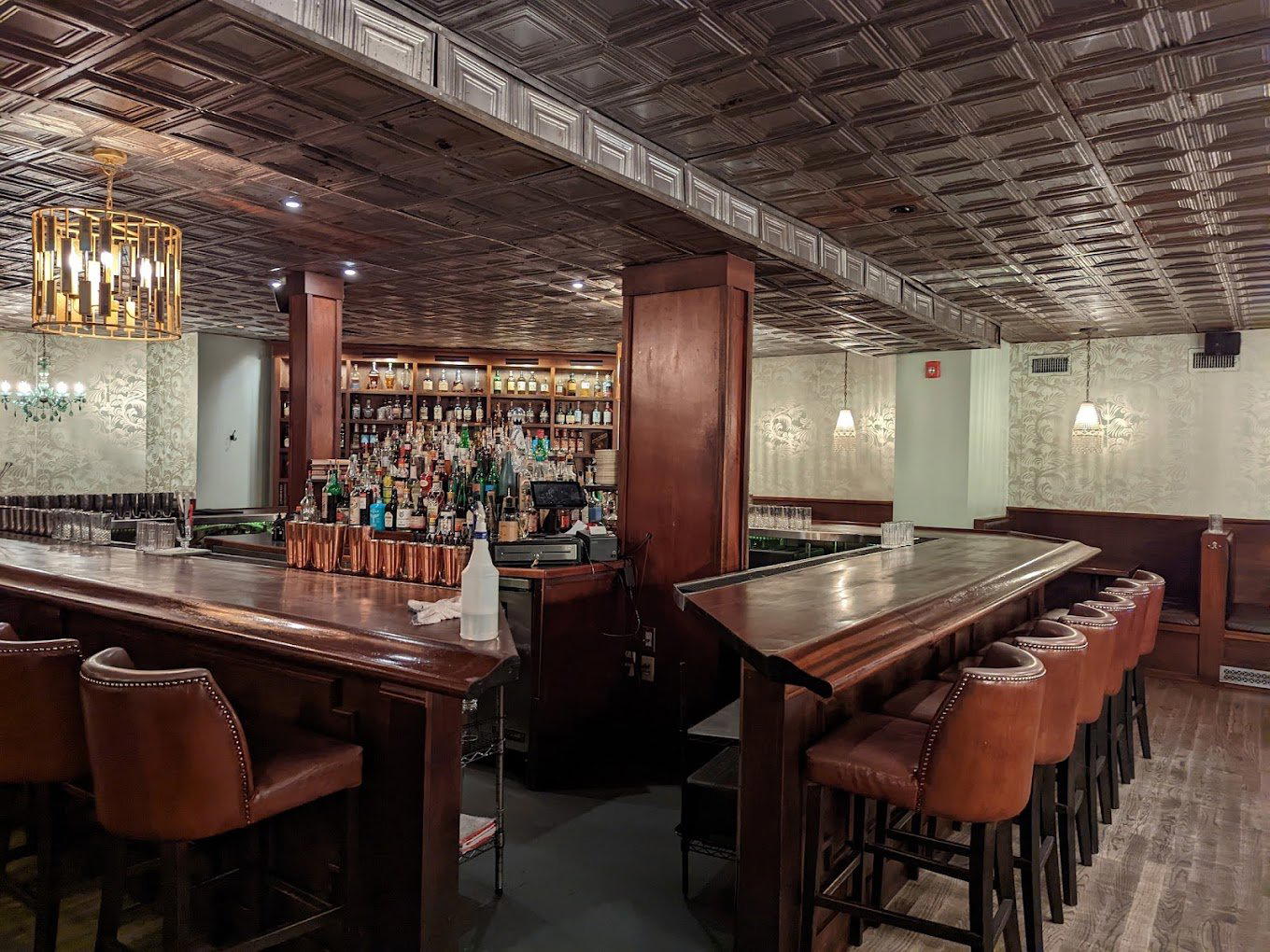
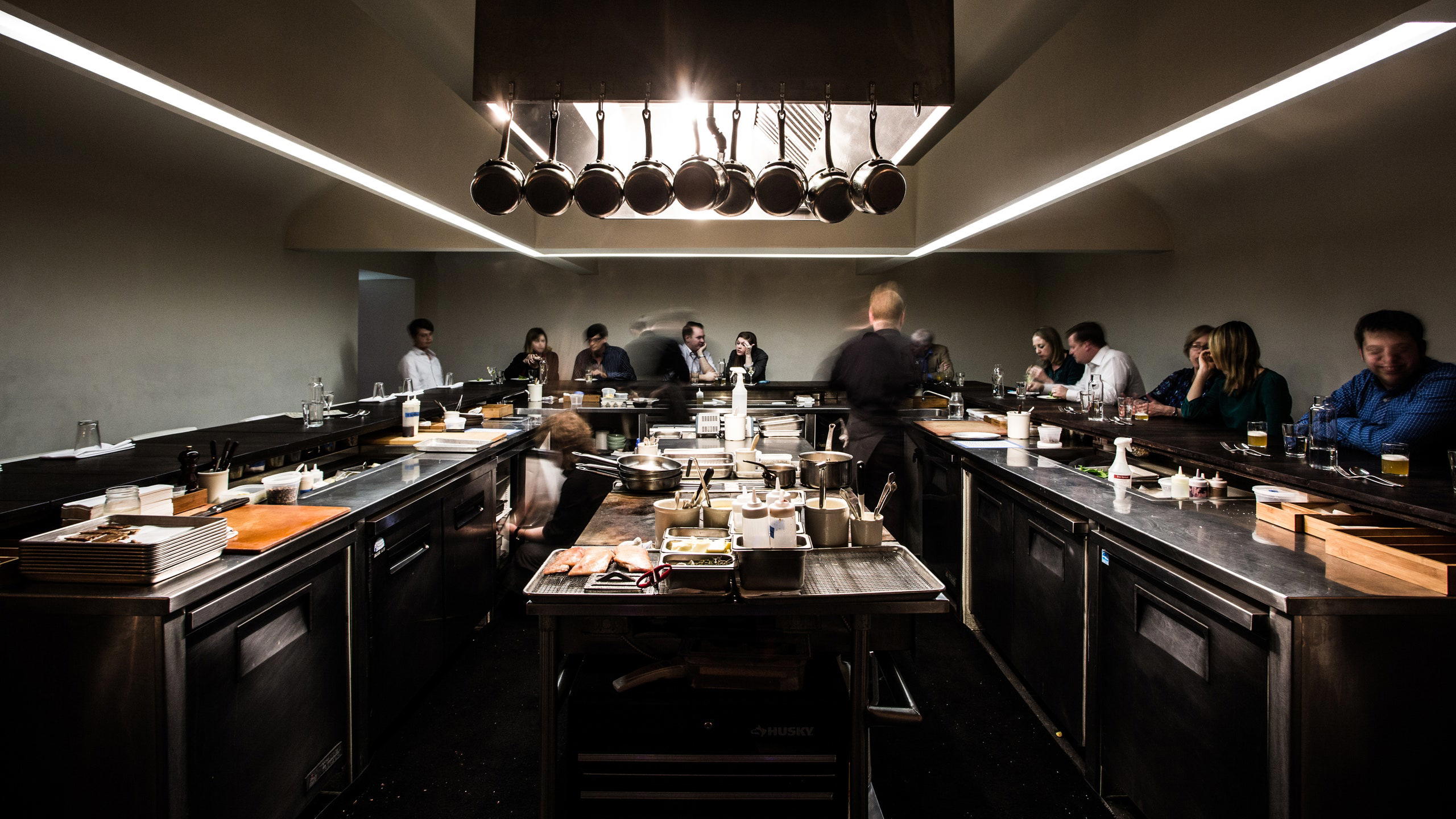
Industrial with towering barrels, caramelized oak aromas, gleaming copper still under beams, and a steampunk-inspired whiskey cathedral atmosphere.