Terre Rouge and Easton Wines
Operating out of Plymouth, California since 1986, Terre Rouge and Easton Wines represents one of the Sierra Foothills' most sustained arguments for Rhône varieties grown at elevation.
Pearl is the En Primeur Club membership app — saves, bookings, and concierge access live there. Same editors, same standards.
- Address
- Terre Rouge & Easton Wines, Dickson Road, Plymouth, CA, USA
- Website
- terrerougewines.com
- Directions
- Get directions
 Saves & bookings on Pearl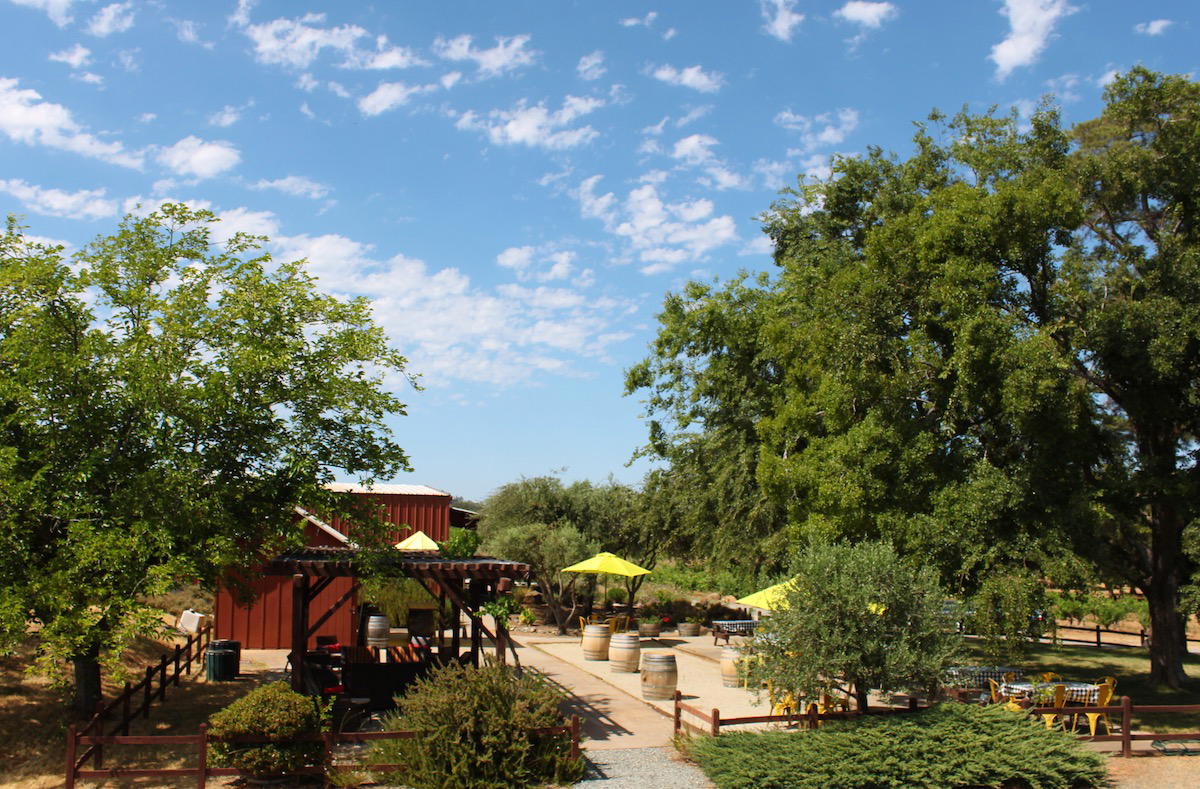
The Sierra Nevada Foothills have long occupied an awkward position in the California wine conversation: too far from Napa to benefit from that county's marketing infrastructure, too committed to unfashionable varieties to compete on the terms set by the Central Coast Chardonnay and Pinot houses. Plymouth, California sits in Amador County, where the elevation, gold-rush-era old vines, and volcanic soils create conditions that bear almost no resemblance to the valley-floor Cabernet template the state's reputation rests on. It is in this context, and against this resistance, that Terre Rouge and Easton Wines has operated since its first vintage in 1986.
Two Labels, One Argument
The operation runs under two distinct labels, each making a different case for what the Foothills can do. Terre Rouge focuses on Rhône varieties — Syrah, Mourvèdre, Grenache, Roussanne, Viognier — drawing on the same Grenache and Mourvèdre old-vine resources that define the Amador County appellation at its most historically grounded. Easton covers more conventional California territory, including Zinfandel and other red varieties that have deep roots in this part of the state. The division is not arbitrary: it reflects the fact that the Foothills contain two overlapping traditions, the old immigrant-farming viticulture that planted Zinfandel alongside whatever else could survive, and a newer critical argument that Rhône varieties suit the elevation and heat better than the Bordeaux grapes that dominate prestige California production elsewhere.
Winemaker Bill Easton has been making that argument since the label's founding. In a state where winemaker careers are often narrated through apprenticeships to famous Napa houses, the Rhône-focused producer operating out of Amador County represents a different orientation, one that looks to the southern Rhône and Languedoc rather than Burgundy or Bordeaux for its reference points.
For Rhône-focused California producers, prestige-tier recognition of this kind remains relatively rare. The state's critical infrastructure has historically rewarded Cabernet and Chardonnay because those are the categories where the most bottles are sold and the most column inches written. A Syrah-and-Mourvèdre house in Amador County earning this kind of recognition in 2025 says something about both the quality trajectory of the operation and the broadening of critical appetite for what California can produce beyond its established templates. For comparison, consider how Foothills producers generally sit relative to their coastal peers: lower average prices, longer booking horizons at the cellar door, and less media coverage, but often with deeper roots in the actual agricultural history of the state. Accendo Cellars in St. Helena operates in a very different competitive tier and with very different reference varieties, but the contrast is instructive about how California's wine identity fragments across geography and variety.
Rhône Varieties in the Sierra Foothills
The case for Rhône varieties in this part of California rests on several concrete factors. Amador County sits at elevations ranging roughly from 1,000 to 2,500 feet, which introduces enough diurnal temperature variation to preserve acidity in grapes that ripen fully in the long, warm summers. Granite and volcanic soils drain well and impose stress on vines in ways that produce concentrated fruit without the irrigation dependency that lower-elevation viticulture often requires. Syrah, in particular, has shown a capacity to express site character in these conditions that rivals its performance in the northern Rhône, though the flavor profile diverges significantly from Crozes-Hermitage or Saint-Joseph equivalents. The comparison holds more at the structural level, the potential for iron-edged tannin and dark fruit with savory register, than at the aromatic level, where California's sun intensity tends to push toward ripeness rather than the olive and pepper notes that define cooler-climate Syrah.
Mourvèdre is arguably the more interesting story in Amador County because of the old-vine resources available. Vines planted in the late nineteenth and early twentieth centuries by immigrant farming families provide fruit that younger plantings cannot replicate, and the variety's natural affinity for heat makes it more forgiving in warm vintages than Syrah. Grenache and Roussanne round out the Terre Rouge program with varieties that allow for both blending flexibility and single-variety bottlings.
Planning a Visit to Plymouth
Plymouth sits in Amador County's Shenandoah Valley wine corridor, roughly 45 minutes southeast of Sacramento and about two and a half hours from San Francisco. The appellation has developed a cellar-door culture that runs on weekends and by appointment, operating at a smaller scale than Napa or Sonoma tasting infrastructure. Terre Rouge and Easton Wines is located on Dickson Road in Plymouth. The Shenandoah Valley is well-suited to combining with other Amador County producers for a full day or weekend. The region shares some of the agricultural character and direct-to-visitor orientation of other estate-level California producers, including those working with Rhône and Italian varieties in the broader Foothills corridor. For readers exploring artisan production at a similar level of seriousness in other contexts, the estate-scale operations at Achaia Clauss in Patras offer a useful parallel in terms of historical continuity and variety-specific depth, though the context differs entirely. See our full Plymouth restaurants guide for broader coverage of the area.
Where This Producer Sits in the Broader American Wine Scene
California's premium wine identity in 2025 remains anchored by Napa Cabernet at the top of the price tier and a set of Burgundian Pinot and Chardonnay producers on the Sonoma Coast and Santa Rita Hills competing for critical attention in the middle. Rhône-variety specialists, particularly those operating outside the Central Coast appellation system, occupy a smaller and more specialist position in that hierarchy. The critical conversation around American Rhône varieties has been building for two decades, driven partly by the Rhône Rangers movement and partly by growing consumer appetite for alternatives to the Cabernet-Chardonnay axis. Terre Rouge and Easton Wines, with nearly four decades of continuous production from the same Amador County base, sits at the more historically grounded end of that conversation. That longevity matters for a producer whose argument depends on place: you cannot make a credible case for old-vine Mourvèdre in the Foothills without actually having maintained access to those vines across multiple decades and economic cycles.
Readers interested in how estate-scale producers with long histories navigate their respective categories might find instructive parallels in Scottish distillery operations like Aberlour in Aberlour, Balblair Distillery in Edderton, or Bladnoch Distillery in Bladnoch, each of which operates with a long production record and a regional identity that distinguishes it from larger-volume peers. The comparison is structural rather than categorical: what it means to sustain a distinct production argument over decades, against market pressure to conform, applies equally to a Speyside malt house and a Foothills Rhône producer. Similarly, single-malt operations like Ardnahoe in Port Askaig, Auchentoshan Distillery in Clydebank, Cardhu in Knockando, Clynelish Distillery in Brora, Deanston in Deanston, Dornoch Distillery in Dornoch, Dunphail Distillery in Dunphail, and Glen Garioch Distillery in Oldmeldrum each demonstrate how regional identity and production continuity build credibility in specialist categories. Even Plymouth Gin, whose appellation status in its own category mirrors the kind of geographic specificity Terre Rouge claims for Amador County, offers a parallel about how named origins function as a quality signal in crowded markets.
Continue exploring
More in Plymouth
Wineries in Plymouth
Browse all →
Bars in Plymouth
Browse all →
Restaurants in Plymouth
Browse all →

At a Glance
- Rustic
- Scenic
- Elegant
- Intimate
- Wine Education
- Solo Exploration
- Special Occasion
- Estate Grounds
- Picnic Area
- Terrace
- Organic
- Sustainable
- Vineyard
- Sierra Foothills
- Syrah
- Viognier
- Barbera
- Zinfandel
- Still Red
- Still White
- Seated Tasting
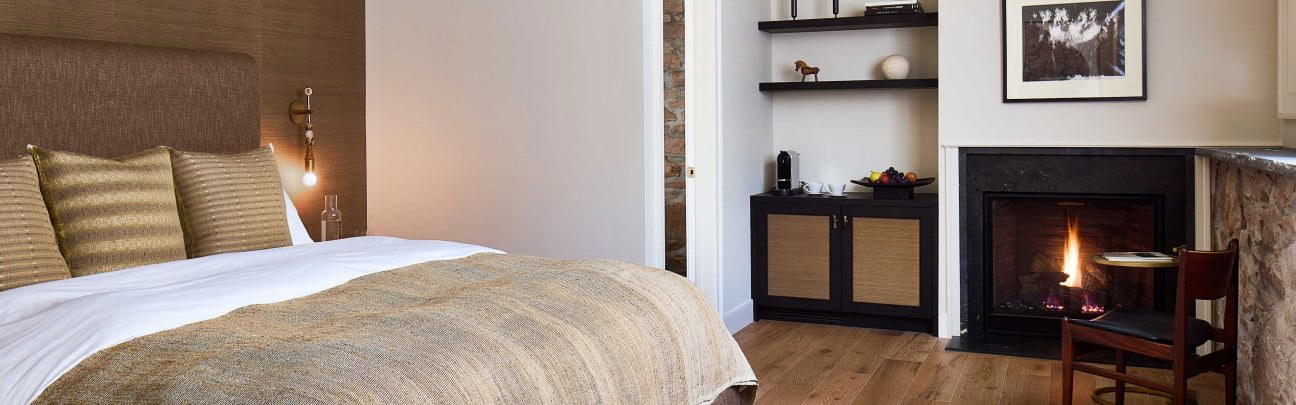
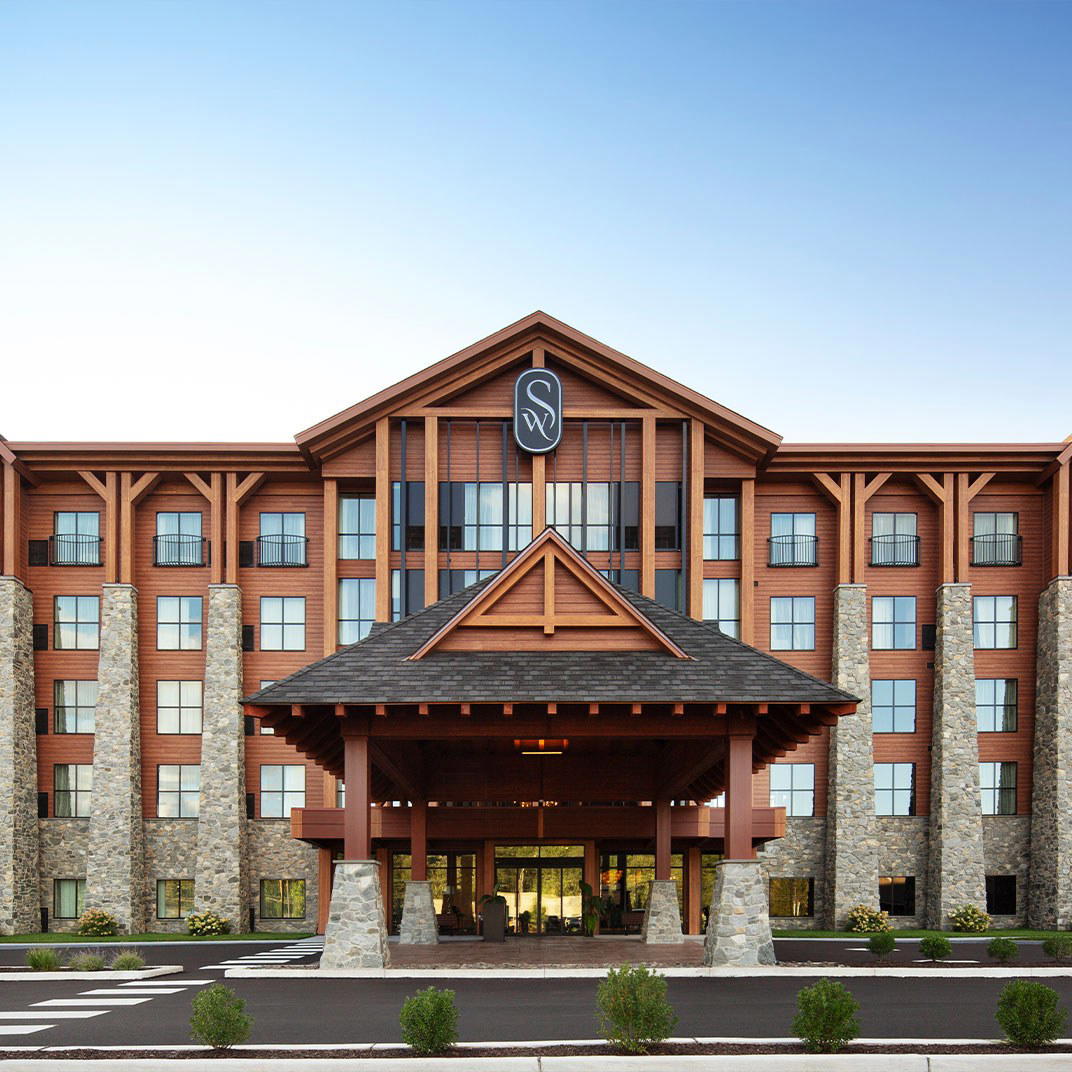
Seated indoor tasting room or outdoor patio lounge with a relaxed, rustic Sierra Foothills atmosphere.