Miyagikyo sits in the river valleys of Sendai's Aoba Ward, where cool mountain air and soft water from the Hirose and Nikkawa rivers shape Nikka's most delicate house style.

Pearl is the En Primeur Club membership app — saves, bookings, and concierge access live there. Same editors, same standards.
- Address
- 1番地 Nikka, Aoba Ward, Sendai, Miyagi 989-3433
- Phone
- +81 22-395-2865
- Website
- nikka.com
- Directions
- Get directions
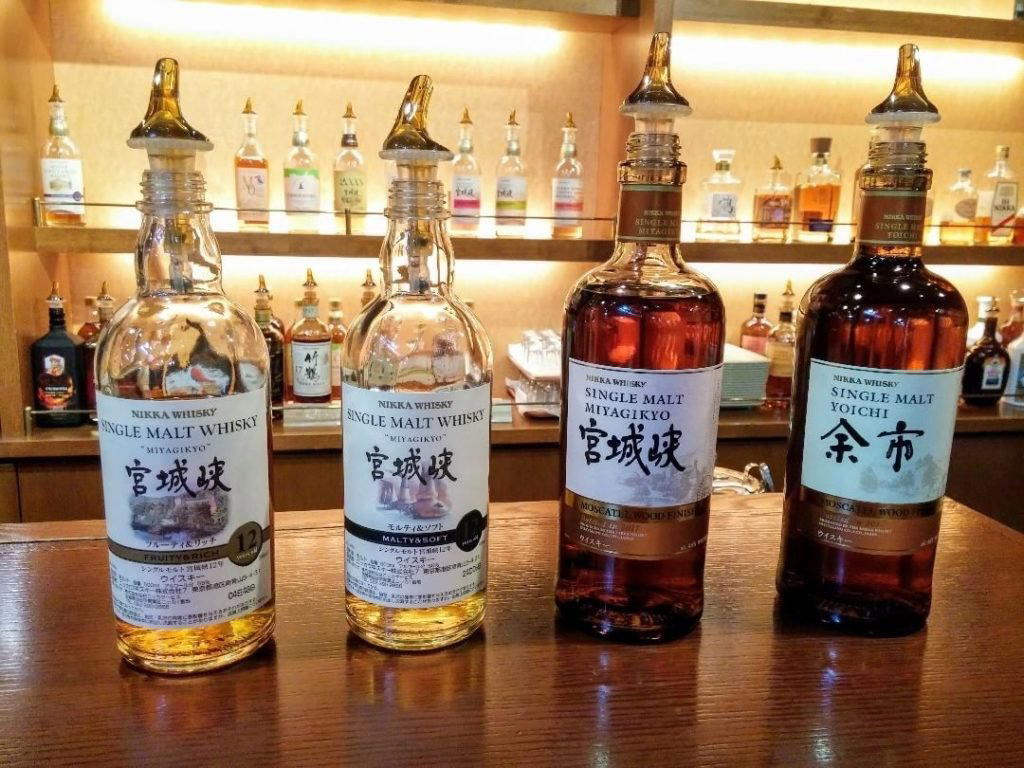
Where Mountain Water Meets Malt: The Sendai Valley Terroir
Japan's whisky distilleries are not distributed randomly across the archipelago. Their locations were chosen with the precision of a winemaker selecting a hillside, each site calibrated to a specific climate, water source, and ambient temperature range. Miyagikyo, Nikka's second distillery, occupies a river confluence in Sendai's Aoba Ward where the Hirose and Nikkawa rivers meet, and the effect on the spirit is measurable. The valley draws cool, humid air down from the Ou Mountains, moderating fermentation temperatures and slowing maturation in ways that distinguish the whisky produced here from anything coming out of sites on the Pacific coast or in drier inland basins. In the broader map of Japanese whisky terroir, Miyagikyo represents the temperate, moisture-rich middle ground between Yoichi (Nikka) in Yoichi's rugged northern cold and the alpine conditions that shape spirit character at Mars Shinshu Distillery in Miyada.
The water supply here is notably soft. Soft water in distilling produces lighter-bodied, more approachable new-make spirit, and at Miyagikyo that tendency is compounded by the valley's relatively mild winters and humid summers, which accelerate the interaction between spirit and wood during maturation. The result, broadly, is a house style that runs floral and fruited where Yoichi runs maritime and peaty. These are not arbitrary aesthetic differences; they are the direct output of two very different physical environments, both deliberately selected by Nikka's founder when he established this site in 1969.
Japanese whisky has spent the past decade attracting international attention at a pace that has strained supply and reshaped the allocation market. Within that context, distilleries divide roughly into two cohorts: those with deep aged inventory and established house styles built over decades, and newer operations whose first releases are only now reaching meaningful age statements. Miyagikyo belongs firmly to the first group. Established in the late 1960s, the distillery has been accumulating casks for over fifty years, which positions it differently from newer entrants like Chichibu in Chichibu or Kanosuke in Kagoshima, whose first aged releases are still establishing their reputational baseline.
Among the older-generation distilleries, the comparison that matters most is with Hakushu (Suntory) in Hokuto, which operates a similar premise: a forest-valley site, soft mountain water, and a resulting spirit style that runs lighter and more aromatic than its sibling distillery. Hakushu plays that role within Suntory's portfolio in the same way Miyagikyo does within Nikka's, and collectors tracking both houses often hold expressions from each as complementary reference points rather than direct competitors.
Internationally, the soft-water floral style that defines Miyagikyo draws comparisons to certain Speyside Scotch operations. Aberlour in Aberlour operates in a similar water and climate register, and experienced whisky drinkers who track the parallels between Scottish and Japanese production often cite both as reference points for that lighter, fruit-forward continental style. The comparison has limits, because the still shapes, fermentation approach, and wood policy at Miyagikyo are distinctly Japanese in orientation, but the underlying terroir logic connecting water chemistry to spirit character is consistent across both traditions.
The Physical Site and What It Tells You
Approaching the distillery from central Sendai, you move away from the urban density of Tohoku's largest city and into the river valley terrain of Aoba Ward, where the elevation changes enough to shift the feel of the air. The distillery complex sits on approximately 50 hectares, large enough to contain warehousing, production facilities, and visitor infrastructure within the valley setting. The scale is more estate-like than industrial, which reflects a broader pattern among Japan's prestige distilleries: the production environment is treated as part of the product's identity, not separated from it.
That physical framing matters when you consider how Miyagikyo positions against distilleries in more industrialised locations. Fuji Gotemba Distillery in Gotemba and Eigashima (White Oak) in Akashi each operate within different geographic contexts, and both produce distinctive spirits, but neither carries the same valley-enclosure quality that characterises Miyagikyo's setting. When Nikka chose this site, the premise was that environment shapes spirit over time, and the distillery's output over five-plus decades has borne that premise out.
Terroir Expression in Practice: What This Distillery Produces
The editorial angle on terroir is not simply romantic. For a whisky distillery, the practical expression of site conditions shows up in the spirit's aromatic profile, its texture, and the way it responds to different cask types during maturation. At Miyagikyo, the soft-water base and cool-humid climate tend to produce new-make spirit that carries more ester character — fruity, sometimes floral, occasionally lychee-adjacent — than the heavier, more sulphuric new-make that harder water and colder fermentation temperatures generate. Over years in wood, that ester base develops in ways that make the distillery's output particularly receptive to sherry and wine cask finishing, formats that have become a recurring feature in Nikka's Miyagikyo single malt releases.
For context on how site-driven cask receptivity works across the Japanese sector, the contrast with Yamazaki (Suntory) in Shimamoto is instructive. Yamazaki, positioned in the humid confluence of three rivers near Osaka, also benefits from accelerated maturation through humidity, but its water profile and climate produce a different ester register, one that tends toward more tropical and smoky notes in older expressions. Both sites use their environment deliberately; they just start from different raw conditions. That distinction is what makes the terroir framework genuinely useful for understanding Japanese whisky, rather than just decorative. Elsewhere in the Japanese drinks sector, the same site-sensitivity principle applies to wine producers: Château Mercian Mariko Winery in Nagano Prefecture and Shizuoka in Shizuoka each demonstrate how Japanese producers across categories have learned to read and amplify what a specific location offers.
Planning a Visit to Miyagikyo
The distillery receives visitors at its Aoba Ward site, accessible from central Sendai by a combination of train and local transport. Sendai itself functions as the gateway city for Tohoku, well-connected by Shinkansen from Tokyo in roughly 90 minutes, which makes a day visit from the capital feasible, though spending a night in Sendai allows a less pressured itinerary. For broader context on eating and drinking around the city, our full Sendai restaurants guide covers the area's dining character in detail.
Visitor programming at Japanese distilleries in this tier typically includes guided tours of the production facilities and warehouses, with tasting components that allow comparison across the house range. Miyagikyo, as a site with both pot still and Coffey still production, offers the additional interest of comparing malt and grain spirit styles produced within the same valley microclimate. That dual production setup is relatively unusual among Japanese distilleries and adds a dimension to the visit that goes beyond standard single-malt tastings.
Those building a broader Japanese whisky itinerary should note that Miyagikyo pairs logically with Yoichi (Nikka) in Yoichi as a two-site Nikka comparison, the northern coastal site versus the temperate inland valley, each expressing its geography in the glass. From Sendai, Yoichi requires travel north through Hokkaido, which suits a longer journey rather than a weekend circuit. Alternatively, 98Wines in Yamanashi and the wine-focused producers further south offer a contrasting but complementary read on how Japanese producers work with terroir across different categories.
A Quick Peer Check
Comparable venues nearby, for context on price, style, and recognition.
| Venue | Cuisine | Price | Notes |
|---|---|---|---|
| Miyagikyo (Nikka)This venue — the venue you are viewing | malted barley | Not listed | Not listed |
| Mars Shinshu Distillery | Yama Sauvignon | Not listed | Miyada Village, Kamiina District |
| Yoichi (Nikka) | Yoichi | Not listed | Not listed |
| Fuji Gotemba Distillery | Winery | Not listed | Gotemba |
| Chichibu | Merlot, Muscat Bailey A | Not listed | Yoshida district, Chichibu City |
| Yamazaki (Suntory) | Yamazaki | $20–30 | Not listed |
Continue exploring
More in Sendai
Restaurants in Sendai
Browse all →
Details
- Scenic
- Rustic
- Elegant
- Classic
- Wine Education
- Solo Exploration
- Historic Building
- Estate Grounds
- Panoramic View
- Mountain
- Garden
- Malted Barley
- Still Red
- Single Malt
- Blended Whisky
- Japanese
- English
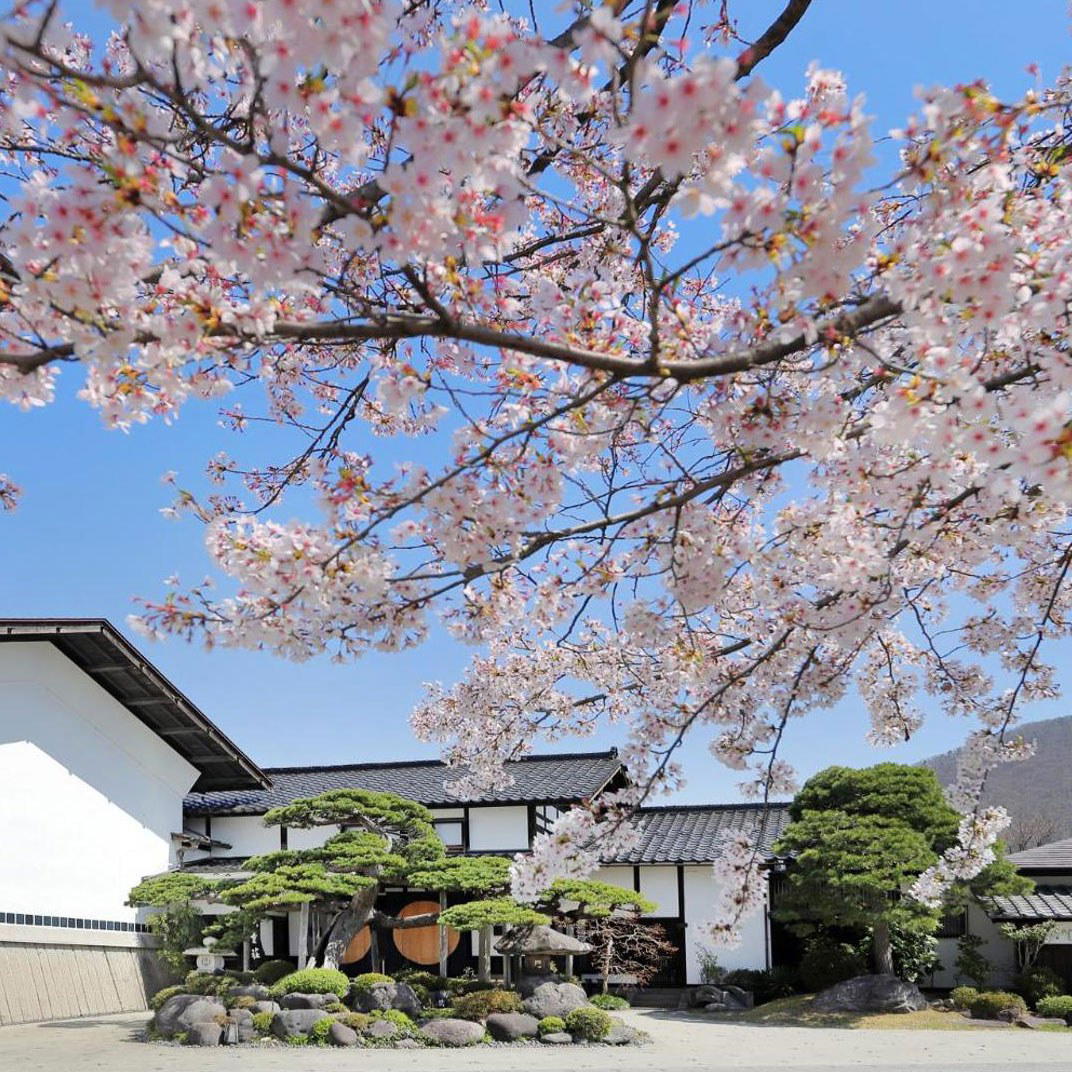
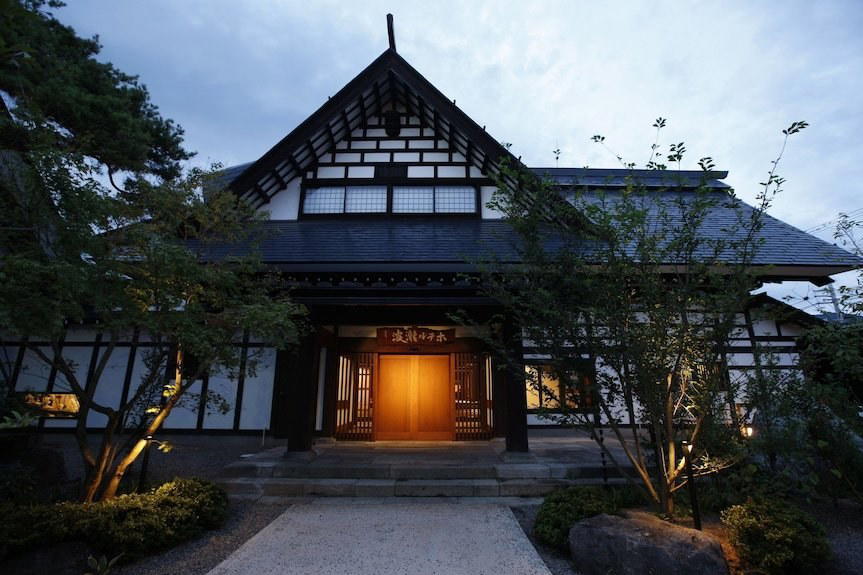
Elegant natural setting with lush greenery, pristine forests, and serene atmosphere highlighted by Western-style red-brick architecture and manicured Japanese gardens.