Linne Calodo
Founded in 1998 by winemaker Matt Trevisan, the estate operates as an allocation-driven label, producing Rhône-focused blends from the Westside hills. Among Paso's boutique tier, it occupies a position defined by longevity, critical recognition, and deliberate scarcity.

Pearl is the En Primeur Club membership app — saves, bookings, and concierge access live there. Same editors, same standards.
- Address
- 3030 Vineyard Dr, Paso Robles, CA 93446
- Phone
- (805) 227-0797
- Website
- linnecalodo.com
- Directions
- Get directions
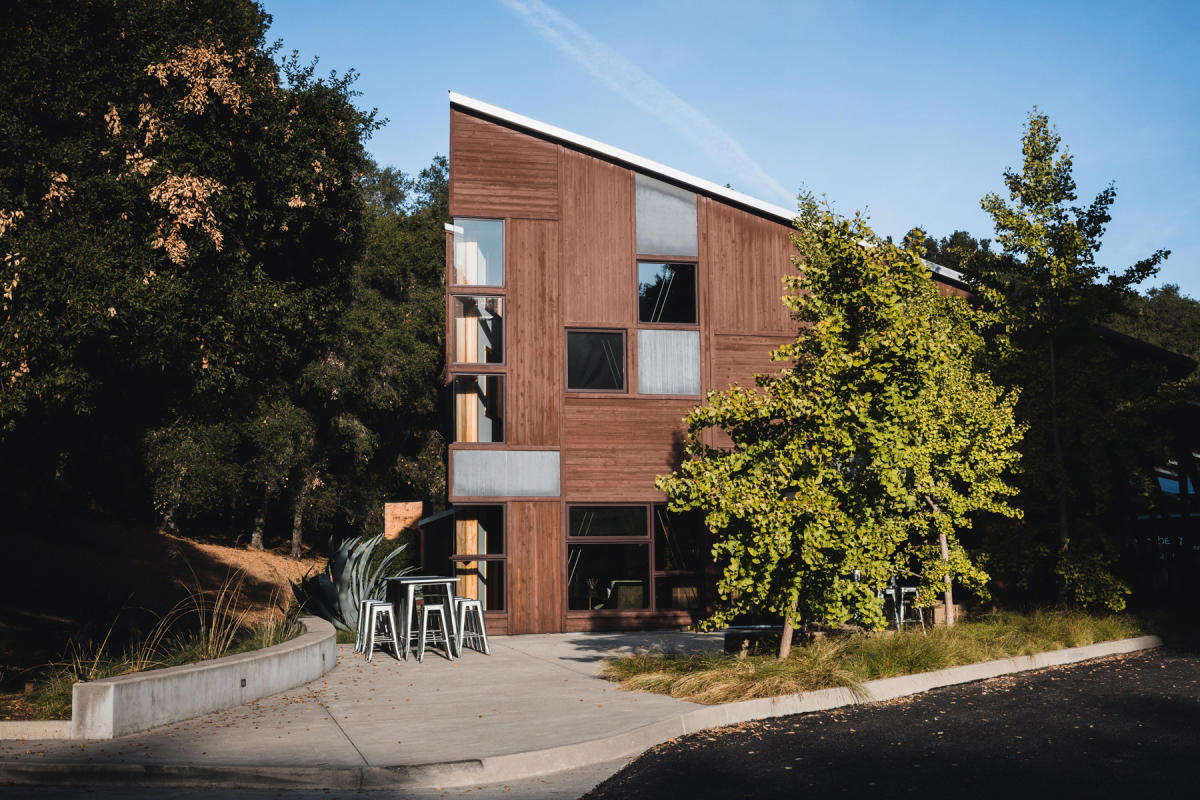
Where Paso Robles's Westside Meets Allocation-Driven Winemaking
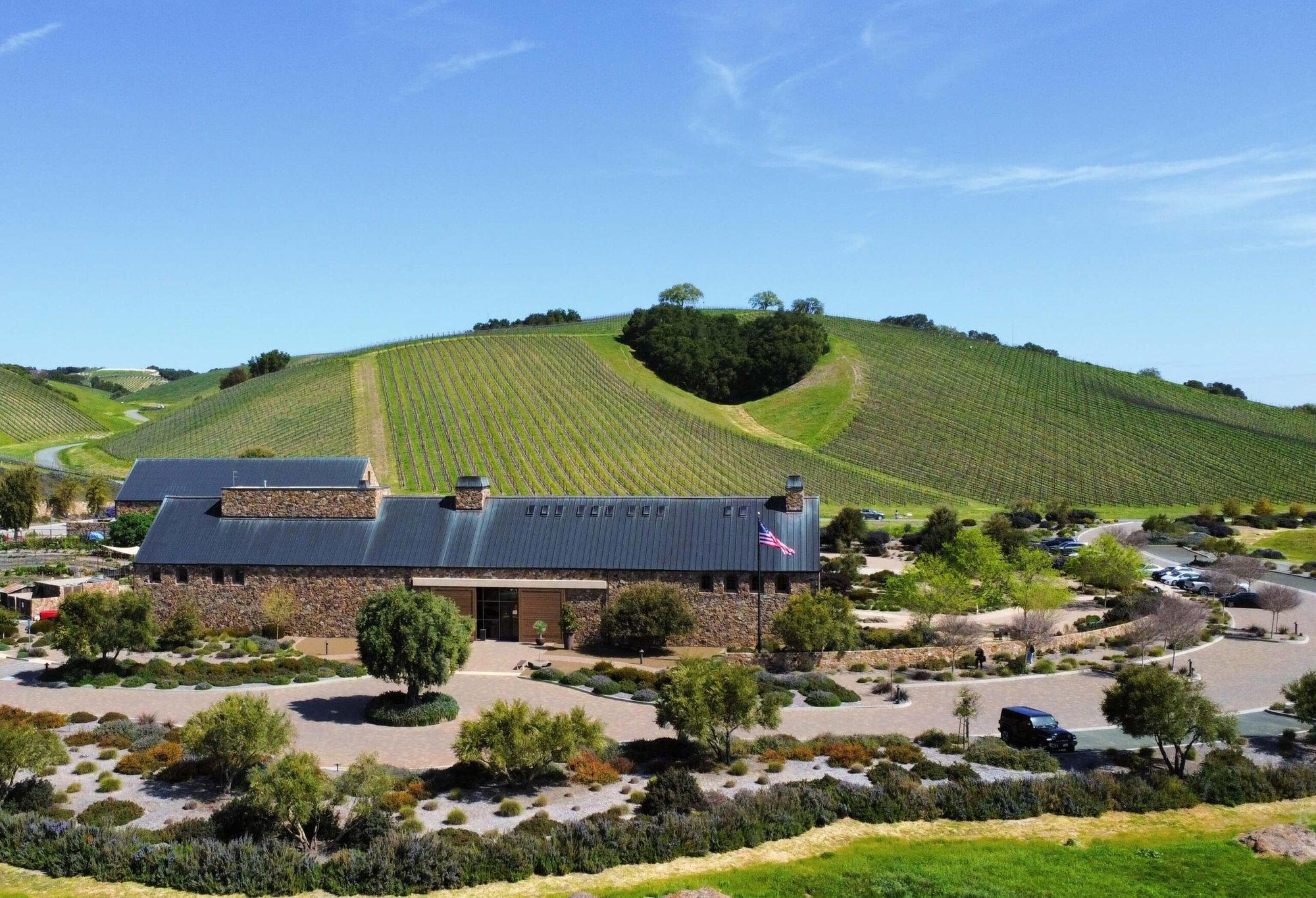
Drive west out of Paso Robles on Vineyard Drive and the terrain changes quickly. The road climbs into calcareous hillside country, where afternoon wind funnels through the Templeton Gap and keeps ripening slow and deliberate. This is the Westside, and it operates on different assumptions than the warmer, flatter east. The wineries here tend to be smaller, more allocation-dependent, and more interested in aromatic complexity than sheer extraction. Linne Calodo sits on this stretch of road, at 3030 Vineyard Dr, and has occupied this position since its first vintage in 1998, which makes it one of the older continuous presences among the boutique producers that now define the area's reputation.
The name itself references the calcareous limestone soils that characterize the Westside, a deliberate signal of what the winemaking program is calibrated around. In a region where marketing often outruns substance, that kind of foundational specificity carries weight.
The Arc of a Linne Calodo Tasting
Paso Robles's boutique Westside producers have developed a tasting culture that differs from the high-volume, walk-in model that dominates the eastern appellation. At this tier, tastings tend to be structured, intentional, and often appointment-only, with the sequence of wines treated as a progression rather than a sampler. Winemaker Matt Trevisan, who has guided Linne Calodo since the beginning, works primarily with Rhône varieties: Grenache, Syrah, Mourvèdre, and white counterparts including Roussanne and Viognier. The program's focus is on blending rather than single-varietal expression, which means a tasting typically builds through components before arriving at the flagship blends.
That structure rewards patience. A white Rhône blend, often leaner and more mineral in cooler Westside vintages, sets a baseline for how the estate reads its site. From there, the progression moves through the reds, where Grenache tends to carry the early positions and Mourvèdre anchors the later, more tannic entries. The blends themselves are where the program's ambition becomes legible. In warmer central California Rhône programs, blends can read as broad and hedonistic. Linne Calodo's Westside positioning, with its limestone soils and cooler afternoon temperatures, tends to produce wines with more structural precision, where the fruit weight is checked by acidity and the tannins resolve rather than dominate. Whether a given vintage bears that out depends on growing-season specifics that vary year to year, but the intent is consistent across the range.
For context within the region's broader arc, Linne Calodo predates the wave of Rhône-focused producers that arrived in Paso through the 2000s and 2010s. Its 1998 founding places it closer to the pioneering generation than to the more recent market entrants. Among Paso's small allocation producers, that longevity functions as a credential. Compare it to Herman Story Wines, which approaches Rhône varieties from a deliberately maximalist angle, or to Adelaida Vineyards, which has operated on the Westside for decades with a broader variety portfolio. Each represents a distinct approach to the same appellation, and understanding where Linne Calodo sits relative to these peers is more useful than considering it in isolation.
Westside Paso Robles in Context
The Westside appellation distinction matters for understanding what Linne Calodo is calibrated to do. The Templeton Gap wind effect is not marketing language; it is a documented meteorological phenomenon that can drop afternoon temperatures in the western hills by fifteen degrees or more compared to the east. That differential shapes growing decisions: harvest dates, canopy management, irrigation choices. For Rhône varieties, which are sensitive to heat accumulation in their final ripening phase, Westside conditions allow for longer hang time without the alcohol escalation that accelerates in warmer zones.
California's broader Rhône movement, which first gained critical traction through producers in the Central Coast and Santa Barbara County, now has multiple nodes. Andrew Murray Vineyards in Los Olivos and Alban Vineyards in Arroyo Grande represent the movement's southern arc, while Paso Robles constitutes its own gravitational center. Linne Calodo's position within that center, particularly its Westside focus and blending emphasis, aligns it with producers who treat Rhône varieties as a serious long-term proposition rather than a market trend to exploit.
For readers building context across California wine regions, the contrast with Napa's allocation model is instructive. Properties like Accendo Cellars in St. Helena or Alpha Omega Winery in Rutherford operate in a Cabernet-dominant context where price points and prestige signals differ substantially. Paso's boutique Rhône producers compete in a different register, one where critical recognition from specialized sources carries more weight than broad consumer familiarity.
Planning a Visit
Paso Robles wine country rewards advance planning at the boutique end of the market. Allocation-driven producers at this tier typically operate appointment-based tastings rather than open walk-in hours, and Linne Calodo's production scale and critical profile suggest demand that makes spontaneous visits unreliable. Visitors to the Westside appellation are leading served by confirming appointments several weeks ahead, particularly during the spring release period and fall harvest months when winery schedules tighten. The address at 3030 Vineyard Dr places the property in the hillside corridor where several serious Westside estates cluster, making it practical to schedule multiple visits in the same half-day. For a broader orientation to the appellation's restaurants, accommodations, and tasting priorities, our full Paso Robles guide covers the key decisions. Producers like Bianchi Winery offer a contrasting style and more open-format access, which can be useful for structuring a day that moves across different production scales and tasting formats.
A Minimal comparable set
Comparable venues nearby, for context on price, style, and recognition.
| Venue | Cuisine | Price | Notes |
|---|---|---|---|
| Linne CalodoThis venue — the venue you are viewing | Willow Creek District, Grenache, Syrah | $50–100 | Not listed |
| Law Estate Wines | West Paso Robles, Grenache, Syrah | $50–100 | Not listed |
| Adelaida Vineyards | Not listed | $20–30 | Adelaida District, Cabernet Sauvignon, Pinot Noir |
| Asuncion Ridge Vineyards | Paso Robles, Pinot Noir, Chardonnay | $20–30 | Not listed |
| Shale Oak Winery | Paso Robles, Zinfandel, Syrah | $10–20 | Not listed |
| Turtle Rock Vineyards | Tin City, Syrah, Grenache | $30–50 | Not listed |
Continue exploring
More in Paso Robles
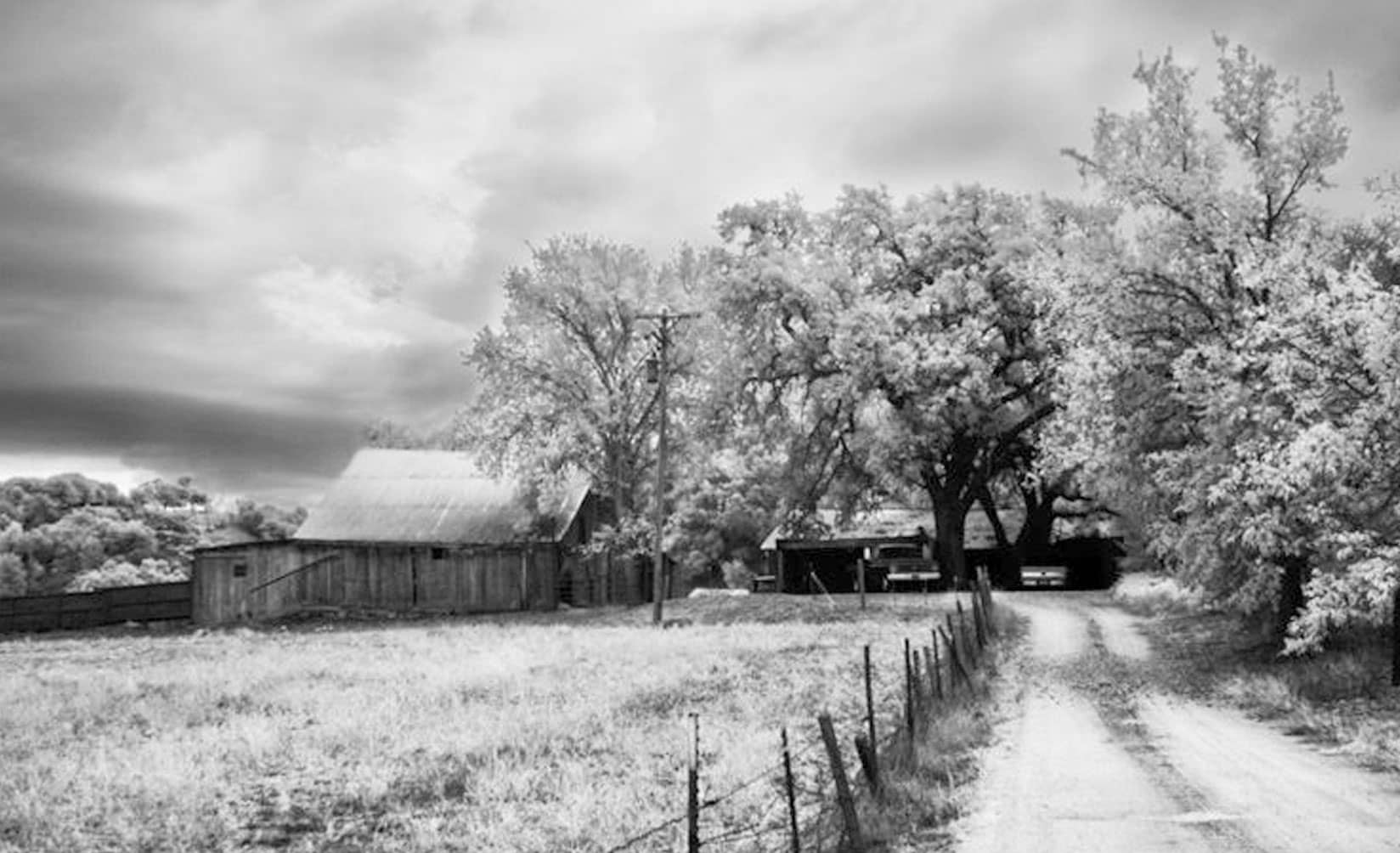
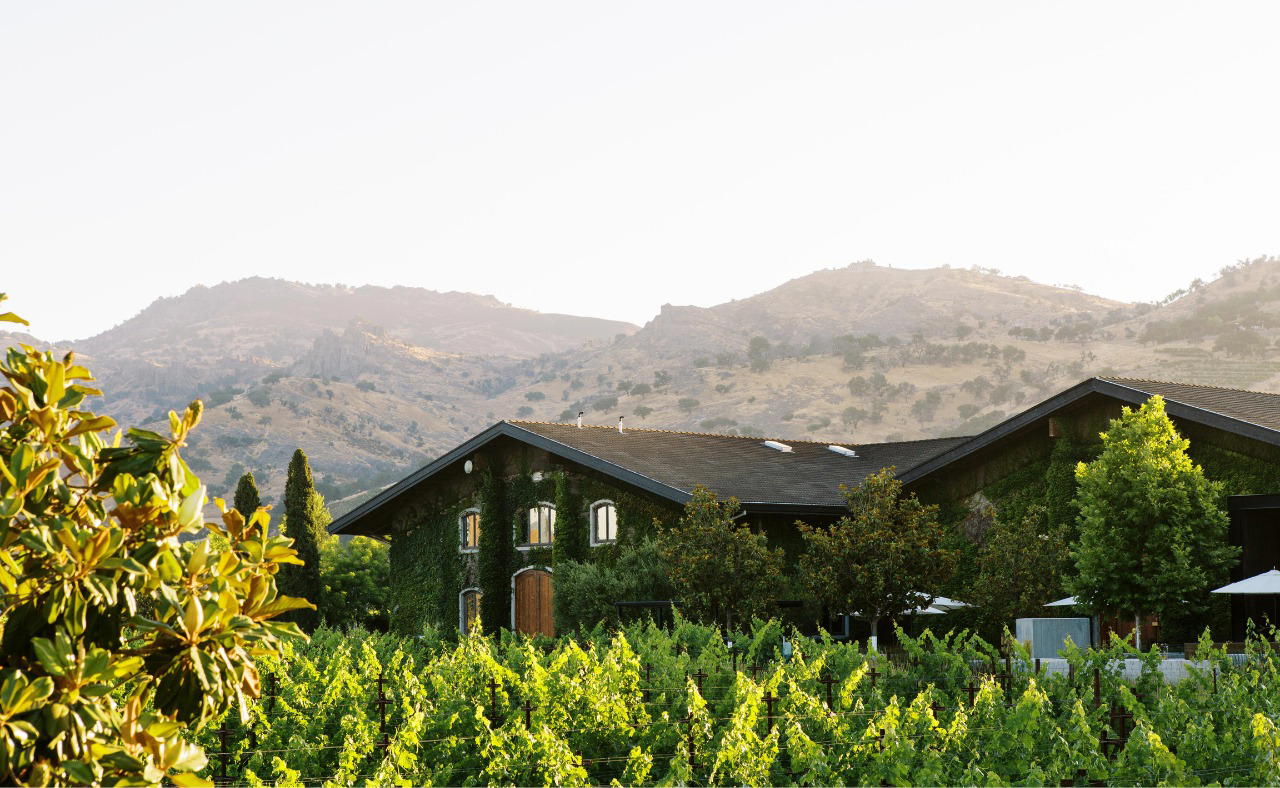
Wineries in Paso Robles
Browse all →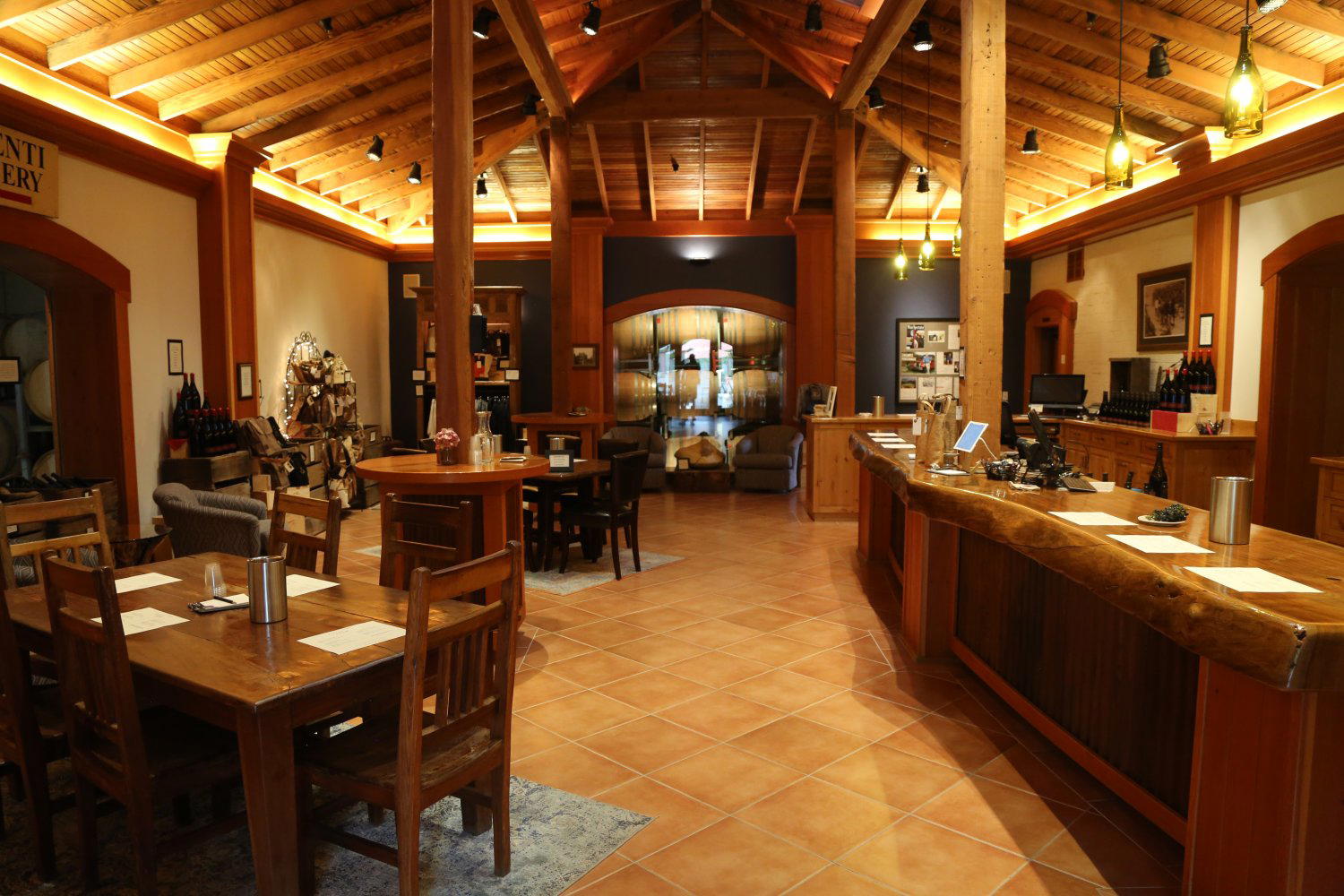
Bars in Paso Robles
Browse all →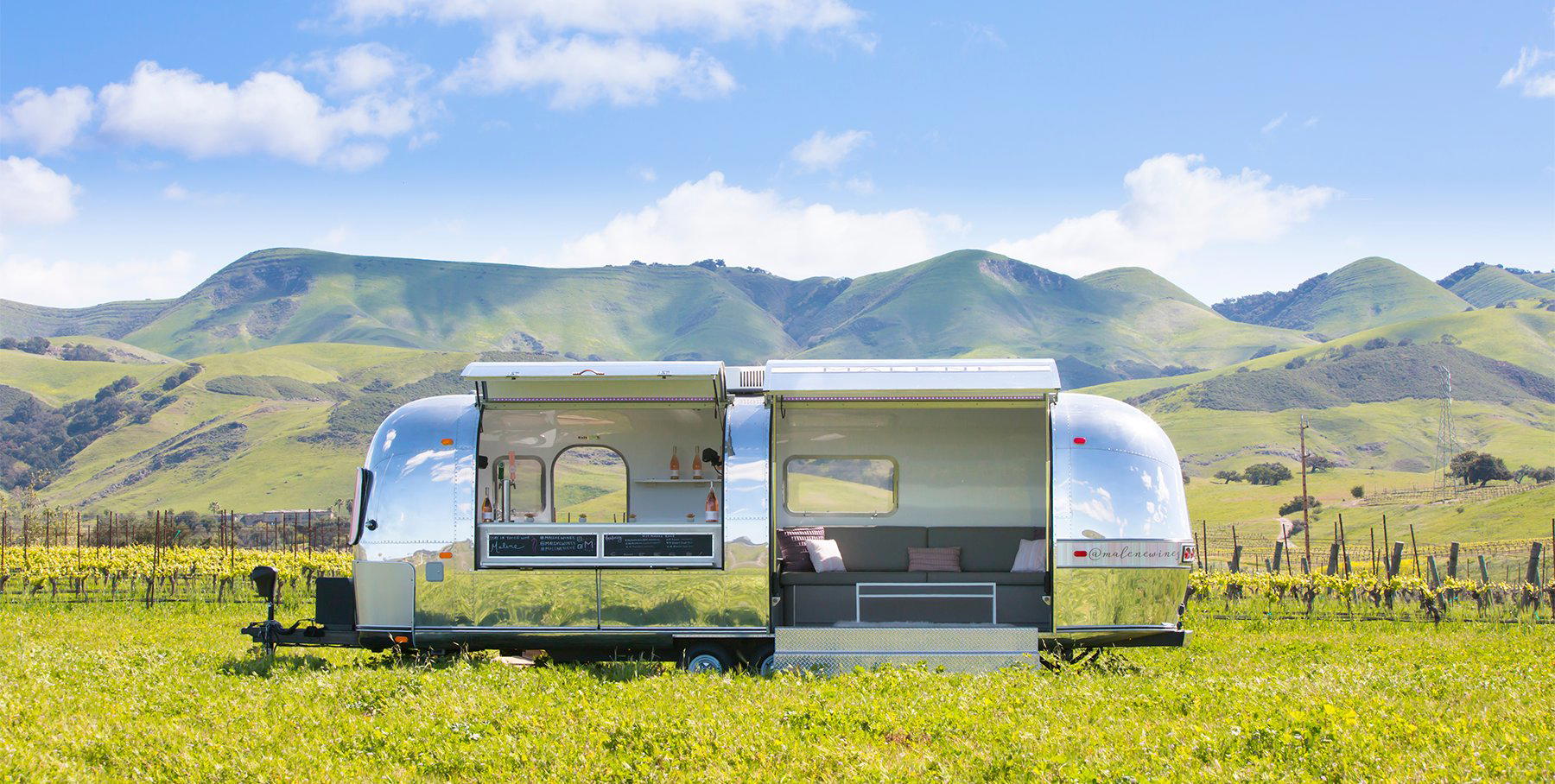
Restaurants in Paso Robles
Browse all →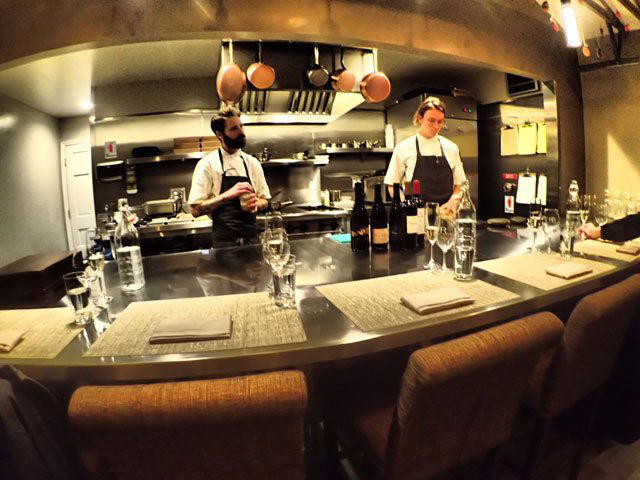
Details
- Intimate
- Rustic
- Elegant
- Scenic
- Wine Education
- Special Occasion
- Solo Exploration
- Vineyard Tour
- Cave Tasting
- Estate Grounds
- Sustainable
- Dry Farmed
- Vineyard
- Grenache
- Syrah
- Mourvèdre
- Zinfandel
- Grenache Blanc
- Picpoul Blanc
- Viognier
- Tempranillo
- Still Red
- Still White
- Still Rosé
- Private Tasting
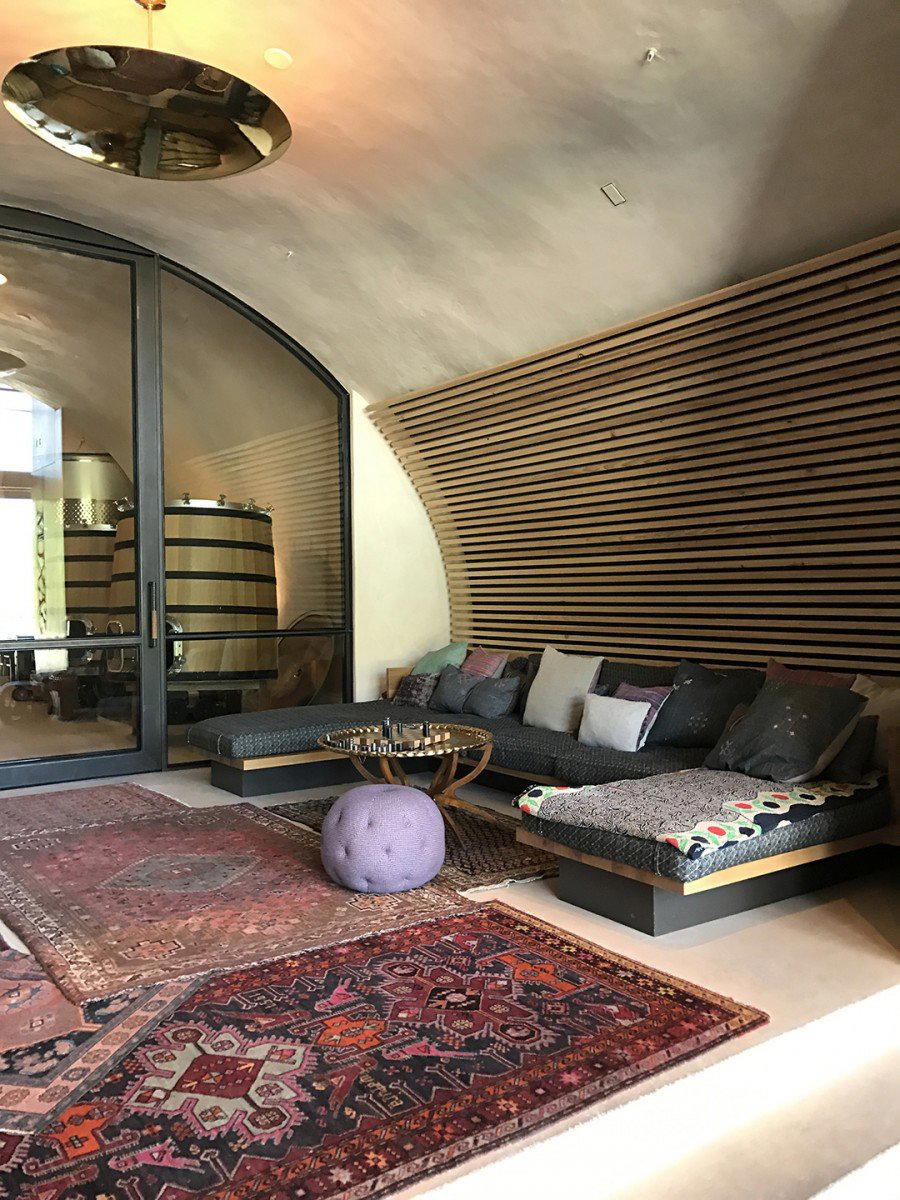
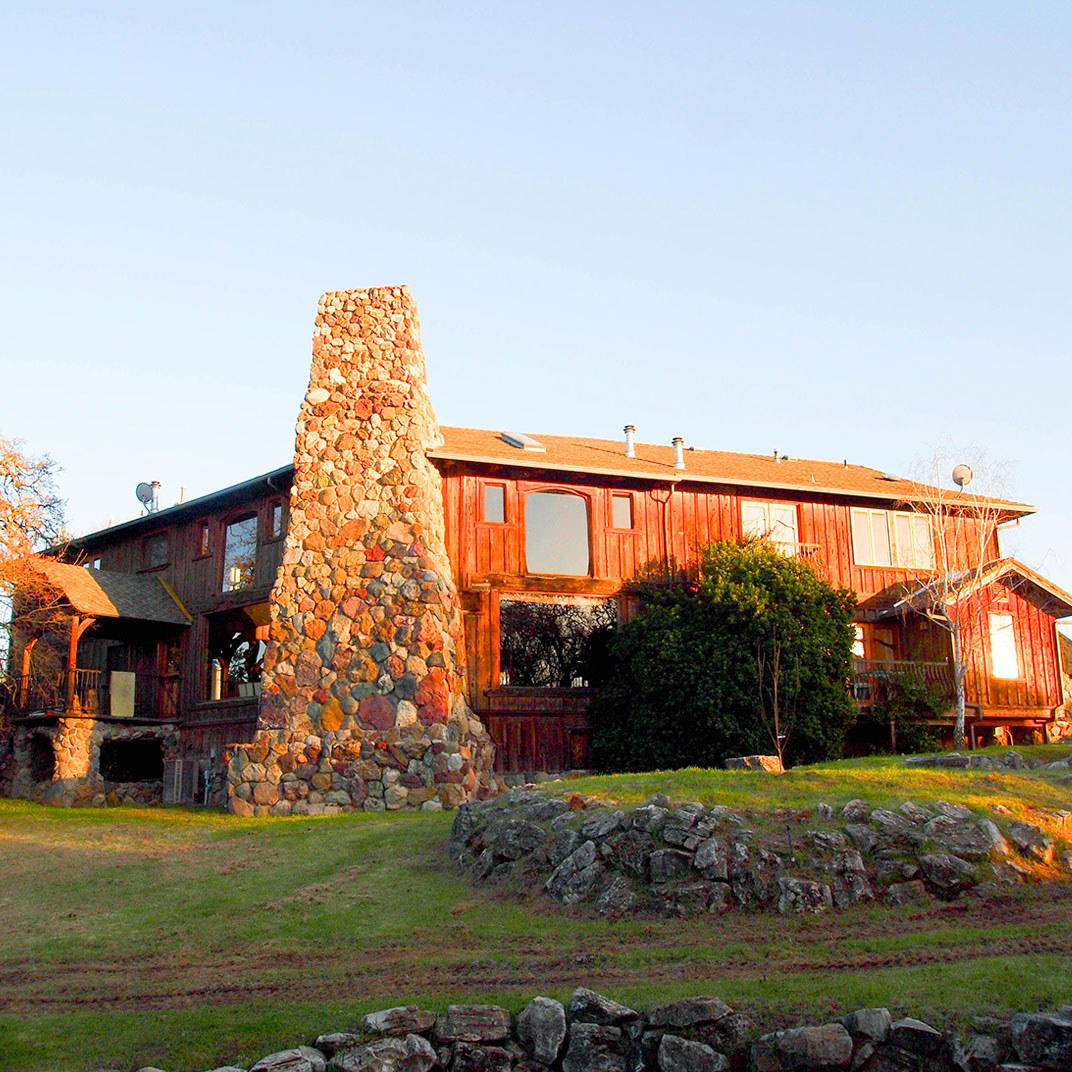
Intimate and modern tasting room surrounded by beautiful estate grounds and vineyards, offering a sophisticated yet welcoming atmosphere.