Smögen
Smögen sits on Sweden's Bohuslän coast in Hunnebostrand. The address places it at the edge of a landscape defined by granite outcrops, cold North Sea water, and the seasonal rhythms of the Swedish west coast. For visitors tracing premium drink and dining destinations through Scandinavia, it belongs on the itinerary alongside the country's other recognised producers.

Pearl is the En Primeur Club membership app — saves, bookings, and concierge access live there. Same editors, same standards.
- Address
- Ståleröd Ljungliden 1, 456 93 Hunnebostrand
- Phone
- +46 76-162 63 03
- Website
- smogenwhisky.se
- Directions
- Get directions
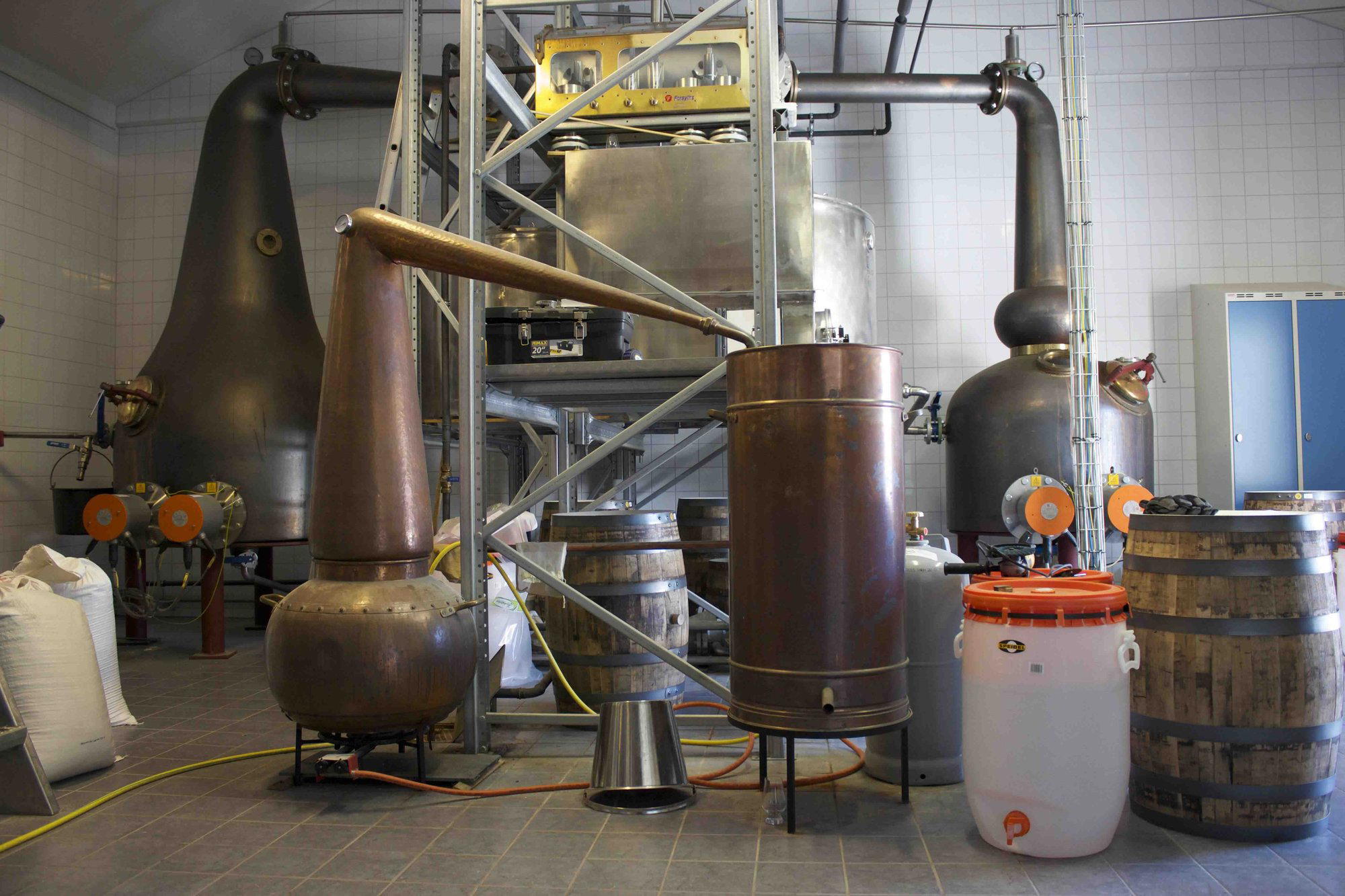
Where the West Coast Shapes the Glass
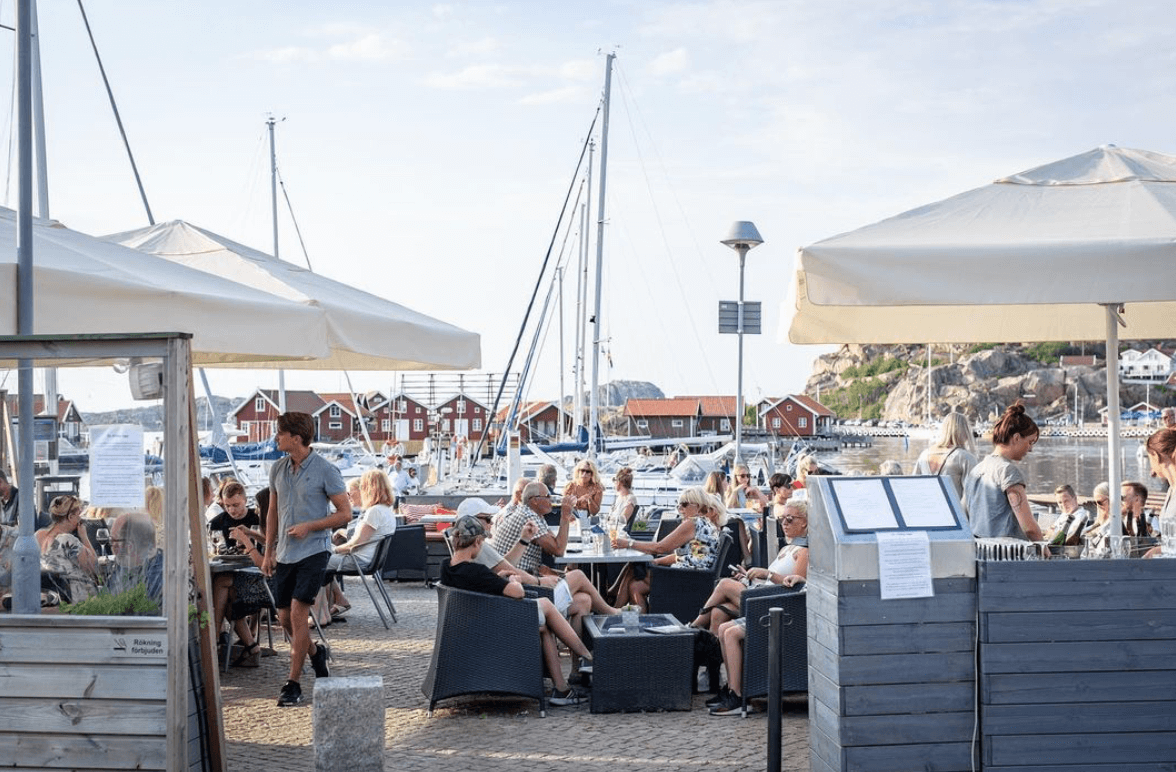
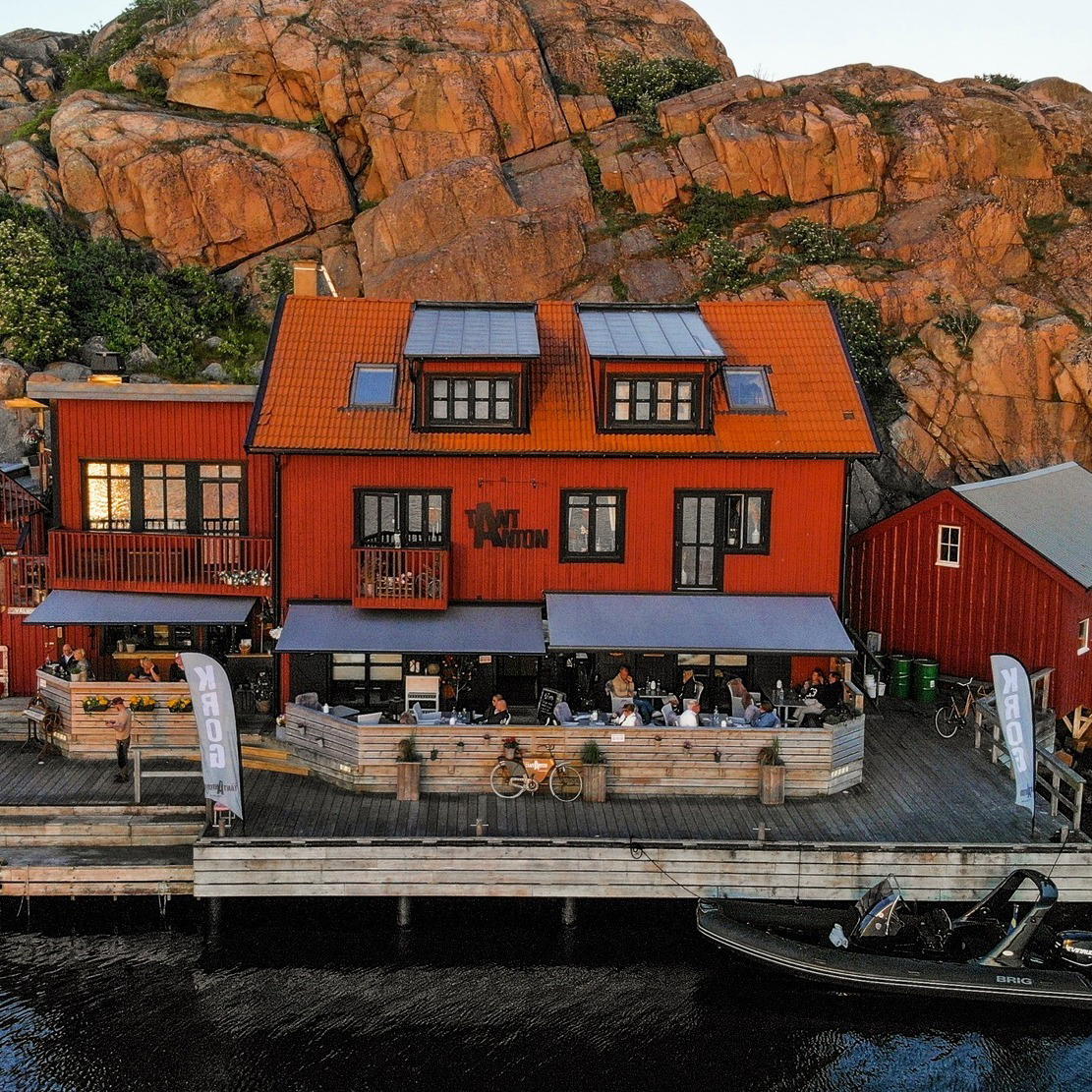
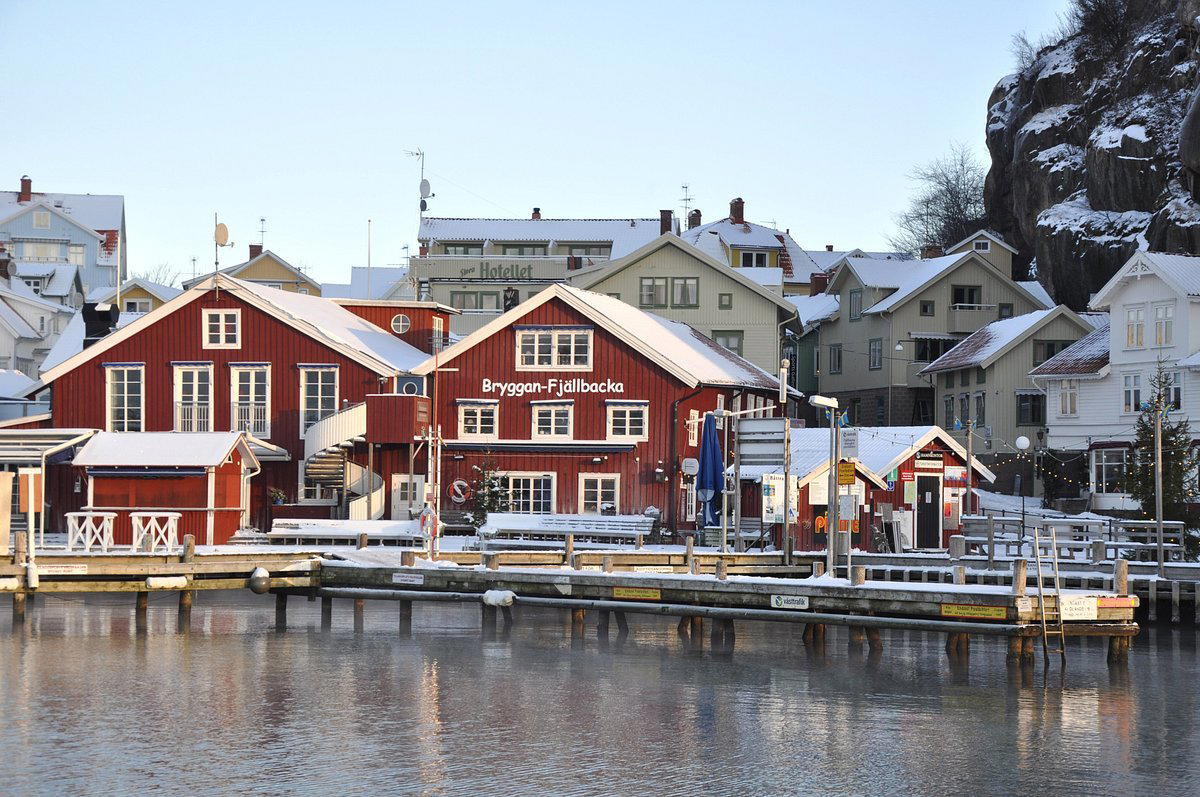
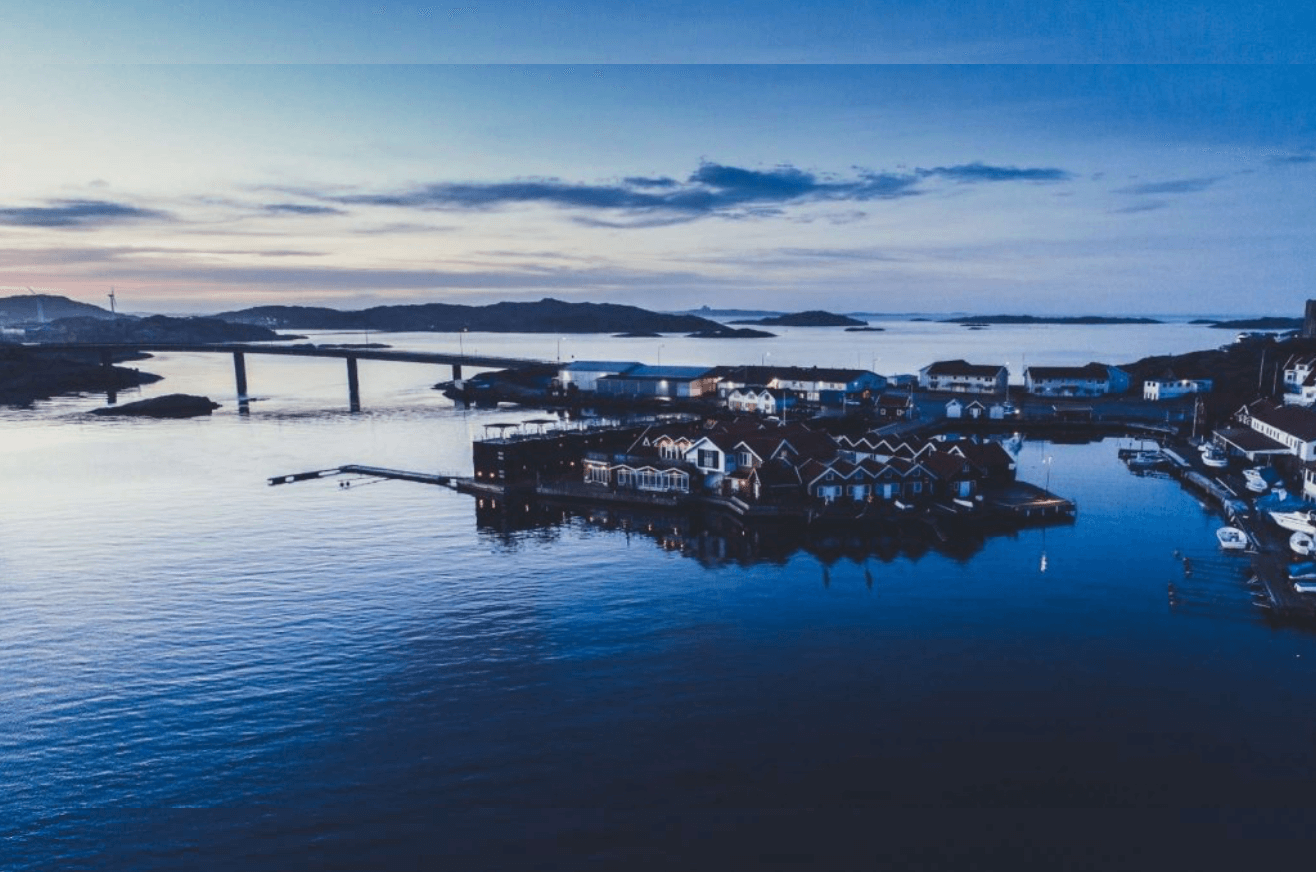
The Bohuslän coast runs north from Gothenburg in a sequence of granite islands, fishing harbours, and summer villages that feels, even in July, like it could turn at any moment. Hunnebostrand sits in the middle of this stretch, a small community where the architecture is red-painted timber and the horizon is open water. It is not a place that announces itself. The landscape is horizontal and salt-weathered, and whatever is produced here carries some trace of that character.
That rating, in the Pearl system, signals a consistent standard that separates it from the broader regional field. For context on how Scandinavian producers earn that kind of recognition, it helps to look at the wider picture: Sweden's drinks producers have developed from near-zero international profile a generation ago into a set of names that now draw serious attention. Mackmyra in Gävle built the case for Swedish whisky; Hernö Gin in Härnösand established that Swedish botanicals could anchor a gin of international standing. Smögen operates in that same emerging tradition of Nordic producers who take local terroir seriously as a starting point, not a marketing angle.
Terroir at This Latitude
The concept of terroir in Scandinavian spirits production works differently from how it operates in, say, the Rhône or Piedmont. There are no centuries of viticultural mapping, no codified appellations, no inherited vocabulary for what the land gives the glass. What there is, in Bohuslän, is a very specific set of environmental conditions: hard granite bedrock that contributes nothing to the water except what it strips away, cold growing and production temperatures, and the maritime influence of the Skagerrak. These are not soft, accommodating conditions. They tend to produce things with edges.
The whisky tradition that has developed along Sweden's west coast sits closer in spirit to the Scottish island malts than to the softer lowland styles. The comparison is not incidental. Scotland's island distilleries, from the heavily peated expressions of Islay to the maritime character of Orkney and the northern islands, have long argued that geography imprints itself on production in ways that cannot be fully replicated elsewhere. For Swedish coastal producers, that argument has only recently become available to make credibly. For a sense of what comparably positioned single malt producers look like in their home context, Aberlour in Aberlour offers a useful reference point: a producer deeply tied to its specific geography, recognised for consistency over time rather than novelty.
Broader international premium spirits field provides additional context for situating a west coast Swedish producer. Napa Valley houses like Accendo Cellars in St. Helena and Alpha Omega Winery in Rutherford have built their identities around a specific terroir argument within a well-established appellation system. What is interesting about producers like Smögen is that they are making the same fundamental argument, that place matters and expresses itself, without the scaffolding of a recognised appellation to support it. The recognition has to come from the liquid itself.
The Hunnebostrand Context
Premium drink and food destinations in Scandinavia have not historically concentrated in minor coastal communities. The pattern through most of the twentieth century was centralisation toward Stockholm, Gothenburg, and Copenhagen. What has shifted in the past decade is a willingness, among serious producers and the visitors who follow them, to go further out. The Bohuslän coast has benefited from this shift, partly because the physical environment is so clearly itself: it does not look like anywhere else in Sweden, and it does not produce things that taste like anywhere else.
For visitors planning around the region, Hunnebostrand sits roughly ninety minutes north of Gothenburg by road, making it a viable day trip or a reason to extend a stay on the west coast. The summer season, roughly mid-June through August, is when the town is most accessible and most populated, though the maritime character of the place is arguably more legible in the shoulder months when the summer crowds have gone. Our full Hunnebostrand restaurants guide covers the broader dining and drinking picture for the area.
Where Smögen Sits Among Peers
Adelaida Vineyards in Paso Robles, Adelsheim Vineyard in Newberg, and Alban Vineyards in Arroyo Grande each built their reputations on the argument that their specific location produces something that cannot be sourced from elsewhere. That argument, whether made in Swedish, French, or Californian, tends to hold up only when the production is disciplined enough to let the place speak clearly.
Smögen fits that pattern. The west coast Swedish character, whatever specific form it takes in the bottle, is not a style that bends easily toward fashion.
Among producers outside Europe who have made terrain-driven arguments in newer production contexts, All Saints Estate in Rutherglen and Amrut in Bengaluru are useful comparative references. Both operate in climates and traditions that were, until relatively recently, considered peripheral to the international premium conversation. Both have used the specificity of their environment as the core of their identity. The pattern is consistent across geographies: the producers who build durable reputations at the prestige tier are the ones who treat their place as an argument, not a backdrop. Achaia Clauss in Patras provides another example from Southern Europe of how long-established regional producers maintain prestige recognition through consistency rather than reinvention.
Planning a Visit
The address at Ståleröd Ljungliden 1 in Hunnebostrand is the starting point for planning. The summer window offers the most reliable access to the region's character, with daylight extending well into the evening and the coastal scenery at its most readable. Arriving from Gothenburg, the drive north along the coast road offers a useful orientation to the granite-and-water environment that defines the region before you arrive.
Continue exploring
More in Hunnebostrand
Wineries in Hunnebostrand
Browse all →
Bars in Hunnebostrand
Browse all →
Restaurants in Hunnebostrand
Browse all →
Details
- Rustic
- Intimate
- Scenic
- Wine Education
- Solo Exploration
- Estate Grounds
- Waterfront
- Optic
- Concerto
- Laureate
- Golden Promise
- Peated Whisky Tasting
- English
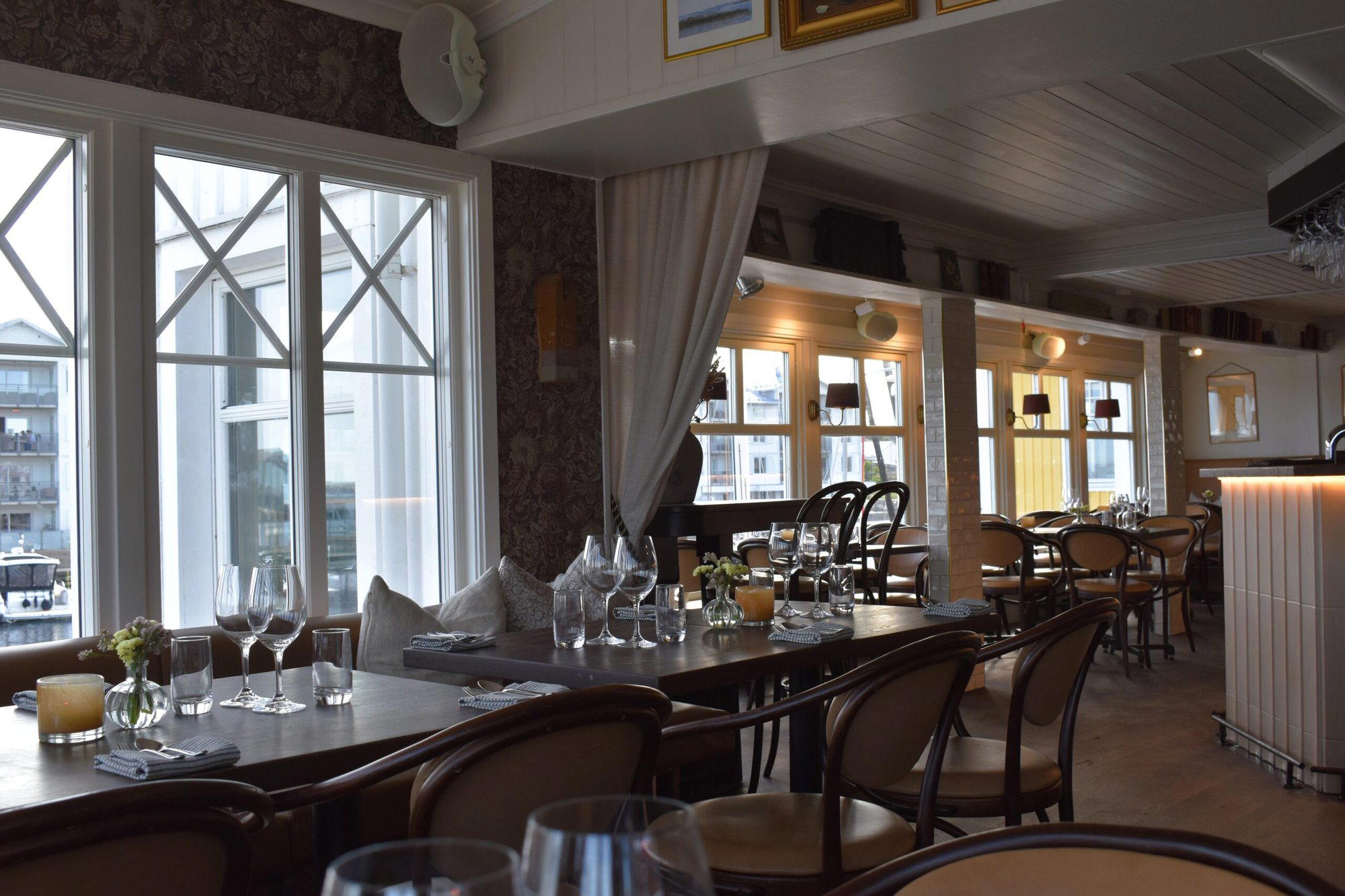
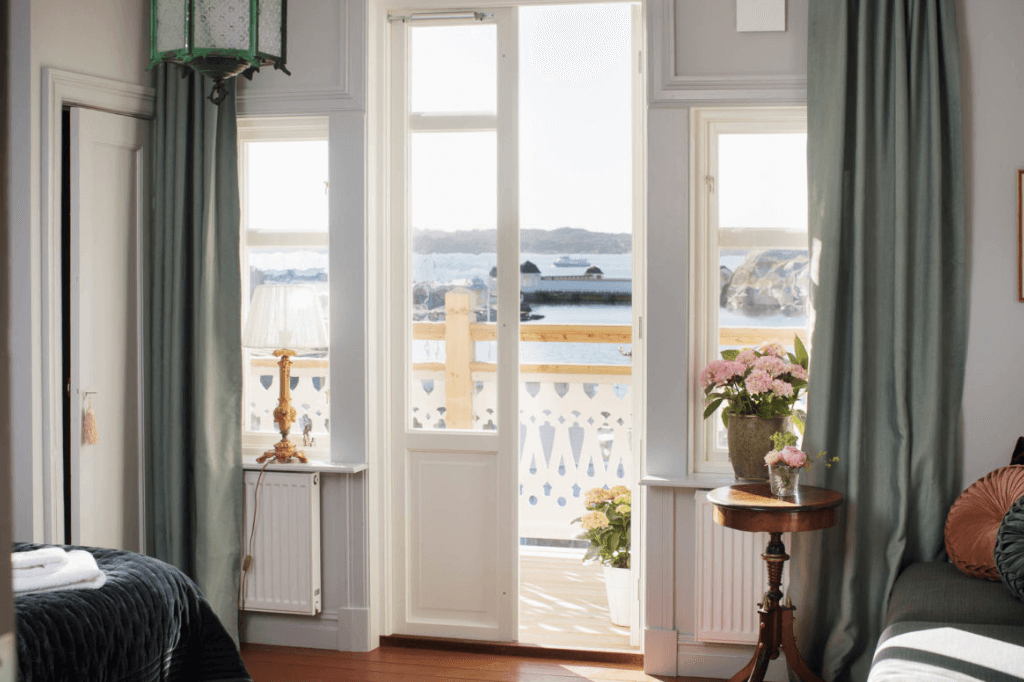
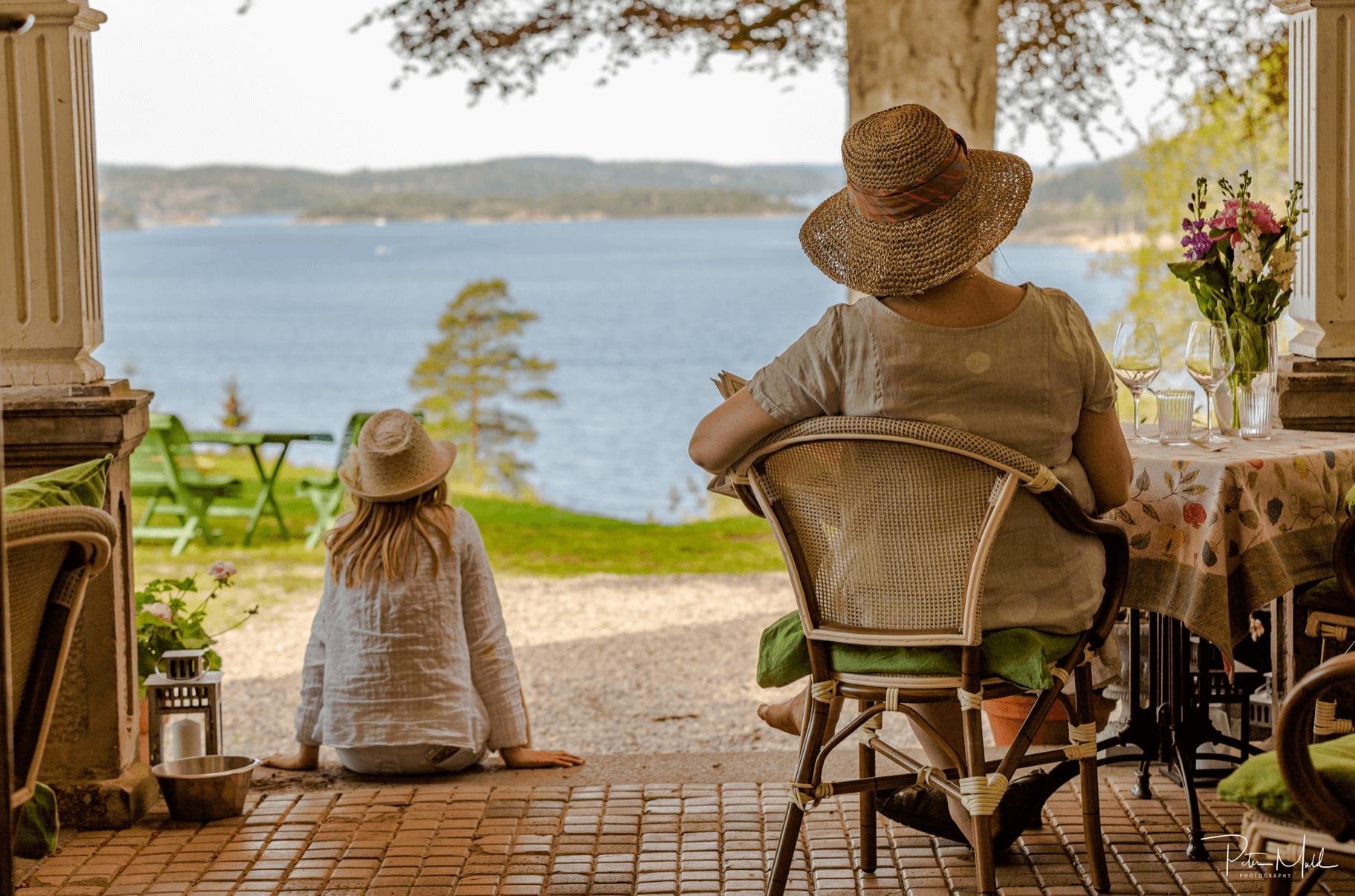
Cozy, rustic atmosphere in small production facilities on the scenic west coast.