Trump Winery
The property operates at the intersection of estate viticulture and food-and-wine hospitality, with the Blue Ridge foothills as backdrop. For visitors planning a Charlottesville wine circuit, it anchors the western end of a productive tasting corridor.

Pearl is the En Primeur Club membership app — saves, bookings, and concierge access live there. Same editors, same standards.
- Address
- 385 Albemarle House Dr, Charlottesville, VA 22902
- Phone
- (434) 266-9909
- Website
- trumpwinery.com
- Directions
- Get directions
The Albemarle Estate Tier and Where Trump Winery Sits
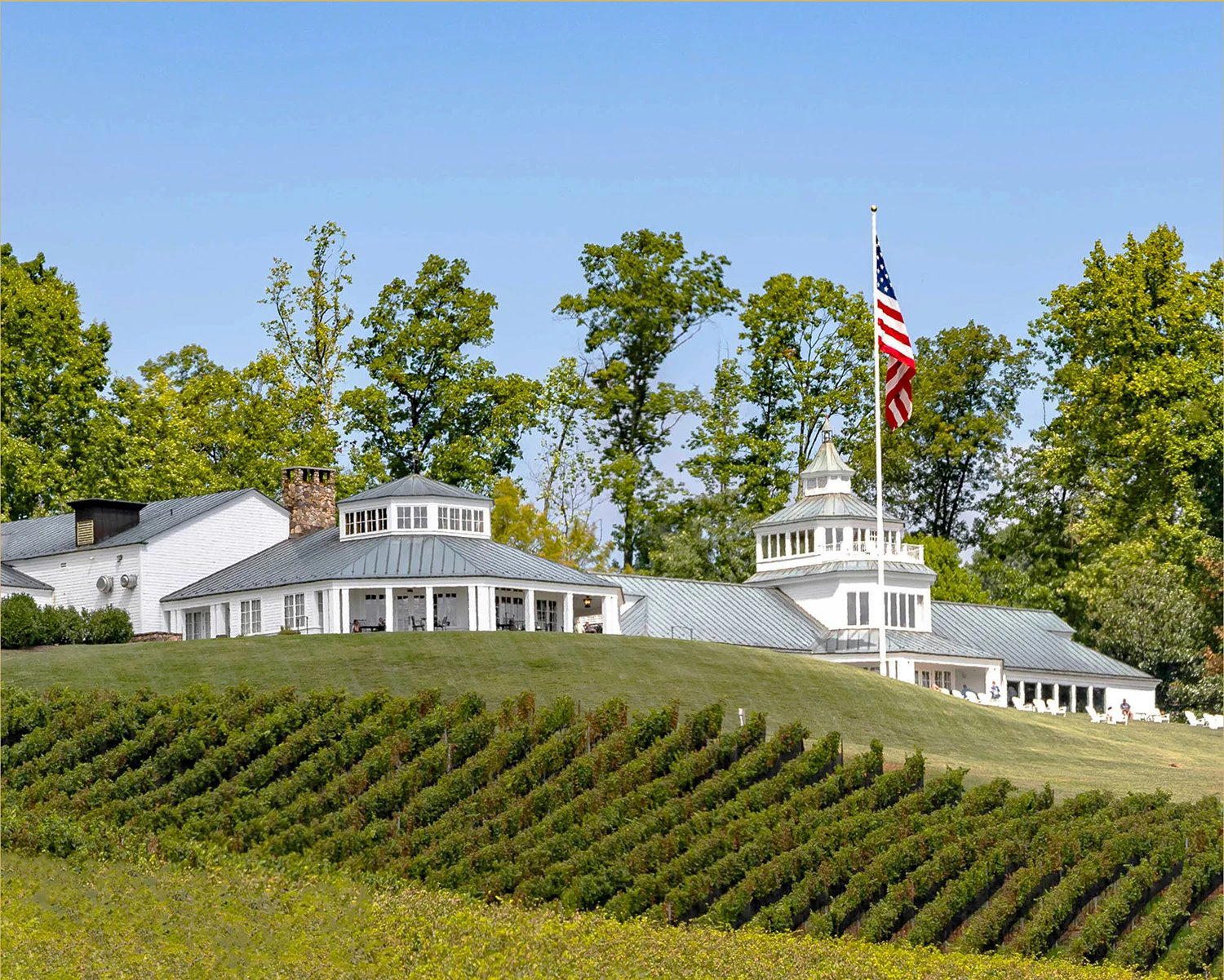
Charlottesville's wine country has developed a clear internal hierarchy over the past two decades. At one end, smaller family-run operations like Chiswell Farm & Winery and Eastwood Farm & Winery offer intimate tastings with limited production. At the other, larger estate properties command the visitor experience through scale, grounds, and programming depth. Trump Winery, located at 385 Albemarle House Drive, occupies a specific position in this upper tier: an estate property with the physical footprint and recognition credentials to attract visitors who treat a winery visit as a full-day hospitality event rather than a quick tasting stop.
For a region where visitors frequently plan multi-stop itineraries spanning Jefferson Vineyards and Gabriele Rausse Winery, the presence of a food-integrated hospitality program matters in terms of how long visitors stay and what they spend.
Food, Pairing, and the Hospitality Architecture
Virginia's estate wineries have generally moved in one of two directions on food programming: light grazing boards sold at the tasting bar, or more structured culinary integration through private events, dining rooms, and chef partnerships. The properties that have leaned into the latter tend to attract a different visitor profile, one who books further in advance and whose primary reason for the visit is as much the dining experience as the wine itself.
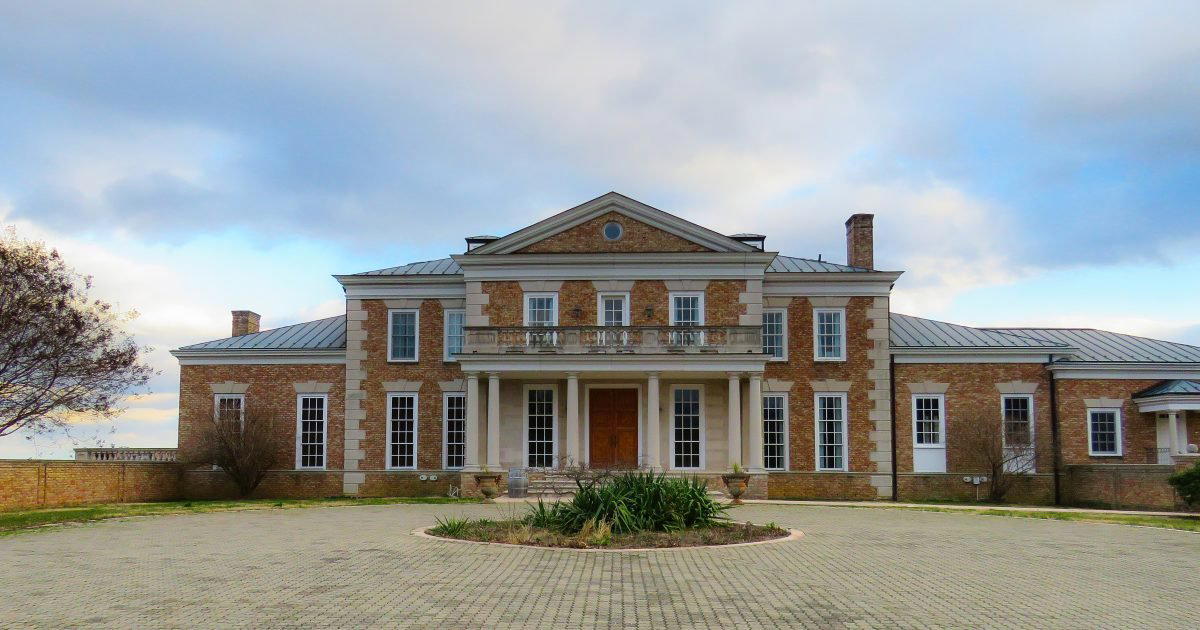
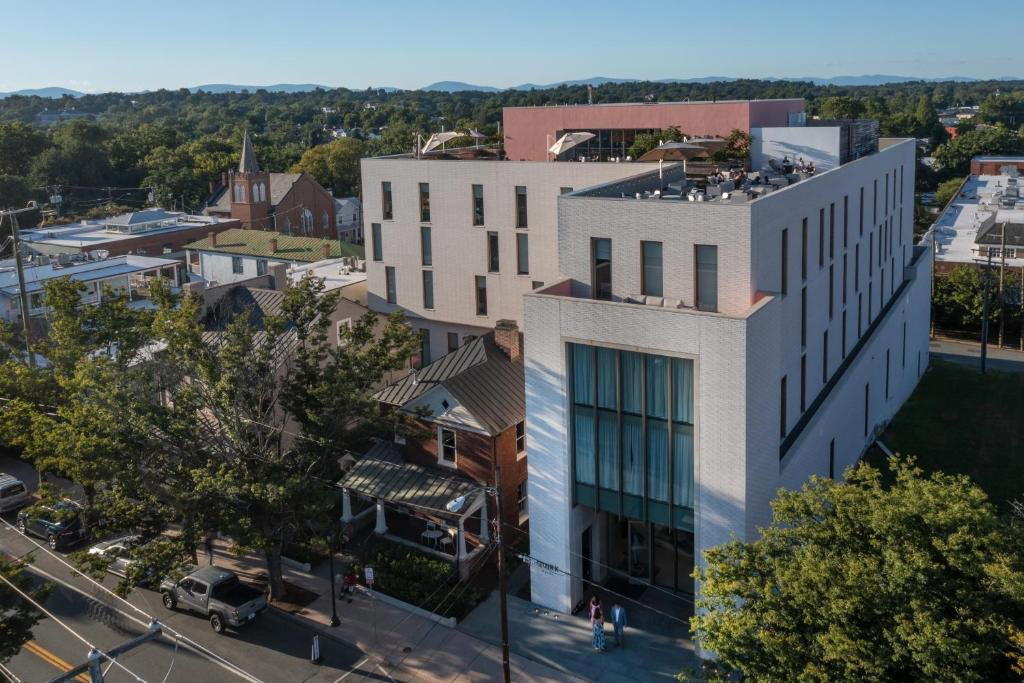
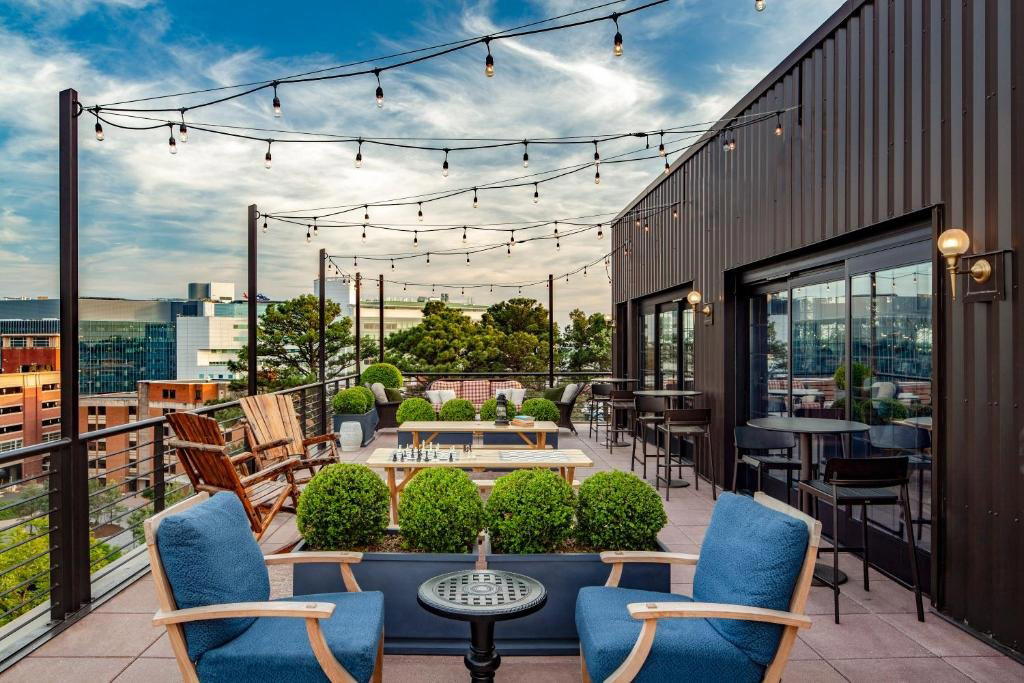
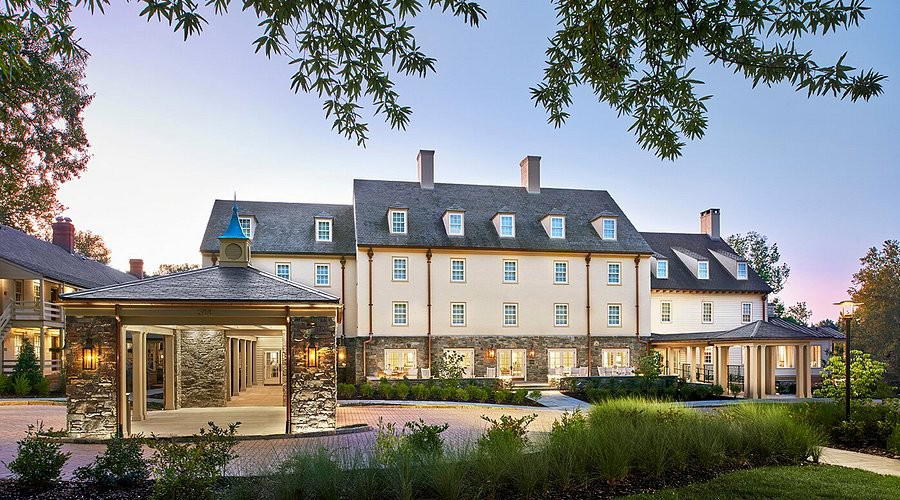
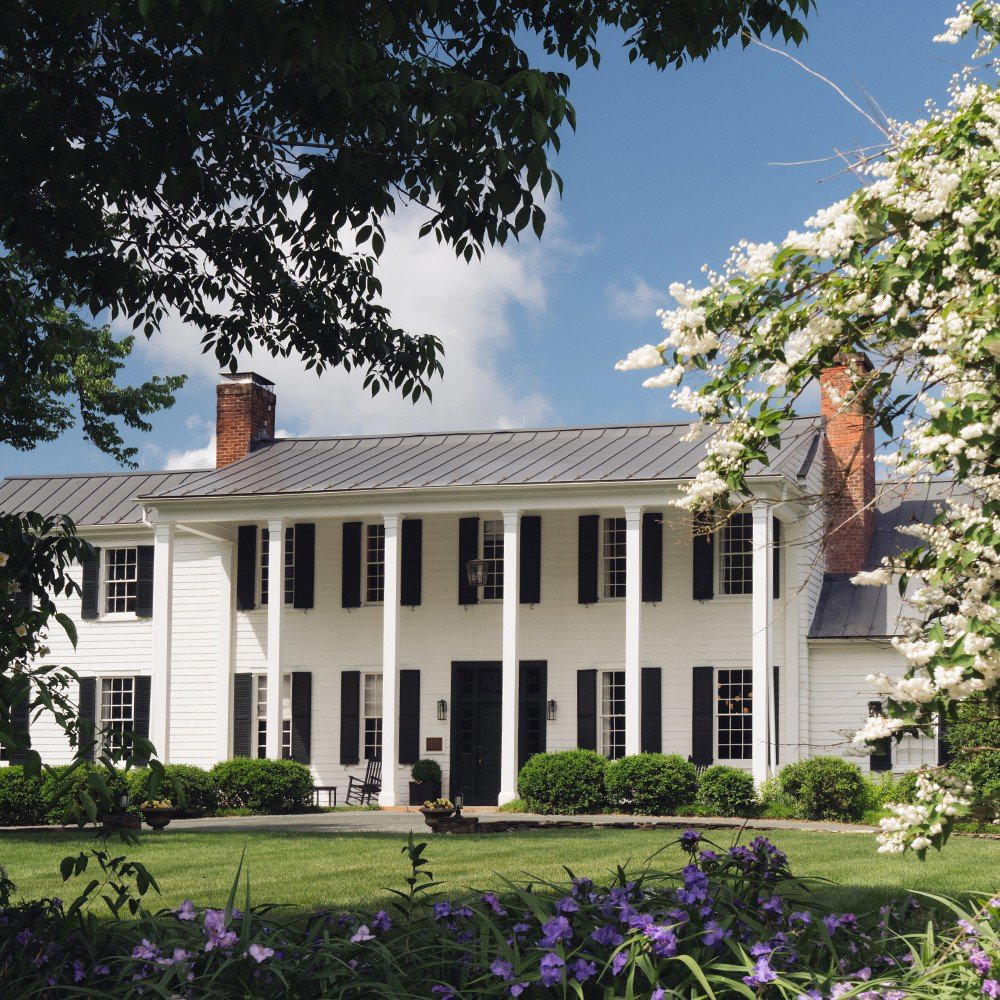
Trump Winery's address at the Albemarle House estate positions it physically within the tradition of Virginian plantation-era hospitality, where the grounds, architecture, and table are treated as a single coherent offering. That context shapes expectations at arrival. Visitors approaching via the estate drive encounter the kind of formal residential scale that signals a seated, multi-course register rather than a walk-in tasting room. The Blue Ridge backdrop reinforces the sense that this is a destination visit rather than a drop-in.
For those planning around food-and-wine pairing specifically, this type of estate format has meaningful implications. Pairing events at properties with dedicated kitchen programs allow for sequencing of wines against courses in a way that a tasting-room format cannot replicate. Virginia whites, particularly Viognier and Chardonnay, work with specific seafood and poultry preparations in ways that benefit from chef input on accompaniment. Likewise, the region's Bordeaux-influenced reds, which account for a significant share of production across Albemarle County, often show differently against food than they do at a bar counter pour. Whether Trump Winery structures its programming around such formal pairing formats is best confirmed directly, but the estate format creates the physical conditions for it.
Virginia Wine Context and Regional Positioning
Understanding any Charlottesville winery requires a working knowledge of what Virginia wine actually is at this stage of its development. The state is not yet a globally recognised fine-wine region in the way that California's Napa Valley or Oregon's Willamette Valley are, but it has made sustained progress on quality signals. The number of Virginia wineries receiving recognition from credentialed evaluation frameworks has grown sharply since 2015, and Charlottesville's Albemarle County cluster specifically has attracted comparison to early-stage Sonoma more than to any East Coast predecessor.
The dominant varieties in the county trend toward Bordeaux blends and single-variety Cabernet Franc, with white programs built primarily around Viognier and Chardonnay. Petit Verdot, which struggles to ripen fully in many climates, does surprisingly well in Virginia's warm summers, and several Charlottesville producers have made it a calling-card variety. This varietal specificity is part of what distinguishes the region's serious producers from those simply following a California playbook on different soil. Comparative tasting against producers from other American regions, such as Accendo Cellars in St. Helena or Alpha Omega Winery in Rutherford, quickly reveals the different textural and structural registers that Virginia's climate produces.
Internationally, the contrast is just as instructive. Properties like Adelaida Vineyards in Paso Robles or Adelsheim Vineyard in Newberg have built identities around specific soil and climate arguments. Virginia is still developing that narrative with mainstream wine audiences, which is part of why estate-level hospitality experiences matter so much in the region's current phase: they create dwell time that allows producers to make the regional case in person.
Planning a Visit: What to Know Before You Go
Charlottesville wine country is most accessible between late spring and early autumn, when the grounds are at their most usable and harvest-season programming begins to appear on estate calendars. Albemarle County's proximity to the city means that most estate properties are reachable within 20 to 30 minutes from downtown Charlottesville, making it practical to combine a winery visit with dinner in the city. For a broader picture of what the dining and drinking scene looks like beyond the wine trail, see our full Charlottesville restaurants guide.
Trump Winery's location at 385 Albemarle House Drive places it in the western corridor of Albemarle County. Visitors building a multi-property day should note that this part of the county clusters well with Blenheim Vineyards, allowing for an efficient two-stop itinerary without significant backtracking. Phone and online booking details are best confirmed directly through the property's current channels given the volume of programming that estate-tier wineries typically run.
Visitors interested in how Virginia's hospitality model compares to estate wineries in other developing American regions, such as Andrew Murray Vineyards in Los Olivos or Alban Vineyards in Arroyo Grande, will find instructive contrasts in how climate shapes both the wine style and the visitor experience format. Old World comparisons also have value: properties like Achaia Clauss in Patras or Aberlour in Aberlour represent the kind of long-established estate tradition that Virginia producers are, in their own way, beginning to build toward. Alexander Valley Vineyards in Geyserville offers another California benchmark for how family-scale estate operations mature into recognised regional anchors over time.
Comparable Spots, Quickly
Comparable venues nearby, for context on price, style, and recognition.
| Venue | Cuisine | Price | Notes |
|---|---|---|---|
| Trump WineryThis venue — the venue you are viewing | Viognier, Chardonnay | Not listed | Not listed |
| Eastwood Farm & Winery | Chardonnay, Petit Verdot | $10–20 | Scottsville Road |
| Chiswell Farm & Winery | Cabernet Franc, Cabernet Sauvignon | $30–50 | Greenwood |
| Blenheim Vineyards | Viognier, Chardonnay | $20–30 | Albemarle County |
| Jefferson Vineyards | Chardonnay, Cabernet Sauvignon | $20–30 | Albemarle County |
| Michael Shaps Wineworks | Cabernet Franc, Chardonnay | $20–30 | south of Charlottesville |
Continue exploring
More in Charlottesville
Wineries in Charlottesville
Browse all →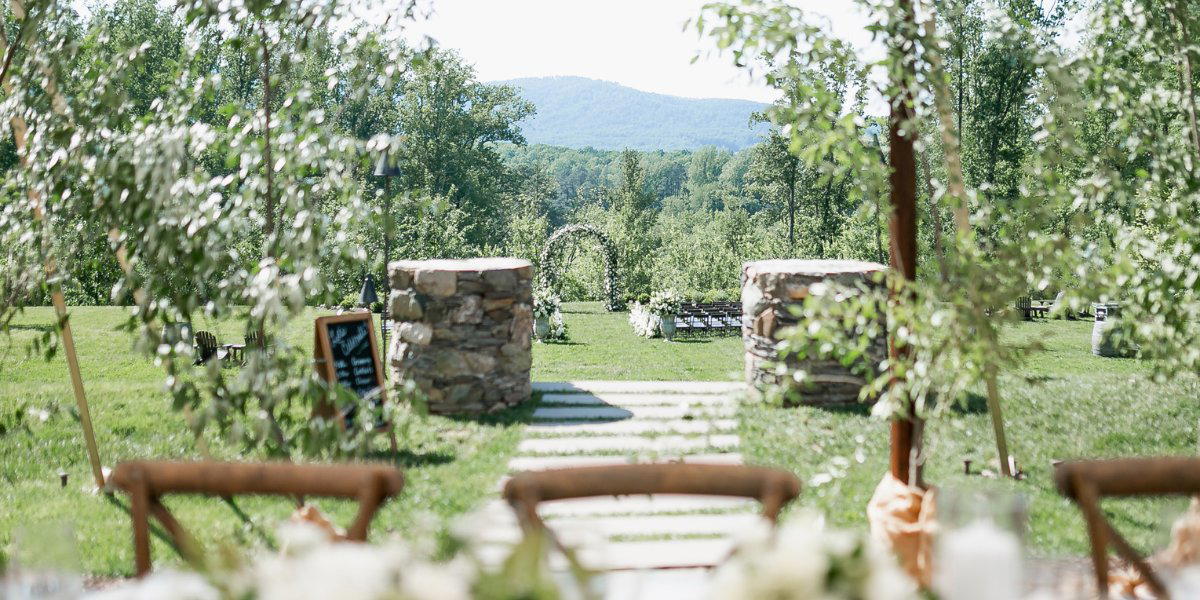
Bars in Charlottesville
Browse all →
Restaurants in Charlottesville
Browse all →

Details
- Scenic
- Elegant
- Rustic
- Sophisticated
- Group Outing
- Celebration
- Wine Education
- Special Occasion
- Vineyard Tour
- Estate Grounds
- Panoramic View
- Terrace
- Vineyard
- Mountain
- Viognier
- Chardonnay
- Sauvignon Blanc
- Cabernet Sauvignon
- Merlot
- Still Red
- Still White
- Sparkling
- Flight Tasting
- Winemaker: official source · checked
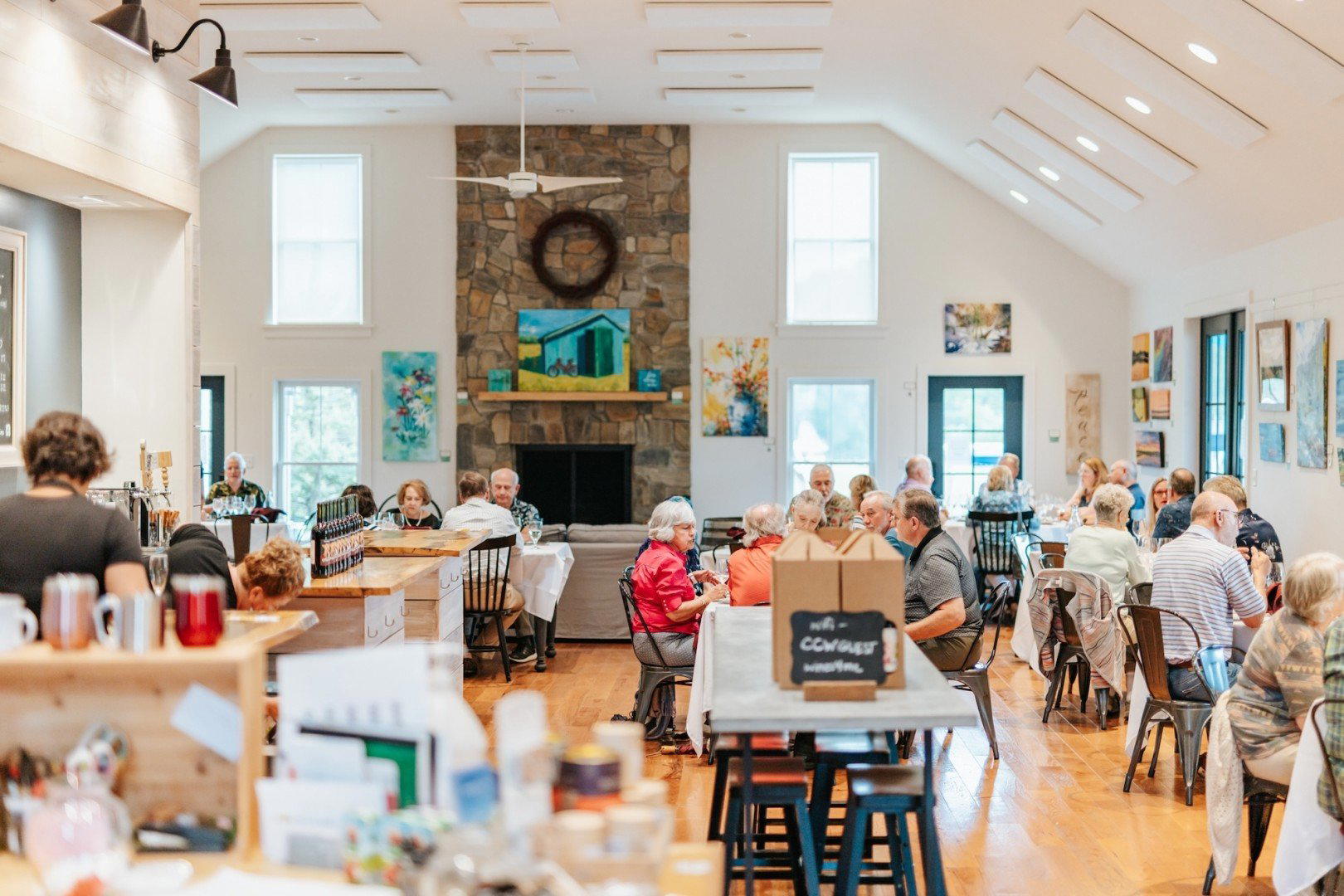
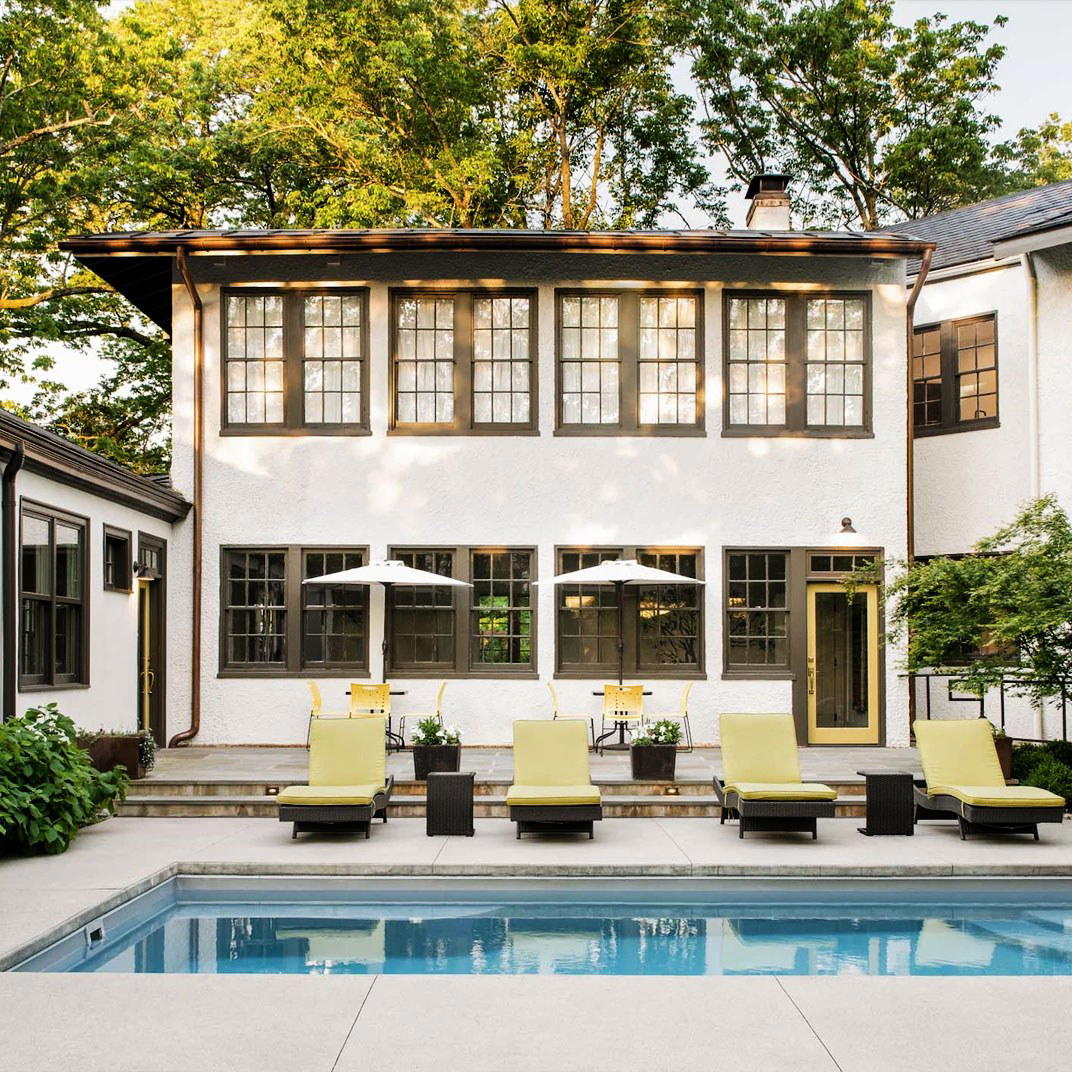
Warm atmosphere in the Grand Hall Tasting Room with floor-to-ceiling windows overlooking rolling hills and vineyards, wood-burning fireplaces, and elegant yet casual seating areas.